Learn how to build a lasting reputation in the funeral industry.
The funeral industry requires a delicate balance of professionalism, compassion, and trustworthiness. During some of their most sensitive times, families come to you depending on your direction to honor their loved ones with decency and respect.
Building a solid reputation in this industry requires not just offering first-rate services but also forging close relationships and upholding a relentless commitment to quality. Standing out and leaving a legacy that lasts depends on building trust within your sector and community.
Table of Contents
Delivering Unwavering Compassion in Every Interaction
In the funeral business, success rests mostly on compassion. Your ability to sympathize with bereaved families and offer them sincere assistance cultivates loyalty and trust. From the initial consultation to the last service, every contact shows your commitment to meeting their demands.
Families look for comfort during trying circumstances, so your ability to pay close attention and provide creative solutions shows your dedication to their welfare. Treating every family with respect and care not only satisfies their needs but also helps to establish your reputation as a reliable professional.
Offering Personalized Services That Honor Unique Legacies
Beyond basic offerings, producing customized services honoring the special life of individuals being remembered helps to establish a great reputation. This involves customizing ceremonies, memorials, and funeral plans to honor certain customs and personalities. Custom headstones, ethnic ceremonies, or creative memorial displays—personalized touches make a big difference to families.
Collaborating with providers of wholesale monuments, for instance, lets you provide families with exquisitely created reasonably priced memorial choices that accentuate your offerings. These efforts demonstrate your commitment to meaningfully celebrating every life.
Maintaining Transparency and Professionalism in All Practices
Families’ trust depends on transparency in pricing, services, and policies, as well as guarantees of a solid reputation. A clear explanation of expenses, deadlines, and what families can expect helps to avoid misinterpretation and increases faith in your offerings. Professionalism is also quite important; it covers everything from keeping a clean facility to showing respect in every interaction.
Following these values helps you to project to families a consistent, moral caregiver they can trust during a difficult period. Families that believe they have been treated with integrity, respect, and compassion are more inclined to suggest your services to others, therefore supporting your long-term success.
Investing in Community Engagement and Education
Participating in your community highlights your dedication to meaningful service and positions you as a helpful and easily available resource for end-of-life planning. Organizing seminars, attending neighborhood events, or offering instructional resources on subjects including pre-planning, grief support, and estate issues not only shows your commitment but also helps families make wise decisions.
Beyond meeting immediate funeral requirements, these initiatives highlight your compassion and guiding ability amid trying circumstances. By regularly showing up and helping, you increase awareness of your offerings, create trust, and deepen the relationship with the families you assist so they will turn to you with confidence and dependability when the time comes.
Adapting to Evolving Trends While Preserving Tradition
Staying aware of changing funeral business trends helps you to satisfy contemporary needs while safeguarding the customs that many families deeply value. Families of today look for more individualized and meaningful choices ranging from virtual memorials and eco-friendly products that fit their values to green funerals and cremation alternatives.
Adapting to these shifts shows that you can accommodate different tastes and design offerings that appeal to several generations. Maintaining the equilibrium between innovation and legacy guarantees your relevance, nevertheless, and respects the religious and cultural practices that hold deep significance for many. Your willingness to embrace change while preserving time-honored customs shows your will to provide inclusive solutions that respect every family’s particular needs, values, and beliefs with compassion and care.
Conclusion
Establishing a long-term reputation in the funeral industry requires the ability to combine compassion, professionalism, and adaptability. You build a legacy that represents your dedication to respecting the lives of people entrusted to your care by providing customized services, encouraging trust through transparency, and interacting with your community.
Your contribution goes beyond mere service delivery to include becoming a consistent friend for families through some of the most difficult times of life. Because of your unwavering commitment, not only will your reputation endure, but it will also become a source of solace and fortitude for future generations.
In today’s interconnected world, organizations face a complex and ever-evolving threat landscape. Cyberattacks are becoming increasingly sophisticated, targeting sensitive data, disrupting business operations, and damaging reputations.
Enterprise security, therefore, has become a critical aspect of organizational success, requiring a comprehensive and strategic approach to safeguarding assets, protecting information, and ensuring business continuity.
Without further ado, let’s get started with the enterprise security guide.
Table of Contents
Enterprise Security Guide: What Is Enterprise Security?
Enterprise security encompasses the strategies, techniques, and processes used to protect an organization’s information assets, including its data, networks, and systems.
It aims to safeguard sensitive information from unauthorized access, modification, or destruction, ensuring the confidentiality, integrity, and availability of critical data.
Enterprise security plays a crucial role in protecting organizations from a wide range of cyber threats, such as malware, phishing attacks, ransomware, and social engineering attempts.
These threats can have a devastating impact on businesses, leading to financial losses, reputational damage, and operational disruptions.
A comprehensive enterprise security strategy typically involves the following key components:
Network Security: Protecting the organization’s network infrastructure from unauthorized access, malware infections, and other network-based threats.
Endpoint Security: Securing devices such as laptops, desktops, and mobile devices from malware, unauthorized access, and data loss.
Application Security: Protecting applications from vulnerabilities, attacks, and unauthorized access.
Data Security: Protecting sensitive data at rest and in transit, using encryption, access controls, and data loss prevention (DLP) measures.
Identity and Access Management (IAM): Managing user identities, controlling access to resources, and enforcing strong authentication practices.
Incident Response: Preparing for, detecting, and responding to security incidents effectively to minimize damage and restore operations.
In addition to these core components, enterprise security also encompasses various other aspects, such as:
Physical Security: Protecting physical assets, such as data centers and server rooms, from unauthorized access and environmental threats.
Security Awareness and Training: Educating employees about cybersecurity threats and best practices to reduce human error and social engineering attacks.
Vulnerability Management: Regularly scanning systems and applications for vulnerabilities, promptly applying patches and updates, and employing red teaming exercises to actively test and exploit these vulnerabilities in a controlled manner, thereby assessing the effectiveness of the security measures in place.
Risk Management: Assessing and managing security risks to prioritize security efforts and allocate resources effectively.
Compliance with Regulations: Ensuring compliance with relevant data privacy regulations, such as GDPR and CCPA.
Enterprise security is an ongoing process that requires continuous monitoring, adaptation, and improvement.
Organizations must stay informed about evolving threats, implement new security measures as needed, and regularly test their security posture to ensure they are adequately protected.
By adopting a comprehensive and proactive approach to enterprise security, organizations can effectively safeguard their valuable assets, protect their reputation, and ensure the continuity and success of their businesses.
Now, for this enterprise security guide, let me share the most common enterprise security threats with you.
Enterprise Security Deals
NordLayer
Protects remote access for businesses by implementing Zero Trust and other multi-layered cybersecurity measures.
Protects remote access for businesses by implementing Zero Trust and other multi-layered cybersecurity measures. Show Less
Acronis Cyber Protect For Businesses
Protects your data, applications, and systems from malware using a combination of modern-day anti-malware approaches...Show More
Protects your data, applications, and systems from malware using a combination of modern-day anti-malware approaches, which includes anti-malware, anti-ransomware, and anti-cryptojacking technologies. Show Less
AVG Antivirus Business Edition
Protects your businesses against malware attacks and hacking attempts.
Protects your businesses against malware attacks and hacking attempts. Show Less
AVG File Server Business Edition
Protects your files and file servers from malware and other online threats.
Protects your files and file servers from malware and other online threats. Show Less
AVG Internet Security Business Edition
Shields your business networks, emails, and endpoints from cyber threats and attacks.
Shields your business networks, emails, and endpoints from cyber threats and attacks. Show Less
Ashampoo Office 8
The best alternative to Microsoft Office.
The best alternative to Microsoft Office. Show Less
IOLO System Mechanic Business
The leading repair and system optimization tool for your office needs.
The leading repair and system optimization tool for your office needs. Show Less
Kaspersky Endpoint Cloud Security
Offers 360-degree cybersecurity protection for growing businesses
Offers 360-degree cybersecurity protection for growing businesses Show Less
Kaspersky Small Office Security
Protects small businesses without needing an IT technician.
Protects small businesses without needing an IT technician. Show Less
Norton Small Business
Gives your startup business total protection from cyber threats and attacks.
Gives your startup business total protection from cyber threats and attacks. Show Less
Wondershare PDF Element
A robust yet easy-to-use PDF tool for creating, editing, protecting, and signing PDFs across multiple platforms.
A robust yet easy-to-use PDF tool for creating, editing, protecting, and signing PDFs across multiple platforms. Show Less
Wondershare Document Cloud
The cloud-based platform for simplifying your workflow and collaborating with colleagues.
The cloud-based platform for simplifying your workflow and collaborating with colleagues. Show Less
WatchGuard Enterprise Endpoint
Uses a combination of adaptive defense technology for advanced prevention, detection, containment, and response to...Show More
Uses a combination of adaptive defense technology for advanced prevention, detection, containment, and response to online threats and attacks. Show Less
Kaspersky Home Security For Family
Secure your family's digital life with Kaspersky's next-gen and high-performance security suite.
Secure your family's digital life with Kaspersky's next-gen and high-performance security suite. Show Less
JSign
JSign is a digital signature software that allows users to sign and verify digital documents and files.
JSign is a digital signature software that allows users to sign and verify digital documents and files. Show Less
MiniTool PDF Editor
MiniTool PDF Editor is your all-in-one solution for seamless PDF management, allowing you to edit, create, and secure...Show More
MiniTool PDF Editor is your all-in-one solution for seamless PDF management, allowing you to edit, create, and secure PDF documents with ease, making it an essential tool for both professionals and casual users. Show Less
Virbo AI Avatar
Virbo AI Avatar is your video creation companion, turning text into engaging, AI-powered videos with lifelike avatars...Show More
Virbo AI Avatar is your video creation companion, turning text into engaging, AI-powered videos with lifelike avatars and diverse voices, all in minutes. Show Less
Mockitt
Mockitt is your all-in-one design and prototyping platform, bringing your ideas to life with intuitive tools, beautiful...Show More
Mockitt is your all-in-one design and prototyping platform, bringing your ideas to life with intuitive tools, beautiful templates, and seamless collaboration. Show Less
Avast Business Endpoint Protection
Avast Business Endpoint Protection is an antivirus program designed to safeguard small and medium businesses from cyber...Show More
Avast Business Endpoint Protection is an antivirus program designed to safeguard small and medium businesses from cyber threats. Show Less
Technology is crucial, but I’ve learned in my experience that true security demands continuous improvement. It’s a journey, not a destination. We must embrace a culture of learning, adapt to evolving threats, and never stop refining our defenses. Only then can we build a truly resilient enterprise.
Common Enterprise Security Threats
Organizations face a wide range of security threats, including:
1. Malicious Software (Malware)
Malware encompasses a broad spectrum of malicious programs designed to infiltrate systems, steal data, disrupt operations, or hold systems hostage for ransom. Common types of malware include:
Viruses: Self-replicating programs that attach themselves to legitimate files and spread to other systems.
Worms: Self-propagating programs that exploit vulnerabilities in systems and networks to spread without user intervention.
Trojans: Disguised programs that appear harmless but contain hidden malicious functionality.
Ransomware: Malicious software that encrypts files or systems and demands payment to decrypt them.
2. Phishing Attacks
Phishing attacks involve deceiving users into revealing sensitive information or clicking on malicious links. Phishers typically use emails, websites, or text messages that mimic legitimate communications from trusted sources.
Once the user clicks on the malicious link or provides personal information, the attacker gains access to sensitive data or installs malware on the victim’s device.
3. Denial-of-Service (DoS) Attacks
DoS attacks aim to overwhelm a system or network with traffic, rendering it unavailable to legitimate users.
This can disrupt business operations, cause financial losses, and damage an organization’s reputation. Common types of DoS attacks include UDP floods, TCP SYN floods, and HTTP floods.
4. Data Breaches
Data breaches involve unauthorized access and theft of sensitive data, such as customer records, financial information, or intellectual property.
These breaches can have severe consequences, including financial penalties, regulatory non-compliance, reputational damage, and loss of customer trust.
5. Social Engineering Attacks
Social engineering manipulates individuals into performing actions that compromise security, such as clicking on malicious links, revealing sensitive information, or installing malware.
Social engineers often use deceptive tactics, such as pretending to be trusted authorities or exploiting human vulnerabilities like fear or urgency.
6. Man-in-the-Middle (MITM) Attacks
In MITM attacks, the attacker intercepts and modifies communication between two parties who believe they are directly communicating with each other.
The attacker can eavesdrop on conversations, inject malicious content, or redirect traffic to fraudulent websites.
7. Insider Threats
Insider threats arise from malicious or unintentional actions by individuals within an organization who have authorized access to sensitive information or systems.
These threats can include:
Sabotage: Deliberate actions by insiders to disrupt or damage an organization’s operations or systems.
Espionage: Theft of sensitive data by insiders for personal gain or to sell to external parties.
Fraud: Unauthorized use of an organization’s resources or information for financial gain.
8. Supply Chain Attacks
Supply chain attacks target third-party vendors or suppliers to gain access to an organization’s systems or data.
Attackers may compromise vendor software, infiltrate vendor networks, or exploit vulnerabilities in vendor products to gain access to the target organization.
9. Cloud-Based Threats
As organizations increasingly rely on cloud-based services, cloud security has become a critical aspect of enterprise security.
Cloud-based threats can include:
Misconfiguration of cloud infrastructure: Improperly configured cloud services can expose sensitive data to unauthorized access or compromise the integrity of systems.
Account compromise: Attackers gaining access to cloud accounts can exploit permissions to steal data or launch attacks on the organization’s network.
Data breaches in the cloud: Cloud providers are not immune to data breaches, and organizations must ensure that their data is adequately protected in the cloud environment.
By understanding the diverse range of security threats and implementing proactive measures to mitigate them, organizations can safeguard their valuable assets, protect their reputation, and ensure the continuity of their business operations.
To proceed with this enterprise security guide, let me share the impact of security breaches with you.
The impact of security breaches on organizations can be severe, including:
Security breaches pose a significant threat to organizations of all sizes, ranging from small businesses to large corporations.
The consequences of a security incident can be far-reaching and multifaceted, extending beyond financial losses to encompass reputational damage, operational disruptions, and long-lasting legal repercussions.
Financial Losses
Data breaches, downtime, and reputational damage can lead to substantial financial losses for organizations.
Direct financial losses can stem from:
Data breach remediation costs: Expenses associated with investigating the breach, notifying affected individuals, restoring systems, and implementing additional security measures.
Ransomware payments: Costs incurred to regain access to encrypted data by paying the ransom demanded by attackers.
Regulatory fines and penalties: Non-compliance with data privacy regulations, such as GDPR and CCPA, can result in hefty fines and legal settlements.
Loss of customer revenue: Data breaches and reputational damage can lead to a decline in customer trust and loyalty, impacting sales and revenue generation.
Reputational Damage
Security breaches can severely erode customer trust and damage an organization’s reputation. The exposure of sensitive data, such as customer records or financial information, can lead to:
Public scrutiny and negative media coverage: Media attention can amplify the impact of a breach, tarnishing the organization’s image and undermining its credibility.
Loss of customer trust and loyalty: Customers may lose confidence in an organization’s ability to protect their data, leading to churn and a decline in customer retention rates.
Difficulty attracting new customers: A damaged reputation can make it challenging for organizations to attract new customers and partners, hindering business growth and expansion.
Operational Disruptions
Security incidents can disrupt business operations, leading to downtime, productivity loss, and customer dissatisfaction. The disruption of critical systems and networks can:
Halt or slow down business processes: Organizations may be unable to fulfill customer orders, process payments, or provide essential services due to system outages or data loss.
Increase employee productivity loss: Employees may be unable to work efficiently due to system disruptions, training requirements, or anxiety related to the breach.
Damage customer relationships: Downtime and disruptions can frustrate customers, leading to complaints, dissatisfaction, and potential loss of business.
Legal Repercussions
Non-compliance with data privacy regulations, inadequate data protection practices, and failure to notify affected individuals promptly can result in serious legal repercussions for organizations. These repercussions may include:
Regulatory fines and penalties: Data privacy regulations, such as GDPR and CCPA, impose significant fines for non-compliance and failure to protect sensitive data.
Class-action lawsuits: Individuals affected by data breaches may file class-action lawsuits against organizations, seeking compensation for damages and emotional distress.
Regulatory investigations and audits: Government agencies may conduct investigations and audits to assess an organization’s compliance with data privacy regulations.
In addition to these immediate and direct impacts, security breaches can have long-lasting consequences for organizations, including:
Increased cybersecurity costs: Organizations may need to invest heavily in additional security measures and personnel to prevent future breaches, increasing ongoing cybersecurity expenses.
Difficulty attracting and retaining talent: Top cybersecurity talent may be hesitant to work for organizations with a history of security breaches, making it challenging to build a strong cybersecurity team.
Competitive disadvantage: Organizations with a poor reputation for cybersecurity may lose out to competitors in bidding for contracts or attracting new customers.
By understanding the multifaceted impact of security breaches, organizations can prioritize cybersecurity efforts, implement robust security measures, and protect their valuable assets from the evolving threat landscape.
For this enterprise security guide, let me reveal the key pillars of enterprise security.
Key Pillars of Enterprise Security
A comprehensive enterprise security strategy encompasses a range of pillars, including:
Network Security: Protecting the network infrastructure from unauthorized access, malware, and other threats.
Endpoint Security: Securing devices such as laptops, desktops, and mobile devices from malware, unauthorized access, and data loss.
Application Security: Protecting applications from vulnerabilities, attacks, and unauthorized access.
Data Security: Protecting sensitive data at rest and in transit, using encryption, access controls, and data loss prevention (DLP) measures.
Identity and Access Management (IAM): Managing user identities, controlling access to resources, and enforcing strong authentication practices.
Incident Response: Preparing for, detecting, and responding to security incidents effectively to minimize damage and restore operations.
Emerging Trends in Enterprise Security
The enterprise security landscape is constantly evolving, with new trends shaping the way organizations approach security:
Cybersecurity Mesh Architecture: A decentralized security approach that provides comprehensive protection across distributed environments.
Zero-Trust Security: A security model that assumes no implicit trust and continuously verifies user identities and access privileges.
Cloud Security: Securing cloud-based infrastructure, applications, and data as cloud adoption increases.
Artificial Intelligence (AI) and Machine Learning (ML): Leveraging AI/ML to detect anomalies, identify threats, and automate security tasks.
Security Awareness Training: Educating employees about cybersecurity threats and best practices to reduce human error and social engineering attacks.
Cybersecurity Business Product Deals
NordLayer
Protects remote access for businesses by implementing Zero Trust and other multi-layered cybersecurity measures.
Protects remote access for businesses by implementing Zero Trust and other multi-layered cybersecurity measures. Show Less
Acronis Cyber Protect For Businesses
Protects your data, applications, and systems from malware using a combination of modern-day anti-malware approaches...Show More
Protects your data, applications, and systems from malware using a combination of modern-day anti-malware approaches, which includes anti-malware, anti-ransomware, and anti-cryptojacking technologies. Show Less
AVG Antivirus Business Edition
Protects your businesses against malware attacks and hacking attempts.
Protects your businesses against malware attacks and hacking attempts. Show Less
AVG File Server Business Edition
Protects your files and file servers from malware and other online threats.
Protects your files and file servers from malware and other online threats. Show Less
AVG Internet Security Business Edition
Shields your business networks, emails, and endpoints from cyber threats and attacks.
Shields your business networks, emails, and endpoints from cyber threats and attacks. Show Less
Ashampoo Office 8
The best alternative to Microsoft Office.
The best alternative to Microsoft Office. Show Less
IOLO System Mechanic Business
The leading repair and system optimization tool for your office needs.
The leading repair and system optimization tool for your office needs. Show Less
Kaspersky Endpoint Cloud Security
Offers 360-degree cybersecurity protection for growing businesses
Offers 360-degree cybersecurity protection for growing businesses Show Less
Kaspersky Small Office Security
Protects small businesses without needing an IT technician.
Protects small businesses without needing an IT technician. Show Less
Norton Small Business
Gives your startup business total protection from cyber threats and attacks.
Gives your startup business total protection from cyber threats and attacks. Show Less
Wondershare PDF Element
A robust yet easy-to-use PDF tool for creating, editing, protecting, and signing PDFs across multiple platforms.
A robust yet easy-to-use PDF tool for creating, editing, protecting, and signing PDFs across multiple platforms. Show Less
Wondershare Document Cloud
The cloud-based platform for simplifying your workflow and collaborating with colleagues.
The cloud-based platform for simplifying your workflow and collaborating with colleagues. Show Less
WatchGuard Enterprise Endpoint
Uses a combination of adaptive defense technology for advanced prevention, detection, containment, and response to...Show More
Uses a combination of adaptive defense technology for advanced prevention, detection, containment, and response to online threats and attacks. Show Less
Kaspersky Home Security For Family
Secure your family's digital life with Kaspersky's next-gen and high-performance security suite.
Secure your family's digital life with Kaspersky's next-gen and high-performance security suite. Show Less
JSign
JSign is a digital signature software that allows users to sign and verify digital documents and files.
JSign is a digital signature software that allows users to sign and verify digital documents and files. Show Less
MiniTool PDF Editor
MiniTool PDF Editor is your all-in-one solution for seamless PDF management, allowing you to edit, create, and secure...Show More
MiniTool PDF Editor is your all-in-one solution for seamless PDF management, allowing you to edit, create, and secure PDF documents with ease, making it an essential tool for both professionals and casual users. Show Less
Virbo AI Avatar
Virbo AI Avatar is your video creation companion, turning text into engaging, AI-powered videos with lifelike avatars...Show More
Virbo AI Avatar is your video creation companion, turning text into engaging, AI-powered videos with lifelike avatars and diverse voices, all in minutes. Show Less
Mockitt
Mockitt is your all-in-one design and prototyping platform, bringing your ideas to life with intuitive tools, beautiful...Show More
Mockitt is your all-in-one design and prototyping platform, bringing your ideas to life with intuitive tools, beautiful templates, and seamless collaboration. Show Less
Avast Business Endpoint Protection
Avast Business Endpoint Protection is an antivirus program designed to safeguard small and medium businesses from cyber...Show More
Avast Business Endpoint Protection is an antivirus program designed to safeguard small and medium businesses from cyber threats. Show Less
Strategies For Effective Enterprise Security
Organizations can implement effective enterprise security strategies by following these principles:
1. Risk-Based Approach
Prioritize security efforts based on a thorough assessment of the likelihood and potential impact of various threats.
Identify and classify critical assets, focusing on protecting those with the highest value and sensitivity.
Allocate resources and implement security measures commensurate with the identified risks.
2. Layered Defense
Employ multiple layers of security controls to provide comprehensive protection against a wide range of threats.
Utilize firewalls, intrusion detection systems, and endpoint security software to establish a robust perimeter defence.
Implement access controls, data encryption, and data loss prevention (DLP) tools to safeguard sensitive information.
3. Continuous Monitoring
Establish a continuous monitoring program to proactively detect suspicious activity and potential threats.
Utilize security monitoring tools to collect and analyze logs, identify anomalies, and alert security teams promptly.
Regularly review network traffic, user activity, and system configurations to identify unauthorized access or malicious behaviour.
4. Vulnerability Management
Implement a systematic vulnerability management process to identify, prioritize, and remediate vulnerabilities promptly.
Regularly scan systems and applications for vulnerabilities using up-to-date tools and techniques.
Prioritize patching and updating critical vulnerabilities within a specified timeframe to minimize the risk of exploitation.
5. Incident Response Planning
Develop and maintain a comprehensive incident response plan to effectively mitigate the impact of security breaches.
Establish clear roles, responsibilities, and communication protocols for handling security incidents.
Conduct regular incident response drills to ensure readiness and identify areas for improvement.
6. Security Automation
Automate routine security tasks to improve efficiency, reduce the risk of human error, and enhance overall security posture.
Automate repetitive tasks such as vulnerability scanning, patch management, and log analysis.
Utilize automation tools to streamline incident response processes and minimize manual intervention.
7. Security Awareness and Training
Foster a culture of cybersecurity awareness within the organization by educating employees about security threats and best practices.
Conduct regular security awareness training sessions to equip employees with the knowledge and skills to identify and avoid phishing attacks, social engineering tactics, and other cybersecurity threats.
Simulate phishing attacks and social engineering scenarios to test employee awareness and enhance their ability to detect and report suspicious activity.
8. Collaboration and Information Sharing
Collaborate with industry peers, government agencies, and cybersecurity experts to share threat intelligence and best practices.
Participate in industry forums, conferences, and working groups to stay informed about emerging threats, vulnerabilities, and mitigation strategies.
Share threat intelligence with trusted partners to enhance collective security and protect against shared threats.
By embracing these core principles and continually adapting to the ever-changing threat landscape, organizations can build unshakeable defences that protect their assets, reputation, and business continuity.
Before I conclude this enterprise security guide, let me share the best practices for enterprise security.
Best Practices For Enterprise Security
To effectively protect your business from cyber threats and maintain a secure digital environment, it’s crucial to adopt a comprehensive approach to enterprise security.
Here are some best practices for enterprise security:
Implement a Risk-Based Approach: Prioritize security efforts based on the likelihood and impact of potential threats. Identify the most critical assets and focus on protecting those first.
Employ Layered Defense: Implement multiple layers of security controls to enhance overall protection. This includes firewalls, intrusion detection systems, access controls, and endpoint security solutions.
Adopt a Zero-Trust Security Model: Assume no implicit trust and continuously verify user identities and access privileges. This helps prevent unauthorized access and minimize the impact of compromised accounts.
Protect Networks and Devices: Secure your network infrastructure, including routers, switches, and firewalls, from unauthorized access and malware infections. Implement endpoint security solutions on laptops, desktops, and mobile devices to protect against malware, unauthorized access, and data loss.
Safeguard Applications and Data: Protect applications from vulnerabilities, attacks, and unauthorized access. Use encryption to safeguard sensitive data at rest and in transit. Implement data loss prevention (DLP) measures to prevent unauthorized data disclosure or loss.
Establish Strong Identity and Access Management (IAM): Manage user identities and control access to resources effectively. Enforce strong authentication practices, such as multi-factor authentication (MFA), to prevent unauthorized access.
Develop a Comprehensive Incident Response Plan: Prepare for, detect, and respond to security incidents effectively. Develop a plan that outlines incident response procedures, roles and responsibilities, and communication strategies.
Continuously Monitor and Update Systems: Continuously monitor systems and networks for suspicious activity and potential threats. Regularly scan for vulnerabilities and apply patches promptly.
Educate Employees about Cybersecurity: Foster a culture of cybersecurity awareness within the organization. Educate employees about common threats, best practices, and reporting procedures.
Collaborate and Share Threat Intelligence: Collaborate with industry peers, government agencies, and cybersecurity experts to share threat intelligence and best practices.
Regularly Review and Update Security Policies: Regularly review and update security policies to ensure they align with evolving threats and business requirements.
Conduct Security Audits and Penetration Testing: Periodically conduct security audits and penetration testing to assess the organization’s security posture and identify potential vulnerabilities.
Stay Informed about Evolving Threats: Keep up-to-date on the latest cybersecurity threats and attack vectors. Subscribe to security advisories and follow reputable cybersecurity sources.
Invest in Security Solutions and Services: Invest in appropriate security solutions and services to protect your organization’s specific needs and risk profile. Consider managed security services (MSS) for comprehensive protection and expertise.
Continuously Improve Security Posture: Enterprise security is an ongoing process that requires continuous improvement. Regularly review security measures, adapt to evolving threats, and invest in security training and awareness programs.
By following these best practices, organizations can significantly enhance their security posture, protect against cyber threats, and safeguard their valuable assets. Remember, enterprise security is an ongoing process that requires continuous vigilance, adaptation, and improvement.
FAQs – Enterprise Security Guide: Your Roadmap To A Secure Business
What is enterprise security and why is it important?
Enterprise security refers to the strategies, technologies, and processes businesses use to protect their data, networks, and systems from cyber threats. It is important because it safeguards sensitive information, prevents financial losses, and ensures business continuity.
What are the biggest security threats to enterprises today?
The most common enterprise security threats include phishing attacks, ransomware, insider threats, data breaches, weak passwords, and misconfigured cloud services. These threats can cause severe financial and reputational damage if not properly managed.
How can businesses strengthen their enterprise security?
Businesses can strengthen security by implementing multi-factor authentication, encrypting sensitive data, training employees on cybersecurity best practices, regularly updating software, and investing in advanced security tools like firewalls and intrusion detection systems.
What role do employees play in enterprise security?
Employees are the first line of defense in enterprise security. Proper training helps them recognize phishing emails, use strong passwords, report suspicious activities, and follow company security policies, reducing the risk of insider or accidental breaches.
Should small businesses invest in enterprise security?
Yes. Small businesses are often targeted by hackers because they may lack strong security measures. Investing in enterprise-level security ensures data protection, builds customer trust, and helps small businesses stay compliant with regulations.
How often should a business update its security strategy?
A business should review and update its security strategy at least once a year, or whenever new threats emerge. Regular audits, vulnerability assessments, and penetration testing help keep security policies aligned with evolving cyber risks.
What are the benefits of having an enterprise security roadmap?
An enterprise security roadmap provides a structured plan to identify risks, allocate resources, implement protective measures, and track progress. It ensures long-term security resilience and helps businesses stay ahead of potential cyber threats.
Conclusion: Enterprise Security Guide
To conclude our enterprise security guide, I would like to state that enterprise security is an ongoing journey, not a destination.
Organizations must continuously adapt their security strategies to keep pace with evolving threats, emerging technologies, and changing business needs.
Through a holistic strategy, cutting-edge technology, a strong security culture, and continuous improvement, organizations build resilient defences, safeguard their assets and achieve long-term success.
Drop a comment below on this enterprise security guide.
In this post, I will talk about the Spyrix employee monitoring All-In-One business solution.
Do you agree that the business landscape provokes the appearance of many challenges? One effective solution is employee productivity monitoring and data security enforcement. With the rise of remote work and hybrid teams, maintaining transparency and accountability has never been more critical. This is where Spyrix employee monitoring steps in as an all-in-one business solution.
But what makes Spyrix stand out among other employee monitoring tools? This article will explore the key features, cybersecurity benefits, and best practices for implementing this software to optimize workplace efficiency while upholding security and compliance standards.
Table of Contents
Why Do Businesses Need Employee Monitoring Software?
Today, businesses face a growing number of challenges that can be eliminated with employee monitoring software. Among the most common reasons to implement this software, there are the persistent shift to remote and hybrid work modes, workflow organizational issues, internal data breaches, etc.
As a consequence, business leaders use this employee monitoring software to provide an efficient, data-driven approach to workforce management. It also offers businesses the insights needed to enhance performance, improve compliance, and protect sensitive information.
#1 Reason: Boosting Productivity and Efficiency
One of the fundamental reasons to adopt employee monitoring software is to optimize productivity. Workforce productivity is the key element for business success, which is why managers try to achieve the maximum efficiency. This tracking software generates the reports with active vs. idle times, helps define the bottlenecks, and foster self-discipline and accountability.
When transparently implemented, employee tracking software boosts productivity, thus helping achieve deadlines, making every member of the staff as focused as possible.
#2 Reason: Strengthening Data Security
Cybersecurity threats and insider risks pose significant challenges for organizations handling sensitive data. Employee monitoring software ensures to detect data leakage attempts, monitor file transfers, email activity, and web browsing behavior.
One more attractive feature of the tracking tools is to identify suspicious actions that could lead to cyber threats, such as phishing or malware downloads.
With this tool, your business gains an additional layer of security. When opening the reports, managers will see what folders and documents were opened by a target employee. Its primary goal is to prevent security breaches and data leaks before they escalate.
#3 Reason: Managing Remote and Hybrid Workforces
With the growing trend of remote work, businesses need tools that bridge the gap between in-office and off-site employees. Employee monitoring software enables:
Real-time insights into remote workers’ tasks and engagement levels.
Secure tracking of working hours, project deadlines, and performance metrics.
Improved communication and collaboration by identifying workflow inefficiencies.
By leveraging monitoring tools, businesses can improve operations and enhance their products and services.
Key Features of Spyrix Employee Monitoring
Spyrix employee monitoring software is an all-in-one solution for businesses designed to help businesses enhance productivity, ensure data security, and improve compliance. What tools draw business leaders’ attention?
First of all, major companies appreciate real-time activity monitoring designed to track employee activities in real time, providing visibility into active applications and programs, web browsing history, social media usage, and time spent on tasks and projects.
Secondly, business leaders prefer using keyloggers that record search queries, messages, and documents created, emails and chat communications, login credentials and sensitive information. Its main benefit is to detect potential insider threats, unauthorized data sharing, and cybersecurity risks.
Some businesses implement employee monitoring software with such a suite of tools as live screen viewing and remote desktop control, web and application usage tracking, email and instant messaging monitoring. They allow managers to see the up-to-date employees’ activities and make confirming records.
One more highly demanding feature is stealth mode and invisible monitoring. Spyrix works covertly in the background of the target computer.
Additionally, Spyrix provides cloud-based storage and access, allowing employers to:
Monitor employee activity from any location.
Receive automated reports via email for performance analysis.
Access logs and data from multiple devices for remote workforce management.
Spyrix designs an efficient, all-in-one employee monitoring software that helps enhance productivity, streamline the workflow, and improve security of the company’s confidential data.
Cybersecurity Benefits of Employee Monitoring from Spyrix
Cybersecurity threats are evolving rapidly, making businesses take proactive measures to protect sensitive data, prevent insider threats, and comply with security policies. Employee monitoring software brings the following cybersecurity benefits:
Preventing insider threats and unauthorized access
Detecting phishing and malicious activities
Data loss prevention (DLP) and intellectual property protection
Compliance with cybersecurity regulations
Mitigating remote work cybersecurity risks
Monitoring web browsing and application usage for security risks
Enforcing secure password practices and access controls
Reducing human error
Spyrix employee monitoring is more than just a productivity tracking tool, it is also a proactive cybersecurity solution. It helps businesses safeguard sensitive information, prevent security breaches, and ensure compliance with global cybersecurity regulations.
Final Thoughts
Employee monitoring software is an effective, all-in-one, and robust tool designed to help businesses become more prosperous through enhancing productivity and streamlining the workflow.
The received analytics provides insights into each employee’s productivity. Investing in these tracking tools is a smart decision for businesses looking to enhance efficiency and security.
Learn how to turn your truck bed into the perfect workstation.
A truck bed can be more than simply a location to store cargo; it can also serve as an efficient and adaptable office. Creating a successful truck bed workstation requires careful planning, the right equipment, and imaginative design, whether for everyday business, mechanical maintenance, construction, or artwork.
A truck bed can become a manufacturing powerhouse by incorporating strong storage, accessibility, and innovative arrangement concepts.
Table of Contents
Planning and Designing Your Workstation
The first step in changing a truck bed into a workplace is meticulous planning. Start by evaluating your needs, either personally or professionally. Think about the daily tools and equipment you must carry, the type of work you will be doing, and the frequency of access to your setup required.
By means of visualizing the plan, one can save time and effort and guarantee that the final design satisfies pragmatic needs. To optimize the room, closely check the truck bed measurements. Making a practical design lets one balance accessibility and organization so that storage and workstations are possible. Good preparation helps to minimize clutter and avoid the aggravation caused by improperly handled tools.
Choosing the Right Materials and Components
High-quality materials are essential for durability and lifespan in any truck bed workstation. Materials should be able to resist constant wear and tear, huge loads, and strong weather. Popular selections for a strong platform are aluminum, stainless steel, and treated wood.
For those seeking additional utility, incorporating a truck bed tool box is an excellent way to secure tools and keep them organized. This element increases accessibility and safety, therefore reducing the possibility of losing necessary objects. The choice of materials affects not only functioning but also visual attractiveness, therefore enhancing the professional impression.
Organizing Storage Solutions for Efficiency
A well-designed truck bed workstation relies heavily on efficient storage options. Tools and supplies can become disorganized without appropriate planning, which results in ineffective use of time. To keep everything in its place, think about including shelving, drawer systems, or custom-built cabinets.
Offering clear, easily available solutions for smaller tools, magnetic strips, hooks, and pegboards can help improve organization. Particularly useful since they let one customize and can change with time to meet the evolving needs is modular storage systems. The organization goes beyond mere cleanliness to include designing a workplace that lowers stress and boosts output.
Ensuring Accessibility and Convenience
Accessibility is an important consideration when designing a suitable truck bed workspace. Simple access to tools and equipment will help to save unnecessary effort or delays. Sliding drawer systems and fold-out platforms can also improve item retrieval in small spaces.
Consider integrating LED strips or portable lamps to ensure visibility in the early mornings or late evenings, hence increasing convenience. Accessibility is also related to ergonomics—that is, a layout design that decreases bending or strenuous motions would boost comfort and efficiency, making daily tasks more enjoyable and manageable.
Maintaining Weather Resistance and Durability
A truck bed workstation is exposed to a variety of environmental conditions, so weather resistance is essential. Durable coatings, weatherproof seals, and waterproof materials protect the arrangement from direct sunshine, rain, and snow. UV-resistant polymers and rust-resistant metals are ideal for ensuring long-term structural integrity.
Retractable awnings or protective covers can provide shelter from inclement weather, allowing work to continue. Regular maintenance ensures that the workstation remains trustworthy and functional even after heavy use by cleaning and inspecting for wear and tear.
Customizing for Specific Needs
Customization enables the truck bed workstation to fulfill specific business or personal needs. Buyers can want special racks for ladders or pipes, whilst painters can benefit from fold-out easels or paint storage.
Modular construction allows for easy upgrades or revisions, ensuring that the workstation adapts to changing needs. Personal touches, such as branded decals or color schemes, can provide a professional edge by demonstrating pride in workmanship and individuality. Customization ensures that the workstation is specifically tailored to the user’s lifestyle and preferences, while also increasing usability.
Conclusion
Converting a truck bed into an ideal workstation is an investment in efficiency, convenience, and productivity. The truck bed can be tailored to meet a wide spectrum of business or personal needs using careful planning, robust materials, and creative design. Whether furnished with contemporary power solutions or a truck bed toolbox for safe storage, the opportunities for optimization are almost endless. A well-made truck bed workstation is a great help for mobile work situations since it simplifies chores, encourages organization, and fits changing needs.
In this post, I’ll talk about from stadiums to sofas and how sports entertainment is evolving.
Sports entertainment has been around for a while. One can say it’s been around for centuries upon centuries and although sports have changed over the many years we’ve seen on Earth, we are still entertained by people competing against each other.
In the last 50+ years, sports viewing has changed in more ways than one. Mainly, it’s changed with more viewers watching their favorite teams from the comfort of their homes.
While people still go to stadiums when they want a live experience, many people are entertained by sports at home. Here are a few ways that sports entertainment has evolved and is evolving:
Table of Contents
When TV first brought us sports
Let us remember when sports “left” the stadiums and showed up in our living rooms. In 1939, a baseball game was aired. Television technology wasn’t like how it would become as years passed, in the 60s, 70s, 80s, and then on to the early 2000s.
But with the arrival of the internet, sports viewing wasn’t only available with a cable setup. With Wi-Fi and advancements in technology came the “blessing” of live streaming and streaming platforms.
Beyond traditional sports
Another aspect of modern technology changing how we view sports is that it also brought new sports to our households, offering us the opportunity to get involved with micro-betting and watching non-traditional sports, even including eSports.
With live stream technology, people are able to enjoy more types of sport like entertainment from the comfort of their homes, making for a unique yet equally enjoyable experience.
Comfortable and affordable viewing
Stadium games are fun, but they are pricey, and people aren’t always in the mood for them. Watching a great game from the comfort of your home can make for a fun time when you’re tired and just want to unwind with your favorite game.
It’s more affordable than a stadium and with streaming platforms, more affordable than cable. Who doesn’t want to catch a game while sitting in their jammies at home while sipping on a hot toddy or cold beer, depending on the season? To find affordable sports streaming, shop around.
There are plenty of platforms offering sports viewing, some providing better visuals and uninterrupted streaming while others offer great features that make for a more immersive experience.
More connection and features
Another reason why sports viewing at home is so appealing in this day and age is the fact that we can enjoy all kinds of features and even get the option of connecting with our favorite sports idols through social media streaming features.
Some streaming platforms go beyond the games themselves, offering a view of behind the scenes, in depth player information, and game analysis. It’s not just about the game anymore. People want a closer glimpse at everything else that goes into the game, including the lifestyle and analytics of the games and sport.
Obviously, our ability to view sports has improved in more ways than one. We can now view our favorite games at home or away from home. We can watch them on our phones if we like while we wait to board a flight.
The options for sports viewing are endless, making it easier for sports to be seen by more people than ever before and from a broader demographic than they were previously. Fans can stay up to date with games even when they have to be somewhere other than the stadium or their sofa.
In Conclusion
For people who love sports, it’s the best time to be alive. Great sports viewing, at home or at the stadium, is the norm these days. You can view your favorite sport anywhere you want and what could possibly be better than that?
Julian Assange is notable for his WikiLeaks file dump. Today, we will answer the question – is WikiLeaks still active?
This question has remained fresh and resounding in the mind of an average internet user who, in recent times, has been in touch with incidents surrounding the owner of the controversial website.
Ordinarily, WikiLeaks appears to be functioning with content from past disclosures that are still available on the website. But, does that make WikiLeaks still active? Depending on your definition of “active”, the answer appears to be a “Yes” type.
Table of Contents
Is WikiLeaks Still Active?
Is WikiLeaks Still Active?
Yes, WikiLeaks is currently active, although there has not been any recent leak on its website. The last updated leak on WikiLeaks was done on 5th August 2021 and titled ‘The Intolerance Network.’
The leak featured over 17,000 documents leaked from HazteOIr and CitizenGO international campaign organizations.
Additionally, WikiLeaks Facebook and Twitter handle enjoy regular updates every week.
As of January 2025, WikiLeaks remains online, but its publishing activities have significantly diminished. In a 2023 interview, Julian Assange indicated that the organization’s publishing had ceased due to his imprisonment and governmental pressures.
Who Runs WikiLeaks Now?
Kristin Hrafnsson runs WikiLeaks presently. Kristin (born 25th June 1962) was Wikileaks former spokesperson from 2010 to 2017 before becoming the editor-in-chief of Wikileaks in 2018.
In addition, Kristin is well known for exposing corruption and criminal activities in high places, and he won the Icelandic Journalist of the Year award in 2004, 2007, and 2010.
Please take note: WikiLeaks and Wikipedia do not belong to the same owner, nor do they have any affiliation; they exist as separate entities.
WikiLeaks was founded in 2006 by an Australian computer programmer and activist, Julian Assange. Sunshine Press owns it is an international non-profit organization involved in the publishing of sensitive documents, videos, andnew leaks sourced from anonymous contributors.
Is WikiLeaks Legal? How Does WikiLeaks Work?
WikiLeaks became an active force when its domain name was registered in April 2006. Its operations are carried out via a website where classified documents, videos, and cables belonging to powerful nations across the world are leaked and published.
With its first classified document published in December 2006, it has gone ahead and leaked about 10 million classified documents in the past 14 years.
The majority of the WikiLeaks file dump involves military operations around the world, high-profile corruption cases,collateral murders, major wars, and other prominent incidents.
WikiLeaks was founded to act as a conduit for people who prefer to uphold their safety and anonymity and ultimately live a normal life after contributing classified information to the organization.
Trouble began when the founder, Julian Assange, wasaccused of rape and to be extradited by the Swedish police in December 2010, an allegation he strongly denied. His lawyer described it as a plot to discredit him and a political plot to silence him by higher “world powers” due to the indicting classified leaks actively published by WikiLeaks since its inception.
Julian Assange was granted bail but later jumped bail and fled to the UK, where he sought asylum at the Ecuadorian embassy, which was given to him. He became a diplomatic citizen of Ecuador by that act and remained at the embassy for 7 years under diplomatic immunity.
While Julian was plagued with mountains of controversies, Kristinn Hrafnsson, an Icelandic investigative journalist, WikiLeaks spokesperson (2010-2017), and the editor-in-chief of WikiLeaks, continued keeping the website active with help from other staff of the organization.
Other charges came up against him from different quarters and countries. The most remarkable was that of the US government, which accused him of espionage under the 1917 Espionage Act of the United States and also indicted with an accusation of conspiracy to commit computer intrusion to assist Chelsea Manning in gaining access to classified information with the intention to publish them on WikiLeaks.
Notable Leaks From WikiLeaks File Dump
The US Army Intelligence leak (2010) – Contains hundreds of thousands of documents leaked by Chelsea Manning, a former US Army intelligence analyst. These documents detailed the Afghanistan war and the US military killings of hundreds of civilians, which went unreported.
The British National Party Members leak (2008) – WikiLeaks leaked the names, contact information, and addresses of close to 13,000 members of the British National Party and also the party’s manifesto, which proposed the banning of Muslim immigrants from entering the UK.
Collateral Murder leak (2010) – This was a video leak by Wikipedia containing footage of American Apache helicopters gunning down unarmed Iraqi civilians and two Reuters journalists. This leak generated uproar across the world, damaging the US image.
No, WikiLeaks is not part of Wikipedia, and neither is it associated with Wikimedia Foundation, Wikipedia’s founder.
The Wikimedia Foundation has debunked an allegation that Wikileaks is associated with the Wikimedia Foundation with the claim that ‘Wiki’ is not a trademark logo, nor is it a brand name, but a generic word used to describe websites that allow its users to add and edit the content on its webpages independently.
Hence, the name ‘WikiLeaks’ (Wiki + leaks) denotes a website that allows users to upload leaked confidential and high-profile documents to its web pages.
How Do You Know The Content Released By WikiLeaks Is Real And Unaltered?
Leaks made on WikiLeaks are backed by hard and undisputed facts uploaded in their original form with no edits.
WikiLeaks does not take sides or edit posts for a particular region; hence, it is more relied upon as a major news source. Julian Assange is a principled and ethical person with no political affiliations.
No, Julian Assange is not free yet. Posts uploaded to Wikileaks Twitter handle indicate that Assange will be extradited to the US, where he’s likely to face a 175-year sentence for publishing sensitive materials on the US involvement in the Iran and Iraqi war along with other charges.
Presently, there’s a global petition to free Julian Assange and drop every charge against him. This petition has received 709,280 signatures out of its target of 1 million signatures.
Earlier on, the Supreme Court turned down a hearing appeal against Julian Assange’s extradition to the US on 14th March 2022. This decision goes against the District Court’s ruling against extraditing Julian Assange to the US.
WikiLeaks’ status is a complex issue. Here are some frequently asked questions to shed light on its current situation:
Is WikiLeaks still publishing information?
Yes, WikiLeaks sporadically publishes information on its website. However, the frequency and volume of leaks have significantly decreased compared to its peak activity in the late 2000s and early 2010s.
What are some of the challenges WikiLeaks faces?
Founder’s Legal Issues: WikiLeaks founder Julian Assange faces ongoing legal challenges related to the publication of classified information. This has undoubtedly impacted the organization’s ability to operate freely.
Funding and Controversy: WikiLeaks has faced difficulties securing funding due to its controversial nature. Additionally, some criticism regarding the selection and verification of leaked materials has cast a shadow on its credibility.
Is WikiLeaks a legitimate news organization?
This is a matter of debate. WikiLeaks describes itself as a platform for whistleblowers and investigative journalism. However, it has been criticized for not always verifying the accuracy of leaked materials and for prioritizing sensational leaks over those with greater public interest.
What are some of the criticisms of WikiLeaks?
Endangering lives: Critics argue that leaking sensitive information can put lives at risk, particularly in the context of national security or ongoing conflicts.
Lack of transparency: The selection process for leaks and the organization’s funding sources are not entirely transparent, raising questions about potential biases.
Impact on diplomacy: Leaks can disrupt diplomatic relations between countries.
Are there any alternatives to WikiLeaks?
Other platforms focus on whistleblowing and investigative journalism, such as The Intercept or ProPublica. These organizations often have a more traditional journalistic approach, verifying information and providing context before publishing leaks.
Where can I find more information about WikiLeaks?
You can find information on the WikiLeaks website, but be aware of potential bias. Reputable news sources and independent analyses can offer a more balanced perspective on the organization’s activities and controversies.
What is WikiLeaks?
WikiLeaks is an international non-profit organization that publishes classified, censored, or otherwise restricted information from anonymous sources and leaks. It was founded in 2006 by Australian activist and journalist Julian Assange.
What type of information does WikiLeaks publish?
WikiLeaks publishes a variety of sensitive documents, including government and corporate secrets, military reports, diplomatic cables, and other classified material that exposes corruption, human rights abuses, and government misconduct.
Why is WikiLeaks controversial?
WikiLeaks is controversial because its publications often include highly sensitive information that some argue endangers national security or violates privacy. Critics claim it puts lives at risk, while supporters see it as a champion of transparency and government accountability.
Who are the key people behind WikiLeaks?
The most prominent figure associated with WikiLeaks is Julian Assange, its founder and former editor-in-chief. Other notable contributors include former WikiLeaks staff and whistleblowers who have provided the organization with classified materials.
Has WikiLeaks faced legal action?
Yes, WikiLeaks and its founder Julian Assange have faced significant legal challenges. Assange was accused of sexual assault and was sought by the United States for publishing classified documents. He sought asylum in the Ecuadorian Embassy in London for several years to avoid extradition.
Rounding Up
To answer the question – is WikiLeaks still active or not?. It might please you to know that Julian Assange’s Ecuadorian citizenship has been revoked.
This gave room to the London metropolitan police to arrest him for jumping bail. Currently, he is in a London jail with the possibility of getting extradited to the US to face the 18charges levelled against him by the US government.
Nonetheless, WikiLeaks remains visible on the internet, but does that mean being active? The most recentdocument published on the website dates back to August 2021, suggesting that WikiLeaks is not doing well. However, WikiLeaks is active on Facebook and Twitter.
Meanwhile, we hope for a new file dump, i.e. leaks from the WikiLeaks website, to affirm its active state.
Editor’s Note: We will keep an eye on the WikiLeaks website to update this post when they upload a new ‘leak’ next.
Can SimpliSafe be hacked? Find out our honest answer in this post.
There is nothing more important than securing or monitoring your home while you are at work or home. SimpliSafe is a popular and one of the first no-contract DIY smart security systems for home.
When you decide to use SimpliSafe for your home security, you may ask if hackers can hack the SimpliSafe security system.
Using the SimpliSafe smart security system for your home can not be hacked easily. The SimpliSafe company knows that too, and it is constantly working on improving the security system with the latest technology.
Technically, it is possible to hack anything; nothing is impossible to hack but not “easily”.
Any wireless or even hard-wired security system can be hacked; nothing is impossible to hack these days.
This means that there is no home security system you would use that can’t be hacked, but the thing is that it won’t be easy for a hacker to penetrate because those security system developers have taken security very seriously.
SimpliSafe has different sensor and detector devices from which to choose. You should have all the products to ensure that your home has the kind of security it deserves.
With more than 3 million customers in the United States using SimpliSafe, SimpliSafe is a good home security system.
Table of Contents
Can SimpliSafe Be Hacked Easily?
Yes, your device can be hacked if it is connected to the internet. Any device that is connected to the internet is capable of being hacked. The chances of hacking your smart home security system are low.
A video by a YouTuber in 2019 uncovered that SimpliSafe can be hacked, but SimpliSafe claims that its 3 million customers have not complained of being hacked in years.
It is not like SimpliSafe is not hackable, but what they meant is that their customers didn’t complain that the system is vulnerable to hacking.
And if 3 million people don’t complain about it, then it means they’re safe and nothing to worry about.
Did I say nothing to worry about?
There will always be something to worry about concerning your home security, the only thing to do is to maintain reasonable security practices.
Is SimpliSafe Hackable?
Anything that can connect to the internet through WiFi or cellular mobile data can be hacked. And SimpliSafe is no exception.
The newer version of the home security system is created with security in mind, it can’t be hacked easily. And it’s good that no user has been hacked before, according to SimpliSafe. Suffice it to say that no SimpliSafe users have had issues with being hacked before.
Don’t be surprised; even big tech companies like Yahoo have been hacked some years ago. Your device can be hacked, and even your home security system, but it won’t be an easy task for hackers to do.
How To Make Your Smart Home Security System More Secure?
Change your PIN code or password frequently to stay safe. Generally, this is a good security practice.
You will get notifications if your home alarm is disarmed for any sudden activities.
Ensure that you notice any suspicious person or unknown equipment that is very near your home; the hacker might need proximity to get things done.
You can disarm your system with the SimpliSafe app or web app if you have an interactive monitoring plan.
Other built-in security features included in the SimpliSafe security system
SimpliSafe system utilizes a phone association that can’t be cut. 1 of every 5 robbers cut alert or phone wires before breaking in.
Thieves regularly crush keypads to attempt to forestall the alert control box from sending signals. SimpliSafe has isolated the alert sign from the keypad to moderate this strategy.
The SimpliSafe monitoring service has six repetitive monitoring centres to diminish the risk that neighbourhood catastrophes could influence your coverage.
Assuming an intruder debilitates your power or there is a blackout, SimpliSafe’s battery reinforcement is intended to keep on fueling your system.
SimpliSafe has a jam recognition calculation that is by and large continually tuned and refreshed in the background, which sees when somebody is attempting to stick your system and alarms you.
With all the features included in the system, then security is assured.
How Easy Is SimpliSafe Vulnerable To Hacking?
SimpliSafe has trained security experts who are watching or taking care of any vulnerability instead. If you think you are hacked, you can contact them.
At times the vulnerability may not be coming from the security system you are using, it may be that you don’t take security seriously.
You are indeed using a security system like SimpliSafe to secure your home but there are things you need to watch over yourself. You need to change your PIN code from time to time.
You need to oversee all the security systems in your home. You need to watch them from time to time and make sure that you update to the latest version available.
The security system gets more secure with the new version because the newer version has the best new technology that is not common for hackers to hack easily.
Is SimpliSafe Vulnerable to Hacking?
While no system is entirely immune to hacking, SimpliSafe offers strong security measures to protect its users. The company uses encryption to safeguard communications between devices and the base station, making it harder for hackers to intercept signals.
However, as with any connected device, potential vulnerabilities exist, such as weaknesses in the user’s Wi-Fi network or issues with the installation process.
Users need to follow best practices, such as setting up strong passwords and regularly updating their software, to minimize the risk of unauthorized access.
How to Protect Your SimpliSafe System from Hacks
To enhance the security of your SimpliSafe system and reduce the chances of hacking, consider taking several steps.
First, ensure your Wi-Fi network is secure by using a strong, unique password and enabling WPA3 encryption on your router.
Second, enable two-factor authentication (2FA) for your SimpliSafe account to add an extra layer of protection.
Finally, regularly update both the SimpliSafe app and hardware to ensure you have the latest security patches.
Being vigilant about these steps will significantly reduce the likelihood of your system being compromised.
Is SimpliSafe A Recommended Solution?
The home security system by SimpliSafe is among the best and is highly recommended at any time.
SimpliSafe is affordable, feature-rich, and secure. From sensors to detect floods to fire and smoke, you can never regret using the SimpliSafe security system for your home.
With more than 3 million happy customers in the United States, SimpliSafe may be the perfect security system for you.
Am I Safe By Using The SimpliSafe Security System For My Home?
SimpliSafe has a lot to offer you to ensure that your home is safe. But that doesn’t mean you can’t get hacked, but it is not easy to hack.
With all these sensors and features, you are safe from physical threats and also from hackers:
Wireless keypad: You can arm and disarm your system quickly with a click, even if intruders try to or smash the keypad, the system will send a signal to the SimpliSafe monitoring center and they’ll surely dispatch police faster.
Base station: This is the brain of the security system, all the cameras and sensors always send a signal to the base station and it will notify or sound a siren immediately.
Entry sensor: This sensor is installed on the door and window. It’s useful to detect any suspicious person that enters your house through the window or the door.
Motion sensor: Just like how the name sounds, it is to detect any suspicious movement from anyone in your house.
Glass break sensor: Even if a burglar breaks a window to get into your home, the SimpliSafe glass-break sensor will detect it and trigger an alarm.
Water sensor: This is to ensure that your home is safe from leaks and floods. If it is necessary, SimpliSafe will notify you when your home is in danger.
Freeze sensor: It is also called a “Temperature sensor”. The sensor will send you a notification if the temperature of your home drops below 41°F.
Key fob: This is used to arm and disarm your whole home system with a click.
Extra siren: The SimpliSafe already has a 95dB siren, which can be used to scare off burglars or intruders.
Doorbell Camera Pro: This will capture everything that is happening outside the house.
Smoke detector: It will alert you when it detects smoke.
Carbon monoxide detector: This detects what you can’t see, taste or smell. This can sense any dangerous level of gas and sound the siren even when you are sleeping.
SimpliCam indoor camera: This helps you to see whatever is happening at home, wherever you are. You also get audio to listen to what is going on, and it requires WiFi.
Smart door lock: This lock helps you lock your door when you arm the system, even when you are not at home. You can also unlock your door anywhere by disarming the system.
With all these sensors and features included in the SimpliSafe security system, almost every suspicious person or activity will be reported to you through mobile notifications or the web.
SimpliSafe Security: Myths and Measures – FAQs
SimpliSafe is a popular home security system, but concerns exist about its vulnerability to hacking. This FAQ clarifies the risks and explores ways to enhance your SimpliSafe security.
Can SimpliSafe Be Hacked?
The possibility of hacking exists with any security system. In 2019, a security researcher demonstrated a method to exploit a weakness in older SimpliSafe systems, potentially allowing nearby attackers to disarm them. SimpliSafe maintains they’ve addressed this vulnerability in newer models and haven’t received reports of such hacks on any system.
Should I Be Worried About SimpliSafe Hacks?
While the older exploit is a concern, it highlights the importance of using updated equipment. SimpliSafe emphasizes its commitment to security improvements. However, a layered security approach is always recommended.
How Can Burglars Disarm SimpliSafe?
Besides the aforementioned (patched) exploit, there are other ways a determined burglar might try to disarm SimpliSafe:
Jamming the signal: A signal jammer could potentially disrupt communication between SimpliSafe components, though this is uncommon and illegal.
Gaining entry through unprotected areas: An intruder could break a window or door without a sensor, bypassing the security system.
How Can I Secure My SimpliSafe System?
Here are steps to bolster your SimpliSafe security:
Update your equipment: Ensure you have the latest SimpliSafe hardware and software updates to benefit from security improvements.
Enable two-factor authentication: This adds an extra layer of security when logging into your SimpliSafe account.
Place sensors strategically: Install sensors on all doors, windows, and other potential entry points.
Consider adding security cameras: Cameras can provide visual verification of an intrusion and deter would-be burglars.
Secure your Wi-Fi network: Use a strong password for your Wi-Fi network and enable encryption to prevent unauthorized access.
Wrapping Up – Should I Trust SimpliSafe?
SimpliSafe is good with everything they have to offer, and it’s not perfect. Is there any ideal alternative?
Believe me, there are no perfect products in the industry without downsides. You can only pick the one you like, but it doesn’t mean that it doesn’t have a downside.
Honestly, SimpliSafe is good for everyone who wants to monitor and save their home from common and uncommon security threats.
SimpliSafe products can sense or detect almost every issue or attack you have at home.
The best way to make sure you are safe is always to update your home security system for new technology updates and bug fixes. You should contact SimpliSafe if you think you are hacked.
In this iTop Screen Recorder review, we will show you all its features and benefits.
iTop screen recorder is gaining popularity as an easy-to-use screen recording app for recording your screen, games, audio, voice, and webcam video.
Presently, the app has recorded more than 8 million downloads, hence the need for this review. Is the iTop screen recorder a worthy screen recording alternative? Find out from this iTop Screen Recorder review.
Table of Contents
What Is iTop Screen Recorder, And How Does It Work?
iTop Screen Recorder is an intuitive screen recording app for recording webinars, lectures, video conferences, games, 4k films, video conferences, presentations, etc.; the app also features a lightweight inbuilt video editor with cutting and trimming tools for precise video editing.
The app uses a GPU encoding technology for an enhanced screen capturing experience; this feature is essential for gamers because it allows gamers to record gaming without experiencing lags or frame dropping even while enjoying high-performance games at 120FPS.
iTop’s flexibility makes it a desirable screen recorder that allows you to switch seamlessly between screen, games, audio, or voice, making it a preferable option for online meetings and web streamings.
How To Get Started With iTop Screen Recorder
iTop screen recorder is available as a free or paid app version. The free app version places a watermark on all your screen recordings and records at lower quality, while the paid version offers more advanced features that include recording in 4k HD quality.
The following steps will get you started on how to use the iTop Screen recorder.
Visit iTop’s official website to download and install iTop Screen Recorder. Or choose a suitable subscription plan and follow through with the payment process.
Launch the iTop screen recorder app and select your recording area. Options available include Full Screen and Fixed ratio.
Turn on the speaker, microphone, mouse, or webcam, depending on your purpose.
Set your screen, and tap on the red record button to start recording
Click on the Stop button to stop recording
Check your recordings under the ‘My Creations’ section
Click on the edit icon to edit your recording with iTop built-in video editor.
iTop Screen Recorder Features
1. Record Screen
iTop Screen Recorder lets you make a high-resolution video capturing at 1080P and 120FPS without any lag. You can make a full-screen recording or record a part of your screen, capture screenshots, and other unique options.
2. Record Audio
iTop’s audio recorder is well suited for audio-only recordings. You can make voiceover audio, record songs, instrumental sounds, or system sounds helpful in recording podcasts and audio stories.
3. Record Gameplay
iTop Screen Recorder records gameplay seamlessly without any lag during gaming. You can also add comments using the external microphone and a webcam video of yourself to show your reaction during gameplay.
4. Schedule Recording
You can schedule recording for automatic screen recording. This feature is available for premium subscribers only, and it lets you set the duration and also save your recordings automatically at the end of the auto-recording session.
5. Video Editing
With iTop’s built-in video editor, you can edit your recordings, cut them to size, and add filters, stickers, images, subtitles, and background music. You can also save or export edited videos easily.
6. Customization
iTop’s customizability makes it a popular screen recorder that allows you to change settings such as video resolution, frame rate, bitrate, file format, etc. you can also set up key combinations as hotkeys for faster and easier operations like taking screenshots with hotkey while recording.
7. Compatibility
iTop Screen Recorder is compatible with a wide range of video and audio formats, including MP4, AVI, FLV, MKV, MOV, TS, and GIF. Hence, you can save your recordings in any video or audio format of your choice.
8. Quick Launcher
iTop’s Quick Launcher lets you launch and starts recording on streaming and social media platforms like YouTube, ESPN, Whatsapp, Zoom, Spotify, Twitch, etc., with a single click
9. Quick Share
With a single mouse click, the Quick Share tool lets you share videos on platforms such as Facebook, YouTube, Instagram, Vimeo, and Dropbox.
iTop Screen Recorder Apps
iTop Screen Recorder app version is available for the following OS and devices
Free version: iTop Screen Recorder is free to use; however, the free version entitles you to two minutes of screen recording with no option of saving or exporting your screen recording.
1-month plan (1PC): $19.99 per month
1-year plan (1PC): $32.99 per year
1-year plan: This plan covers 3 PCs at $39.99 per year.
All iTop Screen Recorder paid plans provides you with full access to all its features and a 15-day moneyback guarantee.
iTop Screen Recorder Customer Support
iTop does not offer a helpline, live chat, or email support. Support is via online feedback page, FAQs, and blogs. However, you’re sure of getting feedback within 24 hours after contacting iTop’s online feedback page.
Is iTop Screen Recorder Safe To Use?
iTop screen recorder is safe to use; iTop prioritizes data safety and security; hence all data are stored in an encrypted format to prevent hacking. The app also gets regular updates to ensure that it continues to enjoy robust privacy and security features.
Here are 5 frequently asked questions (FAQs) for iTop Screen Recorder:
What is iTop Screen Recorder?
iTop Screen Recorder is a software designed to capture screen activities, enabling users to record videos, take screenshots, and create tutorials, presentations, or gaming content. It allows users to record full screen or customized regions and provides editing tools for post-production.
How do I use iTop Screen Recorder to capture my screen?
To use iTop Screen Recorder:
Download and install the software.
Launch the program and select the area of the screen you want to record (full screen or a specific region).
Choose the audio settings (microphone or system sound).
Click the “Record” button to start capturing.
Press “Stop” when you’re done, and the recorded video will be saved to your selected folder.
Can iTop Screen Recorder record gameplay?
Yes, iTop Screen Recorder is capable of recording high-quality gameplay. It supports recording games with high frame rates and provides features like hardware acceleration for smooth video capture during gaming sessions.
Is iTop Screen Recorder free?
iTop Screen Recorder offers both free and premium versions. The free version provides basic recording features, but it may have limitations such as watermarks or restricted recording time. The premium version unlocks advanced features like full-screen recording, editing tools, and no watermarks.
What file formats can iTop Screen Recorder save recordings in?
iTop Screen Recorder supports several popular video formats, including MP4, AVI, MOV, and more. You can choose the format that best fits your needs for sharing or editing the recorded content.
A Final Word On The iTop Screen Recorder Review
Will I recommend iTop Screen Recorder? Yes! Although iTop Screen Recorder is a relatively new and affordable app with excellent features that can give you an awesome screen recording experience as a free or premium user.
If you’re skeptical about iTop Screen Recorder, you can try out iTop’s free version or its premium version risk-free by taking advantage of its moneyback guarantee.
Is Namecheap legit? Do you want to purchase a domain or a hosting plan? Or better yet, do you want to build a website? If you answer yes, there are hundreds of domain and hosting providers.
Namecheap is one of them, and many of the platform’s users confirm it is super dependable. However, some critics still question the reliability of the platform. This begs the question, Is Namecheap legit?
Read on to find out.
Table of Contents
Is Namecheap Legit?
Yes, Namecheap is a legitimate company for purchasing domains and hosting plans. Also, they are not as expensive as many other companies.
As someone who has used their services myself, I can vouch for their reliability and affordability. In fact, the SecureBlitz website is hosted with Namecheap.
When it comes to buying a domain, Namecheap is an excellent option. They offer many top-level domains (TLDs) such as .com, .net, .org, and more. Plus, they often have promotions and discounts, making the process even more cost-effective.
Additionally, Namecheap’s hosting plans are also reliable and competitively priced. They offer shared, VPS, and dedicated server hosting options to suit any website’s needs.
Their shared hosting plans are perfect for small to medium-sized sites, while their VPS and dedicated server options are ideal for larger or more complex websites.
One thing that sets Namecheap apart from other hosting providers is its commitment to customer service.
They have a 24/7 live chat support system that can help with any issues or questions you may have. I have personally used this service several times, and they have always been quick to respond and helpful.
Overall, I highly recommend Namecheap for anyone purchasing a domain or hosting plan. They are a legitimate company with a great reputation in the industry, and their prices are hard to beat.
So if you’re in the market for a new domain or hosting plan, be sure to give Namecheap a try!
Namecheap
Provides the web hosting you need to put your ideas online. Namecheap is a web hosting company that offers a range of...Show More
Provides the web hosting you need to put your ideas online. Namecheap is a web hosting company that offers a range of hosting services, including shared hosting, VPS hosting, and dedicated servers, as well as domain name registration services. Show Less
What Is Namecheap?
Namecheapis a top domain registrar and hosting provider famous for its low prices. The company was created in 2000 to offer the most reliable domains at affordable prices, a mission it has achieved and continues to maintain.
Subsequently, in addition to providing the best domains, Namecheap launched hosting, security, and managed WordPress services. The platform is now a one-stop location for everything related to websites.
Namecheap currently has over a thousand and seven hundred users in about eighteen countries. Since its launch, the platform has registered more than sixteen million domains and counting. Some top companies, like Buffer, Figma, and Imgur, use Namecheap.
Using Namecheap is as easy as their services are affordable. You simply need to visit the theirofficial website and sign up. The platform has 2FA and other verification options to ensure your account is always safe.
Suppose you already host your website or have a domain with a different host or registrar. In that case, you can sign up and transfer the website or domain to Namecheap.
Whether Namecheap is legit or not transcends its origin and customer count. So, let’s look at the services Namecheap offers to know if the company does what it says it does.
Namecheap
Provides the web hosting you need to put your ideas online. Namecheap is a web hosting company that offers a range of...Show More
Provides the web hosting you need to put your ideas online. Namecheap is a web hosting company that offers a range of hosting services, including shared hosting, VPS hosting, and dedicated servers, as well as domain name registration services. Show Less
Namecheap Services
Namecheap offers many services. However, here we will only consider the major ones, including Domains, Hosting, WordPress, Email, and Security.
Namecheap Domain Services
Namecheap is an international registrar. In other words, you can buy any top-level domains from the company. Top-level domains like .com, .net, and .org.
You can search for available domains with keywords and buy, or you purchase premium domains. Naturally, premium domains – on Namecheap or any other registrar – are far more expensive than those you register yourself.
Namecheap Hosting Services
Irrespective of what type of website you want to build, Namecheap has a hosting plan for you. And that is a sign of a legit web hosting company.
Namecheap offers hosting services for online beginners, like Stellar and Stellar Plus, and for small businesses, like Stellar Business and Nebula. Available options for large businesses include Quasar and Magnetar VPS hosting and Xeon E-2234 dedicated hosting.
WordPress remains the most popular CMS in the world. So, you can exclusively purchase a WordPress hosting plan with Namecheap rather than purchase a general hosting plan.
Known as EasyWP, WordPress hosting is also available for online beginners, small businesses, and large businesses. The options include EasyWP Starter, EasyWP Turbo, and EasyWP Supersonic.
Namecheap Email Services
Namecheap offers professional email services for businesses. With these services, businesses can create and manage custom email addresses on a secure infrastructure.
The services differ depending on the number of mailboxes and space. There are plans for 1 mailbox and 5 GB, 3 mailboxes and 30 GB, and 5 mailboxes and 75 GB.
Namecheap Security Services
Web Security service is one of Namecheap’s latest additions. It’s a collection of services that can help protect you online from cyber threats. You can get individual-level, business-level, or customer-level security.
Some of Namecheap’s Security services includeFastVPN, Domain Privacy, PremiumDNS, and SSL Certificates.
All these show that Namecheap provides comprehensive services, which defends the fact that it’s a legitimate company. But before we conclude, let’s look at Namecheap pricing.
Namecheap
Provides the web hosting you need to put your ideas online. Namecheap is a web hosting company that offers a range of...Show More
Provides the web hosting you need to put your ideas online. Namecheap is a web hosting company that offers a range of hosting services, including shared hosting, VPS hosting, and dedicated servers, as well as domain name registration services. Show Less
Namecheap offers low prices. And this is one of the reasons why some people question the platform’s legitimacy. It’s expected for highly reliable services to come at a high cost. But Namecheap doesn’t follow that trend.
Domain Pricing
Below are the prices for different top-level domains on Namecheap:
.COM: $9.58 to register and $14.58 to renew.
.NET: $11.18 to register and $14.98 to renew.
.ORG: $7.48 to register and $14.98 to renew.
The above shows that while the registration price differs, Namecheap maintains a uniform renewal price. This is different from most registrars. Not to mention, the registration price is less expensive than the renewal price.
Note: Domain name pricing is subject to change.
Namecheap
Provides the web hosting you need to put your ideas online. Namecheap is a web hosting company that offers a range of...Show More
Provides the web hosting you need to put your ideas online. Namecheap is a web hosting company that offers a range of hosting services, including shared hosting, VPS hosting, and dedicated servers, as well as domain name registration services. Show Less
Hosting Pricing
Namecheap hosting plans are the most affordable when you compare their prices with other hosting providers.
As an online beginner, you can purchase Namecheap Stellar hosting for just $1.98 monthly for your first year. The price increases to $4.48 per month for subsequent years, which is still affordable. With the EasyWP Starter plan, you pay $0 on your first month.
Stellar Business pricing for small businesses starts at $4.98 per month for the first year. Meanwhile, Quasar VPS costs $15.88 per month for large businesses, and Magnetar costs $28.88.
Furthermore, with Namecheap, you can always purchase hosting and domains at lower prices with coupons.
Despite the affordable domain and hosting offers, Namecheap services are among the most reliable. Reviews from many users confirm this, as you’ll find out next.
Namecheap
Provides the web hosting you need to put your ideas online. Namecheap is a web hosting company that offers a range of...Show More
Provides the web hosting you need to put your ideas online. Namecheap is a web hosting company that offers a range of hosting services, including shared hosting, VPS hosting, and dedicated servers, as well as domain name registration services. Show Less
Namecheap Reviews
You can easily get the answer to the question – is Namecheap legit?. In fact, Namecheap has lots of positive reviews to back up its reliable services.
Notably, Namecheap has 4.7 out of 5 stars from more than two million customer reviews onShopper Approved. Here are what some of the reviewers have to say:
I am impressed with the service. The pricing was affordable compared to other registrars, and the platform was user-friendly, making the whole process easy. I highly recommend Namecheap for anyone needing a reliable and cost-effective domain registrar.
It is an easy-to-use website and seems streamlined compared to other websites – and I love that you don’t charge extra for privacy!
The customer support service was excellent. All of the CS team guys were kind and highly skilled. They solved all of my problems in a short time. Again Thanks!!
OnTrustpilot, Namecheap has 4.2 stars out of 5 from more than thirteen thousand users. Check out what some customers had to say:
I have been a client for Namecheap for more than 3 years. For me, they are number 1 in customer support. Always available 24/7 with their live chat support. It’s a strong point for me to feel reassured.
Fantastic overall experience! Been a customer now for about a year and am very happy with everything. Buying domains is easy; the website has a lot of functions and articles to help you out.
Transferring my URL to Namecheap took a few days, at the top of what they said. The process was smooth, and after the transfer, forwarding the URL and catch-all email was also smooth. There could have been more clarity on the status of the transfer process each day, like the expected date of transfer.
Is Namecheap Legit?: Frequently Asked Questions
Here are some commonly asked questions about Namecheap:
Is Namecheap Secure?
Namecheap is a secure platform for both accounts, domains, and hosting. The company employs different security features to safeguard customers.
For account security, available features include custom security notifications, custom password recovery, and dynamic support pin numbers. Of course, Two-Factor Authentication is available as well. You can set and update these settings at any time.
To secure your domains, Namecheap provides a Domain Lock feature. With Domain Lock, you can stop hackers from taking over your website by stealing your domain.
Namecheap also offers DDoS protection. All the company’s servers come with this protection, and if you suffer a DDoS attack for any reason, the technical team will help you recover your website.
Why Are Namecheap Domains So Cheap?
There is not a definitive reason why Namecheap domains are cheap. The company pays the same fee to ICANN as all other domain registrars. And their service is reliable.
Namecheap is offering low prices because that was why the company was launched. As mentioned, their mission is to offer the best services at the best prices.
However, note that most of Namecheap’s super-affordable prices are limited to the first year. The price increases notably from the second year.
Namecheap’s affordable prices make it stand out from the competition in the market. With that, they attract more customers, and with more customers come more money. So, ultimately, the company is still making a profit.
Is Namecheap a Russian Company?
No, Namecheap is not a Russian Company. Namecheap is a US-based company registered with and accredited by ICANN – Internet Corporation for Assigned Names and Numbers.
Namecheap’s headquarters is at 4600 East Washington Street, Suite 305, Phoenix, AZ 85034, USA. Namecheap has a few branches in other places in the USA but none in Russia.
While Namecheap is not entirely free, it does offer some valuable free services that can help you get started with your online presence without breaking the bank. Namecheap offers some free services that you can take advantage of.
Here are some of the free services that Namecheap offers:
Domain privacy protection: This service protects your personal information from being displayed in the public Whois database. Registering a domain name with Namecheap gives you a free year of domain name privacy.
SSL Certificate: SSL certificates are essential for securing your website and protecting sensitive information. Namecheap offers a free SSL certificate with every domain registration.
Domain Name System (DNS): DNS is a service that translates domain names into IP addresses, making it easier for your website to be found by users. Namecheap offers free DNS services with every domain registration.
Email Forwarding: This service allows you to forward emails sent to your domain name to another email address. Namecheap offers free email forwarding services with every domain registration.
URL Forwarding: URL forwarding allows you to redirect traffic from one domain name to another. Namecheap offers free URL forwarding services with every domain registration.
It’s important to note that while these services are free, some may only be available for a limited time or have certain restrictions. Additionally, if you’re looking for more advanced features or services, you may need to upgrade to a paid plan.
Namecheap
Provides the web hosting you need to put your ideas online. Namecheap is a web hosting company that offers a range of...Show More
Provides the web hosting you need to put your ideas online. Namecheap is a web hosting company that offers a range of hosting services, including shared hosting, VPS hosting, and dedicated servers, as well as domain name registration services. Show Less
Is NameCheap a trustworthy domain registrar?
Yes, NameCheap is widely recognized as a trustworthy domain registrar. It has been in business since 2000 and has established a strong reputation for reliability, transparency, and customer service. They are ICANN-accredited, which means they are authorized to register domain names.
What services does NameCheap offer?
In addition to domain registration, NameCheap offers a variety of services such as:
Web hosting (shared, VPS, dedicated)
SSL certificates
Email hosting
Website builders
VPN services
Website security (including malware removal and protection)
Managed WordPress hosting
Cloud hosting
How is NameCheap’s customer support?
NameCheap has a reputation for providing excellent customer support. They offer 24/7 live chat, email support, and a robust knowledge base for users to resolve issues on their own. Many users praise their responsive customer service.
Are NameCheap’s prices competitive?
NameCheap is known for offering competitive prices, especially for domain registration and web hosting. They often run promotions and provide lower-cost plans compared to some other major providers. Additionally, they offer transparent pricing with no hidden fees.
Bottom Line
The above review dug intoNamecheap, the platform’s services, and pricing. With all said and done, we can conclude that Namecheap is a legitimate company.
You can purchase almost any web-based service from Namecheap, including domains, hosting, WordPress, email, and security.
The prices are affordable, yet the platform is reliable. Also, if you have any issues, Namecheap has one of the best and fastest customer support teams.
Namecheap
Provides the web hosting you need to put your ideas online. Namecheap is a web hosting company that offers a range of...Show More
Provides the web hosting you need to put your ideas online. Namecheap is a web hosting company that offers a range of hosting services, including shared hosting, VPS hosting, and dedicated servers, as well as domain name registration services. Show Less













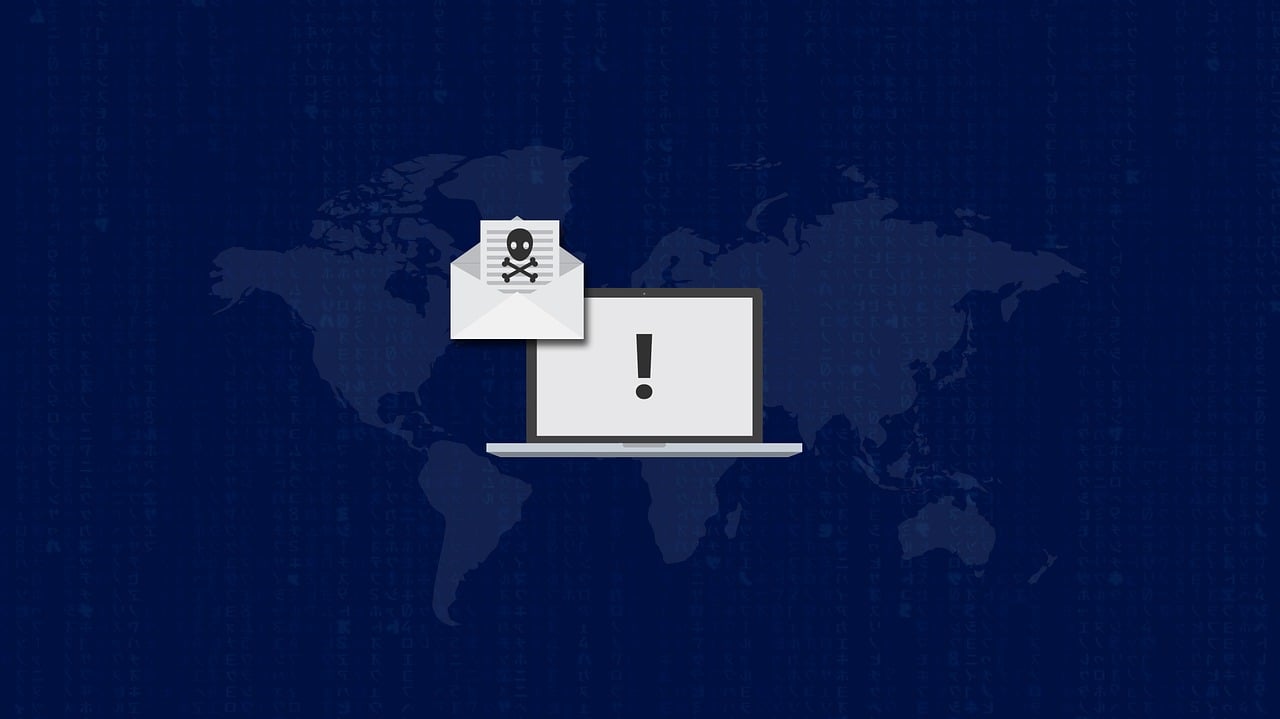





![Is WikiLeaks Still Active? [We Have The Answer]](https://secureblitz.com/wp-content/uploads/2020/06/Is-WikiLeaks-Still-Active-1-768x402.png "Is WikiLeaks Still Active? [We Have The Answer]")
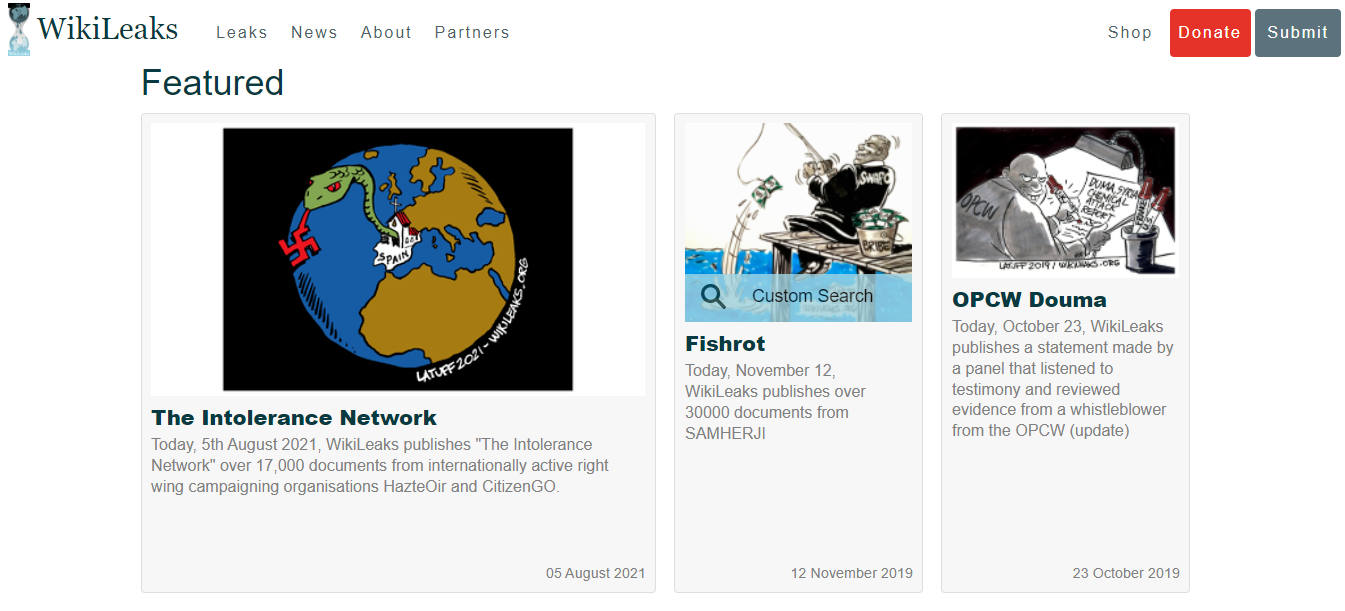



![Can SimpliSafe Be Hacked? [Honest ANSWER]](https://secureblitz.com/wp-content/uploads/2022/04/Can-SimpliSafe-Be-Hacked-Honest-ANSWER-768x345.png "Can SimpliSafe Be Hacked? [Honest ANSWER]")