Ransomware is a huge digital threat to companies today. Hackers use this bad software to lock your files and demand money. If you do not pay them, you lose your data forever.
Over the past few years, these attacks have become much worse. Attackers now steal confidential files before locking your computer screen. They threaten to leak your secrets online if you do not pay.
This puts business owners in a tough spot. You must learn how ransomware works to protect your team. This post covers the money risks, the damage to your brand, and easy ways to stay safe.
Continue reading to discover everything you need to know!
What to Do When an Active Attack Hits
Even with great security tools, a bad attack can still occur. What you do in the first hour shapes your outcome. Panic will only make the situation worse for everyone involved.
Stay calm and follow your emergency plan step by step. The first step is to isolate infected computers immediately. Unplug network cables and turn off wireless connections right away, and this keeps the ransomware from spreading to clean devices in other rooms.
Figure out which systems are locked and check if data was stolen by the attackers. Do not try to deal with online extortionists by yourself. It is much smarter to call experts who handle cyber breaches for a living.
Hiring a trusted Ransomware Recovery Company can help save your business. These pros have special tools to restore locked systems safely and quickly. They also help you report the crime to law enforcement agencies around the world.
Be clear and honest with your stakeholders during the crisis. Talk openly with your staff, clients, and business partners. Tell them what happened and explain your plan to fix it. Good communication helps protect trust during a very hard time.
After the crisis passes, review what went wrong. Find out how the attackers got into your system in the first place.
Fix the weak points so the same problem never happens again. Learning from mistakes makes your company stronger for the future.
How Modern Ransomware Attacks Actually Work
How does ransomware get onto a company computer network? It usually starts with a simple human mistake. An employee might click a bad link in a fake email.
Or hackers find a weak spot in old software that was not updated. Once inside, the malware moves through the company network very quietly. It looks for valuable files, client lists, and backup drives.
Then, it locks those files with very complex codes. Suddenly, your team cannot open client files, sales data, or financial tools. When the locking finishes, a message pops up on your screen.
The note demands a ransom payment to unlock the data. Attackers usually want digital cash like Bitcoin. Digital cash is hard to track, so police struggle to catch these thieves.
The hackers promise to give you a digital key after you pay. But you cannot trust cyber criminals to keep their promises. Many companies pay the ransom and still do not get their files back.
Sometimes the decryption key fails to work properly. Other times, the hackers take the cash and vanish into thin air. Ransomware is a giant danger to your daily operations.
Attackers also plan their timing very carefully. They often strike on weekends or holidays when offices are empty.
They know that IT teams take longer to respond outside of normal work hours. This gives the malware more time to spread deep into server rooms. By the time workers log in on Monday morning, every drive is already locked tight.
The Direct and Indirect Financial Damage
The total price of an attack goes way beyond the main ransom demand. Many leaders only look at the fee written on the screen. Attackers now ask for millions of dollars in ransom.
But hidden costs usually hurt your bank account much more than the original ransom demand. You lose money when work stops completely across the building. When your systems are locked, your business comes to a full halt.
You cannot sell goods, handle orders, or support your customers. Every hour of downtime costs real revenue. For big brands, one day of downtime can cause millions of dollars in lost income.
Small businesses often shut down forever after just a few days of zero income. Fixing the damage costs a lot of extra cash. You must pay security experts to clean your network.
You might need to buy new computers if old ones are damaged beyond repair. You also need to buy better security software right away to block future attacks. You face major legal bills and heavy fines.
If hackers steal customer data, government agencies can fine your business. Data privacy laws are very strict today. Customers can also sue your company in court for failing to protect their private info.
Insurance rates will also jump up after a security event. When you add up lost income, tech repairs, legal fees, and fines, the financial impact is devastating.
How Ransomware Destroys Business Reputation
Losing money is painful, but losing your reputation can kill your company completely. Trust is the foundation of modern business relationships. Clients trust you to keep their private details safe from bad actors.
When a breach happens, that trust breaks instantly. News about cyberattacks spreads very quickly on social media and news sites. Bad news can ruin a positive brand reputation that took thirty years to build.
After an attack, your customers will ask tough questions. They will worry about their credit card numbers and private addresses. If they feel unsafe, they will leave your business right away.
They will move to rivals who offer better protection for personal data. Winning those customers back is very hard and expensive for any business owner. Your business partners will lose faith in your company as well.
Suppliers will worry that your weak computers could spread malware to their systems. They might demand safety reviews before working with you again. Some partners will cancel contracts completely to lower their own risk.
A bad reputation makes future business growth almost impossible. Protecting your name is just as vital as protecting your cash in the bank. In addition, company morale often drops after a major breach.
Employees feel stressed when systems break down, and customer data leaks out. Key workers might leave for more stable companies if they feel leadership failed to protect the network. Losing top talent makes business recovery even harder.
Simple Strategies to Build Cybersecurity Safety
You must take active steps to protect your network today. Hoping that hackers skip your company is not a real safety strategy. Strong cybersecurity relies on safe tools, clear rules, and well-trained people.
Human error is the main entry point for hackers. That is why training your staff must be a top priority for your leadership team.
Setting clear safety rules reduces your overall risks. These steps make it much harder for bad actors to break into your network. Consider these key actions to boost your daily security posture:
Teach employees about phishing emails.
Update all software very quickly.
Keep extra backups completely offline.
Monitor network traffic every day.
Set strict limits on access.
Require strong passwords for all.
Test your systems for weaknesses.
Create a simple response plan.
Use smart antivirus on computers.
Limit user admin access permissions.
Every single action protects a different part of your business. Offline backups are your best weapon against ransomware attacks. If hackers lock your active files, you can wipe the systems clean.
Then you can restore your files from your safe offline copy. This method lets you get back to work without paying any ransom money. Remember to test your backups often, so you know they will work properly when needed.
In addition to backups, you should control who has access to sensitive files. Not every staff member needs access to all files on the server. By limiting file access, you stop malware from spreading across the whole company.
Small security fixes like this save your business from total failure during an attack. Building strong cyber safety also means creating a safety culture at work.
Encourage workers to report weird emails without fear of punishment. When employees feel safe raising concerns, they catch threats much faster. A watchful team acts as a strong human shield against digital thieves.
Taking Charge Against Cyber Crime
Ransomware is a complex threat that demands your focus every day. It is not just an issue for your tech team. It is a fundamental business risk that affects everyone in your building.
A bad attack can empty your bank account and ruin your brand name in a single week. To protect your future, prioritize cybersecurity today. Learn how attackers operate and respect the real dangers they bring to modern companies.
Focus your resources on simple prep work. Train your team, secure your backups, and keep all software updated. If an attack occurs, act fast and rely on expert help to limit your losses.
Building a strong defense is an ongoing process. You must stay alert as cyber threats continue to change over time. Guarding your company takes real effort, but it secures your long-term success.
If you’d like to learn more, check out more articles on our blog. Looking for more tips and ideas? We’ve got you covered. Check out some of our other posts now.
Here is the cryptocurrency guide; read on! As a financial enthusiast, I’ve always been fascinated by the world of cryptocurrency. The concept of digital currencies independent of traditional financial institutions and governments is intriguing.
Cryptocurrency is a digital or virtual currency that uses cryptography for security and operates on a decentralized technology called blockchain, which acts as a public ledger for all transactions.
Cryptocurrencies have gained immense popularity over the past decade. They have the potential to revolutionize the way we conduct financial transactions and even the way we perceive money itself.
Despite their volatile nature, cryptocurrencies show no signs of slowing down, and their underlying technology, blockchain, is being adopted in various industries.
In this comprehensive guide, I will delve into the world of cryptocurrency, covering its history, how it works, its advantages and risks, the different types of cryptocurrencies, investing, mining, wallets, regulations, and the future of this digital asset.
Join me on this journey to better understand the fascinating world of cryptocurrency.
The History of Cryptocurrency
The history of cryptocurrency traces back to the early 1980s, when American cryptographer David Chaum proposed a digital currency called eCash.
Designed to provide anonymity in financial transactions, eCash laid the foundation for future digital currencies, despite not achieving widespread adoption.
The concept of cryptocurrency truly gained momentum in 2008 when an anonymous individual or group known as Satoshi Nakamoto published a whitepaper introducing Bitcoin.
Bitcoin, the first decentralized digital currency, enabled direct value transfers between individuals without intermediaries like banks or payment processors, a revolution made possible by the innovative use of blockchain technology.
Since then, thousands of cryptocurrencies have emerged, each with distinct features and purposes. The rise of cryptocurrency has not been without its challenges, with issues such as regulation, security breaches, and market volatility making headlines.
Nevertheless, the impact of cryptocurrency on the financial landscape is undeniable, and it continues to evolve and grow.
Key Milestones in the History of Cryptocurrency:
1983: American cryptographer David Chaum introduces eCash, a precursor to modern cryptocurrencies.
1998: Wei Dai publishes a description of b-money, an anonymous, distributed electronic cash system.
2010: The first Bitcoin exchange, Mt. Gox, opens its doors.
2011: The first significant cryptocurrency price crash occurs, with Bitcoin losing over 50% of its value.
2014: Ethereum, the second-largest cryptocurrency by market capitalization, is launched.
2017: Bitcoin experiences a meteoric rise, reaching an all-time high of nearly $20,000.
2018: The cryptocurrency market undergoes a significant correction, with Bitcoin losing over 70% of its value.
2021: Bitcoin surpasses its 2017 peak, reaching an all-time high of over $68,000.
2022: The cryptocurrency market experiences another downturn, with Bitcoin losing over 70% of its value from its 2021 peak.
Despite the volatile nature of the cryptocurrency market, the underlying technology and its potential to revolutionize finance have attracted significant interest from individuals, institutions, and governments worldwide.
As the technology matures and regulatory frameworks evolve, cryptocurrency is poised to play an increasingly prominent role in the global financial landscape.
BEST VPN DEALS FOR TRADING CRYPTOCURRENCIES
Surfshark
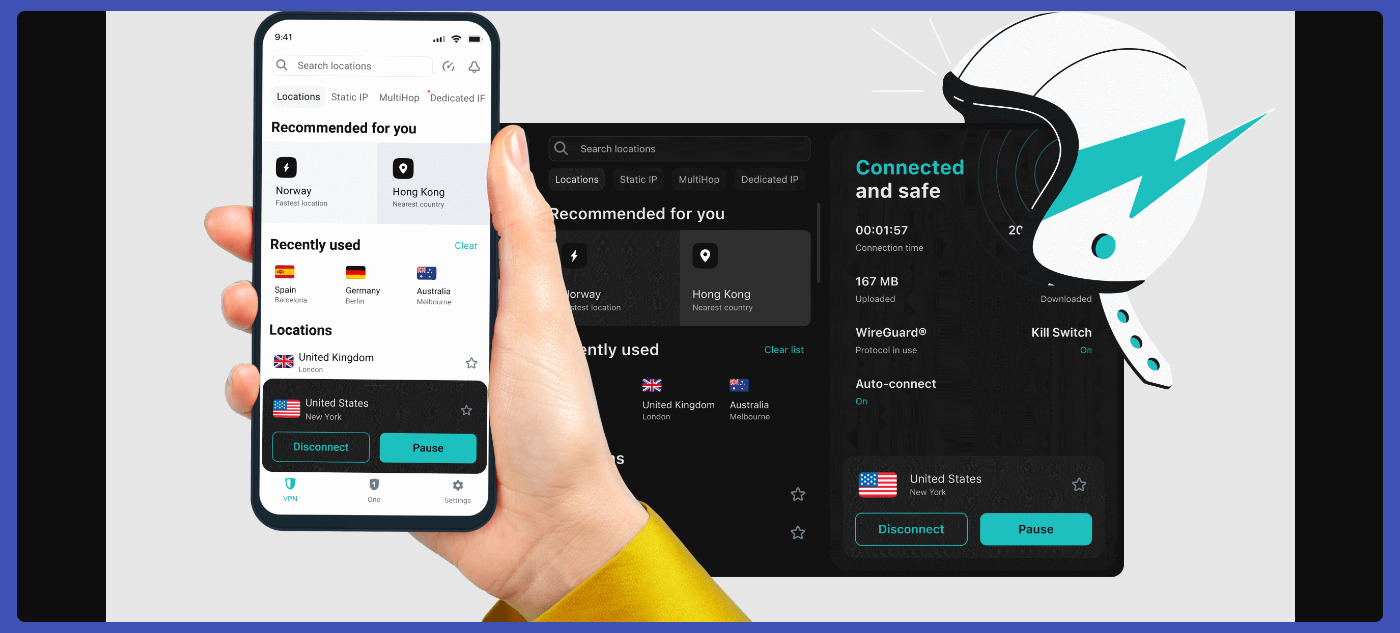
Surfshark is an award-winning VPN service for keeping your digital life secure. Surfshark VPN has servers located in...Show More
Surfshark is an award-winning VPN service for keeping your digital life secure. Surfshark VPN has servers located in more than 60 countries worldwide. Show Less
CyberGhost VPN
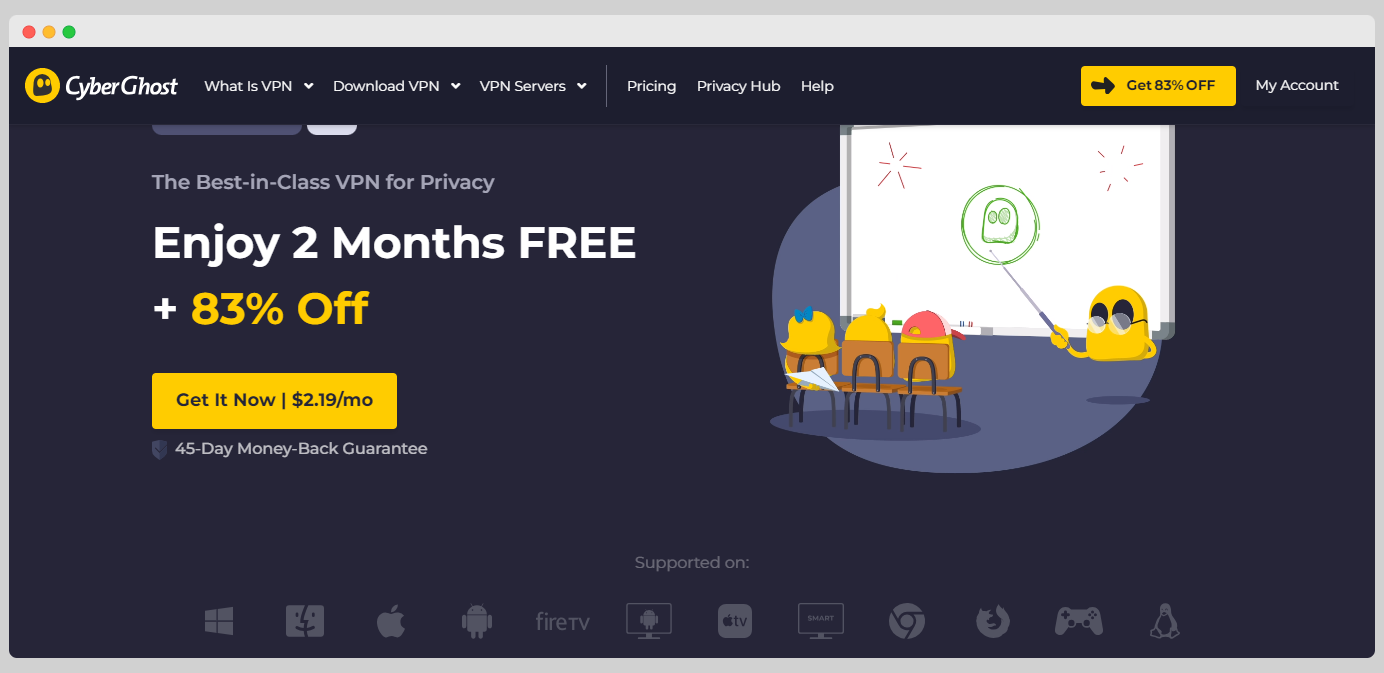
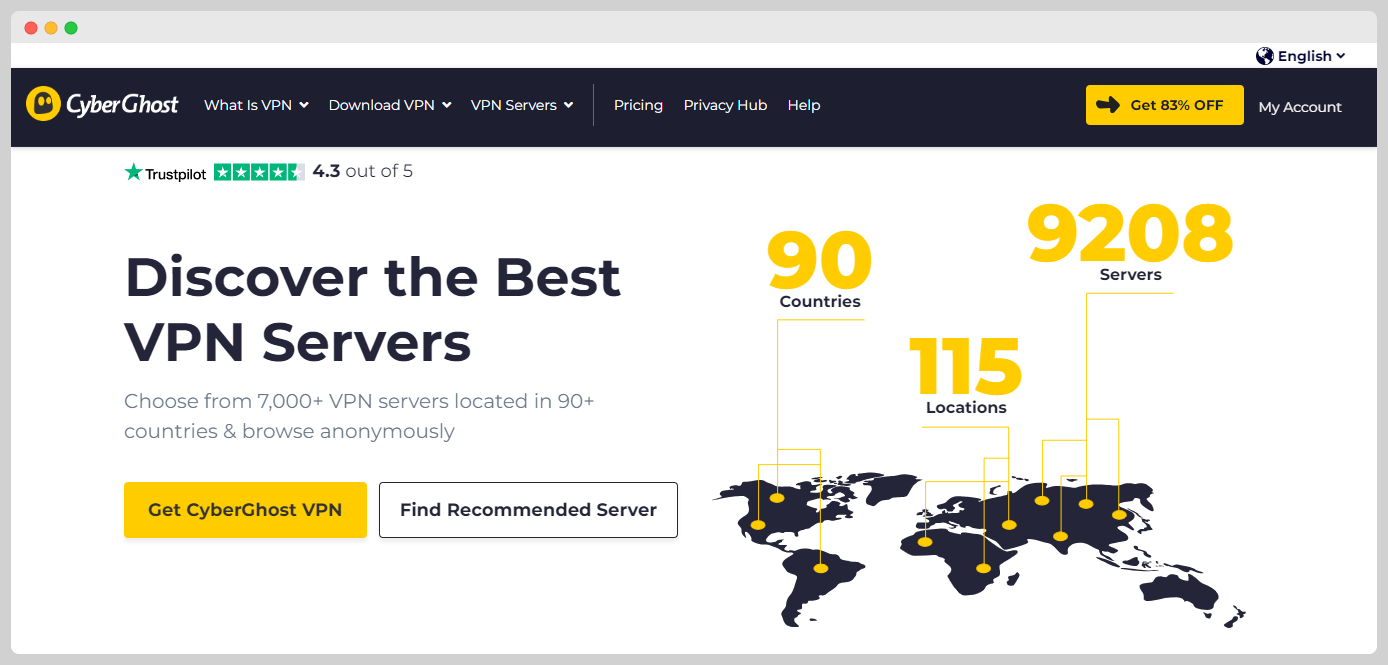
CyberGhost VPN is a VPN service provider with more than 9,000 VPN servers spread in over 90 countries. Complete privacy...Show More
CyberGhost VPN is a VPN service provider with more than 9,000 VPN servers spread in over 90 countries. Complete privacy protection for up to 7 devices! Show Less
ExpressVPN
A dependable VPN service that works on all devices and platforms.
A dependable VPN service that works on all devices and platforms. Show Less
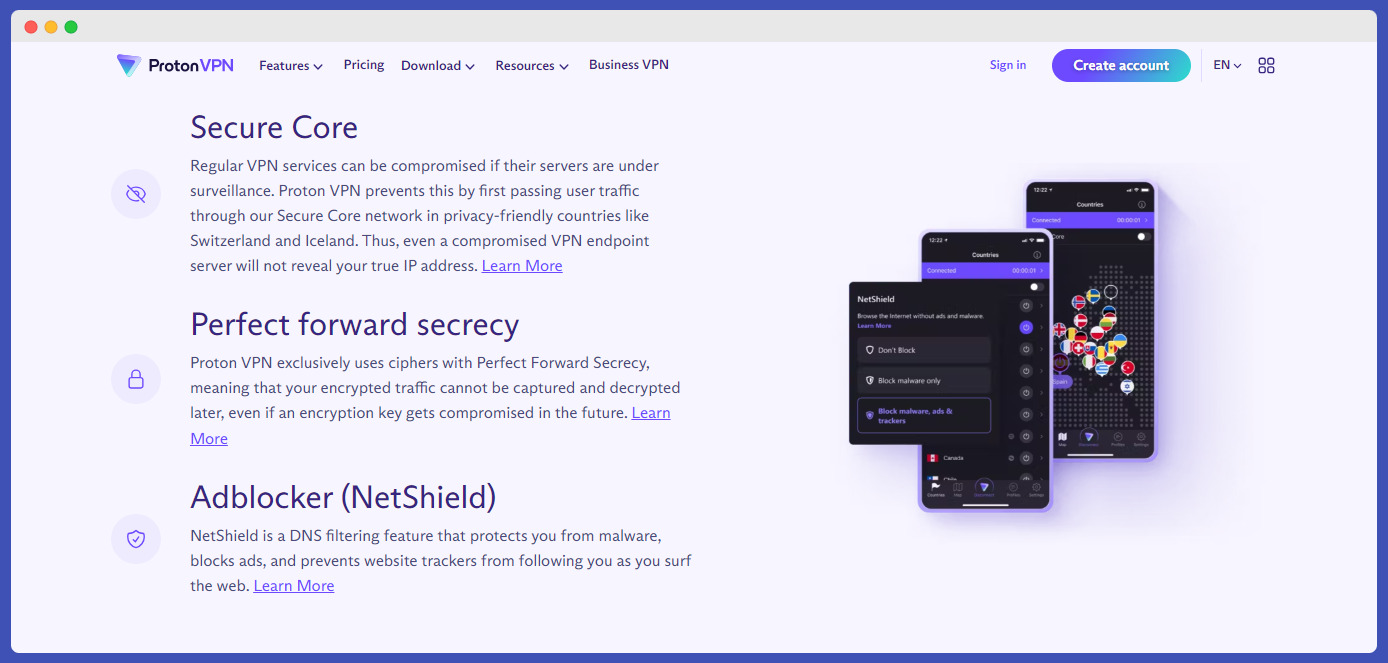
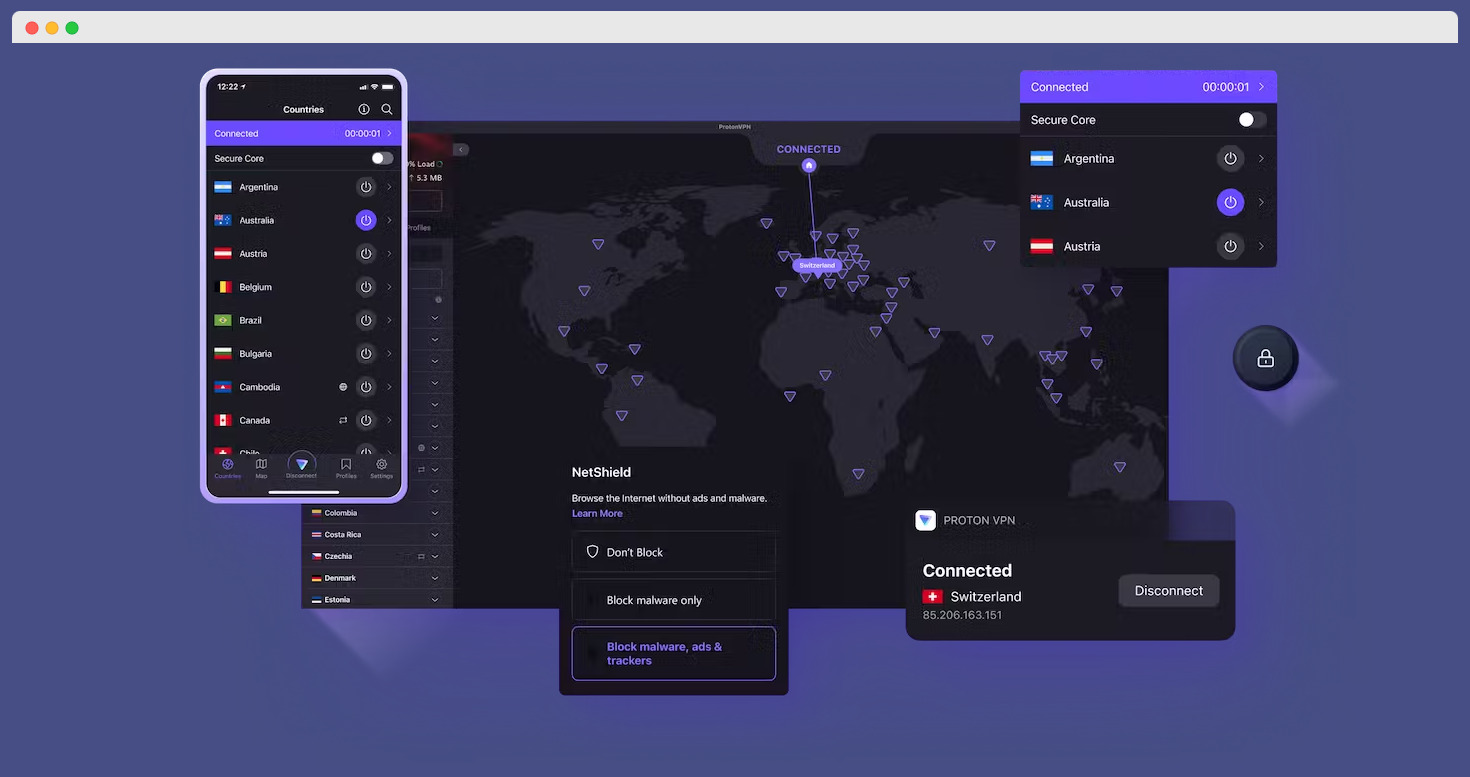
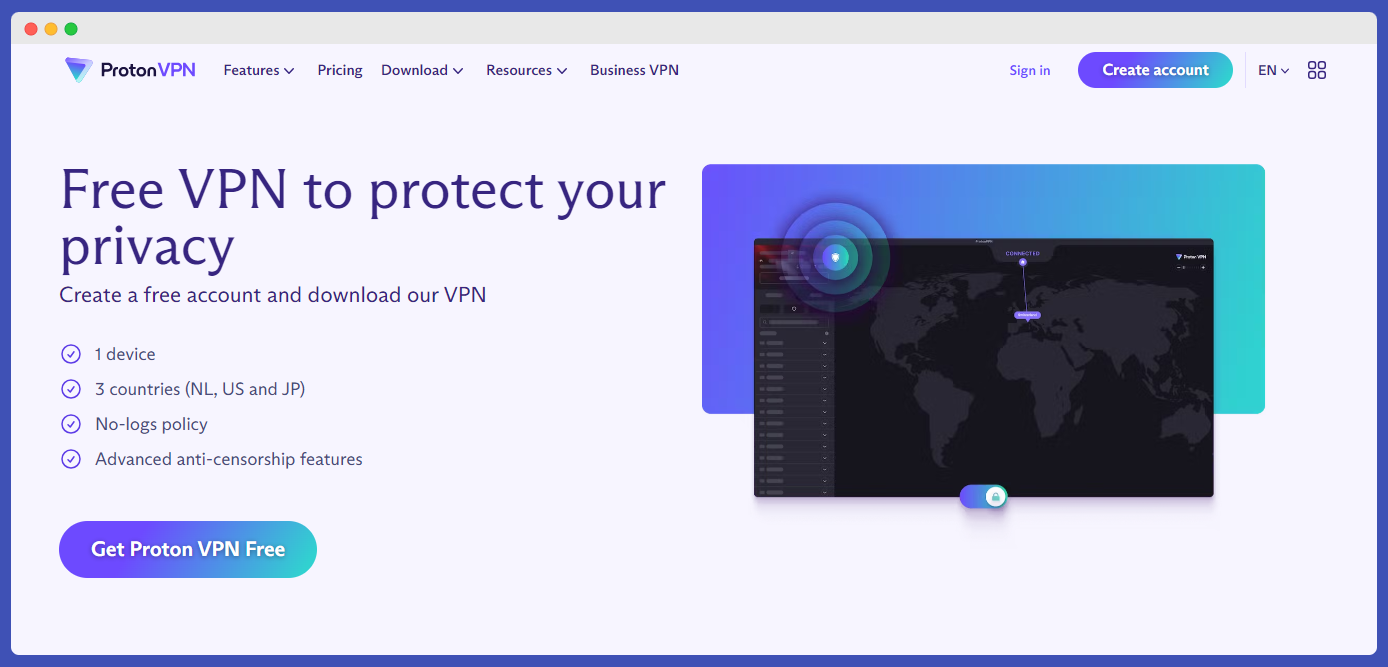
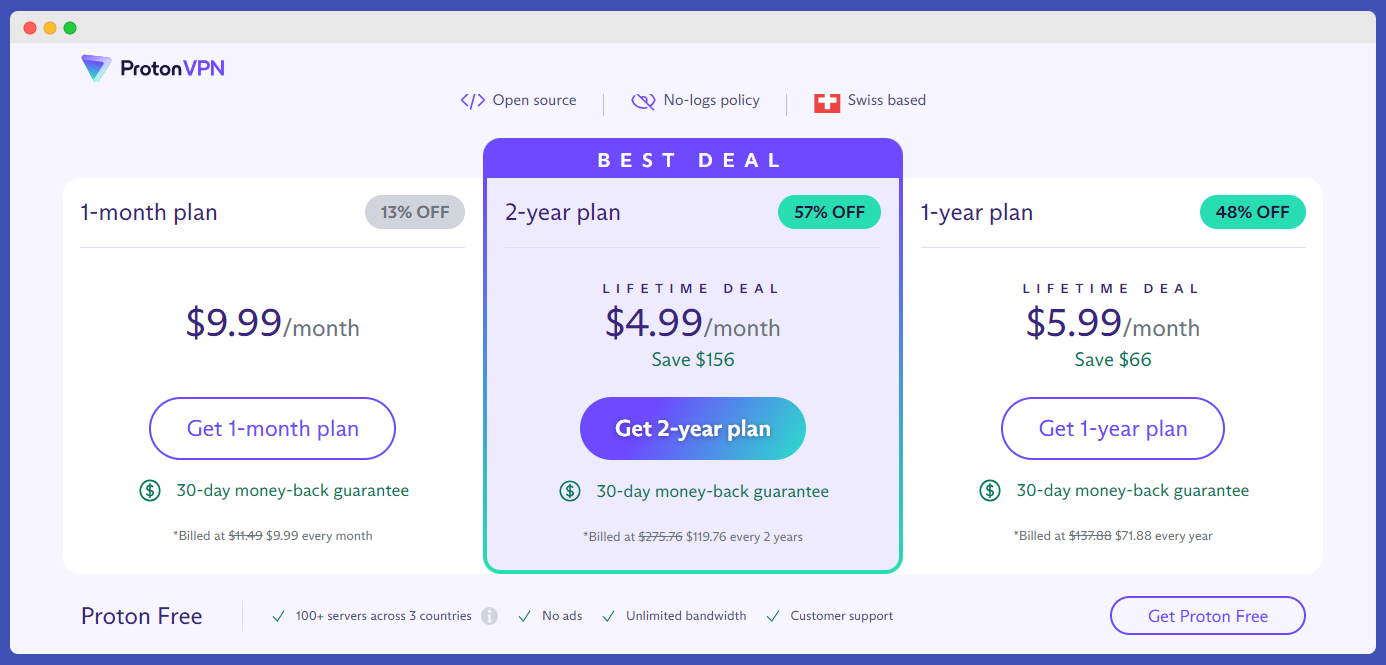
ProtonVPN
A swiss VPN service that goes the extra mile to balance speed with privacy protection.
A swiss VPN service that goes the extra mile to balance speed with privacy protection. Show Less
Private Internet Access
Private Internet Access uses world-class next-gen servers for a secure and reliable VPN connection, any day, anywhere.
Private Internet Access uses world-class next-gen servers for a secure and reliable VPN connection, any day, anywhere. Show Less
How Cryptocurrencies Work
To understand how cryptocurrencies work, it’s essential to first understand the technology that powers them – blockchain.
Blockchain is a decentralized, digital ledger that records transactions across multiple computers securely and transparently. Each piece of information (called a block) is chained together with the previous block, creating an immutable and tamper-proof record of all transactions.
Cryptocurrencies operate on a peer-to-peer network, allowing users to send and receive digital assets without the need for an intermediary.
Transactions are verified by a network of computers, called nodes, which solve complex mathematical problems to validate the transaction. Once verified, the transaction is added to the blockchain, and the new digital asset is transferred from one user’s digital wallet to another.
The process of verifying transactions and adding them to the blockchain is known as mining. Miners are rewarded with newly created cryptocurrency for their efforts, providing an incentive to maintain the integrity of the network.
The decentralized nature of cryptocurrencies makes them resistant to censorship and control, as no single entity has the power to manipulate the network.
Now, for this cryptocurrency guide, let me talk about its benefits.
The Benefits of Cryptocurrency
There are several benefits to using cryptocurrency, which has contributed to its growing popularity.
These benefits include:
Decentralization: Cryptocurrencies operate on a decentralized network, meaning that no single entity has control over the entire network. This prevents the manipulation of the currency’s value and protects against potential corruption from centralized authorities.
Security: Transactions made with cryptocurrencies are secured through cryptography, ensuring that only the intended recipient can access the funds. Additionally, the transparent nature of blockchain technology makes it difficult for fraudulent transactions to go undetected.
Lower fees: Traditional financial institutions often charge fees for transactions, such as wire transfers or credit card payments. Cryptocurrency transactions, however, typically have lower fees, making them an attractive option for both consumers and businesses.
Accessibility: Cryptocurrency can be accessed and used by anyone with an internet connection, providing financial services to those who traditional banking systems may underserve.
Privacy: Many cryptocurrencies offer a level of privacy and anonymity not found in traditional financial transactions. Users can conduct transactions without revealing their personal information, protecting their financial privacy.
Global Accessibility: Cryptocurrencies transcend geographical boundaries, enabling individuals worldwide to access financial services. This inclusivity is particularly beneficial for those residing in regions with limited or no access to traditional banking systems.
Financial Inclusion: Cryptocurrencies empower the unbanked and underbanked populations, providing them with a secure and accessible means of participating in the global economy. This promotes financial inclusion and reduces the disparities in access to financial services.
Swift Transactions: Cryptocurrency transactions operate on a decentralized network, facilitating faster and more efficient cross-border transactions compared to traditional banking systems. This speed is particularly advantageous in international trade and transactions.
Ownership and Control: Cryptocurrency users have complete ownership and control over their digital assets. This autonomy eliminates the need for reliance on third-party intermediaries, putting individuals in charge of their financial holdings.
24/7 Accessibility: Unlike traditional banking hours, cryptocurrency transactions are not bound by time zones or business hours. The decentralized nature of cryptocurrencies allows users to engage in transactions at any time, providing unparalleled accessibility and flexibility.
Reduced Risk of Identity Theft: Cryptocurrency transactions do not require the disclosure of personal information, reducing the risk of identity theft. Users can engage in transactions with a degree of pseudonymity, enhancing security and privacy.
Immutable Record-Keeping: Blockchain’s immutable ledger ensures a transparent and unalterable record of all transactions. This feature enhances accountability and trust, as users can verify the history of any transaction on the blockchain.
Smart Contracts: Certain cryptocurrencies, like Ethereum, enable the creation and execution of smart contracts. These self-executing contracts automatically enforce predefined rules, streamlining complex agreements without the need for intermediaries.
This cryptocurrency guide is incomplete without talking about the risks of cryptocurrency.
The Risks of Cryptocurrency
Despite the numerous benefits, there are also risks associated with using cryptocurrencies:
Volatility: Cryptocurrency markets are known for their extreme volatility, with the value of digital assets often experiencing significant fluctuations within short periods. This can make investing in cryptocurrencies a risky endeavour.
Security threats: While the underlying technology of cryptocurrencies is secure, the crypto wallets and exchanges that hold these assets can be susceptible to hacking and theft. Users must take precautions to protect their digital assets.
Regulation: The regulatory landscape surrounding cryptocurrencies is unclear and can vary significantly across different jurisdictions. Changes in regulation can have a significant impact on the value and usability of digital assets.
Adoption: While cryptocurrencies have gained popularity, they are not yet widely accepted as a form of payment for goods and services. This limits their practical use for everyday transactions.
Irreversible transactions: Cryptocurrency transactions are irreversible, meaning that once a transaction is completed, there is no way to reverse or recover the funds. This can be a disadvantage in cases of fraud or user error.
Market Manipulation: Cryptocurrency markets are susceptible to manipulation, including pump-and-dump schemes, where the value of a digital asset is artificially inflated and then rapidly sold off. Traders and investors may fall victim to orchestrated market movements, leading to financial losses.
Lack of Consumer Protections: Unlike traditional banking systems, cryptocurrency transactions often lack the consumer protections provided by regulatory authorities. In the event of fraud, scams, or unauthorized transactions, users may have limited recourse for recovering their funds.
Technological Vulnerabilities: Emerging technologies, while groundbreaking, may still be in the early stages of development and could be susceptible to unforeseen vulnerabilities. Exploitable weaknesses in the underlying technology of certain cryptocurrencies may pose risks to users and the overall ecosystem.
Operational Risks of Exchanges: Cryptocurrency exchanges, essential for buying, selling, and trading digital assets, are vulnerable to technical glitches, server outages, or operational errors. Such incidents can disrupt trading activities and potentially lead to financial losses for users.
Environmental Impact: The energy-intensive process of cryptocurrency mining, particularly in proof-of-work-based systems, has raised concerns about its environmental impact. The substantial energy consumption associated with mining may contribute to ecological issues and result in a negative public perception of certain cryptocurrencies.
Types of Cryptocurrencies
There are thousands of cryptocurrencies in existence today, each with its unique features and purposes, and I can’t list them all in this cryptocurrency guide.
Some of the most well-known cryptocurrencies include:
Bitcoin (BTC): The first and most well-known cryptocurrency, Bitcoin, was created in 2009 by Satoshi Nakamoto. Bitcoin is often referred to as digital gold due to its limited supply and store of value properties.
Ethereum (ETH): Ethereum is a decentralized platform that enables developers to create and deploy smart contracts and decentralized applications (dApps). The native currency of the Ethereum network is Ether (ETH).
Ripple (XRP): Ripple is a digital payment protocol that aims to provide a fast, low-cost, and scalable solution for cross-border payments. The native currency of the Ripple network is XRP.
Litecoin (LTC): Often referred to as the silver to Bitcoin’s gold, Litecoin is a peer-to-peer cryptocurrency that aims to provide faster transaction times and lower fees than Bitcoin.
Chainlink (LINK): Chainlink is a decentralized oracle network that connects smart contracts to real-world data, events, and payments. The native currency of the Chainlink network is LINK.
Cardano (ADA): Launched with a focus on sustainability, scalability, and interoperability, Cardano aims to provide a secure and scalable platform for the development of decentralized applications and smart contracts.
Polkadot (DOT): Envisioned as a multi-chain network, Polkadot facilitates interoperability between various blockchains, allowing them to share information and transactions in a secure and scalable manner.
Binance Coin (BNB): Originating from the Binance cryptocurrency exchange, BNB serves various functions, including reducing trading fees on the platform and participating in token sales on the Binance Launchpad.
Solana (SOL): Positioned as a high-performance blockchain, Solana focuses on providing fast and low-cost transactions, making it suitable for decentralized applications and projects requiring high-speed throughput.
Dogecoin (DOGE): Initially created as a lighthearted meme, Dogecoin has gained significant popularity. While not designed for serious use, it has found a community following and is occasionally used for tipping and charitable donations.
These are just a few examples of the many cryptocurrencies available. Each digital asset serves a specific purpose, offering unique features and functionalities to its users as I mentioned earlier in this cryptocurrency guide.
Investing in Cryptocurrency
Investing in cryptocurrency can be an exciting and potentially lucrative endeavour. However, due to the volatile nature of the market, it is essential to approach investing in digital assets with caution and conduct thorough research before making any decisions.
Some tips for investing in cryptocurrency include:
Discover Your Why: Before delving into the crypto market, take a moment to reflect on why you’re investing. Whether it’s financial freedom, long-term growth, or a specific goal, understanding your motivations will guide your investment decisions.
Assess Your Comfort Zone: We all have different comfort levels when it comes to risk. Consider your own risk tolerance – how much volatility can you handle? This self-awareness will help you create an investment strategy aligned with your comfort zone.
Start Small, Dream Big: Begin your crypto journey with a modest investment. It’s not about the quantity but the quality of your investments. Gradually increase your position as you gain confidence and insight into the market.
Your Crypto Toolbox: Choose a reputable exchange as your go-to platform. Research and find one with a solid track record of security and customer support. It’s your toolbox for navigating the crypto universe, so make sure it’s reliable.
Stay Informed, Stay Ahead: The crypto realm is ever-evolving. Stay informed about the latest news, market trends, and technological advancements. Knowledge is your most potent tool for making informed investment decisions.
Define Your Crypto Goals: What do you want to achieve with your crypto investments? Whether it’s short-term gains, long-term growth, or supporting a cause, defining clear goals will shape your investment strategy.
Guard Your Treasures: For long-term holdings, consider the security of hardware wallets. Think of them as your fortress, keeping your assets safe from the online dragons of the crypto world.
Connect with Fellow Adventurers: Engage with the vibrant crypto community. Join forums, attend meetups, and share your experiences. The collective wisdom of fellow investors can be a beacon in your journey.
Navigate with a Steady Hand: In the crypto seas, waves of emotions can be intense. Stay disciplined. Avoid hasty decisions driven by market noise. Trust your strategy and navigate with a steady hand.
Embrace the Learning Curve: Every investor has a unique learning curve. Embrace yours. Learn from both successes and setbacks, and let the lessons shape your evolving strategy.
Through the peaks and valleys of my own crypto journey, I’ve learned that patience, strategic thinking, and a genuine passion for the technology have been my most steadfast companions. Embrace the adventure, stay resilient, and let the crypto world unfold its wonders for you.” 🌐💡
Cryptocurrency Mining: Unveiling the Process of Block Validation and Reward
Cryptocurrency mining is the backbone of the decentralized blockchain network, serving as the process of validating transactions and adding them to the immutable ledger.
Miners, the individuals or entities who dedicate their computational resources to this endeavor, are incentivized by the rewards of newly minted cryptocurrency for their contributions to maintaining the network’s integrity and security.
The mining process involves solving complex mathematical puzzles using specialized hardware, primarily graphics processing units (GPUs) or application-specific integrated circuits (ASICs). These powerful devices are designed to tackle the computational challenges of mining, enabling miners to verify transactions and secure the network.
Due to the inherent complexity of the mining process, it demands a significant investment in computational power, electricity, and time.
As more miners join the network, the difficulty of mining increases, requiring more resources to validate transactions and earn rewards. This dynamic nature of mining necessitates a careful balance between profitability and resource utilization.
Two primary methods of cryptocurrency mining exist: solo mining and pool mining.
Solo mining, as the name suggests, involves mining independently without the assistance of a mining pool. This method offers complete control over the mining process but can be less profitable due to the high difficulty of mining alone.
In contrast, pool mining involves joining forces with other miners to share resources and collectively work towards solving mathematical problems.
This collaborative approach increases the likelihood of successfully validating transactions and earning rewards, making pool mining generally more profitable than solo mining.
Cryptocurrency mining has emerged as a lucrative industry, attracting individuals and businesses seeking to capitalize on the rewards of newly minted cryptocurrency. However, it is essential to acknowledge the substantial investment required in hardware, electricity consumption, and ongoing maintenance costs.
As cryptocurrency continues to evolve, the mining landscape is constantly adapting, with new technologies and strategies being developed to optimize mining efficiency and profitability.
The future of cryptocurrency mining holds the promise of increased efficiency, reduced energy consumption, and broader accessibility, further expanding its role in the decentralized finance ecosystem.
Now, for this cryptocurrency guide, let me talk about cryptocurrency wallets.
Cryptocurrency Wallets
Cryptocurrency wallets are indispensable tools for securely storing, sending, and receiving digital assets. These wallets serve as digital vaults for your cryptocurrency holdings, providing a level of security that surpasses traditional financial transactions.
While the choice of wallet depends on individual needs and preferences, understanding the distinct types available is crucial for making an informed decision.
There are several types of cryptocurrency wallets available, including:
1. Hardware Wallets: Unwavering Security for Your Crypto
Hardware wallets reign supreme in terms of security, offering an offline storage solution that is immune to hacking and theft.
These physical devices, often resembling USB drives, safeguard your private keys, the cryptographic keys that grant access to your cryptocurrency holdings. Examples of hardware wallets include Ledger Nano S, Trezor Model One, and KeepKey.
2. Software Wallets: Convenience at Your Fingertips
Software wallets provide a convenient and user-friendly approach to cryptocurrency management. These digital wallets can be installed on computers or mobile devices, offering easy access to your funds.
However, it is important to note that software wallets are susceptible to hacking and malware attacks. Examples of software wallets include Exodus, Electrum, and MetaMask.
3. Paper Wallets: The Ultimate in Offline Security
Paper wallets, considered the most secure method for storing cryptocurrency, are physical representations of your private keys, printed on paper.
This offline storage eliminates the risk of online attacks, making paper wallets ideal for long-term storage of large cryptocurrency holdings. Examples of paper wallet generators include BitAddress, WalletGenerator, and Coinomi.
4. Online Wallets: Accessibility and Convenience with Compromise
Online wallets, hosted by third-party providers, offer the convenience of accessing your cryptocurrency from anywhere with an internet connection.
However, this convenience comes at the cost of reduced security, as online wallets are more vulnerable to hacking and security breaches. Examples of online wallets include Coinbase, Blockchain.com, and Binance.
Choosing the right cryptocurrency wallet is a matter of balancing security, convenience, and personal preferences. For those prioritizing utmost security, hardware wallets are the go-to choice.
For those seeking ease of use and accessibility, software wallets offer a viable option. Paper wallets, while highly secure, may not be suitable for frequent transactions due to their offline nature. Online wallets, while convenient, should be used with caution due to their inherent security risks.
Choosing the right type of cryptocurrency wallet depends on your specific needs and preferences. It’s essential to choose a wallet that provides the level of security and convenience that you require.
Regulations and Legalities Surrounding Cryptocurrency
The regulatory landscape surrounding cryptocurrency is complex and varies significantly across different jurisdictions.
While some countries have embraced digital assets, others have imposed strict regulations, making it difficult for businesses and individuals to use and invest in cryptocurrencies.
United States
In the United States, the Internal Revenue Service (IRS) classifies cryptocurrencies as property for tax purposes, requiring individuals and businesses to report any gains or losses incurred from cryptocurrency transactions.
The Securities and Exchange Commission (SEC) has also taken a proactive role in regulating the cryptocurrency industry, particularly in the realm of initial coin offerings (ICOs).
Companies seeking to launch ICOs must adhere to strict disclosure requirements and potential registration mandates, as I discussed earlier in this cryptocurrency guide.
China
In contrast, China has taken a more restrictive approach, banning cryptocurrency trading and ICOs altogether. This stance reflects concerns over financial stability and potential risks associated with digital assets.
However, China has also been actively developing its own central bank digital currency (CBDC), the digital yuan, which is expected to play a significant role in the country’s future financial infrastructure.
Japan
On the other hand, Japan has recognized cryptocurrencies as legal tender and established the Financial Services Agency (FSA) to oversee the cryptocurrency industry.
The FSA has implemented a licensing regime for cryptocurrency exchanges and has taken steps to address money laundering and other financial crimes related to digital assets.
El Salvador
In a bold move, El Salvador has become the first country to adopt Bitcoin as legal tender alongside the US dollar.
This decision has been met with mixed reactions, with some praising it as a progressive step towards financial inclusion and others expressing concerns over potential volatility and regulatory risks.
United Kingdom
The United Kingdom’s Financial Conduct Authority (FCA) has adopted a risk-based regulatory approach to cryptocurrencies, differentiating between those that are considered securities and those that are not.
The FCA has also issued guidance on cryptocurrency advertising and marketing practices.
Australia
The Australian Securities and Investments Commission (ASIC) has classified cryptocurrencies as financial products and has implemented a regulatory framework for cryptocurrency exchanges and issuers.
ASIC has also been active in educating consumers about the risks associated with cryptocurrency investments.
Canada
The Canadian Securities Administrators (CSA) have adopted a similar approach to the FCA, regulating cryptocurrencies based on their classification as securities.
The CSA has also been working with industry stakeholders to develop a national framework for cryptocurrency regulation.
Singapore
The Monetary Authority of Singapore (MAS) has adopted a proactive approach to regulating cryptocurrency, establishing a framework for cryptocurrency exchanges and payment processors.
The MAS has also been exploring the potential of blockchain technology in various sectors, including finance and supply chain management.
Switzerland
The Swiss Financial Market Supervisory Authority (FINMA) has taken a risk-based approach to regulating cryptocurrencies, focusing on the specific risks posed by different types of digital assets.
FINMA has also been working with industry stakeholders to develop a framework for cryptocurrency trading and custody services.
Overall, the regulatory landscape surrounding cryptocurrency is still evolving, and businesses and individuals should carefully consider the legal and regulatory implications before engaging in any cryptocurrency-related activities. In fact, for this cryptocurrency guide, I will advise that you should take caution when investing in new crypto assets.
Future of Cryptocurrency
The future of cryptocurrency is exciting and full of potential. Blockchain technology, the cornerstone of cryptocurrency, is poised to revolutionize industries from finance to healthcare to supply chain management, ushering in a new era of transparency, security, and efficiency.
The decentralized nature of cryptocurrencies, operating without the intervention of centralized authorities, offers unparalleled transparency and security.
Transactions are recorded on an immutable ledger, accessible to all participants, fostering trust and preventing manipulation. This inherent security makes cryptocurrencies an attractive alternative to traditional financial systems, particularly in regions with weak or corrupt financial infrastructure.
The regulatory landscape surrounding cryptocurrency is still evolving, with governments worldwide grappling with the implications of this transformative technology.
However, the growing acceptance and adoption of digital assets suggest that regulators are moving towards a more nuanced and supportive approach, recognizing the potential of cryptocurrencies to enhance financial inclusion, promote innovation, and streamline cross-border transactions.
As cryptocurrency adoption gains momentum, we can envision a future where digital assets become the preferred method of payment for goods and services. Their fast, secure, and low-cost nature compared to traditional payment methods positions them to revolutionize e-commerce and global financial transactions.
Beyond financial applications, blockchain technology and cryptocurrencies hold immense potential to reshape various industries.
In healthcare, secure and transparent data sharing facilitated by blockchain can revolutionize medical records management and clinical research. In supply chain management, blockchain can track the movement of goods from origin to destination, ensuring authenticity, efficiency, and reduced fraud.
The future of cryptocurrency is not without its challenges as I stated earlier in this cryptocurrency guide. Issues such as scalability, volatility, and security vulnerabilities need to be addressed to ensure widespread adoption and mainstream integration.
However, the potential benefits of cryptocurrencies far outweigh these challenges, propelling them towards a future where they play an integral role in shaping our digital world.
As we venture into this uncharted territory, collaboration between governments, industry leaders, and academia is crucial to harness the transformative power of cryptocurrencies responsibly.
By fostering innovation, promoting responsible adoption, and addressing regulatory concerns, we can pave the way for a future where cryptocurrencies empower individuals and businesses, driving economic growth and societal progress.
BEST VPN DEALS FOR TRADING CRYPTOCURRENCIES
Surfshark
Surfshark is an award-winning VPN service for keeping your digital life secure. Surfshark VPN has servers located in...Show More
Surfshark is an award-winning VPN service for keeping your digital life secure. Surfshark VPN has servers located in more than 60 countries worldwide. Show Less
CyberGhost VPN
CyberGhost VPN is a VPN service provider with more than 9,000 VPN servers spread in over 90 countries. Complete privacy...Show More
CyberGhost VPN is a VPN service provider with more than 9,000 VPN servers spread in over 90 countries. Complete privacy protection for up to 7 devices! Show Less
ExpressVPN
A dependable VPN service that works on all devices and platforms.
A dependable VPN service that works on all devices and platforms. Show Less
ProtonVPN
A swiss VPN service that goes the extra mile to balance speed with privacy protection.
A swiss VPN service that goes the extra mile to balance speed with privacy protection. Show Less
Private Internet Access
Private Internet Access uses world-class next-gen servers for a secure and reliable VPN connection, any day, anywhere.
Private Internet Access uses world-class next-gen servers for a secure and reliable VPN connection, any day, anywhere. Show Less
Cryptocurrency Guide: Frequently Asked Questions
Cryptocurrency, a decentralized digital currency, has experienced rapid growth and increasing mainstream adoption in recent years. However, its ever-evolving nature often leaves newcomers with a plethora of questions.
In this cryptocurrency guide, I will address the most commonly asked questions to help you on your cryptocurrency journey.
What is cryptocurrency, and how does it work?
Cryptocurrency is a digital currency designed to operate without relying on a central authority, such as a bank or government, as I mentioned earlier for this cryptocurrency guide. Transactions are verified and recorded on a publicly distributed ledger known as a blockchain. This decentralized system eliminates the need for intermediaries and allows for secure and transparent peer-to-peer transactions.
The most popular cryptocurrency is Bitcoin, but thousands of other options exist, each with its unique features and functionalities. Some popular uses for cryptocurrency include:
Investment: Investing in cryptocurrency can be a way to diversify your portfolio and potentially earn high returns, although it also carries significant risk.
Payments: Some businesses and individuals accept cryptocurrency as a form of payment, allowing for fast and secure transactions without traditional fees.
Remittances: Sending cryptocurrency internationally can be faster and cheaper than using traditional banking methods.
Is cryptocurrency legal?
The legality of cryptocurrency varies by country. Some nations fully support it, others regulate it strictly, and a few have banned it altogether. Always check your local laws before buying, trading, or using cryptocurrency.
Can cryptocurrency be converted into cash?
Yes. You can convert cryptocurrency into cash through exchanges like Coinbase, Binance, or Kraken, or by using peer-to-peer platforms. Some ATMs also allow users to withdraw cash directly by selling cryptocurrency.
What are the risks of investing in cryptocurrency?
Cryptocurrency investments carry risks such as high volatility, hacking, regulatory changes, and scams. Prices can rise or fall drastically within hours, so it’s important to only invest what you can afford to lose.
How are cryptocurrency transactions verified?
Cryptocurrency transactions are verified using blockchain technology. Miners or validators confirm transactions by solving cryptographic puzzles or through consensus mechanisms like Proof of Work (PoW) and Proof of Stake (PoS). Once verified, transactions are permanently added to the blockchain.
Do I need to pay taxes on cryptocurrency?
In many countries, cryptocurrency is considered taxable. You may need to pay taxes on gains from selling, trading, or even spending crypto, depending on local tax laws. Always keep transaction records and consult a tax professional.
How do I buy cryptocurrency?
There are several ways to buy cryptocurrency:
Cryptocurrency exchanges: These platforms allow you to buy and sell cryptocurrency directly using fiat currency (traditional money like USD or EUR) or other cryptocurrencies. Popular exchanges include Binance, Coinbase, and Kraken.
Peer-to-peer trading: Platforms like LocalBitcoins and Paxful connect buyers and sellers directly, allowing for more flexibility and potentially lower fees.
Brokers: Some traditional brokers now offer cryptocurrency trading alongside other assets.
Each method has its own advantages and disadvantages, so it’s important to do your research and choose the one that best suits your needs.
How do I store my cryptocurrency securely?
Storing your cryptocurrency securely is crucial to protect your assets. Here are some options:
Cryptocurrency wallets: These come in various forms, including hardware wallets, software wallets, and online wallets. Hardware wallets offer the highest level of security, while software and online wallets are more convenient but may be less secure.
Exchange wallets: Many cryptocurrency exchanges offer built-in wallets for storing your assets. However, it’s generally recommended to move your cryptocurrency to a personal wallet for increased control and security.
Editor’s Note: Remember, cryptocurrency is a complex and evolving landscape. It’s important to always do your own research, consider your risk tolerance, and seek professional advice if needed before making any investment decisions.
Wrapping Up The Cryptocurrency Guide
To conclude this cryptocurrency guide, I will say that cryptocurrency is a fascinating and rapidly evolving industry that has the potential to revolutionize the way we conduct financial transactions.
While there are risks associated with using and investing in digital assets, the benefits of cryptocurrency, including decentralization, security, and accessibility, make it an attractive option for businesses and individuals.
By understanding the history, technology, benefits, and risks of cryptocurrency, you can make informed decisions about whether to invest in digital assets and how to use them in your daily life.
As the industry continues to evolve, it’s essential to stay up-to-date with the latest developments and trends to make the most of this exciting new asset class.
Leave a comment below regarding this cryptocurrency guide.
In the ever-evolving landscape of cybersecurity threats, ransomware has emerged as a formidable adversary, wreaking havoc upon individuals and organizations alike.
This malicious software encrypts a victim’s files, rendering them inaccessible, and demands a ransom payment in exchange for the decryption key.
With its ability to cripple businesses, disrupt operations, and cause significant financial losses, ransomware has become a pressing concern for cybersecurity professionals and organizations worldwide.
Without delay, let’s get started with the ransomware guide.
Ransomware Guide: What Is Ransomware?
Ransomware typically gains access to a system through various methods, such as phishing emails, malicious attachments, or exploiting vulnerabilities in software or operating systems.
Once infiltrated, the ransomware encrypts files on the victim’s device, rendering them unusable without the decryption key. This encryption renders essential data inaccessible, including documents, photos, financial records, and other critical information.
The impact of ransomware attacks extends far beyond the loss of access to data. Organizations face significant downtime, disrupting their operations and causing productivity losses.
The financial repercussions can be severe, as businesses may incur expenses related to data recovery, ransom payments, and reputational damage.
Best Anti-Ransomware Solutions
Kaspersky Lab
Kaspersky Antivirus is an antivirus protection solution that protects your computers from virus attacks and other...Show More
Kaspersky Antivirus is an antivirus protection solution that protects your computers from virus attacks and other threats that may result from internet usage or other forms of usage. Show Less
Panda Dome Security Suite
Your advanced protection suite for home and business needs.
Your advanced protection suite for home and business needs. Show Less
Norton 360
Norton 360 is a security suite that utilizes advanced machine learning technology in dealing with all types of malware...Show More
Norton 360 is a security suite that utilizes advanced machine learning technology in dealing with all types of malware including Trojans, ransomware, etc. 100% guaranteed protection against all types of malware and your best bet for privacy protection. Show Less
Avira Prime
Avira Prime is the ultimate security suite for data safety and protection from online threats that gives you full access...Show More
Avira Prime is the ultimate security suite for data safety and protection from online threats that gives you full access to Avira products like antivirus, Phantom VPN, software updater, system optimization tool, and a password manager. Show Less
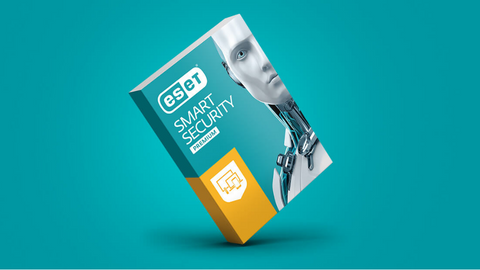
ESET HOME Security Premium
ESET HOME Security Premium is a fully-fledged security software with amazing features and even a password manager. Smart...Show More
ESET HOME Security Premium is a fully-fledged security software with amazing features and even a password manager. Smart protection for Windows, Mac, and Android devices. Show Less
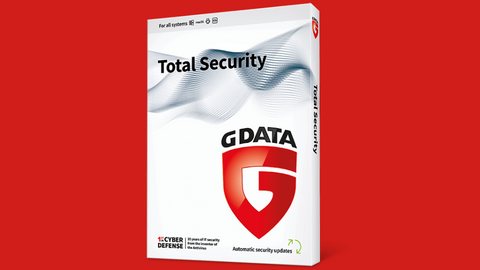
G DATA Total Security
G DATA Total Security is a complete protection suite that offers total security online and offline. The suite includes...Show More
G DATA Total Security is a complete protection suite that offers total security online and offline. The suite includes an antivirus engine, a password manager, firewall protection, device control, and internet security tools. Intelligent security suite for all device types. Show Less
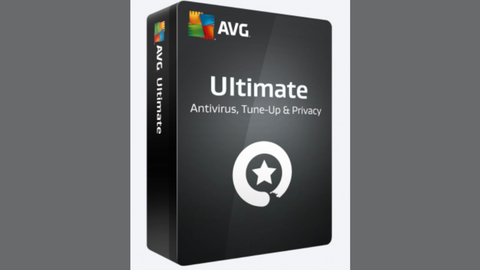
AVG Ultimate
A combined antivirus plus VPN for total protection.
A combined antivirus plus VPN for total protection. Show Less
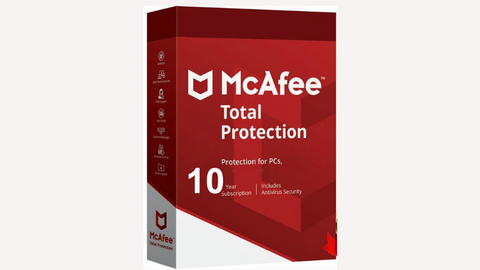
McAfee Total Protection
An easy-to-use security suite for data safety and device protection.
An easy-to-use security suite for data safety and device protection. Show Less
Trend Micro Premium Security Suite
Premium security suite for device protection and identity safety.
Premium security suite for device protection and identity safety. Show Less
VIPRE Advanced Security
Best security solution for emerging threats and data safety.
Best security solution for emerging threats and data safety. Show Less
Total AV
Protects your devices and online activities in real-time.
Protects your devices and online activities in real-time. Show Less
PC Matic Security
PC Matic Security is a security software that protects against malware, viruses, and ransomware.
PC Matic Security is a security software that protects against malware, viruses, and ransomware. Show Less
K7 Total Security
K7 Total Security is a comprehensive security software suite that provides protection against malware, viruses, and...Show More
K7 Total Security is a comprehensive security software suite that provides protection against malware, viruses, and other cyber threats, as well as features such as parental controls, data encryption, and a personal firewall. Show Less
F-Secure Total
F-Secure Total is a security suite that provides protection for your devices against malware, viruses, and online...Show More
F-Secure Total is a security suite that provides protection for your devices against malware, viruses, and online threats with features like antivirus, firewall, VPN, and parental control. Show Less
Sophos
Sophos Antivirus is a security software that helps protect computer systems from various malware and online threats.
Sophos Antivirus is a security software that helps protect computer systems from various malware and online threats. Show Less
Surfshark One
Surfshark One is a cybersecurity bundle that provides users with Surfshark VPN, Alert, Search, and Antivirus that...Show More
Surfshark One is a cybersecurity bundle that provides users with Surfshark VPN, Alert, Search, and Antivirus that combines security, privacy, and convenience into one powerful package. Surfshark is an award-winning VPN service for keeping your digital life secure. Show Less
Avast One
Avast One is an all-in-one security suite offering antivirus protection, VPN, performance optimization, and privacy...Show More
Avast One is an all-in-one security suite offering antivirus protection, VPN, performance optimization, and privacy tools for comprehensive digital security. Show Less
Common Ransomware Variants and Their Evolutions
The ransomware landscape is constantly evolving, with new variants emerging regularly. Some of the most notorious ransomware strains include:
WannaCry: This highly infectious ransomware caused widespread disruption in 2017, affecting over 200,000 computers worldwide.
Petya: Petya, also known as NotPetya, combined ransomware with wiper functionality, overwriting the master boot record (MBR) of infected systems.
Ryuk: Ryuk targeted large organizations, demanding high ransom payments in exchange for decryption.
REvil: REvil, also known as Sodinokibi, was responsible for several high-profile attacks, including the one on meatpacking giant JBS.
Conti: Conti, a successor to REvil, continued to target large organizations, demanding substantial ransom payments.
Locky: Locky was one of the first ransomware variants to utilize the “RaaS” (Ransomware as a Service) model, making it available to anyone with an internet connection.
Cerber: Cerber was known for its ability to spread through phishing emails and exploit vulnerabilities in Microsoft Office macros.
CryptoLocker: CryptoLocker was one of the first ransomware variants to encrypt files using asymmetric cryptography, making decryption more difficult.
TeslaCrypt: TeslaCrypt was particularly notable for its use of a unique encryption algorithm that allowed for the decryption of some files without a decryption key.
Dharma: Dharma, also known as Crysis, was one of the most prolific ransomware families, with numerous variants targeting a wide range of victims.
Maze: Maze gained notoriety for its sophisticated attacks on large organizations, often exfiltrating data before encrypting it.
DoppelPaymer: DoppelPaymer was known for its targeted attacks on healthcare organizations and its use of a sophisticated encryption algorithm.
Hive: Hive emerged in 2021 and quickly became a prominent threat, targeting large organizations and demanding significant ransom payments.
BlackCat: BlackCat, also known as Nobelium, is a relatively new ransomware group that has gained attention for its sophisticated attacks and demands for substantial ransom payments.
LockBit:LockBit is a rapidly evolving ransomware group that has been responsible for several high-profile attacks, including the one on Colonial Pipeline.
These examples highlight the ever-evolving nature of ransomware, with new variants constantly emerging and employing increasingly sophisticated techniques. Organizations must remain vigilant and adapt their cybersecurity strategies to stay ahead of these emerging threats.
Prevention Strategies: Safeguarding Against Ransomware Attacks
Combating ransomware requires a multilayered approach that encompasses prevention, detection, and response strategies.
Here are some key measures to safeguard against ransomware attacks:
Educate Employees: Train employees on phishing tactics, social engineering techniques, and the importance of strong passwords.
Update Software: Regularly update operating systems, software applications, and firmware to patch vulnerabilities that attackers could exploit.
Implement Strong Backups: Establish a regular backup routine, ensuring that critical data is backed up to an offline, secure location.
Deploy Endpoint Security Solutions: Utilize endpoint security software that can detect and prevent ransomware infections.
Restrict Administrative Privileges: Limit administrative privileges to only those who require them, minimizing the potential impact of an attack.
Responding to Ransomware Attacks: A Step-by-Step Guide
In the face of a ransomware attack, swift and decisive action is crucial to minimize damage, contain the spread of the threat, and facilitate data recovery.
This step-by-step guide outlines the essential actions to take in such a scenario:
1. Isolate the Infected System
Upon detecting a ransomware infection, the immediate priority is to isolate the affected system(s) from the network. This prevents the ransomware from spreading to other devices and potentially causing widespread disruption. Disconnect the infected computers from the internet, disable Wi-Fi and Bluetooth connections, and unplug any external drives or peripherals.
2. Assess the Situation
Once the infected systems are isolated, take a moment to assess the situation and gather as much information as possible. Identify the type of ransomware involved, the extent of the encryption, and the criticality of the affected data. This information will guide subsequent actions and help determine the appropriate course of action.
3. Contact Law Enforcement
Report the ransomware attack to law enforcement authorities, such as the FBI’s Cyber Division or local law enforcement agencies. They may be able to assist in the investigation, provide guidance on potential mitigation strategies, or connect you with relevant cybersecurity resources.
4. Seek Professional Assistance
Enlist the help of qualified cybersecurity professionals or data recovery specialists to guide the response and recovery efforts. Their expertise can be invaluable in identifying the specific ransomware strain, analyzing the extent of the damage, and exploring options for data decryption.
5. Do Not Pay the Ransom
Resist the temptation to pay the ransom demanded by the attackers. Paying the ransom not only encourages further attacks but also does not guarantee data recovery. Cybersecurity experts often advise against paying ransoms, as it may embolden attackers and perpetuate the cycle of ransomware attacks.
6. Preserve Evidence
Do not attempt to decrypt or modify encrypted files or ransom notes on your own. This could inadvertently overwrite or damage critical data, hindering potential recovery efforts. Instead, preserve the infected systems, ransom notes, and any relevant logs or screenshots as evidence for law enforcement and cybersecurity professionals.
7. Implement a Remediation Plan
Develop a comprehensive remediation plan to address the ransomware attack and restore normal operations. This plan may include steps such as:
Recovering Data: Utilize backups or data recovery solutions to restore encrypted files whenever possible.
Patching Vulnerabilities: Identify and patch any vulnerabilities that may have allowed the ransomware to infiltrate the system.
Updating Software: Ensure all operating systems, software applications, and firmware are updated to the latest versions.
Educating Employees: Provide cybersecurity awareness training to employees to help prevent future ransomware attacks.
8. Monitor for Recurrence
Continuously monitor the network and systems for signs of recurring ransomware activity or other cyber threats. Implement robust security measures, including endpoint protection, network firewalls, and intrusion detection systems, to prevent future attacks.
Remember, ransomware attacks can be complex and challenging to deal with. By following these steps and seeking professional assistance, organizations can enhance their resilience against ransomware threats and minimize the impact of potential attacks.
Here are some best practices against ransomware attacks:
Prevention
Educate employees: Train employees on phishing tactics, social engineering techniques, and the importance of strong passwords.
Update software: Regularly update operating systems, software applications, and firmware to patch vulnerabilities that attackers could exploit.
Implement strong backups: Establish a regular backup routine, ensuring that critical data is backed up to an offline, secure location.
Deploy endpoint security solutions: Utilize endpoint security software that can detect and prevent ransomware infections.
Restrict administrative privileges: Limit administrative privileges to only those who require them, minimizing the potential impact of an attack.
Detection
Monitor network activity: Continuously monitor network traffic for signs of suspicious activity, such as unusual data transfers or attempts to reach known malicious domains.
Utilize intrusion detection systems: Implement intrusion detection systems (IDS) or intrusion prevention systems (IPS) to identify and block malicious network activity.
Employ endpoint detection and response (EDR) solutions: Consider using EDR solutions that can provide real-time visibility into endpoint activity and enable rapid response to threats.
Response
Isolate infected systems: Disconnect infected systems from the network to prevent further spread of the ransomware.
Assess the situation: Identify the type of ransomware, the extent of the encryption, and the impact on the organization’s operations.
Report the attack: Notify law enforcement authorities and relevant cybersecurity organizations about the attack.
Seek professional assistance: Engage a qualified cybersecurity team or data recovery specialist to guide the response and recovery efforts.
Do not pay the ransom: Paying the ransom may encourage further attacks and does not guarantee data recovery.
Recovery
Restore from backups: Utilize backups to restore encrypted files whenever possible.
Patch vulnerabilities: Identify and patch any vulnerabilities that may have allowed the ransomware to infiltrate the system.
Update software: Ensure all operating systems, software applications, and firmware are updated to the latest versions.
Educate employees: Provide cybersecurity awareness training to employees to help prevent future ransomware attacks.
Additional Tips
Implement a multi-layered security approach: Combine endpoint security, network security, and data protection solutions to create a robust defense against ransomware.
Stay up-to-date on ransomware trends: Keep informed about the latest ransomware threats, attack methods, and decryption tools.
Conduct regular security audits: Regularly assess your organization’s security posture to identify and address potential weaknesses.
Test your incident response plan: Regularly test your incident response plan to ensure a coordinated and effective response to ransomware attacks.
Ransomware attacks are increasingly common, causing significant disruption and financial loss. This ransomware guide aims to answer frequently asked questions about ransomware to help you understand the threat and protect yourself.
What is ransomware?
Ransomware is a type of malware that encrypts your files, rendering them inaccessible. Attackers demand a ransom payment, typically in cryptocurrency, in exchange for decrypting your data.
How does ransomware spread?
Ransomware can spread through various methods, including:
Phishing emails: These emails often appear to be from legitimate sources, such as banks or shipping companies, and trick you into clicking on malicious links or attachments.
Malicious websites: Clicking on links or downloading files from unsafe websites can infect your computer with ransomware.
Software vulnerabilities: Hackers can exploit vulnerabilities in software to install ransomware on your device.
Removable media: Inserting infected USB drives or external hard drives into your computer can also spread ransomware.
What are the signs of a ransomware attack?
If you experience any of the following, it’s possible that your computer has been infected with ransomware:
You can no longer open your files.
Your files have been renamed with strange extensions.
You see a ransom note demanding payment.
Your computer performs unusually slowly.
What should you do if you are attacked by ransomware?
If you suspect a ransomware attack, it’s crucial to take immediate action:
Do not pay the ransom: Paying the ransom encourages attackers and does not guarantee the recovery of your files.
Disconnect your computer from the internet: This will prevent the ransomware from spreading to other devices.
Report the attack to the authorities: This will help them track down the attackers and prevent future attacks.
Try to recover your files from backups: If you have backups of your files, you may be able to restore them.
How can you prevent ransomware attacks?
Here are some steps you can take to protect yourself from ransomware:
Back up your files regularly: Having a backup of your data is essential for recovering your files in case of an attack.
Keep your software up to date: Software updates often include security patches that fix vulnerabilities that hackers can exploit.
Be careful about the emails you open and the links you click: Be wary of emails from unknown senders, and avoid clicking on suspicious links or attachments.
Use a strong antivirus and anti-malware program: These programs can help detect and block ransomware attacks.
Be aware of common ransomware scams: Stay informed about the latest ransomware tactics and scams to avoid falling victim.
By following these tips, you can significantly reduce the risk of becoming a victim of a ransomware attack. Remember, prevention is always the best defense.
Can ransomware affect smartphones and tablets, or is it only a risk for computers?
Yes, ransomware can affect smartphones and tablets, particularly Android devices. Although Windows-based systems are traditionally more targeted due to their widespread use in enterprise environments, mobile ransomware is a growing concern. Attackers can distribute ransomware via malicious apps, infected APK files, or phishing SMS (smishing) messages that trick users into downloading harmful content.
Once installed, the ransomware can lock your screen or encrypt files, demanding payment to unlock them. iOS devices are less vulnerable due to Apple’s strict app vetting process, but jailbroken iPhones are at higher risk. To prevent mobile ransomware, always download apps from trusted sources, keep your device’s operating system updated, and install mobile security apps.
Is paying the ransom ever a good idea if your files are critically important?
Cybersecurity experts and law enforcement agencies like the FBI and Europol strongly discourage paying the ransom under any circumstances. While the temptation may be high—especially when business operations or personal data are at stake—paying does not guarantee file recovery. In many cases, victims pay and receive nothing in return or are targeted again later.
Additionally, paying ransoms fuels the ransomware economy, funding future attacks and criminal operations. A better strategy is to maintain secure, offline backups and invest in proactive defenses. If attacked, consult cybersecurity professionals and report the incident to relevant authorities.
What industries are most vulnerable to ransomware attacks, and why?
Ransomware can target anyone, but certain sectors are particularly vulnerable due to the value and urgency of their data. These include:
Healthcare: Patient records are sensitive, and downtime can cost lives, prompting faster ransom payments.
Education: Schools and universities often lack strong cybersecurity infrastructure, making them easy targets.
Government agencies: Legacy systems and critical operations make them appealing targets.
Small and medium-sized businesses (SMBs): Many SMBs lack dedicated IT security teams, making them low-hanging fruit for attackers.
Organizations in these sectors should prioritize cybersecurity training, implement endpoint detection and response (EDR) systems, and maintain rigorous backup protocols.
How do cybercriminals choose their ransomware victims?
Cybercriminals typically choose victims based on opportunity and perceived profitability. Common selection criteria include:
System vulnerabilities: Unpatched software or outdated operating systems are prime targets.
Weak cybersecurity postures: Businesses without firewalls, antivirus solutions, or multi-factor authentication are more likely to be attacked.
Employee behavior: Organizations with poor phishing awareness are more susceptible to social engineering tactics.
Public exposure: High-profile companies or those that have been in the news may become targets due to perceived data value or ability to pay.
Dark web data leaks: Previously compromised login credentials can be reused to gain access and deploy ransomware.
This is why proactive security and awareness training are critical components of ransomware defense.
What’s the difference between ransomware and other types of malware?
Ransomware is a specific type of malware that encrypts your data and demands payment for decryption. Other types of malware include:
Viruses: These replicate and spread by attaching themselves to files or programs.
Trojans: Disguised as legitimate software, they open backdoors for further attacks.
Worms: Self-replicating malware that spreads without user interaction.
Spyware: Covertly collects user data without consent.
Adware: Displays unwanted ads, sometimes leading to more serious malware infections.
What sets ransomware apart is its business-like approach—it holds your data hostage and demands direct financial compensation, often causing immediate operational disruption.
What steps should businesses take to build a ransomware incident response plan?
A ransomware incident response plan is essential for minimizing damage during an attack. Key steps include:
Preparation:
Conduct regular risk assessments.
Train staff on phishing and malware recognition.
Ensure secure, offline backups are available and frequently tested.
Detection and Containment:
Use advanced threat detection tools.
Isolate infected systems to prevent spread.
Disable shared drives and user access temporarily.
Eradication and Recovery:
Work with cybersecurity professionals to remove the malware.
Restore data from verified backups.
Verify the integrity of restored systems before reconnecting to the network.
Post-Incident Review:
Document the attack timeline and response effectiveness.
Update security protocols and staff training based on lessons learned.
Report the attack to authorities and affected stakeholders as required.
Having this playbook ready can mean the difference between swift recovery and prolonged downtime.
Are there legal consequences for organizations that fall victim to ransomware and fail to report it?
In many jurisdictions, organizations are legally required to report data breaches, especially if personal or financial information is exposed. Failure to disclose a ransomware attack that results in data loss or compromise can lead to:
Regulatory fines: Under regulations like GDPR (EU), HIPAA (US), or Nigeria’s NDPR, fines can be substantial.
Lawsuits: Affected clients or users may sue if they suffer harm due to unreported breaches.
Loss of reputation and business: Customers may lose trust if they discover the breach from unofficial channels.
Reporting ransomware attacks transparently and in a timely manner is not just ethical—it’s a legal obligation in many cases. Organizations should familiarize themselves with regional laws and ensure compliance in their incident response protocols.
Ransomware Guide Conclusion: Staying Ahead of the Ransomware Threat
To conclude this ransomware guide, I will say that ransomware remains a significant cybersecurity threat, but organizations can effectively protect themselves by implementing robust security measures, educating employees, and maintaining a comprehensive response plan.
As the ransomware landscape continues to evolve, staying informed about the latest threats, adopting new security solutions, and fostering a culture of cybersecurity awareness are essential for safeguarding against this evolving threat.
The ranking of the best antiviruses is usually updated annually, so here comes the best Antivirus for 2022. Therefore, if that brought you to this page, you landed on the right page.
Over time, most antivirus programs must improve their reliability, speed, real-time protection, threat detection, and other features. This improvement is necessary because the rate of cyber threats is increasing daily.
A recent study by Security Magazine found that over 2,200 cyber-attacks per day account for ‘1 attack in every 39 seconds.
Therefore, antivirus companies must update their software.
After these updates, a new list of the best Antivirus will pop up, leading to yearly variations in ranking.
So relax and stay close to this page as we search for the best Antivirus for 2022.
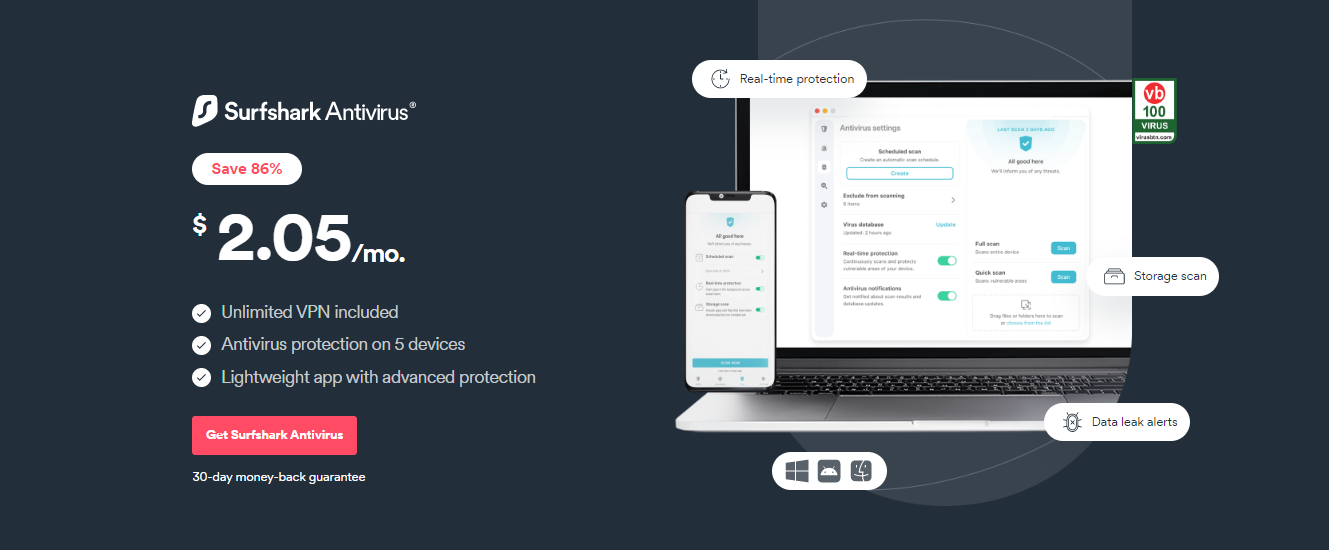
The first on this list is a lightweight antivirus solution that can protect all your devices. The Surfshark Antivirus is a safe shield against viruses and zero-day threats.
As a lightweight application, it won’t affect your device’s performance.
It consumes minimal CPU and RAM resources. So, you almost will not notice it running in the background.
Some antivirus software programs come with complex interfaces with so many setting options. But Surfshark does not. On the contrary, the software’s interface is simple and intuitive.
And you’ll find it easy to use, as you can activate the Antivirus with a single tap.
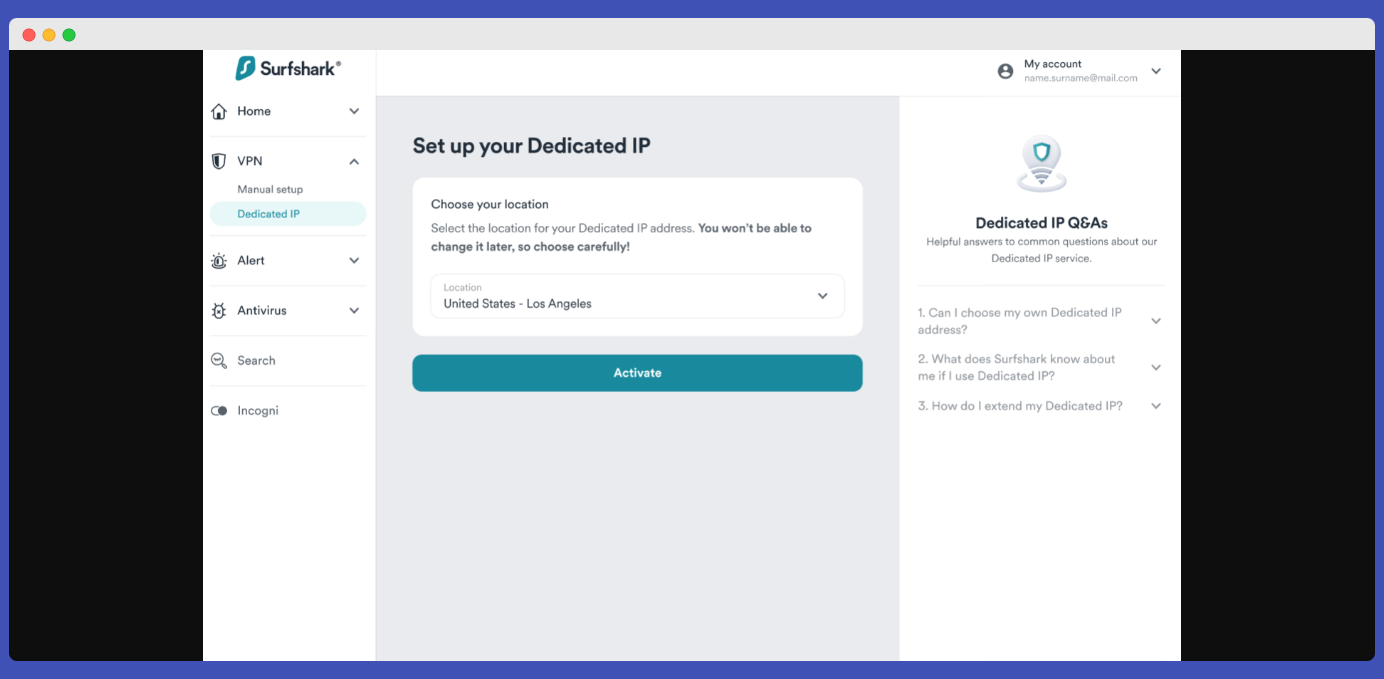
Furthermore, you get more than an antivirus when you opt for Surfshark. You can get the Antivirus as part of the Surfshark One Suite, which comes with other tools, including a VPN.
Thus, by extension, Surfshark can hide your IP address when you browse the internet, keeping you anonymous. It’s helpful as you stay out of sight of trackers and data harvesters.
Aside from the VPN, Surfshark One also comes with the Alert software. What the software does is inform you whenever your data leaks online. For example, you’ll get an alert when your email, password, or bank information appears in an online breach.
Furthermore, you get more than an antivirus when you opt for Surfshark. You can get the Antivirus as part of the Surfshark One Suite, which comes with other tools, including a VPN.
Thus, by extension, Surfshark can hide your IP when you browse the internet, keeping you anonymous. It’s helpful as you stay out of sight of trackers and data harvesters.
Aside from the VPN, Surfshark One also comes with the Alert software. What the software does is inform you whenever your data leaks online. For example, you’ll get an alert when your email password or bank information appears in an online breach.
Key Features of Surfshark Antivirus
Easy to use and lightweight antivirus program
Protects against viruses, zero-day threats, and malware
Works in real-time
Blocks ads and trackers from websites
VPN service included
It works in real time-and has an intuitive interface with minimal settings
The Antivirus comes with a VPN and the Alert software as part of the Surfshark One Suite
It will keep you free from online track0ers and spies
It will allow you to browse the web free of ads and malware
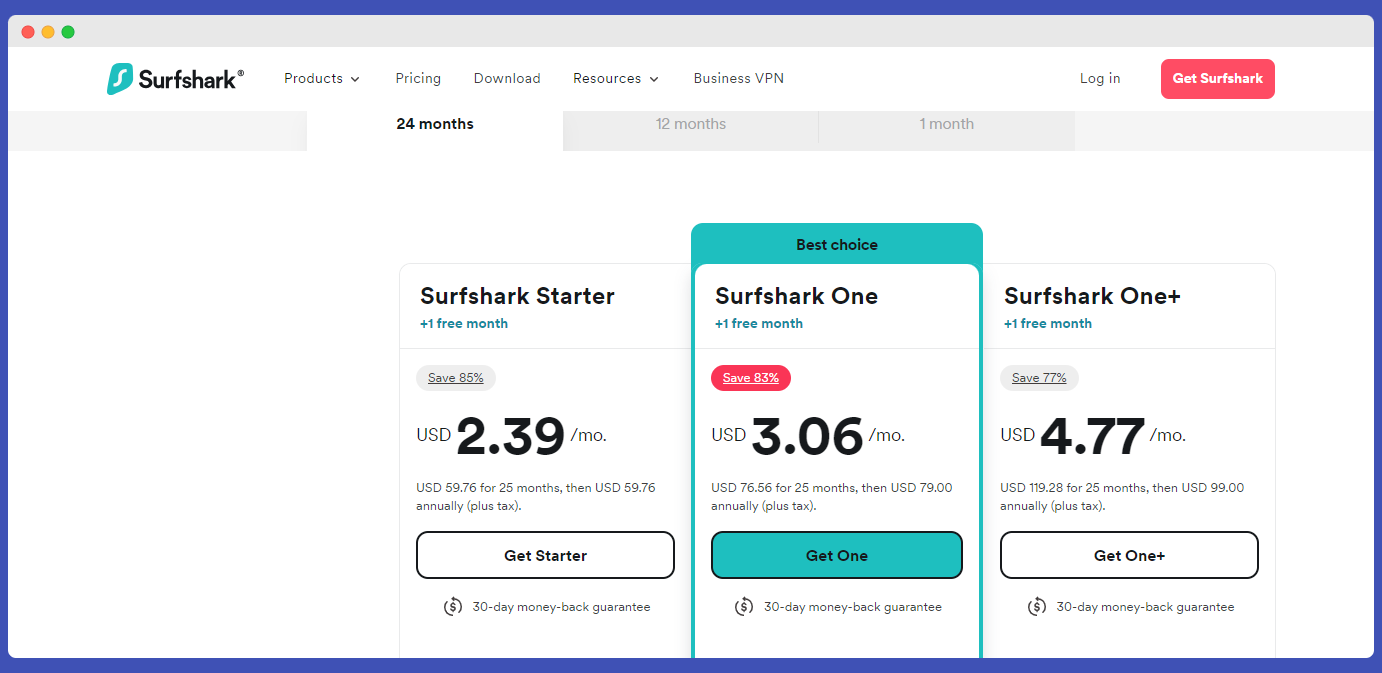
Pricing
1 Month Plan: $14.44 per month
12 Months Plan: $5.48 per month (billed at $65.76 for one year)
24 Months Plan (the best current deal): $3.48 per month (billed at $90.48 for two years) + 2 Free Months
Threat Prevention Home (for three devices) – $34.98/year
Next-Gen Antivirus Home (for three devices) – $35.97/year
Premium Security Home (for three devices) – $39.98/year
Heimdal Security is antivirus software that ensures that the programs installed on the computer are safe and correctly updated.
The program is simple overall and runs in the background after installation, so you don’t need to worry about opening it often.
Heimdal Security is not an average antivirus software. Instead, it employs next-gen detection technology and boasts one of the top detection rates among antiviruses.
For emphasis, the Antivirus uses local signature-based scanning. This type of scanning detects more than just viruses. It also detects ransomware, data leakages, exploits, and advanced persistent threats, to name a few.
However, local signature-based scanning is only the first layer of protection. Moving further, Heimdal Security employs real-time cloud scanning using advanced machine learning techniques.
Heimdal Security also supports sandbox and backdoor inspection. It helps isolate files suspected of viruses or other threats so they don’t infect others.
The files are isolated into a sandboxing system, which will be analyzed to check whether they are corrupt.
You can get a Heimdal Security premium for three devices at a starting price of $34.98. Nevertheless, few functions are available in the free version, which luckily doesn’t have a usage time limit.
Key Features of Heimdal Security
Organized and easy-to-use menus
Automatic PC software update
Reliability check of unknown programs
The Antivirus protects against viruses, ransomware, data leakages, exploits, and advanced persistent threats.
It employs next-generation antivirus technology with machine learning.
It supports sandboxing to isolate files that appear to be corrupt.
The Antivirus has a built-in firewall activator, which ensures your PC’s firewall is permanently active.
It will work with up to three devices on a single subscription.
It is multi-layer antivirus software with local signature-based scanning and real-time cloud scanning.
Basic (Single Device) – $84.99 for a one-year subscription
Plus (5 devices) – $44.99 for a one-year subscription, $79.99 for a two-year subscription
Premium (10 devices) – $54.99 per year subscription, $99.99 for a two-year subscription
The McAfee software has been in the industry since the late 1980s. Therefore, if you consider longevity when deciding on which software is the best, you’ll consider this Antivirus.
McAfee Antivirus is one of the best antiviruses for 2022, with many exciting features. It is more than enough to protect your PC from potential harm.
According to the results of the AV test, McAfee can compete with other leading antivirus products on the market regarding performance, protection, and usability.
But, with McAfee, you get more than an antivirus. You also get antimalware, anti-ransomware, and anti-phishing software. That’s not all; all the software protects against more online threats.
You’ll find the McAfee antivirus easy to use, irrespective of how many devices you’re protecting. The software has a central dashboard from where you can manage all connected devices.
Also notable is that McAfee offers 24/7 protection. Real-time protection to ensure no virus or malware goes undetected. The software’s database is regularly updated to include new viruses and malware. That way, you won’t fall victim to contemporary threats.
All McAfee Antivirus pricing plans come with their award-winning antivirus protection, firewall, password manager, file shredder, identity monitoring, web protection, and Protection Score.
Interestingly, the McAfee Antivirus comes with a Virus Protection Pledge. It’s a simple pledge: you’ll get your money back if the software doesn’t rid your devices of viruses and malware.
Key Features of McAfee Antivirus
Real-time scanning
It has a firewall feature
Blocks spam and dangerous emails
Real-time protection
Good technical support and usability
It features a central dashboard, which makes managing multiple devices easy.
The Antivirus has a virus protection pledge, so your money is safe.
McAfee will work on all major device types — Windows, Mac, Android, and iOS.
It lets you protect unlimited devices with a premium subscription.
Norton AntiVirus Plus (for 1 PC or Mac) – $9.99 per year
Norton Standard (for 1 PC, Mac, tablet, or smartphone) – $19.99 per year
Norton Deluxe (for 5 PCs, Macs, tablets, or smartphones) – $24.99 per year
Norton Premium (for 10 PCs, Macs, tablets, or smartphones) – $39.99 per year
The list of the Best Antivirus for 2022 is incomplete without Norton Antivirus.
If you have followed the yearly ranking of the best antivirus software, you would realize that Norton has always been on the list.
Norton Antivirus is one of the leading antiviruses with features expected from a good antivirus. In particular, the software will keep your devices safe from viruses, malware, ransomware, and hackers. It does this in many ways.
Norton Antivirus will block malicious websites that steal your data and credentials. It’s a safe protection mechanism against hackers, ensuring your online privacy is intact.
The Antivirus also comes with a password manager. So, while it helps prevent your passwords from getting exposed online, it also enables you to keep them secure. The password manager will also work to create stronger passwords for your accounts.
Despite how powerful the Antivirus is, it runs quietly in the background. Your device will continue to run smoothly, perhaps even more smoothly, as the Antivirus eliminates malware that can slow it down.
Norton is one of the antivirus companies with 100% trust in their software. Therefore, they offer a money-back guarantee to all new users if the software doesn’t work. But it will. Or else it won’t be on this list of the best Antivirus.
Key Features of Norton Antivirus
Real-time Threat Protection
Smart Firewall Feature
It has a Password Manager
It comes with Cloud Backup
Secure VPN
It works with Windows Operating System and Mac Operating Systems
It comes with a 100% money-back guarantee.
The Antivirus helps you browse safely by blocking fake websites.
It runs smoothly in the background and doesn’t affect your device’s performance.
The Antivirus comes with a native password manager, which doubles as a password generator.
Trend Micro Internet Security (for three devices) – $39.95 per year
Trend Micro Maximum Security (for five devices) – $49.95 per year
Trend Micro Premium Security (for ten devices) – $49.95 per year
Trend Micro is a cyber security software company founded in California, United States, in 1989.
This Antivirus protects your device against all forms of malware and is available for macOS, Android, Windows, and IOS. With Trend Micro, your device will most likely be free from all online threats.
In particular, Trend Micro Antivirus Plus is rated as one of the best antivirus programs for Windows 11. The developers optimized it to work with the operating system.
Trend Micro will block web threats, allowing you to browse the internet safely. So, it not only works as a local antivirus but also as a web protection software.
The antivirus’ web protection mechanisms will also block phishing websites and emails, which could lead to fraud and scams.
Furthermore, Trend Micro also has an optimized antivirus version for Mac computers. It has the same features as the Windows 11 version — it blocks web threats, viruses, malware, and phishing. But it has an extra feature to stop unauthorized use of your microphone and camera.
Trend Micro has a clean, simple interface. You’ll find the software easy to operate, irrespective of your device.
Key Features of Trend Micro
It blocks dangerous websites that can steal your data
AVG Internet Security (10 devices including Mac, Windows PC, and Android) – $59.99 per year
AVG Ultimate (10 devices including Mac, Windows PC, iOS, and Android) – $59.99 per year
AVG Antivirus is one of the best antivirus programs available today, mainly due to the large number of top-level features, comprehensive antivirus and anti-spyware engines, and automatic background updating.
It provides constant protection against viruses, also called real-time protection. This Antivirus has many more features.
Perhaps the most attractive feature is that it’s free. You can rely on the AVG Antivirus free version to safeguard your devices. The free version comes with six layers of Security.
It blocks viruses, spyware, and malware, provides real-time updates, and protects against phishing. It also works as an email shield, ensuring you don’t open any dangerous email attachments.
You’ll agree that these are commendable features for a free antivirus. Yet, there’s more. The free AVG Antivirus also has a firewall, anti-hacker Security, and webcam protection.
But, if you want the ultimate AVG Antivirus protection, consider the premium AVG Ultimate version.
AVG Ultimate has internet security, VPN, junk cleaning, and anti-tracking tools. As a result, you get 360 protection when you opt for it. What’s more? You can protect up to ten devices with an AVG Ultimate subscription.
Key Features of AVG Antivirus
It provides real-time protection against viruses and other malware
Virus scanning is updated regularly and automatically
Works with Mac and Windows 11, 10, 8, 7, Vista, XP and 2000
With Panda Security, you will enjoy protection against spyware and ransomware. Cyber security experts and its customers highly rate this Antivirus.
It comes with tons of exciting features, including real-time protection. It is undoubtedly one of the best antivirus for 2022.
It’s possible to use the Panda Security antivirus for free. And many users agree it’s one of the best free options available. You, too, may decide if you consider the features of the free Antivirus.
First, the free Antivirus has a maximum detection rate, meaning nothing goes unnoticed. Second, it’s easy to use. Third, the Antivirus is lightweight, so you will almost forget it is active.
Considering the lightweight operation, Panda Security operates from the cloud. Nothing is stored locally on your computer.
Aside from antivirus protection, Panda Security also provides USB security. It scans any USB you insert into your computer and removes any detected virus or malware.
Furthermore, the Antivirus features the “Panda rescue kit.” This “kit” will help you recover your files should your device suffer a virus or malware attack.
However, the free Antivirus is only available for Windows and Android devices.
Key Features of Panda Security
Protection against spyware
Protection against all types of malware
Remote access
Protection against unknown threats
Safe browsing
Backup copies
Multimedia/gaming mode
The Antivirus is available for free for Windows and Android devices.
The software has USB protection to fight viruses and malware from USB devices.
It’s easy to use and lightweight in the background.
It features a rescue kit to ensure you don’t lose your files if your devices get infected by viruses or malware.
BullGuard is an award-winning antivirus program created in 2001 in the United Kingdom.
Like other antivirus programs, it protects your device against viruses and malware. It is also capable of cleaning up existing malware infestations. You cannot go wrong choosing BullGuard Antivirus.
BullGuard is primarily an internet security software that is as reliable as an antivirus solution as any other antivirus.
With its multiple defense layers, it provides all-around protection. Aside from viruses and malware mentioned earlier, BullGuard will also protect you from phishing, spyware, rootkits, and botnets.
One of the main advantages of using the BullGuard antivirus is its effortless use. It’s software you can install and forget, but it’ll always be active to protect your device.
Furthermore, with BullGuard, you get top-notch 24/7 support. If you have any issues with using the software, you can reach the customer support team via email or live chat. Online remote access support is also available.
However, BullGuard is currently a part of NortonLifeLock — which also consists of Norton and Avira, two renowned device security programs.
Key Features of BullGuard Antivirus
It has real-time malware protection and on-demand disk scans
It has a vulnerability scanner
It boosts gaming performance
Bullguard Antivirus protects devices from phishing, spyware, rootkits, and botnets.
The software is easy to install and won’t consume much of your device’s resources.
The customer support team is available daily via live chat or email.
It’s a dependable solution for internet security to ensure safe browsing.
Bullguard works with Avira and Norton as NortonLifeLock.
ESET, an acronym for Essential Security against Evolving Threats, also makes it to this list today.
It can protect your device against viruses, phishing, spyware, and other cyber threats. It has outstanding performance and also comes with an anti-theft tool.
With ESET, you get an antivirus and internet security software. It’s available for individual, home, business, and enterprise users. You can opt for essential, advanced, or premium Security depending on your needs.
The essential security version will protect your devices from virus and ransomware attacks. But it’s only available for one computer at a time.
Meanwhile, the advanced security version will simultaneously work on Windows, macOS, and Android. It also protects against viruses and ransomware but goes the extra mile to prevent hackers and keep your payment transactions safe.
With the premium security version, you get every feature ESET offers. In that regard, you would expect it to come with all the features of the essential and advanced versions. It does and features extra features like a password manager and file encryptor.
Furthermore, ESET is a high-speed antivirus. It’ll ensure your device runs smoothly without interruptions.
Key Features of ESET
Antimalware software with a password manager
It has a secure browser and web protection feature.
Anti-theft protection and advanced diagnostics.
Parental controls and device encryption
The antivirus software is available for Windows, Mac, and Android devices.
The Antivirus is fast and subsequently will make your computer operate faster.
It protects your payment accounts when you make online transactions.
Antivirus Plus: $9.99 per year for 1 PC, $14.99 per year for up to 5 PCs, $17.99 per year for up to 10 PCs
Advanced Security: $19.99 per year for 1 PC, $23.99 per year for up to 5 PCs, $28.99 per year for up to 10 PCs
Ultimate Security Bundle: $39.99 per year for up to 5 PCs, $52.99 per year for up to 10 PCs
VIPRE Antivirus is an affordable security program known for providing good overall protection for your computer.
It received the PC Antivirus Reviews publisher’s choice award for best antivirus product in 2020. Also, it is one of the best antiviruses for 2022 on this list today.
Vipre is notable as a business antivirus solution. It comes with endpoint protection, security awareness, data loss prevention, and email security, all in one easy-to-use software.
The Antivirus is also popular among home users. The plus version, in fact, mainly focuses on home protection with samples of over a million different malware.
As already mentioned, Vipre is easy to use. A notable feature is the option to schedule scans at any time and at any depth. In addition, you can regularly search for updates to ensure that your version can handle the latest viruses and malware.
In the United States, you can leverage Vipre’s premium customer support. You can still use other support channels if you’re not in the United States.
Vipre is a premium antivirus, but you don’t have to pay immediately. The Antivirus comes with a 30-day free trial, which gives you access to all features.
Key Features of Vipre Antivirus
It integrates with Microsoft Outlook and Outlook Express for email protection and monitors instant messages.
It offers real-time protection.
It has an intuitive interface and protects against all forms of malware and adware.
Good customer support
The platform offers exclusive support to users in the US.
Vipre allows you to schedule deep and shallow scans at any time.
The Antivirus can detect up to a million malware types.
It is regularly updated, so you can rely on the Antivirus to fight novel viruses and malware.
Acronis True Image is one of the antivirus software perfect for your device’s Security. It has an exemplary user interface and other expected features of a good antivirus.
Based on recent research, we realized that many customers are satisfied with Acronis True Image’s service.
What you get from Acronis True Image is complete digital protection. Complete in the sense that it protects you both online and offline, locally and remotely. So long as the software is active, you’re covered.
As an antivirus and antimalware solution, Acronis True Image does more than rid your devices of these unwanted files. You also get a reliable backup solution.
A backup solution is an advantage for any antivirus software. It helps ensure you recover your files if your computer is infected. You can back up files, applications, and even complete operating systems.
Be rest assured, however, that the Acronis True Image antivirus will ensure your device doesn’t get infected in the first place.
The Acronis True Image antivirus works in real-time like many other antiviruses on this list. But in addition to working in real-time, Acronis True Image uses AI to predict malware attacks. Such attacks get blocked before they even begin.
Features of Acronis True Image
Antivirus on-demand scan
Real-time protection
Protection against malware
The Antivirus employs artificial intelligence to block viruses and malware before they manifest.
It is a dependable backup solution for restoring files after a virus or malware attack.
It offers complete digital protection both online and offline.
The Antivirus comes with an intuitive, easy-to-use interface.
If you want to be protected when browsing and looking for the best Antivirus for your needs, this is one of the most valid and best valued by authorized sources. It is an excellent product, with a very high level of protection and a low cost.
Kaspersky’s strong point is the protection against malware; it is an exceptional anti-ransomware. It offers fast scanning, which detects many threats within minutes.
Suppose you choose to settle for the Kaspersky antivirus. In that case, depending on your needs, you must choose between the Home or Business version. Both versions are, however, reliable.
Considering the Home version, you get an advanced antivirus and a device performance booster. So, not only does it remove viruses, malware, and ransomware. It also helps ensure your device is running smoothly.
Kaspersky does this by removing non-useful software and updating useful ones. This feature will work on Windows, macOS, Android, and iOS.
Furthermore, you get browsing protection with Kaspersky. Antivirus has tools to stop online tracking, malicious ads, and data theft.
Subsequently, after installing the antivirus software, you can browse anonymously and uninterruptedly.
You can rely on Kaspersky antivirus to protect your device from hackers. In particular, the Antivirus has tools that detect and block phishing and improve your firewall’s performance.
Key Features of Kaspersky Antivirus
It protects your privacy by preventing the tracker from collecting sensitive data.
It is a lightweight software that does not affect performance
Effectively blocks viruses, malware, and attacks
It protects payments made online
It blocks unauthorized access attempts to the webcam
The Kaspersky antivirus will work on Windows, Mac, Android, and iOS.
It helps keep your applications and programs up to date.
It helps uninstall and remove applications and programs you do not use.
It blocks online phishing attempts.
It protects your device by optimizing your firewall.
Defencebyte has been one of the leading antivirus companies since it was founded in 2013. This Antivirus is mainly available for Windows OS and has a 24/7 live support feature.
It should be your go-to software for protecting your device against malware.
For starters, you can try out the Antivirus for free. It comes with a free trial that lasts thirty days, and you can access all the critical antivirus features.
But DefenceByte identifies as an antimalware more than an antivirus. It further uncovers hidden ransomware anywhere they are on your computer.
You can schedule scans to run at specific times, and the interface is intuitive, so you’ll find this scheduling easy. DefenceByte is yet another lightweight software to feature on this list of best antivirus programs in 2022.
When you use DefenceByte, you protect not just your device but also your network. The only downside, as referenced earlier, is that you can only use it if you’re a Windows user.
Features of Defencebyte
It protects against malware
It has a roll-back mechanism feature
Efficient antiransomware protection
Defencebyte has a sandbox testing environment
It has specialized plans for different types of users.
The Antivirus is particularly optimized to work with Windows computers.
It provides both device and network protection.
It is lightweight, easy to install, and easy to set up.
There are several ways a device can contract a virus. They can appear via USB flash drives, emails, sites with questionable content, downloading infected files and programs, and many other means.
These viruses are intended to interfere with the computer’s or other device’s functioning to register, corrupt, destroy data, and transfer information to another computer.
Meanwhile, antiviral agents have several identification methods to prevent these viruses, such as automatic updating, scanning, quarantine, and others.
Cybersecurity has become a crucial concern in this digital age, where almost everyone is online.
We are constantly surrounded by our gadgets, from smartphones to PCs and tablets. We depend on these devices for survival or to meet our daily needs.
So, everyone needs to protect their computer, and one way to do that is by having a trusted Antivirus installed. An antivirus software cleans a device, be it a PC or a mobile phone, from malicious attacks by hackers.
Not only does it clean viruses, but it also serves as protection to ensure viruses do not enter the system.
Antivirus software costs vary because they depend on the brand of Antivirus you are buying and its pricing options.
You can get Antivirus software for as cheap as $23 per year to as expensive as $125. Meanwhile, check out some of the antivirus programs’ prices below;
Yes, it is worth paying for Antivirus. Meanwhile, it depends on how much you value your data.
Your data can be in any format, from photos, videos, music, files, documents, or almost anything. Also, if you are an organization, protecting your data is compulsory.
So, paying for a dependable antivirus like Surfshark Antivirus can never be a waste of money. It would be best if you considered it an investment or a promise to protect your sensitive data and devices.
Suppose you don’t want to buy separate antivirus licenses for each device. In that case, purchasing an antivirus program that can protect your devices, such as computers, tablets, and smartphones, is best.
Trend Micro provides complete protection to your Windows 10 PC against viruses, malware, Trojans, spyware, adware, or any malicious threat that could infect or damage your device.
It provides real-time protection against threats and remains active in the background. It also constantly scans your system to check for viruses or malware to prevent them from entering your device.
In addition to offering complete PC protection against threats, Kaspersky Antivirus boosts your device’s performance and offers additional features like a virtual keyboard, VPN, Password Manager, and more.
This Antivirus offers excellent performance and solid protection. Also, thanks to the friendly and straightforward user interface, you won’t have trouble adapting to it.
In general, Kaspersky Antivirus offers robust protection. Still, if you want to use it on different platforms such as Mac, iOS, or Android, you must purchase the Kaspersky Internet Security version.
Note that the Antivirus mentioned above has been updated to fight against malware attacking your devices. Also, protect your device against them.
What Is The Best Antivirus For Windows 10 2021?
Unlike previous versions of Windows OS like Windows XP, Windows 7, and Windows 8/8.1, Windows 10 is much more versatile and improved regarding Security.
However, with each passing day, hackers are getting nasty and continue to find new and powerful ways to gain unauthorized access to our devices.
Viruses and malware infections are much more powerful than you think and even more intelligent to get caught by a suite of antiviruses.
What Is The Difference Between Antivirus Software And Antimalware?
Both Antivirus and antimalware software are usually confused with each other. Although they might be performing similar functions, they are not the same.
Viruses are specific malware programs capable of replicating and spreading through the system. In contrast, malware is a broad term referring to all types of malicious software, including viruses, trojans, adware, rootkits, spyware, and ransomware.
This means that viruses are malware, but not all are viruses.
Therefore, Antivirus is a software program designed to detect and eliminate viruses and other malicious system software. At the same time, antimalware is a program that protects the system against all types of malware, including viruses, Trojans, worms, and adware.
In addition to that, Antivirus programs are designed to scan the system to determine malicious behavior in programs and remove any threats before they reach the system. They run in the background, keeping your system protected at all times.
They also allow users to schedule scans or start new scans whenever they want.
On the other hand, Antimalware is a specific program designed to scan, detect, and remove even the most advanced malware, with real-time active monitoring and protection.
They protect against malware, including viruses, bots, Trojans, worms, phishing, spyware, ransomware, and adware.
Conclusion
Antivirus is a software utility program designed to protect your system from viruses and malware and prevent them from modifying or corrupting other programs.
It defends the system 24 hours a day, and if it finds any malicious program, it immediately removes it.
In the ever-evolving world of technology, computer viruses have become a persistent threat, posing significant risks to individuals, businesses, and organizations worldwide.
These malicious programs can infiltrate computer systems, causing a range of harm, from disrupting operations to stealing sensitive data.
Understanding the nature of computer viruses and implementing effective protection measures is crucial for safeguarding your digital assets and ensuring cybersecurity.
Now, let’s get started with the computer viruses guide.
Delving into the World of Computer Viruses
A computer virus is a type of malware, a malicious program designed to cause harm to a computer system. Its distinguishing characteristic lies in its ability to self-replicate, spreading from one computer to another, often without the user’s knowledge or consent.
These malicious programs can infect various file types, including executable files, documents, and scripts, embedding their code and waiting for an opportune moment to execute.
Once activated, a computer virus can unleash a range of actions, from displaying annoying messages to causing severe system damage. Some viruses may simply disrupt operations by causing applications to malfunction or slowing down the system’s performance.
Others may engage in more insidious activities, such as stealing personal information, such as passwords, credit card numbers, and social security numbers, or encrypting data and demanding a ransom payment for its decryption.
Best Solutions To Remove Computer Viruses
Kaspersky Lab
Kaspersky Antivirus is an antivirus protection solution that protects your computers from virus attacks and other...Show More
Kaspersky Antivirus is an antivirus protection solution that protects your computers from virus attacks and other threats that may result from internet usage or other forms of usage. Show Less
Panda Dome Security Suite
Your advanced protection suite for home and business needs.
Your advanced protection suite for home and business needs. Show Less
Norton 360
Norton 360 is a security suite that utilizes advanced machine learning technology in dealing with all types of malware...Show More
Norton 360 is a security suite that utilizes advanced machine learning technology in dealing with all types of malware including Trojans, ransomware, etc. 100% guaranteed protection against all types of malware and your best bet for privacy protection. Show Less
Avira Prime
Avira Prime is the ultimate security suite for data safety and protection from online threats that gives you full access...Show More
Avira Prime is the ultimate security suite for data safety and protection from online threats that gives you full access to Avira products like antivirus, Phantom VPN, software updater, system optimization tool, and a password manager. Show Less
ESET HOME Security Premium
ESET HOME Security Premium is a fully-fledged security software with amazing features and even a password manager. Smart...Show More
ESET HOME Security Premium is a fully-fledged security software with amazing features and even a password manager. Smart protection for Windows, Mac, and Android devices. Show Less
G DATA Total Security
G DATA Total Security is a complete protection suite that offers total security online and offline. The suite includes...Show More
G DATA Total Security is a complete protection suite that offers total security online and offline. The suite includes an antivirus engine, a password manager, firewall protection, device control, and internet security tools. Intelligent security suite for all device types. Show Less
AVG Ultimate
A combined antivirus plus VPN for total protection.
A combined antivirus plus VPN for total protection. Show Less
McAfee Total Protection
An easy-to-use security suite for data safety and device protection.
An easy-to-use security suite for data safety and device protection. Show Less
Trend Micro Premium Security Suite
Premium security suite for device protection and identity safety.
Premium security suite for device protection and identity safety. Show Less
VIPRE Advanced Security
Best security solution for emerging threats and data safety.
Best security solution for emerging threats and data safety. Show Less
Total AV
Protects your devices and online activities in real-time.
Protects your devices and online activities in real-time. Show Less
PC Matic Security
PC Matic Security is a security software that protects against malware, viruses, and ransomware.
PC Matic Security is a security software that protects against malware, viruses, and ransomware. Show Less
K7 Total Security
K7 Total Security is a comprehensive security software suite that provides protection against malware, viruses, and...Show More
K7 Total Security is a comprehensive security software suite that provides protection against malware, viruses, and other cyber threats, as well as features such as parental controls, data encryption, and a personal firewall. Show Less
F-Secure Total
F-Secure Total is a security suite that provides protection for your devices against malware, viruses, and online...Show More
F-Secure Total is a security suite that provides protection for your devices against malware, viruses, and online threats with features like antivirus, firewall, VPN, and parental control. Show Less
Sophos
Sophos Antivirus is a security software that helps protect computer systems from various malware and online threats.
Sophos Antivirus is a security software that helps protect computer systems from various malware and online threats. Show Less
Surfshark One
Surfshark One is a cybersecurity bundle that provides users with Surfshark VPN, Alert, Search, and Antivirus that...Show More
Surfshark One is a cybersecurity bundle that provides users with Surfshark VPN, Alert, Search, and Antivirus that combines security, privacy, and convenience into one powerful package. Surfshark is an award-winning VPN service for keeping your digital life secure. Show Less
Avast One
Avast One is an all-in-one security suite offering antivirus protection, VPN, performance optimization, and privacy...Show More
Avast One is an all-in-one security suite offering antivirus protection, VPN, performance optimization, and privacy tools for comprehensive digital security. Show Less
Diverse Manifestations of Computer Viruses
The landscape of computer viruses is diverse, with each type exhibiting unique characteristics and behaviors. Some of the most prevalent types include:
File infectors: These viruses attach themselves to executable files, such as .exe or .com files, and replicate upon the file’s execution.
Boot sector viruses: These viruses infect the boot sector of a hard drive, gaining control of the system’s startup process.
Macro viruses: These viruses embed themselves within macro code, commonly found in word processing documents or spreadsheets.
Polymorphic viruses: These viruses constantly modify their code to evade detection by antivirus software.
Ransomware: This type of virus encrypts a victim’s data, rendering it inaccessible. The perpetrators then demand a ransom payment in exchange for the decryption key.
The impact of computer viruses can be devastating, affecting individuals, businesses, and organizations alike. These malicious programs can:
Cause data loss or corruption: Viruses can delete, modify, or corrupt important files, leading to data loss or system instability.
Disrupt operations: Viruses can interfere with system processes, causing applications to malfunction or preventing the system from booting up.
Steal sensitive information: Viruses can steal personal information, such as passwords, credit card numbers, and social security numbers.
Spread to other computers: Viruses can spread through networks, infecting other computers and causing widespread damage.
Now, for this computer viruses guide, let me reveal the common types of computer virus that exists.
Common Types of Computer Viruses
The realm of computer viruses is a diverse one, with each type exhibiting distinct characteristics and behaviors.
Here’s a comprehensive overview of some of the most common types of computer viruses:
1. File Infectors
These viruses, as the name suggests, attach themselves to executable files, commonly with extensions like .exe or .com. Once the infected file is executed, the virus replicates itself and spreads to other files or computers. File infectors can cause widespread damage and disrupt system operations.
2. Boot Sector Viruses
These viruses target the boot sector of a hard drive, the portion responsible for initiating the system’s startup process. By infecting the boot sector, the virus gains control of the system startup, potentially preventing the system from booting up or causing severe malfunctions.
3. Macro Viruses
Macro viruses embed themselves within macro code, a feature commonly found in word processing documents or spreadsheets. Macros are essentially small programs within these documents that can automate tasks. Macro viruses exploit this functionality to spread and execute their malicious code.
4. Polymorphic Viruses
These viruses pose a significant challenge to antivirus software due to their ability to constantly modify their code. Polymorphic viruses employ techniques like encryption and code obfuscation to evade detection, making them more difficult to identify and remove.
5. Ransomware
Ransomware has emerged as a particularly devastating form of malware, encrypting a victim’s data and rendering it inaccessible. The perpetrators then demand a ransom payment, often in the form of cryptocurrency, in exchange for the decryption key. Ransomware attacks can have crippling consequences for individuals and organizations.
Additional Types
Beyond these primary categories, there exists a range of other specialized viruses, each with its unique characteristics and methods of attack. These include:
Trojan Horses: Disguised as legitimate software, Trojan horses can gain access to a system and execute malicious code once installed.
Spyware: Secretively collects information about a user’s computer activity, including personal data, browsing habits, and keystrokes.
Adware: Displays unwanted advertisements on a user’s computer, often disrupting their browsing experience and potentially exposing them to malicious websites.
For this computer viruses guide, let me show you the impact of computer viruses.
The Impact of Computer Viruses
Computer viruses, those malicious programs that replicate and spread from one computer to another, pose a significant threat to individuals and organizations worldwide.
They cause:
1. Data Loss or Corruption
One of the most immediate and devastating impacts of computer viruses is data loss or corruption. Viruses can delete, modify, or corrupt important files, including documents, spreadsheets, and databases, rendering them inaccessible or unusable.
This can lead to significant disruptions in business operations, loss of critical research data, and even personal heartbreak from the loss of cherished memories.
2. Disruption of Operations
The ability of computer viruses to interfere with system processes can cause widespread disruption to operations.
Viruses can disrupt communication networks, disable applications, and even prevent systems from booting up altogether. This can lead to productivity losses, missed deadlines, and financial losses for businesses.
3. Theft of Sensitive Information
Computer viruses can pose a serious threat to personal privacy and financial security by stealing sensitive information, such as passwords, credit card numbers, and social security numbers.
This stolen information can then be used for identity theft, fraudulent transactions, and other malicious activities.
4. Spread to Other Computers
The ability of computer viruses to spread through networks makes them particularly dangerous, as they can quickly infect multiple computers and cause widespread damage.
This is especially concerning in organizations with large networks, as a single infected computer can quickly compromise the entire system.
5. Financial Losses
The impact of computer viruses extends beyond data loss and disruptions. Businesses can face significant financial losses due to downtime, productivity losses, data recovery costs, and legal fees.
Additionally, individuals may incur expenses related to identity theft recovery and credit monitoring.
6. Reputational Damage
Computer virus infections can damage an organization’s reputation and erode customer trust. News of a data breach or security incident can lead to negative publicity, loss of customers, and even regulatory fines.
7. Psychological Impact
Individuals can also suffer psychological distress from computer virus infections. The loss of personal data, fear of identity theft, and disruption of daily routines can cause anxiety, stress, and even emotional trauma.
Tool For Removing Computer Viruses
Kaspersky Lab
Kaspersky Antivirus is an antivirus protection solution that protects your computers from virus attacks and other...Show More
Kaspersky Antivirus is an antivirus protection solution that protects your computers from virus attacks and other threats that may result from internet usage or other forms of usage. Show Less
Panda Dome Security Suite
Your advanced protection suite for home and business needs.
Your advanced protection suite for home and business needs. Show Less
Norton 360
Norton 360 is a security suite that utilizes advanced machine learning technology in dealing with all types of malware...Show More
Norton 360 is a security suite that utilizes advanced machine learning technology in dealing with all types of malware including Trojans, ransomware, etc. 100% guaranteed protection against all types of malware and your best bet for privacy protection. Show Less
Avira Prime
Avira Prime is the ultimate security suite for data safety and protection from online threats that gives you full access...Show More
Avira Prime is the ultimate security suite for data safety and protection from online threats that gives you full access to Avira products like antivirus, Phantom VPN, software updater, system optimization tool, and a password manager. Show Less
ESET HOME Security Premium
ESET HOME Security Premium is a fully-fledged security software with amazing features and even a password manager. Smart...Show More
ESET HOME Security Premium is a fully-fledged security software with amazing features and even a password manager. Smart protection for Windows, Mac, and Android devices. Show Less
G DATA Total Security
G DATA Total Security is a complete protection suite that offers total security online and offline. The suite includes...Show More
G DATA Total Security is a complete protection suite that offers total security online and offline. The suite includes an antivirus engine, a password manager, firewall protection, device control, and internet security tools. Intelligent security suite for all device types. Show Less
AVG Ultimate
A combined antivirus plus VPN for total protection.
A combined antivirus plus VPN for total protection. Show Less
McAfee Total Protection
An easy-to-use security suite for data safety and device protection.
An easy-to-use security suite for data safety and device protection. Show Less
Trend Micro Premium Security Suite
Premium security suite for device protection and identity safety.
Premium security suite for device protection and identity safety. Show Less
VIPRE Advanced Security
Best security solution for emerging threats and data safety.
Best security solution for emerging threats and data safety. Show Less
Total AV
Protects your devices and online activities in real-time.
Protects your devices and online activities in real-time. Show Less
PC Matic Security
PC Matic Security is a security software that protects against malware, viruses, and ransomware.
PC Matic Security is a security software that protects against malware, viruses, and ransomware. Show Less
K7 Total Security
K7 Total Security is a comprehensive security software suite that provides protection against malware, viruses, and...Show More
K7 Total Security is a comprehensive security software suite that provides protection against malware, viruses, and other cyber threats, as well as features such as parental controls, data encryption, and a personal firewall. Show Less
F-Secure Total
F-Secure Total is a security suite that provides protection for your devices against malware, viruses, and online...Show More
F-Secure Total is a security suite that provides protection for your devices against malware, viruses, and online threats with features like antivirus, firewall, VPN, and parental control. Show Less
Sophos
Sophos Antivirus is a security software that helps protect computer systems from various malware and online threats.
Sophos Antivirus is a security software that helps protect computer systems from various malware and online threats. Show Less
Surfshark One
Surfshark One is a cybersecurity bundle that provides users with Surfshark VPN, Alert, Search, and Antivirus that...Show More
Surfshark One is a cybersecurity bundle that provides users with Surfshark VPN, Alert, Search, and Antivirus that combines security, privacy, and convenience into one powerful package. Surfshark is an award-winning VPN service for keeping your digital life secure. Show Less
Avast One
Avast One is an all-in-one security suite offering antivirus protection, VPN, performance optimization, and privacy...Show More
Avast One is an all-in-one security suite offering antivirus protection, VPN, performance optimization, and privacy tools for comprehensive digital security. Show Less
Protecting Yourself From Computer Viruses
Protecting yourself from computer viruses requires a multi-layered approach that encompasses both preventive measures and proactive actions.
1. Install and Update Antivirus Software
Antivirus software serves as your first line of defense against viruses, actively scanning your computer for malicious programs and removing them if detected. It’s essential to choose a reputable antivirus software provider and keep your software up to date to ensure you have the latest protection against evolving threats.
2. Utilize a Firewall
A firewall acts as a gatekeeper, controlling the flow of traffic between your computer and the internet. It blocks unauthorized access attempts, preventing viruses from infiltrating your system through network connections. Configure your firewall settings to allow only trusted connections and regularly check for updates to maintain optimal protection.
3. Exercise Caution with Email Attachments
Email attachments are a common pathway for virus distribution. Be wary of opening attachments from unknown senders, especially those with urgent requests or enticing offers. Avoid opening attachments with suspicious file extensions, such as .exe or .scr.
4. Practice Safe Browsing Habits
Refrain from visiting suspicious websites or clicking on unfamiliar links. Phishing websites and malicious advertisements often lure users into clicking on links or downloading files that contain viruses. Stick to reputable websites and avoid clicking on links in emails or social media messages that seem suspicious.
5. Maintain Up-to-Date Operating Systems and Software
Software updates often include security patches that address vulnerabilities that viruses can exploit. Regularly update your operating system, software applications, and firmware to minimize potential security gaps. Enable automatic updates whenever possible to ensure you have the latest protection.
6. Implement Regular Data Backups
Data loss due to malware infections can be devastating. Establish a regular backup routine to safeguard your valuable data. Store backups on an external hard drive, cloud storage, or a dedicated backup device to ensure recovery in the event of a malware attack.
7. Be Mindful of Public Wi-Fi Networks
Public Wi-Fi networks often lack robust security measures, making them vulnerable to cyberattacks. Avoid accessing sensitive information or conducting online transactions while connected to public Wi-Fi. Consider using a VPN (Virtual Private Network) to encrypt your internet traffic and protect your privacy when using public Wi-Fi.
8. Educate Yourself and Stay Informed
Keeping yourself updated on the latest malware threats and vulnerabilities is crucial for effective protection. Follow reputable cybersecurity news sources and subscribe to security alerts from your antivirus software provider.
9. Seek Professional Assistance if Needed
If you suspect your computer has been infected with malware, don’t hesitate to seek professional assistance from a reputable IT service provider. They can thoroughly scan your system, identify and remove malware, and provide guidance on enhancing your cybersecurity measures.
Additional Protective Measures
Use strong and unique passwords for all your online accounts.
Avoid sharing personal information on social media or through unsecured channels.
Be wary of clicking on pop-up ads or unexpected messages.
Install browser extensions that block malicious websites and advertisements.
By implementing these comprehensive protection strategies, you can significantly reduce your risk of falling victim to computer viruses and safeguard your computer systems and valuable data.
If you suspect your computer is infected with a virus, take immediate action to remove it and minimize the damage.
Disconnect from the internet: This prevents the virus from spreading to other computers or downloading additional malware.
Run a full scan with your antivirus software: This will identify and remove any viruses that are present on your computer.
Change your passwords: If you think your passwords have been compromised, change them immediately.
Seek professional assistance: If you are unable to remove the virus yourself, seek help from a qualified IT professional.
FAQs – Computer Viruses Guide: Eradicate Digital Threats
What is a computer virus?
A computer virus is a type of malicious software program designed to disrupt systems, steal data, or spread across devices. It usually attaches itself to files or programs and activates when the infected file is executed.
How do computer viruses spread?
Computer viruses spread through infected email attachments, malicious downloads, pirated software, USB drives, and unsafe websites. Once inside, they replicate and affect other files or systems.
What are the common signs of a computer virus infection?
Slow performance, frequent crashes, unexpected pop-ups, missing files, strange error messages, and programs opening or closing on their own are common signs of a virus-infected computer.
How can I protect my computer from viruses?
You can protect your computer by installing reliable antivirus software, keeping your operating system updated, avoiding suspicious links, using firewalls, and regularly backing up important files.
What should I do if my computer is already infected?
If your computer is infected, run a full antivirus scan, remove suspicious programs, disconnect from the internet, and update your security software. In severe cases, you may need to reset or reinstall your operating system.
Can free antivirus software remove computer viruses?
Yes, free antivirus software can detect and remove many types of computer viruses. However, premium versions often provide stronger protection with advanced features like ransomware defense, phishing protection, and real-time monitoring.
What is the difference between a virus and other malware?
A virus is just one type of malware. Malware is a broader term that includes viruses, worms, ransomware, spyware, adware, and trojans. All are harmful, but they spread and function differently.
Computer Viruses Guide Conclusion
To conclude this computer viruses guide, I will say that protecting your computer from computer viruses is a continuous process that requires vigilance and proactive measures.
By understanding the nature of viruses, implementing effective security practices, and taking swift action when infected, you can significantly reduce your risk of falling victim to these malicious programs and safeguard your digital assets.
Leave us a comment below regarding this computer viruses guide.
Here is the social media security guide to help you on social media platforms.
The world of social media has grown exponentially over the past decade, and it’s now an integral part of our daily lives.
We use social media platforms like Facebook, Twitter, and Instagram to connect with friends and family, share our thoughts and experiences, and even conduct business.
However, with this increased usage of social media comes a new set of challenges, particularly when it comes to securing our online presence.
In this comprehensive social media security guide, we’ll explore the topic of social media security, its importance for individuals and businesses, and the steps you can take to protect your accounts and information.
Social media security refers to the measures taken to ensure that your online presence, including your personal information, remains secure and protected from potential threats. This includes everything from strong passwords and privacy settings to understanding and avoiding common social media scams and threats.
In today’s digital age, social media security is more important than ever before, as hackers and cybercriminals are continually finding new ways to exploit vulnerabilities and gain access to our accounts.
As we dive deeper into the social media security guide, we’ll cover the importance of social media security, common threats that you should be aware of, best practices for securing your accounts, and tools and resources that can help you maintain a safe and secure online presence.
What Is Social Media Security?
Social media security is an umbrella term encompassing the strategies and practices employed by individuals and businesses to safeguard their accounts and information on social media platforms.
It involves a multi-pronged approach aimed at mitigating various threats, including:
Unauthorized access: Protecting your accounts from hackers and other malicious actors who attempt to steal your personal information or hijack your account.
Data breaches: Preventing the unauthorized exposure of your personal data stored by social media platforms.
Privacy violations: Controlling who can access and see your information on social media platforms and preventing it from being misused.
Fraudulent activities: Protect yourself from falling victim to scams, phishing attempts, and other fraudulent activities perpetrated through social media platforms.
Essentially, social media security is about building a robust defence against various threats impacting your online privacy and security on these platforms.
It requires proactive measures, including using strong passwords, being mindful of what you share, and staying informed about the latest security threats and best practices.
In my own experience, social media security isn’t just a matter of convenience, it’s a matter of safety. After experiencing identity theft due to a social media breach, I’ve become hypervigilant about protecting my online presence.
Best Social Media Security Deals
McAfee Identity Protection
Total protection from identity theft and financial crimes.
Total protection from identity theft and financial crimes. Show Less
Norton LifeLock Identity Advisor
Your best solution to protect your personal information from data leaks.
Your best solution to protect your personal information from data leaks. Show Less
Incogni
Incogni wipes off your personal information from data brokers.
Incogni wipes off your personal information from data brokers. Show Less
DeleteMe
DeleteMe is a service provided by Abine that helps users remove their personal information from data brokers and other...Show More
DeleteMe is a service provided by Abine that helps users remove their personal information from data brokers and other websites to protect their privacy online. Show Less
Social Catfish
Social Catfish is an online service that helps individuals verify and investigate the identity of people they meet...Show More
Social Catfish is an online service that helps individuals verify and investigate the identity of people they meet online, including potential scammers and catfishers. Show Less
Surfshark Alert
Surfshark Alert is a real-time data breach protection tool that safeguards your email accounts, passwords, personal...Show More
Surfshark Alert is a real-time data breach protection tool that safeguards your email accounts, passwords, personal identification numbers, and credit cards from cyber-attacks. Show Less
OmniWatch
Safeguard your identity with OmniWatch, the comprehensive identity theft protection service that provides proactive...Show More
Safeguard your identity with OmniWatch, the comprehensive identity theft protection service that provides proactive monitoring, dark web surveillance, and expert assistance in case of a breach. Show Less
AVG BreachGuard
AVG BreachGuard shields your online data from leaks and breaches, like a vigilant bodyguard for your digital life.
AVG BreachGuard shields your online data from leaks and breaches, like a vigilant bodyguard for your digital life. Show Less
Avast BreachGuard
Avast BreachGuard is a privacy tool designed to protect personal information online by preventing data breaches...Show More
Avast BreachGuard is a privacy tool designed to protect personal information online by preventing data breaches, removing personal data from data brokers, and providing real-time alerts for compromised data. Show Less
WhiteBridge AI
WhiteBridge AI is your digital identity detective — an AI-powered tool that uncovers, verifies, and organizes...Show More
WhiteBridge AI is your digital identity detective — an AI-powered tool that uncovers, verifies, and organizes everything the internet says about a person into one powerful, insightful report. It transforms scattered online chaos into a clear story you can trust, helping you protect your reputation, make smarter decisions, and see people as they truly are. Show Less
Privacy365
Privacy365 is a service that removes your personal information from data brokers and people search websites while...Show More
Privacy365 is a service that removes your personal information from data brokers and people search websites while continuously monitoring for new exposures. By cleaning up your digital footprint, it helps protect you from identity theft, doxxing, and unwanted contact. Show Less
NordProtect
NordProtect is a comprehensive identity theft and cyber protection service provided by Nord Security. It provides...Show More
NordProtect is a comprehensive identity theft and cyber protection service provided by Nord Security. It provides all-around protection against identity theft, including credit monitoring, dark web surveillance, security alerts, identity theft recovery, cyber extortion protection, and online fraud coverage. Show Less
Importance of Social Media Security for Individuals and Businesses
Just like web security is imperative, social media security is essential for both individuals and businesses, as it helps protect your personal information, digital assets, and online reputation.
For individuals, it means ensuring that your personal information is not easily accessible to others, which can help protect you from identity theft, online harassment, and other potential issues.
Additionally, having strong security measures in place can help prevent unauthorized access to your accounts, which can lead to a loss of data, personal photos, or even financial information.
For businesses, social media security is critical for protecting your brand and maintaining customer trust. A breach in your social media accounts can lead to the loss of sensitive company information, damage to your reputation, and even legal issues.
Furthermore, as more and more businesses rely on social media for marketing, customer service, and sales, ensuring that your accounts are secure is vital for your company’s continued success.
In short, social media security is crucial for maintaining your privacy, reputation, and digital assets, whether you’re an individual or a business.
Common Social Media Security Threats
There are several common social media security threats that you should be aware of, including phishing attacks, malware, and account hacking.
1. Phishing Scams: A Disguise in Plain Sight
These deceptive attacks often masquerade as legitimate entities, such as social media platforms, banks, or even friends and family. Through messages, emails, or cleverly crafted posts, they lure unsuspecting users into clicking malicious links or divulging sensitive information like login credentials or financial details.
2. Malware: Weaponized Code Lurking in the Shadows
Cybercriminals leverage social media to spread malicious software disguised as harmless links, attachments, applications, or even seemingly innocent games. Clicking on these can unleash havoc, allowing attackers to steal your data, hijack your device, or even spy on your online activity.
3. Account Hacking: Losing Control of Your Digital Identity
Weak passwords, security vulnerabilities, and malware infections can leave your account vulnerable to unauthorized access. Once hackers gain control, they can wreak havoc, posting offensive content, impersonating you to scam your friends and followers, or even infiltrating your other online accounts.
4. Data Breaches: Unintentional Exposure of Your Information
Social media platforms are not immune to data breaches, which can expose your personal information, including your name, contact details, and even private messages, to unauthorized individuals. This can lead to identity theft, spam, and targeted attacks.
5. Fake Profiles and Impersonation
Malicious actors can create fake profiles mimicking your identity or the identities of your friends and family. These profiles can be used to spread misinformation, scam others into sending money or providing personal information, or damage your reputation.
6. Social Engineering: Exploiting Trust and Curiosity
Cybercriminals manipulate human psychology through carefully crafted messages, posts, or comments that evoke feelings of trust, fear, or curiosity. They exploit these emotions to lure you into revealing sensitive information or taking actions that compromise your security.
7. Social Media Addiction and Overexposure
Excessive social media use can lead to addiction and an unhealthy dependence on online validation. This can make you more susceptible to scams, phishing attacks, and other manipulative tactics, as you may be more likely to act impulsively or share sensitive information without due consideration.
8. Unwanted Contact and Harassment
Social media platforms can be breeding grounds for online harassment and stalking. Cyberbullies and predators exploit the anonymity and accessibility of these platforms to target individuals with offensive messages, threats, and even doxing.
9. Algorithmic Bias and Discrimination
Social media algorithms can perpetuate biases and discrimination, leading to unfair treatment and exposure to harmful content. This can negatively impact your mental health and well-being and even limit your access to accurate information and diverse perspectives.
By understanding these common threats, you can take the necessary steps to protect your social media accounts and your online presence.
Best Practices for Securing Your Social Media Accounts
To protect your social media accounts from potential threats, there are several best practices that you should follow:
Use strong, unique passwords for each of your accounts. This means using a combination of upper and lowercase letters, numbers, and symbols to create a password that is difficult to guess. Additionally, avoid using the same password for multiple accounts, as this can make it easier for an attacker to gain access to all of your accounts if one is compromised.
Enable two-factor authentication (2FA) whenever possible. This adds an additional layer of security to your account by requiring a second form of verification, such as a code sent to your phone, in addition to your password. This makes it more difficult for an attacker to gain access to your account, even if they have your password.
Be cautious about the information you share on social media. Avoid posting sensitive information, such as your home address, phone number, or financial information, as this can be used by cybercriminals to target you for scams or identity theft.
Regularly review your privacy settings on each platform. Ensure that your personal information is not easily accessible to others, and limit the visibility of your posts to only those you trust.
Be cautious about the links you click on and the apps you download. Cybercriminals often use malicious links or seemingly innocent apps to distribute malware or gain access to your account.
By following the best practices mentioned in this social media security guide, you can help protect your social media accounts and your online presence from potential threats.
Protecting Your Privacy on Social Media Platforms
Social media offers a vibrant space for connection and sharing, but maintaining privacy in this digital landscape requires vigilance.
Beyond securing your accounts with strong passwords and two-factor authentication, mastering your privacy settings is crucial.
1. Customize Your Visibility
Dive into the privacy settings of each platform you use. Facebook allows you to restrict post visibility to friends, create custom lists for specific content, and even control who can see your tagged photos.
Similarly, Twitter’s “protected” mode ensures only approved followers can see your tweets. By limiting visibility, you safeguard your information and prevent unwanted eyes from viewing your activity.
2. Think Before You Post
Social media’s permanence can be a double-edged sword. Before hitting “share,” ask yourself crucial questions:
Does this post contain sensitive information like your address, phone number, or private conversations?
Could it be used to damage your reputation or negatively impact your personal or professional life?
Would I be comfortable with this information being accessible to everyone on the internet?
Is this information necessary to share on this platform, or can I communicate it privately?
Remember, once something is uploaded, it’s difficult to completely erase, even with deletion.
3. Explore Platform-Specific Features
Platforms like Instagram offer “Close Friends” lists, allowing you to share stories with a select group. Facebook’s “Limited Profile” feature restricts information accessible to non-friends.
Exploring these features empowers you to curate your online presence, tailoring it to specific audiences and safeguarding your privacy.
4. Manage Third-Party Access
Be cautious when granting third-party apps access to your social media accounts. Review the permissions requested and understand how your data will be used. Consider revoking access to apps you no longer use or trust.
5. Prioritize Data Minimization
Share only what you’re comfortable with. Avoid oversharing personal details, location information, or private messages on public platforms. Remember, less is often more when it comes to online privacy.
6. Stay Informed
Social media platforms evolve constantly, so staying updated on their latest privacy features and settings is crucial. Regularly revisit your preferences and adapt them based on your evolving needs and comfort levels.
By implementing these strategies and maintaining a mindful approach to sharing, you can navigate the social media landscape with confidence, enjoying its benefits while safeguarding your privacy and protecting yourself from potential harm.
Social Media Security Tools and Software
There are several social media security tools and software available that can help you protect your accounts and information.
These tools can help you monitor your accounts for potential threats, manage your passwords securely, and even detect and remove malware.
Password managers: Tools like 1Passwordand Dashlaneallow you to securely store and manage your passwords for all of your online accounts, including social media platforms. They can also generate strong, unique passwords for you, making it easier to follow best practices for password security.
Malware detection and removal tools: Software like Malwarebytesor Norton 360 can help you detect and remove malware from your devices, reducing the risk of your social media accounts being compromised.
Two-factor authentication apps: Apps like Google Authenticator or Authy can help you implement two-factor authentication for your accounts, providing an additional layer of security.
Social media monitoring tools: Tools like Hootsuite and Sprout Social allow you to monitor your social media accounts for potential threats, such as suspicious activity, spam, or phishing attempts.
By using these tools and software, you can help protect your social media accounts and your online presence from potential threats.
RECOMMENDED Social Media Security Deals
McAfee Identity Protection
Total protection from identity theft and financial crimes.
Total protection from identity theft and financial crimes. Show Less
Norton LifeLock Identity Advisor
Your best solution to protect your personal information from data leaks.
Your best solution to protect your personal information from data leaks. Show Less
Incogni
Incogni wipes off your personal information from data brokers.
Incogni wipes off your personal information from data brokers. Show Less
DeleteMe
DeleteMe is a service provided by Abine that helps users remove their personal information from data brokers and other...Show More
DeleteMe is a service provided by Abine that helps users remove their personal information from data brokers and other websites to protect their privacy online. Show Less
Social Catfish
Social Catfish is an online service that helps individuals verify and investigate the identity of people they meet...Show More
Social Catfish is an online service that helps individuals verify and investigate the identity of people they meet online, including potential scammers and catfishers. Show Less
Surfshark Alert
Surfshark Alert is a real-time data breach protection tool that safeguards your email accounts, passwords, personal...Show More
Surfshark Alert is a real-time data breach protection tool that safeguards your email accounts, passwords, personal identification numbers, and credit cards from cyber-attacks. Show Less
OmniWatch
Safeguard your identity with OmniWatch, the comprehensive identity theft protection service that provides proactive...Show More
Safeguard your identity with OmniWatch, the comprehensive identity theft protection service that provides proactive monitoring, dark web surveillance, and expert assistance in case of a breach. Show Less
AVG BreachGuard
AVG BreachGuard shields your online data from leaks and breaches, like a vigilant bodyguard for your digital life.
AVG BreachGuard shields your online data from leaks and breaches, like a vigilant bodyguard for your digital life. Show Less
Avast BreachGuard
Avast BreachGuard is a privacy tool designed to protect personal information online by preventing data breaches...Show More
Avast BreachGuard is a privacy tool designed to protect personal information online by preventing data breaches, removing personal data from data brokers, and providing real-time alerts for compromised data. Show Less
WhiteBridge AI
WhiteBridge AI is your digital identity detective — an AI-powered tool that uncovers, verifies, and organizes...Show More
WhiteBridge AI is your digital identity detective — an AI-powered tool that uncovers, verifies, and organizes everything the internet says about a person into one powerful, insightful report. It transforms scattered online chaos into a clear story you can trust, helping you protect your reputation, make smarter decisions, and see people as they truly are. Show Less
Privacy365
Privacy365 is a service that removes your personal information from data brokers and people search websites while...Show More
Privacy365 is a service that removes your personal information from data brokers and people search websites while continuously monitoring for new exposures. By cleaning up your digital footprint, it helps protect you from identity theft, doxxing, and unwanted contact. Show Less
NordProtect
NordProtect is a comprehensive identity theft and cyber protection service provided by Nord Security. It provides...Show More
NordProtect is a comprehensive identity theft and cyber protection service provided by Nord Security. It provides all-around protection against identity theft, including credit monitoring, dark web surveillance, security alerts, identity theft recovery, cyber extortion protection, and online fraud coverage. Show Less
Social Media Security Policies for Businesses
Businesses should implement social media security policies to protect their brand, reputation, and sensitive company information.
These policies should outline the steps employees should take to secure their accounts, as well as guidelines for using social media on behalf of the company.
Some key elements of a social media security policy for businesses include:
Requiring employees to use strong, unique passwords for their accounts and to enable two-factor authentication when possible.
Providing guidelines for the types of information that can be shared on social media, such as avoiding the posting of sensitive company information or financial data.
Establishing a process for monitoring and responding to potential social media threats, such as phishing attempts or account hacking.
Outlining the consequences for violating the social media policy, such as disciplinary action or termination.
Providing regular training and education for employees on social media security best practices and emerging threats.
By implementing a social media security policy, businesses can help protect their brand and sensitive information from potential threats.
Educating Employees on Social Media Security
Educating employees on social media security best practices and emerging threats is critical for maintaining a secure online presence for businesses.
This can include providing regular training sessions, creating educational materials, and encouraging employees to stay up-to-date on the latest social media security news.
Training sessions should cover topics such as password security, two-factor authentication, phishing attacks, and malware. Employees should also be educated on the company’s social media security policy and the potential consequences of violating it.
It’s also important to encourage employees to stay up-to-date on the latest social media security news and trends. This can include subscribing to security blogs and newsletters, attending industry conferences, and participating in online forums.
By educating employees on best practices, businesses can help ensure that their online presence remains secure and protected from potential threats.
Staying Updated with Social Media Security Trends and News
Finally, staying up-to-date with the latest social media security trends and news is critical for maintaining a secure online presence.
Cybercriminals are continually finding new ways to exploit vulnerabilities and gain access to accounts, so it’s essential to stay informed on emerging threats and best practices for protecting your accounts and information.
Some resources for staying updated on social media security news and trends include security blogs and newsletters, industry conferences, and social media platforms themselves.
See how OmniWatch can protect you – read our OmniWatch review on this tool that removes your personal information from the dark web and data broker websites.
Many social media platforms have dedicated security pages or accounts that provide updates on potential threats and how to protect yourself.
By staying informed and vigilant, you can help protect your social media accounts and your online presence from potential threats.
Social Media Security Guide: FAQs
What is social media security, and why is it important?
Social media security refers to protecting your accounts, content, and data from unauthorized access, cyberattacks, and misuse. It is crucial because both individuals and businesses are prime targets for phishing, identity theft, account takeovers, and reputation damage. A single breach can lead to data loss, financial fraud, or irreversible brand trust erosion.
How can I secure my personal social media accounts?
To protect personal accounts, use strong, unique passwords for each platform, enable two-factor authentication (2FA), set strict privacy controls, and avoid logging in on public Wi-Fi without a VPN. Regularly check app permissions and be cautious of quizzes or clickbait posts that harvest personal data.
What are the top threats to social media accounts?
The most common threats include phishing messages, fake friend requests, credential stuffing attacks, malicious links, and impersonation scams. Increasingly, AI-generated deepfakes and social bots are also being used to manipulate users or harvest sensitive information.
How can businesses protect their brand on social media?
Businesses should use social media management tools with user roles and audit trails, implement a clear social media policy, and monitor platforms for fake pages or brand misuse. Registering brand handles across major platforms, even if unused, can help prevent impersonation.
What is two-factor authentication (2FA) and how does it help?
2FA adds a second step to the login process — like a verification code or authenticator app — to protect your account even if your password is stolen. Platforms like Facebook, Instagram, and LinkedIn all support 2FA and recommend activating it for added security.
How can I detect if my social media account has been hacked?
Look for red flags such as login attempts from unknown devices or countries, unusual messages sent from your account, unfamiliar posts, and email alerts about changes you didn’t make. You might also be logged out unexpectedly or receive password reset links you didn’t request.
What should I do if my social media account is compromised?
Act fast: reset your password, revoke suspicious app permissions, and turn on 2FA. Contact the platform’s support immediately to report the breach. Post a notice warning your followers if any scams were sent from your account to prevent further damage.
Are social media scheduling tools safe to use?
Yes — provided you use well-established tools like Buffer, Hootsuite, or Sprout Social with verified security protocols. Always check their privacy policies, revoke unused integrations, and assign limited roles to team members to avoid unnecessary risks.
How can businesses prevent employees from becoming a security risk on social media?
Train employees on recognizing phishing scams, using secure passwords, and handling sensitive information. Implement least-privilege access, monitor activity with audit tools, and reinforce a culture of cybersecurity awareness across departments.
Why should I regularly audit my social media security settings?
Regular audits help you identify potential vulnerabilities like outdated passwords, unused apps with access, or profile visibility issues. Platforms frequently update their privacy features, so periodic reviews ensure you remain protected against new threats.
Wrapping Up The Social Media Security Guide
Before I conclude this social media security guide, I will say that social media security is critical for maintaining a secure online presence, whether you’re an individual or a business.
By understanding the common threats and best practices for securing your accounts, you can help protect your personal information, digital assets, and online reputation.
Remember to use strong, unique passwords for each of your accounts, enable two-factor authentication whenever possible, be cautious about the information you share on social media, and regularly review your privacy settings.
Additionally, consider using social media security tools and software to monitor your accounts for potential threats and to manage your passwords securely.
For businesses, implementing a policy and educating employees on best practices and emerging threats is critical for maintaining the security of sensitive company information and protecting the brand’s reputation.
Finally, remember to stay up-to-date with the latest social media security trends and news to help protect your online presence from potential threats.
By following these best practices mentioned in this social media security guide and staying informed, you can help safeguard your online presence and maintain a secure digital life.
Here is a beginner’s guide to system optimization.
As someone who works with computers daily, I know firsthand how frustrating it can be when your device is running slow. Whether it’s a desktop, laptop, or smartphone, a slow device can hinder productivity and cause unnecessary stress.
Luckily, there are many ways to optimize your device’s performance and unlock its full potential.
In this system optimization guide, I’ll cover the basics of what system optimization is, why it’s important, and what you can do to optimize your device yourself.
What Is System Optimization?
System optimization is the process of enhancing the performance, efficiency, and stability of a computer system.
It encompasses a range of strategies and techniques aimed at addressing bottlenecks, inefficiencies, and vulnerabilities across various components.
By optimizing these areas, users can unlock the full potential of their systems and achieve a smooth, efficient computing experience.
A well-optimized system offers several significant benefits:
Enhanced speed and responsiveness: Faster loading times, improved application performance, and overall smoother operation.
Reduced downtime: Minimized crashes, freezes, and errors, leading to increased productivity and fewer disruptions.
Extended hardware lifespan: Optimal resource management and improved cooling prevent overheating and wear and tear, prolonging the lifespan of your hardware.
Improved user experience: A responsive and efficient system contributes to a more enjoyable and productive computing environment.
Best System Optimization Tools
MacKeeper
The best Mac PC optimization tool for wiping out junk, blocking ads, protecting your personal information, and detecting...Show More
The best Mac PC optimization tool for wiping out junk, blocking ads, protecting your personal information, and detecting malware. Show Less
CCleaner
The world's most powerful PC cleaner for system optimization.
The world's most powerful PC cleaner for system optimization. Show Less
System Mechanic Ultimate Defense
The best optimization tool for optimized performance, malware detection, and privacy protection.
The best optimization tool for optimized performance, malware detection, and privacy protection. Show Less
Wondershare Dr Fone
The all-in-one toolkit for Android and iOS devices for recovering data loss, protecting your device from malware, and...Show More
The all-in-one toolkit for Android and iOS devices for recovering data loss, protecting your device from malware, and even teleporting your GPS location. Show Less
Ashampoo UnInstaller
Optimizes your system performance by uninstalling unwanted programs and cleaning junk files from your PC.
Optimizes your system performance by uninstalling unwanted programs and cleaning junk files from your PC. Show Less
Ashampoo Photo Recovery
The best recovery solution for restoring lost images from any drive type
The best recovery solution for restoring lost images from any drive type Show Less
Acronis Disk Director
The ideal system optimization tool for data protection and disk optimization.
The ideal system optimization tool for data protection and disk optimization. Show Less
AVG TuneUp
The most powerful way to optimize your PC performance and make it work like new.
The most powerful way to optimize your PC performance and make it work like new. Show Less
AVG Driver Updater
A powerful driver updater tool that updates your drivers with the latest version.
A powerful driver updater tool that updates your drivers with the latest version. Show Less
Ashampoo WinOptimizer 19
An in-depth Windows PC cleaner and diagnosis tool for optimized performance.
An in-depth Windows PC cleaner and diagnosis tool for optimized performance. Show Less
Ashampoo Driver Updater
Automatically finds and updates outdated or missing drivers.
Automatically finds and updates outdated or missing drivers. Show Less
IOLO System Mechanic Pro
Combines award-winning AV engine, PC cleaner, and data protection tools to optimize PC performance without compromising...Show More
Combines award-winning AV engine, PC cleaner, and data protection tools to optimize PC performance without compromising safety and security. Show Less
Norton Computer Tune Up
Tunes up your PC to make it perform optimally, like new.
Tunes up your PC to make it perform optimally, like new. Show Less
PC Matic Magnum
PC Matic Magnum is a PC optimization software that uses whitelisting technology to protect against malware and improve...Show More
PC Matic Magnum is a PC optimization software that uses whitelisting technology to protect against malware and improve the performance of a computer by removing unnecessary files and running regular system scans. Show Less
MiniTool ShadowMaker
MiniTool ShadowMaker is your professional backup tool, offering essential data protection services and disaster recovery...Show More
MiniTool ShadowMaker is your professional backup tool, offering essential data protection services and disaster recovery solutions for PCs, servers, and workstations, ensuring your data is safeguarded and easily recoverable. Show Less
MiniTool Partition Manager
MiniTool Partition Manager is your comprehensive solution for managing and optimizing your disk partitions, making it...Show More
MiniTool Partition Manager is your comprehensive solution for managing and optimizing your disk partitions, making it easy to resize, move, merge, and split partitions to maximize your storage space and improve system performance. Show Less
MobileTrans
MobileTrans is your one-click solution for transferring all your data, from contacts and photos to apps and music...Show More
MobileTrans is your one-click solution for transferring all your data, from contacts and photos to apps and music, between smartphones, effortlessly bridging the gap between Android and iOS. Show Less
Avast Cleanup
Avast Cleanup is a PC optimization tool designed to enhance system performance by removing unnecessary files, optimizing...Show More
Avast Cleanup is a PC optimization tool designed to enhance system performance by removing unnecessary files, optimizing system settings, and cleaning up the registry. Show Less
Avast Driver Updater
Avast Driver Updater is a program that scans and updates your computer's drivers to keep your system running smoothly.
Avast Driver Updater is a program that scans and updates your computer's drivers to keep your system running smoothly. Show Less
Key Areas Of System Optimization
Several key areas contribute to a well-optimized system, which includes:
Hardware Optimization
Component upgrades: Consider upgrading components like CPU, GPU, and RAM for increased processing power and speed.
Cooling system enhancements: Improved cooling efficiency helps prevent overheating and maintain optimal performance.
Hardware diagnostics: Identify and address potential hardware issues proactively.
Software Optimization
Clean-up: Remove unnecessary files and programs to free up storage space and improve performance.
Startup program management: Disable non-essential startup programs for faster boot times and improved system responsiveness.
Software and driver updates: Ensure all software and drivers are up-to-date for optimal performance and security.
Malware and virus removal: Scan for and eliminate any malicious software that might be hindering your system.
Network Optimization
Router settings optimization: Configure your router for optimal data transfer speed and performance.
Router firmware updates: Ensure you have the latest firmware for improved security and features.
Network troubleshooting: Identify and resolve any network connectivity issues impacting performance.
System Settings Optimization
Power settings adjustments: Optimize power settings for performance or battery life, depending on your needs.
Visual effects optimization: Adjust visual effects for smoother performance on older systems.
Enabling automatic updates: Ensure automatic updates for a consistently up-to-date and secure system.
Tools And Resources
Several software tools and resources can assist with system optimization:
Dedicated system optimization software: These programs automate many optimization tasks.
Antivirus and anti-malware software: Protect your system from malicious software that can affect performance.
Online resources and guides: Numerous websites and blogs offer valuable information and tips for optimizing your system.
Now, for this system optimization guide, let me show you its importance.
Why is System Optimization Important?
There are many reasons why system optimization is important.
Here are some key reasons why prioritizing system optimization is crucial:
1. Boost Performance and Efficiency
A slow device is not just frustrating; it’s a major productivity drain. System optimization tackles this issue head-on, eliminating unnecessary processes, freeing up resources, and optimizing settings to unleash your device’s full potential.
This translates to faster loading times, smoother application performance, and a more responsive user experience.
2. Save Precious Time
Time is a valuable resource, and a sluggish device can waste it mercilessly. Optimization helps you reclaim precious minutes and hours by eliminating unnecessary delays.
Imagine finishing tasks quicker, launching programs instantly, and having more time for what truly matters.
3. Identify and Address Issues Early
System optimization goes beyond surface-level improvements. It delves deeper, uncovering underlying issues like malware infections, outdated drivers, or software conflicts before they escalate into more serious problems.
This proactive approach enables you to address potential threats and prevent them from causing significant damage or data loss.
4. Enhance System Stability
Regular optimization promotes a stable and reliable computing environment.
You create a system less prone to crashes, freezes, and unexpected interruptions by:
cleaning up unnecessary files and programs
resolving software conflicts
optimizing startup processes
This stability is vital for maintaining focus and productivity, especially during critical tasks.
5. Secure Your System from Malware
Many optimization tools incorporate advanced features to detect and remove malware. A slow device can sometimes be a symptom of a hidden threat, and optimization helps you identify and eliminate these malicious programs.
This not only restores performance but also safeguards your sensitive data and privacy from potential breaches.
6. Protect Your Hardware
Optimization involves monitoring hardware health and addressing potential problems before they cause significant damage. Overheating, for example, can shorten the lifespan of your device.
Optimization allows you to implement measures like cooling management to ensure your hardware operates at optimal temperatures, promoting its longevity and reliability.
7. Extend Device Lifespan
By proactively addressing performance issues, preventing malware infections, and managing hardware health, you effectively extend the lifespan of your device.
This translates to significant savings in the long run as you postpone the need for expensive upgrades or replacements.
By proactively addressing performance issues, as highlighted in this system optimization guide, you create a more efficient, reliable, and enjoyable computing experience.
Signs that Your Device Needs Optimization
Is your device running slower than usual, displaying error messages, or overheating frequently? These could be just a few indicators that your device is desperately calling for optimization.
Here are some key signs that your device needs system optimization:
Performance Woes
Slow Startup and Application Loading: Do you find yourself waiting an eternity for your device to boot up or launch applications? This excessive lag can significantly impact your productivity and indicates the need for optimization.
Frequent Crashes and Freezes: Unpredictable crashes and freezes are not just frustrating but also a sign of underlying issues that need addressing. Optimization can help identify and resolve these conflicts, ensuring a more stable computing experience.
Hardware Concerns
Unusual Sounds and Overheating: Grinding noises or excessive heat generation are telltale signs of hardware problems that can affect performance and even lead to damage. Optimization involves cleaning vents, monitoring temperatures, and taking necessary hardware measures.
Sudden Battery Drain: If your battery life seems to be plummeting faster than usual, it might be due to power-hungry applications or inefficient settings. Optimization can help identify culprits and optimize power usage to extend battery life.
Software and Connectivity Issues
Error Messages and Unexpected Behavior: Seeing frequent error messages or experiencing unexpected glitches in your device’s behaviour indicates software conflicts or outdated software. Optimization can involve updating software, identifying and resolving conflicts, and eliminating unnecessary files.
Slow Internet Speed and Intermittent Connectivity: Are you struggling with slow internet speeds or unreliable internet connection? These issues can be caused by network driver problems, router settings, or even malware. Optimizing your network settings and addressing underlying software issues can restore smooth connectivity.
General Signs
Cluttered Storage: A device packed with unnecessary files and programs can experience performance bottlenecks. Optimization involves clearing out these files, freeing up storage space, and improving overall efficiency.
Outdated Software and Drivers: Running outdated software and drivers can leave your device vulnerable to security threats and lead to performance issues. Regularly updating software and drivers is crucial for optimal performance and security.
By being mindful of these warning signs and taking proactive measures to optimize your device, you can ensure smooth operation, extend its lifespan, and enjoy a more productive and secure computing experience.
Before I proceed with the system optimization guide, let me quickly address the common factors that cause slow PC performance.
Common Causes of Slow System Performance
There are many reasons why your device may be running slow.
Some of these include:
1. Insufficient Storage Space
A lack of available storage space is a prevalent cause of slow system performance. When your hard drive reaches its capacity, the device may struggle to save new files and carry out essential operations.
Regularly monitoring and managing your storage space and considering upgrades or external storage solutions can significantly alleviate this issue.
Moreover, maintaining a healthy amount of free space on your storage device ensures that system processes, temporary files, and applications have the room they need to operate efficiently.
2. Overloaded System Resources
Having too many programs running simultaneously is another common culprit for sluggish performance. Each open program consumes valuable system resources, such as CPU and RAM.
When these resources are overstressed, the device may struggle to prioritize tasks, leading to delays and reduced responsiveness.
To optimize performance, consider closing unnecessary programs, managing startup applications, and utilizing task manager tools to identify resource-intensive applications. This helps ensure that your system resources are allocated efficiently.
3. Malware Infections
Malware, including viruses, spyware, and other malicious software, can significantly impact system performance. These intrusions may disrupt normal operations, consume system resources, and lead to frequent crashes or freezes.
Implementing robust antivirus and anti-malware solutions, along with performing regular scans, is essential for detecting and removing malicious software.
Additionally, practising safe browsing habits and being cautious with email attachments can help prevent malware infections and maintain optimal system performance.
System Optimization Techniques – What You Can Do Yourself
As you can see from this system optimization guide, optimizing your device doesn’t require a tech degree.
Here’s your guide to taking control and maximizing performance with easy-to-implement DIY techniques:
1. Declutter and Free Up Space
Clean up your hard drive: Regularly remove obsolete files, uninstall unused programs, and empty your trash. Less clutter equals smoother performance.
Optimize startup programs: Disable unnecessary programs that automatically launch at boot, reducing resource strain.
2. Tuning Up Your Settings
Power settings: Balance performance and efficiency by adjusting power settings to suit your needs.
Background processes: Identify and terminate unnecessary background processes that hog resources.
3. The Power of Updates
Software updates: Keep your operating system and all software up-to-date for improved performance, security, and bug fixes.
Driver updates: Update device drivers regularly to ensure optimal hardware performance and compatibility.
4. Security First: Malware and Virus Scans
Regular scans: Utilize reputable antivirus software to scan for and eliminate malware and viruses that can harm performance and compromise data.
Real-time protection: Enable real-time protection for continuous security against evolving threats.
5. Browser Extensions: Less is More
Evaluate and disable: Analyze your browser extensions and disable those you no longer use or don’t offer significant value.
Prioritize essential extensions: Keep only extensions that enhance your online experience and avoid overloading your browser.
6. Built-in Tools to the Rescue
Disk cleanup tools: Utilize built-in disk cleanup tools to automatically remove temporary files and caches that accumulate over time, freeing up valuable space.
Defragmentation: If you’re using a traditional hard drive, defragmenting it can improve file access times and overall performance.
7. Hardware Health Check
Dust control: Regularly clean dust from fans and cooling systems to prevent overheating, which can harm performance and hardware.
Monitor for issues: Address unusual sounds or excessive heat promptly to prevent further hardware problems.
8. Resource Management: Know What’s Running
Task manager: Use task manager tools to monitor CPU, memory, and disk space usage.
Identify resource hogs: Address applications that consume excessive resources to optimize performance.
Nonetheless, I will address advanced techniques for optimizing your PC in this system optimization guide.
When DIY Isn’t Enough: Advanced System Optimization Techniques Requiring Professional Expertise
While DIY system optimization can yield significant benefits, certain situations necessitate the expertise of a professional.
Here are instances where seeking professional assistance is the wisest course of action:
1. Deep-seated Malware Removal
Sophisticated threats: If your system is plagued by advanced or deeply embedded malware, attempting DIY removal can further complicate the issue. Professionals have the specialized tools and expertise to thoroughly eradicate even the most intricate threats, ensuring your system’s complete security.
2. Navigating Complex Software Configurations
Fine-tuning intricate settings: Certain software requires advanced configuration beyond the scope of most users. Professionals can navigate these complexities, ensuring optimal performance without jeopardizing system stability.
3. Data Recovery from Disaster
Accidental deletion or hardware failure: In cases of data loss due to unforeseen circumstances, attempting DIY recovery can lead to permanent data loss. Professionals possess specialized techniques and tools to retrieve lost data while minimizing further damage.
4. Hardware Replacement with Precision
Diagnosing and replacing faulty hardware: Identifying failing hardware, like a malfunctioning hard drive, requires expertise. Professionals can accurately diagnose the problem, recommend suitable replacements, and handle the installation with precision, ensuring seamless integration and avoiding potential complications.
5. Comprehensive Network Security Assessments
Fortifying your system: Optimizing network performance and conducting thorough security assessments are crucial for system resilience. Professionals can identify vulnerabilities, implement robust security measures, and optimize network configurations to safeguard your system against evolving threats.
6. Custom Hardware Configurations and Upgrades
Meeting specific performance demands: When upgrading system components or customizing hardware configurations for specific needs like resource-intensive applications, professional guidance is invaluable. They can advise on optimal configurations, execute installation tasks efficiently, and ensure seamless integration.
7. Performance Tuning for Specialized Tasks
Unlocking peak performance: If your system needs optimization for specialized tasks, professionals can fine-tune it to achieve peak performance. This involves adjustments to settings, hardware configurations, and system parameters to meet your unique needs.
8. Advanced Troubleshooting for Complex Issues
Solving persistent and intricate problems: When encountering persistent or complex issues that defy DIY solutions, seeking professional assistance is essential. Professionals possess the advanced skills to analyze intricate system behaviours, identify root causes, and implement effective solutions, ensuring your system’s smooth and efficient operation.
By recognizing these scenarios and leveraging professional expertise, you can guarantee efficient resolution of complex challenges, safeguarding the integrity and performance of your system.
Remember, seeking help when needed ensures optimal results and protects your valuable data.
Tailoring Optimization to Your Device: Desktops, Laptops, and Mobile Devices
System optimization requires a targeted approach, as the specific needs of desktops, laptops, and mobile devices differ significantly. Let’s delve into the unique optimization strategies for each device:
Desktop Optimization: Powerhouse Performance
Hardware Considerations: Desktops often handle resource-intensive tasks like gaming, video editing, and graphic design. Ensure sufficient RAM, CPU power, and storage space for optimal performance.
Software Optimization: Keep the operating system and drivers updated for optimal compatibility and performance. Remove unnecessary programs and files to free up valuable resources.
Advanced Techniques: Consider defragmenting the hard drive and optimizing startup programs for further performance gains.
Laptop Optimization: Portability and Efficiency
Prioritize Battery Life: Balance performance with power consumption to maximize battery life. Adjust power settings and disable unnecessary background processes.
Lightweight Operation: Minimize bloatware and background apps. Disable features you don’t use to optimize memory and processing power usage.
Optimizations on the Go: Keep the operating system and apps updated. Regularly clear the cache to maintain smooth operation and avoid storage issues.
Mobile Device Optimization: Pocket Power and Efficiency
Storage Management: Mobile devices often have limited storage. Regularly clear unnecessary data, photos, and videos to free up space for essential apps and files.
Background App Management: Disable unnecessary background apps to conserve battery life and prevent performance drain.
Regular Updates: Keep the operating system and apps updated for optimal security, performance, and new features.
General Optimization Tips
Malware Protection: Use reputable antivirus software to protect your device from malware and viruses. Perform regular scans to maintain a clean and secure system.
Backup Your Data: Regularly back up your important data to an external storage device to prevent data loss in case of system crashes or hardware failures.
Seek Professional Help: For complex issues or hardware upgrades, consider seeking professional assistance to ensure optimal results and avoid potential damage.
By understanding the unique needs of each device and implementing the appropriate optimization strategies, you can ensure your device runs smoothly, efficiently, and delivers a satisfying user experience.
Best System Optimization Tools
MacKeeper
The best Mac PC optimization tool for wiping out junk, blocking ads, protecting your personal information, and detecting...Show More
The best Mac PC optimization tool for wiping out junk, blocking ads, protecting your personal information, and detecting malware. Show Less
CCleaner
The world's most powerful PC cleaner for system optimization.
The world's most powerful PC cleaner for system optimization. Show Less
System Mechanic Ultimate Defense
The best optimization tool for optimized performance, malware detection, and privacy protection.
The best optimization tool for optimized performance, malware detection, and privacy protection. Show Less
Wondershare Dr Fone
The all-in-one toolkit for Android and iOS devices for recovering data loss, protecting your device from malware, and...Show More
The all-in-one toolkit for Android and iOS devices for recovering data loss, protecting your device from malware, and even teleporting your GPS location. Show Less
Ashampoo UnInstaller
Optimizes your system performance by uninstalling unwanted programs and cleaning junk files from your PC.
Optimizes your system performance by uninstalling unwanted programs and cleaning junk files from your PC. Show Less
Ashampoo Photo Recovery
The best recovery solution for restoring lost images from any drive type
The best recovery solution for restoring lost images from any drive type Show Less
Acronis Disk Director
The ideal system optimization tool for data protection and disk optimization.
The ideal system optimization tool for data protection and disk optimization. Show Less
AVG TuneUp
The most powerful way to optimize your PC performance and make it work like new.
The most powerful way to optimize your PC performance and make it work like new. Show Less
AVG Driver Updater
A powerful driver updater tool that updates your drivers with the latest version.
A powerful driver updater tool that updates your drivers with the latest version. Show Less
Ashampoo WinOptimizer 19
An in-depth Windows PC cleaner and diagnosis tool for optimized performance.
An in-depth Windows PC cleaner and diagnosis tool for optimized performance. Show Less
Ashampoo Driver Updater
Automatically finds and updates outdated or missing drivers.
Automatically finds and updates outdated or missing drivers. Show Less
IOLO System Mechanic Pro
Combines award-winning AV engine, PC cleaner, and data protection tools to optimize PC performance without compromising...Show More
Combines award-winning AV engine, PC cleaner, and data protection tools to optimize PC performance without compromising safety and security. Show Less
Norton Computer Tune Up
Tunes up your PC to make it perform optimally, like new.
Tunes up your PC to make it perform optimally, like new. Show Less
PC Matic Magnum
PC Matic Magnum is a PC optimization software that uses whitelisting technology to protect against malware and improve...Show More
PC Matic Magnum is a PC optimization software that uses whitelisting technology to protect against malware and improve the performance of a computer by removing unnecessary files and running regular system scans. Show Less
MiniTool ShadowMaker
MiniTool ShadowMaker is your professional backup tool, offering essential data protection services and disaster recovery...Show More
MiniTool ShadowMaker is your professional backup tool, offering essential data protection services and disaster recovery solutions for PCs, servers, and workstations, ensuring your data is safeguarded and easily recoverable. Show Less
MiniTool Partition Manager
MiniTool Partition Manager is your comprehensive solution for managing and optimizing your disk partitions, making it...Show More
MiniTool Partition Manager is your comprehensive solution for managing and optimizing your disk partitions, making it easy to resize, move, merge, and split partitions to maximize your storage space and improve system performance. Show Less
MobileTrans
MobileTrans is your one-click solution for transferring all your data, from contacts and photos to apps and music...Show More
MobileTrans is your one-click solution for transferring all your data, from contacts and photos to apps and music, between smartphones, effortlessly bridging the gap between Android and iOS. Show Less
Avast Cleanup
Avast Cleanup is a PC optimization tool designed to enhance system performance by removing unnecessary files, optimizing...Show More
Avast Cleanup is a PC optimization tool designed to enhance system performance by removing unnecessary files, optimizing system settings, and cleaning up the registry. Show Less
Avast Driver Updater
Avast Driver Updater is a program that scans and updates your computer's drivers to keep your system running smoothly.
Avast Driver Updater is a program that scans and updates your computer's drivers to keep your system running smoothly. Show Less
🛠️ System Optimization Guide: Frequently Asked Questions (FAQs)
✅ What is system optimization?
System optimization refers to the process of enhancing the performance, speed, and efficiency of a computer or mobile device. This typically involves cleaning up system junk, updating software, adjusting settings, and resolving issues that affect the operating system or hardware.
Effective optimization improves responsiveness, stability, and security—leading to a smoother and faster digital experience.
🚀 Why is system optimization important?
System optimization is crucial because it ensures your device runs efficiently without unnecessary lag or errors. Regular optimization:
Boosts speed and performance
Reduces system crashes and freezes
Enhances energy efficiency (especially for laptops)
Increases hardware longevity
Improves security by removing outdated or vulnerable software components
In essence, optimized systems run better, last longer, and are more secure.
⚠️ What are signs that my device needs optimization?
Some common signs include:
Sluggish performance or delayed responses
Apps or programs crashing or freezing frequently
Slow boot-up or shutdown times
Overheating or loud fan noise
Low available storage
Frequent error pop-ups
Unusual battery drain on mobile devices
If you’re experiencing any of these, it may be time for a tune-up.
🔧 What can I do myself to optimize my device’s performance?
Here are practical steps you can take:
Delete junk files & unused apps
Limit background processes and startup programs
Update your OS and software regularly
Run antivirus and anti-malware scans
Defragment your hard drive (for HDDs, not SSDs)
Adjust power settings for better performance
Ensure adequate airflow to prevent overheating
Use trusted system optimization tools
These actions can be done manually or with the help of dedicated system optimization software.
🧰 Do I need third-party tools for system optimization?
Not necessarily—but they can help. Most operating systems include built-in optimization tools (like Disk Cleanup and Task Manager for Windows, or Activity Monitor for macOS). However, third-party tools like CCleaner, CleanMyMac, or Iolo System Mechanic can automate deeper optimization tasks, especially for beginners.
Always choose trusted software to avoid installing bloatware or malware.
📅 How often should I optimize my system?
For most users, a monthly optimization routine is ideal. However, if you use your device intensively (e.g., gaming, content creation, software development), consider optimizing every 1–2 weeks.
Automated tools can help schedule cleanups and scans regularly.
🔌 Will system optimization affect my files or data?
No, system optimization shouldn’t delete personal files—if done correctly. The goal is to clean system-level clutter (like temp files, caches, logs). However, always back up important data before performing major optimizations or using third-party cleanup tools, just in case.
🛡️ Is system optimization the same as antivirus protection?
No. While both enhance system health, antivirus software focuses on security, detecting and removing malware, while optimization improves performance and speed. However, many optimization suites now include security features for a more holistic approach.
For best results, use both types of tools.
🆚 What’s the difference between optimization and maintenance?
Optimization improves performance proactively
Maintenance involves ongoing care, updates, and monitoring
Think of optimization as boosting speed, while maintenance is keeping everything stable over time. Together, they ensure long-term device health.
🧠 Is system optimization necessary for new devices?
Even new devices can benefit from light optimization. Manufacturers often preload unnecessary apps (bloatware), and updates might not be current. Removing bloatware, adjusting settings, and installing the latest updates can significantly improve out-of-the-box performance.
🌐 Does system optimization help with internet speed?
Indirectly, yes. While optimization won’t boost your ISP’s bandwidth, it can enhance browser speed, reduce app lags, and stop background processes from hogging bandwidth—resulting in a smoother online experience.
⚙️ Can mobile devices (Android/iOS) be optimized too?
Absolutely. Mobile optimization includes:
Clearing app cache and junk files
Uninstalling unused apps
Disabling background refresh for unnecessary apps
Updating to the latest OS
Managing storage and memory usage
There are also mobile optimization apps available (e.g., Files by Google, SD Maid, or iOS Settings tools).
👨💻 What’s the best system optimization tool for beginners?
Here are beginner-friendly options:
Windows: CCleaner, Iolo System Mechanic, Advanced SystemCare
Mac: CleanMyMac X, OnyX
Linux: BleachBit
Mobile: Files by Google, SD Maid
Always read reviews and avoid unverified tools that may contain malware.
⏳ How long does a full system optimization take?
It depends on the device and its condition. A typical full optimization might take anywhere from 15 minutes to 1 hour. Automated tools can shorten this time. Tasks like defragmentation or deep virus scans may take longer on older systems.
🔁 Will I need to restart my device after optimizing?
Yes—in most cases, especially after installing updates or cleaning up system files. Restarting ensures that changes are applied properly and clears RAM for better performance.
Wrapping Up The System Optimization Guide
In conclusion of this system optimization guide, I will say that system optimization is an important process that can help you unlock the full potential of your device.
By cleaning up your hard drive, optimizing your settings, and running regular virus and malware scans, you can improve your device’s performance and avoid unnecessary frustration.
If you’re experiencing issues with your device, don’t hesitate to seek professional help. With the right tools and techniques, you can optimize your device and enjoy a faster, more efficient experience.
Leave a comment below for this system optimization guide.
Are you looking for the best VPN services? This post has got you covered.
Virtual Private Networks (VPNs) are always in the discussion about internet security and privacy. Experts advise everyone mindful of the growing internet threats to use a VPN. However, the problem for many people is identifying the best VPN services.
The best VPN services protect your internet privacy without taking advantage of your trust. They secure your traffic, allow you to access the internet freely, and keep you out of sight of cybercriminals.
Thankfully, there are many such VPN services, and you will find them in this article. Read on.
What Is A VPN?
A VPN, or virtual private network, is a service that offers protection for your internet connection and privacy online. It creates an encrypted tunnel for your internet traffic, ensuring your data remains secure and protected from snoopers.
When you use a VPN, your internet traffic is rerouted through a remote server, which encrypts the data and hides your IP address. This process increases your privacy by providing a new IP address from the VPN server.
The encryption protocols used by VPNs help funnel all of your internet traffic through an encrypted tunnel, which acts as a virtual private network between your device and the server.
This safeguards your data from interception and makes your IP address appear as the VPN server’s, further enhancing your privacy.
In addition to privacy and security, a VPN has several other benefits. It can help you access blocked websites by bypassing geographical restrictions or censorship.
It also encrypts your internet connection, ensuring your data transfer remains secure even when connected to public Wi-Fi networks. Some VPNs offer additional features such as protection against malware, web trackers, ads, and malicious links.
Whether you’re concerned about protecting sensitive information or accessing blocked content, a Virtual Private Network can be an effective solution.
TL;DR – What Are The Best VPN Services?
Surfshark: Best cheap VPN, best for unlimited simultaneous connections
The primary function of a Virtual Private Network is to protect you when you go online. It’s a service or an application that tunnels your network via an encrypted path, keeping it secure and private.
When you connect to the internet, you give away much information via your IP address. Through your IP address, anyone can uncover your location, device type, network carrier, and more.
With a Virtual Private Network, these details stay hidden. It VPN changes your IP address and gives you a new, different one to browse with. The new one you get can be from any location. And anyone who reads it gets information on that location – not your real location.
So, in simple words, a Virtual Private Network works by switching your IP address. You can be in the United States and change your IP address to the United Kingdom, France, Spain, or any other country you want.
What Are The Benefits of Using a Virtual Private Network?
A Virtual Private Network is important if you frequently use the internet. It is extra important if you frequently use the internet for sensitive communications.
As aforementioned, anyone can extract your browsing details from your IP address. Some – hackers, cybercriminals, data thieves – will do more than simply extract your browsing details.
They can hack your device, hijack it, or extract more private information. This can easily happen if you connect to public hotspots and WiFi – which we all do nowadays. With a VPN, you are less at risk of a hack because your online traffic stays invisible.
Talk about having fun – streaming content, playing games, for example – a VPN can also help. If you use apps like Netflix, Spotify, and Disney Plus, you’ll agree that you can access all content.
Some content on these platforms is limited to specific countries. But with a Virtual Private Network, you can bypass these limits and access whatever you want. All it takes is a change of your IP address.
What To Look For When Choosing a VPN?
Despite its delicate function, a Virtual Private Network is an app like any other. What that means is that there are both reliable and unreliable VPNs. Of course, you can’t leverage the previously mentioned benefits if you use an unreliable Virtual Private Network.
As a result, there are notable factors to consider when choosing a Virtual Private Network. They include:
Security: A Virtual Private Network is meant to keep you secure online. So, it must be secure before it can secure you. The best VPN services will have advanced encryption and sophisticated protocols to guarantee security.
Server Count: The number of servers a Virtual Private Network has determines the number of IPs and countries you can connect to. Therefore, the higher the number of servers, the better.
Speed: When you connect to a VPN, you add a layer of protection to your network. This extra layer of protection will either slow or speed up your browsing speed. Which would you prefer? The latter, of course.
Policy: You should only use a particular Virtual Private Network to avoid sharing your browsing logs with a third party. Look for VPNs with a true “No Logs Policy.”
Price: Price is important because free VPNs are generally unreliable. If you want the best VPN service, you must pay. But that doesn’t mean you should break the bank to get one.
All the above factors were considered to select the best VPN services available. So, you can save yourself the time of searching for which VPN to use. Check out the list below and pick a VPN that works for you.
1. Surfshark – Best cheap VPN, best for unlimited simultaneous connections
Surfshark is undoubtedly one of the best VPN service providers available today.
With its advanced security features, lightning-fast speeds, and unlimited connections, Surfshark is an excellent choice for individuals and large families. It is especially ideal for those new to virtual private networks who want a user-friendly experience.
Surfshark is a virtual private network trusted by experts. It lets you browse the web privately, switch your IP address, and browse quickly. This service is available for all major devices – Windows, Mac, iOS, and Android. In addition, you can use one subscription on an unlimited number of devices.
One of the standout features of Surfshark is its ability to access popular streaming sites, making it a dream come true for all the binge-watchers out there.
Additionally, it allows torrenting on all servers, providing users with the freedom to download their favourite content hassle-free. Moreover, Surfshark boasts a vast network of servers spread across numerous countries, ensuring a seamless browsing experience for users worldwide.
Besides its core features, Surfshark offers several additional functionalities that enhance the overall browsing experience. Split-tunneling allows users to choose which apps or websites to route through the VPN service, giving them more control over their online activities.
Ad blocking ensures a clean and uninterrupted browsing experience by eliminating annoying ads. And with IP address rotation, users can further protect their privacy by regularly changing their virtual location. Also, you can get a dedicated IP address with Surfshark.
You stay safe from hackers and cybercriminals thanks to Surfshark’s advanced security features. Not to mention, Surfshark is a No-Log Virtual Private Network, so your browsing activities remain anonymous.
Surfshark remains highly ranked in the industry due to its affordability, reliable performance, and generous money-back guarantee. Surfshark is easy to use, and you’ll hardly have any problems with it. But if you do, 24/7 customer support can assist you anytime.
Whether you’re streaming your favorite shows, torrenting files, or simply looking to safeguard your online privacy, Surfshark is the ultimate solution.
With its affordable plans and commitment to customer satisfaction, it’s no wonder that Surfshark is widely regarded as one of the best VPNs available today.
Aside from its features, Surfshark is also one of the best VPN services for its price. In particular, you can get their VPN service by opting for any of the Surfshark One packages below:
Surfshark Starter (Surfshark and Ad Blocker) – $2.39 per month for 25-month plan
Surfshark One (Surfshark, Alert, Antivirus, and Search) – $3.06 per month for a 25-month plan
Surfshark One+(Surfshark, Alert, Antivirus, Search, and Incogni)– $4.77 per month for a 25-month plan
Surfshark
Surfshark is an award-winning VPN service for keeping your digital life secure. Surfshark VPN has servers located in...Show More
Surfshark is an award-winning VPN service for keeping your digital life secure. Surfshark VPN has servers located in more than 60 countries worldwide. Show Less
If you’re looking for the best VPN service to protect your online activities, look no further than CyberGhost. As one of the better Virtual Private Networks on the market, CyberGhost offers a powerful and reliable tool to ensure your privacy and security.
With an impressive network of VPN servers, CyberGhost stands out among its competitors. This VPN will work on Windows, macOS, iOS, and Android. It’ll also work on Smart TVs, game consoles, routers, and Amazon Fire TV Stick devices.
CyberGhost is a wide-coverage VPN with over nine thousand VPN servers. It keeps you safe online by offering complete privacy to all devices.
With a single CyberGhost subscription, you can connect and protect seven devices. CyberGhost employs 256-bit AES, industry-leading encryption that ensures your internet traffic stays anonymous.
As mentioned earlier, CyberGhost has over nine thousand VPN servers. Its network servers are spread across the globe – in Europe, Africa, Asia, and the Americas.
One thing to consider when choosing a VPN is its speed performance. While CyberGhost has a fast-growing server network, its speed tests showed an average download speed of 85Mbps on a 100Mbps internet connection.
The Windows client also tends to have faster speeds than the MacOS client. So, if speed is your primary concern and you prioritize privacy and security, CyberGhost remains a solid choice.
Furthermore, note that CyberGhost is a fast VPN. Hence, it’s one of the best VPN services for streaming content, playing online games, and sharing large files.
Aside from its robust security features, CyberGhost also offers competitive pricing plans. You can purchase CyberGhost for two years and two months for $2.19 monthly. If you don’t opt for that, then the six-month plan for $6.99 is the next best option.
CyberGhost VPN
CyberGhost VPN is a VPN service provider with more than 9,000 VPN servers spread in over 90 countries. Complete privacy...Show More
CyberGhost VPN is a VPN service provider with more than 9,000 VPN servers spread in over 90 countries. Complete privacy protection for up to 7 devices! Show Less
Number three on this list of best VPN services is NordVPN. Self-described as “the world’s leading VPN,’ NordVPN is the Virtual Private Network for seamless browsing.
With over 5,500 unique servers in 59 countries and over 100 cities, NordVPN offers users a wide range of options worldwide. Whether you’re a frequent traveller or want to protect your data, NordVPN has covered you.
This VPN service has a fleet of servers, top-notch encryption, and keeps no logs. However, the ad blocker is the standout feature for the seamless browsing experience.
The NordVPN ad blocker will keep annoying and intrusive ads away from your screen. Consequently, it keeps you safe from trackers, spyware, and malware.
One of the standout features of NordVPN is its headquarters in Panama. This is a significant advantage because Panama is not a member of any surveillance alliances, ensuring your online activities remain private and secure.
Additionally, NordVPN offers a kill switch feature that automatically halts your internet connection if it gets disconnected. This feature provides extra protection and ensures your sensitive information doesn’t fall into the wrong hands.
NordVPN has Windows, macOS, iOS, Android, Linux, and Android TV apps. You can also use it as a Chrome, Firefox, and Edge browser extension on a PC.
You don’t need a separate NordVPN subscription for your devices. A single subscription will cover up to six devices.
Speed is another area where NordVPN excels. You can browse, stream, and download content with fast speeds without frustrating lag or buffering.
Furthermore, NordVPN offers unlimited data usage, so you don’t have to worry about hitting any caps or restrictions. You can enjoy a seamless online experience without any interruptions.
In addition to its impressive features, NordVPN allows users to change their Netflix region by connecting to a server in a different country. Not to mention, it offers a dedicated IP address service as well.
This means you can access a wider range of content and enjoy your favourite shows and movies from anywhere in the world. Whether craving the latest releases or revisiting old classics, NordVPN has got you covered.
As you’d expect from a service with all these features, NordVPN is premium. Nevertheless, you can try it risk-free for thirty days before you pay.
NordVPN is available in three packages, including
Standard (NordVPN) – $3.19 per month for a 2-year plan
Plus (NordVPN and NordPass) – $3.99 per month for a 2-year plan
Complete (NordVPN, NordPass, and NordLocker)– $5.19 per month for a 2-year plan
NordVPN
The best VPN service for total safety and freedom.
The best VPN service for total safety and freedom. Show Less
One of the best VPN services in the market is ExpressVPN.
ExpressVPN is famous for its many servers. This Virtual Private Network has hundreds of servers in ninety-four countries on every continent.
This gives you more freedom and control over your internet connection, allowing you to access content worldwide. But it’s not just the server count that makes it one of the best VPN services. Speed is also notable.
In particular, ExpressVPN’s servers are ultra-fast. This is mainly due to the Lightway protocol they use. Lightway is a native VPN protocol built by ExpressVPN, so you won’t get it with any other services.
ExpressVPN constantly optimizes its network for speed, providing fast and reliable connections for a seamless streaming experience.
ExpressVPN has a Network Lock feature that acts as a kill switch to ensure that your network and traffic are always protected. This stops all traffic if you get disconnected from the internet, thereby keeping your data safe.
Interestingly, ExpressVPN also supports other common Virtual Private Network protocols. In fact, it supports OpenVPN, IKEv2, WireGuard, IPSec, and SSTP protocols, to name a few.
Another notable feature of ExpressVPN is the TrustedServer technology. This technology prevents your data from being stored anywhere.
This Virtual Private Network runs only on your RAM and wipes off all data once you reboot your device. It’s a step further from a no-logs policy, which is regular with many VPNs.
And with apps available for all devices, including Android, iPhone, iPad, and routers, ExpressVPN is compatible with all your devices.
You can also install it on unlimited devices, giving you the flexibility to protect all your devices.
In terms of payment options, ExpressVPN accepts globally recognized payment options as well as anonymous Bitcoin payments. This adds an extra layer of anonymity and security to your online transactions.
Not to mention, ExpressVPN has been trusted by tech experts since 2009. With a track record of reliability and customer satisfaction, it’s no wonder why users and experts continue to choose ExpressVPN as their go-to VPN provider.
ExpressVPN pricing starts at $12.95 per month. But you can go for the six-month plan and pay $9.99 monthly.
The cheapest option, however, is the annual plan. It costs $8.32 per month, so you save thirty-five percent from the monthly plan.
ExpressVPN
A dependable VPN service that works on all devices and platforms.
A dependable VPN service that works on all devices and platforms. Show Less
5. ProtonVPN – Best VPN service for privacy-focused users
Are you tired of compromising your online privacy and security? Look no further than ProtonVPN, the best VPN service on the market.
ProtonVPN is a Swiss-based Virtual Private Network from the same creators of ProtonMail. The Proton brand aims to provide internet security for everyone. Everyone, including users, can’t pay for a VPN.
With its excellent collection of features and a nearly peerless free subscription option, ProtonVPN is the top choice for VPNs. This means you can enjoy all the benefits of a secure and private internet connection without breaking the bank.
Premium VPNs are always more reliable than free VPNs. However, some free VPNs are reliable, and ProtonVPN’s free version is one of them.
The free VPN supports Windows, Mac, iOS, Android, and Linux. Unlike most free VPNs, it’s void of ads and comes without speed or data limits.
Furthermore, you don’t have to worry about your data logs when using the free ProtonVPN version. It doesn’t log your online activity, and Swiss privacy laws protect your data.
Many users agree that it is the best free VPN service. However, switching to the ProtonVPN paid version offers more to enjoy.
One of the standout features of ProtonVPN is its commitment to high-level security. It offers advanced encryption and tunnelling protocols, ensuring that your data remains protected from prying eyes.
Whether browsing the web or engaging in online gaming, ProtonVPN covers you. It prioritizes your security without compromising performance, making it ideal for casual internet users and avid gamers.
What sets ProtonVPN apart from its competitors is its dedication to privacy. It perfectly balances privacy, convenience, performance, and price.
Unlike other VPN service providers that bombard you with ads or impose data caps on their free plans, ProtonVPN offers a completely ad-free experience and no limitations on its free subscription option.
This means you can enjoy unrestricted access to the internet without any interruptions or restrictions.
The paid version gives you access to servers in sixty-five countries and supports ten devices simultaneously. Also, it’s not expensive, costing $9.99 per month when billed monthly and $5.99 per month when billed annually.
With the two-year plan, you save 57 percent, paying $4.99 monthly.
ProtonVPN
A swiss VPN service that goes the extra mile to balance speed with privacy protection.
A swiss VPN service that goes the extra mile to balance speed with privacy protection. Show Less
Private Internet Access is a dependable Virtual Private Network with over ten years in the industry.
With its ultra-fast speeds and worldwide streaming servers, PIA ensures users can access their favorite content without restrictions. Whether streaming movies, sharing files, or browsing the internet, PIA offers fast and reliable connections.
One of the standout features of PIA is its focus on user privacy. This service is committed to keeping your data safe and secure. It uses open-source software and the latest encryption standards to keep your information private.
PIA provides security and anonymity by rerouting internet traffic, encrypting data, and masking your IP address. It’s no wonder why companies and individuals trust PIA for their digital privacy needs.
You can scrutinize the VPN apps to ensure they meet safety and privacy requirements. But with fifteen million satisfied customers, there’s no arguing that Private Internet Access is safe and private.
Private Internet Access stands out from other VPNs’ support for add-ons. You can install premium add-ons to further strengthen your security.
Furthermore, PIA provides dedicated IP addresses. IP addresses that you alone can use, ensuring faster speed and higher privacy.
Its privacy-first antivirus protects your devices from malware and other threats, while dedicated IP addresses provide anonymity.
PIA is compatible with multiple devices, allowing you to secure all your devices with one subscription.
With its global server network, you can connect to servers worldwide and enjoy unlimited bandwidth.
Private Internet Access has three pricing plans: monthly, annual, and three-year. The monthly plan costs $11.95 per month, while the annual plan costs $3.33 per month.
On the other hand, the three-year plan costs $2.03 per month. In addition, you get three months free at the end of the three years.
Private Internet Access
Private Internet Access uses world-class next-gen servers for a secure and reliable VPN connection, any day, anywhere.
Private Internet Access uses world-class next-gen servers for a secure and reliable VPN connection, any day, anywhere. Show Less
We have a Virtual Private Network with over a thousand and five hundred servers worldwide. From those many servers, over three hundred thousand IPs are available for you to use.
With an outstanding network of international VPN servers and a vastly improved client app, PureVPN ensures you have seamless access to various streaming platforms.
Whether it’s Netflix, Hulu, HBO Max, Amazon Prime Video, Disney+, or BBC iPlayer, PureVPN has covered you. Say goodbye to buffering and hello to uninterrupted entertainment.
But PureVPN is not just about streaming. It also prioritizes your privacy and security. With a privacy policy that has been audited, you can trust that your online activities are protected.
However, the highlight is that PureVPN is one of the best VPN services in compatibility. You can use their service on all your devices, and that’s not an overstatement.
This service supports desktops and will work on Windows, Mac OS, Linux, and Chromebook. It supports mobile devices and will work on iPhones, iPads, Android, and Huawei.
For browser extensions, PureVPN is available on Chrome, Firefox, Edge, and Brave browsers. For streaming devices, it is available for Apple TV, Samsung TV, Chromecast, Nvidia, Android TV, and Amazon Fire TV.
PureVPN still supports more streaming devices, gaming consoles – PlayStation, Xbox – and routers. Little wonder why they boasts of over three million users.
Standard (PureVPN) – $2.29 per month for a 2-year plan
Plus (PureVPN, PureKeep Password Manager, and Purencrypt) – $3.33 per month for a 2-year plan
Max (PureVPN, PureKeep Password Manager, Purencrypt, PurePrivacy) – $3.99 per month for a 2-year plan + 4 free months
PureVPN
PureVPN is one of the best VPN service providers with presence across 150 countries in the world. An industry VPN leader...Show More
PureVPN is one of the best VPN service providers with presence across 150 countries in the world. An industry VPN leader with more than 6,500 optimized VPN servers. Show Less
Known as the fastest-growing private VPN in the world, PrivateVPN boasts a presence in more than sixty-three countries. These sixty countries have over 200 VPN servers and thousands of IP addresses.
It ranks among the best VPN services in terms of secure connection. For that, it uses military-grade 2048-bit encryption and speed-optimised servers.
Military-grade encryption keeps your data safe from prying eyes, ensuring your online activities remain private and secure. Whether browsing on public Wi-Fi or accessing sensitive information, you can rest easy knowing that PrivateVPN has your back.
Speed is another area where PrivateVPN excels. With servers located worldwide, you can enjoy blazing-fast speeds no matter where you are.
Whether you’re streaming your favorite shows, downloading large files, or engaging in online gaming, PrivateVPN ensures you won’t experience lag or buffering.
You can connect to PrivateVPN in a minute on any device. It’s a lightweight VPN, so downloading won’t take time. And you can set it up with a single click. There are no heavy, lengthy configurations.
PrivateVPN is installable on smartphones, tablets, computers, and routers. Notably, it supports Mac, Windows, iOS, Android, and Linux.
However, a standout feature of PrivateVPN is the premium in-house support. You can access this top-quality support as a paid subscriber and have an in-house developer assist you if you have any issues.
But don’t just take my word for it. PrivateVPN has received rave reviews from users around the world. From its reliable performance to its excellent customer support, it’s clear that PrivateVPN is the best choice for those looking for a Virtual Private Network that delivers on all fronts.
Regarding subscribing, your best option is the thirty-six-month plan, which costs $2 monthly. If you’d prefer to pay every month, the price is $9.90.
Looking for the best VPN to ensure your online security and privacy? Look no further than Atlas VPN! This freemium VPN is perfect for beginners and offers a range of excellent features that will keep you protected while browsing the internet.
With Atlas VPN, you can rest assured that your sensitive data is encrypted using the ChaCha20 cipher, guaranteeing top-notch security. Plus, this Virtual Private Network has passed multiple encryption, kill switch functionality, and leak protection tests, so you can trust that your information is safe and secure.
But that’s not all – Atlas VPN goes above and beyond to provide its users with a seamless browsing experience.
This VPN service allows you to enjoy safer browsing, high-quality streaming, and advanced digital identity protection. Whether accessing your favourite streaming platforms or conducting important online transactions, Atlas VPN covers you.
One of the standout features of Atlas VPN is its multi-hop functionality. Paid subscribers have access to MultiHop+ servers that encrypt traffic twice, adding an extra layer of security to your online activities.
Although you can’t choose the server location, this feature ensures your data remains highly secure. Paying subscribers also get access to SafeSwap servers, which rotate IP addresses while browsing the internet.
While it may not significantly impact privacy, enhancing your online experience is an added bonus.
It’s no wonder that Atlas VPN is highly regarded as one of the best free VPNs available. Its user-friendly interface, extra features, and dedication to security make it an excellent choice for beginners and experienced users.
Atlas VPN has a starting pricing of $1.82 monthly for its 2-year plan plus 3 months free. Also, it costs $3.29 per month for a 12-month plan. Meanwhile, it has a monthly pricing of $11.99 per month when billed on a monthly basis.
So why wait? Try Atlas VPN today and experience the ultimate online security and privacy!
10. TorGuard – Best VPN for specialized privacy features
Thanks to its unique encryption algorithms, TorGuard is arguably the most anonymous VPN on this list.
With TorGuard, you can protect yourself from hackers, identity theft, censorship, and monitoring by ISPs. This service offers complete online anonymity and security, ensuring your web traffic remains private and secure.
TorGuard also supports P2P and torrents, making it the ideal choice for BitTorrent seeders and leechers.
Its features appeal to security enthusiasts, including DNS leak protection, unlimited speed and bandwidth, and multiple protocols. These features ensure that your online activities are secure but also fast and efficient.
TorGuard shares the same Tor technology as the Tor Browser, which prioritizes anonymous communication. In particular, it employs 256-bit AES encryption and DNS/IPV6/WebRTC leak blocking.
In addition to being an anonymous VPN, TorGuard is also a Stealth VPN. This means that it can bypass firewalls and VPN blocks. And this feature is only available in the best VPN services.
Notably, TorGuard is a VPN of advantage if you do a lot of emailing. It comes with OpenPGP email encryption, allowing you to communicate super securely.
Another reason to consider TorGuard is that its VPN apps are easy to use. They’re user-friendly, whether on Windows, Mac, Linux, iOS, or Android. It will also work on VPN-supported Wi-Fi routers.
In terms of pricing, you can get the Standard version of TorGuard for $9.99 per month. The Pro version is available for $12.99 per month.
But if you’re a business, you pay $32.99 per month. Payments can be made through various methods, including PayPal and Bitcoin, allowing you to choose the payment method that works best for you.
TorGuard VPN
The best VPN service for torrenting safely and anonymously.
The best VPN service for torrenting safely and anonymously. Show Less
VyprVPN is one of the best VPN services for privacy. Its developers believe privacy is a human right, so their product ensures you stay private anytime you connect to the internet.
In particular, this service was developed to tackle government surveillance, hackers, identity thieves, and malware. When you connect to VyprVPN servers, no one can track what you do on the web.
This Swiss-based VPN provider has undergone significant improvements and is now considered one of the top options in the market.
With VyprVPN, you can enjoy secure applications, lightning-fast speeds, and a self-owned server network. Whether streaming your favourite shows or downloading files, VyprVPN delivers exceptional reliability and speed.
Consequently, VyprVPN ensures you are not restricted to the internet. In other words, the VPN servers will unblock any geo-restricted website in any country, organization, or workplace.
When it comes to privacy and security, VyprVPN doesn’t disappoint. It boasts a strict no-logs policy, a kill switch feature, and 256-bit AES encryption, ensuring your sensitive data remains protected.
To further guarantee your security, VyprVPN uses DNS Leak Protection. As a result, your traffic won’t leak to ISP servers. This VPN provider even works reliably in restrictive countries like China and Iran.
Plus, it supports the advanced WireGuard VPN protocol; hence, VyprVPN supports all major devices, including Windows, Mac, Android, and iOS. An app for Roku is also available.
VyprVPN offers two simple pricing plans: the $10 monthly plan and the $5 per month annual plan. Whichever you go for, you get a thirty-day money-back guarantee.
According to experts and reviewers, TunnelBear is among today’s top VPNs. With its strong privacy features and unlimited simultaneous connections, TunnelBear ensures that your online activities remain secure and private.
This VPN service offers a free subscription tier with limited data and affordable paid plans starting at just $9.99 monthly.
VPNs are generally seen as technical apps and programs. TunnelBear, however, is more fun than technical. The Virtual Private Network uses eye-pleasing animations.
Since this VPN is fun, you’ll expect it to be easy to use, which is true. It only takes one click to connect TunnelBear to your preferred VPN server.
Away from the fun, TunnelBear is a highly secure and private VPN. Top publications like Forbes, LifeHacker, and The Verge wouldn’t feature it if it weren’t.
Notably, TunnelBear is one of the best VPN services for gaming. It comes with exclusive new game servers that are super fast and anti-throttle.
You can bypass game restrictions with servers across forty-seven countries. The servers span the Americas, Europe, Africa, Asia, and the Middle East, and you get thousands of IP addresses.
One of the standout features of TunnelBear is its ability to work with popular streaming services such as Netflix and Amazon Prime Video.
It provides fast HD streaming speeds, ensuring you can enjoy your favourite shows and movies without any buffering or lag. However, it’s worth noting that some servers might not work with Netflix libraries from certain countries.
In terms of speed, TunnelBear performs exceptionally well on nearby servers, although it may not be as fast on distant servers.
But the good news is that both the free and paid versions of TunnelBear offer similar speeds, so you don’t have to compromise on performance if you choose the free plan.
Just as it’s simple to use, TunnelBear’s pricing plans are also simple.
The free version of TunnelBear now includes 2GB of data, making it even more appealing to users who want to try out the service before committing to a paid plan.
You can use this service for free or pay $9.99 per month. Another option is to pay for three years and save sixty-seven percent on the monthly plan.
TunnelBear VPN
TunnelBear is a VPN service provider that provides you with privacy, security, and anonymity advantages. It has VPN...Show More
TunnelBear is a VPN service provider that provides you with privacy, security, and anonymity advantages. It has VPN servers in more than 46 countries worldwide. Show Less
You can easily conclude from the description that this is a high-speed VPN. That’s true, but it’s also more. It is fast, secure, and affordable.
This easy-to-use VPN service allows you to browse websites and apps anonymously, shop securely, and hide your real location on unlimited devices. With FastVPN, you can enjoy a private and secure internet experience, knowing that your data is protected from prying eyes.
Developed by NameCheap, FastVPN features over one thousand servers in over seventy-five locations. Each server has unlimited bandwidth, is easy to connect, and keeps no logs.
When it comes to speed and security, FastVPN delivers. It offers fast speeds on most servers, ensuring a smooth and seamless browsing experience.
It also provides strong security measures to protect sensitive information from hackers and cyber threats. However, it’s worth noting that FastVPN lacks some features for mobile devices, which may be a drawback for some users.
While FastVPN has its strengths, it’s important to consider its privacy policy. There are concerns about data logging and privacy practices as a US-based VPN service. This is something to keep in mind if protecting your online privacy is your top priority.
One of the standout features of FastVPN is its affordability. NameCheap offers two pricing plans that provide the same security features.
FastVPN has two pricing plans: a monthly plan at $0.88 per month and a one-year plan at $1.57 per month. Knowing NameCheap and its web hosting services, you won’t be surprised that FastVPN is this affordable.
This means that no matter which plan you choose, you can enjoy fast speeds, strong security, and the ability to unblock streaming platforms like Netflix and HBO Max. The best part? FastVPN doesn’t break the bank, making it an excellent choice for budget-conscious users.
FastVPN (fka Namecheap VPN)
FastVPN (fka Namecheap VPN) is a secure, ultra-reliable VPN service solution for online anonymity. A fast and affordable...Show More
FastVPN (fka Namecheap VPN) is a secure, ultra-reliable VPN service solution for online anonymity. A fast and affordable VPN for everyone! Show Less
Are you looking for the best VPN to enhance your internet experience? Look no further than VeePN! With its impressive features, VeePN is here to provide you with speed and safety.
Their No Logs policy ensures that your online activities remain private, while the Kill Switch feature adds an extra layer of security.
But that’s not all – VeePN offers additional features to make your browsing experience even more delightful. With VeePN, you can enjoy fast and secure internet access like never before.
VeePN is a lesser-known VPN provider based in Panama. While it may not be as well-known as some competitors, VeePN offers many servers and interesting features that set it apart.
This VPN service supports various operating systems and even offers browser extensions for Chrome and Firefox, making it convenient to use across different platforms.
Their app is well-designed and user-friendly, ensuring that even those new to VPNs can easily navigate and take advantage of its features.
The ability to connect through a chain of VPN servers, known as multi-hop, ensures that your online activities remain anonymous and secure.
Additionally, VeePN provides ad-blocking capabilities, allowing a smoother browsing experience without pesky ads interrupting your online activities.
While VeePN offers solid security features such as the VeePN Antivirus, malware blocker, and double VPN, its speeds may be slow for some users.
Regarding speed, VeePN may not be at the top of the list. However, it performs well for online gaming, making it suitable for gamers who value security and performance.
Nevertheless, it has pricing plans starting from $1.67 per month for its 5-year plan.
VeePN
VeePN is a virtual private network (VPN) service that provides online privacy and security by encrypting internet...Show More
VeePN is a virtual private network (VPN) service that provides online privacy and security by encrypting internet traffic and hiding the user's IP address. Show Less
If you’re searching for the best VPN provider, look no further than VuzeVPN. With its good speeds and security features, this smaller VPN is making waves in the industry.
While it may not have the most impressive support service or privacy policy, it makes up for its ability to bypass geo-blocks on popular streaming platforms like Netflix and Amazon Prime Video.
Unfortunately, it falls short when accessing HBO Max, Hulu, Disney+, and 10Play. But don’t let that deter you because VuzeVPN offers superfast speeds that won’t frustrate you with noticeable slowdowns, even when connected to distant servers. Besides, it has 203+ VPN servers in only 27 countries.
Whether downloading, uploading, or just checking your ping, VuzeVPN delivers satisfactory performance across the board.
One of the standout features of VuzeVPN is its commitment to ensuring your online privacy and security. While VuzeVPN is certainly a serious VPN provider, it’s worth noting that there are other options out there with better unblocking capability.
However, if you prioritize speed and security above all else, then VuzeVPN is worth considering. It may be smaller, but packs a punch when delivering a reliable and secure VPN experience.
So why wait? Take control of your online privacy and security with VuzeVPN today. It has pricing plans starting from $2.95 per month.
VuzeVPN
VuzeVPN offers you unlimited and unrestricted VPN service.
VuzeVPN offers you unlimited and unrestricted VPN service. Show Less
16. Mozilla VPN – Best VPN service from a trusted source
Looking for the best VPN to ensure online privacy and security while browsing the web? Look no further than Mozilla VPN! With its strong associations and excellent reputation, Mozilla VPN is a top contender in the Virtual Private Network market.
It offers reliable performance and advanced features and takes advantage of Mullvad VPN’s servers, providing users with a wide range of options for server locations and connections.
One of the key aspects that sets Mozilla VPN apart from other VPNs is its commitment to user privacy. While some VPNs may log significant amounts of user information, Mozilla VPN prioritizes user privacy by keeping minimal logs.
If you’re an avid Firefox user, you’ll be pleased to know that Mozilla VPN is currently available in the following countries:
Austria
Belgium
Bulgaria
Canada
Croatia
Cyprus
Czech Republic
Denmark
Estonia
Finland
France
Germany
Hungary
Ireland
Italy
Latvia
Lithuania
Luxembourg
Malaysia
Malta
Netherlands
New Zealand
Poland
Portugal
Romania
Singapore
Slovenia
Slovakia
Spain
Sweden
Switzerland
UK
US
However, it’s worth noting that their privacy policy has raised some concerns among users. This Mozilla network service encrypts your internet traffic using WireGuard, ensuring that your data remains secure and protected from prying eyes.
It has a starting pricing of $4.99 per month for its 12-month plan.
Are you seeking the best VPN service offering a seamless online experience? Look no further than KeepSolid Unlimited VPN!
With its robust features and compatibility with all your devices, KeepSolid VPN is the ultimate solution for streaming your favourite global television shows and ensuring your online security. It provides blazing-fast speeds, unbreakable encryption, and an unbeatable streaming experience.
No more buffering or geo-restrictions holding you back from enjoying your favourite content. KeepSolid VPN is here to make your online experience limitless.
One of the standout features of KeepSolid VPN is its dedicated servers for streaming and torrenting. You can enjoy your favourite movies, TV shows, and music without interruptions. With KeepSolid VPN, you can say goodbye to buffering and hello to uninterrupted entertainment.
While KeepSolid VPN offers excellent features, it’s important to note that it may not be the best choice for those seeking strict anonymity or privacy. Due to its US jurisdiction and logging of data, some users may have concerns about their privacy.
However, KeepSolid VPN makes up for this with its affordable lifetime plan, a major selling point for many users. Also, it includes add-ons such as password manager, password generator, dark web monitoring tool, DNS firewall, and authenticator apps.
While it may not be the best choice for those seeking strict anonymity or privacy, it makes up for its exceptional performance and compatibility with all devices.
Also, it has a starting cost of $5 per month when billed annually.
Hide.me VPN is a Virtual Private Network service that offers a simple and secure way to browse the internet.
It has over 2,100 VPN servers in over 81 countries, so you can always find a server that is close to you. Hide.me VPN also uses strong encryption to protect your data, so you can be sure that your online activity is private.
Not to mention, it also offers a free VPN service like ProtonVPN and Atlas VPN with a limited monthly data transfer of 10GB.
Additionally, Hide.me VPN does not store any online activity logs, so you can ensure your privacy is protected. It uses strong encryption to protect your data so you can ensure your online activity is private.
It also offers unlimited bandwidth, so you can stream videos, download files, and do whatever you want online without worrying about running out of data.
It has fast speeds, so you can enjoy a smooth and uninterrupted browsing experience. It is easy to use, even for beginners. You can connect to a server with just a few clicks.
Hide.me VPN offers a variety of pricing plans, so you can find one that fits your budget. The monthly plan costs $9.95, the yearly plan costs $59.95, and the 27-month plan costs $69.95. You can also use Hide.me VPN for free.
If you want a secure and private way to browse the internet, Hide.me VPN is a great option. It is easy to use, has fast speeds, and offers strong encryption.
Looking for the best VPN to ensure your online security and privacy? Look no further than IPVanish! With its blazing-fast speeds and reliable performance, IPVanish stands toe-to-toe with even the fastest Virtual Private Network providers in the world.
IPVanish promises everything you want from a Virtual Private Network, and the service lives up to that promise. It provides two thousand servers, allowing you to browse the internet freely.
At the same time, the servers keep you anonymous online. Anonymous, such that not even your ISP can track you. And if you share sensitive information online, you can rely on advanced encryption to prevent leaks.
IPVanish also offers a user-friendly interface and apps for all devices, making it convenient and accessible for everyone.
Whether using a Windows PC, Mac, Android, or iOS device, you can easily set up and connect to IPVanish. Also, it works with Kodi, Fire TV, Chrome OS, Nvidia Shield TV, and even Linux devices. This allows you to enjoy a safer internet experience no matter your device.
One interesting fact about IPVanish is that there are no connection caps. Such unmetered connections make it ideal for streaming and other bandwidth-heavy tasks.
As aforementioned, you get two thousand servers from IPVanish. The two thousand servers feature over forty thousand IP addresses in over seventy-five locations.
Whether travelling or needing to access geo-restricted content, IPVanish has you covered with its extensive server network.
With IPVanish, you can pay monthly, quarterly, or annually.
If you pay monthly, the price is $11.99 per month. If you pay biannually, the price is $3.33 per month. But if you pay annually, the price is $4.99 per month.
Unlocator is a VPN/DNS service that helps you access geo-restricted content and improve your online privacy. Unlocator is easy to use, even for beginners. You can connect to a server with just a few clicks.
It has 40+ VPN server locations in over 35 countries, so you can always find a server that is close to you. Unlocator also uses strong encryption to protect your data so you can be sure that your online activity is private.
Unlocator can unblock content that is blocked in your region, such as Netflix, Hulu, and BBC iPlayer. This is because Unlocator routes your traffic through servers in other locations, which makes it appear as if you are browsing the internet from that location.
In addition, Unlocator encrypts your internet traffic, which can help to protect your privacy. This means that your browsing history, the websites you visit, and the files you download are not visible to anyone who is not authorized to see them.
Not to mention, Unlocator can help to secure your Wi-Fi connection by encrypting your traffic. This can help to protect your data from being intercepted by hackers or other malicious actors.
Unlike other best VPN services on our list, ZenMate was a popular VPN service that offered simple online security and privacy. However, it was acquired by CyberGhost in May 2023.
ZenMate had over 81 servers in 59 countries. It used strong encryption to protect user data and did not collect any logs.
Conversely, ZenMate was available as a browser extension for Chrome, Firefox, Edge, and Opera. It also had mobile or desktop apps.
The pricing for ZenMate started at $10.99 per month. However, the best option was the three-year plan that cost $1.51 per month.
Current information regarding ZenMate:
ZenMate is no longer available.
All ZenMate users have been migrated to CyberGhost.
CyberGhost is a larger and more reputable VPN provider than ZenMate.
CyberGhost has a wider network of servers and more features than ZenMate.
CyberGhost VPN is a VPN service provider with more than 9,000 VPN servers spread in over 90 countries. Complete privacy...Show More
CyberGhost VPN is a VPN service provider with more than 9,000 VPN servers spread in over 90 countries. Complete privacy protection for up to 7 devices! Show Less
Many people use VPNs, but not many know that they are of different types. Indeed, there are four different types of VPNs, and they include:
Personal VPNs
A personal VPN is the most common type of Virtual Private Network. You download the VPN app and connect to a third-party server provided by the service company. It’s straightforward. With personal VPNs, you can protect your online privacy and bypass geo-restrictions.
Remote Access VPNs
A remote access VPN is similar to a personal VPN in one way and different in another. It is similar because you may have to install the VPN software on your device. It differs because you can configure your settings to include the Virtual Private Network details.
This VPN type is popular among companies as it connects to a private network – not just any third-party server.
Site-to-site VPNs
A site-to-site VPN works just as its name describes – it directly connects one network to another. Imagine you have two devices, and you’re browsing with one through the other. That’s how site-to-site VPNs work.
Hence, you don’t need to install an app for this type of Virtual Private Network. You only need to combine the two networks to form a single one. It’ll work for more than two networks as well.
Mobile VPNs
Mobile VPNs, as their name suggests, are exclusive to mobile devices. They work the same way as VPNs on a computer but are mainly built to work optimally on mobile phones.
Such VPNs usually come with the IKEv2 protocol, the best VPN protocol for mobile. Nevertheless, modern VPNs now come with multiple protocols. So, one VPN can function as a mobile and desktop VPN simultaneously.
How To Set Up A VPN
Setting up a VPN (Virtual Private Network) is crucial in ensuring your online privacy and security. A VPN creates an encrypted tunnel between your device and a VPN server, hiding your location and protecting your data from potential threats.
Here’s a step-by-step guide on how to set up a VPN on various devices:
Research and choose a reliable VPN provider: Start by researching and selecting a reputable VPN provider that suits your needs. Consider essential factors such as device compatibility, server locations, connection speed, and the provider’s logging policies.
Install the VPN app: Once you’ve chosen a Virtual Private Network provider, visit their website or app store to download and install the VPN app on your device.
Create an account: After installing the app, create an account with the VPN provider. This will usually involve providing your email address and setting a secure password.
Configure VPN settings: Open the VPN app and navigate to the settings section. Here, you may have options to customize your VPN experience, such as selecting server locations or enabling certain features like split tunnelling.
Connect: Once you’ve configured the settings, connect to the VPN by selecting a server location from the available options within the app. This will establish the encrypted connection between your device and the VPN server.
Verify your connection: After connecting to the VPN, ensuring your connection is secure is essential. You can do this by visiting a website that displays your IP address or using online tools that check for IP leaks.
Additionally, setting up a VPN on specific devices may require different steps:
Router: To set up a VPN on your router, log into your router’s admin panel using its IP address and password. Then, locate the VPN settings section and enter the necessary information your VPN provider provides.
iPhone or Android phone: For setting up a VPN on an iPhone, install the iOS or Android app of your chosen VPN provider from the App Store. Create an account within the app, open iPhone or Android settings, navigate to the VPN section, and connect to the VPN using your login credentials.
Remember that these are general steps; specific instructions may vary depending on your VPN provider and device. It’s always recommended to refer to your VPN provider’s official documentation or support for detailed instructions.
Setting up a Virtual Private Network is essential in safeguarding your online activities from prying eyes. By following these steps and choosing a reliable VPN provider, you can enjoy enhanced privacy and security while browsing the internet.
VPN Security Features
Regarding Virtual Private Network security features, there are several aspects to consider. Here are some of the most important VPN security features:
Encryption: A Virtual Private Network encrypts all your internet traffic, making it unreadable to anyone trying to spy on you, such as your ISP, hackers, or government agencies. VPNs’ most common encryption protocols are OpenVPN, IPsec, and L2TP/IPsec.
Kill switch: A kill switch is a security feature that automatically disconnects your internet connection if your VPN connection drops. This prevents your unencrypted data from being exposed if the VPN connection fails.
DNS leak protection: DNS leak protection prevents your DNS queries from being sent unencrypted over the internet. This is important because your DNS queries can reveal your true IP address, even if you are using a VPN.
No-logs policy: A no-logs policy means that the VPN provider does not store any logs of your activity while connected to their service. This means that even if the VPN provider is subpoenaed by law enforcement, they will not have any data to turn over.
Strong privacy policy: A strong privacy policy is important for any Virtual Private Network service provider. The privacy policy should clearly state the kind of data collected, how it is used, and how long it is stored.
Split tunnelling: Split tunnelling allows you to choose which apps and websites use the VPN and which ones will use your regular internet connection. This can be useful for things like streaming video or gaming, where you want the best possible performance.
Ad blocking: Some VPN providers offer ad blocking to protect your privacy and improve your browsing experience.
Malware protection: Some Virtual Private Network providers offer malware protection to protect your device from malicious software.
Tips For Finding The Best VPN For You
Here are some tips for finding the best VPN for you:
Decide what you need a VPN for: Are you looking for a Virtual Private Network to protect your privacy while browsing the web? Or do you need a Virtual Private Network to access geo-blocked content? You can narrow down your choices after you know what you need a Virtual Private Network for, you can narrow down your choices.
Consider your budget: VPNs can range in price from a few dollars per month to over $100 per year. Setting a budget before you start shopping is important so you don’t overspend.
Read reviews: Many websites and blogs review Virtual Private Networks. Reviewing reviews can help you better understand which VPNs are reliable and trustworthy.
Try a few different VPNs: Many Virtual Private Network providers offer free trials or money-back guarantees. This is a great way to test several different VPNs before committing to one.
Consider the features you need: Not all Virtual Private Networks are created equal. Some VPNs offer more features than others. Ensure you consider important features like encryption, number of servers, and speed.
Choose one with a strong privacy policy: The privacy policy should clearly state the data that the provider collects, how it is used, and how long it is stored.
Choose one with a good reputation: There are many Virtual Private Network providers out there, so it’s important to choose one with a good reputation. You can read reviews or check out independent security audits to understand the Virtual Private Network’s reputation.
Choose one with a large network of servers: A large network will give you more options for connecting to a server. This is important if you want to be able to connect to a server in a specific country or region.
Choose one with fast speeds: If you plan on streaming video or gaming, you’ll need one with fast speeds. Make sure to check the speed test results of different VPNs before you make a decision.
Best VPN Services: Frequently Asked Questions
What is a VPN?
A VPN, or virtual private network, is a service that encrypts your internet traffic and routes it through a server in another location. This makes it difficult for your ISP, government, or other third parties to track your online activity.
For example, if you are browsing the internet in a public Wi-Fi hotspot, a Virtual Private Network can help protect your data from being intercepted by hackers.
A Virtual Private Network can also access content blocked in your region, such as Netflix or Hulu.
Why should I use a VPN?
There are many reasons why you might want to use a Virtual Private Network. Here are a few of the most common:
To protect your privacy: A VPN can help to protect your privacy by hiding your IP address and encrypting your traffic. This makes it more difficult for people to track your online activity.
To access geo-blocked content: A virtual private network can help you access content blocked in your region. For example, you can use a VPN to watch Netflix in a different country.
To improve your security: A virtual private network can help to improve your security by making it more difficult for hackers to steal your data.
To get around censorship: A virtual private network can help you to get around censorship by allowing you to connect to servers in countries where the internet is not censored.
To download torrents anonymously: A Virtual Private Network can help you to download torrents anonymously, which can be useful if you are concerned about copyright infringement.
How do I choose a VPN?
When choosing a Virtual Private Network, there are a few factors you should consider:
Price: VPNs can range in price from a few dollars per month to over $100 per year. Setting a budget before you start shopping is important so you don’t overspend.
Features: Not all VPNs are created equal. Some VPNs offer more features than others. Make sure to consider the important features, such as encryption, number of servers, and speed.
Reputation: Many service providers are out there, so choosing one with a good reputation is important. You can read reviews or check out independent security audits to understand their reputation.
Privacy policy: The privacy policy should clearly state what data the VPN provider collects, how it is used, and how long it is stored.
No logs policy: It is also important to ensure your chosen service has a strong no-logs policy. This means that the VPN provider will not store any data about your online activity, which can help to protect your privacy.
Is a VPN safe?
Virtual private networks can be safe if you choose a reputable provider. However, it’s important to know the risks of using a Virtual Private Network. For example, if you connect to a malicious server, your data could be exposed. It’s also important to ensure the VPN service you choose has a strong privacy policy.
Some VPN providers have been known to collect user data, even if they claim to have a no-logs policy. This is why it’s important to do your research before choosing a VPN provider.
Can I get caught using a VPN?
Getting caught using a VPN is possible, but it is not likely. VPNs encrypt your traffic, making it difficult for your ISP or government to track your online activity. However, if you are using a Virtual Private Network to do something illegal, it is possible that you could be caught.
For example, you could be prosecuted if you are using a virtual private network to download pirated content, you could be prosecuted.
Here are some things that can increase your chances of getting caught using a Virtual Private Network:
Using a free VPN: Free VPNs are often less secure than paid ones and may be more likely to sell your data to third parties.
Connecting to a malicious server: Your data could be exposed if you connect to a malicious server, your data could be exposed.
Using a VPN to do something illegal: If you are using a Virtual Private Network to do something illegal, you are more likely to be caught.
Choosing a reputable provider with a strong privacy policy is important if you want to minimize the chances of getting caught using a VPN. You should also avoid using free VPNs and connecting to malicious servers.
The legality of using a virtual private network depends on the country in which you are located. In some countries, using a VPN is legal, while in others it is not. It is important to check the laws in your country before using a Virtual Private Network.
Here are some countries where it is illegal to use a VPN:
China
Iran
Iraq
North Korea
Oman
Russia
Turkmenistan
United Arab Emirates
Uzbekistan
Vietnam.
VPN use can be considered a crime in these countries, resulting in fines, imprisonment, or other penalties.
It is also important to note that even in countries where a VPN is legal, there may be some restrictions on what you can do while using it. For example, in some countries, it may be illegal to use a VPN to access content that is blocked in your region.
If you are unsure about the legality of using a VPN in your country, it is best to consult a lawyer.
Can I use a VPN on my phone?
Yes, you can use a Virtual Private Network on your phone. There are many VPN apps available for both Android and iOS devices.
Some VPN providers offer free VPN apps, while others require a subscription.
How do I set up a VPN?
Setting up a Virtual Private Network is relatively simple. Once you have chosen a VPN provider, you must download the VPN app and create an account. Once you have created an account, you must connect to a server.
Here are the steps to set up a Virtual Private Network:
Choose a VPN provider: There are many Virtual Private Network providers available, so it is important to do some research to find one that is reputable and has a good reputation.
Download the VPN app: Once you have chosen a service provider, you must download the VPN app for your device.
Create an account: Once you have downloaded the app, you must create an account. This usually involves providing your email address and password.
Connect to a server: Once you have created an account, you will need to connect to a server. This can be done by clicking on the “Connect” button in the app.
You are now connected to a VPN! You can now browse the internet anonymously and securely.
How much data does a VPN use?
A VPN (Virtual Private Network) is a tool that creates a secure tunnel for your internet activity, protecting your privacy and anonymity. However, using a virtual private network does increase the amount of data you use. The encryption process of a VPN adds about 10-15% more data usage to every file you access over the VPN.
On average, VPNs are estimated to use 5 to 15 percent more data than your phone would use otherwise. This additional data usage is due to the encryption tunnels that VPNs create. It is important to note that the amount of data consumed by a VPN will depend on the encryption protocol used by your virtual private network provider.
For those with limited data plans, limiting the amount of data transferred per month may be necessary, or only using a Virtual Private Network when necessary. Leaving the app to run all the time may result in minimal extra data usage if you are only visiting websites and doing research.
To minimize VPN data usage, there are a few steps you can take. First, choose VPN protocols that use the least amount of data.
Additionally, turn off the virtual private network when it is not in use, use split tunneling to encrypt specific traffic, connect to the closest servers to reduce latency and data usage, and avoid using free VPNs that may have higher data consumption.
Some virtual private network providers offer obfuscated servers that can reduce data usage while still maintaining security.
Nevertheless, it is important to balance staying safe and protecting your privacy online while being mindful of your data consumption.
To get a good virtual private network, here are several steps you can follow:
Do your research: Read reviews of different VPN providers to get an idea of their reputation and what other users have to say about them.
Consider your needs: Consider what you need a VPN for and choose a provider with the features you need. For example, if you want to use a VPN to watch geo-blocked content, you must choose a provider with servers in different countries.
Look for a good price: VPNs can range from a few dollars per month to over $100 per year. Find a provider that offers a good value for the price.
Ensure it’s secure: Choose a virtual private network provider with a strong privacy policy that doesn’t log your traffic.
Additionally, it is essential to consider the best VPN services available in the market. Experts have tested and reviewed various VPN providers to compile a list of the best VPNs 2023. Surfshark, CyberGhost, NordVPN, ExpressVPN, and ProtonVPN currently hold the top spot.
When choosing a Virtual Private Network, it is crucial to consider factors such as speed, encryption, privacy measures, and customer support. Select a reputable VPN service to ensure a reliable and secure connection.
Sometimes, you may require a dedicated or static IP address for specific purposes, such as hosting online services or bypassing restrictions. While most Virtual Private Networks and ISPs do not offer static IPs by default, some virtual private network providers offer dedicated IP addresses.
When opting for a Virtual Private Network with a static IP, it is crucial to consider factors such as IP location options, fast speeds, strong encryption, privacy measures, solid customer support, and constant availability.
Which VPN is easiest to use?
The easiest virtual private network to use is Surfshark. It has a user-friendly interface that makes it easy to connect to a VPN server and start browsing the internet anonymously.
Surfshark
Surfshark is an award-winning VPN service for keeping your digital life secure. Surfshark VPN has servers located in...Show More
Surfshark is an award-winning VPN service for keeping your digital life secure. Surfshark VPN has servers located in more than 60 countries worldwide. Show Less
Surfshark also offers a wide range of features, such as split tunneling and a kill switch, that can be helpful for advanced users.
Here are some of the reasons why Surfshark is the easiest service to use:
Simple interface: The Surfshark app is very easy to use. The main menu is straightforward and easy to navigate, and the settings are well-organized.
Quick connection: Surfshark connects to servers quickly and easily. There is no need to enter any complicated information or configure any settings.
Wide range of features: Surfshark offers a wide range of features that can be helpful for both beginners and advanced users. These features include split tunneling, a kill switch, CleanWeb, and a no-logs policy.
Affordable price: Surfshark is one of the most affordable VPNs on the market. It offers a 30-day money-back guarantee, so you can try it risk-free.
If you are looking for an easy-to-use Virtual Private Network with a wide range of features, Surfshark is a great option. It is perfect for beginners and advanced users alike.
Surfshark
Surfshark is an award-winning VPN service for keeping your digital life secure. Surfshark VPN has servers located in...Show More
Surfshark is an award-winning VPN service for keeping your digital life secure. Surfshark VPN has servers located in more than 60 countries worldwide. Show Less
What VPN gives free data?
Here are the Virtual Private Networks that offer free data:
ProtonVPN: ProtonVPN offers a free plan that includes unlimited data per month. This is enough for basic browsing and email.
ProtonVPN
A swiss VPN service that goes the extra mile to balance speed with privacy protection.
A swiss VPN service that goes the extra mile to balance speed with privacy protection. Show Less
TunnelBear: TunnelBear offers a free plan that includes 2GB of data per month. This is enough for basic browsing and social media.
TunnelBear VPN
TunnelBear is a VPN service provider that provides you with privacy, security, and anonymity advantages. It has VPN...Show More
TunnelBear is a VPN service provider that provides you with privacy, security, and anonymity advantages. It has VPN servers in more than 46 countries worldwide. Show Less
Atlas VPN: Atlas offers a free plan that includes 5GB of monthly data. This is enough for basic browsing and social media.
No coupons found.
Hide.me: Hide.me offers a free monthly plan that includes 10GB of data. This is enough for basic browsing and email.
Windscribe: Windscribe offers a free plan that includes 10GB of data per month. This is enough for basic browsing, streaming, and gaming.
Hotspot Shield: Hotspot Shield offers a free plan that includes 500MB of data per day. This is enough for basic browsing and social media.
It is important to note that the free plans offered by these Virtual Private Networks may have limitations, such as slow speeds, limited server locations, and ads. You may want to consider a paid VPN for more demanding tasks, such as streaming or gaming.
Which is the fastest VPN?
According to speed tests conducted by our team on Speedtest.net, the fastest VPNs are:
ExpressVPN: ExpressVPN is the fastest Virtual Private Network overall. It has fast speeds on servers all over the world, making it a great choice for streaming, gaming, and other demanding tasks.
ExpressVPN
A dependable VPN service that works on all devices and platforms.
A dependable VPN service that works on all devices and platforms. Show Less
Surfshark: Surfshark is a fast and affordable virtual private network. It has fast speeds on most servers and offers a wide range of features.
Surfshark
Surfshark is an award-winning VPN service for keeping your digital life secure. Surfshark VPN has servers located in...Show More
Surfshark is an award-winning VPN service for keeping your digital life secure. Surfshark VPN has servers located in more than 60 countries worldwide. Show Less
NordVPN: NordVPN is another fast Virtual Private Network. It has a large network of servers and offers fast speeds on most servers.
NordVPN
The best VPN service for total safety and freedom.
The best VPN service for total safety and freedom. Show Less
CyberGhost: CyberGhost is a fast virtual private network with a large network of servers. It is a good choice for streaming and gaming.
CyberGhost VPN
CyberGhost VPN is a VPN service provider with more than 9,000 VPN servers spread in over 90 countries. Complete privacy...Show More
CyberGhost VPN is a VPN service provider with more than 9,000 VPN servers spread in over 90 countries. Complete privacy protection for up to 7 devices! Show Less
Private Internet Access (PIA): PIA is a fast Virtual Private Network with a large network of servers. It is a good choice for privacy and security.
Private Internet Access
Private Internet Access uses world-class next-gen servers for a secure and reliable VPN connection, any day, anywhere.
Private Internet Access uses world-class next-gen servers for a secure and reliable VPN connection, any day, anywhere. Show Less
It is important to note that speed test results can vary depending on your location, the server you connect to, and the time of day. It is always a good idea to test a VPN’s speed before committing to it.
If you are looking for the fastest virtual private network possible, I recommend ExpressVPN, Surfshark, NordVPN, CyberGhost, or PIA. These VPNs have consistently fast speeds on servers all over the world.
Conclusion
Hundreds and thousands of Virtual Private Network services exist, both reliable and unreliable ones. It may be difficult to select the best out of the herd on your own. And for that reason, we put together this article to help.
Surfshark is an award-winning VPN service for keeping your digital life secure. Surfshark VPN has servers located in...Show More
Surfshark is an award-winning VPN service for keeping your digital life secure. Surfshark VPN has servers located in more than 60 countries worldwide. Show Less
Selecting an option from the best VPN services listed above is much easier. Choose one depending on your needs and budget. They are all reliable VPN services, so you get value with whichever you choose.
In our increasingly digital world, the value of data cannot be overstated. From cherished family photos to critical business documents, the loss of data can be devastating.
This data recovery guide aims to empower you with insights into the strategies, tools, and best practices essential for understanding, preventing, and recovering from data loss.
Now, let’s get started!
Data Recovery Guide – Understanding Data Loss
Common Causes of Data Loss
Data loss is a pervasive threat that can manifest in various forms, each with its own set of challenges and implications. Recognizing the common causes is imperative for devising robust strategies to safeguard your digital assets. Here are some key contributors to data loss:
1. Hardware Failures
Hardware components, such as hard drives and solid-state drives, are susceptible to wear and tear over time. Sudden failures, malfunctioning components, or electrical issues can lead to the loss of critical data.
2. Human Errors
In the digital realm, human errors are inevitable. Accidental deletion of files, formatting the wrong drive, or overwriting important data are all common scenarios that can result in significant data loss.
3. Software Glitches
Software, despite constant updates and improvements, can still be a source of data loss. Bugs, glitches, and compatibility issues may corrupt files or lead to unexpected data behaviour.
4. Viruses and Malware
Cyber threats, such as viruses and malware, pose a serious risk to data integrity. These malicious entities can encrypt, delete, or corrupt files, rendering them inaccessible or permanently damaged.
5. Natural Disasters
Events like floods, fires, earthquakes, or other natural disasters can physically damage storage devices and infrastructure, causing irreparable data loss.
Understanding the multifaceted nature of these causes is the foundation for developing a proactive and comprehensive data protection strategy.
Popular Data Recovery Solutions
UltData Android Data Recovery
Your best tool for recovering all types of lost or deleted files from Android devices.
Your best tool for recovering all types of lost or deleted files from Android devices. Show Less
UltData iOS Data Recovery
The best data recovery tool for recovering lost or deleted files from iOS devices.
The best data recovery tool for recovering lost or deleted files from iOS devices. Show Less
Tenorshare Windows Boot
Your ultimate Windows boot solution tools for system crashes, Windows password reset, data recovery, and more.
Your ultimate Windows boot solution tools for system crashes, Windows password reset, data recovery, and more. Show Less
Stellar Outlook
A powerful repair and extract tool for fixing Outlook and extracting mail items from corrupt PST files.
A powerful repair and extract tool for fixing Outlook and extracting mail items from corrupt PST files. Show Less
Stellar MBOX to PST Converter
An ideal conversion tool for converting MBOX files from over 17 clients, including Google, Apple Mail, and Mozilla...Show More
An ideal conversion tool for converting MBOX files from over 17 clients, including Google, Apple Mail, and Mozilla Mails, into PST files. Show Less
Wondershare Recoverit
A legendary recovery tool for recovering lost or deleted files, including videos, photos, audio, documents, emails, and...Show More
A legendary recovery tool for recovering lost or deleted files, including videos, photos, audio, documents, emails, and more. Show Less
Ashampoo Backup Pro 17
An easy-to-use, safe, and reliable backup and recovery solution for Windows 10 and 11.
An easy-to-use, safe, and reliable backup and recovery solution for Windows 10 and 11. Show Less
Piriform Recuva
The fastest and easiest way to recover lost or deleted files from Windows PC.
The fastest and easiest way to recover lost or deleted files from Windows PC. Show Less
Stellar Password Recovery for Outlook
The ultimate password recovery solution for Microsoft Outlook PST files.
The ultimate password recovery solution for Microsoft Outlook PST files. Show Less
Stellar Data Recovery for Android
Free Android data recovery tool for recovering lost or deleted files from Android devices.Show More
Free Android data recovery tool for recovering lost or deleted files from Android devices. Show Less
Stellar Windows Data Recovery Software
The professional recovery tool for recovering deleted files from HDDs, SSDs, USBs, and other storage types.
The professional recovery tool for recovering deleted files from HDDs, SSDs, USBs, and other storage types. Show Less
Stellar Repair for Access
The most trusted MS Access database repair and recovery tool worldwide.
The most trusted MS Access database repair and recovery tool worldwide. Show Less
Stellar Photo Recovery Premium
The world's most widely-used repair and recovery tool for recovery and fixing deleted/corrupt media files.
The world's most widely-used repair and recovery tool for recovery and fixing deleted/corrupt media files. Show Less
Stellar Repair for MySQL
This is a reliable repair tool for fixing corrupt MySQL databases and restoring inaccessible database objects.
This is a reliable repair tool for fixing corrupt MySQL databases and restoring inaccessible database objects. Show Less
IOLO Search and Recover
IOLO Search and Recover is a software application that helps users recover deleted files and lost data from various...Show More
IOLO Search and Recover is a software application that helps users recover deleted files and lost data from various storage devices, including hard drives, memory cards, and USB drives. Show Less
MiniTool Data Recovery
MiniTool Data Recovery is the dependable and user-friendly software that can effortlessly recover lost or deleted files...Show More
MiniTool Data Recovery is the dependable and user-friendly software that can effortlessly recover lost or deleted files, ensuring your invaluable data is always retrievable, making it a must-have for data security and peace of mind. Show Less
Types of Data Loss
Not all data loss scenarios are created equal, as you can see from this data recovery guide. Distinguishing between different types of data loss is crucial for implementing targeted recovery measures.
Here are the key distinctions:
1. Accidental Deletion
This is one of the most common forms of data loss, occurring when files or directories are mistakenly deleted. While the data may still exist on the storage medium, its accessibility is compromised.
2. Disk Corruption
Disk corruption involves errors or damage to the file system or structure of the storage medium. This can result from sudden power outages, improper shutdowns, or issues during data transmission.
3. Formatting Errors
Formatting errors occur when a storage device is mistakenly formatted, erasing all data it contains. Recovery from such incidents requires specialized tools and expertise.
4. Physical Damage
Physical damage to storage devices, such as hard drives or SSDs, can result from accidents or environmental factors. This type of data loss often requires professional intervention and specialized recovery methods.
Understanding the specific type of data loss you’re dealing with is essential for selecting the most appropriate recovery method. Whether it’s leveraging software solutions, seeking professional assistance, or implementing preventive measures, a nuanced understanding of data loss types empowers you to make informed decisions in the face of adversity.
Importance of Regular Backups
Choosing the Right Backup Solutions
So, you’ve probably heard horror stories of people losing their precious files – family photos, important documents, the works. Trust me, it’s a gut-wrenching experience. But fear not, my friend, because we’re diving into the data recovery guide, and I’ve got your back!
Cloud-Based Services, External Hard Drives, or Network-Attached Storage (NAS)?
Choosing the right backup solution is like picking the right tool for a job. Cloud-based services offer convenience and accessibility, but what about security? External hard drives are reliable, but what if they get damaged or lost? Network-attached storage sounds fancy, but is it the right fit for your needs?
Let me share a bit of my own experience. I started with external hard drives – reliable, right? Well, until I dropped one. That sinking feeling as it crashed to the floor? Not fun. That’s when I explored cloud services for that extra layer of security.
It’s like having a digital safety net, and you can access your files from anywhere. But hey, NAS has its perks too, especially if you’re all about control.
The Key? Tailoring to Your Needs!
The trick is to tailor your backup solution to your specific needs. Are you a digital nomad, always on the move? The cloud might be your best bet. Need quick access to large files? Maybe local storage is the way to go. Understanding what suits your lifestyle is the first step in securing your digital treasures as evident in this data recovery guide.
Creating an Effective Backup Schedule
Now, let’s talk about schedules. Remember that one time you lost an entire project because you forgot to back it up? Yeah, painful. Consistency is the name of the game here.
Automate, Automate, Automate!
Setting up automated backups is a game-changer. It’s like having a personal assistant for your data, diligently working in the background while you focus on more exciting things. We’ll go over step-by-step how to make this happen, so you can set it and forget it (in a good way).
Finding the Right Intervals
How often should you back up your data? Daily? Weekly? Monthly? It depends on your workflow and how frequently your data changes. In fact, the most important thing about this data recovery guide is that you’re never caught off guard.
Security First!
Remember, it’s not just about backup frequency; it’s about doing it securely. We’ll discuss encryption, password protection, and other safety measures to ensure your backups are as robust as Fort Knox.
Cloud vs. Local Backups: Pros and Cons
Alright, let’s tackle the age-old debate: cloud vs. local backups. It’s a bit like choosing between a trusty local diner and a trendy new restaurant. Both have their charm, but what suits your taste?
Security, Accessibility, Scalability – Oh My!
Weighing the pros and cons is essential. Cloud backups offer the convenience of accessing your files from anywhere, but are they as secure as your external hard drive sitting on your desk?
Local backups give you physical control, but what if disaster strikes? We’ll break down the factors – security, accessibility, scalability – so you can make an informed decision.
A Little of Both?
And guess what? You don’t have to choose just one! Many folks find a hybrid approach works wonders. Back up your most critical files locally for quick access and throw the rest up in the cloud for that added safety net.
So, my friend, buckle up. We’re on a journey to make sure your digital life is not only secure but also stress-free. Because in this digital age, a little backup love goes a long, long way.
Now, for this data recovery guide, let’s talk about data recovery methods.
Data Recovery Methods
Data loss can be a devastating experience, leading to the loss of valuable files, documents, and memories.
Fortunately, advancements in technology have provided us with various methods to recover lost data, offering a lifeline for those facing data loss.
Software-Based Data Recovery
Software-based data recovery is the most common and accessible method for recovering lost data.
These software tools scan storage media, such as hard drives, SSDs, and USB flash drives, to identify and recover deleted files, formatted partitions, and corrupted data.
Functionalities of Data Recovery Software:
Data recovery software offers a range of functionalities to address various data loss scenarios:
Deleted File Recovery: Recovers accidentally deleted files or files emptied from the Recycle Bin.
Formatted Partition Recovery: Restores data from formatted partitions or partitions that have become inaccessible.
Corrupted File Recovery: Repairs corrupted files, making them accessible and usable again.
Raw Partition Recovery: Recovers data from raw partitions where the file system structure is damaged or inaccessible.
Step-by-Step Process for Using Data Recovery Software:
Choose Data Recovery Software: Select reputable data recovery software based on your specific needs and budget.
Install and Launch Software: Install the software on a computer with access to the storage media containing lost data.
Select Scan Type: Choose the appropriate scan type based on the data loss scenario (e.g., deleted file recovery, formatted partition recovery).
Select Scan Location: Specify the storage media (hard drive, SSD, USB drive) where you believe the lost data resides.
Initiate Scan: Start the scanning process, which may take time depending on the size of the storage media and the complexity of the data recovery task.
Preview Recoverable Files: Once the scan is complete, preview the recoverable files to ensure the desired data is identified.
Select and Recover Files: Select the files you want to recover and initiate the recovery process. The software will save the recovered files to a specified location.
Hardware-Based Data Recovery
Software-based data recovery is often sufficient for addressing logical data loss issues, where the storage media itself is physically intact. However, when physical damage to the storage media hinders data access, hardware-based data recovery techniques are required.
Scenarios Requiring Hardware-Based Recovery:
Hardware-based data recovery is typically necessary in situations involving:
Physical Damage: Mechanical failures, such as head crashes, spindle motor damage, or PCB malfunctions, can render storage media inaccessible.
Severe Corruption: Extensive corruption of the physical data structure on the storage media can make it impossible for software-based tools to recover data.
Professional Services and DIY Hardware Recovery
For severe data loss scenarios involving physical damage, seeking professional data recovery services is often the most reliable option. Specialized labs possess the expertise and equipment to handle complex recovery procedures.
However, for individuals with technical expertise and the necessary tools, DIY hardware recovery attempts can be undertaken.
DIY Hardware Recovery Techniques
DIY hardware recovery techniques include:
Data Rescue Software: Specialized software that can access and recover data from physically damaged storage media using advanced imaging techniques.
Data Transfer Cables: Connecting the damaged storage media to a working drive using specialized cables can sometimes allow for data transfer.
DIY Data Recovery Kits: Kits with tools and instructions for accessing and recovering data from physically damaged hard drives.
It is crucial to note that DIY hardware recovery attempts carry a higher risk of data loss due to the complexity of the procedures and the potential for further damage to the storage media.
To proceed with this data recovery guide, let me address data loss prevention strategies.
Data Loss Prevention Strategies
Data loss is a preventable event, and implementing effective preventive measures can significantly reduce the risk of losing valuable information. Here are some key strategies to consider:
Best Practices for Data Storage
Proper data storage practices are essential for maintaining data integrity and accessibility. These practices should include:
Organization: Organize data logically into folders and subfolders to facilitate easy retrieval and prevent data loss due to misplacement.
File Naming Conventions: Use clear and descriptive file names that accurately reflect the content of the file. This makes it easier to locate files and reduces the risk of accidentally deleting the wrong files.
Fragmentation Avoidance: Avoid fragmentation of storage media, as it can slow down data access and increase the risk of data corruption. Regularly defragment hard drives or use file systems that minimize fragmentation.
Regular Backups: Implement a regular backup schedule to create copies of critical data. Backups should be stored on separate storage media or in the cloud to protect against hardware failures or physical damage.
Secure Storage Locations: Store physical storage media in secure locations, away from potential hazards such as fire, water damage, or theft.
Antivirus and Malware Protection
Antivirus and anti-malware software are crucial tools for preventing data loss caused by malicious software.
These tools can detect and remove viruses, spyware, ransomware, and other threats that can corrupt, steal, or delete data.
Install Reputable Antivirus and Anti-malware Software: Choose reputable antivirus and anti-malware software from a trusted vendor and keep it up to date with the latest definitions.
Regular Scans: Perform regular scans of your system to detect and eliminate potential threats. Schedule scans to run automatically at regular intervals.
Keep Software Updated: Regularly update your operating system, applications, and drivers to patch vulnerabilities that could be exploited by malware.
Avoid Clicking Suspicious Links or Attachments: Be cautious when clicking on links or opening attachments in emails or messages from unknown senders. These may contain malicious payloads that could compromise your system.
Avoid Downloading from Unreliable Sources: Only download files from trusted websites and sources. Avoid downloading files from untrusted websites or peer-to-peer (P2P) networks.
Educating Users on Data Security
Human error is a significant contributor to data loss. Educating users about data security best practices and safe computing habits can significantly reduce the risk of data loss.
Data Security Awareness Training: Provide regular data security awareness training to employees and other users, covering topics such as password management, phishing scams, social engineering, and safe browsing practices.
Clear Data Security Policies: Establish clear and comprehensive data security policies that outline acceptable behaviour, reporting procedures, and disciplinary actions for data breaches.
Regular Communication: Communicate data security updates, warnings about emerging threats, and reminders about best practices to keep users informed and vigilant.
Promote a Culture of Data Security: Foster a culture of data security within the organization, emphasizing the importance of protecting sensitive information and encouraging users to report any suspicious activity.
It is imperative to address the best data recovery tools in this data recovery guide, read on!
Best Data Recovery Tools
In the event of data loss, data recovery tools can be lifesavers. These tools come in various forms, from software applications to specialized hardware, each offering unique capabilities and targeting specific data loss scenarios.
Overview of Popular Data Recovery Software
Numerous data recovery software options are available, each with its strengths and weaknesses.
Here are handpicked deals of popular data recovery software tools:
UltData Android Data Recovery
Your best tool for recovering all types of lost or deleted files from Android devices.
Your best tool for recovering all types of lost or deleted files from Android devices. Show Less
UltData iOS Data Recovery
The best data recovery tool for recovering lost or deleted files from iOS devices.
The best data recovery tool for recovering lost or deleted files from iOS devices. Show Less
Tenorshare Windows Boot
Your ultimate Windows boot solution tools for system crashes, Windows password reset, data recovery, and more.
Your ultimate Windows boot solution tools for system crashes, Windows password reset, data recovery, and more. Show Less
Stellar Outlook
A powerful repair and extract tool for fixing Outlook and extracting mail items from corrupt PST files.
A powerful repair and extract tool for fixing Outlook and extracting mail items from corrupt PST files. Show Less
Stellar MBOX to PST Converter
An ideal conversion tool for converting MBOX files from over 17 clients, including Google, Apple Mail, and Mozilla...Show More
An ideal conversion tool for converting MBOX files from over 17 clients, including Google, Apple Mail, and Mozilla Mails, into PST files. Show Less
Wondershare Recoverit
A legendary recovery tool for recovering lost or deleted files, including videos, photos, audio, documents, emails, and...Show More
A legendary recovery tool for recovering lost or deleted files, including videos, photos, audio, documents, emails, and more. Show Less
Ashampoo Backup Pro 17
An easy-to-use, safe, and reliable backup and recovery solution for Windows 10 and 11.
An easy-to-use, safe, and reliable backup and recovery solution for Windows 10 and 11. Show Less
Piriform Recuva
The fastest and easiest way to recover lost or deleted files from Windows PC.
The fastest and easiest way to recover lost or deleted files from Windows PC. Show Less
Stellar Password Recovery for Outlook
The ultimate password recovery solution for Microsoft Outlook PST files.
The ultimate password recovery solution for Microsoft Outlook PST files. Show Less
Stellar Data Recovery for Android
Free Android data recovery tool for recovering lost or deleted files from Android devices.Show More
Free Android data recovery tool for recovering lost or deleted files from Android devices. Show Less
Stellar Windows Data Recovery Software
The professional recovery tool for recovering deleted files from HDDs, SSDs, USBs, and other storage types.
The professional recovery tool for recovering deleted files from HDDs, SSDs, USBs, and other storage types. Show Less
Stellar Repair for Access
The most trusted MS Access database repair and recovery tool worldwide.
The most trusted MS Access database repair and recovery tool worldwide. Show Less
Stellar Photo Recovery Premium
The world's most widely-used repair and recovery tool for recovery and fixing deleted/corrupt media files.
The world's most widely-used repair and recovery tool for recovery and fixing deleted/corrupt media files. Show Less
Stellar Repair for MySQL
This is a reliable repair tool for fixing corrupt MySQL databases and restoring inaccessible database objects.
This is a reliable repair tool for fixing corrupt MySQL databases and restoring inaccessible database objects. Show Less
IOLO Search and Recover
IOLO Search and Recover is a software application that helps users recover deleted files and lost data from various...Show More
IOLO Search and Recover is a software application that helps users recover deleted files and lost data from various storage devices, including hard drives, memory cards, and USB drives. Show Less
MiniTool Data Recovery
MiniTool Data Recovery is the dependable and user-friendly software that can effortlessly recover lost or deleted files...Show More
MiniTool Data Recovery is the dependable and user-friendly software that can effortlessly recover lost or deleted files, ensuring your invaluable data is always retrievable, making it a must-have for data security and peace of mind. Show Less
Hardware Tools for Physical Data Recovery
When software-based data recovery falls short due to physical damage to the storage media, hardware tools become necessary.
These specialized tools provide direct access to the storage device’s hardware, enabling recovery in cases of mechanical failures, severe corruption, or head crashes.
Data Rescue Software: Data Rescue Software is a specialized software that can access and recover data from physically damaged storage media using advanced imaging techniques. Professional data recovery services often use it.
Data Transfer Cables: Data transfer cables, such as PC 3000 Data Recovery cables, can connect damaged storage media to a working drive, allowing for data transfer in specific cases.
DIY Data Recovery Kits: DIY data recovery kits provide tools and instructions for accessing and recovering data from physically damaged hard drives. These kits are typically used by individuals with technical expertise and require careful handling to avoid further damage.
Considerations When Choosing Recovery Tools
Selecting the right data recovery tool depends on several factors, including:
Data Loss Scenario: Identify the specific data loss scenario, such as deleted files, formatted partitions, or physical damage, to narrow down suitable tools.
Storage Media Type: Consider the type of storage media involved, such as hard drives, SSDs, USB flash drives, or RAID arrays, as some tools may have limitations on certain media types.
File System Compatibility: Ensure the chosen tool supports the file system of your storage media, such as NTFS, FAT32, or exFAT, to avoid compatibility issues.
User Reviews and Ratings: Read user reviews and ratings to gauge the effectiveness, ease of use, and customer support of different software options.
Pricing and Features: Consider the pricing and feature set of various tools, balancing cost with the features needed for your specific data recovery needs.
Professional Services: For complex data loss scenarios involving physical damage, consider seeking professional data recovery services, as they possess specialized tools and expertise for handling such cases.
DIY Data Recovery Tips
DIY data recovery can be a viable option for recovering lost data, especially when dealing with simple data loss scenarios, such as deleted files or formatted partitions.
However, it’s crucial to approach DIY recovery with caution and take the necessary precautions to avoid further damage to the affected storage media.
Precautions Before Starting DIY Recovery
Before embarking on DIY data recovery, it’s essential to take preventive measures to minimize the risk of worsening the data loss situation.
Here are some crucial precautions to consider:
Stop Using the Affected Drive: Immediately stop using the storage media where data loss occurred to prevent further overwriting of lost data. Overwriting can make recovery more difficult or impossible.
Make a Copy of the Affected Drive: Create an exact copy of the affected drive using specialized data cloning software. This copy serves as a safe working copy for recovery attempts, preventing direct modifications to the original drive.
Use a Reliable Computer: Perform data recovery on a reliable computer with sufficient resources to handle the recovery process. Avoid using the computer with the affected drive to minimize potential conflicts.
Choose the Right Recovery Tool: Select a reputable data recovery software that is compatible with your operating system, file system, and the type of data loss you are experiencing.
Back Up Important Data: Before attempting data recovery, ensure you have backups of any critical data that is not on the affected drive. This prevents further data loss in case the recovery process fails.
Step-by-Step Guide for DIY Data Recovery
Follow a structured approach to DIY data recovery to maximize the chances of success:
Assess the Data Loss Scenario: Identify the specific data loss scenario, such as deleted files, formatted partitions, or physical damage. This helps determine the appropriate recovery method.
Choose Recovery Software: Select the right data recovery software based on the data loss scenario, file system compatibility, and user reviews.
Install and Launch Software: Install the chosen data recovery software on a reliable computer and launch it.
Select Scan Type: Choose the appropriate scan type based on the data loss scenario. For instance, select ‘Deleted File Recovery’ for accidentally deleted files or ‘Formatted Partition Recovery’ for formatted partitions.
Specify Scan Location: Identify the storage media (hard drive, SSD, USB drive) where you believe the lost data resides.
Initiate Scan: Start the scanning process. The scanning time may vary depending on the size of the storage media and the complexity of the data loss.
Preview Recoverable Files: Once the scan is complete, preview the recoverable files to ensure the desired data is identified.
Select and Recover Files: Select the files you want to recover and initiate the recovery process. The software will save the recovered files to a specified location.
Common Mistakes to Avoid
Prevent common mistakes that can hinder successful DIY data recovery:
Improper Handling: Avoid dropping, shaking, or subjecting the affected storage media to physical shocks, as this can exacerbate damage.
Wrong Recovery Method: Choose the correct recovery method based on the data loss scenario. Using the wrong method can further damage data or make recovery impossible.
Neglecting Data Integrity: Verify the integrity of recovered files to ensure they are not corrupted or unusable.
Recovering to the Same Drive: Avoid recovering files directly to the affected drive, as this can overwrite lost data. Use a different storage media for recovery.
Panicking: Stay calm and avoid making hasty decisions that could worsen the situation. Consult professional help if unsure about the best course of action.
Remember, DIY data recovery is not always successful, especially for complex scenarios involving physical damage.
If you are unsure about your ability to handle the recovery process or if the data loss is critical, it is always advisable to seek assistance from professional data recovery services.
Professional Data Recovery Services
Data loss can be a distressing experience, and while data recovery software and DIY techniques can sometimes be effective, there are situations where professional data recovery services are the best option.
When to Seek Professional Help
Seeking professional data recovery services is advisable in the following scenarios:
Physical Damage to Storage Media: When the storage media itself is physically damaged, such as due to a head crash, spindle motor failure, or PCB malfunction, DIY methods are unlikely to be successful. Professional services have the expertise and tools to handle these complex cases.
Severe Corruption: Extensive corruption of the data structure on the storage media can make it impossible for software-based tools to recover data. Professional services have advanced techniques to address severe corruption and recover data in such cases.
Large Data Loss or Critical Data: If the amount of data lost is substantial or the data is critical for your business or personal life, seeking professional help can increase the chances of successful recovery.
Lack of Technical Expertise: If you lack the technical expertise or feel uncomfortable attempting DIY methods, seeking professional assistance can save time and reduce the risk of further data loss.
Choosing the Right Data Recovery Service Provider
Selecting a reliable data recovery service provider is crucial to ensure the best chances of recovering your data. Consider the following criteria:
Reputation and Experience: Choose a reputable and experienced data recovery service provider with a proven track record of success. Look for reviews and testimonials from satisfied customers.
Success Rates: Inquire about the service provider’s success rates for various data loss scenarios. This will give you an indication of their expertise and ability to handle your specific case.
Security Measures: Ensure the service provider employs strict security measures to protect your data during the recovery process. Check for certifications and compliance with data privacy regulations.
Service Guarantees: Understand the service provider’s guarantees, such as data recovery guarantees, no data-no-charge policies, and warranty coverage.
Cost Transparency: Compare pricing from different providers and ask for a clear breakdown of costs before engaging their services.
Cost Considerations and Service Guarantees
Professional data recovery services can vary in cost depending on the complexity of the data loss scenario, the type of storage media, and the amount of data to be recovered. Common pricing structures include:
Flat Fee: A fixed price is charged for the entire recovery process, regardless of the data volume or complexity.
Cost-Per-Gigabyte: The price is based on the amount of data recovered.
Hourly Rate: Charged based on the time spent on the recovery process.
Factors influencing costs include:
Severity of Data Loss: More complex data loss scenarios involving physical damage or severe corruption typically cost more.
Storage Media Type: Recovery from RAID arrays or SSDs may be more expensive due to the specialized techniques required.
Amount of Data: Recovering large amounts of data often incurs higher costs.
Service guarantees should include:
Data Recovery Guarantee: A guarantee that the service provider will attempt to recover your data, with a refund if unsuccessful.
No Data-No-Charge Policy: No fees are charged if the service provider is unable to recover any data.
Warranty Coverage: A warranty on the recovered data to ensure its integrity and usability.
Legal and Ethical Considerations
Data recovery, while often a necessity for retrieving lost data, raises significant legal and ethical concerns. Navigating these considerations is crucial to ensure responsible data handling and protect the privacy and confidentiality of sensitive information.
Data Privacy Laws
Data privacy laws and regulations govern the collection, use, and disclosure of personal data. These laws establish individual rights regarding their personal information, including the right to access, control, and object to its processing.
Data recovery professionals must understand and adhere to applicable data privacy laws, such as the General Data Protection Regulation (GDPR) in the European Union and the California Consumer Privacy Act (CCPA) in the United States.
These laws impose obligations on data handlers, including:
Purpose Specificity: Data recovery must be conducted for a specified purpose, such as fulfilling a contractual obligation or responding to a legal request.
Data Minimization: Only the minimum necessary data should be recovered and processed, avoiding the collection or retention of unnecessary personal information.
Data Security: Implement appropriate security measures to protect recovered data from unauthorized access, loss, or damage.
Transparency: Individuals should be informed about the data recovery process, including the purpose of data collection, the categories of personal data involved, and their rights regarding their data.
Data Breach Notification: In case of a data breach involving recovered data, notification to affected individuals and relevant authorities may be required.
Ethical Responsibilities in Data Recovery
Beyond legal compliance, data recovery professionals must also adhere to ethical principles to uphold the integrity and confidentiality of the data they handle.
Key Ethical Principles
Respect for User Privacy: Treat all recovered data with utmost confidentiality and respect for the privacy of the data owner. Avoid accessing or disclosing personal information without proper authorization.
Obtain Proper Authorization: Seek authorization from the data owner or a legally authorized representative before initiating data recovery. This authorization should clearly define the scope of the recovery process and the intended use of recovered data.
Transparency and Communication: Maintain transparency throughout the data recovery process, keeping the data owner informed about the progress, any potential risks, and limitations of the recovery efforts.
Avoid Conflicts of Interest: Avoid conflicts of interest that could compromise the integrity of the data recovery process. Refrain from conducting data recovery for individuals or entities with whom you have personal or financial ties.
Secure Disposal of Recovered Data: Once the recovery process is complete, securely dispose of any copies or remnants of recovered data that are no longer needed. This may involve deleting data, wiping storage media, or physically destroying discarded devices.
Protecting Sensitive Information During Recovery
As you can see from this data recovery guide, safeguarding sensitive information during the data recovery process is paramount to prevent unauthorized access, data breaches, and privacy violations.
Protective Measures
Encryption: Implement encryption protocols to protect recovered data from unauthorized access during transmission, storage, and processing.
Access Control: Limit access to recovered data to authorized personnel only, using strong passwords, access controls, and audit trails.
Regular Security Audits: Conduct regular security audits to identify and address potential vulnerabilities in data handling procedures and systems.
Adherence to Data Protection Standards: Comply with relevant data protection standards, such as ISO 27001 or HIPAA, to ensure the implementation of appropriate security measures and data privacy practices.
Future Trends in Data Recovery
Data loss remains a prevalent concern in today’s digital world, and the field of data recovery is constantly evolving to address emerging challenges and adapt to new technologies.
Here’s a glimpse into the future trends that may shape the landscape of data recovery:
Advancements in Data Recovery Technology
Technological advancements are driving significant progress in data recovery capabilities. These innovations include:
Machine Learning (ML) and Artificial Intelligence (AI): ML algorithms are being developed to automate data recovery processes, such as identifying recoverable data, analyzing file systems, and predicting potential data loss scenarios. AI-powered tools can also improve success rates and reduce recovery times.
Advanced Storage Media: As storage media becomes more complex, such as with solid-state drives (SSDs) and next-generation storage technologies, data recovery tools will need to adapt to handle these new media types and their unique data structures.
Data Protection and Recovery as a Service (DPRaaS): Cloud-based solutions are emerging that offer data recovery services on demand, providing businesses and individuals with a subscription-based approach to data protection and recovery.
Emerging Challenges and Solutions
While data recovery technology continues to advance, new challenges arise due to the ever-increasing volume of data and the complexity of storage architectures. These challenges include:
Massive Data Volumes: The exponential growth of data, driven by the Internet of Things (IoT), cloud computing, and digital media, poses a significant challenge in terms of storage, backup, and recovery. Efficient data recovery solutions must handle massive datasets without compromising performance or success rates.
Complex Storage Architectures: Data is increasingly stored in distributed environments, spanning physical and cloud-based storage systems. Data recovery tools need to adapt to these complex architectures to locate, access, and recover data seamlessly across diverse storage platforms.
Emerging Data Types: The proliferation of new data types, such as unstructured data from social media, sensor data, and IoT devices, presents challenges for data recovery tools, as these formats often lack traditional file system structures.
Solutions to Address Emerging Challenges:
To address these challenges, the data recovery industry is focusing on:
Scalable Recovery Solutions: Developing data recovery tools that can handle massive datasets and scale with increasing data volume demands.
Integrated Data Recovery Platforms: Creating data recovery platforms that can integrate with diverse storage systems and provide unified data recovery across physical and cloud environments.
Advanced Data Analysis Techniques: Employing advanced data analysis techniques, such as machine learning and natural language processing, to identify and recover unstructured data types effectively.
Before concluding this data recovery guide, let me address the role of artificial intelligence in data recovery.
The Role of Artificial Intelligence in Data Recovery
Artificial intelligence is revolutionizing data recovery processes by automating tasks, improving accuracy, and providing predictive insights. AI-driven tools are being developed to:
Automate Data Recovery Processes: AI can automate tasks such as identifying recoverable data, analyzing file systems, and predicting potential data loss scenarios, reducing the need for manual intervention and streamlining the recovery process.
Enhance Data Recovery Accuracy: AI algorithms can analyze data signatures, patterns, and contextual information to improve the accuracy of data identification and recovery, reducing the risk of recovering corrupted or unusable data.
Predictive Data Loss Analysis: AI can analyze historical data, usage patterns, and system logs to predict potential data loss scenarios, enabling proactive measures to prevent data loss and minimize downtime.
As AI continues to evolve, its role in data recovery is expected to grow, making data recovery more efficient, accurate, and predictive, effectively addressing the challenges of managing and protecting the ever-growing volume of data in today’s digital world.
FAQs on Data Recovery Guide: Strategies, Tools, and Best Practices
What is data recovery and why is it important?
Data recovery is the process of restoring lost, deleted, corrupted, or inaccessible files from storage devices like hard drives, SSDs, USBs, or cloud storage. It is important because data loss can disrupt business operations, cause financial loss, or lead to the permanent loss of valuable personal files.
What are the common causes of data loss?
Data loss can happen due to accidental deletion, hardware failure, malware or ransomware attacks, software corruption, power outages, or natural disasters. Understanding the cause helps in applying the right recovery strategy.
What are the best tools for data recovery?
Some of the most reliable data recovery tools include EaseUS Data Recovery Wizard, Stellar Data Recovery, Recuva, R-Studio, and Disk Drill. These tools can scan storage devices, preview recoverable files, and restore them efficiently.
Can I recover permanently deleted files without software?
Yes, in some cases. If you recently deleted a file, you may recover it from the Recycle Bin (Windows) or Trash (Mac). Also, cloud services like Google Drive or OneDrive allow file recovery from their built-in version history. However, if files are not available there, you may need recovery software.
What are the best practices to prevent data loss?
To prevent data loss, always back up files regularly, use cloud storage, install reliable antivirus software, avoid sudden system shutdowns, and keep hardware in good condition. Following the 3-2-1 backup rule (3 copies of data, 2 different storage types, 1 offsite) is highly recommended.
Is professional data recovery service worth it?
Yes, especially if the data is highly valuable or the storage device is physically damaged. Professional recovery services use advanced tools and cleanroom technology to retrieve files that software alone cannot restore.
How do I choose the right data recovery strategy?
The right strategy depends on the type of data loss. For accidental deletion, software tools may be enough. For hardware failure or physical damage, professional services are the safest choice. Always assess the situation before attempting recovery.
Wrapping Up The Data Recovery Guide
In conclusion, safeguarding your digital assets requires a multifaceted approach. By understanding the causes of data loss, implementing preventive measures, and learning about recovery methods, you can navigate the complex landscape of data recovery with confidence.
Whether you choose software tools, hardware solutions, or professional assistance, a proactive and informed approach to data management is key to success.
Leave a comment below regarding this data recovery guide.