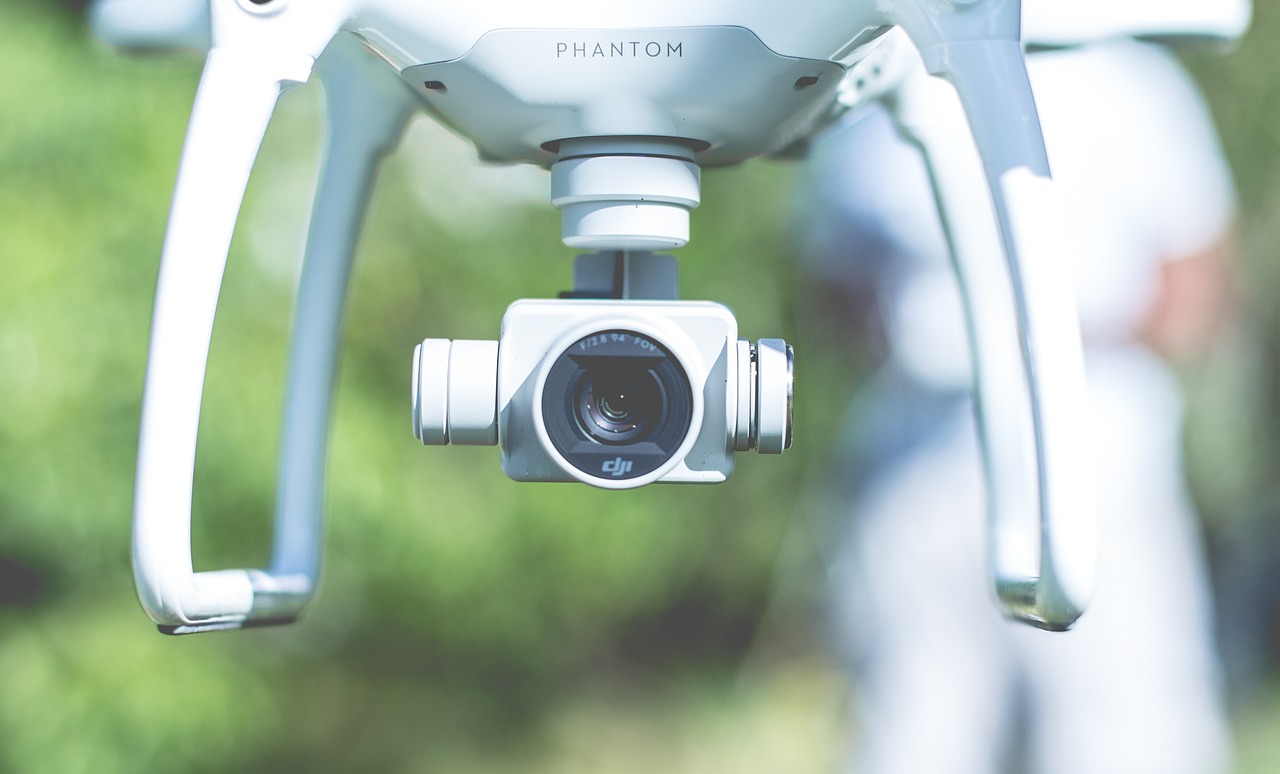
Here, I will talk about the role of drones in emergency response.
In the rapidly evolving world, technology plays an ever-expanding role in ensuring public safety. One remarkable advancement in this regard is the utilization of drones in emergency response operations.
Drones have proven to be invaluable tools for various purposes, from search and rescue missions to disaster management.
This article delves into the multifaceted role of drones, such as Skydio X10, in enhancing public safety during emergencies, exploring the ways in which these unmanned aerial vehicles (UAVs) are making a difference.
Aerial Reconnaissance: Eyes in the Sky
When emergencies strike, getting a clear picture of the situation on the ground is paramount. Drones provide an aerial perspective that was once unimaginable.
Equipped with high-resolution cameras and thermal imaging technology, they can quickly survey vast areas affected by natural disasters, accidents, or other emergencies. This real-time aerial reconnaissance helps first responders assess the extent of the damage, identify potential risks, and plan their response more effectively.
Furthermore, drones can access hard-to-reach or hazardous areas, such as unstable buildings or wildfire zones, where sending human personnel might be too risky. This capability not only enhances the safety of rescue teams but also accelerates the response time, increasing the chances of saving lives.
Rapid Deployment: Speed Saves Lives
Time is often the critical factor in emergency response scenarios. Traditional methods of deploying resources can be time-consuming and limited by factors such astraffic congestion.
Drones, on the other hand, can be launched rapidly and reach the scene within minutes. This rapid deployment is particularly crucial in situations like missing person searches, where every second counts.
For example, in search and rescue missions, drones equipped with thermal cameras can quickly cover large areas, helping locate individuals who may be stranded, injured, or lost. This swift response can make the difference between life and death.
Communication and Coordination
Effective communication and coordination are the pillars of a successful emergency response. Drones play a vital role in establishing and maintaining these essential elements.
They can be equipped with communication relay devices, allowing them to extend the range of radio signals and provide connectivity in remote or disaster-stricken areas where communication infrastructure may be compromised.
Moreover, it can act as an aerial communication hubs, relaying critical information between various response teams, including firefighters, law enforcement, and medical personnel. This seamless coordination enables responders to work together efficiently and make informed decisions, leading to more effective emergency management.
In times of crisis, delivering essential supplies, such as medical equipment, food, and water, to affected areas can be challenging. Drones are increasingly being used for this purpose, especially in hard-to-reach or isolated regions.
They can airlift supplies to disaster-stricken areas, bypassing roadblocks and inaccessible terrain. This capability ensures that relief reaches those in need promptly.
Additionally, medical drones equipped with defibrillators or other life-saving equipment can be dispatched to provide emergency medical assistance before paramedics arrive, increasing the chances of survival for cardiac arrest or other critical situations.
Environmental Monitoring and Early Warning
Another entry among the role of drones in emergency response is environmental monitoring.
Natural disasters, like hurricanes, floods, and wildfires, pose significant threats to public safety. Drones equipped with environmental sensors can monitor changing conditions and provide early warnings to authorities and residents.
These warnings allow for timely evacuation and preparation, reducing the potential for loss of life and property.
Furthermore, drones can assess the impact of environmental disasters after they occur, helping authorities prioritize response efforts and allocate resources where they are needed most. This data-driven approach ensures a more effective and targeted response to mitigate the aftermath of disasters.
Conclusion
In conclusion, the role of drones like Skydio X10 in enhancing public safety during emergencies is undeniably transformative. These versatile aerial vehicles provide critical support in disaster management, search and rescue missions, communication, supply delivery, and environmental monitoring.
Their ability to access remote or hazardous areas swiftly and provide real-time data has revolutionized the way one responds to emergencies.
As technology continues to advance, one can expect drones to play an even more significant role in public safety efforts. With ongoing research and development, one can anticipate further improvements in drone capabilities, making them an indispensable asset for emergency response teams worldwide.
As drones become an integral part of everyone’s emergency response toolkit, they will undoubtedly continue to save lives and enhance the collective ability to protect and serve communities in times of crisis.
Leave a comment below regarding the role of drones in emergency response.
In this post, we will reveal the significance of CAPTCHA in web security and why you should use it on your website.
In this digital age, every primary internet user must have encountered the CAPTCHA when visiting certain websites.
What is CAPTCHA?
If you have ever wondered what it means, CAPTCHA entirely means “Completely Automated Public Turing Test to tell Computers and Humans Apart.”
CAPTCHA is a program that checks if the website visitor is a human or some malicious spambot. They are usually (but not only) randomly generated colourful text and distorted, so software robots are unable to interpret the text.
Why CAPTCHA? Those images are annoying.
For this reason, one may ask, “Why CAPTCHA, and why should I incorporate it into my website?”
The CAPTCHA test emerged as a test to detect if computers possessed artificial intelligence, i.e., they could reason like humans. During this research, they discovered that some tests are easy for humans but very difficult for robots, and then CAPTCHA was developed.
Robots are sometimes used to wreak havoc on the internet. They are used by hackers to perform malicious tasks on the internet. However, with the implementation of CAPTCHA on a website, bots are granted no entry.
Besides, CAPTCHAs are automatically generated and need no human maintenance. This means CAPTCHA could help keep bots off a website without constant checks or excessive spending.
A CAPTCHA is indeed not separating humans from bots for no reason. Here are some of the main reasons one should implement CAPTCHA on a website.
Prevents DDoS Attacks
Sometimes, hackers flood a site with bot traffic. This makes it difficult or even impossible for legitimate users to access the website.
A DDoS attack is a common form of attack usually targeted at large scale websites that offer premium services, such as bank websites, web hosting companies, etc. This is done to get some of their traffic to a competing website.
Wikipedia suffered a DDoS attack, which made it inaccessible on September 6 and 7, 2019. Many other popular websites have also been victims of DDoS.
To prevent this scenario, the CAPTCHA is implemented as a preventive measure. A CAPTCHA makes it impossible for bots to gain access, thereby wreaking havoc.
Protecting free sign-ups on websites
Create an unprotected free service, and you’ll see hundreds of sign-ups per minute. This happened to the earlier free mail services like Gmail and Yahoo! Mail.
With the advent of CAPTCHAs, however, these services can be protected and kept away from bots so that they can handle the requests of real humans.
Prevents sensitive information from scrapers
Some bots are automated to copy confidential information from online sources. Such bots scour the internet in search of emails in text format. These emails may be used to create email lists that are then sold to people to buy.
Not protecting emails with CAPTCHA on a website can lead to the receipt of unwanted emails due to the inclusion of one’s email address in unwanted lists. This could compromise digital security.
Therefore, it is necessary to protect sensitive information, such as emails and phones, on one’s websites with CAPTCHAs.
To maximize digital security, CAPTCHAs are generally integrated into online shopping websites, so customers can complete it before making any order.
If a CAPTCHA is not implemented in online shopping website, a spam bot could utilize the opportunity to get hundreds of giveaways, and even complete fake orders and disrupt customer service using DDoS attacks.
Keeps webpages safe from bots
Sometimes, it may be desirable to keep some websites un-indexed and not discovered by search engine bots.
However, the HTML tag does nothing to stop bots from getting access. All it does is to tell the bots, “you are not allowed.”
To keep your web page safe, it is essential to protect it with CAPTCHA web security.
Ever heard of brute force? It’s a system where an automated program tries guessing a user password by trying hundreds of guesses per minute. This can compromise digital security and lead to the loss of information, to bots.
Brute force can be attacked simply by using CAPTCHAs. The bot isn’t able to solve the CAPTCHA, so brute force is impossible.
So far, CAPTCHAs have performed their duties, to a large extent. However, with the advent of modern technology and even more sophisticated artificial intelligence, some programs are gradually outsmarting CAPTCHAs.
When this was discovered, it was quickly attended to, and a new generation of CAPTCHAs evolved. This became known as reCAPTCHA.
No matter how annoying a CAPTCHA might look, you should have it on your website for improved digital security.
CAPTCHAs play a significant role in protecting websites from malicious activity. Here’s a breakdown of their importance:
What is the importance of CAPTCHA?
CAPTCHAs act as a challenge-response test designed to distinguish between humans and automated bots. This helps prevent automated attacks on websites, such as:
Spam Bots: Filling comment sections or contact forms with unwanted content.
DDoS Attacks: Overwhelming a website with traffic to make it inaccessible to legitimate users.
Brute-Force Attacks: Trying to guess passwords or login credentials through automation.
How does CAPTCHA improve web security?
By presenting a challenge that’s difficult for bots to solve, CAPTCHAs add an extra layer of security. This makes it more time-consuming and resource-intensive for attackers to launch automated attacks.
What is the original purpose of CAPTCHA?
Originally, CAPTCHAs were created to tell humans and computers apart to:
Decipher distorted text scanned from books for digital archives.
Identify objects in images to improve image recognition software.
Who benefits from CAPTCHAs?
Several parties benefit from CAPTCHAs:
Website Owners: Reduced spam, fake accounts, and protection from automated attacks.
Legitimate Users: A more secure and reliable online experience.
The Internet as a Whole: Protects against large-scale disruptions caused by automated attacks.
What are the positives and negatives of using CAPTCHAs?
Positives:
Enhanced web security
Reduced spam and automated attacks
Negatives:
Can be frustrating for users, especially if difficult to solve
May not be entirely foolproof against sophisticated bots
What is the difference between CAPTCHA and reCAPTCHA?
Both are challenge-response tests, but reCAPTCHA is a more advanced version developed by Google. reCAPTCHA offers various challenges, including:
Ticking a box to confirm you’re not a robot (simpler version)
Selecting images that meet certain criteria (more complex)
Some reCAPTCHA versions even leverage user input to improve image recognition software further.
Here, I will talk about how to safeguard your personal information.
Identity theft is often the punchline in many TV shows and movies, but those who go through it know it is far from a joke. When you become a victim of identity theft, it’s more than your name that’s at stake; your finances, your safety, and your upstanding record are all on the line.
That is why you must take essential preventative measures to protect yourself from this infringement on your privacy, safety, and personal rights. While doing so may seem difficult at first, it does not ask much from you.
To help you protect your identity, here is an overview of how to safeguard your personal information.
How To Safeguard Your Personal Information From Identity Theft
#1 Be Careful While Shopping Online
Online shopping has become such a staple in our lives that it’s hard to imagine buying day-to-day items without it. But as convenient as online shopping might be, it is also a beacon of scams and bad actors.
That is why you should practice online safety tips while online shopping, such as checking the seller’s website URL, reviews, and encryption setup. This allows you to protect your information without any hassle.
In some cases, identity theft is so sophisticated that you may not realize it’s happening to you until cybercriminals have made their way to your finances and private data.
To protect yourself from these scenarios, you can subscribe to a comprehensive identity theft protection service. These solutions can notify you of irregular activity with your personal and online credentials, which helps you determine if someone else is using your identity.
#3 Use Different Login Credentials
If you use the same login username and password across streaming services, banking accounts, and emails, it is time to rethink that strategy. In the event that even one of these accounts gets hacked, it becomes easy for bad actors to access your other information across the web.
Because of this, it’s crucial to use different login credentials to access different accounts. If you have trouble remembering different passwords, you can use a password manager service.
#4 Don’t Click on Links From Unknown Senders
It’s natural to have some curiosity about a random email in your inbox. But if you don’t know the sender, the links shared in these emails can often lead you to harmful software downloads or virus programs.
Besides using one of the most secure email service providers, you can also adopt the practice of only clicking links from emails that come from legitimate or known senders. This can go a long way towards maintaining your safety.
#5 Know the Telltale Signs of Modern Scams
While the days of the prince who wanted to give away his fortune in exchange for some funds are mostly gone, scam emails still run rampant. Nowadays, they claim to be from services such as PayPal, Amazon, and even the IRS.
Additionally, some malicious actors may call you to lie about abducting loved ones to manipulate you out of your funds and information. By learning about phishing scams and how to stay away from them, you can protect yourself against these issues.
Multi-factor authentication (MFA) is the practice of verifying account logins through another source than your password. This can be done through a web alert on your phone or a text to your number.
By turning on MFA, you can strengthen the security of your accounts. Otherwise, you can use an authenticator app for platforms that don’t have it built into them.
#7 Change Your Passwords Regularly
Another simple way to protect your identity comes in the form of changing your account passwords every now and then. This way, if anyone even comes close to guessing your password, you stay one step ahead of them.
This also protects you from data breaches that may happen on the platforms that you use with your email. You can use a personal reminder app to change your passwords every three months promptly.
Conclusion
With these tips, you can effectively protect your online information from malicious parties. When you adopt these suggestions on an ongoing basis, it also helps you follow them without any struggle.
Learn how to determine if DiskWarrior is legit or a scam in this post.
Data management is a crucial topic today with the increase in the need for data and with many businesses now relying on data to make decisions. With this growing reality, there are many data management tools revolutionizing data management, including the retrieval of lost files.
DiskWarrior is one of the most talked about data management software in the market today. Although widely talked about, many people who have yet to try it do not know whether it keeps the promise of what its designers say about it or it’s just one other big scam.
In this article, we give you a complete review of DiskWarrior. However, feel free to check out this link for top Mac data recovery software picks.
The information we are about to share will help you gain a universal view of the software and be able to understand the legitimacy of the tool before making a final decision on whether to use or ignore it for people who want to restore lost data or recover corrupted files.
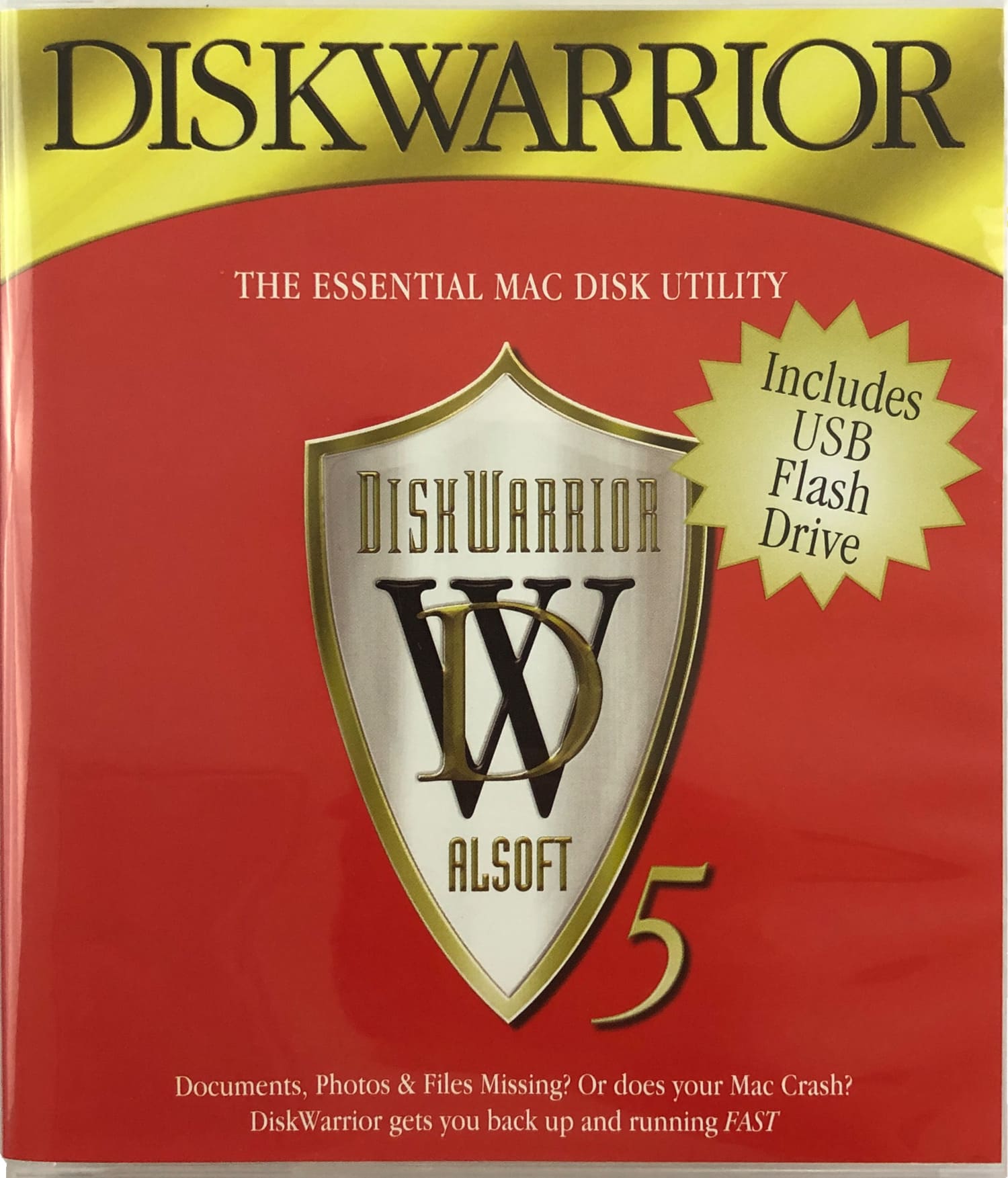
Developed by Alsoft, DiskWarrior is a data recovery software built to restore lost files from hard drives. It is built with multiple repair features with the ability to restore even some of the highly corrupted hard drives back to normalcy.
Alsoft has been around for a very long time and has gained recognition for its contribution to data recovery.
You will be stunned to hear that, at times, Apple would bundle DiskWarrior with Applecare to offer robust data management to its customers, Won’t you? This should be enough to demonstrate to you that this tool is not just some random software with unidentified developers behind it.
However, regardless of this history, we may not guarantee that the DiskWarrior that Alsoft developed, in the beginning, is still the one circulating in the market today! Let’s begin by exploring some facts.
DiskWarrior Developers
DiskWarrior was developed by Alsoft, Inc., a USA-based company founded in 1984 by two former Apple employees.
The company has developed many other tools, including PlusOptimizer, MasterJuggler, and the common disk optimizer for Macintosh computers, DiskExpress.
DiskWarrior Fact Sheet
Firmware
It is a data recovery firmware that supports macOS 10.8 to 13.0 only with the latest version 5.3.1 released on 15th February 2023. Its new download size is 19.7 MB, and UI supports the English language only.
Cost
It is a premium disk repair and data recovery tool that is completely distributed as a paid software. Users installing new purchases have to pay up to 119.95 USD or pay 59.95 USD to upgrade from an earlier version.
Amazingly, it only takes Alsoft developers one to two days to build the software on a USB flash drive and to make an online link available to customers for remote download immediately!
In addition to the software package, customers also get one-on-one tech support offered to them by a USA-based Alsoft expert. Worth noting is that Alsoft donates part of the proceeds obtained from the software sales to Texas Children’s Cancer Center and Mothers Against Cancer! What a generous show!
Customer Feedback
Callidus Auctor, a Mac user and developer since the 1990s, says in his comment on Quora, “DiskWarrior is quite good at fixing directory problems that Apple’s Disk Utility can’t fix.” However, he adds that the software won’t fix everything and will not be of good use, particularly when you have a dead drive or one that has malfunctioned.
Another customer on Quora, John Benante, when asked in 2019 how good he thinks DiskWarrior is, says, “2 or 3 years ago, I would have answered an emphatic YES about DiskWarrior. Here in 2019, I’m not so sure.”
Yet Vaughn Cordero, an Apple Certified Technician and Registered Developer, when asked a similar question, said that he had owned and updated DiskWarrior for many years and could happily say that he had not had to use it very often, though it had come through for him every time.
While some customers from Amazon claimed the software was kind of dated, kind of expensive, and offered no guarantee of success, some of them clearly demonstrated that DiskWarrior worked for them, with one clearly saying it is worth every penny!
So, by reading the various customer comments and feedback from Quora, Amazon, and the various platforms you can interact with these users, you can easily determine whether DiskWarrior is legit or a scam! Plus, you can quickly tell from our review that this software can save your day. It is not a rip-off!
Washington Apple Pi
Washington Apple Pi is a community of Apple iPad, iPhone, and Mac users. To further justify the legitimacy of DiskWarrior, this website has published crucial information on the various occasions you can use DiskWarrior, including checking directory structure among many disk problems.
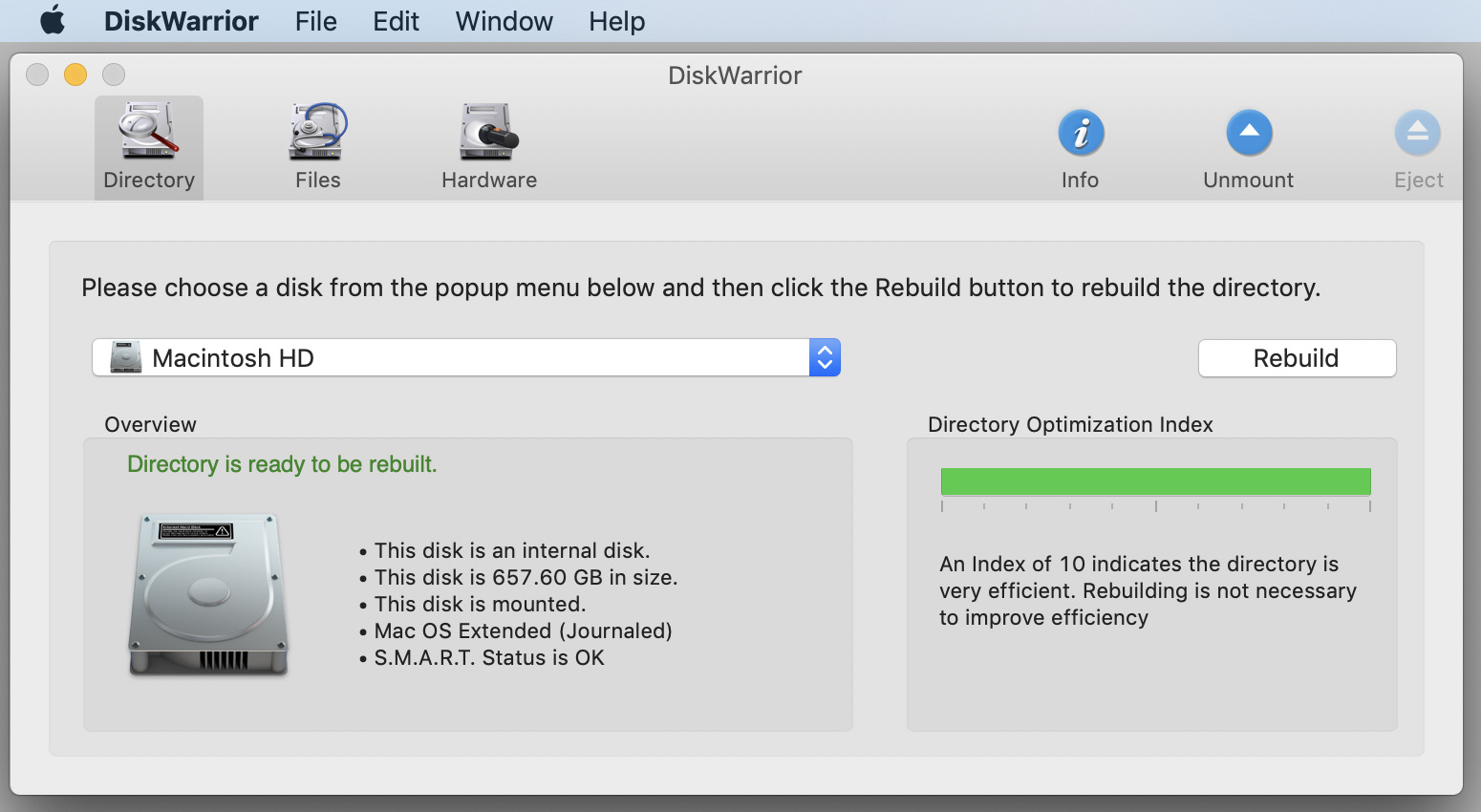
Excited to know whether this tool really does what it says? You can try this tool by installing it on your Mac. Purchase the full version to get a download link. Download it and install it on your device. The software is divided into three main tabs – Directory, Files, and Hardware.
If you are dealing with damaged directories, you will be able to rebuild them with the Directory tab. On the other hand, the Files tab helps you run tests on files to be able to fix user permissions, while the Hardware tab helps you perform S.M.A.R.T. diagnostics.
Is DiskWarrior Safe?
Other than legitimacy, users also want to know whether the software they are about to use is safe. It is no different with DiskWarrior. Also, see the Mac guide for corrupted SD card retrieval if you care about safe SD card recovery. Based on our trials, DiskWarrior is a safe to use software with the following offers that should exceed your confidence in it.
Zero malware
Requires full disk access to your macOS but guarantees the privacy of your data
Fail-safe method applied by software when replacing damaged directories and prevents damage to your data
Long time reputation earned by Alsoft in the industry, guaranteeing confidence in the software
Despite all the good reviews about DiskWarrior, it is very clear that the time when this software was worth the premium price is now long gone. This is because data recovery tools have greatly evolved, and the expectations of users have evolved with it.
While DiskWarrior is still good at repairing HFS and HFS+ devices, they may not be the major problems users are trying to solve today.
Even if that were the case, DiskWarrior would not stand out among the many data recovery software, including Disk Drill, owing to the lack of free trial and the complicated UI.
Today, we will show you five certified benefits of identity theft protection.
Interestingly, more than 65% of Americans suffer from identity theft. Of this figure, 41% had their credit card details stolen, while 16% had their emails hacked.
What Is Identity Theft?
Identity theft is simply the practice of using another person’s information to commit fraud. Some identity thefts also involve stealing social media information or pictures to create bogus social media profiles to commit cybercrimes.
Every internet user is susceptible to an identity theft crisis. Hence, knowing the benefits you get from protecting your identity will help you to safeguard your personal information.
Best Identity Protection Services
McAfee Identity Protection
Total protection from identity theft and financial crimes.
Total protection from identity theft and financial crimes. Show Less
Norton LifeLock Identity Advisor
Your best solution to protect your personal information from data leaks.
Your best solution to protect your personal information from data leaks. Show Less
Incogni
Incogni wipes off your personal information from data brokers.
Incogni wipes off your personal information from data brokers. Show Less
DeleteMe
DeleteMe is a service provided by Abine that helps users remove their personal information from data brokers and other...Show More
DeleteMe is a service provided by Abine that helps users remove their personal information from data brokers and other websites to protect their privacy online. Show Less
Social Catfish
Social Catfish is an online service that helps individuals verify and investigate the identity of people they meet...Show More
Social Catfish is an online service that helps individuals verify and investigate the identity of people they meet online, including potential scammers and catfishers. Show Less
Surfshark Alert
Surfshark Alert is a real-time data breach protection tool that safeguards your email accounts, passwords, personal...Show More
Surfshark Alert is a real-time data breach protection tool that safeguards your email accounts, passwords, personal identification numbers, and credit cards from cyber-attacks. Show Less
OmniWatch
Safeguard your identity with OmniWatch, the comprehensive identity theft protection service that provides proactive...Show More
Safeguard your identity with OmniWatch, the comprehensive identity theft protection service that provides proactive monitoring, dark web surveillance, and expert assistance in case of a breach. Show Less
AVG BreachGuard
AVG BreachGuard shields your online data from leaks and breaches, like a vigilant bodyguard for your digital life.
AVG BreachGuard shields your online data from leaks and breaches, like a vigilant bodyguard for your digital life. Show Less
Avast BreachGuard
Avast BreachGuard is a privacy tool designed to protect personal information online by preventing data breaches...Show More
Avast BreachGuard is a privacy tool designed to protect personal information online by preventing data breaches, removing personal data from data brokers, and providing real-time alerts for compromised data. Show Less
WhiteBridge AI
WhiteBridge AI is your digital identity detective — an AI-powered tool that uncovers, verifies, and organizes...Show More
WhiteBridge AI is your digital identity detective — an AI-powered tool that uncovers, verifies, and organizes everything the internet says about a person into one powerful, insightful report. It transforms scattered online chaos into a clear story you can trust, helping you protect your reputation, make smarter decisions, and see people as they truly are. Show Less
Privacy365
Privacy365 is a service that removes your personal information from data brokers and people search websites while...Show More
Privacy365 is a service that removes your personal information from data brokers and people search websites while continuously monitoring for new exposures. By cleaning up your digital footprint, it helps protect you from identity theft, doxxing, and unwanted contact. Show Less
NordProtect
NordProtect is a comprehensive identity theft and cyber protection service provided by Nord Security. It provides...Show More
NordProtect is a comprehensive identity theft and cyber protection service provided by Nord Security. It provides all-around protection against identity theft, including credit monitoring, dark web surveillance, security alerts, identity theft recovery, cyber extortion protection, and online fraud coverage. Show Less
What Data Should You Protect?
Since your identity is in question, it is essential to protect your Personally Identifiable Information (PII), including:
Your full name and mother’s maiden name
National identity numbers, e.g., Social Security Number (SSN), International Passport number, tax identification number, credit card number, driver’s license number, etc.
Home address and email addresses
Biometric information such as fingerprints, voice ID, retina scans, etc
In today’s interconnected world, safeguarding your reputation is paramount. Identity theft protection shields you from the potential fallout of cybercriminals misusing your personal information.
By assuming your identity, criminals can engage in activities that tarnish your name, both in the physical and online realms. Identity theft protection acts as a crucial line of defence, ensuring that your reputation remains untarnished in the face of malicious attempts.
Identity theft poses a direct threat to your financial well-being. Cybercriminals armed with your personally identifiable information can wreak havoc on your finances by making unauthorized purchases, conducting fraudulent transfers, and even emptying your accounts.
Identity theft protection provides a robust defence against these malicious activities, acting as a financial safeguard that prevents you from being left stranded due to unauthorized transactions.
Secure your insurance coverage
The impact of identity theft extends beyond immediate financial concerns. Insurance companies routinely conduct background checks, scrutinizing your online activities. Identity theft incidents can complicate your ability to obtain coverage or file claims, making it essential to safeguard your digital footprint.
By proactively managing your online presence, identity theft protection ensures that your interactions and purchases online don’t hinder your insurance processes.
Enhance legal protection
Identity protection involves more than just shielding your personal information; it also extends to managing your online presence responsibly. Courts increasingly consider social media content in legal proceedings.
Unwittingly posting compromising information can adversely affect outcomes, as seen in cases where individuals lost custody battles due to viral videos. Identity theft protection guides you in navigating the digital landscape judiciously, minimizing the risk of inadvertently harming your legal standing.
Mitigate the risk of blackmail
Hackers are adept at exploiting personal data for nefarious purposes, including blackmail. Identity theft protection serves as a powerful deterrent against such threats. By securing your data, you reduce the likelihood of compromising images, videos, or texts falling into the wrong hands.
This proactive measure not only shields you from potential blackmail attempts but also spares you the ordeal of dealing with the fallout, whether financial or legal, associated with such malicious activities.
Early Detection and Alerts
One of the many benefits of identity theft protection is early detection and alerts. Identity theft protection often includes monitoring services that can detect suspicious activities early on. Prompt alerts about unauthorized access or unusual transactions enable you to take immediate action, minimizing potential damage.
Early detection is a key preventive measure, allowing you to address issues swiftly and mitigate the impact on your financial and personal well-being.
In the unfortunate event that you become a victim of identity theft, protection services often offer assistance with the recovery process.
This can involve guiding you through the necessary steps to reclaim your identity, working with relevant authorities, and providing support to help you navigate the complexities of restoring your compromised information.
Comprehensive Credit Monitoring
Another notable mention among our list of the benefits of identity theft protection is comprehensive credit monitoring. Identity theft can have a lasting impact on your credit score. Many identity theft protection services include comprehensive credit monitoring, allowing you to track changes and potential red flags in your credit report.
This proactive approach enables you to address any discrepancies promptly, safeguarding your creditworthiness and financial stability.
Educational Resources
Identity theft protection services often provide educational resources to help individuals understand and navigate the evolving landscape of cybersecurity.
These resources may include tips on creating strong passwords, recognizing phishing attempts, and adopting secure online practices.
By empowering individuals with knowledge, identity theft protection goes beyond reactive measures, fostering a proactive and informed approach to personal security.
Family Protection
One of the benefits of identity theft protection is family protection. Identity theft protection can extend its coverage to your family members, offering a comprehensive shield against potential threats.
This ensures that your entire household benefits from the same level of security, creating a collective defence against identity theft risks that may target any family member.
To keep your personal and financial information safe, you should:
Refuse to share privy details with uncertified third parties: Exercise caution when sharing personal information, especially sensitive details, with any third parties. Ensure that the entities requesting such information are certified and have a legitimate need for it. Be wary of unsolicited communication and verify the authenticity of requests before sharing any privy details.
Enable 2-factor authentication on your digital device: Strengthen the security of your digital devices by enabling two-factor authentication (2FA). This adds an extra layer of protection beyond passwords, requiring a secondary verification step. Whether through a text message, authenticator app, or biometric confirmation, 2FA enhances the resilience of your accounts against unauthorized access.
Use VPN services to obfuscate your online activity: Employ Virtual Private Network (VPN) services to encrypt and obfuscate your online activities. This enhances your digital privacy by masking your IP address, making it more challenging for cybercriminals to track and exploit your online presence. VPNs are particularly useful when using public Wi-Fi networks, adding an additional layer of security to your internet connection.
Use strong passwords that are difficult to guess:Craft robust passwords by incorporating a mix of uppercase and lowercase letters, numbers, and special characters. Avoid easily guessable information such as birthdays or common words. Regularly update passwords and refrain from using the same password across multiple accounts. The complexity of your passwords is a crucial defense against unauthorized access.
Purchase only from trusted e-commerce platforms: Exercise caution when engaging in online transactions and limit purchases to trusted and reputable e-commerce platforms. Verify the security features of the website, such as SSL encryption, before entering any payment information. Be skeptical of unfamiliar websites and always prefer well-established platforms with a proven track record of secure transactions.
Regularly Monitor Your Financial Statements: Stay vigilant by regularly monitoring your financial statements, including bank and credit card statements. Promptly review transactions to identify any unauthorized or suspicious activity. Timely detection allows you to address potential issues swiftly, minimizing the impact of fraudulent transactions on your financial accounts.
Shred Sensitive Documents: Dispose of physical documents containing sensitive information, such as bank statements and medical records, by shredding them. This prevents identity thieves from accessing your personal details through discarded paperwork. Investing in a cross-cut shredder adds an extra layer of security to your document disposal practices.
Be Mindful of Phishing Attempts: Develop a keen awareness of phishing attempts, where cybercriminals try to trick you into revealing personal information through deceptive emails or websites. Verify the legitimacy of emails, especially those requesting sensitive information or containing unexpected attachments or links. Avoid clicking on suspicious links and report phishing attempts to relevant authorities.
Update and Secure Your Wi-Fi Network: Ensure the security of your home Wi-Fi network by regularly updating the router firmware and using a strong, unique password. Enable WPA3 encryption for enhanced protection. Securing your Wi-Fi network prevents unauthorized access and protects the data transmitted between your devices and the internet.
Install Security Software and Updates: Utilize reputable antivirus and anti-malware software to protect your devices from potential threats. Regularly update this security software to ensure it remains effective against evolving cyber threats. Additionally, keep your operating system, applications, and browser up to date to patch vulnerabilities and enhance overall digital security.
What Are The Reliable Identity Protection Services?
McAfee Identity Protection
Total protection from identity theft and financial crimes.
Total protection from identity theft and financial crimes. Show Less
Norton LifeLock Identity Advisor
Your best solution to protect your personal information from data leaks.
Your best solution to protect your personal information from data leaks. Show Less
Incogni
Incogni wipes off your personal information from data brokers.
Incogni wipes off your personal information from data brokers. Show Less
DeleteMe
DeleteMe is a service provided by Abine that helps users remove their personal information from data brokers and other...Show More
DeleteMe is a service provided by Abine that helps users remove their personal information from data brokers and other websites to protect their privacy online. Show Less
Social Catfish
Social Catfish is an online service that helps individuals verify and investigate the identity of people they meet...Show More
Social Catfish is an online service that helps individuals verify and investigate the identity of people they meet online, including potential scammers and catfishers. Show Less
Surfshark Alert
Surfshark Alert is a real-time data breach protection tool that safeguards your email accounts, passwords, personal...Show More
Surfshark Alert is a real-time data breach protection tool that safeguards your email accounts, passwords, personal identification numbers, and credit cards from cyber-attacks. Show Less
OmniWatch
Safeguard your identity with OmniWatch, the comprehensive identity theft protection service that provides proactive...Show More
Safeguard your identity with OmniWatch, the comprehensive identity theft protection service that provides proactive monitoring, dark web surveillance, and expert assistance in case of a breach. Show Less
AVG BreachGuard
AVG BreachGuard shields your online data from leaks and breaches, like a vigilant bodyguard for your digital life.
AVG BreachGuard shields your online data from leaks and breaches, like a vigilant bodyguard for your digital life. Show Less
Avast BreachGuard
Avast BreachGuard is a privacy tool designed to protect personal information online by preventing data breaches...Show More
Avast BreachGuard is a privacy tool designed to protect personal information online by preventing data breaches, removing personal data from data brokers, and providing real-time alerts for compromised data. Show Less
WhiteBridge AI
WhiteBridge AI is your digital identity detective — an AI-powered tool that uncovers, verifies, and organizes...Show More
WhiteBridge AI is your digital identity detective — an AI-powered tool that uncovers, verifies, and organizes everything the internet says about a person into one powerful, insightful report. It transforms scattered online chaos into a clear story you can trust, helping you protect your reputation, make smarter decisions, and see people as they truly are. Show Less
Privacy365
Privacy365 is a service that removes your personal information from data brokers and people search websites while...Show More
Privacy365 is a service that removes your personal information from data brokers and people search websites while continuously monitoring for new exposures. By cleaning up your digital footprint, it helps protect you from identity theft, doxxing, and unwanted contact. Show Less
NordProtect
NordProtect is a comprehensive identity theft and cyber protection service provided by Nord Security. It provides...Show More
NordProtect is a comprehensive identity theft and cyber protection service provided by Nord Security. It provides all-around protection against identity theft, including credit monitoring, dark web surveillance, security alerts, identity theft recovery, cyber extortion protection, and online fraud coverage. Show Less
Benefits of Identity Theft Protection: Frequently Asked Questions
How does identity theft protection protect my reputation?
Identity theft protection safeguards your reputation by actively monitoring your personal information. In the event of unauthorized use, the service provides early detection and alerts, allowing you to take swift action.
By preventing cyber criminals from impersonating you and engaging in damaging activities, the protection ensures that your personal and online reputation remains untarnished.
Can identity theft protection help secure my financial assets?
Absolutely. Identity theft protection acts as a robust defence against financial threats. By monitoring your financial accounts for suspicious activity, it helps detect unauthorized transactions, preventing potential financial losses.
Additionally, services often provide assistance with recovery in case of identity theft, guiding you through the process of reclaiming your financial assets.
How does identity theft protection assist in legal matters?
Identity theft protection goes beyond shielding personal information; it encompasses responsible online behaviour. Courts increasingly consider social media content in legal proceedings.
By educating users on navigating the digital landscape judiciously, protection services minimize the risk of compromising information and impacting legal outcomes, ensuring a more secure legal standing.
Can identity theft protection prevent blackmail attempts?
Yes, it can. Identity theft protection serves as a deterrent against potential blackmail. By securing your personal data, including compromising images or information, reduces the likelihood of such data falling into the wrong hands.
Proactively safeguarding your digital identity minimizes the risk of being targeted for extortion or facing legal repercussions associated with blackmail attempts.
How does identity theft protection contribute to early detection and alerts?
Identity theft protection often includes monitoring services that actively track your personal information. If any suspicious activity is detected, such as unauthorized access or unusual transactions, the service promptly alerts you.
Early detection is crucial, allowing you to take immediate action to minimize potential damage and address issues swiftly, reinforcing your overall security posture.
Bottom Line
Now that you’re aware of the benefits of identity theft protection, it is expedient that you take active measures to protect your online identity.
By applying any of the best practices mentioned above, you can keep your online privacy and information safe from identity theft.
If you become a victim of identity theft, you should act quickly by contacting your financial institutions and notifying the authorities so that they can take swift action to prevent further damage.
If you are asking the question- how to host website on Hostinger? – it means you’ve chosen Hostinger as your hosting provider, but you don’t know how to get your website to go live on the internet.
We assure you, it’s easy-peasy and won’t take your time. You can get it done from the comfort of your home; all you have to do is carefully follow the subsequent steps. Read on!
Why choose Hostinger?
Hostinger is a popular web hosting provider for a number of reasons:
Affordable pricing: Hostinger offers very competitive pricing for its web hosting plans.
Easy to use: Hostinger’s control panel is very user-friendly, making it easy to manage your website files and settings.
Reliable uptime: Hostinger has a good reputation for providing reliable uptime for its web hosting services.
24/7 support: Hostinger offers 24/7 customer support, so you can always get help if you need it.
Hostinger offers a variety of web hosting plans to choose from, so it’s important to select the one that’s right for your needs. Consider the following factors when choosing a plan:
The amount of traffic you expect your website to receive: If you expect your website to receive a lot of traffic, you’ll need a plan with more resources.
The type of website you’re hosting: If you’re hosting a simple website, such as a blog or personal website, you can get away with a cheaper plan. But if you’re hosting a more complex website, such as an e-commerce store or business website, you’ll need a plan with more features and resources.
Your budget: Hostinger’s plans are very affordable, but there are still some differences in price. Choose a plan that fits your budget and needs.
How To Host Website on Hostinger
Step 1: Make an Order
To successfully host a website on Hostinger, you have to first make an order. To do this, you will provide some details that will be used to register the domain name and to set up the hosting. These details must be valid and correct. To make your order, do the following:
Get started
To get started, do the following:
No coupons found.
From there, click on Start Now in the middle of the homepage.
Choose the plan that best fits you by answering if the website you are about to host is for ‘Myself‘ or ‘Somebody else.’ Definitely click on ‘Myself.’
Answer the following questions: ‘Do you plan on selling something through your website?’ and ‘Do you have experience, or are you just starting out? Your answers will determine the plan recommended to you.
Choose Your Preferred Plan
Hostinger has a ‘Single Web Hosting,’ ‘Premium Web Hosting‘, and ‘Business Web Hosting‘ plan. Check out their features and pick the one that fits your needs. I’d advise that you pick ‘Premium Web Hosting‘.
Choose Your Preferred Period
Choose the number of months you want to pay for. The higher the months, the lesser the price, and you get a free domain.
Commence Domain Registration
The next thing to do is register your domain.
Under DOMAIN REGISTRATION, type in your domain name
Click on Search to see if it is taken and change it if it is.
Click on Register.
Check Out Order Summary
The Order Summary contains the total amount of money you are being charged to commence hosting the website. It is a collation of all that you’ve ordered. After going through it, select Check Out Now to proceed.
Sign Up
Signing up requires that you create an account. You can sign up by inputting your Email Address and Password or through the following accounts: Facebook, Gmail, and GitHub.
Choose a Payment Method
Select the method you’d like to use in making payment and follow through. When payment is made, your order is complete.
Step 2: Log in
When all these are done, you will receive a welcome email with your logging details. Click and follow the link to your personal member’s area that has been created to suit your needs, with tools made ready to help you.
You can also log in by clicking on Login on Hostinger’s website. To get your website up and live in a few minutes, follow the guided setup by clicking on Start Now.
Step 3: Finish Domain Registration
To complete your domain registration, name your website. The Name Your Website option will pop up as soon as you log in. Under it, you will find two options: ‘Choose a Domain‘ and ‘Use an Existing Domain‘. Click on ‘Choose a Domain‘. Fill out all your contact details correctly and then select Finish Domain Registration.
Step 4: Choose Your Virtual Private Server (VPS)
To choose a VPS, the ‘Choose Your Server Location‘ option will pop up. Select your preferred data center location and then click on Select.
Step 5: Build a website
If you have already built a website, then all you have to do is migrate it. If you have not, building a website is easy.
To build one, first finish setting up by checking out important details and editing where necessary by clicking on the edit icon, and then click on Finish Setup. An option to upgrade your website is bound to pop up; select Skip Special Offer, and with that, your website is ready.
View your site and then proceed to the Control Panel, where you will find different tools that will help you upgrade your account, add a 2-factor authentication, set up an email address, add subdomains, and many more.
Here are some tips for hosting a website on Hostinger:
Choose the right plan. Hostinger offers a variety of web hosting plans to choose from, so it’s important to select the one that’s right for your needs. Consider the amount of traffic you expect to receive, the number of websites you want to host, and the features you need.
Use a strong password and enable two-factor authentication (2FA). This will help to protect your account from unauthorized access.
Keep your WordPress software and plugins up to date. This will help to improve security and performance.
Back up your website regularly. This is important in case of data loss or corruption.
Use a content delivery network (CDN). A CDN can help to improve website performance by delivering content from servers that are close to your visitors.
Optimize your images. Large images can slow down your website. Use a tool like TinyPNG to optimize your images without sacrificing quality.
Use a caching plugin. A caching plugin can help to improve website performance by storing static copies of your pages.
Use a minification plugin. A minification plugin can help to reduce the size of your CSS and JavaScript files, which can also improve performance.
Use a web application firewall (WAF). A WAF can help to protect your website from common attacks.
Monitor your website’s performance. Use a tool like Google Analytics to monitor your website’s traffic and performance. This will help you to identify any areas where you can make improvements.
How To Host Website on Hostinger: FAQs
Here are some frequently asked questions to guide you through hosting your website on Hostinger:
Do I need to buy a domain name before using Hostinger?
You can! Hostinger allows you to register a new domain name during the signup process or use an existing domain you already own.
What hosting plan should I choose?
Hostinger offers different hosting plans, from single shared hosting for basic websites to business plans with more resources. Consider your website’s needs (traffic, storage) and choose the plan that best suits them. Hostinger also offers guidance on their website to help you pick the right plan.
How do I create a website for Hostinger?
Hostinger provides two main options for building your website:
Website Builder: This user-friendly drag-and-drop interface is perfect for beginners with no coding experience.
WordPress: A popular open-source platform offering more flexibility and customization, though it requires some basic technical knowledge.
How do I upload my website files to Hostinger?
If you have a website built elsewhere, you can upload the files to your Hostinger account using an FTP client or the File Manager tool within your hosting control panel.
How do I connect my domain name to my Hostinger account?
Hostinger provides clear instructions for pointing your domain name to your hosting account. This typically involves changing the nameservers associated with your domain to point to Hostinger’s servers.
Where can I find help if I get stuck?
Hostinger offers a comprehensive knowledge base with articles and tutorials to answer most questions. They also have a customer support team available 24/7 via live chat or email.
A Final Word
Now, you should already know how to host websites on Hostinger; why don’t you get started today?
Learn how to protect your computer from malware in this post.
Malware, short for malicious software, is a broad term used to describe any software designed to damage, disrupt, or gain unauthorized access to a computer system. Cybercriminals use malware to steal personal information, commit fraud, and cause severe damage to your computer.
Protecting your computer from malware is crucial to safeguard your personal information and prevent unauthorized access to your system.
Malware, short for malicious software, is a term used to describe harmful programs or code that invade and damage computer systems, networks, and devices.
Malware can take partial control over a device and interfere with its normal functioning. It can steal or delete data, alter computer functions, and spy on user activity.
The motives behind malware vary, from making money to causing disruption or making political statements. Cybercriminals often use malware to steal sensitive information such as passwords and financial data.
Common signs of malware infection include:
a slow computer
inundation of annoying ads
system crashes
mysterious loss of disk space
increased internet activity
changes in browser settings
disabled antivirus software
loss of access to files or the entire computer
It is important to have a reliable cybersecurity program to detect and remove malware. With the increasing use of technology in our daily lives, it is crucial to be aware of the potential risks posed by malware and take appropriate measures to protect ourselves from these threats.
In this comprehensive guide, we will discuss the best practices you can follow to protect your computer from malware.
We have gathered information from various sources to provide you with a complete overview of the steps you can take to ensure the safety of your computer.
Protecting your computer from malware is crucial, and using strong passwords is one of the most basic yet essential steps you can take to safeguard your personal information.
Malware can cause severe damage, and cyber criminals use password-cracking tools to gain access to your sensitive data. However, by implementing a few simple measures, you can keep your computer safe from cyber threats.
One such measure is to use a strong password. A strong password that contains a combination of upper and lower-case letters, numbers, and special characters is much harder for hackers to crack. Remember to avoid using easily guessable passwords like your name, date of birth, or common words.
Taking this simple step can make a significant difference in keeping your computer and personal information secure.
Alternatively, you can make use of password managers to manage your strong passwords:
Roboform
RoboForm is a password manager that memorizes passwords and form data
RoboForm is a password manager that memorizes passwords and form data Show Less
Tenorshare 4uKey
The best iPhone password manager for managing, importing/exporting, transporting passwords, and more.
The best iPhone password manager for managing, importing/exporting, transporting passwords, and more. Show Less
1Password
The most secure password manager for creating and managing strong passwords and form filling.
The most secure password manager for creating and managing strong passwords and form filling. Show Less
Kaspersky Password Manager
A convenient, secure, and efficient way to keep your passwords and documents secure.
A convenient, secure, and efficient way to keep your passwords and documents secure. Show Less
Norton Password Manager
Norton Password Manager is a password management software that helps users securely store and manage their login...Show More
Norton Password Manager is a password management software that helps users securely store and manage their login credentials and personal information. Show Less
PassFab 4WinKey
The most reliable tool to disable or reset Windows OS passwords.
The most reliable tool to disable or reset Windows OS passwords. Show Less
Panda Dome Passwords
Panda Dome Passwords is a password management software by Panda Security that helps users securely store and manage...Show More
Panda Dome Passwords is a password management software by Panda Security that helps users securely store and manage their login credentials and personal information. Show Less
NordPass
NordPass password manager remembers strong passwords, auto-fills forms, and login details and gives you access to all...Show More
NordPass password manager remembers strong passwords, auto-fills forms, and login details and gives you access to all your passwords from any device and location. Show Less
LastPass
LastPass is a password management software that helps users securely store, manage and automatically fill in their login...Show More
LastPass is a password management software that helps users securely store, manage and automatically fill in their login credentials and personal information across multiple devices. Show Less
Avira Password Manager
Avira Password Manager is a password management tool that securely stores and automatically fills in login credentials...Show More
Avira Password Manager is a password management tool that securely stores and automatically fills in login credentials for multiple accounts, and includes features such as password generation and syncing across devices. Show Less
IronVest (Abine Blur)
IronVest (Abine Blur) is a privacy and security software that helps users protect their personal information online by...Show More
IronVest (Abine Blur) is a privacy and security software that helps users protect their personal information online by masking their email, phone number, and credit card information. Show Less
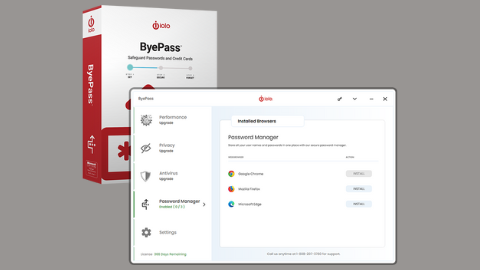
IOLO ByePass
This Password manager safeguards your passwords and financial info from online threats.
This Password manager safeguards your passwords and financial info from online threats. Show Less
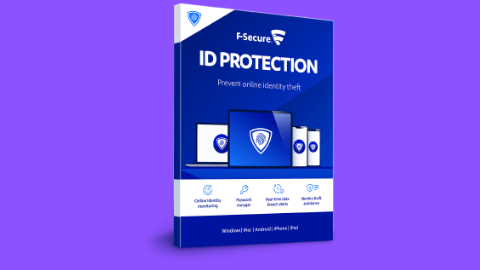
F-Secure ID PROTECTION
F-Secure ID PROTECTION is a password manager software offered by F-Secure that allows users to store and manage their...Show More
F-Secure ID PROTECTION is a password manager software offered by F-Secure that allows users to store and manage their passwords, credit card information, and other sensitive data. Show Less
Dashlane
Dashlane is your all-in-one password manager and digital wallet that keeps your passwords, payments, and personal...Show More
Dashlane is your all-in-one password manager and digital wallet that keeps your passwords, payments, and personal information safe and secure. Show Less
AceBit Password Depot
AceBit Password Depot is a powerful password manager offering secure storage, easy access, and flexible management for...Show More
AceBit Password Depot is a powerful password manager offering secure storage, easy access, and flexible management for all your passwords across devices. Show Less
60% OFF
Proton Pass
Proton Pass is a secure password manager that allows you to securely store, share, and autofill your login end-to-end...Show More
Proton Pass is a secure password manager that allows you to securely store, share, and autofill your login end-to-end encryption trusted by millions. Show Less
2. Use a Firewall
A firewall is a security tool that serves as a proactive measure in monitoring and controlling incoming and outgoing network traffic. Its primary function is to act as a barrier between your computer and the internet, thereby effectively blocking unauthorized access to your system.
This ensures that your system is safe from various types of online threats, especially malware. Firewalls are designed to detect and prevent malware from infiltrating your system by analyzing all data packets that enter and leave your computer.
Firewalls are essential tools for protecting your computer from malware, which is a significant online threat.
Malware is a malicious software that is designed to damage or gain access to computer systems without the owner’s knowledge or consent. This can lead to data theft, financial loss, and other severe consequences.
Firewalls can prevent malware from entering your computer and causing damage by identifying and blocking malicious traffic. By using a firewall, you can ensure that your computer is safe and secure from online threats.
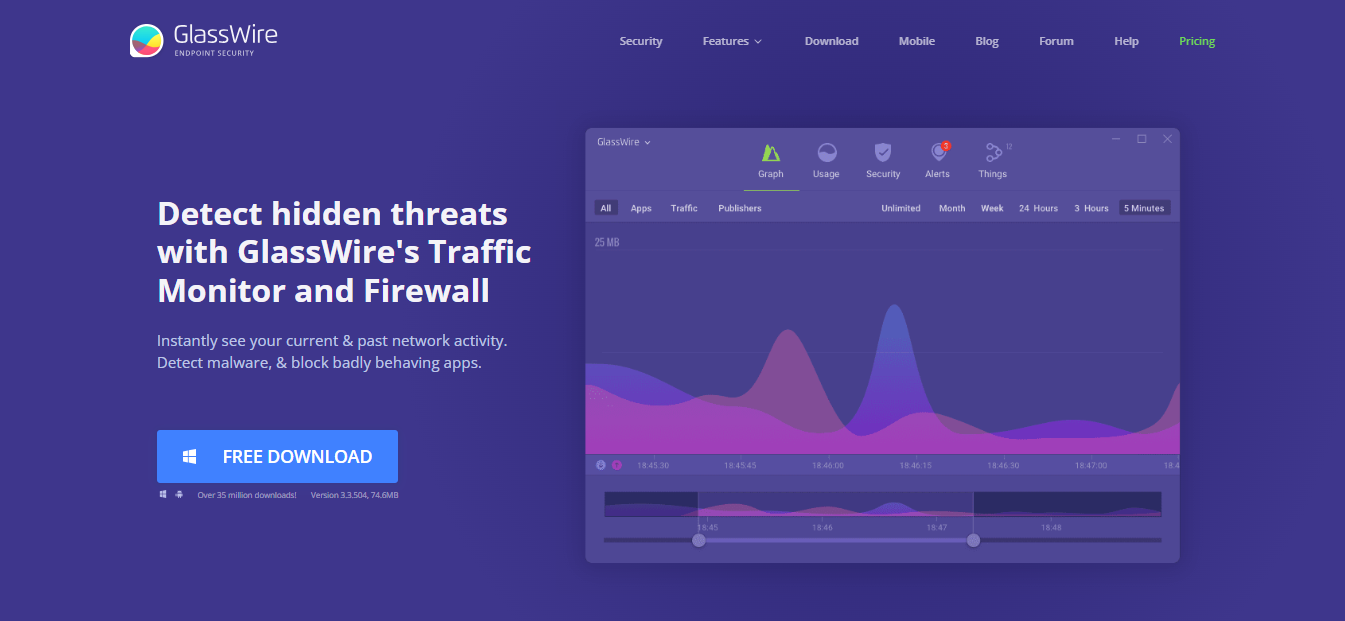
GlassWireis a recommended firewall solution to protect your computer against malicious software.
GlassWire Firewall
GlassWire Firewall is a security software that monitors network activity on a computer and allows the user to control...Show More
GlassWire Firewall is a security software that monitors network activity on a computer and allows the user to control and block internet connections for specific applications. Show Less
3. Install Antivirus Software
As a computer user, it is imperative that you safeguard your system from various online threats, and malware is undoubtedly one of the most prevalent ones that can wreak havoc on your system.
However, by installing an antivirus software, you can keep your computer protected from these malicious programs.
Antivirus software works by scanning your computer regularly for malware and other harmful programs. It efficiently removes the detected threats and ensures that your system runs smoothly without any interruption.
Apart from detecting and removing malware, antivirus software also alerts you if you are about to download a potentially harmful file or visit an unsafe website. It acts as a protective shield between your computer and the internet, ensuring that your online activities remain safe and secure.
However, it is essential to note that malware is constantly evolving, and new threats are emerging every day. Hence, it is imperative that you keep your antivirus software updated to ensure that you have the latest protection against these emerging threats.
Regular updates ensure that your antivirus software stays up-to-date with the latest malware definitions, and your system remains protected from the latest security vulnerabilities.
So, make sure to install a reliable antivirus software and keep it updated regularly to stay protected from the ever-increasing number of malware threats.
Recommended Antivirus Solutions
Kaspersky Lab
Kaspersky Antivirus is an antivirus protection solution that protects your computers from virus attacks and other...Show More
Kaspersky Antivirus is an antivirus protection solution that protects your computers from virus attacks and other threats that may result from internet usage or other forms of usage. Show Less
60% OFF
Panda Dome Security Suite
Your advanced protection suite for home and business needs.
Your advanced protection suite for home and business needs. Show Less
66% OFF
Norton 360
Norton 360 is a security suite that utilizes advanced machine learning technology in dealing with all types of malware...Show More
Norton 360 is a security suite that utilizes advanced machine learning technology in dealing with all types of malware including Trojans, ransomware, etc. 100% guaranteed protection against all types of malware and your best bet for privacy protection. Show Less
Avira Prime
Avira Prime is the ultimate security suite for data safety and protection from online threats that gives you full access...Show More
Avira Prime is the ultimate security suite for data safety and protection from online threats that gives you full access to Avira products like antivirus, Phantom VPN, software updater, system optimization tool, and a password manager. Show Less
25% OFF
ESET HOME Security Premium
ESET HOME Security Premium is a fully-fledged security software with amazing features and even a password manager. Smart...Show More
ESET HOME Security Premium is a fully-fledged security software with amazing features and even a password manager. Smart protection for Windows, Mac, and Android devices. Show Less
G DATA Total Security
G DATA Total Security is a complete protection suite that offers total security online and offline. The suite includes...Show More
G DATA Total Security is a complete protection suite that offers total security online and offline. The suite includes an antivirus engine, a password manager, firewall protection, device control, and internet security tools. Intelligent security suite for all device types. Show Less
38% OFF
AVG Ultimate
A combined antivirus plus VPN for total protection.
A combined antivirus plus VPN for total protection. Show Less
50% OFF
McAfee Total Protection
An easy-to-use security suite for data safety and device protection.
An easy-to-use security suite for data safety and device protection. Show Less
53% OFF
Trend Micro Premium Security Suite
Premium security suite for device protection and identity safety.
Premium security suite for device protection and identity safety. Show Less
VIPRE Advanced Security
Best security solution for emerging threats and data safety.
Best security solution for emerging threats and data safety. Show Less
Total AV
Protects your devices and online activities in real-time.
Protects your devices and online activities in real-time. Show Less
PC Matic Security
PC Matic Security is a security software that protects against malware, viruses, and ransomware.
PC Matic Security is a security software that protects against malware, viruses, and ransomware. Show Less
K7 Total Security
K7 Total Security is a comprehensive security software suite that provides protection against malware, viruses, and...Show More
K7 Total Security is a comprehensive security software suite that provides protection against malware, viruses, and other cyber threats, as well as features such as parental controls, data encryption, and a personal firewall. Show Less
F-Secure Total
F-Secure Total is a security suite that provides protection for your devices against malware, viruses, and online...Show More
F-Secure Total is a security suite that provides protection for your devices against malware, viruses, and online threats with features like antivirus, firewall, VPN, and parental control. Show Less
Sophos
Sophos Antivirus is a security software that helps protect computer systems from various malware and online threats.
Sophos Antivirus is a security software that helps protect computer systems from various malware and online threats. Show Less
Surfshark One
Surfshark One is a cybersecurity bundle that provides users with Surfshark VPN, Alert, Search, and Antivirus that...Show More
Surfshark One is a cybersecurity bundle that provides users with Surfshark VPN, Alert, Search, and Antivirus that combines security, privacy, and convenience into one powerful package. Surfshark is an award-winning VPN service for keeping your digital life secure. Show Less
Avast One
Avast One is an all-in-one security suite offering antivirus protection, VPN, performance optimization, and privacy...Show More
Avast One is an all-in-one security suite offering antivirus protection, VPN, performance optimization, and privacy tools for comprehensive digital security. Show Less
4. Keep Your Software Updated
In today’s age of technological advancements, malware has become a major concern for computer users. It can break into your system and cause irreparable damage to your data. That’s why it’s imperative to keep your software up to date at all times.
Outdated software can leave your computer vulnerable to cybercriminals who are constantly on the lookout for ways to exploit software vulnerabilities.
To ensure that your computer is well-protected against such malicious attacks, it is highly recommended to install software updates as soon as they become available. This applies not just to your operating system and web browser but also to any other software installed on your computer.
Installing software updates can help you mitigate the risks associated with cyber threats and keep your data safe from prying eyes. It is a simple yet effective way of preventing malware attacks and safeguarding your system against cyber threats.
So, make sure to regularly check for software updates and install them without any delay. By doing so, you can rest assured that your computer is always secured against potential threats.
5. Minimize Downloads
As technology continues to advance, the risk of malware invasion has become a significant concern for individuals and businesses alike. Malware is a malicious software program created by cybercriminals to infect and damage computer systems.
It can be introduced into your computer through various channels, with downloads being one of the most common ways. Cybercriminals are known to disguise malware as legitimate files, making it difficult for users to distinguish between safe and harmful downloads.
In order to protect your computer from malware, it is vital to exercise caution when downloading files. It is prudent to minimize downloads and only download files from trusted sources.
It is not uncommon for cybercriminals to make use of free software downloads to introduce malware into unsuspecting users’ computers. Therefore, it is crucial to be cautious of free software downloads and conduct thorough research before downloading anything.
By being vigilant and cautious, you can protect your computer from the harmful effects of malware.
Remember that prevention is always better than cure, and taking the necessary steps to minimize malware downloads can save you from significant financial and personal loss. Be a responsible computer user and protect your valuable information from cybercriminals.
6. Use a Pop-Up Blocker
Pop-up ads have become an increasingly pervasive annoyance for computer users worldwide. Not only can they disrupt your browsing experience, but they can also pose serious risks to your computer’s security.
Cybercriminals have cleverly integrated malware into pop-up ads, using them as a tool to trick unsuspecting users into inadvertently downloading malicious software or visiting dangerous websites.
To protect your computer from these potential threats, it is crucial to employ effective security measures.
One such measure is the installation of a reliable pop-up blocker. This powerful tool acts as a shield, preventing these bothersome ads from appearing on your screen in the first place.
By blocking pop-up ads, you significantly reduce the chances of falling victim to cyberattacks and unintentionally downloading malware.
By implementing a pop-up blocker, you can navigate the internet with peace of mind, knowing that your computer is shielded from the dangers lurking within pop-up ads. This proactive approach to safeguarding your computer ensures a smooth and secure browsing experience.
So, take the necessary steps to protect your computer from malware and utilize a pop-up blocker to ward off those pesky and potentially harmful ads that can compromise your online security.
In order to effectively protect your computer from malware, it is crucial to take proactive measures. One such measure is to be cautious about the plugins you use, as certain plugins like Flash and Java can potentially deliver malware to your computer.
To mitigate this risk, it is highly recommended to enable click-to-play plugins in your web browser. By doing so, you gain control over which plugins run automatically, thereby significantly reducing the risk of malware infections.
This simple yet effective step empowers you to safeguard your computer and its sensitive data from potential threats.
So, make sure to prioritize the security of your computer by enabling click-to-play plugins and enjoy a worry-free browsing experience.
Your computer’s safety should never be compromised, and by taking this precautionary step, you can rest assured that you are doing your part to keep it secure.
So, don’t wait any longer – take action today to protect your computer from malware and enjoy a safer online experience.
8. Don’t Click on Links in Emails
Phishing emails are a disturbingly widespread tactic employed by cybercriminals to propagate malware.
These craftily designed messages frequently lure unsuspecting individuals into clicking on links that direct them to malicious websites or downloading attachments containing harmful malware.
Thus, it is of the utmost importance to exercise extreme caution when encountering such emails. To protect your computer from the threats posed by these malevolent messages, it is crucial to adopt a series of proactive measures.
First and foremost, refrain from clicking on any links embedded within emails unless you are absolutely certain of their legitimacy.
Conduct a thorough examination of the sender’s email address, as it often serves as a telltale sign of illegitimate correspondence.
Be especially wary of emails that exhibit an aura of urgency or contain suspicious requests. By implementing these precautionary measures, you can effectively safeguard your computer from the detrimental impact of malware.
Recommended Email Solutions
ProtonMail
ProtonMail is a secure and private email service that uses end-to-end encryption to protect users' communications. It is...Show More
ProtonMail is a secure and private email service that uses end-to-end encryption to protect users' communications. It is also open-source and based in Switzerland, with features like self-destructing messages, and two-factor authentication. Show Less
TorGuard Mail
TorGuard Mail is a secure email service that provides end-to-end encryption for email communications, and also offers...Show More
TorGuard Mail is a secure email service that provides end-to-end encryption for email communications, and also offers additional features such as anonymous email headers, and built-in VPN capabilities. Show Less
GetResponse
GetResponse is an email marketing and automation platform that allows users to create, send, and track email campaigns...Show More
GetResponse is an email marketing and automation platform that allows users to create, send, and track email campaigns and automations. Show Less
StartMail
StartMail is a secure email service that prioritizes privacy and protects your data with end-to-end encryption and a...Show More
StartMail is a secure email service that prioritizes privacy and protects your data with end-to-end encryption and a commitment to user anonymity. Show Less
Witopia Email
Secure your digital life with end-to-end encrypted email by using Witopia Email.
Secure your digital life with end-to-end encrypted email by using Witopia Email. Show Less
9. Remove Unused Software
It is crucial to protect your computer from malware, and one way to do so is by addressing the security risks associated with unused software.
Cybercriminals are constantly on the lookout for vulnerable targets, and outdated or unused software presents an ideal opportunity for them to gain unauthorized access to your system.
To mitigate this risk, it is strongly recommended to remove any software that you no longer use.
By eliminating unused software from your computer, you not only declutter your system but also significantly reduce the chances of malware infections.
Outdated software often lacks the necessary security updates, making it an easy target for cyberattacks.
Therefore, it is vital to regularly review your installed programs and uninstall any applications that are no longer needed.
Taking this proactive approach to managing your software not only enhances the overall security of your computer but also ensures optimal performance. By removing unnecessary software, you free up valuable system resources, allowing your computer to function more efficiently.
To protect your computer from malware, it is advised to adopt a cautious approach towards software management. Regularly update your existing programs to the latest versions and promptly remove any unused software.
By doing so, you create a safer digital environment for yourself, minimizing the risk of cyber threats and safeguarding your valuable data.
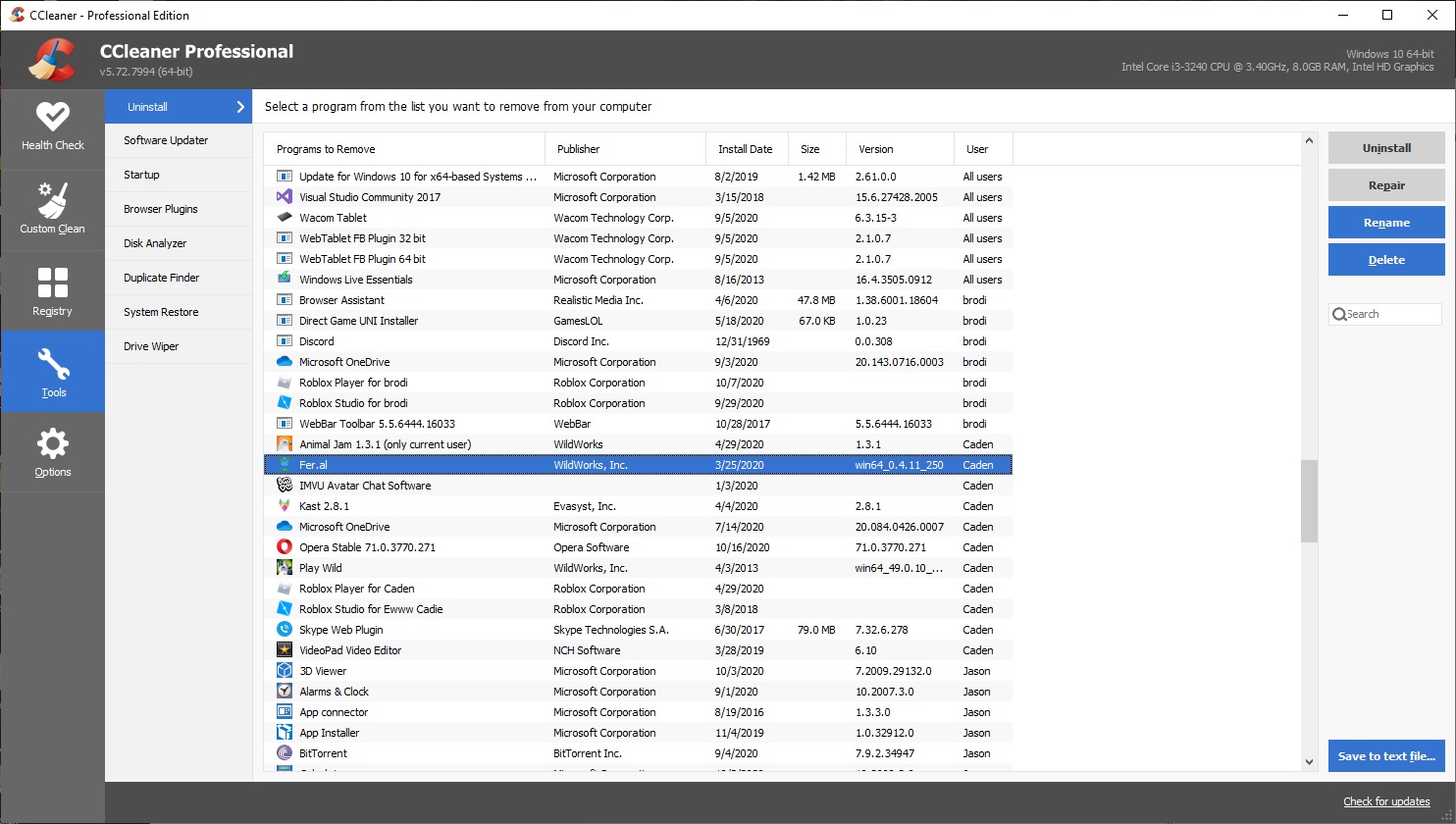
CCleaner is a recommended solution for removing used software from your computer.
CCleaner
The world's most powerful PC cleaner for system optimization.
The world's most powerful PC cleaner for system optimization. Show Less
10. Back Up Your Data
Backing up your data is not only a good practice, but it is also critical to protect your computer from malware. Malware infections can wreak havoc on your personal information and files, leaving you vulnerable and potentially losing access to all your valuable data.
By regularly backing up your data, you are taking a proactive approach to safeguarding your computer and ensuring that even if it does become infected with malware, you can easily recover your files.
This simple step can save you from a lot of stress and frustration in the long run. So, don’t wait until it’s too late. Take the necessary steps to protect your computer from malware, starting with backing up your data regularly.
By backing up your data, you are effectively creating a safety net for your computer. This safety net ensures that no matter how severe the malware infection is, you will always have a copy of your files stored securely. It’s like having a spare key to your house in case you lose the original one.
Similarly, backing up your data provides you with a backup plan in case the worst happens. It’s a proactive measure that safeguards your personal information and files.
Moreover, backing up your data is not as complicated as it may seem. There are various options available to suit your needs and preferences. You can choose to back up your data to an external hard drive, a USB flash drive, or even a cloud storage service. The choice is yours.
The important thing is to ensure that you have a backup strategy in place. It’s like having an insurance policy for your data, giving you peace of mind knowing that your valuable information is protected.
How To Protect Your Computer From Malware: FAQs
Here are answers to some frequently asked questions on protecting your computer from malware:
What are ways to prevent malware?
There are several ways to prevent malware infections:
Keep your software updated: This includes your operating system (Windows, Mac, etc.), web browser, and any other applications you use. Updates often contain security patches that fix vulnerabilities malware can exploit.
Use a reputable antivirus and anti-malware program: These programs can scan your computer for malware and remove it. There are both free and paid options available.
Be cautious about what you click on: Phishing emails and malicious links can install malware on your computer. Don’t click on suspicious links or attachments, even if they appear to be from someone you know.
Beware of free downloads: Free software can sometimes be bundled with malware. Only download software from trusted sources.
Enable firewalls: Firewalls can help block unauthorized incoming connections that might try to install malware.
What is the best protection against malware?
A layered approach is most effective. Using a combination of the methods mentioned above (updated software, antivirus, safe browsing habits) will significantly reduce your risk.
How do I make sure my computer is malware free?
Regularly scan your computer with your antivirus or anti-malware program. Most offer scheduled scans to proactively check for threats.
If you suspect your computer might already be infected, some antivirus programs offer on-demand scans or specific tools for malware removal. Note: In severe cases, professional help from a computer technician might be necessary.
How do I protect my Windows 10 from malware?
The advice above applies to Windows 10 as well. Windows 10 actually comes with a built-in antivirus program called Microsoft Defender that can provide basic protection. You can choose to use this or another reputable antivirus program.
What is the best software to protect your computer from hackers?
While antivirus software can help protect against malware attacks often used by hackers, a comprehensive security approach is ideal. This includes using strong passwords, being mindful about what you download and click on, and potentially using a firewall and other security tools depending on your specific needs. There’s no single “best” software solution, but reputable antivirus programs can be a valuable line of defense.
Conclusion
Protecting your computer from malware is crucial to safeguard your personal information and prevent unauthorized access to your system.
By following the steps outlined in this guide, you can ensure the safety of your computer and reduce the risk of malware infections.
Remember to always keep your software updated, use strong passwords, and be cautious of downloads and emails from unknown sources. Stay vigilant and stay safe.
Is ZoanCash legit or a scam? Read on for an unbiased answer.
Almost everyone is looking for a way to make money online and some of them rely on get-paid-to sites. These sites tell you to perform simple online tasks to get money.
ZoanCash is one of these websites and their offer is mouth-watering. They state that you can earn up to $300 on their website daily. Probably one of the most generous get-paid-to sites right?
Well, in this article the question ‘is ZoanCash legit or scam’ will be answered and you will know whether or not to get yourself involved.
ZoanCash is a big scam. ZoanCash defrauds people by gaining their trust first, before scamming.
They affirm that they are the #1 influencer Network couple with all the testimonials and payment proof showing how good they are at scamming.
ZoanCash is not legit.
One of the reasons is, there is no information on who owns ZoanCash or where they come from. Also, they claimed that they are based in Amsterdam which cannot be confirmed.
There are a lot of obvious lies to point out on the website that further prove that they are a scam. For instance, the majority of get-paid-site pay between $1 – $3 per referral while ZoanCash promises $300 which is unrealistic.
The revenue generated from the site is definitely not enough to pay up to that amount to every member.
Don’t be tempted by the payment proof and testimonial you see on their site. Proper research has found out that they are all fake. Those receipts and testimonials are manipulated and they do not even exist.
There are a few things you can look out for to spot a get-paid-to scam:
Promises of high earnings with little effort. If a website promises that you can make a lot of money with very little effort, it’s probably a scam.
No information about the company. If you can’t find any information about the company that owns the website, such as their address or phone number, it’s a red flag.
Fake testimonials and payment proofs. Many get-paid-to scams use fake testimonials and payment proofs to make themselves seem more legitimate.
Unrealistic referral bonuses. If a website offers a very high referral bonus, it’s likely that they’re not paying their members out.
Why ZoanCash Is A Scam?
ZoanCash is a scam for a number of reasons:
It promises high earnings with little effort. ZoanCash claims that you can earn up to $300 per day, but there is no way to make that much money with so little effort.
There is no information about the company. ZoanCash does not provide any information about the company that owns it, such as its address or phone number.
The testimonials and payment proofs are fake. Many of the testimonials and payment proofs on the ZoanCash website are fake.
The referral bonus is unrealistic. ZoanCash offers a very high referral bonus, which is a common tactic used by scams.
Conclusion
ZoanCash is a scam. It promises high earnings with little effort, but it does not deliver. The company behind ZoanCash is anonymous, and the testimonials and payment proofs on the website are fake. Avoid ZoanCash and other get-paid-to scams.
ZoanCash steals important and sensitive data such as name, email, password, address, and bank information aside from scamming you.
Joining their platform will put you at a lot of risk, and you can’t cash out when it’s time.
Kindly stay away from ZoanCash, as they only give you false hope.
Instead of wasting your time on such sites, why don’t you try other online businesses, such as blogging and freelancing, amongst others?
Ensure that you share this article online so that it reaches other people who might be asking ‘is Zoancash legit or scam’?
Is Farfetch legit or a scam website? Did you hear about Farfetch recently, and you are wondering whether the website is legit or scam? Don’t worry; this article will expose the truth.
Farfetch is one of the go-to platforms for lovers of fashion. It is known to be a place to purchase high-quality fashion materials. However, you might be doubting its authenticity since the items on the platform are very expensive.
So, this article will answer the question, ‘is Farfetch legit or a scam website?’
Is Farfetch Legit Or A Scam Website?
Looking at the large number of fashion eCommerce stores on the internet today, you might find it challenging to make the right choice.
The fact that Farfetch is an expensive platform also makes a lot of people want to confirm its realness. But luckily, Farfetch is a legitimate platform.
They collaborate with a trustworthy partner and also have a reasonable return policy. In case you doubt the authenticity of a product you ordered, you can always return it within 14day from the date of purchase.
Although some users of the platform complained of poor customer service, this might be due to their very high expectations.
What Is Farfetch?
Farfetch is a British online luxury eCommerce store where buyers and sellers of fashion wear connect. You will find over 700 top-rated brands and sellers who are verified and registered with Farfetch.
This website was founded in 2007 and has grown to have a lot of customers and large social media followings.
Farfetch ensures that the products sold on their website are of high quality. They collaborate with the biggest fashion brands around the world to provide the best service.
For instance, when you buy a Gucci product on Farfetch, you will rest assured that you are buying an original one because Farfetch ensures quality and standards.
You don’t have to worry about visiting the Gucci stores overseas when you can access them from your comfort through Farfetch.
Farfetch bridges the gap between original fashion wear and lovers of fashion. It is a sure place to get original items, provided that you have the money to spend.
All the vendors on Farfetch are screened to ensure that they meet some eligibility criteria laid down by the platform.
Meanwhile, if you want other legal information about the company; like the company’s phone number and office addresses in London and the USA, you can get it on their website.
Farfetch doesn’t have a physical store as it only serves as an agent that connects you with partner stores and designers worldwide.
Whenever you buy items on Farfetch, you are buying from fashion brands that are registered with the platform. Then, the purchased items are shipped to your desired location.
Some partners of Farfetch include Versace, Balenciaga, and Prada.
Also, the company has a return policy that allows you to return items within 14 days of the first delivery to get a refund.
How To Tell If A Website Is Legitimate?
Here are some tips on how to tell if a website is legitimate:
Check for a valid SSL certificate. An SSL certificate encrypts your data and protects it from being intercepted by third parties. You can check for a valid SSL certificate by looking for a lock icon in the address bar of your browser.
Read reviews from other customers. Before making a purchase from any website, it’s a good idea to read reviews from other customers. This can give you a good idea of the company’s reputation and customer service.
Be wary of websites that offer too-good-to-be-true deals. If a website is offering products at significantly lower prices than other websites, it’s likely that the products are counterfeit or that the website is a scam.
Use a credit card when making purchases online. Credit cards offer more buyer protection than debit cards, so in the event that something goes wrong with your purchase, you’re more likely to be able to get your money back.
Why Farfetch is a legitimate website
Farfetch is a legitimate website for several reasons:
Farfetch is a popular online platform for luxury fashion, but with luxury comes questions about authenticity and security. Here are some FAQs to address those concerns:
Is Farfetch a legitimate company?
Yes, Farfetch is a legit company. It’s a publicly traded company on the New York Stock Exchange, which indicates a level of financial accountability.
Are the products on Farfetch authentic?
Farfetch partners with established boutiques and brands around the world. They have authentication processes in place, but it’s always wise to research the seller on Farfetch before making a high-value purchase.
Does Farfetch offer buyer protection?
Yes, Farfetch offers buyer protection policies. This includes guarantees on authenticity and secure payment processing. Check their website for details on return windows and dispute resolution procedures.
What are the customer reviews like for Farfetch?
Customer reviews for Farfetch are mixed. While many users report positive experiences, there are also complaints regarding customer service, sizing issues, and occasional return problems.
How do Farfetch prices compare to other retailers?
Farfetch prices can be competitive, especially during sales events. However, some designer items may be cheaper if purchased directly from the brand’s website.
Is it safe to shop on Farfetch?
Generally, Farfetch is considered a safe platform to shop from. They use secure payment methods and offer buyer protection. However, as with any online shopping, be cautious and do your research before making a purchase.
Farfetch is a legitimate website where you can purchase luxury fashion items. It is a trusted platform that has been in business for over 15 years. However, it is important to be aware of the risks associated with online shopping, and to take steps to protect yourself from scams.
If you enjoy luxury fashion, Farfetch is the right platform to acquire them. It is a place to get your favorite designer clothes.
So ensure you share this article online so that it gets to other people searching for an answer to the question, ‘is farfetch legit or scam website?