Although you can only use Thunder VPN on your Android phone, I will show you how to download it for your PC in this post.
A VPN, or virtual private network, is software that helps create a tunnel between your network and a private VPN server. This VPN helps hide your IP address and encrypt web traffic from snoopers.
Thunder VPN is also a VPN app that works similarly on the device. You can download it for PC or Android to protect data and other information from hackers. This article will help you to download Thunder VPN for your PC.
Thunder VPN is a free proxy app for Android devices that protects your IP address and secures the connection from snoops or fraudulent individuals. This app offers numerous features, including free use with unlimited bandwidth.
Thunder VPN doesn’t require any registration fees or login process, so you can easily use it on your Android device and PC.
When you start using Thunder VPN on your PC, you will encounter various issues and benefit from this app. Some of the advantages and disadvantages are given below-
Advantages of Thunder VPN
You can stream BBC iPlayer with this Thunder VPN.
The app provides a secure and private line, and also protects your data from hackers.
Disadvantages of Thunder VPN
The download Speed of this app is deficient, which will slow the connection.
This app has a poor login policy with no customer support.
Thunder VPN is a type of protection app that keeps your data safe and secure from snoops. Many free VPN apps are available for your device in the Google Store. You can choose the best ne and install it on your PC.
Thunder VPN is an Android app that can easily be installed on your Android device. To install the Thunder VPN app on your PC, you will need an emulator to convert the Android app into a compatible software.
For all kinds of Android apps, Bluestacks is the best emulator among others. Follow the steps to install an emulator for your PC and enjoy a free internet service with access to all sites.
Step 1: If you don’t have an emulator installed on your PC, first install one. To do that. Go to Google and search “Bluestacks free download.” They will show you the latest version according to your PC. Download it for PC and use it for the installation process.
Step 2: After installing BlueStacks on your PC, navigate to the main menu and select the Google Play Store. After clicking the Google Store, you will be asked to log in. So, log in with your email ID on your computer or browser.
Step 3: The login process will help you download the app for your PC and run it from there.
Step 4: Now. You are now ready to use the Bluestacks app. On-screen, you will see a search bar in the app’s corner. Write “Thunder VPN” and press enter. You will see a pop-up window on your screen.
Step 5: Many free VPN apps will appear on your screen. Select “Thunder VPN” and download it from the App Store. Please wait for a moment, and I will download it to your PC.
You have completed the download process for Thunder VPN on your PC.
Now, come to the Installation part. Here are also some steps to follow:
Step 1: First, click on the downloaded “Thunder VPN” app to open it. You will see an ‘Install’ button; click on it.
Step 2: Agree to the terms that the VPN app will ask. Click on the OK button. Please wait a moment while we install it.
Step 3: It will automatically install on your PC, and you will be ready to use it.
Click “Thunder VPN” to open the app, and you will be ready to use it. As this VPN is completely free, no extra settings are required.
If you experience any loading issues due to connection problems or issues with the Bluestacks software, try using the Microsoft .NET Framework software and enjoy the service.
Thunder VPN offers a free VPN service with some limitations, but it also raises security concerns to consider. Here’s a breakdown to help you decide if it’s the right choice for you:
Is Thunder VPN safe to use?
Thunder VPN may be suitable for light browsing, as it prevents IP, DNS, and WebRTC leaks. However, it uses the outdated SSL protocol for encryption, which is not considered a secure method for handling sensitive activities. There’s also a lack of transparency regarding data logging practices. A more reputable VP with military-grade encryption protocols and clear no-logs policies is recommended for solid security and privacy.
Does Thunder VPN hide my browsing activity?
Thunder VPN may mask your IP address from websites you visit, but its handling of data traffic is unclear. Without a strong encryption protocol and a clear no-logs policy, there’s a chance your online activity could still be monitored.
Is Thunder VPN free?
Yes, Thunder VPN offers a free version with limitations on bandwidth and server locations. They also offer a paid version with additional features, but reviews suggest that it provides minimal improvement.
Thunder VPN currently offers an app that is only compatible with Android devices. There are no known options for desktops, iOS, or other platforms. If you need a VPN for a wider range of devices, look for a service with broader compatibility.
Can I install Thunder VPN on my laptop?
No, there is no official Thunder VPN app for laptops. You might find official downloads online, but these can be risky and are not recommended. Reliable VPN services typically offer apps for desktops, laptops, and mobile devices.
Does Thunder VPN work with Netflix?
There is no guarantee that Thunder VPN will be effective in unblocking Netflix or other streaming services that implement VPN restrictions.
Given the security concerns and limited functionality, here are some factors to consider when choosing a VPN:
Security: Look for a VPN that utilizes military-grade encryption protocols (AES-256) and has a no-logs policy.
Features: Consider the features that are vital to you, such as unlimited bandwidth, server locations, and compatibility with multiple devices.
Price: Many reputable VPNs offer free trials or money-back guarantees, so you can test them before committing.
Remember: When it comes to VPNs, prioritizing security and features may outweigh the appeal of a completely free service.
Conclusion
The use of VPNs is increasing due to their reliability and security benefits. Additionally, this VPN will provide you with access to sites that authorities or governments have restricted. You can use Thunder VPN or its free services, which offer unlimited bandwidth. But this app decreases the download speed.
Still, you can choose Thunder VPN and download it for your PC. A good VPN app will protect your data, hide your IP address, and provide you with access to all sites. Download apps from your Bluestacks software and enjoy the service of a VPN app on your PC.
Learn how to remove your Pornhub account in this post.
Removing a Pornhub account may be a decision motivated by various reasons, from privacy concerns to personal preference. Regardless of the motivation, it’s important to understand the steps involved in account deletion and the implications that come with it.
This comprehensive guide will walk you through the process, ensuring that you can successfully remove your Pornhub account with ease and confidence. The guide will cover the following sections:
The proliferation of online content has raised significant concerns about privacy and personal data security. Pornhub, being one of the most popular adult entertainment sites, has millions of users worldwide.
However, there may come a time when you decide that having an account on such a platform is no longer desirable. This guide aims to provide a clear and comprehensive process to help you delete your Pornhub account.
Table of Contents
Why You Should Delete Your Pornhub Account?
Understanding why users might want to delete their Pornhub accounts is essential. Common reasons include:
Privacy Concerns: Increasing awareness about online privacy has led many to reconsider the presence of their data on various platforms.
Personal Preferences: Changes in personal taste or life circumstances can motivate account deletion.
Reducing Digital Footprint: Some users aim to minimize their digital footprint by removing accounts that are no longer in use.
Content Preferences: Dissatisfaction with the platform’s content or policies can prompt users to leave.
Pre-Deletion Considerations
Before deleting your account, consider the following:
Account Recovery: Ensure you have no plans to return to the platform, as account deletion is typically irreversible.
Downloaded Content: Back up any content you wish to keep, as account deletion will likely result in losing access to your uploads and saved videos.
Subscription Status: If you have a premium subscription, cancel it to avoid further charges.
Linked Accounts: Ensure that accounts linked to your Pornhub account, such as email or social media, are not affected by the deletion.
Identity Protection Services
Before proceeding with account deletion, consider using an identity protection service to ensure your personal information is removed from data broker sites and other online databases. This can help safeguard your privacy beyond just deleting your Pornhub account. Some reputable options include:
OmniWatch
Offers comprehensive digital privacy protection, monitoring the dark web for your personal information and removing it from data broker sites.
OmniWatch also provides real-time alerts if your data appears in new locations, allowing for quick action. Their service includes protection against identity theft and credit monitoring, offering a more holistic approach to digital security.
OmniWatch
Safeguard your identity with OmniWatch, the comprehensive identity theft protection service that provides proactive...Show More
Safeguard your identity with OmniWatch, the comprehensive identity theft protection service that provides proactive monitoring, dark web surveillance, and expert assistance in case of a breach. Show Less
Incogni
Automates contacting data brokers to remove your personal information from their databases, helping reduce your digital footprint.
Incogni stands out for its user-friendly interface and regular progress reports, informing you about which data brokers have been contacted and the status of your information removal requests. They also provide educational resources to help you understand the data broker landscape.
Incogni
Incogni wipes off your personal information from data brokers.
Incogni wipes off your personal information from data brokers. Show Less
DeleteMe
Specializes in removing personal information from public records and data broker sites, with regular monitoring to ensure your data stays private.
DeleteMe offers a unique feature that provides a detailed report every 3 months, showing exactly what information has been removed and from where. They also offer a business version of their service, which can be valuable if you’re concerned about professional and personal exposure.
DeleteMe
DeleteMe is a service provided by Abine that helps users remove their personal information from data brokers and other...Show More
DeleteMe is a service provided by Abine that helps users remove their personal information from data brokers and other websites to protect their privacy online. Show Less
Using one of these identity protection services can provide an extra layer of protection for your online privacy as you take steps to remove your Pornhub account. Each service has its strengths, so consider your specific needs and concerns when choosing.
Step-by-Step Guide to Deleting Your Pornhub Account
Step 1: Log In to Your Account
To delete your account, you first need to log in to Pornhub with your username and password.
Step 2: Navigate to Account Settings
Once logged in, click on your profile icon, usually at the screen’s top right corner. From the drop-down menu, select ‘Account Settings.’
Step 3: Find the Account Deletion Option
In the Account Settings menu, look for an option related to account management or privacy. This is where you will find the option to delete your account.
Step 4: Confirm Your Decision
Pornhub will likely prompt you to confirm your decision to delete your account. Read the instructions carefully and follow the prompts to proceed.
Step 5: Enter Your Password
For security reasons, you may be asked to re-enter your password. This ensures that you are the rightful owner of the account.
Step 6: Complete the Deletion Process
Once you’ve confirmed your decision and entered your password, follow any additional prompts to complete the deletion process.
Managing Account-Related Data
Download Your Data
Before deleting your account, consider downloading your data, including any uploaded content or purchase history. This is important if you wish to retain any records.
Clear Your Browser History
After deleting your account, clear your browser history and cache to remove any traces of your activity on Pornhub.
Manage Linked Accounts
Unlink any accounts that were connected to your Pornhub account to ensure they are not affected by the deletion.
Check your email for a confirmation message from Pornhub stating that your account has been successfully deleted.
Monitor Your Bank Statements
If you have a premium subscription, monitor your bank statements to ensure no further charges are applied.
Re-Evaluate Your Online Presence
Consider reviewing other online accounts to ensure they meet your current privacy standards.
Alternatives to Account Deletion
If you are not ready to permanently delete your account, consider these alternatives:
Deactivating Your Account: Some platforms offer the option to deactivate rather than delete accounts. Check if Pornhub provides this option.
Changing Privacy Settings: Adjust your account’s privacy settings to limit the visibility of your activity and personal information.
Reducing Activity: Simply stop using the account while keeping it active. This can serve as a temporary measure while you decide on a permanent solution.
Privacy and Security Tips
Use Strong Passwords
Ensure that all your online accounts, including email, are secured with strong, unique passwords.
Enable Two-Factor Authentication
If available, enable two-factor authentication (2FA) for an added layer of security.
Regularly Update Privacy Settings
Periodically review and update the privacy settings on all your online accounts to maintain control over your personal information.
Be Cautious with Linked Accounts
Avoid linking sensitive accounts (such as email or social media) to platforms where privacy is a concern.
Conclusion
Now, you should have removed your Pornhub account safely. Deleting your Pornhub account is a straightforward process if you follow the correct steps.
It is essential to consider the reasons behind your decision and take necessary precautions to safeguard your data before and after deletion.
By following this guide, you can ensure that your account is removed securely and efficiently. Taking control of your digital presence is vital in protecting your privacy and maintaining a positive online experience.
Here, we will take a look at the best proxy service for 2026.
If you want to protect your online privacy, one of the easiest ways to do this is to use a proxy server.
In fact, it serves as a gateway between you and the Internet, so information about the websites you visit is obfuscated. This provides a certain degree of anonymity.
Table of Contents
Best Proxies Deals
Oxylabs Proxies
Oxylabs Proxies offer the most advanced, enterprise-grade proxy solutions with unmatched scalability, AI-driven...Show More
Oxylabs Proxies offer the most advanced, enterprise-grade proxy solutions with unmatched scalability, AI-driven optimization, and a 175M+ ethically sourced proxy pool, making it the best proxy server for seamless, high-performance data extraction. Show Less
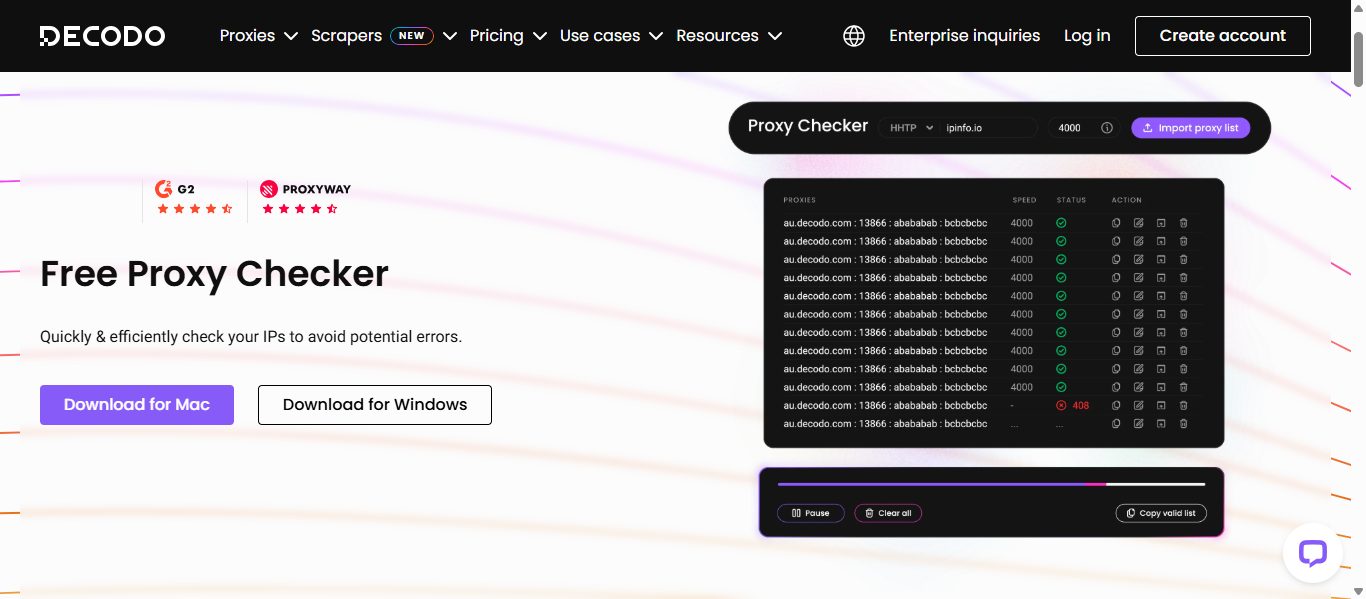
Decodo (formerly Smartproxy)
Decodo (formerly Smartproxy) offers high-quality, affordable, and easy-to-use proxies with a vast global network...Show More
Decodo (formerly Smartproxy) offers high-quality, affordable, and easy-to-use proxies with a vast global network, ensuring seamless web scraping, automation, and data collection without IP bans or restrictions. Show Less
Webshare Proxies
Webshare Proxies offers high-speed, customizable, and budget-friendly proxy solutions with flexible pricing, ensuring...Show More
Webshare Proxies offers high-speed, customizable, and budget-friendly proxy solutions with flexible pricing, ensuring seamless web scraping, automation, and online anonymity for businesses and individuals. Show Less
Live Proxies
Live Proxies is a proxy service that provides high-speed, reliable, and secure residential and datacenter proxy services...Show More
Live Proxies is a proxy service that provides high-speed, reliable, and secure residential and datacenter proxy services for web scraping, automation, and anonymity. Show Less
IPRoyal
IPRoyal is a leading proxy provider offering reliable, high-speed proxies for various needs, including data scraping...Show More
IPRoyal is a leading proxy provider offering reliable, high-speed proxies for various needs, including data scraping, social media automation, and sneaker botting. Show Less
Mars Proxies
Mars Proxies is the go-to provider for sneaker coppers, offering unbanned IPs, blazing-fast speeds, and a massive pool...Show More
Mars Proxies is the go-to provider for sneaker coppers, offering unbanned IPs, blazing-fast speeds, and a massive pool of residential proxies. Show Less
NetNut
NetNut is the world's fastest residential proxy network, providing high-speed, reliable connections and a vast pool of...Show More
NetNut is the world's fastest residential proxy network, providing high-speed, reliable connections and a vast pool of IPs for seamless data scraping and automation. Show Less
DigiProxy
DigiProxy offers proxy services, including residential, datacenter, and sneaker proxies, aimed at providing secure and...Show More
DigiProxy offers proxy services, including residential, datacenter, and sneaker proxies, aimed at providing secure and reliable internet access. Show Less
Nodemaven
NodeMaven is a premium proxy provider that delivers high-quality IPs, super sticky sessions, and unmatched customer...Show More
NodeMaven is a premium proxy provider that delivers high-quality IPs, super sticky sessions, and unmatched customer support. Show Less
Infatica
Infatica provides a robust proxy network with ethical sourcing, reliable performance, and a comprehensive suite of data...Show More
Infatica provides a robust proxy network with ethical sourcing, reliable performance, and a comprehensive suite of data collection tools. Show Less
So, let’s dive into some of the best proxy services for 2026;
Best Featured Proxy Service Providers – EDITOR’S CHOICES
Before diving into our ranked list, here are three top-tier proxy service providers that excel in specific categories. Whether you need enterprise-grade performance, a balance of affordability and features, or an easy-to-use solution, these providers have you covered.
1. Oxylabs – Best for Enterprise-Grade Proxy Solutions
Oxylabs stands out as the number one proxy service provider for 2026, thanks to its robust combination of Residential and Datacenter proxies, along with advanced tools like WebUnlocker and Web Scraper API.
Residential Proxies: With access to over 175 million IPs across the globe, Oxylabs’ residential proxy network ensures that users can gather data from even the most challenging websites without being blocked or detected. These proxies offer high success rates, unlimited concurrent sessions, and precise geo-targeting, making them ideal for data scraping, market research, and competitor analysis.
Datacenter Proxies: Oxylabs also boasts an expansive pool of datacenter proxies, perfect for tasks that require fast and consistent performance. Their datacenter proxies are optimized for web scraping, SEO monitoring, and managing multiple accounts, offering users blazing speeds and unmatched reliability.
WebUnlocker: One of Oxylabs’ key innovations is the WebUnlocker tool, designed to bypass even the most advanced anti-bot measures. Whether dealing with CAPTCHAs, JavaScript rendering, or other obstacles, WebUnlocker automatically handles the complexities, ensuring uninterrupted access to data.
Web Scraper API: For those who need a full-fledged data extraction solution, Oxylabs’ Web Scraper API offers a powerful, easy-to-use tool. It can automatically extract data from even the most complex websites, without needing to manage proxy servers or solve technical challenges manually. This tool simplifies the data scraping process, providing clean and structured data quickly.
Oxylabs is a comprehensive solution for businesses looking for scalable proxy services with advanced features, which sets it apart as the leading proxy service for 2026.
Whether you need global coverage, fast datacenter connections, or tools to handle complex data extraction tasks, Oxylabs has you covered.
With an extensive IP pool and high success rates, Oxylabs is ideal for businesses that require large-scale data extraction, brand protection, and market intelligence.
Key Features:
175M+ ethically sourced residential and datacenter proxies
AI-enhanced web scraping tools
Advanced session management and geo-targeting
24/7 customer support with dedicated account managers
Best For:
Large-scale data scraping and web crawling
Enterprise-level security and compliance
Market research and price monitoring
Oxylabs Proxies
Oxylabs Proxies offer the most advanced, enterprise-grade proxy solutions with unmatched scalability, AI-driven...Show More
Oxylabs Proxies offer the most advanced, enterprise-grade proxy solutions with unmatched scalability, AI-driven optimization, and a 175M+ ethically sourced proxy pool, making it the best proxy server for seamless, high-performance data extraction. Show Less
Decodo (formerly Smartproxy) perfectly balances affordability, speed, and reliability. Whether you’re an individual user or a growing business, Decodo offers powerful residential, datacenter, and mobile proxies with seamless integration and flexible pricing.
Decodo is a leading proxy service provider designed for users who prioritize speed, security, and ease of use. With over 65 million IPs across 195+ locations, it provides a high-quality proxy network suitable for various online tasks, including web scraping, social media management, and market research.
Its standout features are the <0.3s average response time and 99.99% uptime, ensuring flawless performance. With Decodo, you can gain access to any geo-restricted platform.
Additionally, Decodo offers a free trial for all its products, allowing users to test the service risk-free.
Key Features of Decodo:
Residential Proxies – 55M+ high-quality IPs
All Products Have Free Trials – Test before committing.
Easy to Set Up, Flawless to Use – User-friendly dashboard and API.
Supports HTTP(s) and SOCKS5 Protocols – Secure and flexible connectivity.
Country-Level Targeting – Access geo-restricted content with ease.
<0.3s Avg Speed, 99.99% Uptime – Reliable and fast performance.
Customer Support in 40s on Average – Industry-leading response time.
Best For:
Social media automation and ad verification
Sneaker botting and e-commerce intelligence
Affordable yet powerful web scraping
Meanwhile, you should be aware that the IP addresses in Decodo change to a different one every 30 minutes.
Decodo (formerly Smartproxy)
Decodo (formerly Smartproxy) offers high-quality, affordable, and easy-to-use proxies with a vast global network...Show More
Decodo (formerly Smartproxy) offers high-quality, affordable, and easy-to-use proxies with a vast global network, ensuring seamless web scraping, automation, and data collection without IP bans or restrictions. Show Less
3. Webshare – Best for Budget-Friendly Proxy Solutions
Webshare is the go-to choice for users seeking high-quality proxies without breaking the bank. Offering free and premium proxy plans, Webshare provides flexible solutions for businesses and individuals looking for secure, high-speed connections.
Webshare is a leading proxy service provider known for its affordability, high-speed connections, and user-friendly interface. It offers a variety of proxy types, including residential, datacenter, and rotating proxies, making it a versatile solution for businesses and individuals looking for secure and anonymous browsing.
With a global network of proxies, Webshare ensures fast and reliable connections while maintaining a strong focus on privacy and performance. Its flexible pricing plans, including a free tier, make it an attractive option for users of all levels.
Key Features of Webshare Proxy Service:
Diverse Proxy Options – Offers residential, datacenter, and rotating proxies to suit different needs.
Affordable Plans – Pricing starts as low as $2.99/month, making it one of the most budget-friendly proxy services.
Global IP Coverage – Access proxies from multiple countries for geo-targeted browsing.
API Integration – Automate proxy management with a powerful API.
Whether you’re a marketer conducting competitor research, a developer working on web scraping, or just someone looking for anonymous browsing, Webshare provides an excellent balance of affordability, speed, and reliability.
Key Features:
Free and affordable premium proxy plans
Fully automated self-service dashboard
Unlimited bandwidth with high-speed performance
Easy API integration for developers
Best For:
Budget-conscious users and startups
Secure browsing and anonymous web access
Automating tasks and SEO research
Webshare Proxies
Webshare Proxies offers high-speed, customizable, and budget-friendly proxy solutions with flexible pricing, ensuring...Show More
Webshare Proxies offers high-speed, customizable, and budget-friendly proxy solutions with flexible pricing, ensuring seamless web scraping, automation, and online anonymity for businesses and individuals. Show Less
After a lot of research carried out by our team, below are the proxy services you will definitely enjoy using;
Notable Best Proxy Services For 2026
1. Live Proxies
Live Proxies delivers premium proxy solutions tailored for businesses and individuals. Their offerings include rotating residential proxies, rotating mobile proxies, and static residential proxies. These proxies provide unmatched anonymity, reliable global coverage, and high performance, making them ideal for web scraping, ad verification, social media management, and more.
Key Features:
Rotating Proxies: Automatically switch IPs to prevent bans and ensure high anonymity.
Sticky Sessions: Maintain the same IP for up to 60 minutes for session consistency.
Global IP Pool: Access IPs from numerous countries, enabling seamless data collection worldwide.
Unlimited Bandwidth Options: Flexible plans with unmetered usage for high-scale projects.
Easy Integration: User-friendly APIs compatible with automation tools.
Pros:
Wide variety of proxy types to suit different needs.
Customizable plans for flexibility.
High anonymity and reliable performance.
Responsive and helpful customer support.
Cons:
Limited location options compared to some competitors.
Some advanced features may cater more to enterprise needs.
Live Proxies stands out for its robust infrastructure, ethical sourcing, and dedicated customer support, making it a top-tier choice for businesses and individuals looking for reliable proxy services
Cyberyozh is a powerful and privacy-focused proxy provider built for users who demand flexibility, stability, and advanced configuration options.
Designed with both professionals and privacy-conscious individuals in mind, Cyberyozh delivers reliable proxy solutions suitable for scraping, automation, account management, traffic arbitrage, cybersecurity testing, and geo-restricted access.
Cyberyozh emphasizes performance optimization and secure routing, offering well-maintained IP pools and configurable proxy setups that adapt to different operational needs. Whether you require mobile proxies for social platforms or residential proxies for stealth data collection, Cyberyozh provides scalable solutions with consistent uptime.
Key Features of Cyberyozh Proxy Service:
Multiple Proxy Types: Residential, mobile, and private proxies to match different tasks and risk levels.
Custom Configuration Options: Tailored setups for specific workflows and automation tools.
High Uptime & Stability: Optimized infrastructure to reduce connection drops and failed requests.
Geo-Targeting Capabilities: Access IPs from multiple regions for localized operations.
Secure & Encrypted Connections: Designed with privacy and data security in mind.
Responsive Technical Support: Assistance for setup, scaling, and troubleshooting.
Pros:
Flexible configurations for advanced users.
Good balance between pricing and performance.
Suitable for both small-scale and high-volume operations.
Strong focus on privacy and operational reliability.
Cons:
May require some technical knowledge for optimal setup.
Not as beginner-focused as some mainstream providers.
Cyberyozh is an excellent choice for users who prioritize configurability, privacy, and stable performance. It’s especially well-suited for professionals running automation-heavy or region-sensitive operations.
Residential proxies – starting from €35, and €7/ GB
Unlimited rollover data (bandwidth stays with you until it’s used up)
Nodemaven is a relatively new proxy service that is quickly gaining popularity due to its unique focus on IP quality and affordable prices. Unlike other providers, NodeMaven prioritizes IP quality above all else. They use advanced filtering techniques to screen IPs in real-time before assigning them, ensuring you get high quality IP addresses 95% of the time.
Nodemaven has a pool of over 5 million residential IPs from 1400+ cities in 150+ countries worldwide, providing you with trully global coverage. They also support both HTTP and SOCKS5 proxy protocols.
Key Features of NodeMaven Proxy Service
Industry-First IP Filtering: when you connect to a proxy provided by NodeMaven, you are only assigned an IP after it has passed through their advanced quality assurance algorithm.
Super Sticky Sessions: their proxy technolohy allows them to offer longer session times and their IPs do not change for up to 24 hours — many times the industry average.
Unmatched Customer Support: Their team of industry experts provides deep analysis of issues and full-scale assistance in running your operations.
If you’re looking for a great proxy service that focuses on IP quality, I highly recommend Nodemaven. They offer a great value for money, with great performance and a wide range of features. You can sign up for a free trial today to test them out for yourself.
With its user-friendly interface and an array of robust features, NetNut empowers you to navigate the web seamlessly and securely.
With access to an extensive network of over 52 million IPs distributed across 195+ data centers in 50 cities worldwide, NetNut stands as a reliable solution for accessing geo-restricted content and unlocking the full potential of the internet.
Key Features of NetNut Proxy Service:
Diverse IP Pool: NetNut boasts a vast pool of residential IPs, ensuring maximum coverage and diversity, allowing you to connect from different locations around the globe.
Unrestricted Connections: Enjoy the freedom of unlimited connections and activities, enabling you to carry out your tasks without any hindrance or limitations.
Flexible Pricing Plans: NetNut offers a range of subscription options tailored to meet your specific requirements. Whether you’re a small-scale user or an enterprise, you can find the perfect plan that suits your needs.
Global Geo-Targeting: NetNut allows you to target specific countries, giving you the ability to access localized content and reach global audiences with ease.
High-Performance HTTP(s) Protocol: Enjoy the efficiency and security of IPv4 IPs with support for the HTTP(s) protocol, ensuring a smooth and secure browsing experience.
Exceptional Support: NetNut is committed to providing top-notch customer support, assisting you every step of the way to make the most out of your proxy service.
Money-Back Guarantee: NetNut offers a 3-day money-back option, giving you peace of mind to try the service risk-free and ensure it meets your expectations.
Whether you’re a business professional conducting market research, an SEO specialist monitoring search engine rankings, or a casual internet user wanting to stay anonymous, NetNut’s powerful proxy service has got you covered.
Residential proxies – starting from $7/GB, with great bulk discounts
Datacenter proxies – starting from $9 for 5 IPs/month
Static residential proxies – starting from $1.80/proxy a day, or $2.70/proxy a month
Mobile proxies – starting from $7/day or $90/month
IPRoyal is a reliable proxy provider offering high-quality proxies at affordable prices. With over 8 million IPs from over 195 locations worldwide, you’ll have enough IPs for any online activity.
The company offers ethically-sourced residential proxies with non-expiring traffic and great bulk discounts. It also has datacenter, mobile, and ISP proxies with unlimited bandwidth.
HTTP(S) and SOCKS5 support, dual authentication, flexible rotation, and advanced geo-targeting are some of the most prominent features of IPRoyal’s service. With 24/7 customer support and a pay-as-you-go option, it’s a great choice for anyone.
Datacenter proxies – €0.80/proxy a day, €1.40/proxy a month
MarsProxies is a relatively new proxy provider on the market that has managed to attract the attention of proxy users around the world. It offers over 1 million ethically-sourced residential proxies with high trust scores and dedicated datacenter and ISP proxies with one of the best speeds in the industry.
The pricing is very affordable, and the plans include a daily option for datacenter proxy servers. The residential traffic never expires, so once you buy it, you can use it whenever you want.
The datacenter and ISP proxy plans include unlimited bandwidth and threads, while the residential one provides sticky sessions and dual authentication. All MarsProxies products are SOCKS5 supported.
Unlimited Proxies – Starting at $49 for 10 concurrent requests
Pay-as-you-go Residential Proxies – Starting at $4 per GB
Pay-as-you-go Shared Datacenter Proxies – Starting at $0.5 per GB
Geonode is your go-to solution for versatile and reliable proxy services, offering a staggering range of over 30 million IPs across both residential and datacenter categories.
Whether you’re into web scraping, SEO, or simply want to browse securely, Geonode has you covered with its high-speed, high-success-rate proxies. The platform’s geo-targeting feature allows you to navigate the web as if you’re in multiple locations worldwide, perfect for bypassing geo-restrictions.
What sets Geonode apart is its flexible pricing models, catering to both small-scale and large-scale operations. You can choose from pay-per-gigabyte to unlimited data plans, all while enjoying multiple protocol support, user-friendly authentication options and seamless API integration.
With robust customer support and glowing user reviews praising its reliability and security features, Geonode is the proxy service provider you won’t want to miss out on.
Key Features of Geonode Proxies
Diverse IP Pool: Access to over 30,000,000+ proxies, including residential and datacenter IPs.
High Speed and Success Rate: Optimized for quick data retrieval and reduced chances of being blocked.
Geo-Targeting: Choose from multiple locations for geo-specific tasks.
Flexible Pricing: Options ranging from pay-per-gigabyte to unlimited data plans.
Multiple Protocol Support: HTTP, HTTPS, SOCKS5 are all supported.
User Authentication: Whitelist up to 50 IPs or use username and password for easy authentication.
API Integration: Seamlessly integrate Geonode into your existing setup with their code generator.
Geonode’s diverse range of proxy services offers something for everyone, whether you’re a data scientist, a digital marketer, or someone who values online privacy. With its flexible pricing and robust features, Geonode stands as a reliable choice for your online activities.
ProxyRack is one of the best proxy services for 2026. This proxy Service started as a small business about 7 years ago and has grown to become a big company.
ProxyRack has over a million IPs in over 40 countries in Asia, America, and Europe. It comes with three different packages all of which have the same number of IPs and Unlimited Bandwidth.
The difference between these packages is the number of simultaneous connections allowed.
Thankfully, Proxyrack offers a 3 day trial period, while their 14 days money-back guarantee should be enough to test if it is an excellent choice for you.
Key Features of ProxyRack Proxy Service
14-day money-back guarantee
Unlimited Bandwidth
Multiple authentication methods
DNS Leak Protection
It has easy to use software
Unlimited server switches
Get Proxyrack
9. KProxy
Basic Plan (10 Days) – $5
Premium (30 Days) – $10
VIP (180 Days) – $30
KProxy offers its proxy service through extensions for Chrome and Firefox.
The setup process is very simple: after installing the extension, select the remote server, and click on “Connect”. Also, HTTPS is supported.
The paid version, KProxy Pro, gives you access to “premium servers” that never overload or slow down.
It is definitely one of the best proxy service for 2026.
Key Features of KProxy
Unlimited downloads
No server overload
Best performance
30 days money-back guarantee
Bypass any filter
Evade hackers
Surf privately
Kproxy Extensions
Visit Kproxy
10. Bright Data
Price – $30 per IP
Bright Data is one of the best rotating residential proxies today. This proxy service has over 72M IPs around the world.
With Bright Data, you can unblock even the most difficult sites to access. It has a great performance and great speed.
You cannot go wrong choosing Bright Data service.
Key Features of Bright Data
9.99% network uptime
Worldwide geo-distribution
24/7 professional support
Unlimited concurrent sessions
Can specify IPs by country or by city
Real-time service health dashboard.
Dedicated account managers
Unlimited Rotation
Visit Bright Data
11. ProxySite
ProxySite is a free proxy service provider that is also designed for you to browse anonymously.
The privacy policy of this proxy service states that logs are deleted after 14 days. Meanwhile, advertising cookies may be stored in your browser, unless you specifically disable this through your browser settings.
There is a paid version of ProxySite available, which is actually a VPN. This paid version provides encryption and also solves several other problems that the free version is unable to solve.
Key Features of ProxySite
It hides users’ IP addresses.
It has a large number of proxy servers for users to switch easily.
There are no restrictions to chatting or sharing posts online.
Complete control over the usage of cookies and scripts.
Hide.me advertises itself as the fastest free proxy server as it doesn’t keep its own logs to speed things up.
It’s hard to say the fastest or not, but it’s a decent free proxy. You can use it directly through the site or enable the Firefox or Chrome browser extension.
One downside is annoying pop-up ads advertising a paid VPN. If you can live with it, then you will probably like Hide.me.
Key Features of Hide.me
It is a 100% independent provider
Provides great streaming experience
It is easy to use
14. Ninja Proxy
Ninja Proxy offers an all-in-one proxy service with a range of options available to choose from. This makes it easier for you to purchase the one that best fits your specific needs and preferences when it comes to proxies, as well as one that suits your budget.
You can choose from private, shared, premium, residential, and 4G/5G proxies, and there is a three-day money-back guarantee if you change your mind. This service offers a host of benefits and features and has become a popular choice.
Key Features of Ninja Proxy
Unlimited bandwidth
99% network uptime
Easy configuration
No advertisements
Three-day money-back guarantee
Conclusion – What is The Best Proxy Service Provider For 2026?
In short, the best proxy service for 2026 is Oxylabsbecause of its robust proxy pool and multiple use cases. This proxy service provider has a lot of positive reviews from its users and is also endorsed by cyber security experts.
Now that you are aware of the best proxy services for 2026, why not share this article online for others who might find it useful.
Also, don’t forget to share your thoughts in the comment section below.
If you’re shopping for a residential proxy provider, this is your 101 on how to choose the best provider.
First: What is a residential proxy?
A residential proxy address is an IP address assigned to a home device or computer that is connected to the internet through an Internet Service Provider (ISP). Residential proxies can protect your online activities from being tracked by websites, governments, and other third parties by using residential proxies.
The biggest advantage of residential proxies is that they enable you to view content from a real user’s perspective in a specific location worldwide. Many residential proxies are utilized for web scraping, a large-scale process of extracting data from websites.
With residential proxies, websites cannot detect and block web scrapers. Generally, residential proxies enable you to perform tasks like: market analysis, price monitoring and comparison, ad verification, website testing, product matching, and more.
A wide variety of residential proxy providers are available on the market, each with its own strengths and weaknesses.
Before diving into our top-ranked residential proxy providers, three standout services excel in specific categories. Whether you need high-speed connections, large-scale data collection, or budget-friendly solutions, these providers offer excellent options.
Table of Contents
Editor’s Choice: Best Featured Residential Proxy Service Providers
1. Decodo – Best for User-Friendly & Affordable Residential Proxies
Decodo (formerly Smartproxy) is a well-rounded choice for businesses and individuals looking for an easy-to-use proxy solution with premium features at an affordable price.
With a vast IP pool, seamless setup, and high-speed connections, it’s perfect for both beginners and advanced users.
Key Features:
Residential Proxies: Over 1115 million+ IPs with fast rotation across 195+ locations
Speed & Reliability: <0.3s average response time, 99.99% uptime
Compatibility: Supports HTTPS and SOCKS5
Customer Support: 24/7 availability with an average response time of 40 seconds
Free Trials: Available for all products except residential proxies
Special Offer: Get 67% off Residential Proxies with code BF2025 (Limited time)
Best For: Web scraping, ad verification, social media management, and data collection.
Why Choose Decodo? It delivers high-quality proxies that are easy to set up and use flawlessly, offering premium performance without the complexity or premium price tag.
Decodo Residential Proxies
Decodo (formerly Smartproxy) Residential Proxies offer a fast, reliable, and affordable solution with 55M+ IPs...Show More
Decodo (formerly Smartproxy) Residential Proxies offer a fast, reliable, and affordable solution with 55M+ IPs worldwide, ensuring seamless web scraping, automation, and data collection without IP bans or restrictions. Show Less
2. Oxylabs – Best for Large-Scale Data Collection & Enterprise Solutions
Oxylabs takes the crown as one of the best residential proxy providers due to its extensive global coverage, impressive uptime, and advanced features tailored for both businesses and individuals.
Known for its high-speed proxies and robust network, Oxylabs provides a reliable solution for all proxy-related tasks.
Key Features:
Global Coverage: Access to over 175 million residential IPs in 195+ countries, ensuring you can reach almost any region.
Speed & Performance: High-quality proxies optimized for speed and reliability, making it ideal for data-intensive tasks.
Advanced Targeting Options: City-level targeting, ASN targeting, and more provide flexibility in meeting specific requirements.
User-Friendly Dashboard: An intuitive interface that simplifies proxy management, along with detailed analytics to monitor usage.
Whether you’re a business conducting market research or an individual seeking enhanced privacy, Oxylabs delivers unmatched performance and reliability. Let’s explore other notable residential proxy providers following Oxylabs’ lead.
Oxylabs Residential Proxies
Oxylabs Residential Proxies offer a massive 175M+ ethically sourced IP pool with AI-driven management, ensuring...Show More
Oxylabs Residential Proxies offer a massive 175M+ ethically sourced IP pool with AI-driven management, ensuring unbeatable reliability, anonymity, and high success rates for enterprise-scale web scraping and data collection. 🚀 Show Less
3. Webshare – Best for Budget-Friendly Proxy Solutions
Webshare is a top-tier residential proxy provider offering a seamless and cost-effective solution for web scraping, market research, and online anonymity.
With a vast network of residential IPs in multiple global locations, Webshare ensures high-speed, reliable, and undetectable connections. Users can enjoy automatic IP rotation, sticky sessions, and advanced proxy management features for optimal performance.
Its intuitive dashboard makes it easy to customize proxy settings, monitor usage, and integrate with third-party applications via API. Additionally, Webshare offers a free plan, making it an attractive option for users who want to test its services before committing to a paid plan.
With competitive pricing and a focus on speed and reliability, Webshare is an excellent choice for those needing high-quality residential proxies.
Webshare stands out for its cost-effective pricing and flexible proxy plans, making it an ideal choice for startups and individuals. Despite its affordability, it doesn’t compromise on performance, offering secure and fast proxy connections.
Key Features:
Reliable residential proxy pool of 30+ million
Available in 195+ countries
99.7% uptime
Affordable pricing with free trial available
Dedicated residential and datacenter proxies
High-speed connections with low latency
Easy API integration
Best For: Small businesses, freelancers, and budget-conscious users.
Why Choose Webshare? It’s a great entry-level proxy provider with competitive pricing and a simple setup.
Webshare Residential Proxies
Webshare Residential Proxies offer high-speed, reliable, and cost-effective proxy solutions with flexible pricing...Show More
Webshare Residential Proxies offer high-speed, reliable, and cost-effective proxy solutions with flexible pricing, ensuring seamless web scraping, automation, and anonymity for businesses and individuals alike. Show Less
Best Proxies Deals
Decodo Residential Proxies
Decodo (formerly Smartproxy) Residential Proxies offer a fast, reliable, and affordable solution with 55M+ IPs...Show More
Decodo (formerly Smartproxy) Residential Proxies offer a fast, reliable, and affordable solution with 55M+ IPs worldwide, ensuring seamless web scraping, automation, and data collection without IP bans or restrictions. Show Less
Oxylabs Residential Proxies
Oxylabs Residential Proxies offer a massive 175M+ ethically sourced IP pool with AI-driven management, ensuring...Show More
Oxylabs Residential Proxies offer a massive 175M+ ethically sourced IP pool with AI-driven management, ensuring unbeatable reliability, anonymity, and high success rates for enterprise-scale web scraping and data collection. 🚀 Show Less
Webshare Residential Proxies
Webshare Residential Proxies offer high-speed, reliable, and cost-effective proxy solutions with flexible pricing...Show More
Webshare Residential Proxies offer high-speed, reliable, and cost-effective proxy solutions with flexible pricing, ensuring seamless web scraping, automation, and anonymity for businesses and individuals alike. Show Less
Live Proxies
Live Proxies is a proxy service that provides high-speed, reliable, and secure residential and datacenter proxy services...Show More
Live Proxies is a proxy service that provides high-speed, reliable, and secure residential and datacenter proxy services for web scraping, automation, and anonymity. Show Less
IPRoyal
IPRoyal is a leading proxy provider offering reliable, high-speed proxies for various needs, including data scraping...Show More
IPRoyal is a leading proxy provider offering reliable, high-speed proxies for various needs, including data scraping, social media automation, and sneaker botting. Show Less
Mars Proxies
Mars Proxies is the go-to provider for sneaker coppers, offering unbanned IPs, blazing-fast speeds, and a massive pool...Show More
Mars Proxies is the go-to provider for sneaker coppers, offering unbanned IPs, blazing-fast speeds, and a massive pool of residential proxies. Show Less
NetNut
NetNut is the world's fastest residential proxy network, providing high-speed, reliable connections and a vast pool of...Show More
NetNut is the world's fastest residential proxy network, providing high-speed, reliable connections and a vast pool of IPs for seamless data scraping and automation. Show Less
DigiProxy
DigiProxy offers proxy services, including residential, datacenter, and sneaker proxies, aimed at providing secure and...Show More
DigiProxy offers proxy services, including residential, datacenter, and sneaker proxies, aimed at providing secure and reliable internet access. Show Less
Nodemaven
NodeMaven is a premium proxy provider that delivers high-quality IPs, super sticky sessions, and unmatched customer...Show More
NodeMaven is a premium proxy provider that delivers high-quality IPs, super sticky sessions, and unmatched customer support. Show Less
Infatica
Infatica provides a robust proxy network with ethical sourcing, reliable performance, and a comprehensive suite of data...Show More
Infatica provides a robust proxy network with ethical sourcing, reliable performance, and a comprehensive suite of data collection tools. Show Less
Other Top Residential Proxy Providers
The following is a comparison of the top residential proxy providers:
#1 Bright Data
Bright Data (formerly Luminati) is our favorite choice for residential proxies. Bright Data boasts one of the largest residential proxy networks, comprising over 72 million IP addresses across more than 195 countries and territories.
It offers advanced features like session control, geolocation targeting, and IP rotation, making it suitable for data scraping, ad verification, and other web automation tasks.
We appreciate Bright Data’s versatility and geographic range – you can find a proxy in any target location, as Bright Data enables targeting by country, city, and ZIP Code. Bright Data’s commitment to ethical sourcing of proxies makes them a reliable and safe bet, as depending on the less-reputable providers with dubiously sourced IPs will cost you down the line.
While some Bright Data plans seem more expensive, the cost, in our view, is worth it, as you get what you pay for. Bright Data is 100% the way to go for big-time data scaling projects and enterprise customers.
Bright Data’s proxies are designed for high performance and low latency, making them suitable for data scraping, ad verification, and other web automation tasks. Bright Data offers advanced features, including session control, geolocation targeting, and IP rotation, which enable users to customize their proxy usage and avoid detection.
Not to mention, Bright Data has a dedicated customer support team that is available 24/7 to assist users with any issues they may encounter.
#2 Live Proxies
Live Proxies offers a premium range of rotating residential proxies, designed for businesses and individuals seeking high anonymity, reliable performance, and global IP coverage. Their services ensure a seamless user experience, whether for web scraping, social media management, or market research.
Key Features:
Dynamic IP Rotation – Automatically rotates IP addresses to reduce bans and improve anonymity.
Sticky Sessions – Allows users to maintain the same IP address for up to 60 minutes, ideal for session-based tasks such as managing multiple accounts.
Global IP Pool – Millions of IPs from real residential networks across the US, UK, Canada, and beyond.
High Uptime & Speed – Delivers stable, low-latency connections, ensuring consistent performance even under heavy workloads.
Private IP Allocation – Ensures dedicated IP addresses exclusive to your account for improved security and reliability.
Pros:
Wide variety of proxy types to suit different needs.
Customizable plans for flexibility.
High anonymity and reliable performance.
Responsive and helpful customer support.
Cons:
Limited location options compared to some competitors.
Some advanced features may cater more to enterprise needs.
Why Choose Live Proxies?
Live Proxies provides industry-leading proxy solutions, combining privacy, scalability, and performance. Their rotating residential proxies stand out for high anonymity and global coverage, making them ideal for businesses requiring consistent and secure access to online data.
PROXY-MAN stands out as the top option for users who need anonymous and fast residential proxies, combining high speed, wide coverage, and ease of use.
Key Features:
Global Coverage: Access a large pool of residential IPs in 150+ countries, enabling work across various regions.
Speed and Stability: Optimized proxies ensure smooth performance for browsing, data collection, or task automation.
Intuitive Dashboard: A user-friendly interface simplifies proxy management and provides detailed analytics.
Whether for data scraping, privacy protection, or testing, PROXY-MAN offers a versatile and reliable solution for a wide range of tasks.
Geonode is a cutting-edge platform designed to revolutionize proxy services for both developers and non-developers.
With a comprehensive range of features and reliable infrastructure, Geonode ensures seamless and secure browsing experiences—offering a vast network of IP addresses worldwide that allows users to access location-specific content, conduct market research, and perform web scraping with utmost efficiency and anonymity.
Its intuitive interface simplifies proxy management, enabling users to monitor usage, track performance, and customize settings effortlessly.
Their dedicated customer support team also ensures prompt assistance. Additionally, they offer some of the most competitive pricing in the market.
NetNut offers a residential proxy network comprising over 52 million IP addresses across more than 50 locations worldwide.
It offers features like automatic IP rotation, sticky sessions, and geolocation targeting, making it suitable for data scraping, ad verification, and other web automation tasks. Its pricing is relatively affordable compared to other providers.
With over 52 million residential IP addresses available in more than 50 countries, NetNut is another reputable residential proxy provider that excels in a variety of online activities.
#6 Proxy Review Hub
While not a proxy provider itself, Proxy Review Hub serves as an invaluable resource for users seeking detailed analyses and comparisons of the best residential proxies.
The platform provides in-depth reviews, performance metrics, and user feedback, helping individuals and businesses choose the proxy service that best suits their specific needs.
Key Features:
Comprehensive Reviews: Detailed evaluations of top residential proxy providers, covering speed, reliability, security, and customer support.
Up-to-date Information: Regular updates ensure that the reviews reflect the latest offerings and performance metrics of various providers.
User Feedback Integration: Incorporates real user experiences to provide a balanced perspective on each proxy service.
Educational Resources: Offers guides and articles to help users understand proxy technologies and make informed decisions.
By consulting Proxy Review Hub, users can gain a clearer understanding of the strengths and weaknesses of different residential proxy providers, enabling them to choose the most suitable service for their requirements.
IPRoyal is one of the best and most affordable options for residential proxies on the market. It has over 2 million residential IP addresses sourced ethically and legally from real users in more than 195 countries. This ensures high levels of anonymity and privacy, as well as minimal risk of bans.
The service offers precise geo-targeting options, flexible rotation, and sticky sessions that allow you to maintain the same IP address for 1 second to 7 days. The proxies come with HTTP(S) and SOCKS5 support, unlimited concurrency, and API access, making them a suitable fit for web scraping, SEO research, and automating various online tasks.
The best aspects of IPRoyal’s residential proxy service are its competitive pricing, generous bulk discounts, and non-expiring traffic.
MarsProxies offers SOCKS5 residential proxies at highly competitive prices. Its ethically sourced proxy pool consists of over 1 million IPs, covering more than 190 locations worldwide.
The proxies have 99.99% uptime and allow you to authenticate via IP address, username, and password, making them highly reliable and secure. They provide sticky sessions and zero concurrency limits.
Most importantly, the traffic you buy never expires. This is great for anyone who doesn’t know how much residential traffic they need or when they will need it.
When it comes to residential proxy providers, ProxyJet stands out as a reliable and powerful solution for businesses and individuals alike.
Offering a vast pool of residential IPs across the globe, ProxyJet ensures seamless, uninterrupted access to geo-restricted content, accurate web scraping, and enhanced privacy for users.
The quality of its proxies, combined with unlimited bandwidth, makes it an excellent choice for high-demand applications such as e-commerce data gathering, social media management, and sneaker botting.
What makes ProxyJet truly noteworthy is its unparalleled commitment to performance and anonymity.
Advanced IP rotation and built-in proxy management features ensure that users can access data without detection or blockage, making it ideal for users who need reliable, undetectable proxies.
The company’s competitive pricing structure further enhances its appeal, providing a high-value proposition for businesses of all sizes.
#10 GeoSurf
GeoSurf provides a residential proxy network comprising over 2 million IP addresses across more than 130 countries worldwide. This residential proxy provider offers advanced features, including session control, geolocation targeting, and IP rotation, making it suitable for web automation tasks such as data scraping, ad verification, and brand protection.
Its pricing is competitive compared to other providers. Over 2 million residential IPs in more than 130 countries are available on Geosurf, making it another good choice for geo-targeted web scraping. The dashboard offers easy-to-use features and advanced features.
Conclusion
All of these providers offer residential proxy networks with advanced features and competitive pricing. An individual’s choice of provider ultimately depends on their specific needs and budget.
Overall, Bright Data’s large residential proxy network, advanced features, high-quality proxies, comprehensive dashboard, and reliable customer support make it a top choice for users who need high-quality proxies for web scraping, ad verification, and other web automation tasks.
Here, I will show you the top proxy service providers in 2026.
In today’s digital age, privacy and security are paramount. Whether you’re a small business owner, a freelancer, or an individual seeking to safeguard your online activities, using a proxy service is a prudent choice.
Proxies act as a middleman between you and the internet, offering a layer of anonymity and security. However, with so many proxy providers, finding the best one for your needs can be challenging.
In this comprehensive guide, we’ll explore the top proxy service providers, their features, performance, and pricing plans. Get ready to take control of your internet freedom.
Table of Contents
Understanding the Importance of Proxy Services
The internet has websites that track your every move, third-party advertisers that collect your data, and geo-restrictions that limit your access to certain content.
Proxy services solve these issues as intermediaries between your device and the websites you visit. With a proxy, your online activities are routed through a different IP address, making it difficult for websites to track your true identity.
Additionally, proxies can help you bypass geo-restrictions and access content otherwise unavailable in your region. Whether you’re concerned about your privacy, want to access blocked websites, or need to gather publicly available data, a reliable proxy service is essential.
The Criteria for Selecting the Top Proxy Service Providers
Choosing the right proxy service provider can be daunting, given the many options available. To narrow down the list, we evaluated each provider based on several key criteria:
Proxy Pool Size: A larger proxy pool allows for more IP options and better performance.
Response Time: Faster response times ensure smooth browsing and data retrieval.
Supported Protocols: Proxies that support a variety of protocols offer greater compatibility.
City-Level Targeting: The ability to select proxies in specific cities enhances flexibility.
Pricing: The cost-effectiveness of the service in relation to its features and performance.
Encryption and Security: Proxies that prioritize user privacy and data protection.
Customer Support: Responsive and knowledgeable support is crucial for a seamless experience.
Based on these criteria, we have compiled a list of the top proxy service providers. Let’s dive into the details of each provider and explore their unique offerings.
Best Proxies Deals
Oxylabs Proxies
Oxylabs Proxies offer enterprise-grade, AI-powered proxy solutions with a massive 175M+ IP pool, ensuring unmatched...Show More
Oxylabs Proxies offer enterprise-grade, AI-powered proxy solutions with a massive 175M+ IP pool, ensuring unmatched reliability, speed, and anonymity for large-scale web scraping and data collection. Show Less
Decodo
Decodo (formerly Smartproxy) offers high-quality, affordable, and easy-to-use proxies with a vast global network...Show More
Decodo (formerly Smartproxy) offers high-quality, affordable, and easy-to-use proxies with a vast global network, ensuring seamless web scraping, automation, and data collection without IP bans or restrictions. Show Less
Webshare Proxies
Webshare Proxies offers high-speed, customizable, and budget-friendly proxy solutions with flexible pricing, ensuring...Show More
Webshare Proxies offers high-speed, customizable, and budget-friendly proxy solutions with flexible pricing, ensuring seamless web scraping, automation, and online anonymity for businesses and individuals. Show Less
Live Proxies
Live Proxies is a proxy service that provides high-speed, reliable, and secure residential and datacenter proxy services...Show More
Live Proxies is a proxy service that provides high-speed, reliable, and secure residential and datacenter proxy services for web scraping, automation, and anonymity. Show Less
IPRoyal
IPRoyal is a leading proxy provider offering reliable, high-speed proxies for various needs, including data scraping...Show More
IPRoyal is a leading proxy provider offering reliable, high-speed proxies for various needs, including data scraping, social media automation, and sneaker botting. Show Less
Mars Proxies
Mars Proxies is the go-to provider for sneaker coppers, offering unbanned IPs, blazing-fast speeds, and a massive pool...Show More
Mars Proxies is the go-to provider for sneaker coppers, offering unbanned IPs, blazing-fast speeds, and a massive pool of residential proxies. Show Less
NetNut
NetNut is the world's fastest residential proxy network, providing high-speed, reliable connections and a vast pool of...Show More
NetNut is the world's fastest residential proxy network, providing high-speed, reliable connections and a vast pool of IPs for seamless data scraping and automation. Show Less
DigiProxy
DigiProxy offers proxy services, including residential, datacenter, and sneaker proxies, aimed at providing secure and...Show More
DigiProxy offers proxy services, including residential, datacenter, and sneaker proxies, aimed at providing secure and reliable internet access. Show Less
Nodemaven
NodeMaven is a premium proxy provider that delivers high-quality IPs, super sticky sessions, and unmatched customer...Show More
NodeMaven is a premium proxy provider that delivers high-quality IPs, super sticky sessions, and unmatched customer support. Show Less
Infatica
Infatica provides a robust proxy network with ethical sourcing, reliable performance, and a comprehensive suite of data...Show More
Infatica provides a robust proxy network with ethical sourcing, reliable performance, and a comprehensive suite of data collection tools. Show Less
Featured Top Proxy Service Providers
1. Oxylabs – Best for Enterprise-Grade Proxy Solutions
Oxylabs offers an extensive network of over 175 million residential proxies, covering all countries and cities worldwide. Users can achieve precise proxy selection for their specific needs with additional targeting options based on the autonomous system number (ASN).
Oxylabs also provides static, non-rotating residential proxies procured directly from ISPs, balancing speed and resilience. Unlike the standard rotating residential proxies, these static proxies support the SOCKS5 protocol.
In addition to residential proxies, Oxylabs offers a pool of over 2 million data center IPs dedicated exclusively to each user. These data center proxies also support the SOCKS5 protocol and can be automatically rotated using the proxy rotator add-on.
Oxylabs stands out with its next-gen residential proxies, which leverage machine learning and AI to mimic regular browsing behavior. This advanced technology helps bypass blocks and captchas more effectively.
Oxylabs provides a convenient solution for web scraping tasks with its Scraper APIs tool. Users can retrieve data in HTML or JSON format, streamlining the data-gathering process.
Oxylabs offers tiered pricing plans to accommodate different user needs. As the commitment level increases, the cost per proxy decreases, making it more cost-effective for larger-scale users.
Key Features of Oxylabs:
Extensive network of over 175 million+ residential proxies worldwide.
Targeting options based on autonomous system number (ASN).
Static non-rotating residential proxies for speed and resilience.
Next-gen residential proxies with machine learning and AI capabilities.
Data center proxies with automatic rotation using the proxy rotator add-on.
Scraper APIs for streamlined web scraping tasks.
Best for: Large enterprises, data scraping at scale, market research, and cybersecurity firms.
Why Choose Oxylabs? If you need a robust, secure, and scalable proxy solution backed by cutting-edge technology, Oxylabs is a top-tier choice.
Oxylabs Proxies
Oxylabs Proxies offer enterprise-grade, AI-powered proxy solutions with a massive 175M+ IP pool, ensuring unmatched...Show More
Oxylabs Proxies offer enterprise-grade, AI-powered proxy solutions with a massive 175M+ IP pool, ensuring unmatched reliability, speed, and anonymity for large-scale web scraping and data collection. Show Less
Decodo (formerly Smartproxy) stands out for its vast pool of high-quality IPs, ease of use, and competitive pricing. With over 55 million rotating residential proxies and a total of 65 million+ IPs across 195+ locations, Decodo offers unmatched flexibility for web scraping, automation, and data collection.
All residential proxies now come with a limited-time 40% discount (Use Code: RESI40), while other products offer a free trial for new users.
Decodo ensures blazing-fast speeds (<0.3s avg response time) and 99.99% uptime, making it one of the most reliable providers. The quick rotation policies prevent detection and bans, while HTTPs and SOCKS5 support adds extra versatility.
Smartproxy’s intuitive dashboard allows users to filter proxies by location and session type (rotating or sticky). Additionally, browser extensions for Chrome and Firefox make proxy management seamless while browsing.
Pricing is bandwidth-based, with pay-as-you-go and monthly subscription options.
Free trials available for all non-residential products
Easy setup with an intuitive dashboard and browser extensions
Supports both HTTPs and SOCKS5 protocols
Fast customer support response (40s average wait time)
Best For: Digital marketers, social media managers, sneaker copping, and general web scraping.
Why Choose Decodo? If you’re looking for a versatile, high-performance proxy service with competitive pricing and seamless usability, Decodo is an excellent choice.
Decodo
Decodo (formerly Smartproxy) offers high-quality, affordable, and easy-to-use proxies with a vast global network...Show More
Decodo (formerly Smartproxy) offers high-quality, affordable, and easy-to-use proxies with a vast global network, ensuring seamless web scraping, automation, and data collection without IP bans or restrictions. Show Less
3. Webshare – Best for Budget-Friendly Proxy Solutions
Webshare strongly emphasizes privacy and security, offering a reliable proxy service with robust speed monitoring. With its claim of being the fastest proxy service provider, Webshare aims to deliver exceptional browsing speed and performance. The global proxy network is fully encrypted and protected, ensuring a secure browsing experience.
Webshare supports both HTTP and SOCKS5 proxy protocols, providing flexibility and compatibility. Users can choose between authentication or password authentication, depending on their specific requirements.
One standout feature of Webshare is its available free proxy plan. Although limited to 10 free IPs, this permanent plan does not require a credit card, allowing users to test the service without any financial commitment. Webshare offers several paid plans with different tiers and features to suit various user needs.
While Webshare offers attractive features such as a free tier, high-level security, and emphasis on anonymity, it does lack in some areas. Limited support options and fewer proxy locations may be drawbacks for some users. Nonetheless, the free proxy plan is worth determining if Webshare meets your needs.
Key Features of Webshare:
Free trial available with 10 free IPs.
Available free tier without a time limit.
Robust speed monitoring for optimal performance.
Emphasis on privacy and security.
Multiple paid tiers for different user needs.
Support for HTTP and SOCKS5 protocols.
Best for: Small businesses, freelancers, casual users, and those on a budget.
Why Choose Webshare? If you’re looking for an affordable yet reliable proxy solution with flexible pricing, Webshare is the way to go.
Webshare Proxies
Webshare Proxies offers high-speed, customizable, and budget-friendly proxy solutions with flexible pricing, ensuring...Show More
Webshare Proxies offers high-speed, customizable, and budget-friendly proxy solutions with flexible pricing, ensuring seamless web scraping, automation, and online anonymity for businesses and individuals. Show Less
Other Top Proxy Service Providers In 2026
1. ProxyJet – Best for High-Speed and Reliable Performance
When it comes to choosing a reliable and versatile proxy service provider in 2026, ProxyJet stands out as a top contender. This premium provider delivers a comprehensive range of proxy solutions designed to meet the evolving needs of both casual users and businesses.
ProxyJet offers high-speed, highly anonymous proxies that guarantee privacy and secure access to restricted content. Whether you need proxies for data scraping, bypassing geo-restrictions, or managing social media accounts, ProxyJet’s network covers it all with impressive global reach.
One of ProxyJet’s key strengths is its focus on user convenience. With dedicated IP pools, multiple locations worldwide, and seamless compatibility with popular tools and software, ProxyJet offers a service that is easy to integrate and use.
Their robust infrastructure ensures low latency and uptime, making it ideal for users who demand performance and reliability. Combine that with competitive pricing tiers and round-the-clock customer support, and ProxyJet becomes the go-to choice for unlocking true internet freedom.
2. Live Proxies – High-Performance Proxy Solutions with Advanced Features
Live Proxies provides a premium range of rotating mobile, rotating residential, and static residential proxies designed for businesses and individuals who require high anonymity, low detection rates, and reliable performance. Their solutions are optimized for tasks like web scraping, social media automation, sneaker copping, market research, and bypassing geo-restrictions.
Key Features of Live Proxies
Rotating & Sticky IPs – Live Proxies offers both rotating and sticky sessions, allowing users to maintain the same IP for up to 60 minutes or opt for frequent IP changes, depending on their needs.
Real Residential & Mobile IPs – Their IPs originate from legitimate home and mobile networks, ensuring high trust scores and lower chances of detection.
Global Coverage – Live Proxies provides IPs from numerous countries, including the US, UK, Canada, and more, making it ideal for location-based tasks.
Unlimited Bandwidth & High Uptime – Select unmetered plans ensure unrestricted data usage, with a 99.9% uptime guarantee for seamless browsing and scraping.
Private IP Allocation – Users receive exclusive IPs that are not shared with other customers targeting the same platforms, improving reliability.
Easy Integration & Developer-Friendly – Live Proxies supports HTTP, HTTPS, and SOCKS5 (upon request) protocols and offers an easy-to-use API for seamless integration with third-party tools.
Pricing & Plans
Live Proxies offers flexible pricing plans tailored for both individual users (B2C) and business clients (B2B):
Rotating Mobile Proxies – Starting at $55 for 4GB/month, with 3G, 4G, and 5G support.
Rotating Residential Proxies – Available from $45 for 4GB/month, ideal for web scraping and ad verification.
Static Residential Proxies – From $65 for 50 IPs/month, perfect for account management and eCommerce operations.
Enterprise Solutions – Custom plans with dedicated IP allocations for large-scale operations.
Why Choose Live Proxies?
With its high-speed, undetectable proxies, exclusive private IP pools, and dedicated support, Live Proxies is a top-tier provider for businesses and individuals who demand secure, reliable proxy solutions. Whether you need proxies for SEO monitoring, sneaker bots, social media, or brand protection, Live Proxies ensures maximum anonymity and stability.
==>> Visit Live Proxies to explore their proxy solutions.
IPRoyal stands out for its versatile selection of proxies and cost-effective pricing. With over 2 million ethically sourced residential proxies from 195 countries, IPRoyal offers a wide range of options for various use cases.
Additionally, IPRoyal provides 6 million IPs from data center proxies and niche-specific sneaker proxies, catering to different user preferences.
IPRoyal’s user interface is beginner-friendly, making it easy to navigate and utilize the available features. The support services provided by IPRoyal are exceptional, ensuring that users receive prompt assistance when needed. However, the limited self-help documentation may require contacting the IPRoyal team for more complex issues.
IPRoyal offers different subscription options to accommodate various user needs. The pricing is among the most affordable in the market, making it an attractive choice for individuals and businesses.
With responsive customer support, various proxies, and competitive pricing, IPRoyal is a leading proxy service provider.
Key Features of IPRoyal:
Over 2 million ethically sourced residential proxies from 195 countries.
6 million data center proxies and niche-specific sneaker proxies.
Beginner-friendly user interface.
Exceptional support services.
Affordable pricing options.
Versatile selection of proxies for different use cases.
IPRoyal
IPRoyal is a leading proxy provider offering reliable, high-speed proxies for various needs, including data scraping...Show More
IPRoyal is a leading proxy provider offering reliable, high-speed proxies for various needs, including data scraping, social media automation, and sneaker botting. Show Less
DigiProxy stands out as a premium proxy service provider offering high-speed, high-anonymity residential proxies optimized for diverse use cases. Whether you’re engaged in web scraping, SEO monitoring, ad verification, market research, or sneaker copping, DigiProxy provides a secure and reliable proxy network with flexible features.
With millions of residential IPs across 100+ countries, DigiProxy ensures seamless browsing, low detection rates, and robust performance. The service supports HTTP and SOCKS5 protocols, making it compatible with most tools and automation frameworks.
DigiProxy also offers a user-friendly dashboard for real-time analytics and IP management, along with 24/7 customer support to assist with technical needs.
Key Features of DigiProxy:
Large pool of ethically sourced residential IPs in 100+ countries
Fast and stable connections with automatic IP rotation
Support for HTTP and SOCKS5 protocols
High anonymity and low block rate
Real-time dashboard with detailed usage insights
Scalable pricing plans for individuals and enterprises
24/7 customer support
DigiProxy is a solid choice for users who demand reliability, speed, and global coverage in their proxy services.
5. Bright Data: Extensive Proxy Pool and Advanced Targeting Options
Formerly known as Luminati, Bright Data boasts an impressive proxy pool of over 72 million IP addresses. This vast selection of proxies includes rotating residential IPs, static residential IPs, and mobile IPs.
With coverage in all countries and cities, Bright Data offers comprehensive targeting options, allowing users to fine-tune their proxy usage based on specific requirements.
Bright Data provides a Proxy Manager, an open-source tool compatible with Windows, macOS, and Linux. This tool enables users to define rules for IP rotation, optimize bandwidth usage, and blacklist IPs that yield poor results. With support for HTTP, HTTPS, and SOCKS5 protocols, Bright Data ensures compatibility with various applications.
While Bright Data offers many features and exceptional proxy capabilities, pricing can be complex. Additional parameters, such as targeting levels, impact the final cost of the proxy.
Monthly subscriptions and pay-as-you-go plans are available to accommodate different user needs. Bright Data’s pricing may be higher than its peers, but it is justifiable for large-scale proxy users with specific requirements.
Key Features of Bright Data:
A vast proxy pool of over 72 million IPs.
Coverage in all countries and cities.
Rotating residential IPs, static residential IPs, and mobile IPs.
Proxy Manager for customizable IP rotation and bandwidth optimization.
Support for HTTP, HTTPS, and SOCKS5 protocols.
Comprehensive support infrastructure.
6. Rampage Retail: Cutting Out the Middleman for Lower Costs
Rampage Retail takes a unique approach by buying proxies from leading providers and reselling them wholesale. This strategy allows users to access high-quality proxies at lower rates, as Rampage Retail can leverage higher-end plans at a reduced cost. By cutting out the middleman, Rampage Retail offers cost-effective options to its customers.
With an extensive database of proxies, Rampage Retail offers a wide selection of IP options for different user needs. The simplified tier structure and global proxy coverage make finding proxies that fit specific requirements easy. However, limited support options and the absence of a free trial or tier may be drawbacks for some users.
Rampage Retail is a promising option for those seeking affordable proxies without compromising quality. The transparent approach to pricing and access to leading proxy services make it a compelling choice for various use cases.
Key Features of Rampage Retail:
Lower costs through wholesale access to leading proxy services.
Simplified tier structure for easy selection.
Global proxy coverage for versatile use cases.
Lower prices compared to direct provider purchases.
Extensive database of proxies for diverse IP options.
Top Proxy Service Providers: Frequently Asked Questions
What are proxy service providers?
Proxy service providers are companies that offer proxy services to individuals and businesses. These services allow users to route their internet traffic through proxy servers, enabling them to access the internet with different IP addresses and enhanced privacy.
What factors should I consider when choosing a proxy service provider?
When choosing a proxy service provider, consider factors such as:
Type of Proxies: Choose data center, residential, or mobile proxies based on your needs.
Geographical Coverage: Providers with various server locations can offer better geo-targeting.
Reliability: Look for providers with high uptime and stable connections.
Speed: Consider the speed of proxies, especially for tasks like web scraping or online activities.
Security: Ensure the provider offers secure connections and data encryption.
Customer Support: Good customer support can help resolve issues quickly.
Pricing: Compare pricing plans to find a balance between features and cost.
What are some top proxy service providers? Some well-known proxy service providers include:
Decodo: Known for its rotating residential proxies and global coverage.
Oxylabs: Provides data center, residential, and real-time crawler proxies.
ProxyRack: Offers a mix of data center, residential, and mobile proxies.
Blazing SEO: Known for affordable residential and data center proxies.
Geosurf: Offers residential and mobile proxies with a focus on geo-targeting.
Storm Proxies: Offers rotating residential and private dedicated proxies.
Microleaves: Provides residential and data center proxies for various purposes.
What are the different types of proxies offered by these providers?
Proxy service providers typically offer data center proxies, residential proxies, and, in some cases, mobile proxies. Datacenter proxies come from data centers, while residential proxies come from IP addresses. Mobile proxies use IP addresses from mobile devices.
What is proxy rotation, and why is it important?
Proxy rotation involves cycling through different proxy IP addresses to avoid detection or bans by websites. It’s important for tasks like web scraping or accessing restricted content, as it prevents websites from identifying and blocking your IP address.
Can I use proxies for both privacy and security?
Yes, using proxies can enhance both privacy and security. Proxies mask your IP address, offering a layer of privacy, and can also help protect your personal information from being directly exposed to websites.
What are some common use cases for proxy services?
Web Scraping: Extract data from websites without being blocked or triggering CAPTCHAs.
Ad Verification: Verify the accuracy of online ads and campaigns across different locations.
SEO Monitoring: Check search engine rankings and local search results.
Market Research: Gather competitive intelligence from various sources.
Access Geo-Restricted Content: Bypass region-based restrictions and access content from different countries.
Are there any legal considerations when using proxy services?
Yes, it’s important to use proxy services legally and ethically. Misusing proxies for activities that violate terms of service, engage in hacking, or infringe on privacy laws can lead to serious consequences.
When choosing a proxy service provider, it’s advisable to research thoroughly and consider your specific needs to ensure you’re getting a reliable and suitable service for your requirements.
Conclusion: Empowering Internet Freedom with the Top Proxy Service Providers
In an era where privacy and security are paramount, using a reliable proxy service is crucial. The top proxy service providers offer a range of features, performance, and pricing options to suit various user needs.
Whether you’re looking for rotating residential IPs, data center proxies, or advanced targeting capabilities, these providers have you covered. From the comprehensive IP pool of Decodoto the cost-effective options of IPRoyal, each provider brings something unique to the table.
With the right proxy service, you can unlock internet freedom, protect your privacy, and easily access the content you desire. Choose the provider that aligns with your specific requirements and take control of your online activities today.
This post reveals the programs for mining on different hardware.
Developments in the cryptocurrency markets, especially the explosive growth of Bitcoin, have led to the fact that cryptocurrency mining software is of interest to an increasing number of ordinary users.
Today, many people want to become owners of such interesting assets. Potential miners are especially attracted by the understanding (maybe not quite right) that there is no need to invest money to mine coins – having a PC with the appropriate software installed at hand is enough.
Table of Contents
A Few Words About Mining In General
For those who want to participate in mining bitcoin, litecoin, ether, and other cryptocurrencies, there are 2 real ways:
Use your own equipment for this purpose.
Use cloud mining.
The second of these ways is much easier. It consists of the user renting or buying a part of the specialized high-performance equipment, working specifically for coin mining.
As a rule, the user buys (rents) the productivity (in GH/s), and the remuneration is calculated proportionally.
Simplicity. All you have to do is register an account and rent (buy out) the power you want. There are no problems with installing and configuring the software, determining the parameters of your own hardware, etc. – All this work is done by the service personnel of the data center, which is used by the mining hosting service provider.
Minimum cost. Self-mining only seems to be free – in reality, the user has to pay for electricity and spend it on cooling the equipment. In addition, loaded video cards and CPUs rather quickly exhaust their resource and malfunction, which entails the cost of buying new equipment. Cloud mining is not associated with such costs – only a one-time (or regular) payment for the lease of power is made.
Ease of revenue management. Since the power is rented from solid capacity farms, the profitability of the cloud mining process is a predictable value and depends only on the time of use and the rented portion of the power. At the same time, the process is completely controllable for the user – at any moment, he can get rid of part of the equipment or, on the contrary, increase his participation.
Of course, there are also some disadvantages:
Selling (leasing) the equipment occurs at prices somewhat higher than its real value;
Various commissions to the hardware owner and similar payments regularly “eat up” part of the income;
Real cloud services (such as those with their own connection pool) are few and far between on the Internet. In most cases, such services are offered by fly-by-night companies masquerading as such, which only collect user funds and disappear.
In short, it is up to the user to choose the path. Those who decided to try the option of self-mining need software miners.
Mining Software – How To Choose
Choosing the right miner program depends on many conditions. The main ones are:
The equipment for which the program is designed.
Supported crypto algorithms.
The list of cryptocurrencies whose mining can be set up.
Software for mining cryptocurrencies is divided by the hardware used into the following types:
Programs for generation on the CPU (CPU miner).
Software that uses the free resources of the video card (GPU miner).
Specialized programs that work with high-performance ASIC equipment.
Universal utilities that allow you to select the PC resources to be used when setting up.
Nowadays, CPU mining can only justify itself when mining newly emerging cryptocurrencies. The fact is that almost all of them pass the beaten path of bitcoin – the first utilities appear to solve the cryptographic task on the CPU, then the software is developed to use the video card resources, and if the coin gets enough popularity – on ASIC equipment.
CPU-based mining requires less energy but is inferior to other options in terms of performance. That is why mining on CPUs does not justify itself practically for any known coins.
Nevertheless, programs for mining on the processor exist and are regularly updated. Some of the best-known programs are Claymore CPU, Wolf’s CPU Miner and YAM CPU.
Mining on video cards is superior to using CPU resources. However, before attempting to earn a few crypto coins, there are a few important points to understand:
Integrated video cards that use system memory (e.g. Intel video chips for low-cost solutions) do not allow for mining (and mining software does not practically support such equipment).
Software for working with AMD and Nvidia cards is usually different, although there are universal programs that support all types of cards. Before downloading a program, you should ensure your particular video card is supported.
Many programs are sensitive to hardware drivers, so you should use the latest working versions from the hardware manufacturers.
Hardware characteristics such as the amount of memory, its type and speed, the number of streaming cores, the bus bit do matter. Achieve any acceptable results can be achieved only on high-performance cards.
Work at full load and cooling. Since mining uses the graphics processor’s free resources, the card’s operation mode is much heavier than usual, respectively, requiring a more efficient cooling system. In addition, the service life of the equipment may be considerably reduced. Before you start mining, you should assess whether the profit you get will be able to recoup such expenses.
Most of the most popular cryptocurrency mining programs fall into this category. In this list – the undisputed leaders are CGMiner, handy GUIMiner, universal (working with cards of both popular manufacturers), Claymore’s Dual Miner, NiceHash Miner and many other well-known programs.
In this post, I will show you the best online proxy checkers.
In today’s digital landscape, where privacy, security, and unrestricted access to online content are increasingly important, proxies have become essential for many internet users.
However, not all proxies are created equal, and using an unreliable or compromised proxy can lead to security risks, poor performance, and frustration.
This is where proxy checkers come into play. In this comprehensive guide, we’ll explore the best online proxy checkers available, their features, and how to use them effectively to ensure your proxies are reliable and secure.
Table of Contents
Introduction to Proxy Checkers
Proxy checkers are tools designed to verify proxy servers’ functionality, performance, and security.
These tools test various aspects of a proxy, including its anonymity level, speed, protocol support, and geographical location.
Using a proxy checker, you can ensure that your proxies work as expected and suit your specific needs.
Why Use a Proxy Checker?
There are several compelling reasons to use a proxy checker:
Verify Functionality: Ensure that your proxies work and route your traffic successfully.
Check Anonymity Levels: Determine whether your proxy is truly anonymous or if it’s leaking information about your real IP address.
Measure Performance: Test the speed and latency of your proxies to ensure they meet your performance requirements.
Detect Geolocation: Verify that your proxy is located where it claims to be, which is crucial for accessing geo-restricted content.
Identify Protocol Support: Determine which protocols (HTTP, HTTPS, SOCKS4, SOCKS5) your proxy supports.
Avoid Blacklisted IPs: Check if major services or spam databases have blacklisted your proxy’s IP address.
Ensure Compatibility: Verify that your proxy works with specific websites or services you intend to use.
Key Features of Effective Proxy Checkers
When evaluating proxy checkers, look for the following key features:
Multiple Protocol Support: Should be able to check HTTP, HTTPS, SOCKS4, and SOCKS5 proxies.
Batch Checking: The ability to check multiple proxies simultaneously saves time for users with large proxy lists.
Detailed Reports: Provides comprehensive information about each proxy, including anonymity level, speed, and detected location.
Customizable Tests: Users can specify which checks to perform and set custom parameters.
API Access: Offers programmatic access for integration with other tools or automated workflows.
Regular Updates: Frequently updated to detect new types of leaks and adapt to changing proxy technologies.
User-Friendly Interface: Easy to use, with clear presentation of results.
Export Options: Ability to export results in various formats (CSV, JSON, etc.) for further analysis.
Best Proxy Service Deals
Webshare Proxies
Webshare Proxies offers high-speed, customizable, and budget-friendly proxy solutions with flexible pricing, ensuring...Show More
Webshare Proxies offers high-speed, customizable, and budget-friendly proxy solutions with flexible pricing, ensuring seamless web scraping, automation, and online anonymity for businesses and individuals. Show Less
Oxylabs Proxies
Oxylabs Proxies offer enterprise-grade, AI-powered proxy solutions with a massive 175M+ IP pool, ensuring unmatched...Show More
Oxylabs Proxies offer enterprise-grade, AI-powered proxy solutions with a massive 175M+ IP pool, ensuring unmatched reliability, speed, and anonymity for large-scale web scraping and data collection. Show Less
Decodo Free Proxy Checker
Decodo Free Proxy Checker is a fast, reliable tool that instantly verifies proxy performance, anonymity, and...Show More
Decodo Free Proxy Checker is a fast, reliable tool that instantly verifies proxy performance, anonymity, and geolocation, ensuring you always use high-quality proxies for seamless web scraping and online privacy. Show Less
Live Proxies
Live Proxies is a proxy service that provides high-speed, reliable, and secure residential and datacenter proxy services...Show More
Live Proxies is a proxy service that provides high-speed, reliable, and secure residential and datacenter proxy services for web scraping, automation, and anonymity. Show Less
IPRoyal
IPRoyal is a leading proxy provider offering reliable, high-speed proxies for various needs, including data scraping...Show More
IPRoyal is a leading proxy provider offering reliable, high-speed proxies for various needs, including data scraping, social media automation, and sneaker botting. Show Less
Mars Proxies
Mars Proxies is the go-to provider for sneaker coppers, offering unbanned IPs, blazing-fast speeds, and a massive pool...Show More
Mars Proxies is the go-to provider for sneaker coppers, offering unbanned IPs, blazing-fast speeds, and a massive pool of residential proxies. Show Less
NetNut
NetNut is the world's fastest residential proxy network, providing high-speed, reliable connections and a vast pool of...Show More
NetNut is the world's fastest residential proxy network, providing high-speed, reliable connections and a vast pool of IPs for seamless data scraping and automation. Show Less
DigiProxy
DigiProxy offers proxy services, including residential, datacenter, and sneaker proxies, aimed at providing secure and...Show More
DigiProxy offers proxy services, including residential, datacenter, and sneaker proxies, aimed at providing secure and reliable internet access. Show Less
Nodemaven
NodeMaven is a premium proxy provider that delivers high-quality IPs, super sticky sessions, and unmatched customer...Show More
NodeMaven is a premium proxy provider that delivers high-quality IPs, super sticky sessions, and unmatched customer support. Show Less
Infatica
Infatica provides a robust proxy network with ethical sourcing, reliable performance, and a comprehensive suite of data...Show More
Infatica provides a robust proxy network with ethical sourcing, reliable performance, and a comprehensive suite of data collection tools. Show Less
Best Featured Proxy Service Providers
When it comes to premium proxy solutions, some providers stand out for their innovative offerings, high reliability, and competitive pricing. Below, we highlight three top-tier proxy services, each excelling in different categories to cater to various user needs.
1. Webshare – Best for Affordable and Customizable Proxy Solutions
Webshare offers an exceptional balance of affordability and flexibility, making it a great choice for businesses and individuals looking for cost-effective proxy services. With a variety of proxy types, including residential, datacenter, and mobile proxies, Webshare ensures seamless online anonymity and web scraping capabilities.
Key Features:
Highly customizable proxy plans
Free proxy options available for testing
Secure HTTPS and SOCKS5 support
Instant setup and user-friendly dashboard
Best For:
Budget-conscious users looking for high-quality proxies
Developers and businesses requiring scalable proxy solutions
Web scraping, SEO monitoring, and automation tasks
Webshare Proxies
Webshare Proxies offers high-speed, customizable, and budget-friendly proxy solutions with flexible pricing, ensuring...Show More
Webshare Proxies offers high-speed, customizable, and budget-friendly proxy solutions with flexible pricing, ensuring seamless web scraping, automation, and online anonymity for businesses and individuals. Show Less
2. Oxylabs – Best for Enterprise-Grade Proxy Solutions
Oxylabs is a powerhouse in the proxy industry, known for its enterprise-level solutions designed to handle high-volume data extraction and large-scale web scraping. With a vast proxy pool and AI-driven technology, Oxylabs is the go-to choice for businesses that demand reliability and efficiency.
Key Features:
Over 175 million residential proxies worldwide
Dedicated datacenter proxies for high-speed operations
Ethical web scraping solutions with AI-powered tools
E-commerce intelligence, market research, and data collection
Users seeking industry-leading security and uptime
Oxylabs Proxies
Oxylabs Proxies offer enterprise-grade, AI-powered proxy solutions with a massive 175M+ IP pool, ensuring unmatched...Show More
Oxylabs Proxies offer enterprise-grade, AI-powered proxy solutions with a massive 175M+ IP pool, ensuring unmatched reliability, speed, and anonymity for large-scale web scraping and data collection. Show Less
3. Decodo – Best for Fast and Reliable Residential Proxies
Decodo (formerly Smartproxy) is a well-rounded proxy provider offering a seamless user experience and high-performance features.
With an extensive proxy network of over 65 million IPs, including 55+ million residential proxies, Decodo is an excellent choice for users who need reliable, high-speed connections at competitive prices.
Its proxies are easy to set up, work flawlessly, and come with a free trial for all products, while residential proxies include a limited-time 40% discount with the code RESI40.
Key Features:
65+ million IPs across 195+ locations
<0.3s average speed with 99.99% uptime
Residential Proxies: 55+ million IPs with 40% off (RESI40)
All other products include a free trial
Supports both HTTPs and SOCKS5
Fast customer support—40s average response time
No need for long-term contracts—flexible, pay-as-you-go plans
Intuitive dashboard with easy API integration
Best For:
Digital marketers, social media managers, and sneaker resellers
Businesses and freelancers needing fast, easy-to-use proxy solutions
Users looking for a balance between affordability and performance
Decodo Free Proxy Checker
Decodo Free Proxy Checker is a fast, reliable tool that instantly verifies proxy performance, anonymity, and...Show More
Decodo Free Proxy Checker is a fast, reliable tool that instantly verifies proxy performance, anonymity, and geolocation, ensuring you always use high-quality proxies for seamless web scraping and online privacy. Show Less
These top proxy service providers each bring unique strengths to the table, ensuring that whether you’re looking for affordability, enterprise solutions, or high-speed residential proxies, there’s an ideal choice for you.
Explore their offerings today and elevate your online activities with a reliable proxy provider!
The Top Online Proxy Checkers
Let’s explore some of the best online proxy checkers available:
1. ProxyJet
When it comes to ensuring that your proxies are both reliable and secure, ProxyJet is an industry-leading service that excels in delivering high-quality proxy solutions.
What sets ProxyJet apart is its robust infrastructure, designed to offer consistent uptime, low-latency connections, and exceptional anonymity.
Whether you’re using proxies for web scraping, streaming, or bypassing geo-restrictions, ProxyJet ensures a seamless experience by providing a diverse range of IPs, including residential, datacenter, and mobile proxies.
This diversity reduces the risk of IP bans and helps maintain uninterrupted access, making ProxyJet an essential tool for professionals and casual users alike.
In addition to offering excellent proxy services, ProxyJet is also fully compatible with most online proxy checkers, which is a crucial aspect when testing the effectiveness of your proxies.
Its IPs perform well across numerous platforms, consistently passing speed, anonymity, and reliability tests. The company’s commitment to security, combined with excellent customer support, ensures that users have peace of mind when managing their proxies.
If you’re serious about enhancing your online privacy or boosting the efficiency of your operations, ProxyJet is a provider you can trust to deliver top-tier performance.
Live Proxies provides a powerful proxy testing tool designed to verify the speed, anonymity, and reliability of proxies. Whether you are a data scraper, social media marketer, or cybersecurity professional, this tool ensures that your proxies meet performance and security standards before use.
Requires some technical knowledge to set up and use
May lack user-friendly interfaces
6. Hidester Proxy Checker
Key Features:
Supports HTTP, HTTPS, and SOCKS proxies
Anonymity level detection
Speed testing
Geolocation verification
Blacklist checking
Pros:
Clean, user-friendly interface
Comprehensive checks
No registration required
Cons:
Limited to checking one proxy at a time
7. IPHub Proxy Detection
Key Features:
Detects various types of proxies (including VPNs and Tor)
API available for integration
Detailed information about detected proxies
Pros:
Specialized in proxy detection
Offers both free and paid API access
Regularly updated database
Cons:
Focused more on detection than checking functionality
8. CheckerProxy.net
Key Features:
Supports HTTP, HTTPS, SOCKS4, and SOCKS5 proxies
Batch checking
Anonymity level detection
Speed testing
Country detection
Pros:
Fast checking speed
Regular updates of proxy lists
Simple interface
Cons:
Ads can be intrusive
Limited customization options
How to Use Proxy Checkers Effectively
To get the most out of proxy checkers, follow these steps:
Prepare Your Proxy List: Compile a list of proxies you want to check. You can opt for a free proxies list or a premium proxies list. Most checkers accept lists in IP: Port format.
Choose the Right Checker: Select a proxy checker that supports the types of proxies you’re using and offers the features you need.
Set Check Parameters: If the checker allows customization, set parameters like timeout limits, target websites for testing, and specific checks to perform.
Run the Check: Input your proxy list and start the checking process.
Analyze Results: Carefully review the results, paying attention to anonymity levels, speeds, and any flags or warnings.
Filter and Sort: Use the checker’s filtering and sorting options to identify the best proxies for your needs.
Export and Save: Export the results for future reference or to use with other tools.
Regularly Recheck: Proxy status can change over time, so regularly recheck your proxies to ensure they’re still performing well.
Interpreting Proxy Checker Results
Understanding the results provided by proxy checkers is crucial. Here’s what to look for:
Anonymity Level:
Elite/High Anonymous: Your real IP is not detectable
Anonymous: Proxy is detectable, but real IP is hidden
Transparent: Your real IP is visible
Speed:
Look for low latency and high download/upload speeds
Compare speeds to your direct connection to assess the proxy’s impact
Protocol Support:
Confirm that the proxy supports the protocols you need (HTTP, HTTPS, SOCKS4, SOCKS5)
Geolocation:
Verify that the proxy’s location matches what you expect or need
Blacklist Status:
Check if the proxy’s IP is on any blacklists, which could impact its usability
Uptime/Reliability:
Some checkers provide historical data on proxy reliability
SSL/TLS Support:
For HTTPS proxies, verify proper SSL/TLS handling
Common Issues Detected by Proxy Checkers
Proxy checkers can identify various issues, including:
DNS Leaks: The proxy may use your local DNS servers, potentially revealing your real location.
WebRTC Leaks: WebRTC can bypass browser proxy settings, revealing your real IP.
Slow Speeds: High latency or low bandwidth can make the proxy impractical for many uses.
Blacklisted IPs: The proxy’s IP may be blocked by certain services due to abuse by other users.
Incorrect Geolocation: The proxy may not be located where it claims to be.
Protocol Mismatch: The proxy may not support the protocols it advertises.
Unreliable Uptime: The proxy may frequently go offline or have intermittent connectivity issues.
SSL Stripping: Some proxies may downgrade HTTPS connections to HTTP, compromising security.
Proxy Checkers vs. Proxy Managers
While proxy checkers focus on verifying and testing proxies, proxy managers offer broader functionality:
Proxy Checkers:
Primarily for testing and verifying proxies
Often, web-based or simple applications
Focus on providing detailed information about proxy status and performance
Proxy Managers:
Comprehensive tools for managing and using proxies
Often, desktop or browser-based applications
Features may include:
Proxy rotation
Automatic failover
Browser integration
Traffic routing rules
Built-in proxy checking functionality
For advanced users or those managing large numbers of proxies, a proxy manager with built-in checking capabilities might be more efficient than using standalone proxy checkers.
Building Your Own Proxy Checker
Building a custom proxy checker can offer maximum flexibility and control for those with programming skills.
Here’s a basic outline of how you might approach this:
Choose a Programming Language: Python is popular for this task due to its rich libraries for network programming.
Design the Checker:
Implement functions to test different proxy types (HTTP, SOCKS, etc.)
Create methods for checking anonymity, speed, and geolocation
Develop a system for batch checking and result storage
Use Appropriate Libraries:
requests for HTTP requests
socket for low-level network operations
geolite2 or similar for IP geolocation
Implement Checking Logic:
Test connection establishment
Verify anonymity by checking headers and comparing IPs
Measure latency and download speeds
Check against IP blacklists
Create a User Interface:
Command-line interface for scripts
Web interface for broader accessibility
Add Advanced Features:
API support for integration with other tools
Scheduled checking and alerts
Custom test targets
Building your own proxy checker allows you to tailor the tool to your needs and potentially integrate it directly into your workflow or applications.
Best Practices for Proxy Usage
While using proxy checkers is important, it’s just one part of responsible proxy usage. Here are some best practices to follow:
Regularly Check Your Proxies: Proxy status can change quickly, so frequent checking is essential.
Use Reputable Proxy Providers: Choose well-known, reliable proxy services to minimize the risk of using compromised proxies.
Implement Proxy Rotation: Regularly rotate your proxies to avoid detection and improve reliability.
Encrypt Sensitive Data: Use HTTPS when sending sensitive information through proxies.
Be Aware of Legal and Ethical Considerations: Ensure your proxy usage complies with relevant laws and terms of service.
Monitor Proxy Performance: Monitor speed and reliability trends over time.
Use Different Proxies for Different Tasks: Separate proxies for sensitive operations from those used for general browsing.
Combine with Other Security Measures: Use proxies alongside VPNs, firewalls, and other security tools for comprehensive protection.
Future Trends in Proxy Checking
As proxy technologies evolve, proxy checking tools will, too. Here are some trends to watch:
AI-Powered Analysis: Machine learning algorithms may predict proxy reliability and detect sophisticated cloaking techniques.
Integration with Threat Intelligence: Proxy checkers may incorporate real-time threat data to identify potentially malicious proxies.
Blockchain-Based Verification: Decentralized systems could be used to verify proxy authenticity and performance.
IoT-Specific Checks: As IoT devices increasingly use proxies, checkers may develop specialized tests for these scenarios.
Enhanced Privacy Checks: More sophisticated methods for detecting information leaks and ensuring true anonymity.
5G and Edge Computing Considerations: Proxy checkers may adapt to test performance in new network paradigms.
Regulatory Compliance Checks: Tools may evolve to help users ensure their proxy usage complies with data protection regulations.
Conclusion
Listed above are the best online proxy checkers.
Proxy checkers are indispensable tools for anyone relying on proxies for privacy, security, or access to geo-restricted content. Regularly using these tools ensures that your proxies are functioning as expected, maintaining your anonymity, and providing the performance you need.
From simple web-based checkers to advanced, customizable tools, there’s a proxy checker suitable for every level of user and every use case. Whether managing a handful of proxies for personal use or overseeing large proxy pools for business applications, incorporating proxy checking into your routine is crucial for maintaining a robust and reliable proxy infrastructure.
As the digital landscape continues to evolve, with new challenges to privacy and access emerging regularly, proxy checkers will undoubtedly adapt and improve. Staying informed about the latest developments in proxy technologies and checking tools will help you make the most of these powerful networking resources.
Remember, while proxies can be powerful tools for enhancing your online experience and protecting your privacy, they’re just one part of a comprehensive approach to online security. Use them wisely, check them regularly, and always stay informed about best practices in online privacy and security.
By leveraging the best online proxy checkers and following the guidelines outlined in this post, you’ll be well-equipped to maintain a high-performance, secure proxy setup that meets your specific needs. Whether bypassing geo-restrictions, enhancing your online privacy, or managing complex web scraping operations, reliable proxies—verified by robust checking tools—will be key to your success.
Are you in search of the best datacenter proxies? Read this post to find out.
Datacenter proxies have become essential for various online activities, including web data extraction, website performance testing, and online anonymity. These proxies are a gateway between users and the internet, allowing them to hide their IP address and location.
In this guide, we will explore the best datacenter proxy providers in the market and the features that set them apart.
Table of Contents
What Are Datacenter Proxies?
Datacenter proxies, or DC proxies, are intermediaries between a client (requester) and a web server (destination). They act as gateways between the user’s device and the websites they want to visit. Datacenter proxies assign IP addresses from cloud servers, making them easier to detect and block than residential proxies.
There are two types of datacenter proxies: shared and dedicated. Shared datacenter proxies assign the same IP address to multiple users, while dedicated datacenter proxies provide a specific IP address to a single user. Dedicated datacenter proxies offer better speed and performance since they are not shared among multiple users.
On the other hand, residential proxies use IP addresses provided by Internet Service Providers (ISPs). These ISP proxies are associated with real residential addresses, making them harder to detect and block. Residential proxies offer a greater range of connecting locations, making them ideal for bypassing geographical restrictions.
One of the main differences between datacenter and residential proxies is the level of anonymity they provide. Datacenter proxies are more easily detectable and can be blocked by websites. In contrast, residential proxies are harder to block, making them a preferred choice for activities like web scraping and hiding one’s true identity.
Another distinction lies in IP rotation. Datacenter proxies typically use static IPs, meaning the IP address remains the same over time. On the other hand, residential proxies use rotating IPs, which change periodically. This rotation helps residential proxies avoid being detected and blocked.
Overall, datacenter proxies are intermediary servers between clients and web servers that assign IP addresses from cloud servers. They offer shared or dedicated options but are easier to detect and block than residential proxies.
On the other hand, residential proxies use real users’ IP addresses provided by ISPs, making them harder to detect and block. They offer a wider range of locations and are preferred for activities requiring anonymity and bypassing geographical restrictions.
Best Proxies Deals
Webshares Proxy Server
Webshare's Proxy Server offers high-speed, customizable proxy solutions with flexible pricing, ensuring seamless and...Show More
Webshare's Proxy Server offers high-speed, customizable proxy solutions with flexible pricing, ensuring seamless and secure web scraping, automation, and data collection at scale. Show Less
Oxylabs Datacenter Proxies
Oxylabs Datacenter Proxies deliver lightning-fast, high-performance proxy solutions with unmatched scalability, 99.9%...Show More
Oxylabs Datacenter Proxies deliver lightning-fast, high-performance proxy solutions with unmatched scalability, 99.9% uptime, and industry-leading security—perfect for web scraping, market research, and automation at an enterprise level. Show Less
Decodo Datacenter Proxies
Decodo (formerly Smartproxy) Datacenter Proxies offer lightning-fast speeds, unlimited connections, and global coverage...Show More
Decodo (formerly Smartproxy) Datacenter Proxies offer lightning-fast speeds, unlimited connections, and global coverage, making them the perfect choice for seamless web scraping, automation, and data extraction at an affordable price. Show Less
Live Proxies
Live Proxies is a proxy service that provides high-speed, reliable, and secure residential and datacenter proxy services...Show More
Live Proxies is a proxy service that provides high-speed, reliable, and secure residential and datacenter proxy services for web scraping, automation, and anonymity. Show Less
IPRoyal
IPRoyal is a leading proxy provider offering reliable, high-speed proxies for various needs, including data scraping...Show More
IPRoyal is a leading proxy provider offering reliable, high-speed proxies for various needs, including data scraping, social media automation, and sneaker botting. Show Less
Mars Proxies
Mars Proxies is the go-to provider for sneaker coppers, offering unbanned IPs, blazing-fast speeds, and a massive pool...Show More
Mars Proxies is the go-to provider for sneaker coppers, offering unbanned IPs, blazing-fast speeds, and a massive pool of residential proxies. Show Less
NetNut
NetNut is the world's fastest residential proxy network, providing high-speed, reliable connections and a vast pool of...Show More
NetNut is the world's fastest residential proxy network, providing high-speed, reliable connections and a vast pool of IPs for seamless data scraping and automation. Show Less
DigiProxy
DigiProxy offers proxy services, including residential, datacenter, and sneaker proxies, aimed at providing secure and...Show More
DigiProxy offers proxy services, including residential, datacenter, and sneaker proxies, aimed at providing secure and reliable internet access. Show Less
Nodemaven
NodeMaven is a premium proxy provider that delivers high-quality IPs, super sticky sessions, and unmatched customer...Show More
NodeMaven is a premium proxy provider that delivers high-quality IPs, super sticky sessions, and unmatched customer support. Show Less
Infatica
Infatica provides a robust proxy network with ethical sourcing, reliable performance, and a comprehensive suite of data...Show More
Infatica provides a robust proxy network with ethical sourcing, reliable performance, and a comprehensive suite of data collection tools. Show Less
Factors To Consider When Choosing The Best Datacenter Proxies
When choosing the best datacenter proxies, there are several factors to consider:
Speed and Performance: Fast speeds, low latency, high bandwidth, and minimal response times are crucial for efficient data scraping. Ensure the proxy provider offers reliable and stable performance for smooth and timely data extraction.
Anonymity: Datacenter proxies are less anonymous than residential proxies because they use IP addresses from data center IP pools. However, they can still provide a good level of anonymity for most web scraping tasks.
IP Rotation: Datacenter proxies do not typically rotate IP addresses. This means that if you use the same datacenter proxy for multiple requests, the website you are scraping may be able to identify you.
Pricing: Datacenter proxies are generally more cost-effective than residential proxies. This is because they are less expensive to acquire and maintain.
Network Size: The proxy provider’s network size can impact their proxies’ availability and reliability. A larger network can offer a wider range of IP addresses and better performance.
Features: Look for additional features the proxy provider offers that can enhance your web scraping experience, such as support for multiple protocols, HTTP/2, and SSL/TLS.
Ethical Compliance: Ensure that the proxy provider adheres to ethical guidelines and respects website service terms to avoid legal issues or ethical concerns.
Considering these factors, you can make an informed decision when choosing the best datacenter proxies for your web scraping needs.
Featured Best Datacenter Proxy Service Providers
Before diving into our ranked list of the best datacenter proxy providers, here are three standout services that excel in specific areas. Whether you need affordability, enterprise-grade solutions, or balanced performance, these providers offer some of the best datacenter proxies in the industry.
1. Webshare – Best for Affordable and Scalable Proxy Solutions
Webshare is a reliable provider of datacenter proxies, offering three options: dedicated, shared with up to two users, and shared among multiple users. Their proxies support HTTP(S) and SOCKS protocols and are available in more than 50 different countries.
Additionally, Webshare provides customized self-service options, allowing users to choose the number of proxies, bandwidth allotment, and thread customization. The user-friendly dashboard ensures streamlined usability.
Webshare offers a free package with 10 static IPs from four locations, allowing users to simultaneously utilize 1GB of free data each month and 50 threads. Their customizable pricing depends on add-ons and starts from 10 free proxies.
Key Features:
High-speed, anonymous datacenter proxies
Affordable pricing with free plan options
Easy-to-use dashboard and API access
Instant proxy activation with unlimited bandwidth
Unlimited bandwidth with up to 3,000 threads
SOCKS5 and HTTPs protocols
Proxies are available in 50+ locations
Pricing:
10 free proxies
Customizable pricing, depending on add-ons
Best For:
Cost-conscious users looking for premium proxies on a budget
Small businesses and freelancers needing reliable datacenter proxies
Developers and automation experts requiring scalable solutions
Why Choose Webshare?
Webshare combines affordability with quality, making it the go-to choice for users who need high-performance proxies without breaking the bank.
Webshares Proxy Server
Webshare's Proxy Server offers high-speed, customizable proxy solutions with flexible pricing, ensuring seamless and...Show More
Webshare's Proxy Server offers high-speed, customizable proxy solutions with flexible pricing, ensuring seamless and secure web scraping, automation, and data collection at scale. Show Less
2. Oxylabs – Best for Enterprise-Grade Proxy Solutions
Oxylabs is a well-established provider with a vast network of dedicated data center proxies. They offer unlimited domains, connections, and requests, making them ideal for web scraping.
Not to mention, Oxylabs has over 2 million dedicated datacenter proxies, ensuring a wide range of addresses and reducing the chances of receiving subnet and ASN-related bans. Users can target specific cities and obtain IPs from 188 different countries.
Oxylabs’ shared datacenter proxies come in a pool of 29,000 addresses distributed across 15 locations. Users can rotate IPs with every connection or set up sticky sessions for as long as needed.
The company also offers a premium service with a functional dashboard, account manager, and IP replacement API.
Key Features:
Over 2 million dedicated IPs
All countries supported
Unlimited bandwidth, threads, and domains
Premium, high-speed datacenter proxies with 99.9% uptime
AI-powered proxy rotation and session management
Massive global IP pool covering major locations
Advanced security and compliance standards
Pricing:
Free 5 IP Addresses plan available
Shared datacenter proxies start from $1.20/IP Address per month
Dedicated datacenter proxies start from $2.25/IP Address per month
Best For:
Enterprises and large-scale data scraping projects
Market research, brand protection, and SEO monitoring
Businesses needing a secure and robust proxy network
Why Choose Oxylabs?
With Oxylabs, businesses can rely on a battle-tested proxy network that delivers high-speed performance and enterprise-grade security.
Oxylabs Datacenter Proxies
Oxylabs Datacenter Proxies deliver lightning-fast, high-performance proxy solutions with unmatched scalability, 99.9%...Show More
Oxylabs Datacenter Proxies deliver lightning-fast, high-performance proxy solutions with unmatched scalability, 99.9% uptime, and industry-leading security—perfect for web scraping, market research, and automation at an enterprise level. Show Less
3. Decodo – Best for Balanced Performance and Versatility
Decodo (formerly Smartproxy) is a reputable provider offering high-quality datacenter proxies with excellent performance, seamless setup, and user-friendly features.
Their global network includes over 65 million IPs, with a strong selection of datacenter proxies and residential proxies. Users benefit from IP rotation and sticky sessions, allowing them to hold an address for up to 30 minutes.
Decodo guarantees 99.99% uptime, with an ultra-fast average speed of <0.3s and 195+ locations worldwide. Their proxies support both HTTP(S) and SOCKS5, and the customer support team responds in an industry-leading 40 seconds on average.
For those needing residential proxies, Decodo provides access to 55 million+ IPs, now available with a 30% discount using the promo code DECODO30 (limited-time offer). All other proxy products come with a free trial, making it easy to test their service before committing.
Key Features:
Easy to set up, flawless to use
65M+ total IPs, including 55M+ residential
<0.3s average response time
IP rotation (every request or up to 30 minutes)
Supports HTTP(S) and SOCKS5 protocols
99.99% uptime guarantee
195+ locations worldwide
Customer support responds in 40 seconds on average
All products include free trials
Pricing:
Datacenter proxies start from $0.026 per IP Address
Residential proxies – Use code DECODO30 for 30% off (limited time!)
Best For:
Digital marketers and SEO professionals
E-commerce and sneaker copping
Social media automation and web scraping
Why Choose Decodo?
Decodo is the perfect all-rounder, offering high-performance proxies at competitive prices with top-tier customer support and flexible plans. Whether you’re looking for datacenter proxies, residential proxies, or both, Decodo ensures a seamless and efficient experience.
Decodo Datacenter Proxies
Decodo (formerly Smartproxy) Datacenter Proxies offer lightning-fast speeds, unlimited connections, and global coverage...Show More
Decodo (formerly Smartproxy) Datacenter Proxies offer lightning-fast speeds, unlimited connections, and global coverage, making them the perfect choice for seamless web scraping, automation, and data extraction at an affordable price. Show Less
Other Best Datacenter Proxies
1. IPRoyal – The Most Reliable Budget Datacenter Proxies
IPRoyal is a trusted provider of datacenter proxies, offering fully transparent proxy services and ethically sourced IPs.
With over 100,000 clients worldwide, IPRoyal has established itself as a leading provider in the industry. Their flagship products include datacenter proxies, rotating residential proxies, static residential proxies, and sneaker proxies.
These proxies are widely used for market research, data scraping, website testing, and privacy advantages.
IPRoyal’s datacenter proxies are budget-friendly, offering unlimited bandwidth and threads without compromising privacy.
They provide fast speeds and ensure up-to-date security. The company’s 24/7/365 live support ensures that clients’ issues are resolved promptly.
Key Features:
Non-expiry data
Reseller-friendliness
Pay-as-you-go pricing
SOCKS5 support
Ethically sourced IPs
Pricing:
Pay-as-you-go residential prices start from $1.75/GB
3. Bright Data – Arguably the Best Provider of Datacenter Proxies
Bright Data is a leading provider of datacenter proxies, offering a versatile range of proxy services. They provide shared, dedicated, rotating IPs with unlimited threads, traffic, and domains.
Additionally, Bright Data offers comprehensive targeting options, with city- and country-level targeting available.
Their proxies have a flexible rotation system, allowing users to maintain IPs for as long as they are available or rotate them with every request. The company guarantees 99.99% uptime and offers rapid delivery and IP authentication.
Bright Data’s pricing is customizable, with pay-as-you-go starting from $0.110/GB and a subscription plan that costs $0.083/GB per month when billed annually. They also offer a free trial for individuals.
Key Features:
Unlimited threads, traffic, and domains
98 dedicated countries and over 80 shared countries
HTTP(S) and SOCKS5 protocols
Pricing:
Starting from $0.110/GB for pay-as-you-go billing
Starting from $0.083/GB for the annual subscription plan
4. NetNut – Fast and Reliable Datacenter Proxies
NetNut provides fast and reliable datacenter proxies that are ideal for various tasks, including web scraping, SEO, and social media monitoring. NetNut’s proxies are located in data centers worldwide, providing global coverage.
Key features:
Fast speeds: NetNut’s proxies are located in data centers worldwide, providing fast connections to any website.
Reliable: NetNut’s proxies are reliable and have a high uptime.
Anonymous: NetNut’s proxies use rotating IP addresses, so your real IP address is never exposed.
Scalable: NetNut’s proxies are scalable, so you can easily add or remove proxies as needed.
Affordable: NetNut’s pricing is very affordable, making it a great option for businesses and individuals on a budget.
Pricing:
NetNut’s pricing starts at $100 per month for their 100GB Plan. You can also get a 73-day free trial to test their proxies before buying them.
Infatica provides high-quality datacenter proxies that are ideal for various tasks, including web scraping, SEO, and social media monitoring.
If you are looking for high-quality DC proxies with global coverage, Infatica is a great option. They offer a variety of features and plans to fit your needs, and their pricing is very competitive.
Key features:
High quality: Infatica’s proxies are high quality and reliable.
A large pool of IPs: Infatica has a large pool of IPs, making you less likely to be blocked by websites.
Secure: Infatica’s proxies are secure and anonymous.
Scalable: Infatica’s proxies are scalable, so you can easily add or remove proxies as needed.
Affordable: Infatica’s pricing is affordable, making it a great option for businesses and individuals on a budget.
Pricing:
Infatica’s pricing starts at $100 per month for 1000 proxies. You can also get a 3-day free trial to test their proxies before buying them.
6. Shifter – Affordable and High-Performance Datacenter Proxies
Shifter is a reliable provider of datacenter proxies known for its fast servers and excellent worldwide coverage. They offer shared and dedicated proxy packages, making them suitable for various user needs.
In addition, Shifter’s proxies are highly anonymous and support HTTP and HTTPS connections. They have servers across Europe, North America, Asia, Australia, India, and the Middle East.
Shifter’s pricing is competitive, with packages starting at affordable rates. Their proxies are easy to use and provide excellent performance, making them popular among users.
Key Features:
Extensive geographic coverage
Affordable pricing
High level of anonymity
HTTP and HTTPS protocol support
Pricing:
Affordable packages available
7. Rayobyte – Good Performance at Very Affordable Prices
Rayobyte is a provider of datacenter proxies known for its good performance and low prices. Although the company has a small network, it offers reliable service and competitive pricing.
Rayobyte provides shared IPs with automatic rotations, dedicated SOCKS5, HTTPS proxies, and unlimited bandwidth with dedicated plans. Their proxies are available in 26 countries with unlimited threads, traffic, and domains.
Rayobyte’s shared plans start from $4 for 5 IPs, while dedicated plans start from $12.50 for 5 IPs.
Key Features:
Shared IPs with automatic rotations
Dedicated SOCKS5 and HTTPS proxies
Unlimited bandwidth with dedicated plans
Dedicated locations in the USA
Pricing:
Starting from $12.50 for dedicated plans
Flexible pricing plans based on country of originating IPs
Notable Mention: ProxyJet
When it comes to datacenter proxies, ProxyJet sets itself apart through its exceptional speed, reliability, and scalability. Backed by a robust network of high-performance servers located in key data hubs worldwide, ProxyJet ensures that users experience consistently fast connections with minimal latency.
This makes it an ideal choice for tasks that require high bandwidth, such as web scraping, social media automation, and large-scale data collection. What really distinguishes ProxyJet is its emphasis on reliability — the proxy uptime is exceptional, ensuring minimal disruptions during critical operations.
Moreover, ProxyJet’s flexibility and customizability make it a standout option for both individuals and enterprises. With a wide range of IP pools, flexible subscription plans, and an intuitive dashboard that allows seamless management, ProxyJet ensures that users have full control over their proxy experience.
Whether you’re a seasoned professional or a business looking to scale, ProxyJet delivers a powerful, cost-effective solution designed to meet your proxy needs.
Best Datacenter Proxies: Frequently Asked Questions
What is a datacenter proxy?
A datacenter proxy is a proxy server that uses IP addresses from data centers. This means that datacenter proxies are typically faster than residential proxies, as they are located close to the websites you are accessing.
DC proxies are also more reliable than residential proxies, as they are not dependent on the performance of individual home users.
What are the benefits of using datacenter proxies?
There are many benefits to using datacenter proxies, including:
Speed: Datacenter proxies are typically faster than residential proxies, as they are located close to the websites that you are accessing. This can be especially helpful for online gaming, streaming videos, and downloading large files.
Reliability: DC proxies are more reliable than residential proxies, as they are not dependent on the performance of individual home users. This means you are less likely to experience downtime when using datacenter proxies.
Availability: DC proxies are typically more available than residential proxies, as they are not located in home networks. You are less likely to experience IP bans or throttling when using datacenter proxies.
Anonymity: DC proxies can help to protect your privacy by masking your real IP address. This can be useful for online banking, file sharing, and social media browsing.
What are the drawbacks of using datacenter proxies?
There are a few drawbacks to using datacenter proxies, including:
Cost: DC proxies can be more expensive than residential proxies.
Risk of detection: DC proxies are more likely to be detected by websites and services than residential proxies. This can lead to your datacenter proxy being blocked or blacklisted.
Lack of consistency: DC proxies may not be as consistent as residential proxies, as they are dependent on the performance of the underlying data centers.
How do I choose the best datacenter proxy?
When choosing a datacenter proxy, there are a few factors to consider, including:
Price: DC proxies can range in price from a few dollars to hundreds of dollars per month. Choosing a provider that offers a price point that fits your budget is important.
Location: DC proxies are available in different locations around the world. Choosing a provider that offers proxies in the locations you need is important.
Features: DC proxies have various features, such as rotating IP addresses, sticky sessions, and unlimited bandwidth. Choosing a provider that offers the features you need is important.
Reputation: Choosing a DC proxy provider with a good reputation is important. This will help to ensure that you get a reliable and high-quality service.
Where can I buy datacenter proxies?
Several providers sell datacenter proxies. Some of the most popular providers include:
Doing your research before choosing a provider is important, as the quality of datacenter proxies can vary significantly.
What are the different types of datacenter proxies?
There are two main types of datacenter proxies: shared and dedicated.
Shared proxies are used by multiple users simultaneously, while a single user uses dedicated proxies. Shared proxies are typically less expensive than dedicated ones but offer less anonymity and security. Dedicated proxies are more expensive, but they offer more anonymity and security.
Conclusion
In conclusion, datacenter proxies are a valuable resource for various online activities. The best datacenter proxy providers offer many features, including unlimited bandwidth, wide geographical coverage, high-level security, and excellent customer support.
Whether you need proxies for web scraping, SEO monitoring, or maintaining online anonymity, the providers mentioned in this guide offer reliable and cost-effective solutions.
Choose the one that best meets your needs and enjoy the benefits of datacenter proxies.
In this post, I will talk about browser extensions pile up, and nobody remembers who added them.
Adding a new browser extension used to feel like a small upgrade—a way to streamline one little task or add a useful shortcut to your daily routine.
Now, most people have a crowded collection of extensions that’s grown quietly over the years. It’s easy to forget when or why each one appeared.
Those clusters of tiny icons can hide more than extra features. Extension creep is common, and it often goes unnoticed until slowdowns or unexpected popups appear.
This article looks at how browser extensions accumulate, what risks may be lurking, and practical ways to tidy up and stay secure online.
Table of Contents
How extensions silently take root in your browser
It’s easy to lose track of the add-ons you’ve installed—one quick click, and suddenly there’s another icon in your toolbar. Over time, these small decisions add up, often without much thought.
Maybe you needed a coupon finder for a single online purchase, or a password manager seemed like a smart move. Sometimes, an extension comes bundled with another program, or a recommendation pops up during a search and feels harmless to accept.
Most people don’t remember every extension they’ve added. It’s rare to regularly review which ones are still there, especially if the browser seems to work fine.
Extensions can quietly update behind the scenes. Developers may add new permissions or even sell the extension to another company, all without alerting you. That coupon tool from last year might now be doing something completely different, and you’d probably never notice.
As the months pass, you start to forget what half the icons even do. Some extensions may have outlived their usefulness, while others could be quietly collecting data or affecting your browser’s performance.
Unchecked, these harmless-seeming tools can set the stage for privacy or security issues. Digital habits like this are a frequent topic on geek.hr—they stress how regular self-checks can help keep your browser environment healthy and under your control.
If you haven’t looked at your extensions lately, you’re not alone. The silent build-up is almost universal—especially as more of our daily routines shift online.
The hidden security risks nobody notices
That hidden pile of extensions isn’t just a clutter issue—it’s a real security concern, even if you hardly notice it day to day.
Many extensions work quietly in the background, collecting details about your browsing habits or even scraping data you’d never expect them to see.
Some inject extra ads, change search results, or enable redirects, all without much warning.
It’s easy to forget how much access these tools have, especially if you rarely review permissions or keep track of updates.
In larger organizations, this problem only grows. Almost everyone has at least a few extensions, and over half use more than ten. That’s a huge, mostly invisible attack surface—one that cybercriminals notice, even if end users do not.
Researchers recently found over 3,000 extensions that automatically harvest user-specific data on a massive scale. Tens of millions are affected, often without clear consent. If you want to see the scope for yourself, the Study on browser extension data collection breaks down the numbers and risks in detail.
Because these dangers tend to hide behind familiar icons and friendly interfaces, problems often go unnoticed until something goes wrong. That’s why a little skepticism—and occasional review—can make a real difference in protecting your information.
How extension overload warps everyday browsing
All those extra extensions sitting quietly in your browser can change how things feel online, often in ways that sneak up on you.
You might notice that pages take longer to load or see popups and strange ads showing up in places they never used to.
Sometimes, browser settings get tweaked without warning, leaving you puzzled about why things look different or behave oddly.
It’s easy to brush off these quirks as harmless glitches, but they often point to deeper problems caused by too many extensions running at once.
When users stop noticing what’s normal, unwanted behaviors can slip through the cracks—like mysterious redirects or new toolbars that weren’t there yesterday.
In some cases, the situation can escalate to full-on Browser Hijacking, where your searches or homepage are taken over by something unfamiliar.
Unchecked extension bloat blurs the line between minor annoyance and real threat, making it harder to spot when your browser’s been compromised.
Regularly reviewing your installed extensions helps you catch these warning signs early, before a cluttered browser turns into a security headache.
Practical steps to clean up and defend your browser
If you’re noticing strange changes or slowdowns, it’s a good sign your browser needs a fresh start.
The first thing to do is open your browser’s extension menu and look through every add-on installed.
Remove anything you don’t remember adding or no longer use.
Be especially cautious with extensions that ask for broad permissions—these could be collecting more information than you realize.
Many users are surprised by how quickly unused or unfamiliar add-ons pile up, especially since nearly everyone in a workplace has multiple extensions running at once.
Try to make extension reviews a habit, not just a one-off fix.
Check your extension list every month or two.
Look up any add-ons you don’t recognize.
Uninstall tools you don’t trust or need.
Keep an eye out for security updates or news about compromised extensions.
If your browser shows persistent clutter, slowdowns, or odd toolbars, a deep clean may be necessary.
For tougher cases or if you suspect something more serious, you can find detailed advice on how to Remove Unwanted Programs that may be hiding in your system.
What happens when we let extensions run wild
When extensions keep piling up without attention, the risk isn’t just clutter—it’s a growing vulnerability for everyone. One overlooked add-on with weak security or hidden intentions can undermine your whole browsing experience.
The problem gets bigger in workplaces and schools, where nearly everyone has a handful of extensions, and many have far more than they realize. Studies reveal that millions of people download insecure or compromised extensions every year, often without knowing what’s really inside.
Cybercriminals take advantage of this chaos. The more extensions you have, the more doors are open for them to slip in. Sensitive data can be exposed, and browsers may be hijacked for tracking, spam, or even outright scams.
It all adds up to a loss of trust—not just in your own device, but in the web itself. If you want a deeper look at how widespread this issue has become, there’s an Analysis of insecure browser extensions that shows just how many people are affected.
Bringing order to the extension chaos
With so many extensions piling up, it’s easy to lose sight of what’s actually running in your browser. Regular checkups can quickly bring things back under control.
Start by looking over your list of installed extensions and removing anything you don’t remember adding. This simple step can reduce clutter and lower the risk of hidden problems.
Keeping only the tools you truly use helps protect your privacy and speeds up your online experience. When the extension list is lean, it’s easier to spot anything unusual and react before small issues become bigger ones.
A little routine attention is all it takes to keep your browser useful, safe, and easy to navigate.







![15+ Best Proxy Service For 2026 [Tested, Reviewed & Ranked]](https://secureblitz.com/wp-content/uploads/2023/07/Best-Proxy-Service-768x402.jpg "15+ Best Proxy Service For 2026 [Tested, Reviewed & Ranked]")






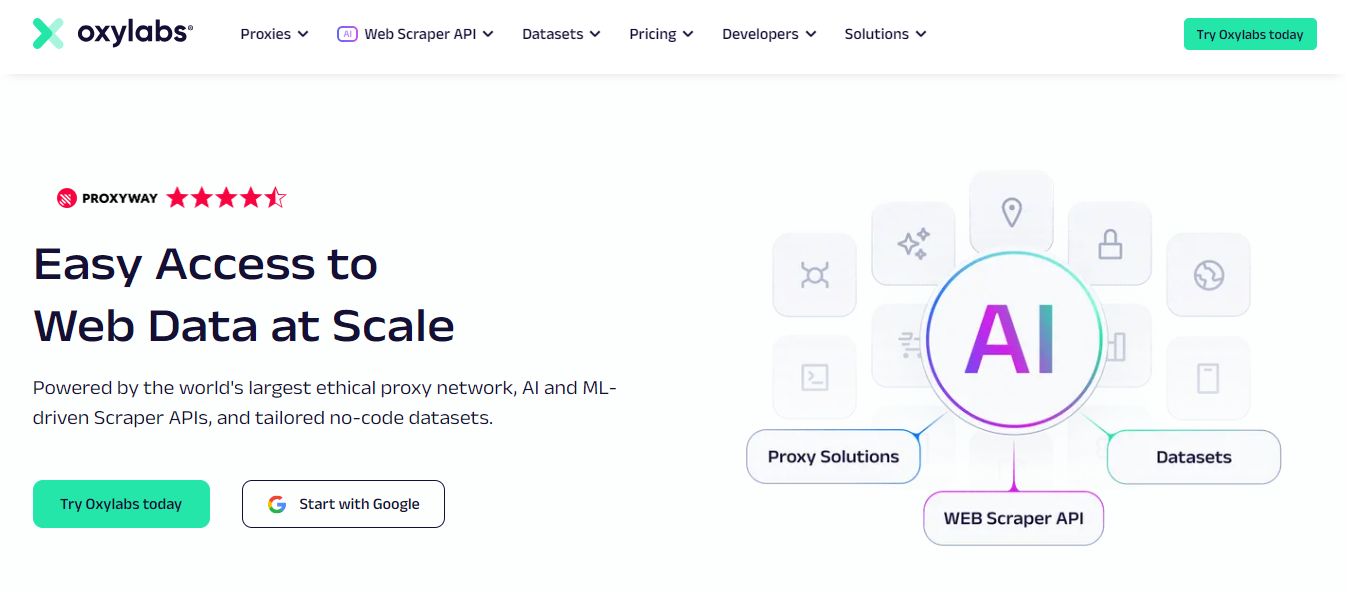
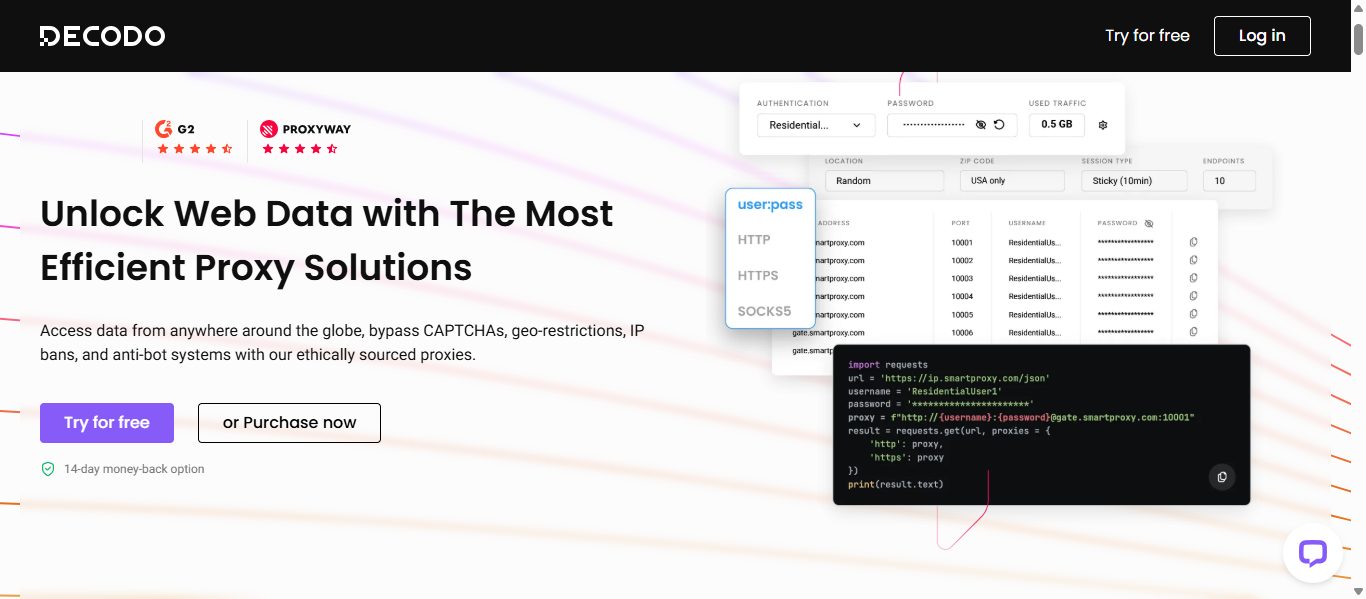



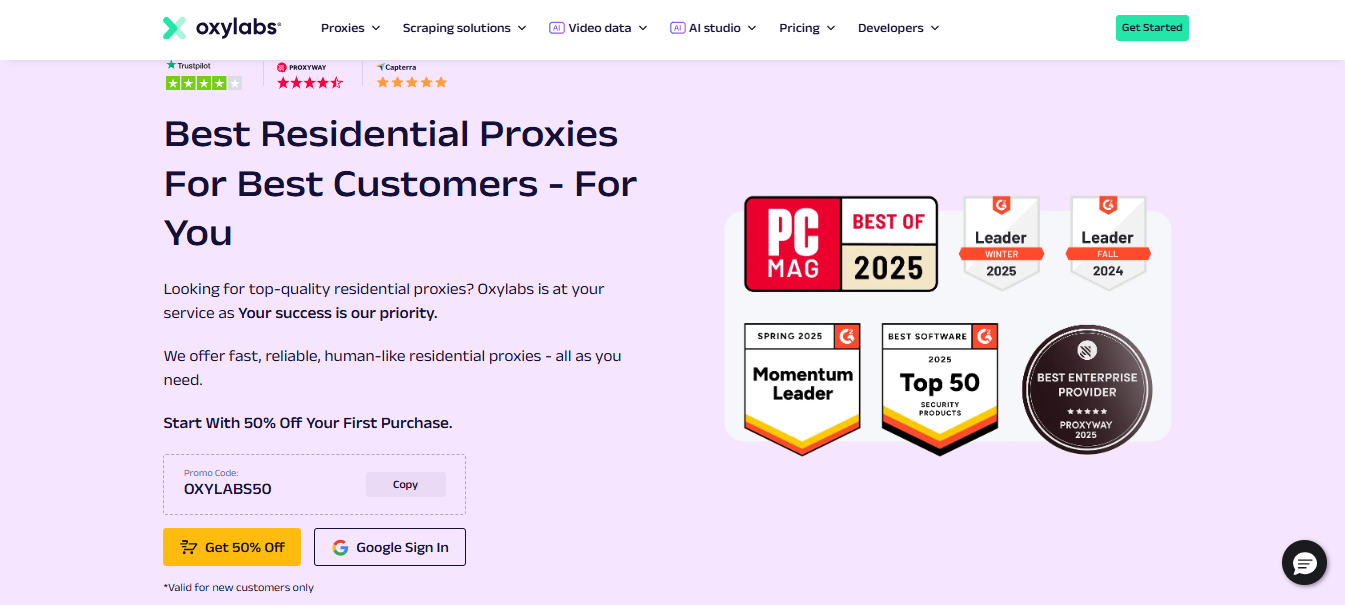
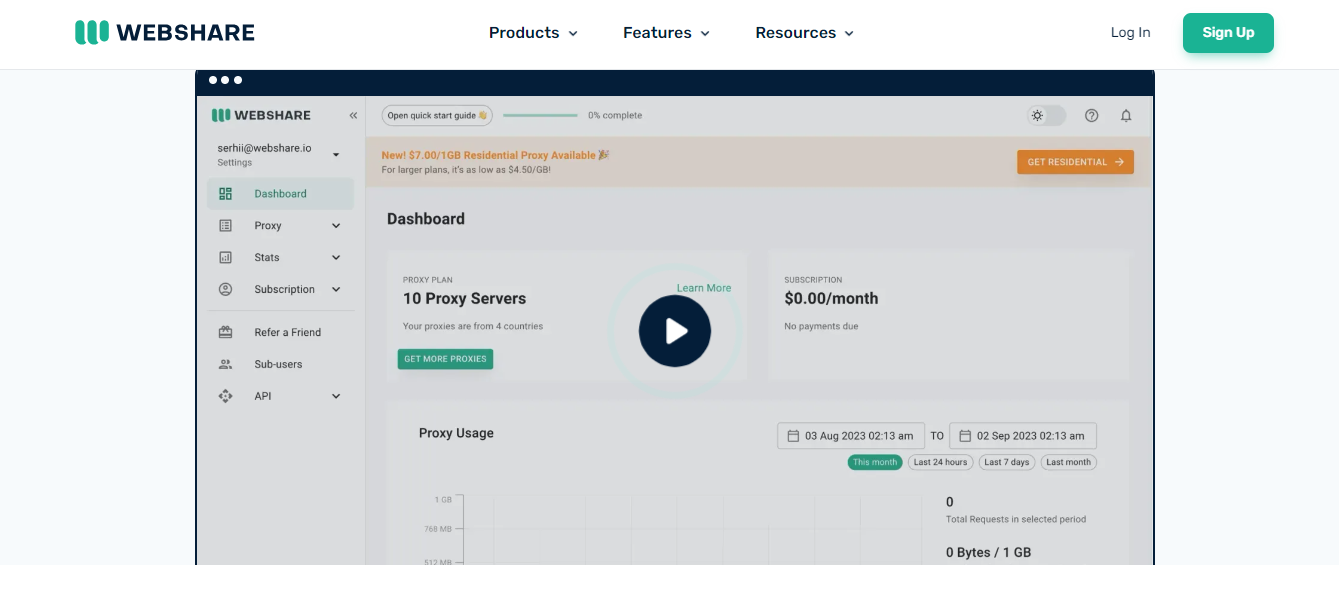

![Programs For Mining On Different Hardware [MUST READ]](https://secureblitz.com/wp-content/uploads/2022/03/The-Programs-For-Mining-On-Different-Hardware-768x402.png "Programs For Mining On Different Hardware [MUST READ]")