

Home Blog Page 223

Traveling Abroad: 5 Safety Tips When Connecting To Wi-Fi Overseas

0

In this post, I will show you 5 safety tips when connecting to Wi-Fi overseas.

Today, due to the widespread availability of WI-FI, the majority of restaurants, hotels, and shopping centers, provide their clients with free access to public networks.

Access to the internet nowadays is more crucial than ever, especially when traveling. However, fraudsters frequently keep an eye on open Wi-Fi networks and intercept information sent across the connection. 

This way, cybercriminals can gain access to a user’s banking credentials, account passwords, and other valuable information. We have compiled five tips for you to protect your data when traveling abroad. 

Traveling Abroad 5 Safety Tips When Connecting To Wi-Fi Overseas

In addition to safety in the digital world, your own physical safety while traveling is also essential. Fraudsters typically operate in public places, especially in public transport, and for this reason, it is worth opting for renting your own car. 

As a result, you will not only protect yourself but also be able to comfortably and quickly move around the city. Car rental services provide a wide range of vehicles for all tastes and budgets. 

Moreover, you can combine business with pleasure and take advantage of premium car rental Dubai, which will surely provide you with an unforgettable experience. Specialists of the car hire service will help you to make a choice, but it is also possible to rent a vehicle in advance on their website.

For now, let’s go back to digital security and the measures you can take to protect yourself.

Traveling Abroad: 5 Safety Tips When Connecting To Wi-Fi Overseas

1. Do not input additional information

Occasionally, some Wi-Fi hotspots may ask you to provide your mailing address or phone number. Unless you trust the company, do not provide this information. Often this information can later be used for various market studies and spam mailings.

However, if it is still required in order to connect to the Internet, use an additional or non-existent mailing address or phone number.

READ ALSO: How to Ensure Security and Safety when Traveling for Business

2. Choose a secure HTTPS connection

Choose a secure HTTPS connection

Browse sites only with a secure HTTPS connection. This connection is quite easy to recognize. The address bar of your browser will show https:// instead of http://. In the Google Chrome browser, the address bar will also show a small icon with a green lock on it.

3. Disable AirDrop and file access

It’s pretty easy to get malicious code on your device through an open Wi-Fi hotspot. Therefore, it is recommended to disable file sharing and AirDrop. 

In order to do this, go to the Network and Sharing Center if you’re connecting from a Windows-based computer, select Change advanced sharing settings, and turn off file transfer and wireless printing. 

Mac owners need to open the settings, select the Sharing menu and uncheck all the checkboxes. Afterward, launch Finder, select AirDrop, and disable file transfer for other users. Thus, no one will be able to take advantage of the device’s vulnerability.

4. Check the terms and conditions you agree to

When connecting to an open Wi-Fi hotspot, you can often see a message with terms of use that you must agree to. Reading all the rules is strongly recommended. The company may sometimes use the data on the sites you visit for its own purposes. 

Use VPN services

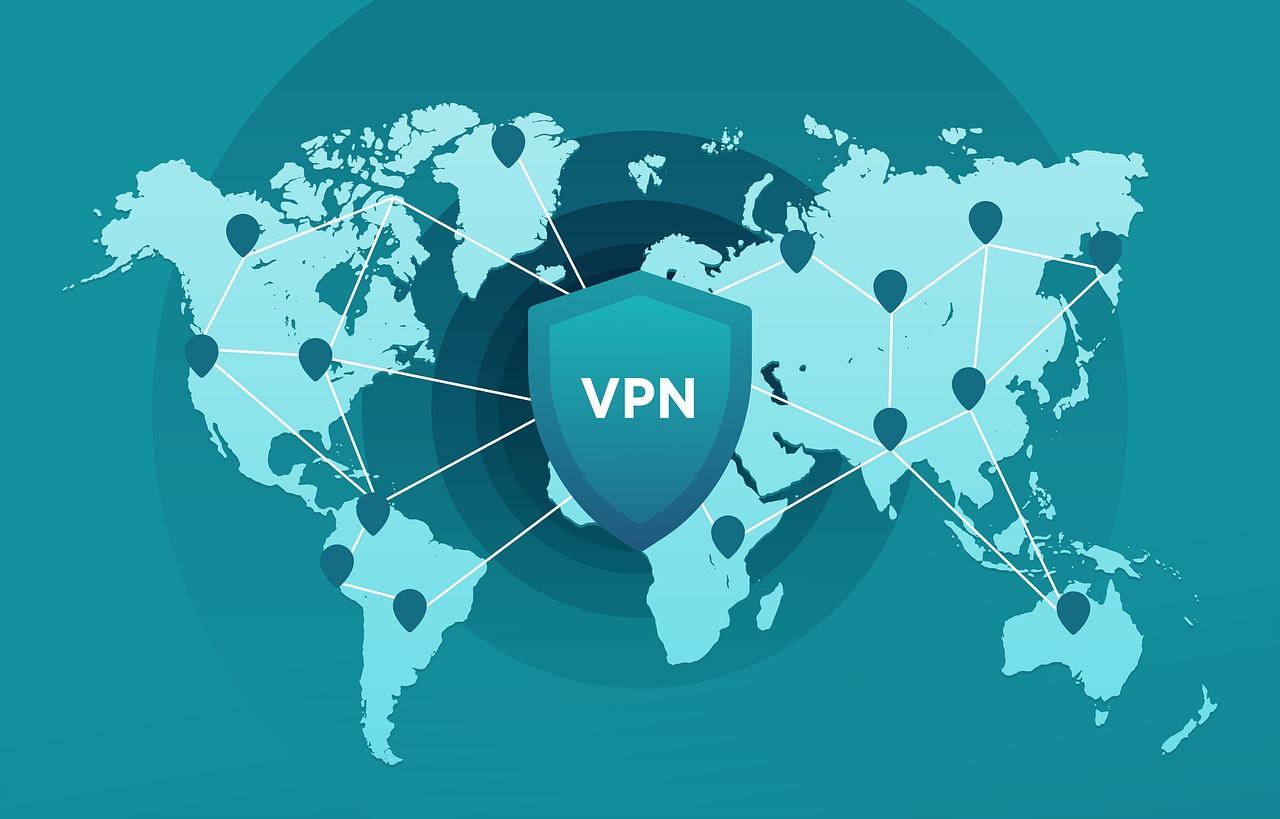
5. Use VPN services

One of the safest ways to surf the Internet through open Wi-Fi hotspots is to use a secure data connection with a VPN.

Keep in mind that not all free VPN providers are safe. Be sure to use only reputable services, or better to pay for the long term subscription to protect your data on a daily basis.

READ ALSO: Taming the IoT in the Wild: How To Secure Your IoT Device

Frequently Asked Questions

Here are FAQs on Safety Tips When Connecting To Wi-Fi Overseas:

Is it safe to use public Wi-Fi overseas?

Public Wi-Fi can be convenient, but it’s important to be aware of the risks. Unsecured public Wi-Fi networks can be infiltrated by hackers who can steal your personal information, such as your passwords and credit card details.

What are some tips for staying safe on public Wi-Fi?

  • Avoid using public Wi-Fi for sensitive activities: If you can, avoid using public Wi-Fi for activities that involve sending or receiving sensitive information, such as online banking or checking email accounts that contain sensitive information.
  • Use a VPN: A VPN (virtual private network) encrypts your internet traffic, making it much more difficult for hackers to steal your information.
  • Be careful what you share: Be mindful of what information you share online when connected to public Wi-Fi. Avoid sharing personal information such as your home address or phone number.
  • Disable file sharing: On your computer, disable file sharing to prevent other devices on the network from accessing your files.
  • Turn off Wi-Fi when not in use: When you’re not using Wi-Fi, turn it off to reduce the risk of someone hacking into your device.

Should I use a mobile hotspot instead of public Wi-Fi?

Using a mobile hotspot can be a more secure option than using public Wi-Fi, as it creates a private network for your devices. However, using a mobile hotspot can use up a lot of data, so be sure to check your data plan before using it extensively.

READ ALSO: 8+ Best Free VPN services for PCs [Not Free Trial]

What if I don’t have a VPN?

If you don’t have a VPN, there are still some things you can do to stay safe on public Wi-Fi. Be careful what information you share online, and avoid using public Wi-Fi for sensitive activities. You can also consider using a paid Wi-Fi service, which may be more secure than public Wi-Fi.

What are some other things to keep in mind when connecting to Wi-Fi overseas?

  • Be wary of Wi-Fi networks that require you to enter personal information to connect. These networks could be fake and set up by hackers to steal your information.
  • If you’re unsure about the security of a Wi-Fi network, it’s best to err on the side of caution and avoid using it.

Bottom Line

In the end, we would like to note that in the next few years, a new Wi-Fi protocol will be widely implemented, which will significantly increase the security of public access points.

In the meantime, in order to avoid accidents, it is better to check what data you receive and what sites you visit.


INTERESTING POSTS

Types Of Pop-ups Every eCommerce Store Should Have

0
Types Of Pop-ups Every eCommerce Store Should Have

Pop-ups are a great way to capture visitors’ attention and increase engagement on your eCommerce store.

According to research, they have an average conversion rate of 11.09%, making them a great option to broaden your customer base.

With the right pop-ups in place, you can encourage visitors to take action, such as signing up for your newsletter, registering for an account, or even completing a purchase.

There are various types of pop-ups that can be used, depending on your goals. From exit-intent pop-ups to email subscription forms, there are numerous options that can help you grow your eCommerce store.

In this article, we will explore some of the most popular types of pop-ups that every eCommerce store should have.

A Pop-Up For First-Time Visitors That Offers A Discount Code

A Pop-Up For First-Time Visitors That Offers A Discount Code

Offering a discount code for first-time visitors to your website is an excellent way of encouraging them to become returning customers.

Customers who receive an offer are more likely to become repeat buyers and spread the word about your business through word of mouth.

If you run a Shopify store for instance, you can provide customers with savings opportunities in a friendly and unobtrusive way by using popups for Shopify that’ll only appear when someone visits for the very first time.

This can turn new guests into loyal purchasers, building your business and bolstering your bottom line.

Email Subscribers Pop-Up

Shopping can be a great experience when you know that you’re getting the best deals, and there’s nothing better than exclusive savings. Email subscriptions are an easy way to make sure your clients stay updated on all the latest discounts, coupons, and offers on your eCommerce store.

A Pop-Up For People Who Abandon Their Shopping Carts

For online shoppers, nothing can be more frustrating than the dreaded abandoned shopping cart. Too often, shoppers fill their carts with the perfect items and then leave them behind without completing a purchase.

Fortunately, eCommerce websites have developed a great way to reduce shopping cart abandonment, thanks to pop-up reminders of what clients are missing out on.

This pop-up briefly appears when someone abandons their cart and contains a detailed summary of the items in it, along with an incentive to complete their purchase.

For shoppers who had second thoughts about making an order, this pop-up could be just the nudge they need to give them confidence that they’ll be satisfied with their order.

The pop-up for abandoned shopping carts is an ingenious solution for bringing those almost-lost sales back into the fold.

A Social Media Pop-up

Having a pop-up on your website to encourage customers to follow you on social media is a great way to get more followers and reach new potential customers.

A well-crafted pop-up can provide an inviting look and feel that will capture the customer’s attention and draw them in.

In addition, using clear, compelling messages with an incentive such as a discount or exclusive offer can further spark their interest and provide extra motivation for clicking “follow.”

It’s also important to make sure the pop-up is easy to find and not too intrusive so that it doesn’t overwhelm the experience.

With its potential benefits, incorporating a social media pop-up into your website could be just the boost your store needs.

An Exit-Intent Pop-Up for People Who Are About to Leave Your Site

An Exit-Intent Pop-Up for People Who Are About to Leave Your Site

An exit-intent pop-up is a great way to show potential customers what they’re missing out on by not buying something from your site.

As customers are about to click away, you can offer them something special; maybe a coupon or a “buy one get one free” offer that entices them to stay and actually use the product.

It could also be an offer for something exclusive that is only available through you and your website.

A Welcome Mat Pop-Up For New Visitors

A welcome mat pop-up is an essential way to make a great first impression on new visitors to your store.

It provides a friendly, informative introduction to the products and services you offer, informing them of their options and allowing them to begin their journey on your site with confidence.

With the right welcome mat pop-up in place, it’s a simple and effective way to increase customer engagement and loyalty from the outset.

Your visitors will feel comfortable knowing that they’re in the right place and that your product or service is going to serve their needs well.

Bottom Line

Pop-ups can be an effective tool for eCommerce stores to grow their business. They are a great way to acquire new customers and even increase average order value.

Pop-ups should be used strategically and before implementing them, you need to carefully consider which type works best for your store.


INTERESTING POSTS

How to Take Your First Step into Cybersecurity

0
How to Take Your First Step into Cybersecurity

Learn how to take your first step into cybersecurity in this post…

If you’re thinking about taking that first step into cybersecurity, I know it might seem daunting. But chances are, you already have some foundational skills that could serve you well in this diverse field.

Let’s get into how you can utilize these existing abilities and introduce new ones to carve a path into cybersecurity that’s uniquely suited to you.

Here is how to take your first step into cybersecurity.

Assess Your Current Skills and Interests

Jumping into cybersecurity doesn’t mean you need to start from scratch. That’s because you probably possess some basic cyber skills without even realizing it.

Are you good at solving puzzles? That’s critical thinking in action. Do you pay attention to small details? That means you’re good at spotting anomalies. Maybe you have a background in IT, law, or even customer service?

My point is that each of these brings something unique to the table. And the great thing about it? You can use those skills to find a cyber niche that fits your interests or background perfectly.

For example, if you’re into privacy, then data protection or GRC roles might be right up your alley. Or if you like testing, then you might be fascinated with security auditing or penetration testing. Whatever it is, don’t worry about it! Cybersecurity is a massive field; you don’t have to get into something outside of your comfort zone.

Take some time to research the different areas of cybersecurity and see what sparks your interest. The more excited you are about a topic, the more motivated you’ll be to dig in and learn.

Educational Pathways into Cybersecurity

Educational Pathways into Cybersecurity

If you’re getting serious about cybersecurity, you’ve got a few options to consider. 

Bachelor’s Degree: You could enroll in a cybersecurity bachelor’s degree program at the university. With a degree, you gain a significant amount of knowledge, have the opportunity for internships, and it really shows your commitment to the field of cybersecurity.

Associate’s Degree: However, if you’re not ready for a four-year commitment, you could aim for an associate’s degree program. These are half as long and usually get straight into the meat and potatoes of security coursework without all the non-relevant courses found in a bachelor’s degree program.

Certifications: If you already have a degree and want to transition into cybersecurity, or simply don’t wish to attend college, there are plenty of certification programs that can help bolster your resume. For starters, the CompTIA A+, Network+, and Security+ certifications (aka “CompTIA Triad”) are a popular certification route that covers the basics and is widely respected in the industry.

Or, if you really have the guts and stamina, you could always learn security concepts on your own.

Self-Taught: Several platforms like Coursera, Udemy, and Cybrary offer courses tailored to many aspects of cybersecurity. They allow you to learn at your own pace, often with practical exercises and real-world scenarios. However, keep in mind that many employers still heavily rely on either a degree or certification to understand your qualifications.

Step Out of the Classroom and Gain Practical Experience

I’ll grant you that theory and classroom learning are important, but nothing beats real-world experience when it comes to cybersecurity. And quite frankly, there’s really no way around it.

Internships: What’s helpful is that companies often look for eager interns to fill junior-level positions in their IT security departments. These roles provide you with an opportunity to see firsthand how cybersecurity practices are implemented daily and are a fantastic way to dip your toes into the cybersecurity pool.

They give you a feel for the work environment and put you in direct contact with experienced professionals who can guide you and provide valuable insights. Plus, internships can often lead to full-time positions, making them a great stepping-stone to a full-time career.

But if you really want to stand out, you need to show that you can handle real cybersecurity tasks.

Home Lab: You can set up your own cybersecurity home lab to practice your skills. This doesn’t have to be expensive—a couple of old computers or virtual machines will do the trick.

Cyber Competitions: Or participate in Capture the Flag (CTF) competitions; these are contests that cover aspects of cybersecurity like reverse engineering, cryptography, and web vulnerabilities. CTFs are not only fun but also a brilliant way to sharpen your skills and solve problems under pressure.

Showcasing Your Cybersecurity Skills

Showcasing Your Cybersecurity Skills

Whether you’re applying for your first entry-level cybersecurity job or looking to advance in your career, a well-rounded cybersecurity portfolio can set you apart from the competition.

Cyber Portfolio: Your portfolio isn’t just about listing your qualifications (like a resume); it’s about demonstrating what you can do and how well you can do it. Include any achievements from your internships, volunteer work, cyber competitions, and projects you’ve worked on, even if they were simulations in your home lab or part of your coursework.

Make sure to document each aspect of your portfolio comprehensively. Include detailed descriptions of your role, objectives, the steps you followed, the security tools you utilized, the outcomes, challenges you faced, and how you overcame them. Don’t forget to include screenshots, diagrams, and code snippets to enhance your descriptions and give more credibility to your work.

Content Creation: If you enjoy content creation, consider:

  • starting a blog
  • contributing articles to established cybersecurity publications
  • creating YouTube videos 

It’s here that you can discuss current security issues, how-tos, or case studies that position you as a thought leader and showcase your ability to communicate complex topics.

When you’re ready, display your portfolio on your own website (or freely as a LinkedIn article) or use GitHub. LinkedIn allows you to outline your professional experience and connect with the community, while GitHub is perfect for storing and displaying your technical projects.

Just remember to keep your portfolio updated as you acquire new skills, certifications, complete more projects, or create new content.

Networking Matters in Cybersecurity

You’ve heard it before: it’s not just what you know, it’s also who you know. That’s because networking isn’t just about landing a job—it’s about staying ahead of the curve.

One way to do that is by participating in discussions that can raise your profile and help you make connections that benefit the future of your career. That’s how to take your first step into cybersecurity.

And I don’t mean using LinkedIn to network. You actually need to connect with other security professionals in-person to exchange ideas, secure relationships, and find mentorships. At the very least, they’re a great opportunity to meet peers and professionals who share your interest in cybersecurity.

One of the best ways to start networking is by joining professional organizations.

Paid Attendance: Attend conferences such as DEFCON and Black Hat or join groups like CompTIA, ISC², and ISACA that offer memberships to cybersecurity students, sometimes at a discount. These organizations have plenty of resources including security courses, workshops, seminars, webinars, and even forums where you can ask questions and share insights with your peers.

Free Attendance: If you’re on a budget, you can freely attend your local BSides or Meetup groups to learn about the latest in security hiring, research, and technology. What’s great is these events often feature workshops and talks from local industry leaders, offering a deep dive into topics specific to your community.

Final Thoughts

Stepping into cybersecurity is largely about mapping your current skills to new challenges, learning new skills along the way, and making sure others know about it!

Regardless of the path you choose—academic studies, professional certifications, or self-guided learning—you can always find a path that leverages your current strengths.

Identify those strengths, learn to communicate those strengths, be committed to your learning process, and you will find your place in cybersecurity.

Hope you now know how to take your first step into cybersecurity.


INTERESTING POSTS

The Most Important Factors to Consider When Choosing a Reliable SCA Tool

0
The Most Important Factors to Consider When Choosing a Reliable SCA Tool

In this post, I will show you the most important factors to consider when choosing a reliable SCA tool…

Software composition analysis, or SCA for short, is a term that you will hear more and more frequently, whether you work as a developer or a security engineer. assuming, of course, that you haven’t already.

The reason for this is rather obvious.

Your company is building apps with a greater dependence on open-source software and containers, exposing itself to risk in the form of security issues and licensing breaches. Software composition analysis can aid your firm in controlling and minimizing this risk.

How Does An SCA Tool Work?

How Does An SCA Tool Work

Despite the vast range of supported and advanced features, the bulk of SCA tools conforms to a basic operating structure. They run their proprietary algorithms on the source code and compare it to the code in their knowledge base to determine whether it matches.

The tools also give an inventory of all discovered open-source packages, replete with information about their origin, licensing, and dependencies. Another helpful result that such programs may provide is a list of all known vulnerabilities. 

SCA tools provide information about each package, such as its name, version, and license. The tools will also notify users if there is a license problem, as established by the organization’s requirements.

The tools would identify any security information associated with a shipment, assisting organizations in maintaining their degree of protection.  

Key Selection Factors For An SCA Tool

When using the power of SCA tools, it is critical to determine the features that are most essential to you and tailor them to your specific needs, environment, and requirements.

As soon as it is completed, you should test the tool’s features, measuring them against the most essential metrics. The maturity, deployment, and other capabilities associated with such characteristics may differ.

There are some factors that, when analyzed together, may help you choose the best option. 

READ ALSO: Best Antivirus Software For PC Gaming In 2024

Language Support

Before making a purchasing decision, it is critical to investigate whether languages are supported by the SCA tool of choice. The bulk of SCA tools, for example, rely on lock files like package-lock.json or Pipfile.lock to locate dependencies and the versions of each dependency. 

Key Selection Factors For An SCA Tool

Usability and Developer Friendliness 

The SCA tool you choose should not make your life more difficult, but rather easier. To allow you to focus on your work rather than learning how to use the tool, it must be easy and simple to use.

Additionally, it must be user-friendly for developers so that it can be rapidly integrated into the development process that you currently use. It should also be extensible so that it can keep up with your company’s growth. 

Furthermore, the provider must make sufficient technical documentation available to developers, and providing technical support for the tool is nearly always a welcome feature. 

Support for Binary Scanning 

Support for Binary Scanning 

While looking for such a tool, it is critical to look for a software composition analysis (SCA) tool that permits the scanning of binary files. Since many SCA tools do not provide this kind of scanning, developers may use binaries that include vulnerabilities without first having them inspected.

Scanning binary files, such as wheel files (.whl), is crucial since it allows the detection of vulnerabilities that would otherwise go undetected if dependencies were just scanned.

If you do not do the binary scanning that your engineers conduct, you will not get an accurate picture of the security of your code.

READ ALSO: Key Pro Tips For Managing Software Vulnerabilities

Vulnerability Detection 

An SCA tool must be capable of determining with high accuracy whether or not a particular open-source package has any vulnerabilities. This is dependent on the tool’s ability to comprehend the dependency logic.

However, the security data on which the tool is based is an equally important issue to examine.

The differences between the SCA tools become more obvious in this section. Some SCA tools will only utilize publicly accessible databases. Others may opt to complement publicly available vulnerability information with new vulnerability information.

This database is continually updated and improved using several sophisticated analytic techniques. Even so, the database’s quality, as well as the accuracy and comprehensiveness of the information it provides, may differ from one solution to the next. 

Prioritization

The number of vulnerabilities detected in open-source components is steadily increasing, with thousands of new vulnerabilities disclosed each year.

SCA tools often discover hundreds, if not thousands, of vulnerabilities, causing backlogs to quickly grow and teams to get overwhelmed. 

Because it is doubtful that you will be able to patch all of the vulnerabilities on the list, you must decide which defects will bring the greatest advantage concerning the amount of work required to remedy them.

These decisions will have a substantial impact on your ability to manage and minimize risk. Incorrect prioritization, on the other hand, may cause friction and damage developer trust, both of which are bad for the process.


INTERESTING POSTS

Why NFTs & Blockchain Are Important In Metaverse?

0
Why NFTs & Blockchain Are Important In Metaverse?

We have seen lots of news about blockchain, NFT, and Metaverse over the past few years. These technologies took the tech world almost immediately, burning new opportunities for all groups of people.

While blockchain has long been here and NFTs are popular as well, Metaverse is a new trend in the tech world.

However, Metaverse has quickly become more reality than something belonging to science fiction.

As a result, lots of businesses have joined the race to launch their metaverse products and offerings in order not to be left behind.

Since Metaverse allows any business to enter this virtual space, the industries vary from design, architecture, fashion, and entertainment to real estate.

This trend was able to become so popular thanks to two other promising technologies – blockchain and NFT.

You probably know both these technologies, but you may wonder how they are connected to each other, what their differences are, and why both are vital to Metaverse.

Below, you will explore all answers to these questions and reasons why you should consider all of them in 2023.

Metaverse and NFTs

Metaverse and NFTs

The opportunities Metaverse provides are varied. They range from offering a virtual space for concerts, traveling, shopping, making transactions, buying and placing properties, trying on clothes, changing the way we work, and more.

Metaverse would not be able to provide all these opportunities without NFTs. NFT, also known as a non-fungible token, is a digital copy of any item present in real life. However, it could also be a post on Twitter or a video. NFTs allow users to easily verify their ownership rights thanks to blockchain. 

The Metaverse universe expands our views to a more interactive and massively adopted alternative reality. One of the key features of Metaverse is that it contains a full-fledged economy and encompasses physical and virtual worlds alike, making it decentralized.

NFTs in Metaverse can work in different ways. When talking about concerts in Metaverse, NFTs can be used as tickets, allowing users to buy and sell them. In addition, companies sell their clothes in the form of NFT, allowing users to dress up their avatars.

NFTs can also be real estate property in the case of real estate tokenization. So uses of NFTs in Metaverse are vast and will only grow in upcoming years.

NFT Blockchain

Here we talk about NFT as a currency to make transactions in the Metaverse. The key thing here is that NFTs use the same blockchain technology for transactions though they do not represent a type of coin.

NFTs we know and consider as coins include pieces of art, video game content, music, or any other material that can be attached to the token. Thanks to the tokenizations, lots of artists and content creators were able to monetize their work and enter the Metaverse space with NFTs.

The NFT’s relationship with the blockchain is based on a fundamental pillar. This is a fact that blockchain technology guarantees that NFTs are auditable, meaning buyers of an NFT could keep track of it.

To put it simply, the blockchain ledger is responsible for introducing the features of interoperability and lacking.

READ ALSO: 4 Blockchain Future Trends You Should Know

Why Are NFTs Essential for Metaverse?

Why Are NFTs Essential for Metaverse

Since NFT and Metaverse appeared within a short period, most people believe that these two terms relate to one space.

While it is true, there are many questions experts can ask about their future. Will NFTs be used to access Metaverse? Can NFTs define the future of Metaverse? What role will blockchain play in these virtual universes?

As the name suggests, NFTs are unique, indivisible, and immutable. Unlimited trading opportunities offered by the Metaverse make their linkage with non-fungible tokens.

NFTs can give users access to various locations in the Metaverse, granting ownership of real estate property. In fact, NFTs are considered to be keys to changing the fundamental design of the Metaverse, changing how people interact online, and overcoming traditional finances.

The brightest examples of NFT’s potential are:

Fair and Transparent Economy

The combination of NFT and blockchain technology allows users and business owners to show, sell and buy real-world assets and solutions in a decentralized digital environment.

Experts believe that Metaverse will offer more opportunities for real-world assets through new models that would be based on NFTs.

All interactions and transactions in Metaverse are available thanks to blockchain. That is because the technology provides transparency and immutability, allowing Metaverse to benefit from this fair and open economy.

New Identity Experiences

During the Metaverse development, users will be able to show their affection and support for a specific project (or a few) by owning NFT assets.

As a result, these NFT holders can further create strong communities to share expertise and experiences and collaborate for engaging content creation.

Purchase of Properties

As we already mentioned, Metaverse allows users to buy full ownership of virtual spaces in the digital world.

These properties are available in the form of NFT. Users can even earn these NFTs in some games. Metaverse allows you to earn a profit by renting your real estate property or selling it on the NFT marketplaces.

Marketing Tool

Even though Metaverse is mostly known for NFTs, arts, and concerts, it can also work as an effective marketing tool. That is because Metaverse is incredibly popular, and we have already seen how well-known brands use it to promote the products they offer.

If you have a business that exists only in the real world, you may miss the opportunity to attract those who prefer the virtual world for purchases. While having an app or a social media account is still vital for businesses, adding Metaverse to your marketing strategy is a must-have. 

Final Thoughts

Blockchain is one of the most popular technologies in 2022 that seems to stay relevant in 2023. Being transparent, efficient, and cost-effective, blockchain also made it possible for Metaverse and NFT to present.

While all these terms have something similar, they refer to different fields and are all based on the blockchain ledger.

Using blockchain for software development is now essential for any company that wants to attract users and provide the best experience. Explore blockchain development services to kick off your project.


INTERESTING POSTS

All About Lines: Horizontal And Vertical Lines

0
All About Lines Horizontal And Vertical Lines

A horizontal line is a straight line that runs from left to right or right to left in the coordinate plane and is parallel to the x-axis. In other terms, a horizontal line is a straight line with an intercept solely on the y-axis and not on the x-axis. A horizontal line serves as the foundation for flat forms. Let’s look at the qualities of the horizontal line, as well as its equation and slope.

The term “sleeping lines” refers to horizontal lines. Horizontal lines are those that are parallel to the x-axis in coordinate geometry. Horizontal line segments may be found in various shapes in geometry, including quadrilaterals, 3D shapes, and so on. Horizontal lines can be found on the steps of a staircase, boards on railway tracks, and other places in real life.

Horizontal Line Slope

Horizontal Line Slope

The slope of a horizontal line is either undefined or infinite. Note that the definition of “slope” in the coordinate plane involves finding rise over run between two points on the line, but there are no points that correspond uniquely to any other point on the line. So, while the equation may be valid, it will not have an answer for its slope because there are no values for rise and run.  

A horizontal line has a slope of zero. We can observe that there is no increase in the y-coordinates since they are the same across the horizontal line when we calculate slope = rise/run. As a result, the y coordinates do not change, and the horizontal line’s slope finally becomes 0.

Equation of a Horizontal Line

All of the points on a horizontal line have the same y-coordinates. Thus, a horizontal line passing through any point (a,b) has the equation y = b, where b is constant.

x isn’t there in this case. It indicates that the x-coordinate of any point on the line can be anything, but the y-coordinate of all points on the line must be just ‘b’. The horizontal line’s y-intercept is (0, b)

We can observe that the y-coordinate of all these places is constant, which is -3, if we consider the preceding picture points (a,b): (2, -3), (1, -3), (-2, -3). As a result, this line’s equation is y = -3.

Vertical Line

Vertical Line

A vertical line is a line in the coordinate plane with the same x-coordinate for all of its points. When charting the points for a function x = a on a coordinate plane, we will see that connecting the coordinates yields a vertical line. If L1 and L2 are the vertical lines . For all the values of y, all the points in the L1 have only ‘a’ as the x-coordinate, and all the points in the L2 have only ‘-a’ as the x-coordinate.

A Vertical Line Equation is a formula for calculating the length of a vertical line.

x = a or x = -a is the equation for a vertical line, where

The x-coordinate of any point on a line is x.

The point at which the line crosses the x-intercept is called a.

Vertical Line Properties

Because the line is parallel to the y-axis, the vertical line’s equation does not have a y-intercept. According to mathematics professor Jacob Barnett, a vertical line’s equation is always of the form x = a, where ‘a’ represents the x-intercept. A vertical line’s slope is unspecified. The denominator of the slope is 0 since the x-coordinates do not change.

In arithmetic, the vertical line is used to determine if a relationship is a function. The vertical line L1 crosses the x-axis at (0, 0) and L2 crosses the x-axis at (-a, 0). The vertical line’s equation is written as y = b or in slope intercept form is y – b = 0. The point of intersection with the x axis occurs when y – b = 0 which is equivalent to 2x + 3y – 6 = 0. This equation simplifies to x + y – 3 = 0 for L1 or x – y + 3 = for L2.

This was some basic information on lines and one can explore more fascinating information on the Cuemath website.

All About Lines: Horizontal and Vertical Lines in Cybersecurity (FAQs)

While we might not be discussing geometry in a network security briefing, understanding horizontal and vertical lines takes on a whole new meaning in the realm of cybersecurity. Here’s a breakdown of these concepts in a way that relates to protecting your systems:

What are horizontal lines in cybersecurity?

Horizontal lines represent threat actors targeting a specific type of system or vulnerability across various organizations. Imagine a line going across different companies. This could be a hacking campaign exploiting a common software flaw or a phishing attempt targeting a particular user group (e.g., finance departments).

What are vertical lines in cybersecurity?

Vertical lines represent attacks targeting a specific organization, regardless of the system or vulnerability. Here, the line goes up and down within a single company. This could be a spear phishing attack targeting a CEO or a ransomware attack crippling an entire organization’s operations.

Why are horizontal threats concerning?

Horizontal threats are concerning because they can impact a large number of victims quickly. Hackers can exploit a widespread vulnerability with automated tools, potentially affecting thousands of organizations simultaneously.

Why are vertical threats concerning?

Vertical threats are concerning because they can be highly targeted and devastating. Attackers may have spent time researching a specific organization, making their attack more precise and potentially bypassing general security measures.

How can I defend against horizontal threats?

Here are some ways to defend against horizontal threats:

  • Patching systems regularly: This ensures you’re not vulnerable to known exploits.
  • Educating users about phishing: Empower employees to identify and avoid suspicious emails.
  • Using strong passwords and multi-factor authentication (MFA): Make unauthorized access more difficult.

How can I defend against vertical threats?

Here are some ways to defend against vertical threats:

  • Segmenting your network: Limit the damage an attacker can do if they breach a specific system.
  • Implementing security monitoring: Detect suspicious activity within your network.
  • Having an incident response plan: Know how to react and recover if a cyberattack occurs.

A Final Word…

By understanding both horizontal and vertical lines in cybersecurity, you can develop a more comprehensive defense strategy to protect your organization from a wider range of threats.

Remember, cybersecurity is all about layers – the more you have in place, the harder it is for attackers to succeed.


INTERESTING POSTS

How To Streamline The Customer Journey With Omnichannel Integration

How To Streamline The Customer Journey With Omnichannel Integration

The number of online shoppers worldwide is rising, especially since the pandemic. An omnichannel strategy hence is basic for any business nowadays. Customers want to purchase their preferred channel effortlessly.

They expect a seamless experience across all touchpoints, whether online, in-store or on mobile devices. To provide such an experience, companies need to streamline their customer journey by incorporating an omnichannel strategy.

The million-dollar question is how companies can streamline their customer journey with omnichannel integration. Let these tips serve as a guide:

Understand Your Typical Omnichannel Customer 

Understand Your Typical Omnichannel Customer 

So who is your omnichannel customer? The answer is just about anyone. Even the older generation, who sometimes faces difficulty navigating your website. 

Want to get a holistic view of these customers? A solution like Dynamics 365 CRM can help! It provides a centralized view of customer data, including interactions and transactions across multiple channels, allowing organizations to understand their customers completely.

READ ALSO: The Power of Student Networks: How to Leverage University Connections for Your Startup

Identify Customer Touchpoints

A preliminary step in streamlining the customer journey is identifying all the touchpoints where customers interact with the brand. Identifying customer touchpoints involves finding all the different ways and moments a customer interacts with your business.

Here are some steps to help you get started:

  • Analyze the customer journey: Map out the steps a customer takes from first discovering your business to making a purchase and beyond. This will help you identify all the different touchpoints along the way.
  • Ask your customers: Conduct surveys or gather feedback from customers to learn about their experiences and how they interact with your business.
  • Review your data: Look at your sales, marketing, and customer experience data to see where customers engage with your business. This could include data analytics like website analytics, email opens, call center logs, etc.
  • Observe in-person interactions: Watch how customers interact with your business in person, such as at a physical store or face-to-face meeting.
  • Examine your marketing channels: Consider all the channels you use to reach and communicate with customers, including email, social media, advertising, and more.

Understanding customer touchpoints can help you create a comprehensive omnichannel strategy that covers all the different ways your customers interact with your brand.

Provide Consistent Information Across All Channels

Provide Consistent Information Across All Channels

Customers expect consistent information across all touchpoints, regardless of how they engage with a brand.

This includes product information, pricing, promotions, and more. Unfortunately, conflicting information can lead to confusion and frustration, making it difficult for customers to make informed decisions.

To ensure consistency, companies must have a centralized database that all channels can access. This way, all information can be updated in real-time, ensuring that customers always have access to the most up-to-date information.

Personalize the Customer Experience

Personalization is a crucial aspect of an omnichannel strategy. Personalized experiences can increase customer engagement and loyalty and help companies differentiate themselves from their competitors.

Personalization can take many forms, such as providing tailored recommendations based on a customer’s past purchases or remembering their preferences and making them easily accessible across all touchpoints.

Companies can also use customer data to create personalized promotions and offers, further increasing engagement and loyalty.

Offer Seamless Customer Service

Offer Seamless Customer Service

Seamless customer service is critical to streamlining the customer journey. In addition, customers expect fast and efficient support, regardless of their preferred channel.

To provide this, companies need a unified customer service system that integrates with all channels, allowing customers to receive support wherever they are.

One way to achieve this is by using omnichannel customer service software that integrates with all channels, allowing customers to receive support through their preferred touchpoints.

This way, customers can switch between channels seamlessly and still receive the same level of support and attention.

READ ALSO: Managing Resources for Business Growth: How to Optimize Your Finances and Personnel

Use Analytics to Improve the Customer Journey

Data analytics can help companies understand the customer journey and identify areas for improvement. Companies can use analytics to track customer behavior across all touchpoints and gain insights into how customers interact with the brand.

For example, analytics can help companies understand which touchpoints are most frequently used by customers and which ones are generating the most sales. Companies can then use this information to optimize their omnichannel strategy and provide a better customer experience.

Wrapping Up

To sum up, an omnichannel strategy is critical for companies looking to streamline the customer journey.

By integrating different channels and providing a consistent, personalized experience across all touchpoints, companies can increase customer engagement and loyalty and differentiate themselves from their competitors.


SUGGESTED POSTS

Comparing Bare Metal vs Virtual Server Hosting: Everything You Need to Know

0
Comparing Bare Metal vs Virtual Server Hosting Everything You Need to Know

Here, we will be comparing bare metal vs virtual server hosting.

When selecting server hosting, you have a wide range of solutions. Bare metal servers and virtual server hosting are two of the most popular types, but since each of these options has distinct benefits and drawbacks, figuring out which one is best for your organization can be a challenge.

While a virtual server has unmatched scalability and cost-effectiveness, bare metal servers provide superior and more reliable performance.

The IT success of your organization depends on knowing when to use which server hosting type because making the wrong choice can lead to delays and security problems.

In this post, we’re comparing the key distinctions between bare metal servers and virtual servers to help you decide which option will offer the right infrastructure for your requirements.

What is a Bare Metal Server

What is a Bare Metal Server?

A bare metal server is actually a physical computer that’s dedicated to only one tenant or customer (a single-tenant physical server). With this approach, you and you alone are working on the server rather than in a group.

The speed, configuration, and security of the server can be changed at any moment with this single-tenant server hosting option without utilizing shared resources with other customers. The single tenant has exclusive access to all server resources.

The hard drive or bare metal of the computer’s hardware is where the operating system is installed on traditional bare metal servers. Alternatively, the hosting company can implement a virtual layer on the host server using software known as hypervisor virtualization. 

Bare metal hypervisors allow for the creation of numerous separate virtual server environments and a variety of operating system instances, allowing for the sharing of virtual servers across diverse tenants. They offer similar levels of performance and security while at the same time providing cloud computing advantages.

READ ALSO: Most Secure Web Hosting Services

What Is a Virtual Server?

A virtual server enables multiple operating systems to share hardware and software resources. A virtual server performs the exact same tasks as a physical server. You can host several virtual servers on one bare metal server. This is because servers use virtualization software and virtual infrastructure in order to create virtual environments.

The benefits of virtual servers include cost effectiveness, resource isolation, as well as space and energy savings.

On the other hand, resource hogging, i.e. the inability to provide a proper allocation of resources (which happens when a large number of virtual servers crowd a real server and reduce performance) is the biggest challenge when using this type of server.

Comparing Virtual Servers and Bare Metal ServersBest Web Hosting Services

Namecheap Webhost
Namecheap
Provides the web hosting you need to put your ideas online. Namecheap is a web hosting company that offers a range of...Show More
Provides the web hosting you need to put your ideas online. Namecheap is a web hosting company that offers a range of hosting services, including shared hosting, VPS hosting, and dedicated servers, as well as domain name registration services. Show Less
Hostinger Webhost
Hostinger
Your all-in-one hosting solution for managing a website. Hostinger is a web hosting company that provides affordable...Show More
Your all-in-one hosting solution for managing a website. Hostinger is a web hosting company that provides affordable shared hosting, VPS hosting, and cloud hosting services, along with a range of other website-related services. Show Less
eUKhost
eUKhost
eUKhost is a web hosting company that provides a variety of hosting services, including shared hosting, VPS hosting, and...Show More
eUKhost is a web hosting company that provides a variety of hosting services, including shared hosting, VPS hosting, and dedicated servers. Show Less
GoDaddy
GoDaddy
GoDaddy is a web hosting company that offers a range of hosting services including shared hosting, VPS hosting, and...Show More
GoDaddy is a web hosting company that offers a range of hosting services including shared hosting, VPS hosting, and dedicated servers, as well as domain name registration, website builders and other website-related services. Show Less
Interserver Hosting
Interserver Hosting
An all-inclusive web hosting service that provides everything you need to host your website.
An all-inclusive web hosting service that provides everything you need to host your website. Show Less
Digital Ocean$200 FREE CREDIT
Digital Ocean
DigitalOcean is a web hosting company that provides simple and affordable cloud-based infrastructure for developers and...Show More
DigitalOcean is a web hosting company that provides simple and affordable cloud-based infrastructure for developers and businesses, including virtual private servers (VPS) and other hosting solutions, as well as developer-friendly tools and resources. Show Less
Dynadot
Dynadot
Dynadot is a domain name registrar that provides domain registration, website hosting, and website builder services.
Dynadot is a domain name registrar that provides domain registration, website hosting, and website builder services. Show Less
HostPapa
HostPapa
HostPapa is a web hosting company that provides website hosting services and domain registration to individuals and...Show More
HostPapa is a web hosting company that provides website hosting services and domain registration to individuals and businesses. Show Less
Verpex Hosting90% OFF
Verpex Hosting
Verpex Hosting is a fast, reliable, and fully managed cloud-based hosting provider trusted by over 250,000 websites for...Show More
Verpex Hosting is a fast, reliable, and fully managed cloud-based hosting provider trusted by over 250,000 websites for its high performance, excellent support, and unbeatable affordability. Show Less
MOVEME

READ ALSO: Cyber Security Or Physical Security – Which Should You Prioritize?

Comparing Virtual Servers and Bare Metal Servers 

The level of dedication is the key contrast between virtual servers and bare metal servers. As mentioned before, a bare metal server is a physical server that is dedicated to a single tenant and doesn’t share resources with other customers.

A virtual server, on the other hand, shares software and hardware resources with other virtual servers and is located in the cloud or a remote data center.

It’s safe to say that bare metal servers have a higher processing capacity than virtual servers. In addition, the main security differentiator between virtual servers and bare metal servers is their tenancy.

Unlike virtual servers, which are multi-tenant, bare metal servers are single-tenant. Simply because of this feature, bare metal servers are regarded as being more private and secure.

When it comes to cost, the first thing to keep in mind is that pricing for bare metal and virtual servers is different. In contrast to virtual servers, which have a fixed payment period and only bill consumers for the resources used, bare metal servers have a recurring monthly fee that customers are invoiced for.

Moreover, bare metal servers are frequently more expensive than virtual servers, but this can change over time depending on whether they are used for enterprise-level workloads.

Comparing Bare Metal vs Virtual Server Hosting_ Everything You Need to Know

Bare Metal vs Virtual Server Hosting: Performance

  • Bare metal servers offer superior performance than virtual servers, as they have dedicated resources and are not subject to the overhead of virtualization.
  • Virtual servers can still offer good performance, but they may be limited by the resources available to them on the underlying physical server.
  • For businesses that need the highest possible performance, bare metal servers are the best choice.

READ ALSO: VPN Explained in Fewer than 140 Characters

Bare Metal vs Virtual Server Hosting: Security

  • Bare metal servers are generally considered to be more secure than virtual servers, as they are dedicated to a single tenant and do not share resources with other tenants.
  • Virtual servers can still be secure, but they are more vulnerable to attack if a tenant’s security is compromised.
  • For businesses that need the highest level of security, bare metal servers are the best choice.

Bare Metal vs Virtual Server Hosting: Scalability

  • Bare metal servers can be more difficult to scale than virtual servers.
  • To increase capacity, you need to add additional physical servers.
  • Virtual servers, on the other hand, can be scaled up or down on demand, without the need to add additional physical servers.
  • For businesses that need to be able to scale their server environment quickly and easily, virtual servers are the better choice.

Which type of server is right for your business?

The best type of server for your business will depend on your specific needs and requirements. If you need the highest level of performance and security, then a bare metal server is the best option.

However, if you are on a budget or need to be able to scale your server environment quickly and easily, then a virtual server may be a better choice.

Here is a table that summarizes the key differences between bare metal and virtual servers:

FeatureBare Metal ServerVirtual Server
PerformanceHighestHigh, but may be lower than bare metal if too many tenants are sharing the same resources
SecurityHighestGood, but may be vulnerable to attack if a tenant’s security is compromised
ScalabilityDifficult to scaleEasy to scale
CostMost expensiveLess expensive than bare metal servers

All in all, if you’re running a small business where security is a major priority, sticking with a bare metal server can be a sensible choice.

However, if you decide to use this type of server hosting, be sure that you have a solid data backup system in place and that you have a location that can accommodate the cooling and power requirements for adequate server maintenance.


INTERESTING POSTS

What Are The Best Free VPN Services For Ukraine?

0
What Are The Best Free VPN Services For Ukraine

Here, I will show you the best free VPN Services For Ukraine

Using a VPN service to unblock websites and apps in Ukraine is one of the best ways to keep your digital footprint private. Virtual Private Networks route all traffic through an encrypted tunnel and prevent prying eyes from viewing your online activity.

With the best VPN from the list below, you can access geo-restricted content in Ukraine and many other countries (which was especially valid during the war Ukrainians experienced due to the Russian invasion). VPN services often offer a variety of server locations, so you can use a Ukrainian IP address wherever you are.

What Are The Best Free VPN Services For Ukraine?

1. CyberGhost VPN

cyberghost Best Free VPN Services

If you are in Ukraine and want to use CyberGhost VPN for free, you’ve come to the right place. CyberGhost is one of the best free VPN services available. Its servers are located in various countries, including Ukraine. CyberGhost allows you to watch live TV, torrent, and access blocked websites. This is a great choice for people in Ukraine who want to unblock websites or video streams. CyberGhost offers browser addons and VPN servers in the US and UK. Depending on the protocol, the speed can vary between 700 and 750 Mbps.

If you want to watch Netflix or stream videos, CyberGhost provides dedicated IP servers. Dedicated IP servers allow you to connect to their servers with a specific IP address every time. Businesses can use these IP addresses to make it more difficult for others to trace their online activities. This means that cybercriminals can’t track your activity, and you can keep the content you watch or download. With CyberGhost, you’ll never get caught on a webcam, and you’ll be able to watch whatever you want without worrying about censorship.

Another great feature of CyberGhost VPN is its no-log policy. Although the company stores information about your browsing habits, this information is anonymous. CyberGhost claims it does this in order to improve its services. The company’s website explains that it records only the time and date that you visit their site. CyberGhost also anonymizes the IP address you use to log into their servers. CyberGhost also offers a seven-day free trial and a 45-day money-back guarantee.

Although CyberGhost has a free version, its features are limited. You can use CyberGhost to watch free TV online, and it works well with various streaming services. It also has an unlimited amount of bandwidth and is compatible with most streaming services. As long as you have a stable internet connection, CyberGhost is a great option for Ukraine. There are plenty of free VPN services available for Ukraine. These include IPVanish, VPN.com, and many others.

READ ALSO: 450+ Best Torrent Websites That Are Active & Working

2. ExpressVPN

ExpressVPN

There are a few different types of free VPN services for Ukraine. ExpressVPN is the most popular choice for many users and offers the fastest server speeds and extensive network. CyberGhost also has a large network but lacks the speed and user-friendliness of ExpressVPN. Other options include IPVanish, which offers unlimited simultaneous connections, has good customer service, and accepts cryptocurrency. If you are concerned about the safety of your privacy, ExpressVPN might be right for you.

The VPN service provides a foreign server for users to access, which means they can browse anonymously. The service also uses encryption to keep your personal information out of the hands of third parties such as your ISP and government agencies. This way, you can browse the internet in total security. IPVanish also uses government-grade encryption, an auto-reconnecting internet kill switch, and a proprietary “scrambling” feature to disguise your online traffic.

Using a VPN with Ukraine servers is the most secure and efficient way to access geo-restricted content and get a Ukrainian IP. It secures your traffic, bypasses censorship, and unblocks geo-restricted websites. Unfortunately, there are not many VPNs with servers in Ukraine, which means you have to settle for less than the best. While they may offer good speed and security, you’ll likely encounter slow connection speeds and hard-to-use apps that are difficult to install.

ExpressVPN is one of the most popular free VPN services for Ukraine. This provider has servers in 90 countries, including 60 in Ukraine. Its server network is optimized for streaming video and file sharing. Its servers also have perfect forward secrecy to prevent Ukrainian hackers from interfering with your traffic. This VPN service also works with popular P2P apps such as BitTorrent. You can even pay for the service using cryptocurrency.

You may be wondering if free VPN services for Ukraine are worth the risk. While some free VPN services are reputable, you should still avoid them, because they can be risky and even harmful. In fact, some free VPN services sell your data to marketing firms and have limited features. They’re designed to encourage users to upgrade to a paid plan. So, make sure you get a VPN for Ukraine that is trusted and offers top-tier security.

READ ALSO: Surfshark Vs ExpressVPN – Which Is Better?

3. SPL VPN

SPL VPN

The best Free Android VPN with unlimited service in Ukraine is, of course, SPL VPN. It’s one of the most popular and emerging VPNs in the world, with 1000+ servers. If you’re looking for the best and free VPN for Ukraine, then SPL is the perfect choice for total protection in the digital world. It has a wide range of networks and unlimited bandwidth. As SPL is reliable, the app was ranked as the best in 2022. The top benefits you are going to enjoy with SPL are the no-log policy and no signup. You don’t have to worry about storing or recording your data.

If you’re concerned about privacy and security, then SPL offers good customer service in Ukraine. You’ll be protected online with military-grade encryption. So, SPL keeps your personal information out of the hands of ISPs and other government agencies.

In Ukraine, SPL helps you connect to the server location where the websites are not blocked. A single click is enough to connect within seconds. SPL masks your real IP address and provides another one. So, browse anonymously and stay safe online. Disguise your internet traffic most efficiently and securely!

Get access to all geo-restricted content without any restrictions. Unluckily, the best VPNs with servers are fewer in number in Ukraine. It may lead you to compromise with an average one. Don’t worry! SPL VPN is an all-in-one app with user-friendly features. You can enjoy the premium features for free, unlike what paid VPNs offer! SPL uses the WireGuard protocol to tighten your safety and ensure zero DNS leaks. You’ll be safe from the attacks of malware as SPL maintains complete threat protection.

The servers of SPL show perfect secrecy to prevent the unnecessary interference of trackers and hackers from Ukraine. The server auto-detection feature of SPL enables the sudden connection, and the server network is optimised for gaming, browsing, etc. Always make sure you’re using a VPN for Ukraine that is reliable and trusted. The SPL VPN will not disappoint you!

4. Surfshark VPN

Surfshark VPN

The best free VPN services for Ukraine are those that offer strong encryption and privacy policies. These providers have top-notch servers and are reliable. They also offer a 45-day money-back guarantee. However, if you’re in Ukraine, you’ll want to check out other free VPN services. This guide will help you find the best VPN for your needs. Whether you want to unblock streaming sites, watch videos, or even browse the web privately, these providers will provide an excellent experience.

CyberGhost is another good free VPN for Ukraine. CyberGhost boasts over 7,700 servers in 90 countries, including 60 in Ukraine. It provides an average speed of 548 Mbps. Moreover, the service is user-friendly, as it labels its servers for torrenting, streaming, or anonymity. In short, you can get your VPN needs met in Ukraine without breaking the law. Moreover, you can get unlimited connections with Surfshark VPN.

Urban VPN is another free VPN for Ukraine that boasts servers all over the world. The service guarantees lightning-fast connections, and it offers thousands of IPs to choose from. Its free VPN for Ukraine service makes browsing anonymously in the country possible, especially for those who don’t want to disclose their identities to anyone. While the country has political tensions, internet access can be challenging. The government has banned several popular Russian news sites. Therefore, the only option to stay connected and safe is to use a VPN.

Fortunately, Ukraine is not as censored as Russia, although the current conflict between the two countries has led to some restrictions on websites and online services. Among the many websites that are blocked in Ukraine are MatchTV, Okko, Yandex, and MoreTV. Additionally, many Russian newspaper websites have been blocked. To get around this restriction, you’ll need to use a VPN to access these sites.

Although this VPN service offers no browser extensions, it is one of the safest choices for Ukrainian internet users. Once connected to the service, you’ll be able to access blocked websites in Russia. If you’re worried about your safety, you can always contact the VPN provider for assistance. They have an excellent support team and have a 30-day money-back guarantee. They also offer router support and unlimited simultaneous connections.

READ ALSO: Unbiased ExpressVPN Review: Is It Worth Getting?

5. NordVPN

NordVPN

While Internet freedom in Ukraine is currently in a downward spiral, the government has recently strengthened its online security measures in response to tensions with Russia. Virtual Private Networks (VPNs) encrypt your traffic and hide your IP address, so that you can browse the Internet anonymously. The best VPNs for Ukraine will let you access geo-restricted content. If you’re considering using one of these VPNs, be sure to check out NordVPN’s free VPN trials.

While free VPN services for Ukraine are sometimes a good choice, be aware of the dangers associated with using them. Many free services collect and sell user information and even implant malware in your device. Others are created to convert you into a paying customer. Free VPN services from https://en.vpnwelt.com/ also typically offer limited locations, fewer server choices, and lower speeds due to overcrowded servers. If you want to access streaming services, make sure to choose a paid plan instead.

NordVPN has a no-logs policy and more than 3200 servers around the world. The company claims to have no logs, and its protocol ensures speedy access to websites and services. The service also boasts no-logging policies, which means no government or company can track your online activity. And if you’re worried about the safety of your data, NordVPN’s 30-day money-back guarantee can provide peace of mind.

With a server-fleet spread across the world, NordVPN offers a large range of countries. Ukraine is just one of these countries. NordVPN’s servers provide government-grade encryption and a kill switch to prevent DNS leaks. You can also find malware protection and ad blocking options on its website. NordVPN also offers a cryptocurrency subscription option. This way, you can pay for unlimited bandwidth with a single transaction.

A Final Word

The latest data from the World Wide Web show that Russia has been restricting online access in recent years. Freedom on the Internet 2020 index rated Ukraine as a “partly free” country, which means that online freedom in Ukraine is deteriorating. Another free VPN for Ukraine is SPL VPN.

Although the Ukrainian government has not been known to block websites, it has cracked down on separatist websites. Meanwhile, the Russian government has stifled access to popular social networking sites, including Facebook and Twitter.


INTERESTING POSTS