
Home Blog Page 113

9 Tips For Preventing Phishing Attacks On Your Personal Data

0

This post will reveal nine practical tips for protecting your data from phishing attacks. Read on!

One of the biggest cybersecurity concerns that almost every IT professional harbours is: How do I stop cyber-attacks? 

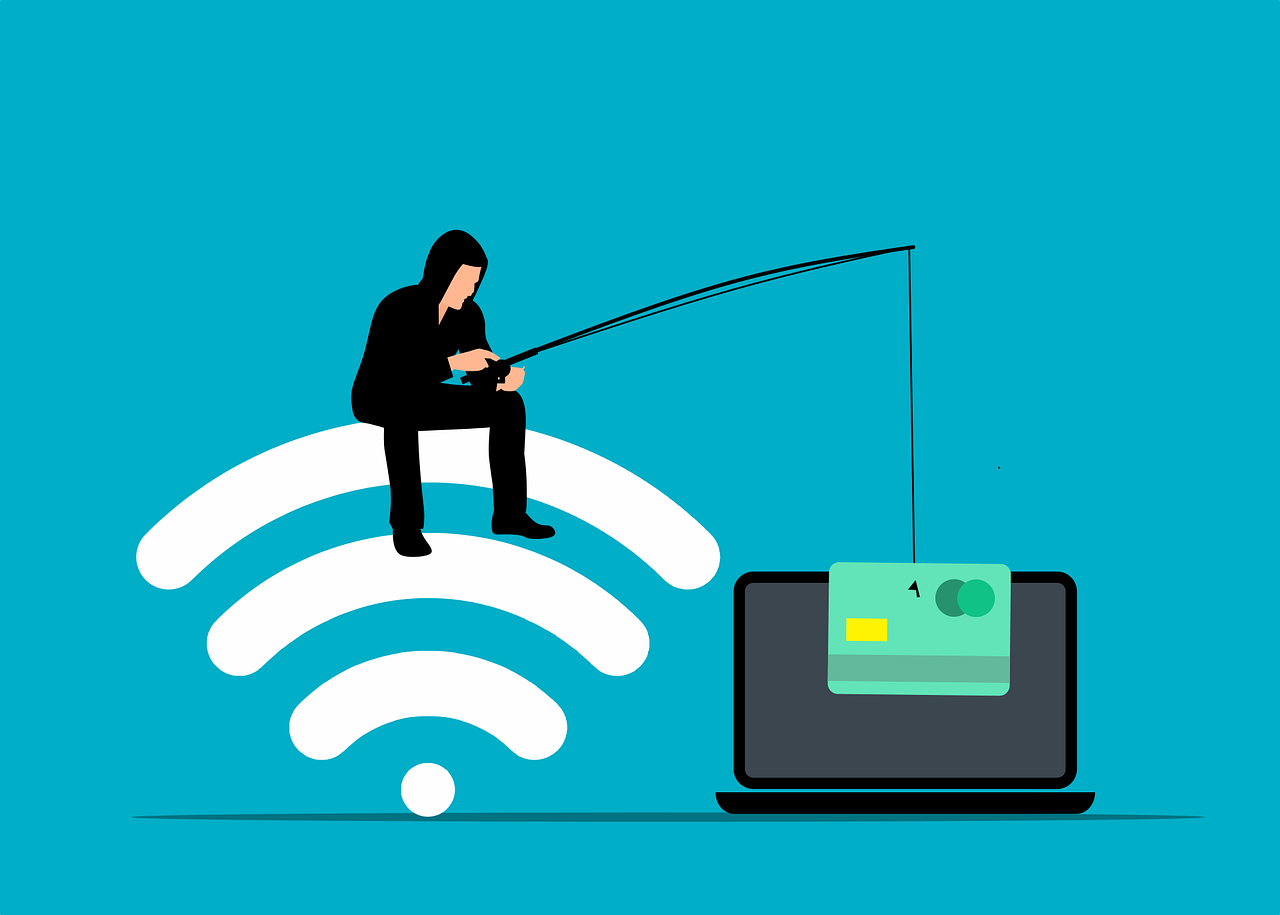
Hackers rely heavily on phishing to gain unauthorized access to a business network and steal sensitive data. It is the most common and damaging type of cyber-attack. Due to a lack of awareness of the telltale signs of phishing, hundreds of big and small businesses fall victim to it.

According to findings, “Phishing attacks account for over 80% of reported security incidents.”

It’s no secret that phishing attacks have become increasingly potent. Furthermore, with COVID-19 prompting organizations to transition to remote work, the number of attacks has increased, compromising data privacy.

Fortunately, it is possible to identify and thwart phishing scams.

This post outlines nine IT security measures to help you prevent phishing and protect your business assets and data.

READ ALSO: Data Security Protection Tips That Would Help Save Your Money

9 Effective Tips For Preventing Phishing Attacks On Your Data

  1. Understand What Phishing Looks Like

Understand What Phishing Looks Like

Phishing techniques evolve, but they all share a few similarities that can be identified if you know what signs to look for. The techniques range from classic email phishing to more inventive ways, such as cold calling on the phone. They all have the same malicious intent: stealing the user’s details.

If you’re serious about staying on top of the latest phishing tactics and understanding their signs, a wealth of information is available online. You must use these resources to proactively educate yourself about how cybercriminals target and attack their victims.

Furthermore, sharing your learning with employees through a well-planned cybersecurity training program would be beneficial. This will help your employees stay on guard against and thwart such attacks should they be used to steal data.

READ ALSO: How URL Spoofing Makes Benign Applications Deadly

2. Steer Clear of Clicking on Random Links

It is a good idea to avoid clicking on suspicious links embedded in emails and text messages, even if you receive them from a (seemingly) known sender. To stay safe, hover your mouse over the link to see if it has a known link destination, but do not click on it. Please bring this event to the attention of your IT personnel immediately for further action.

Remember, sometimes, the fake URL destination can look identical to a genuine website’s URL. It is set up to record keystrokes or steal sensitive information. So, never lower your guard. If you must douse your curiosity, access the original website directly or via your search engine instead of clicking on the malicious link.

READ ALSO: What Are Phishing Scams And How You Can Avoid Them?

3. Invest in the Latest Anti-Phishing Software

Phishing has been a persistent threat to data security for a considerable time. Emails are the most common means by which attackers deliver malware. So, what’s the solution to it? 

Think advanced anti-phishing software! The influx of various anti-phishing software/services has equipped users and organizations with a cybersecurity solution to prevent phishing attacks. Anti-phishing software is an effective layer of protection that impedes malicious attacks and safeguards your sensitive business data.

4. Avoid Revealing Information on Malicious Websites

Avoid Revealing Information on Malicious Websites

Unsecured websites are malicious, so you should never have sensitive information on them or download files from them. If you visit a website and its URL doesn’t start with “HTTPS,” or if you don’t see a closed padlock icon next to it, you should know that the website does not have a security certificate.

READ ALSO: Session Hijacking: Everything You Need To Know

Even a website with a simple “HTTP” URL may be unsecured, allowing it to gather your data for phishing purposes. Even if it isn’t, it’s always better to be safe than sorry and avoid such websites.

5. Update Your Passwords Regularly

It is advisable to regularly change your system passwords to prevent an attacker from gaining access to your emails, payment gateways, and login portals. If you’re on a hacker’s list of potential targets, they may attempt to access your account multiple times. This is why it’s essential to change your password frequently. Doing so reduces the risk of unauthorized access and phishing attacks.

In short, adding an extra layer of protection that is regularly updated prevents ongoing attacks and locks out potential attackers.

6. Never Ignore Security Updates

Receiving numerous updates and system messages frequently can be frustrating. However, you should pay heed to them for your own sake. 

Software manufacturers continually fix bugs and make improvements to their products. They regularly release network security updates and patches to keep you ahead of evolving cyber-attacks, protecting your network, systems, and data from potential threats.

In other words, updating your software is crucial to enhancing the security and integrity of your systems and data.

READ ALSO: Preventing Cyber Attacks with Domain Protection and Threat Takedown Solutions

7. Install Firewall
Install Firewall

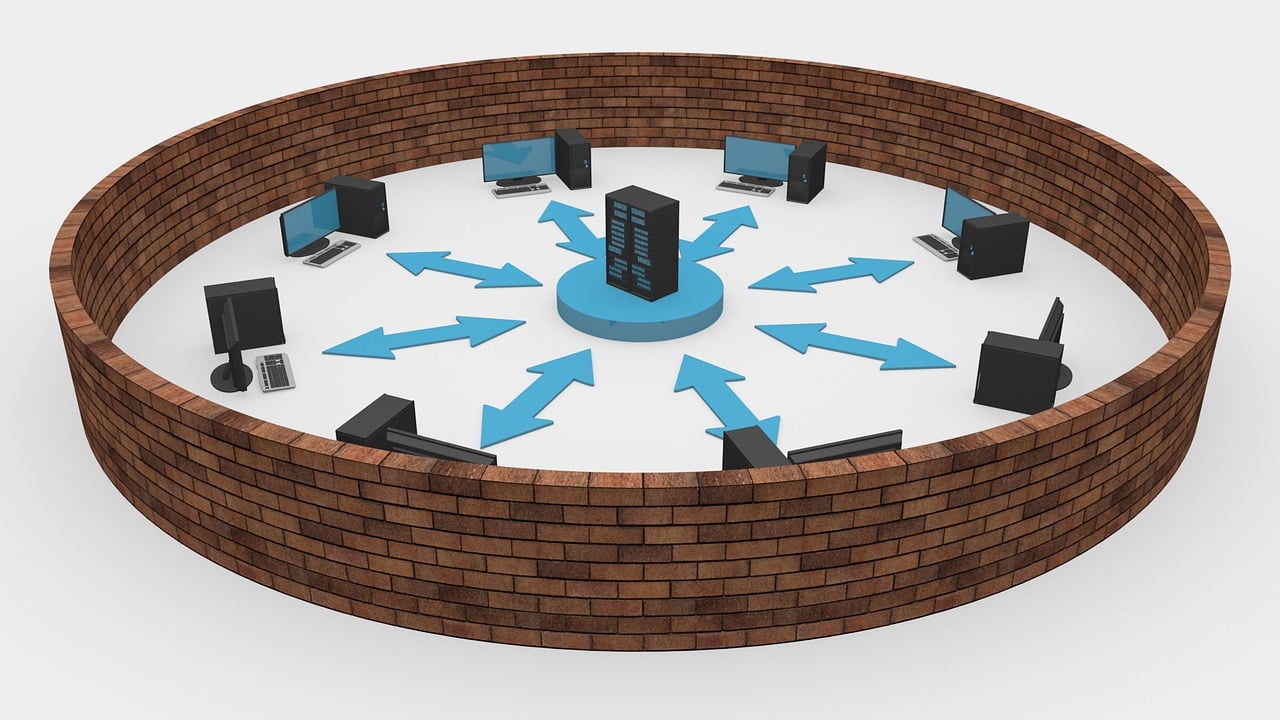
Among our tips for preventing phishing attacks is to install a Firewall.

When you use the internet, several data packets get exchanged between your device and various servers. Between these two points, there is a space that scammers utilize to infiltrate your devices. A firewall monitors this space to ensure it is safe. 

READ ALSO: How to Securely Send Sensitive Information Over the Internet

Firewalls are an effective means of preventing external cyberattacks. They act as shields between your computers and malware. You can enhance your cybersecurity and reduce the likelihood of unauthorized access to your data by installing both a desktop firewall and a network firewall.

8. Block Pop-ups

Pop-ups are not only annoying but also dangerous. They can be linked to malware as a part of a phishing attack. 

Typically, a pop-up has a “Close” or “Cancel” button in the top right-hand corner. While you may click on this button to remove the pop-up, please note that doing so does not guarantee its dismissal. The link embedded in this button can redirect you to a malicious website or lead to the download of ransomware on your system.  

The only way to stop them from “popping up” is by installing a robust pop-up blocker or availing professional services from an expert MSP who can fortify your data security measures.

9. Use a Robust Data Security Platform 

Data security platforms alert IT authorities about unusual behaviour and downloading suspicious files. This platform enables a faster response to these situations, thereby preventing potential attacks or data breaches.

READ ALSO: How To Detect Email Phishing Attempts (Like A Geek!)

Even if cybercriminals give unauthorized access to sensitive information, data security platforms can help you identify the compromised system. This, in turn, will empower you to take preventive action to minimize further damage.

Wrapping Up

So, those are the tips for preventing phishing attacks.

While phishing tactics are becoming increasingly potent, you can protect yourself by taking timely preventive measures to safeguard your digital assets and data. Understanding the risks associated with phishing attacks and identifying the typical signs can go a long way in keeping you protected from them.

Follow the above tips to maximize your security measures, thereby protecting your data and overall IT infrastructure from phishers and other cybercriminals. 


SUGGESTED READINGS

Hiking For Beginners: 7 Tips And Tricks

0

Hiking offers a thrilling chance to step outside and enjoy some fresh air. It can be an excursion, a workout, or a challenging walk through the natural world. Preparing before hitting the trails is essential, especially for beginners.

The details involved may confuse a beginner on how to approach this or that. There is always worry about what to pack, the proper diet, and anxiety about the upcoming experience.

One thing to know about hiking is that it is a thrilling experience you can easily organize and enjoy, even as a beginner. Let’s explore a few tips and tricks that will make your hiking experience one to remember.

7 Tips and Tricks for a Hiking Beginner

Hiking differs from the prominent examples of modern entertainment. For example, while hiking, you’ll not be able to play games in the live online casino UK, as well as watch movies and drink. By understanding it in advance, you’ll not be disappointed. Hiking for the first time is strange but quite enjoyable!

The following tips will help you make your first trip an overall enjoyable experience.

1. Hiking Etiquette for Beginners to Learn

As someone new to hiking, it is crucial to learn the etiquette of this outdoor activity. Understanding and following the proper hiking etiquette will ensure everyone has a safe and enjoyable time while on the trail.

Hiking For Beginners 7 Tips And Tricks

Here are some of the essential hiking etiquette for beginners to learn:

  • Be aware of noise level: Hiking is an activity that is best enjoyed in nature, away in the seclusion of everyday life’s hustle and bustle. When out on the trail, be aware of the noise level and keep it to a minimum. That means avoiding loud conversations, music, and other sounds that can disturb the peace of the wilderness.
  • Stay on the trail: When hiking, it is essential to stay on the designated trail. That helps to protect the natural environment and prevents hikers from getting lost. To leave the trail for any reason, stay on marked paths and avoid trampling vegetation.
  • Be considerate of other hikers: They must respect their space and needs when sharing the trail with others. That means yielding to hikers going uphill, refraining from blocking the trail, and being aware of the surroundings.
  •  Pack out the pack in: One of the most critical hiking etiquettes is to practice Leave No Trace principles. That means packing out all trash, including food wrappers and empty water bottles. Additionally, avoid leaving any valuables or personal items behind.

2. Planning for First Hiking Trip

Planning a hiking trip can be daunting. However, with some preparation, it’s possible to hit the trails with confidence. Consider the following crucial points to remember when planning your first hike.

  • Choose the right trail: Not all hiking trails are created equal. When planning your trip, be sure to choose a trail that is suitable for beginners. Look for trails that are relatively short and have gentle inclines. Use trail maps and difficulty ratings online or at the local park ranger station.
  • Pack the essentials:  After choosing the trail, it’s time to start packing. Bring plenty of water, snacks, and a first-aid kit. Also, pack a map of the area, even if using a GPS device. And don’t forget to dress for the weather! Layering clothing is always a good idea, as the temperature can vary significantly depending on the time of day and elevation.
  • Leave no trace: It’s important to practice Leave No Trace principles regardless of the hiking excitement. That is by ensuring all trash is packed out, being careful with fires, and respecting wildlife.

READ ALSO: Signs Your Cybersecurity Strategy Isn’t Working (And What To Do About It)

3. What to Pack for the First Hiking Trip

Whether an experienced or a beginner, packing for a hiking trip can be daunting. There are many factors to consider, including the weather, terrain, comfort level, and safety. But no need to fret, we’ve got everything taken care of.

Check out this list of important stuff to have for the first hike, plus a few extras that will make the trip more enjoyable.

  • Hiking boots or shoes: Ensure they’re comfortable and well broken in before hitting the trail.
  • Warm layers: Even if the forecast is warm, temperatures can drop quickly in the mountains. Pack a jacket, hat, and gloves.
  • Plenty of water: At least two quarts per person, per day.
  • High-energy snacks include granola bars, nuts, and fruit.
  • A map: To show direction.
  • A first-aid kit: Band-aids, adhesive tape, pain relievers, etc.
  • Sunscreen and sunglasses: To protect from the sun’s harmful rays.
  • Bug spray: Keep the mosquitoes and other pests at bay.
  • A flashlight: For emergencies or nighttime hikes.
  • A whistle: To help when lost.
  •  A camera: To capture all the beautiful scenery.

4. The Food to Eat Before a Hike

Whether planning a day hike or an overnight backpacking trip, the type of food makes all the difference. Here are some diet tips before a hike to maximise time in the great outdoors!

  • Start with a solid breakfast: Eat a hearty breakfast before hitting the trail to fuel up for the day. Some good options include oatmeal with fruit, whole grain toast with peanut butter, or eggs and bacon.
  • Pack some snacks: Bring snacks to keep your energy up while hiking. Good options include energy bars, trail mix, fruit, or nuts.
  • Bring a lunch: Pack a lunch if you plan to hike for more than a few hours. A sandwich or wrap with some fruit or veggies makes a tremendous hike-friendly lunch.

5. What to Wear During a Hike

What to Wear During a Hike

Hiking is a fantastic opportunity to engage in physical exercise and get some fresh air, but it’s essential to dress appropriately for the activity.

Check out these tips to get a good idea of what to wear during a hike.

  • Wear comfortable, sturdy shoes. The right hiking shoes provide good traction and support on uneven terrain. Avoid open-toed shoes or high heels.
  • Wear clothing that is adjustable to respond to temperature changes. Start with a base layer of moisture-wicking material, then add a middle layer for insulation, and finally, a wind- and water-resistant outer layer.
  • Accessorize with a hat or sunglasses to protect the face from direct sun, and consider bringing along a bandanna or scarf in case of wind or dust.

6. Don’t Fear Getting Lost

During a hike, getting lost is always a possibility. But don’t hold back from enjoying the great outdoors! Look at the following few tips to help avoid getting lost during the hike.

Have familiarity with the area before going. That may sound obvious, but it’s essential to research before embarking on any hike, especially if unfamiliar with the area. Read up on the trail and note any landmarks or features that will help orient.

Bring a map and compass (and know how to use them). These tools are essential for any hiker and can differentiate between getting lost and finding the way back to the trail.

7. Don’t Treat Hiking Like a Race

Hiking offers a great chance to get outdoors and enjoy the fresh air and beautiful scenery. However, do not treat hiking like a race at any moment. It’s unnecessary to hasten through the trail to the top or try to outpace other hikers.

Take time and enjoy the journey. After all, that’s what it’s all about.


INTERESTING POSTS

Cybersecurity Explained: Protecting Yourself in the Digital Age

0

Cybersecurity is the practice of protecting internet-connected systems, including hardware, software, and data, from unauthorized access, use, disclosure, disruption, modification, or destruction.

Simply put, it’s all about keeping your valuable information and devices safe online.

It’s essentially safeguarding your digital world from malicious actors who aim to:

  • Steal data: This could include personal information such as credit card details, login credentials, or even intellectual property belonging to a company.
  • Disrupt operations: Cyberattacks can bring down websites, cripple computer networks, and cause significant financial losses.
  • Install malware: Malicious software can damage devices, spy on your activity, and even hold your data for ransom.

Why is Cybersecurity Important?

Why is Cybersecurity Important?

In today’s digital age, we rely heavily on technology for almost everything we do. Our personal information, work documents, and financial details often reside on computers and cloud storage.

A successful cyberattack can have devastating consequences, leading to:

  • Identity theft: Stolen personal information can be used for fraudulent activities, resulting in financial hardship and damage to your credit score.
  • Privacy breaches: Exposed private data can be embarrassing, damage your reputation, and even lead to blackmail.
  • Business disruptions: Cyberattacks can halt operations, lead to data loss, and erode customer trust.

READ ALSO: Why Your Business Needs To Invest In Cybersecurity Solutions

The Pillars of Cybersecurity

Three main pillars form the foundation of cybersecurity:

  1. Confidentiality: Ensuring only authorized individuals have access to your data.
  2. Integrity: Maintaining the accuracy and completeness of your data.
  3. Availability: Guaranteeing that authorized users can access data and systems when needed.

How to Practice Good Cybersecurity

Here are some basic steps you can take to improve your cybersecurity posture:

  • Use strong passwords and enable multi-factor authentication (MFA).
  • Install and keep security software up to date. (Antivirus, anti-malware)
  • Be cautious about what information you share online.
  • Don’t click on suspicious links or attachments in emails.
  • Back up your data regularly.
  • Stay informed about the latest cyber threats.

Cybersecurity Explained: FAQs

Cybersecurity Explained: FAQs

What is a cyberattack?

A cyberattack is any attempt to gain unauthorized access to a computer system or network. Attackers aim to steal data, disrupt operations, or install malware for malicious purposes. Common examples include phishing scams, malware attacks, and data breaches.

Why should I care about cybersecurity?

Everyone relies on technology, and our personal information often resides online. A cyberattack can lead to identity theft, privacy breaches, financial losses, and even disruptions to critical infrastructure.

READ ALSO: What is Penetration Testing? Importance, Types and Process

What are the different types of cybersecurity threats?

There are numerous threats, but some common ones include:

  • Malware: Malicious software, such as viruses, worms, and ransomware, can harm devices, steal data, or hold them hostage.
  • Phishing: Deceptive emails or messages trick you into revealing sensitive information or clicking malicious links.
  • Social engineering: Attackers exploit human psychology to manipulate you into taking actions that compromise your security.
  • Zero-day attacks are previously unknown vulnerabilities that can exploit systems before a patch is developed and made available.

How can I protect myself from cyberattacks?

Here are some essential practices:

  • Use strong, unique passwords and enable multi-factor authentication (MFA).
  • Install and update security software (antivirus, anti-malware) regularly.
  • Be cautious about what information you share online, especially on social media.
  • Don’t click on suspicious links or attachments in emails.
  • Keep your software, including operating systems and applications, updated.
  • Back up your data regularly.

READ ALSO: 2023 Cybersecurity Maturity Report Released: Why Detecting Cyber Attacks Is Not Enough

What can I do if I suspect a cyberattack?

If you suspect a cyberattack, take immediate action:

  • Change your passwords for affected accounts.
  • Report the attack to the relevant authorities (e.g., website, bank).
  • Scan your device for malware with security software.
  • Consider seeking help from a cybersecurity professional for complex situations.

A Final Word

Cybersecurity is a shared responsibility. Individuals, businesses, and governments all have a role in protecting the digital world from cyberattacks.

By taking action and implementing best practices, we can create a safer and more secure online environment for everyone.


RELATED POSTS

Is Surfshark Antivirus For Mac Worth It? [Here’s the ANSWER]

Is Surfshark Antivirus for Mac worth it? Read on to find out…

Mac computers are famous for having solid protections, stronger than Windows in particular. As a result, most Mac users conclude their device cannot suffer a virus or malware attack. But that’s a wrong consensus.

More than 60% of Mac computers suffer a virus infection. On average, each user has five infected files. Also, about 6,000 new malware, capable of infecting Mac systems, are released monthly. These stats confirm that, if you own a Mac laptop, investing in a quality antivirus is worthwhile.

We’ve found many antivirus solutions optimized for Mac computers. But the Surfshark Antivirus is one of interest. So, we took our time to register and try the app to see if it’s worth your money. Read on to uncover our findings.

Now, let me answer the question – Is Surfshark Antivirus for Mac worth it?

Is Surfshark Antivirus For Mac Worth It?

Yes, Surfshark Antivirus for Mac is worth it. It is reliable in fighting off viruses and malware, including zero-day threats. Yet, it doesn’t slow down your device in any way.

The software allows multiple options for scanning, including real-time, scheduled, and manual. This ensures you can protect your device in various ways. To add, there’s cloud scanning that guarantees in-depth analysis of unknown files.

How about the downsides? Some users don’t appreciate that you can’t get the antivirus as a standalone software. It comes with Surfshark One. Typically, the pricing would be lower if it were a standalone solution.

However, in a way, it’s an advantage if the pricing doesn’t inconvenience you. The other solutions in the Surfshark One bundle are also helpful regarding cybersecurity. Since the upsides carry more weight than the downsides, we conclude that Surfshark Antivirus for Mac is worth it.

Surfshark Antivirus
Surfshark Antivirus
A 360-degree solution for all threat categories.
A 360-degree solution for all threat categories. Show Less

An Overview of Surfshark Antivirus For Mac

An Overview of Surfshark Antivirus For Mac

Surfshark Antivirus supports three primary devices: Windows, Android, and Mac. Typically, it’s more popular among Windows and Android users.

However, Mac computer owners who tried the solution confirm its dependable. That’s what drew our interest to review the software.

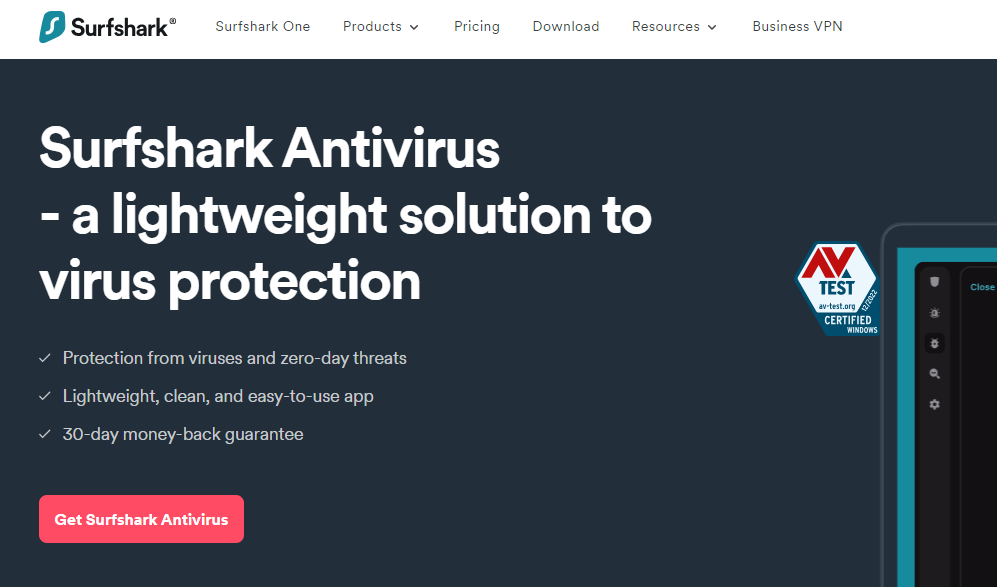
From the homepage, Surfshark promises a lightweight antivirus. An antivirus that can halt vast viruses and malware types, both old and new. Also, the software is described as “easy to use.”

The thing is, many antivirus solutions promise all these and turn out to be unreliable. So, we couldn’t just take Surfshark’s word for it. We had to use the tool first-hand and record our experience.

Before registering to try out the antivirus, we first analyzed ratings on top review websites. On G2, Surfshark scores 4.1 out of 5 stars:

is Surfshark Antivirus For Mac worth it

However, the count is just 22 reviews, so we weren’t completely convinced.

Next, we checked Trustpilot – arguably the number one software review platform on the web. Surfshark scores 4.5 stars out of 5 on Trustpilot, which is much more impressive:

is Surfshark Antivirus For Mac worth it

And the ratings were from over 19,600 users, a more significant number than on G2. If close to 20,000 users attest a solution is “Excellent” on Trustpilot, such a solution definitely needs attention.

Surfshark Antivirus
Surfshark Antivirus
A 360-degree solution for all threat categories.
A 360-degree solution for all threat categories. Show Less

How to Install Surfshark Antivirus For Mac

Downloading and installing the software is the first step to using Surfshark Antivirus. And from our experience, it’s simple to complete.

Downloading Surfshark Antivirus For Mac

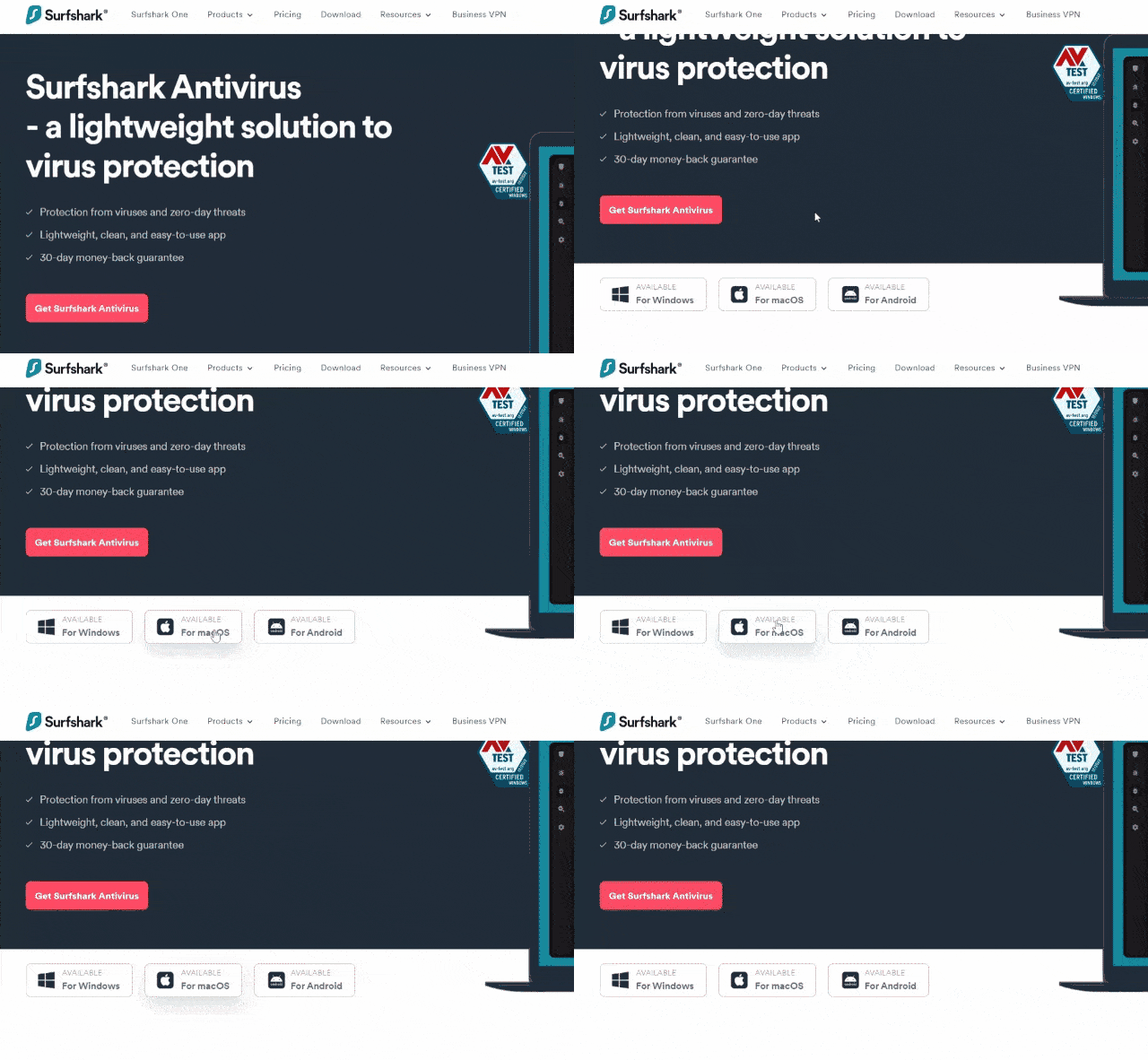
You can’t download the software from the official Apple Store. So, visit the official Surfshark Antivirus website. Then, click on the “Available for macOS” option:

Surfshark Antivirus For Mac

Select a location to store the file on your Mac computer and download it. Note that you’re downloading a DMG file. Click on the file and install it.

After installation, launch the Surfshark Antivirus software. The app will ask you to log in, which means you must have an active subscription.

If you don’t, follow the prompts to create one and subscribe. Surfshark requires payment as a new user, as there’s no free trial. However, there’s a money-back guarantee, so your funds are safe.

Surfshark Antivirus
Surfshark Antivirus
A 360-degree solution for all threat categories.
A 360-degree solution for all threat categories. Show Less

Activating Surfshark Antivirus for Mac

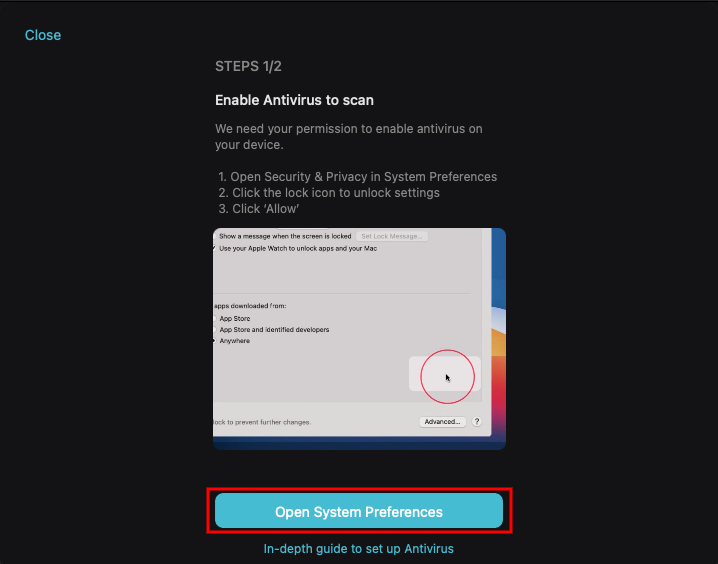
Typically, an antivirus needs authentication to scan your computer. So, as you launch the Surfshark software, navigate to the Antivirus tab, and select “Open System Preferences:”

Activating Surfshark Antivirus for Mac

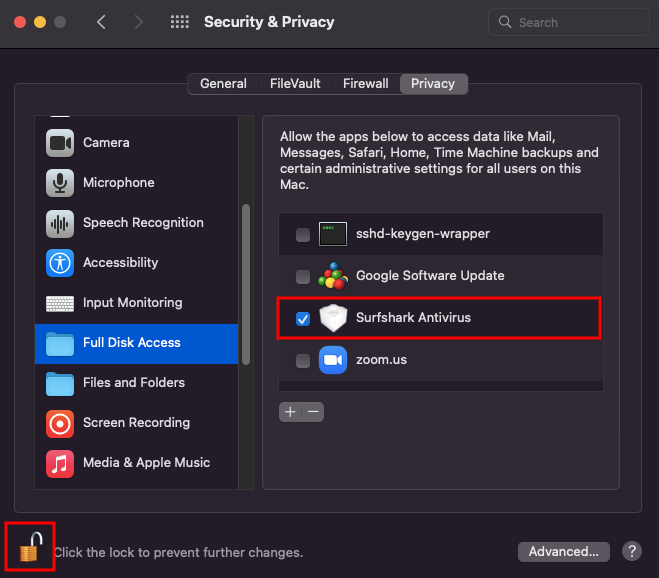
Next, select “Security & Privacy. Switch to the Privacy tab and click on “Full Disk Access.” Then click the Lock icon, which you’ll find at the bottom left:

Activating Surfshark Antivirus for Mac

Your system will prompt you to enter your username and password. Once done, the final step is to tick the Surfshark Antivirus option, then click the Lock icon again to apply the changes:

Activating Surfshark

That’s all. Surfshark Antivirus now has full access to protect your Mac device from viruses and malware.

READ ALSO: Is Surfshark One Worth It? [Honest ANSWER]

Surfshark Antivirus For Mac Features

Check out a review of the features we found while using Surfshark Antivirus for Mac below:

Intuitive Interface

Surfshark doesn’t feature a complex dashboard in any of its tools. And this trend exists with the Antivirus solution for Mac devices. The interface is intuitive, such that you can navigate it even if it’s your first time using an antivirus.

Here’s a screenshot of what it looks like:

Intuitive Interface

Note that the background conforms to your Mac’s display settings. In other words, you get a dark background — as in the above image — when using dark mode. Otherwise, it’s light.

If you want to perform a scan, you only need to click a corresponding button in the right section of the dashboard. You also get a rundown of your previous scans from the same section.

In addition, you can click the “choose from list option” to scan a particular file or folder. It’s also possible to drag the file and folder into the dashboard. All these confirm the fact that the Surfshark Antivirus is easy to use.

Multiple Protection Options

Different scanning options are available within the Surfshark Antivirus app on Mac. You either initiate a manual, scheduled, or real-time scan. In addition, there’s the Cloud Protect system. Let’s rundown each one.

Manual Scan

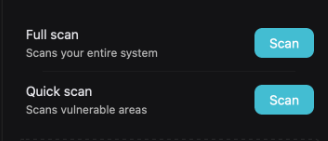
This feature lets you check your Mac device for viruses and malware anytime. Launch the tool and select either Full Scan or Quick Scan from the right section:

Manual Scan

A full scan will check every part of your device. As a result, it’ll usually take time, but from our observations, it’s the most efficient manual scanning option.

Conversely, a quick scan will only check for common vulnerabilities. It doesn’t last more than a few minutes.

Scheduled Scan

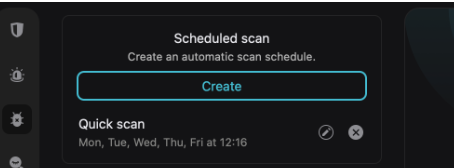
Scheduled scans can be full or quick. The difference is that you set it to occur at a future time. You’ll find it at the top of the dashboard:

Scheduled Scan

Click Create and select when you want the Antivirus to take action. The save.

We recommend this feature for recurring scanning. For instance, you can schedule Surfshark Antivirus to scan your computer every Monday, Wednesday, or Friday. That way, you’re protected week in and week out.

Real-Time Scans

You can set Surfshark Antivirus to protect your device round the clock with real-time scans. We advise that you activate this option if you use the software. It’s as easy as toggling a bar from your dashboard:

Real-Time Scans

Once activated, the antivirus will scan your device whenever there’s a file change.

For instance, if you download a doc from your email, Surfshark will check for viruses in real time. If it’s vulnerable, the file won’t get into your device.

Cloud Protect Systems

Cloud Protect Systems work mainly for online vulnerabilities. In particular, it keeps you safe from zero-day threats – new malware, which most antivirus software don’t know.

By staying connected to the cloud, Surfshark Antivirus is always informed of the latest vulnerabilities and can shield your device against them.

READ ALSO: Surfshark One vs Surfshark VPN Comparison

Lightweight

The last thing you need is antivirus software lagging your Mac device. You’ll most likely uninstall it, even if it’s the most powerful.

But with Surfshark Antivirus, our tests confirm you don’t have to worry about such. The app is lightweight and doesn’t consume much system resources.

First, the file you install is only 173 MB:

Lightweight

Our checks showed that the Windows version is more lightweight at around 66 MB. Nevertheless, this is expected, considering Mac software files are usually larger than Windows versions.

While we used the Surfshark Antivirus for manual, scheduled, or real-time scans, the Mac PC was never slow. And from the Activity Monitor, we found that the software consumed less than 20% of resources for the most intense scans.

Webcam Protection

Antiviruses often focus only on files and folders. But hackers can skip these elements and attack your Mac device via your camera, your webcam. The risk here is that you become a victim of spies.

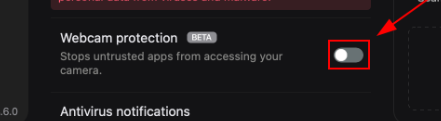
As a result, we rate Surfshark Antivirus highly for supporting webcam protection. The feature, like the others, sits in the dashboard:

Webcam Protection

Toggle on the button, and you’re good to go.

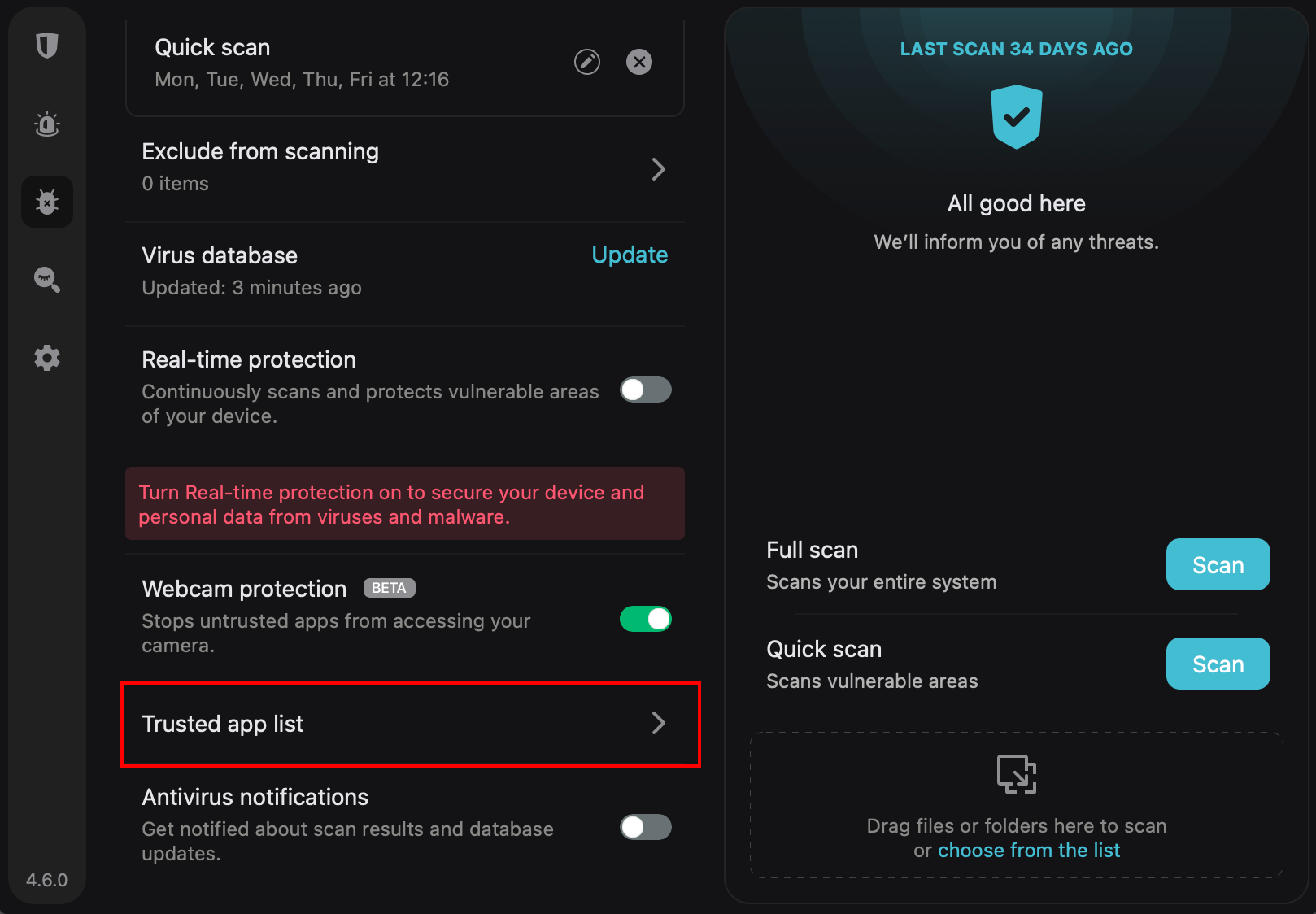
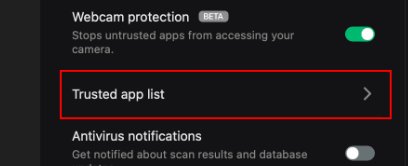
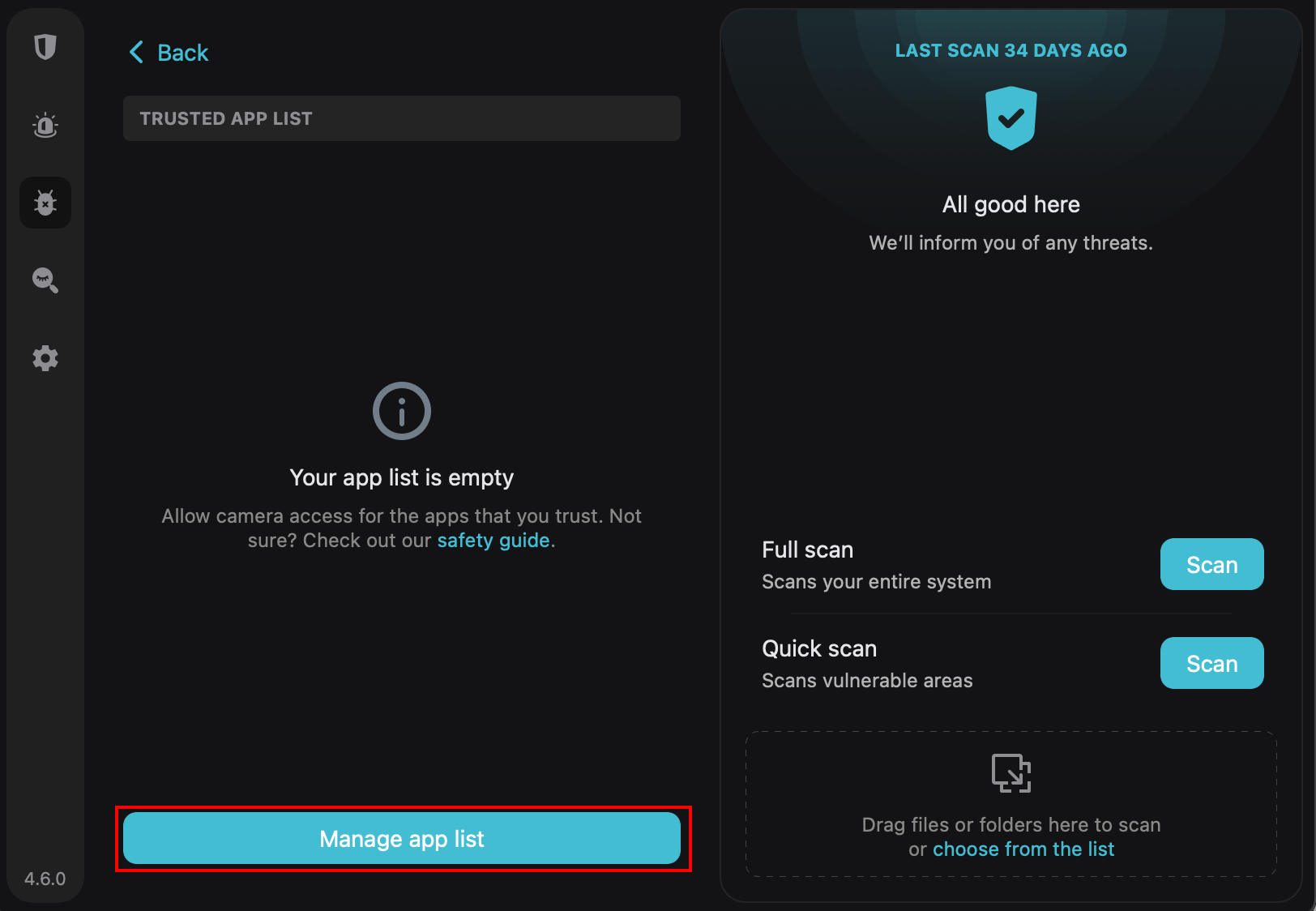
Primarily, the feature will block unauthorized Mac apps from accessing your camera. So, it’s up to you to select which apps to grant access to. And you do this via the Trusted app list:

Webcam Protection

Click the option and select the “Manage app list” option to add trusted software:

is surfshark antivirus for mac worth it

Once done, only programs in the list will be able to activate your camera. You can always edit and update the list when you want.

24/7 Customer Support

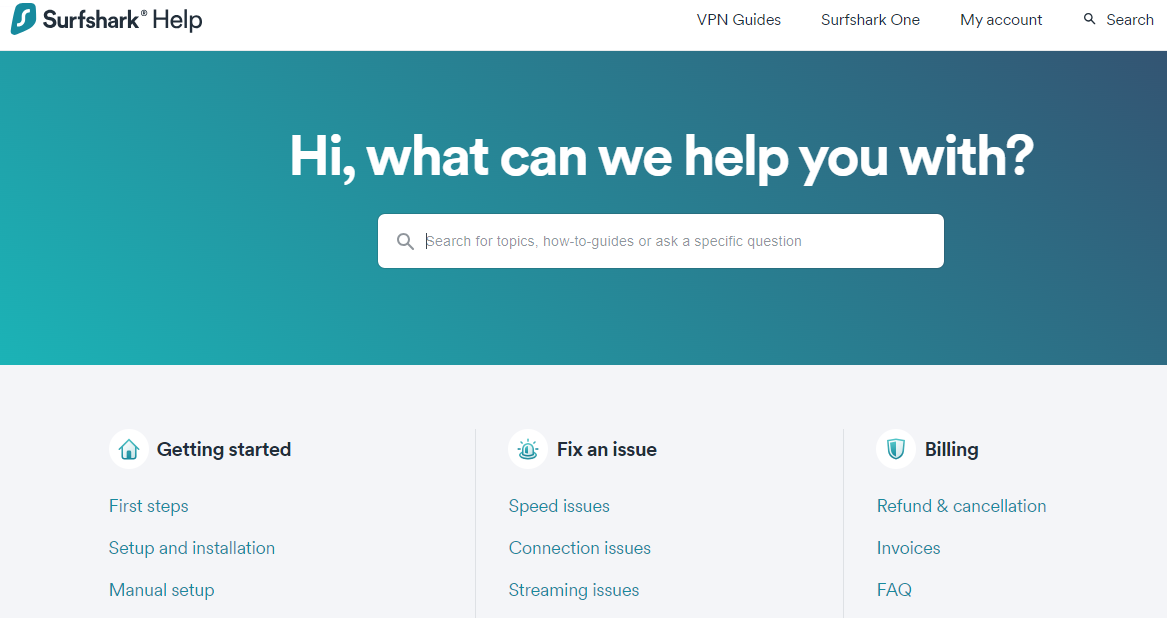
We didn’t face many issues using the Surfshark Antivirus for Mac. If there was any unclear feature, we quickly visited the Help Center for an explanation:

24/7 Customer Support

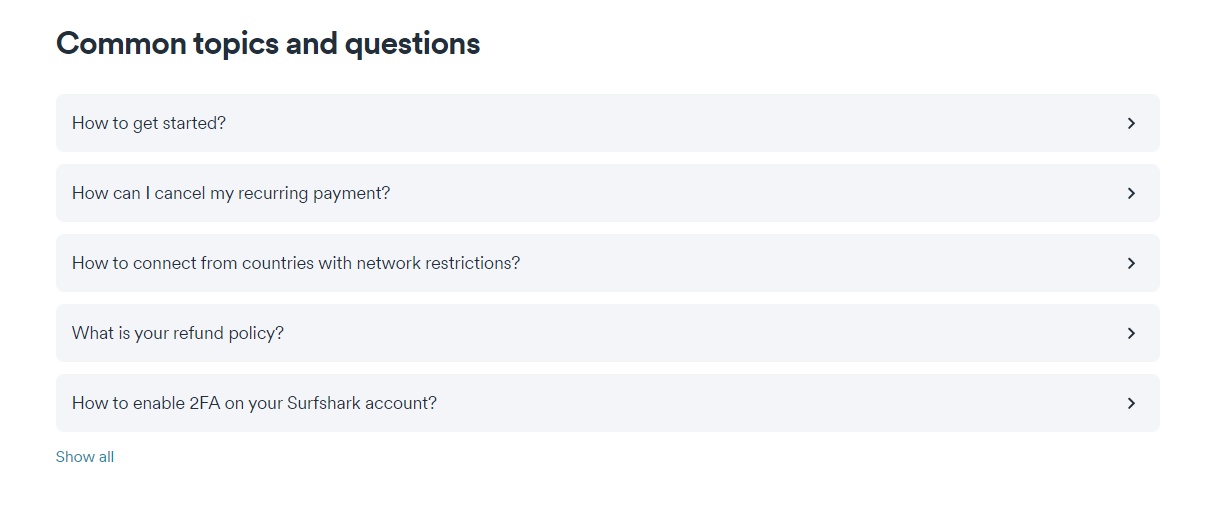
Indeed, we found the Help Center helpful, and you will. It features an FAQ section as well:

24/7 Customer Support

However, if your inquiry demands talking with a support agent, then, you can initiate a live chat. You’ll find the option as you scroll to the bottom in the Help Center:

surfshark email

As the image above shows, the Surfshark support team is reachable via email too.

We tested the live chat option to confirm if it’s available 24/7, as Surfshark claims. And it was:

surfshark live chat

We got connected to a live agent, Romi, within a few minutes.

Surfshark Antivirus For Mac Pricing

As mentioned before, Surfshark accommodates no free plan. You have to pay a subscription from the on-set.

Also, the Surfshark Antivirus comes as part of the Surfshark One Suite. This means you can’t purchase the software separately.

You have to get the full suite, and here are the pricing plans:

Surfshark Antivirus For Mac Pricing

  • Monthly Plan: $14.99 per month
  • 12-Month Plan: $3.07 per month (plus 4 free months)
  • 24 Months Plan: $2.69 per month (plus 4 free months)

If you plan to use the antivirus long term, we recommend the 24-month plan. It’ll run for two years, and you save 82% off the monthly plan. The 12-month option is also ideal, with a 80% discount.

Surfshark Antivirus
Surfshark Antivirus
A 360-degree solution for all threat categories.
A 360-degree solution for all threat categories. Show Less

The Surfshark One Connection

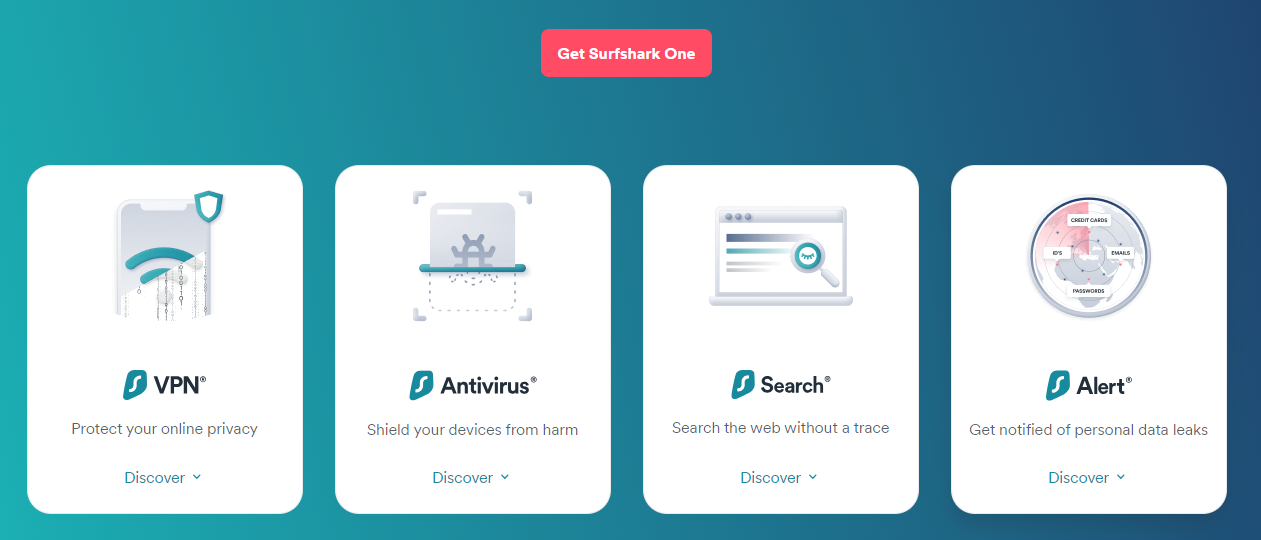
Since the Antivirus is a part of the Surfshark One Suite, you’ll get the other programs when you pay. These include the Surfshark Search, Alert, and VPN solutions:

The Surfshark One Connection

Getting access to these other tools is an advantage, as it means you get more cyber protection. The best part is that each one serves a unique function.

The VPN houses over 3,000 servers, allowing you to surf the web without limitations. You can also stay anonymous online by masking your real IP address. Features like solid encryption, no-logs policy, 2FA, and DNS protection further strengthen the security.

How about the Search tool? Well, it helps you search the web and get authentic results without being subject to trackers and ads. Based on our review, it’s a secure alternative to Google, Bing, Yahoo, and other popular search engines.

Finally, the Alert solution works to prevent data breaches. It’ll notify you if your email, password, credit card details, or ID leaks on the web. Then, you can take action to protect your personal data.

Surfshark One
Surfshark One
Surfshark One is a cybersecurity bundle that provides users with Surfshark VPN, Alert, Search, and Antivirus that...Show More
Surfshark One is a cybersecurity bundle that provides users with Surfshark VPN, Alert, Search, and Antivirus that combines security, privacy, and convenience into one powerful package. Surfshark is an award-winning VPN service for keeping your digital life secure. Show Less

Surfshark Antivirus For Mac Pros

  • Intuitive dashboard
  • Lightweight software
  • Manual and scheduled scans
  • Real-time protection
  • Webcam protection
  • 24/7 customer support

Surfshark Antivirus For Mac Cons

  • Not available in the Apple App Store
  • Webcam protection is still in beta mode

Bottom Line

Considering the features covered in this post, Surfshark Antivirus offers many benefits for Mac users.

Download the Surfshark Antivirus if you need a solution to safeguard your device from malware. As we answered the question – Is Surfshark Antivirus for Mac worth it? You can see that our review confirms the software is worth purchasing and using.

You can leverage the multiple scanning options to stop all virus traces and employ the other Surfshark tools for optimal protection.

Surfshark Antivirus
Surfshark Antivirus
A 360-degree solution for all threat categories.
A 360-degree solution for all threat categories. Show Less

INTERESTING POSTS

How To Keep Your Business Running Smoothly

0

Here, I will show you how to keep your business running smoothly.

To ensure you maintain the progress you’ve made in your company and keep things running smoothly, various tools and techniques can make a significant difference.

A successful business is a combination of many factors, ranging from luck and the right product, but it also has a lot to do with the right processes in place for more efficient and effective work within your company.

Here are some tips to help you have a smooth-running business: 

How To Keep Your Business Running Smoothly

Hire the best

Reliable employees with skills and integrity can do a great deal for your company. However, they aren’t always that easy to find. Many companies hire people in a hurry to fill a position, but this is a poor practice.

Take your time screening new hires with online background checks and use aptitude tests when needed so you can always be sure you have reliable and honest people in your company. 

READ ALSO: From Paper to Digital: The Benefits of Making Taxes Digital (MTD)

Use helpful software

Use helpful software

If you are using outdated methods to get things done in your company, while you may reach objectives, you could be moving forward at a slow pace.

If you’re looking for long-lasting and quick business growth, consider how beneficial it would be to use online software tools.

With the advancement of technology, there are a number of sites available for streamlining everything, from project management to book-keeping. Don’t ignore the benefits of productive and dependable software for your company. 

Take care of your clients

Your clients matter. In fact, one could say that without them, you wouldn’t have a successful company. From loyalty programs to optimal customer service, do what it takes to ensure your customers are taken care of.

Loyal customers will continue to come back, and they will also help spread the word about your company. Investing in their satisfaction is more than worth it. 

Keep it organized 

For a successful, functioning company, you’ll want to keep it organized. From your bookkeeping to your inventory management, if you’re not using processes geared towards streamlined and efficient results, you could be shooting yourself in the foot.

If things aren’t working well right now, don’t be afraid to revamp your ways of getting things done. The more organized things are, the better. 

READ ALSO: How Everyday People Build Financial Confidence

Expect a lot – give a lot

Keep Your Business Running Smoothly

If you want a smooth-running company, you want to be sure you’re expecting great work ethic and top standards from your team. In the same vein, you want to be giving that back to your team.

Requiring a lot from your employees without adequately rewarding their efforts won’t take your company very far, and you may find yourself having to hire new people. 

If you have a great team, take care of them. Your company will achieve success more quickly this way than if you had to continually fire and hire people.

From benefits to a top salary and PTO, there are different ways to show your employees that you appreciate them.

Employees who aren’t performing should go, but great employees should be valued, so if you don’t offer rewards and bonuses for high-performing team members, it’s time to consider it. 

READ ALSO: Top 10 Best Apps To Use When Running A Small Business

In Conclusion

Company success can take time to achieve, but if you’re not reaching objectives after a couple of years, you could consider reassessing the way things are done in your business.

With the best tools for the job and a team that you can rely on, you can improve your business and do more than ever before.

Consider these tips when you want to have a company that runs smoothly. 


INTERESTING POSTS

What is ATM Skimming?

Have you ever heard of the term ATM skimming? Ever fallen victim? Here is all you need to know about it.

ATM skimming has been one of the most sophisticated techniques commonly employed by financial criminals. It is basically the theft of debit/credit card details from ATMs. And due to the relatively low awareness, the practice remains relatively unknown to even the so-called “financial experts”.

However, over the past few years, there has been growing awareness of ATM skimming, and more people are now able to identify what a typical skimming device looks like.

Follow through this article, as we bring you credible insights into what ATM skimming is about, with emphasis on how to apply measures to protect yourself against it. Read on!

What is an ATM: How does it work?

atm card skimmingATM is the convenient term for “Automated Teller Machine”, which is the foremost cash dispensing engine in the world. They are typically installed in banking premises, shopping malls, recreation centers, gas stations, and schools, among others. In fact, it can be installed anywhere, provided there is a stable power source and internet connectivity.

Traditionally, ATMs are designed to facilitate cash withdrawals. However, with the latest development, they now serve as comprehensive financial tools, which can run just about any basic financial transaction.

READ ALSO: 7 Tips to create a Strong HackProof Password

Transactions on ATM require the use of designated debit or credit cards, colloquially known as “ATM cards”. These cards contain sensitive information (unique IDs), which, if compromised, could be catastrophic. This is the criminal idea that gave birth to the act of ATM skimming, which is, today, the most significant threat to ATM security across the globe.

What is ATM skimming?

ATM skimming is a sophisticated form of theft that targets your debit or credit card information at ATMs (Automated Teller Machines). Here’s a breakdown of how it works:

  • The Skimming Device: Criminals install a cleverly designed device, called a skimmer, on the ATM’s card reader slot. This skimmer is built to seamlessly blend in with the ATM’s design, making it difficult for unsuspecting users to detect.
  • Data Capture: When you insert your card into the ATM, the skimmer discreetly reads and stores all the information on your card’s magnetic strip.
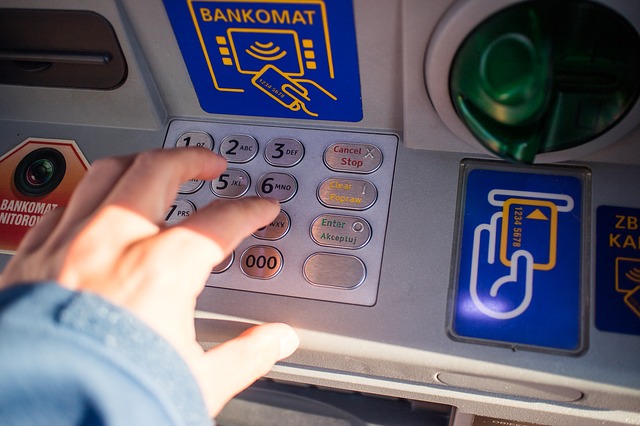
  • PIN Recording: Often, a tiny, strategically hidden camera (pinhole camera) captures you entering your PIN on the ATM keypad.
  • Putting it Together: With both your card details and PIN in hand, criminals can create counterfeit cards to drain your accounts or make fraudulent online transactions.

The global impact of ATM skimming is staggering. Billions of dollars are lost annually due to this crime. Despite growing awareness, the issue continues to rise. Financial institutions face significant losses, with the ATM Industry Association estimating an average cost of $1 billion per year.

By understanding ATM skimming tactics, you can be more vigilant and protect yourself from becoming a victim.

READ ALSO: Best Home Security Cameras According To Reddit Users

What are some ATM Skimming devices?

ATM skimming is a well-orchestrated crime requiring specialized equipment. Here’s a closer look at the two key devices used by scammers:

1. The Skimmer

  • Master of Disguise: This device mimics the ATM’s card reader slot. Crafted with precision, it seamlessly overlays the real slot, making it difficult to detect any difference. Think of it as a perfectly tailored invisible suit for the real card reader.
  • Data Thief: When you insert your card, the skimmer swipes it, capturing all the information encoded on the magnetic strip. This includes your card number, expiration date, and potentially even your security code (CVV).

2. The Hidden Camera

  • Eye in the Sky (or Brochure Holder): This tiny camera, strategically placed, discreetly records your PIN as you enter it on the keypad. Common hiding spots include the ATM’s security mirror, brochure holder, or even fake keypads placed on top of the onesl one.

While skimmers and hidden cameras are the foundation, criminals are constantly evolving their techniques. Here’s a glimpse into some variations:

  • Shimmers: These ultra-thin devices fit between your card and the ATM’s chip reader, stealing data from the embedded chip itself.
  • Overlay Keypads: These fake keypads sit on top of the rone’s one, recording your keystrokes as you enter your PIN.
  • Bluetooth Skimmers: These high-tech skimmers use Bluetooth to transmit stolen data to criminals nearby wirelessly.

By understanding these different devices, you can become a more informed ATM user, increasing your chances of spotting a skimming attempt.

READ ALSO: A Comprehensive Guide on the Safety Precautions to Take When Using a Bitcoin ATM in Turkey

How to stop an ATM card skimmer?

protect atm card

ATM skimming poses a significant threat to financial security worldwide. While complete prevention is impossible, here’s a two-pronged approach to minimize your risk:

1. Security Measures Taken by Banks and Institutions

  • Enhanced Technology: The financial industry is constantly upgrading ATMs with improved security features. This includes:
    • Chip and PIN Technology: EMV chip cards offer better protection compared to traditional magnetic stripe cards. When you use your chip card, a unique code is generated for each transaction, making it more difficult to create counterfeit cards.
    • Anti-Skimming Devices: Some ATMs are equipped with special features to detect skimmers, like inserting a test card that won’t fit with a skimming device attached.
    • Security Cameras: Increased CCTV camera surveillance at ATM locations deters criminals and aids in identifying perpetrators.

2. Protective Actions You Can Take

While banks work on security upgrades, your vigilance is crucial. Here’s what you can do:

  • Be a Keen Observer: Before using an ATM, give it a thorough visual inspection. Look for anything loose, misaligned, or bulky around the card reader slot or keypad. Trust your gut – if something seems off, avoid using that ATM and choose another.
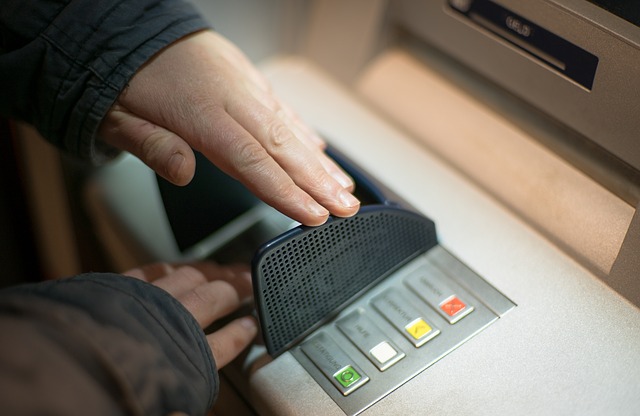
  • Shield Your PIN: When entering your PIN, use your hand to create a barrier over the keypad, making it difficult for hidden cameras to capture your keystrokes.
  • Consider Alternatives: If possible, opt for using ATMs located inside banks during regular business hours. These ATMs are generally more secure and monitored more closely.
  • Embrace Contactless Payments: When available, use contactless payment methods like tap-to-pay with your card or digital wallet on your phone. This eliminates the need to insert your card or enter your PIN at the ATM.
  • Monitor Your Accounts Regularly: Actively check your bank statements and online banking for any suspicious activity. Report any unauthorized transactions immediately to your bank.

By following these steps and staying informed about skimming tactics, you can significantly reduce your risk of falling victim to ATM card skimming. Remember, a little vigilance goes a long way in protecting your hard-earned money.

How to protect yourself against ATM skimming

ATM skimming is a serious threat, but there are steps you can take to protect yourself:

  1. Inspect the ATM: Before using any ATM, give it a close look. Check the card reader slot for anything loose, bulky, or that doesn’t fit seamlessly. Look for scratches, glue residue, or anything suspicious around the keypad or scanner.
  2. Fake Keypads and Cameras: Criminals may place fake keypads over the keyboard to capture keystrokes. Be wary of anything that feels loose or unusual on the keypad. Also, check for tiny cameras hidden in the security mirror, brochure holder, or above the ATM.
  3. Block the View: When entering your PIN, use your hand to create a barrier over the keypad. This will block any hidden cameras from recording your keystrokes.
  4. Location, Location, Location: If possible, use ATMs inside bank branches during business hours. These are generally more secure and monitored more closely. Avoid poorly lit or isolated ATMs.
  5. Consider Alternatives: Whenever possible, opt for contactless payment methods like tap-to-pay with your card or digital wallet on your phone. This eliminates the risk of skimming altogether.
  6. Stay Alert: Regularly check your bank statements and online banking activity for any suspicious transactions. Even a small unauthorized amount could be a sign of skimming.
  7. Report Fraud Immediately: If you notice any unauthorized transactions, contact your bank immediately to report fraud and cancel your card.

By following these tips and being vigilant, you can significantly reduce your risk of falling victim to ATM skimming.

Share your thoughts below.


INTERESTING POSTS

Secure Remote Access VPN: Everything You Need to Know

0

Learn about secure remote access VPNs with our comprehensive guide. Stay informed and keep your remote workforce protected.

In today’s world, remote work has become increasingly common, and secure remote access has become essential for businesses of all sizes.

With sensitive business data being accessed from outside the traditional office network, companies need to ensure that their data is kept secure from potential breaches.

One of the most significant risks of remote work is the security of remote access to company resources. With the rise of cyber threats, businesses need to ensure that their remote workers have secure remote access to their resources. This is where a secure access remote VPN comes in.

What Is Secure Remote Access VPN?

What Is Secure Remote Access VPN?

Secure remote access refers to the ability of authorized personnel to access a company’s network or resources from outside the company’s premises while ensuring that the connection is secure and cannot be intercepted or compromised by unauthorized entities.

A secure remote access VPN is one of the most effective ways to achieve this. This ensures an encrypted and safe connection between a user’s device and a private network, enabling remote workers to access company resources securely.

A secure remote access VPN is specifically designed to enable remote workers to access their company’s network in a secure manner. It creates a secure tunnel between the remote user’s device and the company’s network, encrypting all traffic.

Moreover, a dependable, secure remote access VPN allows remote workers to access resources typically only available on the company’s internal network, such as databases, applications, and files. By using a VPN, remote workers can connect to the company’s network as if they were physically in the office.

CHECK OUT: SecureBlitz Cybersecurity Resource Center

How To Choose The Best VPN For Remote Workers?


How To Choose The Best VPN For Remote Workers

Many VPN services are available for businesses, each with its own features and pricing plans. When choosing a VPN service for your business, it’s essential to consider the specific needs of your company, such as the number of remote workers, the level of security required, and the budget available.

As a business owner, you must choose the best VPN for remote workers that offers secure remote access for your teams. Many VPN services are available, but not all are suitable for businesses.

Here are some factors to consider when choosing a VPN service for your business:

  • Security: Security is the most crucial factor when choosing a VPN service. Ensure that the VPN service uses strong encryption and other security protocols, such as OpenVPN, Wireguard, and more
  • Speed: Speed is another crucial factor to consider. Your remote workers need a fast and reliable VPN connection to access company resources without lag.
  • Ease of Use: The VPN service should be easy to set up and use. Remote workers should be able to connect to the VPN quickly without technical knowledge.
  • Scalability: The VPN service should be scalable, which can accommodate your growing business needs. It should be able to handle a large number of remote workers while maintaining speed and security.

For organizations that rely heavily on remote connectivity, pairing reliable VPN software with an enterprise-grade network security solution can provide an added layer of protection. These systems integrate advanced threat management, secure gateway controls, and intelligent traffic monitoring to ensure remote users connect safely without compromising speed or reliability. Such solutions help businesses maintain secure connections between branch offices, remote employees, and cloud resources — all while simplifying centralized management for IT teams.

READ ALSO: Navigating Cybersecurity Challenges In Remote Work Environment

Best Practices For Secure Remote Access

Best Practices For Secure Remote Access

Here are some best practices for secure remote access.

  • Use a VPN service for business: A virtual private network (VPN) is a secure encrypted connection between the remote user and the company network. It allows employees to access company resources as if they were in the office while protecting against cyber threats.
  • Implement Two-Factor Authentication: Two-factor authentication (2FA) provides an extra layer of security by requiring users to provide two forms of identification before granting access. This helps prevent unauthorized access to company resources even if a user’s password is compromised.
  • Limit Access: Businesses should restrict remote access to only those who need it. Limiting access to specific applications, files, and folders ensures that only authorized personnel can access sensitive data.
  • Monitor Access: Regular monitoring of remote access activity can help detect potential security breaches early on. This can be done through system logs, intrusion detection systems, or user behavior monitoring.
  • Keep Software Up-to-date: It is essential to keep all software and operating systems up-to-date to prevent cybercriminals from exploiting vulnerabilities. This includes regularly updating anti-virus software and firewalls.
  • Educate Employees: Employees should be trained to securely access company resources and maintain security protocols when working remotely.

Secure Remote Access VPN: FAQs

What is a Secure Remote Access VPN?

A Secure Remote Access VPN (often just called a VPN) creates a secure tunnel between your device and a remote server. This encrypts your internet traffic, making it unreadable to anyone snooping on the network. This allows you to securely access your work network and resources from anywhere with an internet connection.

Why use a VPN for remote access?

VPNs offer several benefits for remote work:

  • Enhanced Security: Encrypted traffic protects your work data from unauthorized access, especially on public Wi-Fi networks.
  • Improved Privacy: Your online activity remains hidden from your ISP and potential hackers.
  • Stronger Access Control: Companies can limit access to specific resources based on user permissions within the VPN.

How do I use a VPN for remote work?

Your company’s IT department will likely provide you with specific instructions and software for their chosen VPN solution. Typically, it involves installing a VPN app on your device and logging in with your company credentials.

Are there any downsides to using a VPN?

While minor, there can be a slight slowdown in internet speed when using a VPN due to the encryption process. Additionally, some geo-restricted services might be blocked by your company’s VPN configuration.

READ ALSO: Addressing The Cybersecurity Risks Presented By Remote Learning

What else should I know about VPNs for remote work?

It’s crucial to follow your company’s security policies when using a VPN. This might include using strong passwords and being cautious about what you download or access on a remote connection.

Wrapping Up

To conclude, secure remote access VPN for businesses is crucial for companies to protect their systems and data from cyber threats. Implementing a VPN, two-factor authentication, access restrictions, access monitoring, software updates, and employee education are all critical steps to achieving secure remote access.

By prioritizing security, businesses can provide employees with the flexibility and convenience of remote access while protecting their assets and data from cybercriminals.

PureDome is a feature-rich remote access VPN solution for businesses with multilayered protection to ensure your remote workforce can safely connect to the corporate network. That way, teams can securely access corporate assets while ensuring seamless collaboration.

Get in touch with us to learn more about our secure remote access VPN solution.


INTERESTING POSTS

Risks Of Cryptojacking In Mobile Devices

0

Here, we will address cryptojacking in mobile devices to spread more awareness. We’ll dive into cryptojacking, including how to detect it and prevent it.

Cryptocurrency dates back to the 1980s, but its popularity soared from 2017 to 2018. People flocked to invest in these currencies, and their value skyrocketed. 

Not everyone purchased these currencies; instead, they earned them through cryptocurrency mining. This involves completing “blocks” of verified transactions added to the blockchain. However, crypto mining requires a considerable amount of resources and computing power. In return, these miners would be rewarded with cryptocurrency tokens. 

Now, we all know hackers never miss an opportunity. So, while crypto mining gained popularity, did cryptojacking, wherein attackers hacked into mobile phones. Next, they steal the device’s resources and divert them to crypto mining activities.

According to Webroot’s Mid-Year Threat Report Update, cryptojacking instances are so rampant that they have surpassed ransomware as the top cyber threat.

What Is Cryptojacking?

Cryptojacking is a form of cybercrime where cybercriminals hack into target systems, such as mobile devices, laptops, and personal computers, and install cryptocurrency mining software. The software is designed to consume the device’s resources to mine for cryptocurrency. 

Once they’re successful in mining cryptocurrencies, the hackers receive a commission from the anonymous cryptocurrency Monero. 

There are various types of cryptojacking, including file-based, browser-based, cloud-based, and mobile app-based. In the first instances of cryptojacking, hackers targeted computers and mobiles. They used the browsers on the devices to install Coinhive, a crypto-mining software, on the devices.

Cryptojacking In Mobile Devices

mobile devices crypto mining

With so many mobile devices connecting to websites and apps, these devices are incredibly targeted. Here’s what you need to know:

  • The crypto mining code is easy to deploy and works in the background. 
  • It’s usually undetected by most victims.
  • The hacker isn’t granted the usual command-and-control link.
  • Plus, the user is only losing processing cycles that are already idle, thereby making it even more challenging to catch.
  • To process transactions, the software uses the device’s processor cycles. 
  • An attacker can also hack other digital wallets using the device’s resources to steal cryptocurrency.
  • While malware usually disrupts and damages a victim’s device and data, cryptojacking scripts don’t cause any other harm.

How Does Mobile Device Cryptojacking Work?

To run cryptojacking activities, hackers must first install crypto mining code on the mobile device. Typically, hackers install malicious code on websites and ads to deceive victims into downloading crypto-mining software. Hackers can execute the crypto mining script by simply visiting these malicious sites or viewing malicious pop-ups.

Hackers also send phishing emails to their potential victims, hoping they will click on the link included in the email. Upon clicking this link, an attachment will be automatically downloaded to their device. This will execute the installation of the crypto mining code. 

Hackers commonly employ both methods, as this increases their chances of gaining more victims and resources, ultimately enabling them to successfully run their crypto-mining activities. This script will run quietly in the background, unknown to the victim.

How To Detect Cryptojacking Attacks

For a regular user, it’s hard to detect a cryptojacking attack. They might be under the impression that their device has slowed down because it’s outdated or there’s a problem with the hardware. However, there are ways to identify if crypto mining software is causing the problem correctly.

  • Look for slow response times and a general lag while using your mobile device.
  • Check for the severe battery drain on your device.
  • Monitor your phone for higher-than-normal data usage. There are apps available to track your phone’s data usage.
  • Install a network monitoring solution on your device, like Fing, WiFi Analyzer, and NetCut.
  • Cryptojacking is a resource-intensive process and can cause your phone to become extremely hot. You may see warnings of overheating displayed on your phone. 
  • Use anti-malware software on your phone to scan and detect any hackers. 
  • If you suspect your device is under attack, it may be best to seek professional help. You can visit your device’s service station to get it checked. 

It is highly beneficial to research the topic and stay aware of new and emerging cryptojacking trends.

READ ALSO: How To Remove Apps On Android And iOS Devices

How To Prevent Cryptojacking On Your Mobile Device

crypto mining in mobile devices

A report from Digital Shadows titled “The New Gold Rush Cryptocurrencies Are the New Frontier of Fraud” reveals that cryptojacking kits are available on the dark web for as little as $30. Recognizing the ease with which cryptojacking can occur, it’s best to take ample measures to minimize the risk of becoming a victim of cryptojacking attacks. Here’s what we suggest:

  • Keep your anti-virus software up to date on mobile devices.
  • Close tabs on your mobile browsers after each use. 
  • Be careful about the ads and links you click on. Ensure they are trusted sources. 
  • Be cautious when opening suspicious emails, especially if your email provider has flagged them as phishing. 
  • If you need to download files, ensure they’re from authentic sources.

If you’re worried about your organization’s security, here are some essential measures you can take:

  • Conduct awareness training for employees to understand cryptojacking and its potential impact on their computers and mobile devices.
  • Train your IT team to detect cryptojacking attacks at an earlier stage.
  • Install anti-crypto mining extensions, such as Miner Block, No Coin, and Anti Miner, to prevent cybercriminals from accessing your devices online.
  • Block malicious crypto mining code by turning off JavaScript. However, this measure could block many other functions required by your team.
  • Use ad-blockers to block malicious code in online ads.
  • Ensure all employees use strong passwords to enhance system security and protection.
  • Advise them to download only trusted apps on their phones.

READ ALSO: Programs For Mining On Different Hardware [MUST READ]

Final Thoughts

Though cryptojacking is not considered as severe as attacks like ransomware, you wouldn’t want to be a victim. Cryptojacking means your mobile device will be carrying an unnecessary cryptojacking script. This will increase your data usage, drain your battery and slow down your phone.

Therefore, it’s best to be aware of the risks associated with such an attack and take measures to prevent it, whether you’re an individual or an organization. 

Of course, with organizations, the stakes are higher. Such an attack poses a significant cost in repairing the hack and an indirect cost in productivity.

That brings us to the end. We hope this article sheds more light on the topic and raises awareness about preventive measures against cryptojacking on mobile devices.

Note: This is a guest post


Author Bio

Harshit Agarwal is CEO & Co-Founder at Appknox, an utterly automated vulnerability assessment platform. He has eight years of experience in the technology and security space. He has worked with Fortune 100 companies to set up end-to-end and continuous mobile application security processes.


RELATED POSTS

Best Mobile Browser for Android, iOS and Windows Phones

In the post, I will show you the best mobile browsers for Android, iOS and Windows phones.

In today’s mobile-first world, a reliable web browser is as essential as your phone. But with many options available, choosing the “best” browser can feel overwhelming. Fear not, fellow web wanderers!

This comprehensive guide will explore the top contenders for Android, iOS, and even the (admittedly niche) Windows Phone market.

We’ll delve into their strengths, weaknesses, and unique features to help you find the perfect browser for your mobile browsing needs.

Best Mobile Browser: A Quick Comparison Chart

FeatureChromeFirefox FocusSamsung InternetBraveOpera MiniSafariFirefox (iOS)Chrome (iOS)Edge (Windows)DuckDuckGo GoDolphinKiwi
PlatformAndroid, iOSAndroidAndroidAndroid, iOSAndroid, iOSiOSiOSiOSWindows PhoneAndroidAndroidAndroid
FocusPerformance, ExtensionsPrivacyUser ExperiencePrivacy, SpeedData EfficiencySimplicity, Apple IntegrationPrivacyPerformance (iOS)Performance (Windows)PrivacyCustomizationPrivacy, Background Playback
ExtensionsYesNoLimitedNo (Android), Limited (iOS)NoNoNoNoNoNoYesBuilt-in ad blocking
PrivacyDefaultStrongGoodStrongVery GoodGoodStrongDefault (iOS)GoodStrongOptionalBuilt-in ad blocking
Offline ReadingYesYesYesYesYesYesYesYesYesYesYesYes
Data SaverYesNoYesNoYesBuilt-inNoNoNoNoOptionalNo
  • Google Chrome: The reigning champion, Chrome boasts lightning-fast speed, seamless integration with Google services (Gmail, Drive), and a massive library of extensions. It also syncs seamlessly with Chrome on desktop, offering a unified browsing experience. However, Chrome can be a battery hog and might not be the most privacy-focused option.

  • Mozilla Firefox Focus: This privacy powerhouse prioritizes security and user control. It blocks trackers by default, offers private browsing options, and doesn’t collect user data. However, it lacks some advanced features found in Chrome, like extensions and desktop syncing.

  • Samsung Internet Browser: Pre-installed on Samsung devices, this browser offers a clean interface, built-in ad blocking, and video assistant features for a smooth streaming experience. While feature-rich, it might not be as customizable as some other options.

  • Brave: This privacy-focused browser focuses on speed and security. It blocks ads and trackers by default, improving page load times and user privacy. It even rewards users with BAT tokens for viewing certain ads. However, its extension library is still under development.

  • Opera Mini: This lightweight browser shines on slower connections. Its data compression technology saves bandwidth and enables faster browsing, even on limited data plans. However, it may not be ideal for users who need high-fidelity multimedia experiences.

READ ALSO: How To Uninstall Programs On Various Windows OS [Windows 11, 10, 8, 7, Vista, & XP]

The iOS Island: A Walled Garden with Trusted Options

Apple’s iOS ecosystem offers a more curated selection of browsers, but with top-notch quality:

  • Safari: The default browser for iOS devices, Safari is fast, integrates seamlessly with iCloud and other Apple services, and offers a minimalist interface. However, it lacks the extension support found in Chrome and Firefox.

  • Firefox for iOS: This mobile version prioritizes privacy like its desktop counterpart. It offers built-in tracking protection and has a clean user interface. However, it might not be as feature-rich as Safari regarding Apple device integration.

  • Chrome for iOS: While not as feature-rich as its Android counterpart due to Apple’s restrictions, Chrome for iOS still offers a familiar interface and good performance. However, it lacks extension support and might not feel as “native” as Safari on iOS devices.

READ ALSO: Do I Need Antivirus App On Android Phone?

The (Almost) Forgotten Frontier: Windows Phones

While not as widely used as Android or iOS, Windows Phones still have a dedicated browser:

  • Microsoft Edge: The default browser for Windows Phones, Edge delivers a clean interface and good performance. It also syncs seamlessly with Edge on a desktop for a unified experience. However, the lack of third-party app support on Windows Phone makes options like extensions scarce.

READ ALSO: How To Avoid Malicious Chrome Extensions [8 PROVEN Methods]

Beyond the Big Names: Hidden Gems in the Mobile Browsing World

Looking for something different? Here are some alternative browsers worth checking out:

  • DuckDuckGo Go App: This browser from the privacy-focused search engine prioritizes user anonymity with built-in tracking protection and a focus on secure connections.

  • Dolphin Browser: This veteran browser offers a high degree of customization, allowing users to personalize the interface and add features through extensions.

  • Kiwi Browser: A Chromium-based browser that prioritizes user privacy and offers features like built-in ad blocking and background playback.

Choosing the Right Browser: It’s All About You!

There’s no single “best” mobile browser. It depends on your individual needs and priorities. Consider the following factors:

  • Performance: Do you need a blazing-fast browser for video streaming and heavy browsing?
  • Privacy: Are security and user control paramount?
  • Features: Do you need access to a vast library of extensions?
  • Integration: How important is seamless integration with other apps and services you use?
  • Data Usage: Concerned about using up your data plan quickly?

The Future of Mobile Browsing: A Glimpse Ahead

The mobile browser landscape is constantly evolving. Here are some trends to keep an eye on:

  • Progressive Web Apps (PWAs): PWAs offer app-like experiences within a browser, blurring the lines between traditional apps and websites.
  • Enhanced Security Features: Expect even greater focus on user privacy and security, with built-in features such as data breach notifications and malware protection.
  • AI-Powered Browsing: Expect AI to play a bigger role in personalized browsing experiences, content curation, and voice search capabilities.

READ ALSO: Do I Need Antivirus App On iPad? [Here’s The ANSWER]

Conclusion: Charting Your Course in the Mobile Web

The perfect mobile browser is out there waiting for you. By considering your individual needs and exploring the diverse options available, you can find the ideal tool to navigate the vast ocean of the mobile web.

Remember, the best browser is the one that empowers you to browse securely, efficiently, and, most importantly, enjoyably!

We hope this comprehensive guide has helped you navigate the exciting world of mobile browsers! Happy browsing!


INTERESTING POSTS