Learn how to make your thrift store a success in this post.
People love to shop and often want to do so in person versus online. One business idea is to open up a thrift store. It can be especially rewarding if you’re someone who enjoys fashion and helping customers.
There are certain actions you can take to ensure that you can thrive long-term. It will require some hard work and effort on your part but it’ll be well worth it in the end. Learn how to make your thrift store a success so you have happy customers for years to come.
Have Plenty of Inventory
You want your store to be somewhere people can find what they need. Therefore, you should make sure that you have plenty of inventory. You want to offer a wide range of items and a diverse selection of clothing that will suit most people’s needs.
Make sure that it is well organized so that customers can find what they’re looking for. You also want to make certain that you set your items at an attractive price point. You want to confirm there are plenty of options and choices for your customers to pick through.
Set Up A Pleasing Atmosphere
You want your thrift store to be welcoming and charming. Therefore, you should take the time to set up a pleasing atmosphere for your customers to enjoy. This means keeping your store clean and well organized as well as having some appealing background music playing. Here you can gather tips about choosing a thrift store playlist that will be suitable and agreeable. You may also want to have some items such as accessories placed in display cases near the front of the store for people to look through.
Provide Excellent Customer Service
You should know your thrift store well as the owner and operator. You should also hire and train your employees so they are prepared to help customers. Your goal should be to always provide excellent customer service. This means being able to answer questions and point your shoppers in the right direction.
You should want to please your customers and make sure that they will come back and continue to shop at your store in the future. It may also be helpful to gather feedback from your customers so you can make changes based on these suggestions.
Market Your Business
No one is going to know about your thrift store unless you get out there and spread the word. Be sure to take the time to market your business both online and offline. Get out there and be willing to network and introduce yourself to people in your community.
If you want to increase the amount of customers that shop with you then you have to be willing to invest in marketing and advertising campaigns. You may also want to host special events that are a chance for new people to check out your store.
Conclusion
Running a thrift store can be a challenge. However, there are many actions you can take that will make your job easier. Start by considering implementing these tips so that you can make your thrift store a greater success.
Learn how to monetize your mobile app effectively in this post.
The success of creating an effective mobile application is a significant milestone, but it is not the endpoint of the process. It is the eventual ambition of most developers and businesses to generate revenue from their inventions.
Selecting the most appropriate monetization strategy is a crucial decision that can significantly impact the long-term sustainability and profitability of your app.
There is a wide range of models available to use; it is essential to understand which one fits best with your application’s purpose and who your target audience is to transform your digital product into a sustainable business.
The Foundation: Understanding Your App and Audience
It is essential to understand your value proposition and the expectations of your users before diving into monetization models. What is the issue you are trying to solve with your app? Is it a game, a productivity platform, a content platform or a service? The type of app you are in will hugely determine the nature of monetization strategies that are best.
It is also essential to have knowledge of your audience. Will they be prepared to make upfront payments? Do they tend to get irritated by advertisements? The answers to these questions will assist you in making a decision that will lead to the highest revenue without losing your user base.
A lot of companies collaborate with a mobile app development company in Saudi Arabia not only to create the app, but to plan the most appropriate monetization strategy at the early stages.
The Freemium Model: Offering a Taste of Value
One of the most successful and popular ones is the freemium model. It provides the simplest variant of your application free of charge and can be upgraded to the premium functionality on a payment basis.
This strategy is effective since it eliminates the first-mover advantage, allowing you to attract a multitude of users. After displaying a value to your free offering, the users will have more chances of paying a premium to access a better experience.
This might incorporate an advertisement-free version, enhanced functionality, or exclusive content. The trick here is to ensure that the free version is good enough to have users stick with it and the premium edition is good enough to make them upgrade.
In-App Purchases (IAPs): Driving Revenue Through Microtransactions
In-app purchases enable users to purchase digital goods/services in your app. This model is highly popular in mobile gaming whereby individuals have the ability to buy virtual currency, additional lives and cosmetics.
But it is not restricted to games alone. Other apps in the market can be sold as productivity apps, content apps can be sold as individual articles or issues, and dating apps can be sold as super likes or boosts. IAPs may be consumable (used once, such as power-up), or non-consumable (permanent, such as unlocking a new level).
It is an effective tactic when the purchases are actually helping the user experience instead of seeming as an obstacle.
The Subscription Model: Creating Recurring Revenue
One of the most popular monetization methods is now subscription-based services, especially for content and service-oriented apps. This model consists in charging users a recurring fee (monthly or yearly) to access the content or services of your app. Consider streaming services, news applications, and fitness applications.
Subscriptions give a steady flow of revenue, which is very appealing to business planning. Although this model is formidable, your online presence should be flawless to warrant the expense that is recurrent.
This is often accompanied by a supporting site that reflects the quality of the app, a service that can be offered by a leading web development company Dubai to have an integrated and professional brand interface across all platforms.
In-App Advertising: Monetizing with User Attention
In-app advertising can be a good choice if you want to increase your user base and not charge them directly. With this model, you earn money by displaying advertisements on third-party networks within your application. To consider the ad formats there are a number of ad formats:
Banner Ads: Small banners that are usually put at the top or the bottom of the screen. They are widespread and can be easily overlooked.
Interstitial Ads: Full-screen ads that appear at natural transition points in the app, such as between levels in a game or after completing a task.
Rewarded Video Ads: This is a type of video advertisement that users can watch voluntarily and receive an in-app reward (e.g., additional points or premium content). This form is usually popular because it is an option.
Native Ads: Ads designed to blend in seamlessly with the app’s content, providing a less disruptive experience.
The Paid App Model: Charging Upfront
The easiest monetization path is the paid, or, pay-to-download, one. The app store charges the user a single fee to download and install your app. It is simple, but this is also among the most difficult to succeed with in the present.
A highly desirable value offer is necessary in such a market where there are many free applications and you have to entice users to spend your money before they even test your product.
It is best suited for niche applications with a well-defined, high-value purpose or for well-established brands with a strong following. High-quality screenshots, an engaging app description, and positive reviews are essential.
Sponsorships and Partnerships: A Targeted Approach
For apps with a consistent and targeted user base, sponsorships can be an effective monetization strategy. This means joining forces with another business whose target will be similar to yours.
The sponsor may want their brand to be placed in your app, the whole app may be skinned in their branding temporarily or the advertiser can be the sole advertiser. This model may be more lucrative and less obtrusive than conventional banner advertisements, as the sponsorship can be a natural part of the app.
Data Monetization: Unlocking Value from User Insights
Although this should be done very carefully and openly, the anonymized user data can be a source of income. This is done by gathering non-personal information regarding the user behavior, preferences, and demographics and selling them to third parties, including researchers or marketers.
Being honest with your users regarding your data collection practice in your privacy policy as well as adhering to all the regulations such as GDPR and CCPA is absolutely crucial. Violating user trust in this respect can be disastrous for the brand.
Choosing the Right Mix: Hybrid Monetization
There is no need to focus on a single monetization strategy. A hybrid approach is used by many of the most successful apps. To illustrate, in-app ads may also be used in a freemium application to the free version, but they will be canceled in case of premium subscribers.
A content application may provide a few articles free of charge (with advertisements), sell single articles (IAPs), and provide a subscription. Augmentation of models enables you to both diversify your revenue base and serve various segments of your users.
Test, Measure, and Optimize
App monetization cannot have a single suitable solution. Constant testing and analysis will be the key to determining the best strategy for your app. Monitoring the important metrics that can be tracked using analytics tools includes the conversion rate, average revenue per user (ARPU), and customer lifetime value (LTV).
Run A/B tests across various price points, types of ads, and subscription packages and determine which options are the most popular with your audience. The mobile application market is not stagnant, and thus your monetization strategy must be responsive to adapt to user feedback and market trends.
The Path to Profitability
Mobile apps must be effectively monetized through a user-centric approach. Having learned about the various models available in the market, including freemium, subscriptions, in-app purchases, and advertising, you can make the right choice that suits the app’s purpose and meets user expectations. The trick is to offer true value and open up revenue opportunities.
By being well-planned, thoroughly tested, and capable of making adjustments, you can turn your mobile app into a viable and sustainable venture.
Discover how to obtain a German virtual number and receive SMS messages online in this article.
A virtual or cloud number is an alternative to your regular SIM card. It exists in the cloud, and you have access to it through your personal account on the virtual mobile operator’s website. This is my review of Hottelecom’s service, with reflections on its pros and cons.
When purchasing a SIM card, German residents must provide a valid form of identification (such as an ID card) and provide their address. My main SIM card was obtained in this way. On the one hand, such a system ensures the safety of citizens and reduces the possibility of fraud.
On the other hand, I felt that I didn’t have enough privacy. I was worried that someone could trace my location or address through my phone number. This hasn’t happened, but I’m still a little nervous about it.
Besides, having one phone number means having several inconveniences:
Constant newsletters from restaurants, deliveries, fitness clubs, etc.;
The need to provide a real phone number on websites when registering.
The risk of giving out your number to fraudsters.
All this prompted me to seek alternatives.
How To Get A Cloud SIM Card?
To get a number, you need to:
Register on the mobile operator’s website. I created an additional email to avoid using my main one.
Specify the country whose number you want to receive calls from. You don’t need to provide any personal data.
Specify the type of number. I’ve chosen the one for receiving SMS. Other options include voice calls, faxes, or one-time SMS messages.
Select the direction of SMS forwarding. This can be another phone number, HTTP(s) address, or email address. I chose the latter and specified my additional email, which is intended solely for SMS.
Pay for the service.
The only thing I miss in this service is a mobile app. It would be convenient. But the advantages are greater. First, I maintain my privacy and anonymity. Now, I make all my registrations with a virtual number.
Secondly, my phone is free from spam. Therefore, I can wholeheartedly recommend this service to anyone who values their privacy and comfort.
Beyond Anonymity: Exploring the Diverse Uses of German Virtual Numbers
While privacy is a compelling reason to use a German virtual number, as you’ve highlighted, its versatility extends far beyond anonymity. Here are some additional scenarios where a German virtual number can be valuable:
International Business
Establish a local presence: Operate in Germany without needing a physical office by using a local number for customer service, marketing campaigns, or lead generation.
Build trust with German clients: A German number fosters trust and familiarity compared to an international one, potentially increasing conversion rates.
Separate business and personal: Maintain clear boundaries between your professional and personal life by using a dedicated number for business communication.
Travel and Convenience
Avoid roaming charges: Receive SMS notifications, verification codes, or two-factor authentication messages while abroad without incurring expensive roaming fees.
Temporary phone line: Access short-term phone functionality for travel, temporary projects, or online services without committing to a long-term contract.
Manage multiple numbers: Easily switch between your virtual German number and your main line depending on the situation.
Additional Features
Number masking: Protect your personal number while sharing contact information online or with strangers.
Call forwarding: Receive calls on your preferred device, such as your laptop or an alternative phone number, for added flexibility.
Virtual voicemail: Access voicemails remotely and manage them conveniently through your online account.
Consider your needs: Do you need SMS only, calls, or both? How frequently will you use it?
Compare pricing: Look for transparent pricing models and avoid hidden fees.
Read reviews and ratings: Gain insights from other users’ experiences.
Customer support: Ensure the provider offers helpful and responsive support.
By understanding the diverse benefits of German virtual numbers, you can unlock new possibilities for personal privacy, business operations, and convenient communication. Remember to carefully evaluate your needs and choose a service that aligns with your budget and usage patterns.
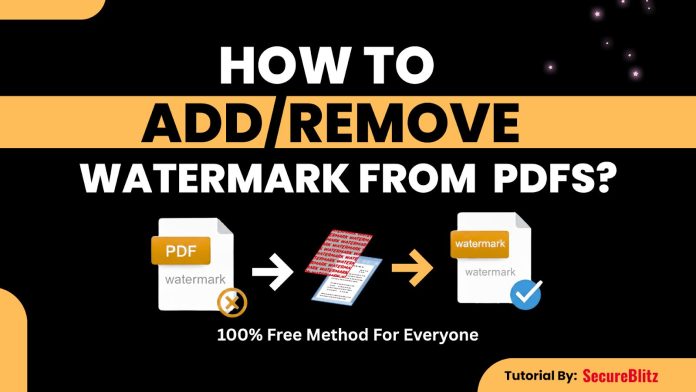
Learn how to add or remove watermark from PDFs in this post.
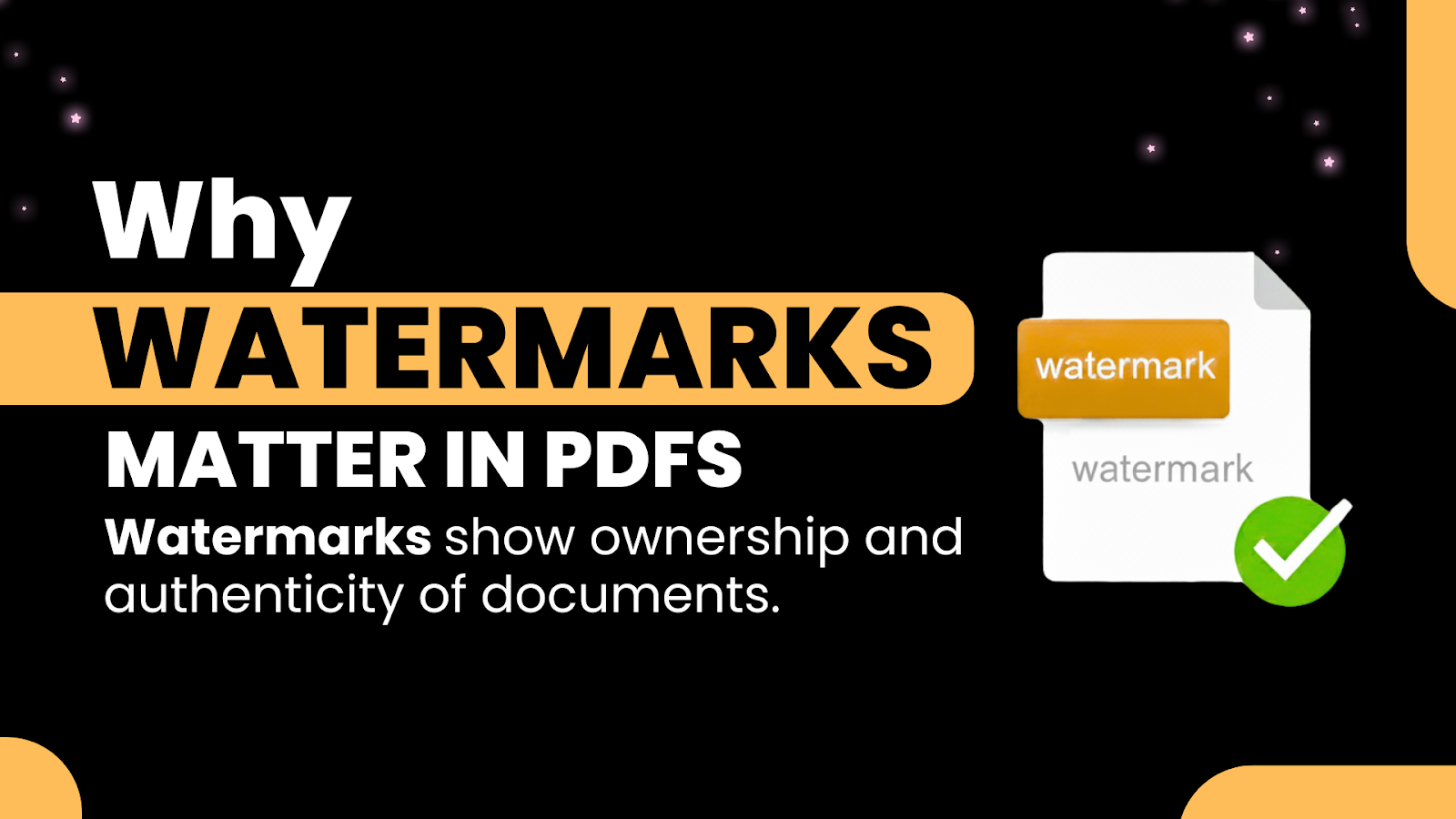
It is just as important to learn how to add & remove watermarks from PDFs as it is to understand their uses. These watermarks are subtle yet strong, visually representing the owner’s claim, confidentiality, or status of the file, and more often, they are the very first telltale signs that suggest the file is indeed official, protected, or under review.
Watermarks, in a nutshell, are overlays of text and images, such as a company’s logo, “Confidential,” “Draft,” and others, that are applied to prevent unauthorized sharing of the work. This creates a scenario where only professionals and companies that use them can take advantage of them in terms of brand image consistency and document authenticity.
However, from time to time, the watermarks have to be changed or eliminated. Perhaps a firm has recently undergone a rebranding process, or you are working on an old paper bearing the “Draft” label. The swift process of applying or removing watermarks on PDFs ensures that the documents are always up-to-date, neat, and professional.
When and Why You Need to Remove Watermarks?
Watermarks serve their purpose to mark ownership, signal confidentiality, or show that a file is still a draft.
Some practical and quite legitimate reasons for removing watermarks from PDFs do exist. Understanding when and why it should be done will keep your edits ethical and professional.
Editing Your Own Document Templates
In cases where your profession requires the use of templates for invoices, reports, or contracts, you will probably frequently see watermarks such as “Sample” or “Draft” in these documents. These stamps devalue and disfigure the final version of the file, plus they do not convey the right impression of the document.
In such cases, it will be quite reasonable to remove the watermark from PDF templates you’ve created to make them ready for official use or client delivery. This way, your final documents will look clean and polished.
Cleaning Drafts or Scanned Copies
In such cases, watermarks are often used on draft or scanned documents as a sign of non-approval status. Because the watermarks can be removed when the content has gone through the review process and is finally approved, they can no longer serve any purpose. Their removal provides a professional look and eliminates almost any possibility of misunderstanding about the status of the documents.
While it is remarkably easy to remove a watermark from a PDF using today’s tools, it is best to do so responsibly. You should only ever change documents that are yours in ownership, creation, or by explicit right to edit.
Removing the watermark from someone else’s copyrighted or licensed material without permission will result in legal action being taken against you. Always be considerate of other people’s intellectual property and use watermark removal only for legitimate and authorized purposes.
How to Remove Watermarks from PDF Files?
Watermark removal from PDFs is necessary when one needs a clean and editable copy of their document. Removing a watermark, which can be a “Draft” watermark, an old logo, or an inadvertently added mark, is possible through a suitable PDF editor.
A comprehensive guide is provided to help you easily and effectively perform the task without losing your file.
Step 1: Open or upload the PDF file
Open your preferred PDF editor or visit a trustworthy online service such asI Love PDF 2. To remove the watermark, first, upload the PDF document from which you want it removed.
Mostly, a “Upload PDF” button is provided for this purpose, while some websites also allow users to drag and drop files for their convenience. After being uploaded, the document appears in a preview window where editing options are accessible.
Step 2: Remove Watermarks From PDFs
The iLovePDF2 PDF editor automatically recognizes all page elements—text, shapes, signatures, and watermarks—and makes them editable. To remove a watermark, simply select it and press Delete or Backspace on your keyboard, or right-click the watermark and choose Delete.
You can easily access the editor throughDelete Watermark from PDF and make quick edits directly within your document.
Watermark editors vary in such a manner that some of them will spot all the obvious watermarks for removal automatically, while others will give you the option of selecting some of them manually.
It is in such situations that the process of removing a watermark from a PDF is very rapid, especially if the document has multiple watermarks spread across several pages.
Step 3: An automatic detection and previewing process
Once you activate the removal tool, it will quickly begin searching for watermark elements in the document. Depending on the file’s size, it may take a few seconds and may or may not require manual intervention.
This will produce a preview window that displays the outcome so you may confirm whether the watermark has been wholly gone. You can always adjust the settings or switch to manual mode when some remnants are left out, such as faded shadows or partially erased text. Previewing before saving helps you ensure your final PDF looks professional and clean.
Step 4: Export or save the cleaned PDF.
You have choices to Save, Download, or Export – the fastest way to finish the job – the moment you accept the cleaned file preview. It is recommended that the cleaned document be given a new name, while keeping the original one intact for future use.
The iLovePDF2 editor preserves your document’s original design, fonts, and images, ensuring that your PDF quality remains consistent even after the watermark has been removed.
Watermarks are signals placed on documents to maintain authenticity and professionalism in digital documents, denoting ownership, confidentiality, or status. Whether added for branding or protection, watermarks help control how documents are shared and perceived.
Watermark: Its Definition and Purpose in Documents
A watermark is a light text or image overlay that is placed on top of the actual document containing information, such as “Confidential,” “Draft,” or a company logo, for the purpose of identifying its source and indicating its state or sensitivity.
Watermarks are very effective in PDFs because they remain hidden within the file, regardless of how the latter is viewed or printed; it always appears consistently the same.
Watermark Types
There are generally two main types of watermarks:
Text-based watermarks use words or phrases, including but not limited to “Sample,” “Approved,” and “Internal Use Only,” to clearly denote the purpose and/or status in documents.
Image-based watermarks: These are typically logos, stamps, or symbols of companies used to reinforce brand identity and ownership. Normally, these are semi-transparent and positioned so that they do not block off any content.
Both types serve different yet complementary purposes: text is for clarity, while imagery is for building brand credibility.
When Removal or Editing Becomes Necessary
Of course, there are occasions when removing watermarks from PDFs is quite valid and necessary, such as updating documents still carrying an outdated logo, editing your own templates, or simply repurposing an older draft.
Being able to remove or change such a watermark in this case will allow a cleaner presentation and updated content. However, like any skill, editing should be reserved for files you own or have the necessary rights to.
Importance to Businesses, Content Creators, and Document Security
These watermarks have thus enabled various organizations to protect their intellectual property and maintain professionalism.
Companies take measures to secure the confidentiality of their internal papers, while artists and independent contractors rely on marking as their safeguard against the reuse of their artworks or written pieces without consent.
Removing watermarks from PDFs can present unexpected issues, even with the most advanced tools. Along with effective changes that do not impair the quality of the document, the following are the most typical difficulties users run across attempting to erase the watermark from PDF files:
Not fully removed watermark, layer, or transparency.
Some PDF marks are composed of multiple layers or created with partial transparency. The watermark of a PDF may be removed, but the ghosting of the text or image remains. The majority of these editors can only erase the uppermost layer visible at a time, therefore.
Solution: Open it in an editor that can display such layering or “object inspection,” search for multiple watermark elements, and delete each one of them. If the watermark is totally transparent, enhance it, and then the software will easily detect the different layers.
The marks that remain and are not easily erased will often result in a much cleaner output if the file is exported to an editable format, such as Word, and then re-exported to PDF.
Formatting or Text Loss Post-Removal
Removing watermarks from PDFs might sometimes cause the arrangement to shift or some text to be misplaced. This is mostly caused by the watermark layer on some of the images or text; deleting it changes the design.
Remedy: To begin with, duplicate the original paper before starting the editing process. Set your editor to handle formatting issues and make manual adjustments to text and images.
The Final Thoughts
While watermarks are vital for keeping the document intact, learning to manage them helps one develop a fresh level of professionalism and adaptability.
Whether you are eliminating the preceding marks or generating new ones for branding purposes, the goal is always to have your PDFs neat, accurate, and available for their intended application.
Removing expert and culpable watermarks from PDF files ensures that the material’s credibility and usability are constantly preserved.
In today’s digital age, document collaboration among remote teams has become a cornerstone of business operations. The global pandemic has served as a catalyst for the acceptance of remote work, leading to a surge in the utilization of collaboration tools.
However, the remote work environment presents unique challenges that require effective strategies and tools to overcome.
One tool often overlooked but highly beneficial is a simple utility that converts word to PDF. This function enhances compatibility across various devices, ensuring the document’s formatting remains consistent.
This is especially critical when multiple individuals across different locations are working on the same document.
Essential Tools For Document Collaboration
When it comes to remote collaboration, choosing the right tools is half the battle. Businesses must consider their specific needs, their team’s technical competency, and their budget before settling on a particular toolset.
Document collaboration tools allow team members to share, view, and edit documents simultaneously, increasing efficiency and facilitating real-time communication.
These tools often offer features like track changes, version history, and commenting, helping teams manage multiple edits and maintain the document’s integrity.
For instance, Google Docs allows multiple users to collaborate on a document in real-time. Similarly, Microsoft Teams provides a robust platform for document collaboration, coupled with communication tools.
It’s important to choose the ideal project collaboration tool to assess Businesses need, team’s skills, and budget. Hello Ivy allow simultaneous document sharing, viewing, and editing. Determine your needs, team skills, and budget. Hello Ivy is a real-time collaboration tool.
Strategies For Effective Document Collaboration
While having the right tools is necessary, it’s not enough to ensure successful document collaboration among remote teams. Companies also need to establish strategies that guide how these tools are used.
First, it’s crucial to have clear communication guidelines. Teams should know when and how to use comments, what kind of language to use, and when it’s appropriate to edit or suggest edits.
Second, maintaining document version control is essential. Teams should leverage the version history features in their collaboration tools to track changes, identify when a change was made, and by whom.
People shouldn’t overlook the challenges remote teams face while collaborating on documents. Recognizing these challenges is the first step toward addressing them effectively.
One common challenge is managing time zone differences. If team members are spread across the globe, collaborating in real-time can be difficult. In this case, asynchronous communication tools, such as email and collaboration platforms, become invaluable.
Another significant challenge is maintaining security while collaborating on sensitive documents. Companies should ensure their collaboration tools offer robust security features. Using a password-protected PDF can provide an additional layer of security.
Implementing Best Practices For Remote Document Collaboration
Following the discussion about the challenges, let’s focus on the best practices to improve remote document collaboration.
A key practice is setting up document access permissions. Not every team member needs to edit every document. Limiting access can help manage changes and reduce the potential for errors.
It’s also beneficial to train team members on how to use collaboration tools effectively. This includes understanding when to use certain features such as the convert word to PDF function.
In addition, establishing a document naming convention can help teams organize files effectively. A consistent and descriptive naming convention makes it easier for team members to locate and identify files.
Cultivating A Collaborative Culture
Fostering a culture that values and promotes collaboration is vital. Such a culture encourages open communication, appreciates diverse perspectives, and nurtures trust among team members.
A key component of this culture is openness to feedback. Team members should feel comfortable giving and receiving feedback on documents. They should understand that constructive feedback isn’t a criticism but an opportunity for improvement and learning.
In addition, acknowledging and appreciating individual contributions can foster a sense of belonging and motivation among remote team members. Recognizing the effort behind an excellently crafted report reinforces the value of every team member’s input.
As technology continues to evolve, so do the tools available for document collaboration. Artificial intelligence (AI) and machine learning (ML) are now making their way into collaboration tools, promising to improve efficiency and productivity.
AI can automate routine tasks like sorting and organizing documents, saving valuable time. Meanwhile, ML can learn from users’ behaviors and preferences, offering personalized suggestions and enhancements.
Moreover, the emergence of 5G technology can also enhance document collaboration. By providing faster and more reliable internet connections, 5G can improve the speed and efficiency of document uploads, downloads, and real-time collaboration, especially for teams located in different parts of the world.
Document Collaboration Among Remote Teams: Frequently Asked Questions
What are the biggest challenges to document collaboration in remote teams?
Communication barriers: Time zones, language differences, and lack of face-to-face interaction can hinder communication and understanding.
Version control: Ensuring everyone is working on the latest version and avoiding conflicting edits can be tricky.
Real-time collaboration: Working simultaneously on documents can be difficult without the right tools and processes.
Information silos: Different team members working on separate documents can lead to information gaps.
Security and access control: Maintaining document security and access control when working remotely is crucial.
What tools can help facilitate document collaboration in remote teams?
Real-time collaboration tools: Google Docs, Microsoft Office 365, Dropbox Paper, and others allow simultaneous editing and instant updates.
Project management tools: Platforms like Asana, Trello, and Monday.com help track progress, assign tasks, and share documents within projects.
Communication tools: Slack, Zoom, and Microsoft Teams enable accessible communication and discussion around documents.
Cloud storage solutions: Dropbox, Google Drive, and OneDrive offer secure storage and sharing of documents across devices.
File version control systems: Tools like Git and SVN help manage different versions and prevent conflicts.
What are some best practices for document collaboration in remote teams?
Set clear expectations and guidelines: Establish rules for document naming, version control, communication channels, and feedback loops.
Use the right tools: Choose tools that fit your team’s needs and offer the functionalities required for seamless collaboration.
Schedule regular communication: Hold virtual meetings, discussions, and brainstorming sessions to ensure everyone is on the same page.
Encourage transparency and feedback: Foster a culture of open communication and feedback to avoid misunderstandings and improve collaboration.
Utilize asynchronous tools: Leverage tools that allow for asynchronous contributions, catering to different work styles and time zones.
How can I ensure document security when collaborating remotely?
Use secure platforms: Choose tools with solid encryption and access control features.
Implement password management: Enforce strong passwords and two-factor authentication for all team members.
Limit document access: Only grant access to users who need to see and edit specific documents.
Track document activity: Use audit logs to monitor changes and identify potential security risks.
Educate your team: Train your team on cybersecurity best practices and how to identify phishing attempts or malware.
What are some additional tips for successful remote document collaboration?
Establish a culture of trust and accountability: Encourage open communication and responsibility for individual contributions.
Celebrate successes and acknowledge challenges: Recognize achievements and openly discuss difficulties encountered during collaboration.
Embrace flexibility and adaptability: Be willing to adjust your processes and tools based on your team’s needs and preferences.
Invest in training and development: Provide training on collaboration tools and best practices to enhance team effectiveness.
Conclusion
Successful document collaboration among remote teams requires a blend of robust tools and effective strategies.
The ability to convert word to PDF, clear communication guidelines, document version control, and attention to challenges like time zones and security are all integral components of a thriving remote collaboration environment.
With these in place, businesses can enjoy improved productivity and smoother workflows, regardless of where their team members are.
Unfortunately, vicious Android apps have been legitimately distributed on the Google Play Store.
Android, the world’s most popular mobile operating system, offers many applications to enhance our daily lives.
However, lurking beneath the seemingly endless options can be malicious apps designed to steal your data, disrupt your phone’s performance, or even extort you.
This article serves as an urgent call to action for Android users, highlighting malicious apps that need to be deleted immediately.
Identifying the Threats: A Rogues’ Gallery of Malicious Apps
While specific app names might change over time, here are some common characteristics of malicious apps to be on the lookout for:
Suspicious Permissions: Be cautious of apps requesting excessive permissions that seem unrelated to their intended function. For instance, a flashlight app shouldn’t require access to your location or microphone.
Unrealistic Promises: Apps promising unbelievable features or functionality, such as excessive battery life or miraculous data savings, may be a red flag.
Poor Reviews and Ratings: Before installing an app, take a moment to read user reviews and check its overall rating. A history of negative reviews or an abnormally low rating can be a warning sign.
Download Source: Stick to reputable app stores, such as the Google Play Store. Avoid downloading apps from untrusted websites or third-party sources, as these can harbour malware.
Vicious Android Apps You Should Be Wary Of
Here are some general categories of vicious apps to be aware of:
Fake Loan Apps: These apps masquerade as helpful loan providers but steal login credentials for banking apps and financial institutions.
Disguised File Explorers: Apps claiming to be file managers may hide malware, such as Anatsa, which steals financial data and initiates fraudulent transactions.
Battery Savers and Performance Boosters: Apps promising unrealistic battery life or performance improvements could be harvesting data or displaying intrusive ads.
Camera Filters and Photo Editors: Free camera filters or photo editing apps might inject malware or steal your photos.
Ringtones and Wallpaper Apps: These seemingly harmless apps could contain hidden adware that bombards you with unwanted ads.
Horoscopes and Astrology Apps: Apps claiming to predict your future might collect your personal information and sell it to third parties.
Remember, this is not an exhaustive list, as new threats constantly emerge. Be cautious of apps with these characteristics and prioritize downloading from trusted sources, such as the Google Play Store.
Earlier this year (2024), two concerning app variants emerged, highlighting the constant threat landscape on Android. Here’s a closer look:
Banking Trojan Masquerading as Loan Apps: A series of seemingly helpful loan apps infiltrated the Play Store. These apps promised easy access to credit but functioned as Trojan horses. Once installed, they stole login credentials for banking apps and financial institutions, putting your hard-earned money at risk.
File Explorer Apps with a Bite: Another group of malicious apps disguised themselves as file explorer tools. However, beneath their seemingly innocuous facade, they harboured a nasty surprise – Anatsa, a powerful banking trojan. This malware targeted Samsung Galaxy devices, capable of siphoning off financial data and initiating fraudulent transactions without your knowledge.
Fortunately, both these app threats have been removed from the Play Store. However, taking immediate action is crucial if you have ever downloaded any apps with these characteristics.
If you suspect a downloaded app might be malicious, here’s what you should do:
Uninstall the App Immediately: Don’t hesitate! Go to your Settings app, locate the app in question, and uninstall it.
Scan for Malware: Run a reputable antivirus or anti-malware scan on your phone to detect any potential threats left behind by the uninstalled app. The Google Play Protect feature built into most Android devices can also be helpful.
Change Passwords: If the malicious app targeted your financial information or online accounts, be proactive and change your passwords immediately. Use strong and unique passwords for all your accounts.
Report the App: Help protect others by reporting the suspicious app to the Google Play Store. This helps them identify and remove potential threats from the platform.
Securing Your Android: Building a Fortress
While these threats are concerning, there are steps you can take to safeguard your Android device:
Download with Caution: Only install apps from trusted sources, such as the Google Play Store. Even within the Play Store, exercise caution and read reviews before downloading.
Permission Patrol: Closely related to the permissions an app requests during installation. Grant only the permissions necessary for the app’s functionality.
Keep Software Updated: Regularly update your Android operating system and all installed apps to ensure optimal performance. Updates often include security patches that address newly discovered vulnerabilities.
Embrace Anti-Malware Protection: Consider installing a reputable antivirus or anti-malware app on your Android device for an extra layer of protection.
Backup Regularly: Backing up your data to a secure cloud storage service ensures you have a safety net in case your phone gets infected with malware.
Following these practices can significantly reduce your risk of falling victim to malicious apps and keep your Android device secure. Remember, vigilance is vital in today’s ever-evolving mobile threat landscape.
The world of mobile security is constantly changing. Here are some resources to help you stay informed about the latest threats:
Official Android Security Updates: Google publishes regular security updates for the Android operating system. Ensure that automatic updates are enabled to receive the latest security patches.
Trusted Cybersecurity News Sites: Several reputable cybersecurity news websites provide updates on emerging mobile threats. Bookmark these websites and check them periodically to stay informed.
Tech Review Websites: Tech review websites often test and analyze Android apps. Their reviews can be a valuable resource for identifying potentially vicious Android apps.
While malicious apps pose a threat, Android can be a safe and enjoyable platform when used cautiously. By following the tips outlined in this article, you can significantly reduce your risk of encountering these digital nasties.
A little vigilance goes a long way in protecting your data, privacy, and your hard-earned money. So, keep your Android secure and confidently explore the vast world of apps!
Update your WhatsApp now. Users with the old WhatsApp version are now vulnerable to attacks if they fail to upgrade due to a bug.
WhatsApp, the ubiquitous messaging platform used by billions worldwide, isn’t immune to security threats. While WhatsApp employs encryption to protect your messages, hackers constantly devise new methods to exploit vulnerabilities and gain unauthorized access to accounts.
If you suspect your WhatsApp has been compromised, don’t panic!
This guide will equip you with the knowledge to identify the signs of a hacked account, walk you through the recovery process, and, most importantly, advise you on how to update WhatsApp and secure your account to prevent future breaches.
Warning Signs: How to Tell Your WhatsApp is Hacked
Hackers can infiltrate your WhatsApp account in various ways, often aiming to steal your personal information, intercept messages, or even impersonate you to scam your contacts.
Here are some red flags to watch out for:
Suspicious Activity: Have you noticed messages being sent from your account that you didn’t write? This is a clear indication that someone else might be accessing your account.
Unrecognized Linked Devices: WhatsApp lets you view a list of devices currently logged into your account. If you see unfamiliar devices listed, it could be a sign of unauthorized access.
Missing Messages or Profile Changes: Were important messages deleted without your knowledge? Did your profile picture or name change unexpectedly? These actions could be signs of a hacker tampering with your account.
Sudden Log Out: If you’re abruptly logged out of your WhatsApp account without explanation, it could be due to the hacker activating their device as the primary one.
Immediate Action: Taking Back Control
If you suspect your WhatsApp account has been hacked, act swiftly to regain control and minimize potential damage. Here’s what you need to do:
Log Out of All Devices: First, log out of WhatsApp from all devices, including your phone, computer, or any other device where you might be logged in. This will prevent the hacker from further access. To do this, go to “Settings” > “Linked Devices” and tap “Log out from all devices.”
Verify Your Phone Number: Request a new verification code for your phone number. This will prevent the hacker from using your account even if they have your login credentials. Go to “Settings” > “Account” > “Security” and tap “Two-step verification” (if not already enabled). Then, tap “Change Phone Number” and follow the on-screen instructions to verify your number with a new code.
Enable Two-Step Verification: This adds an extra layer of security by requiring a six-digit PIN and your phone number to log in. Go to “Settings” > “Account” > “Security” and enable “Two-step verification.” Set a strong PIN that you can remember easily.
Change Your Password: While WhatsApp doesn’t have a traditional password, you can change your account information. Go to “Settings” > “Tap on your profile picture” > “Edit” and change your name or profile picture if the hacker modified them.
Report the Incident: Inform WhatsApp about the hacking attempt. While WhatsApp doesn’t have a formal reporting system within the app, you can contact WhatsApp Support through email. Briefly explain the situation and provide any relevant details.
Preventative Measures: Keeping Your WhatsApp Secure
By following these practices, you can significantly reduce the risk of your WhatsApp account being compromised:
Update WhatsApp Regularly: Cybersecurity vulnerabilities are constantly being discovered and patched. Keeping your WhatsApp app updated ensures you have the latest security fixes. Go to your app store and update WhatsApp whenever a new version is available. This is crucial!
Strong Passwords & PINs: While WhatsApp doesn’t have a traditional password, consider using a solid PIN for two-step verification. Choose a complex combination of numbers and letters that is difficult to guess. Don’t reuse PINs or passwords across different platforms.
Beware of Phishing Links: Phishing scams are a standard tactic hackers use to steal login credentials. Be cautious of suspicious links received in messages, even from known contacts. If a link seems untrustworthy, don’t click on it.
Verification Before Sharing: Double-check the recipient before sending sensitive information or financial details through WhatsApp. Verify phone numbers or contact information to prevent sending messages to a compromised account.
Enable Two-Step Verification: As mentioned earlier, enabling two-step verification adds a crucial layer of security. Don’t skip this critical step.
Limit App Permissions: Review and adjust WhatsApp’s access permissions within your phone’s settings. Does WhatsApp need access to your location all the time?
Manage Linked Devices: Watch the devices linked to your WhatsApp account. Go to “Settings” > “Linked Devices” and review the list periodically. If you see any unfamiliar devices, log out of all devices immediately and follow the recovery steps mentioned earlier.
Beware of Unwanted Group Invites: Malicious actors might use group invites to spread spam or malware. Be cautious of joining groups from unknown senders, especially if the group name or description seems suspicious.
Scrutinize Third-Party Apps: Be wary of granting access to third-party apps that integrate with WhatsApp. These apps might request unnecessary permissions or contain vulnerabilities that could expose your account information. Only connect trusted third-party apps with a clear purpose.
Regular Backups: Backing up your chat history is a good practice even if your account isn’t hacked. This allows you to restore essential messages in case of accidental deletion or phone loss. WhatsApp offers a built-in backup option to Google Drive or iCloud. Go to “Settings” > “Chats” > “Chat Backup” to configure backups.
Report Suspicious Activity: If you encounter any suspicious activity on WhatsApp, such as spam messages or impersonation attempts, report them to WhatsApp. This helps them identify and address potential security threats.
Remember: Security is an ongoing process. By staying vigilant and following these best practices, you can significantly reduce the risk of your WhatsApp account being compromised.
Update your WhatsApp app regularly, avoid clicking on suspicious links, and enable two-step verification to create a robust defence against hacking attempts.
Social engineering tactics are a significant weapon in a hacker’s arsenal. By educating your contacts about common scams and security best practices, you can create a network of informed users who are less susceptible to falling victim to hacking attempts.
Share information about phishing scams, the importance of solid PINs, and how to identify suspicious activity on WhatsApp.
The Importance of a Layered Security Approach
Securing your WhatsApp account goes beyond just the app itself. Consider using a mobile security app on your phone that can provide additional protection against malware and phishing attempts.
Additionally, practising good internet hygiene – being cautious about the websites you visit and the information you share online – contributes to a layered security posture that safeguards your digital life.
By taking these steps and staying informed about evolving cybersecurity threats, you can ensure your WhatsApp experience remains secure and enjoyable.
Remember, a little vigilance goes a long way in protecting your privacy and maintaining control over your digital communication.
Note: This was initially published in October, 2019 but has been updated for freshness and accuracy.
To strike back at his attackers, Tobias Fromel, a malware victim, vengefully hacked back his attackers.
The digital world can be a dangerous place. In the age of ransomware, where malicious actors hold your precious data hostage, the feeling of helplessness can be overwhelming.
But one German programmer, Tobias Fromel (also known online as battleck), decided to take a stand – not just for himself, but for countless other victims.
This is how Fromel hacked back against his attackers, the Muhstik ransomware gang, and the complex ethical and legal questions it raises.
Kaspersky Antivirus is an antivirus protection solution that protects your computers from virus attacks and other...Show More
Kaspersky Antivirus is an antivirus protection solution that protects your computers from virus attacks and other threats that may result from internet usage or other forms of usage. Show Less
Panda Dome Security Suite
Your advanced protection suite for home and business needs.
Your advanced protection suite for home and business needs. Show Less
Norton 360
Norton 360 is a security suite that utilizes advanced machine learning technology in dealing with all types of malware...Show More
Norton 360 is a security suite that utilizes advanced machine learning technology in dealing with all types of malware including Trojans, ransomware, etc. 100% guaranteed protection against all types of malware and your best bet for privacy protection. Show Less
Avira Prime
Avira Prime is the ultimate security suite for data safety and protection from online threats that gives you full access...Show More
Avira Prime is the ultimate security suite for data safety and protection from online threats that gives you full access to Avira products like antivirus, Phantom VPN, software updater, system optimization tool, and a password manager. Show Less
ESET HOME Security Premium
ESET HOME Security Premium is a fully-fledged security software with amazing features and even a password manager. Smart...Show More
ESET HOME Security Premium is a fully-fledged security software with amazing features and even a password manager. Smart protection for Windows, Mac, and Android devices. Show Less
G DATA Total Security
G DATA Total Security is a complete protection suite that offers total security online and offline. The suite includes...Show More
G DATA Total Security is a complete protection suite that offers total security online and offline. The suite includes an antivirus engine, a password manager, firewall protection, device control, and internet security tools. Intelligent security suite for all device types. Show Less
AVG Ultimate
A combined antivirus plus VPN for total protection.
A combined antivirus plus VPN for total protection. Show Less
McAfee Total Protection
An easy-to-use security suite for data safety and device protection.
An easy-to-use security suite for data safety and device protection. Show Less
Trend Micro Premium Security Suite
Premium security suite for device protection and identity safety.
Premium security suite for device protection and identity safety. Show Less
VIPRE Advanced Security
Best security solution for emerging threats and data safety.
Best security solution for emerging threats and data safety. Show Less
Total AV
Protects your devices and online activities in real-time.
Protects your devices and online activities in real-time. Show Less
PC Matic Security
PC Matic Security is a security software that protects against malware, viruses, and ransomware.
PC Matic Security is a security software that protects against malware, viruses, and ransomware. Show Less
K7 Total Security
K7 Total Security is a comprehensive security software suite that provides protection against malware, viruses, and...Show More
K7 Total Security is a comprehensive security software suite that provides protection against malware, viruses, and other cyber threats, as well as features such as parental controls, data encryption, and a personal firewall. Show Less
F-Secure Total
F-Secure Total is a security suite that provides protection for your devices against malware, viruses, and online...Show More
F-Secure Total is a security suite that provides protection for your devices against malware, viruses, and online threats with features like antivirus, firewall, VPN, and parental control. Show Less
Sophos
Sophos Antivirus is a security software that helps protect computer systems from various malware and online threats.
Sophos Antivirus is a security software that helps protect computer systems from various malware and online threats. Show Less
Surfshark One
Surfshark One is a cybersecurity bundle that provides users with Surfshark VPN, Alert, Search, and Antivirus that...Show More
Surfshark One is a cybersecurity bundle that provides users with Surfshark VPN, Alert, Search, and Antivirus that combines security, privacy, and convenience into one powerful package. Surfshark is an award-winning VPN service for keeping your digital life secure. Show Less
Avast One
Avast One is an all-in-one security suite offering antivirus protection, VPN, performance optimization, and privacy...Show More
Avast One is an all-in-one security suite offering antivirus protection, VPN, performance optimization, and privacy tools for comprehensive digital security. Show Less
Falling Victim to Muhstik Ransomware
The Muhstik ransomware emerged in late September 2019, targeting Network-attached storage (NAS) devices created by QNAP, a Taiwanese hardware vendor.
This malware, named after the “.Muhstik” extension it appended to encrypted files, preyed on users with weak passwords. Once infiltrated, Muhstik would lock down the victim’s data, demanding a ransom of 0.09 bitcoins (roughly $700) to regain access.
Tobias Fromel, unfortunately, became one of Muhstik’s victims. Faced with losing his data and pressured by the extortion attempt, he reluctantly paid the ransom. However, instead of succumbing to despair, Fromel channelled his anger into a daring counteroffensive.
Hacking Back: A Risky Gamble
Fueled by a desire for justice (and perhaps a touch of vengeance), Fromel set out to strike back at his attackers.
His technical expertise as a programmer came into play as he embarked on a mission to hack into the Muhstik control and command server. He managed to successfully breach their defences, gaining access to the criminals’ inner sanctum.
Fromel’s actions weren’t driven solely by personal gain. He understood the plight of other Muhstik victims.
He released a critical piece of information to empower them and disrupt the attackers’ operations – nearly 3,000 decryption keys and free decryption software. This act of defiance provided a lifeline to countless individuals locked out of their data.
While Fromel’s actions undoubtedly helped other victims, legality remains a thorny issue. Even with good intentions, hacking can be a criminal offence in many jurisdictions.
However, some argue that Fromel’s actions fall under a concept known as “self-defence” in the digital realm. He was simply trying to regain control of his data and mitigate the harm caused by the attackers.
The authorities were reportedly alerted about the situation, but whether Fromel faced any legal repercussions is unclear. Interestingly, some victims, touched by his audacious act, even sent him small cryptocurrency gifts as a token of their appreciation.
A Complex Lesson: Beyond the Headlines
The story of Tobias Fromel and the Muhstik ransomware is more than just a thrilling act of hacktivism.
It highlights the growing threat of ransomware attacks, the emotional toll they take on victims, and the desperation that can drive people to take extreme measures.
While Fromel’s story might inspire a sense of vigilante justice, it’s crucial to remember that hacking back is a risky gamble.
Individuals rarely possess the necessary resources and expertise to accomplish such a feat safely and effectively. Law enforcement agencies and cybersecurity professionals are better equipped to handle these situations.
The best defence against ransomware attacks lies in proactive measures:
Strong Passwords: Implementing solid and unique passwords for all accounts, especially NAS devices, is vital.
Regular Backups: Maintaining regular data backups on external drives or cloud storage ensures you have a safety net in case of a data breach or other cyberattack.
Security Updates: Keeping your operating systems and software applications up to date with the latest security patches is essential to address known vulnerabilities.
Security Software: Investing in reputable antivirus and anti-malware software provides an added layer of protection.
There’s no definitive answer, but many consider Kevin Mitnick a strong contender. He was a black-hat hacker (who used hacking skills for malicious purposes) who gained notoriety in the 1980s for hacking into major corporations and government agencies. Mitnick later turned his talents to ethical hacking (using hacking skills for good) and cybersecurity awareness.
What is hacking?
Hacking refers to gaining unauthorized access to a computer system or network. Hackers can exploit vulnerabilities in software or hardware to achieve their goals, ranging from stealing data or disrupting operations to installing malware or launching cyberattacks.
What are the three types of hackers?
While classifications can vary, here’s a breakdown of three common hacker types:
Black Hat Hackers: These hackers operate with malicious intent, aiming to steal data, disrupt systems, or cause damage.
White Hat Hackers: Ethical hackers utilize their skills to identify and patch computer system vulnerabilities, thereby enhancing security.
Gray Hat Hackers: These hackers occupy a middle ground. They might use their skills for personal gain (not necessarily malicious) or to expose security weaknesses without always following legal procedures.
How do hackers hack?
Hackers employ a variety of techniques, but some standard methods include:
Social Engineering: Tricking users into revealing sensitive information or clicking on malicious links.
Phishing: Sending emails or messages that appear to be from legitimate sources to steal passwords or personal data.
Malware: Distributing malicious software that can steal information, damage systems, or spy on users.
Exploiting vulnerabilities: Finding weaknesses in software or hardware and using them to gain unauthorized access.
The term “hacker” has evolved. In the early days of computing (1950s-1960s), hackers were enthusiasts who enjoyed tinkering with computer systems to explore their full potential and expand their knowledge. It’s difficult to pinpoint a single “father” of hacking, as this culture emerged from a community of curious and innovative individuals.
Do hackers have high IQs?
While intelligence is undoubtedly an asset, hacking success depends more on technical skills, problem-solving abilities, and creativity. Persistence and thinking outside the box are also crucial traits for hackers.
Who was the first hacker?
There’s no single person credited as the “first hacker.” The hacking spirit likely emerged alongside the development of early computers as individuals experimented and pushed the boundaries of these new machines. The term “hacker” is believed to have originated in the 1950s at the Massachusetts Institute of Technology (MIT) to describe these tech-savvy individuals.
The case of Tobias Fromel presents a complex ethical and legal dilemma. While his actions were motivated by a desire to help himself and others, they raised questions about vigilantism in the digital space.
Ultimately, prevention is the key to staying safe online. By adopting strong cybersecurity practices, we can collectively minimize the impact of ransomware attacks and ensure our data remains secure.
Note: This was initially published in October 2019 but has been updated for freshness and accuracy.
Here, I will show you how to invest in cryptocurrency.
Cryptocurrency has emerged as a highly lucrative investment option in the recent past. With the world’s major economies embracing cryptocurrency, more and more people are considering investing in this digital currency.
However, the world of cryptocurrency can be complex, and there are several investment vehicles to choose from.
However, new investors can rely on technology to provide resources that can help them in their crypto investment journey, the same as picks and parlays are the loyal partners of bettors who use technology in their journey.
This article will provide an overview of the different ways you can invest in cryptocurrency in 2023, including the pros and cons of each method to help you make an informed decision.
What Is Cryptocurrency?
Cryptocurrencies are digital currencies that use encryption techniques to secure and verify transactions and control the creation of new units. Several currencies are available, including bitcoin, litecoin, dogecoin, and Ethereum.
With the recent boom, many investors are interested in the various vehicles of investments that come with cryptocurrency. Is buying and selling the only way to profit from this digital and decentralized currency? The answer is no, as investors can hop on many other vehicles. They include;
Buying and Selling Directly
You can buy and sell cryptocurrencies through exchanges and peer-to-peer platforms.
Cryptocurrency exchanges are digital platforms where you can buy, sell, and trade different cryptocurrencies using traditional fiat currencies, such as USD, EUR, or other cryptocurrencies.
To purchase cryptocurrency on an exchange, you must create an account, provide identification, and link a payment method, such as a bank account or credit card. Once your account is verified, you can purchase cryptocurrency at the current market price.
Peer-to-peer platforms are marketplaces where buyers and sellers can connect directly to buy and sell cryptocurrencies. These platforms operate similarly to marketplaces such as eBay or Craigslist.
To buy cryptocurrency on a peer-to-peer platform, you must find a seller offering the cryptocurrency you want to buy, agree on a price, and complete the transaction.
Pro: When you buy cryptocurrency directly, you have complete control over your investment and can choose which cryptocurrencies to invest in.
Con: Cryptocurrency exchanges and peer-to-peer platforms can be vulnerable to hacking, and there is a risk of losing your cryptocurrency if your account is hacked or compromised.
You can invest in crypto companies like cryptocurrency exchanges, wallet providers, or blockchain technology firms to reap high dividends and shares due to the rapid growth of cryptocurrency.
Pro: Investing in cryptocurrency companies can provide investors with exposure to the fast-growing cryptocurrency industry, plus high returns as the industry continues to grow and mature.
Con: The cryptocurrency industry is complex and rapidly evolving, and it can be challenging for investors to stay on top of recent developments and trends.
Invest in Cryptocurrency-Focused Funds
Cryptocurrency-focused funds are investment vehicles that enable investors to get exposure to the cryptocurrency market without buying and holding cryptocurrency directly.
An example is a mutual fund. These are professionally managed investment funds that pool money from multiple investors to buy a portfolio of cryptocurrencies. Mutual funds are typically less volatile than individual cryptocurrencies but may have lower returns.
Pro: Cryptocurrency-focused funds are professionally managed, which can benefit investors who lack the time, expertise, or resources to research and invest in cryptocurrencies themselves.
Con: Cryptocurrency-focused funds typically charge management fees and other expenses, which can eat into the overall returns of the investment.
Become a Crypto Miner or Validator
Crypto mining and validation are the processes by which transactions on a cryptocurrency network are verified and added to the blockchain.
In mining, powerful computers compete to solve complex mathematical problems, which verify transactions and generate new cryptocurrency units as a reward. In validation, participants stake a certain amount of cryptocurrency to validate transactions and earn rewards.
Not all cryptocurrencies require mining, but some of the most popular cryptocurrencies that use mining or validation include Bitcoin (mining), Ethereum (mining and validation), and Cardano (validation).
Pro: Becoming a crypto miner or validator can be very rewarding, as successful miners or validators can earn new cryptocurrency units as a reward.
Con: Becoming a crypto miner or validator requires significant investments in hardware and software, which can be expensive.
How To Invest In Cryptocurrency Like A PRO!: FAQs
The world of cryptocurrency can be exciting but also risky. Here’s how to navigate it with a savvy approach:
How Much Should I Invest?
Cryptocurrencies are volatile. Only invest what you can afford to lose. Treat it like a high-risk investment, and don’t put all your eggs in one basket. Consider it a small part of a diversified portfolio.
Where Can I Buy Crypto?
Cryptocurrency exchanges allow you to buy and sell cryptocurrencies. Research reputable exchanges with strong security measures. Remember, these exchanges may have fees associated with buying and selling.
How Do I Store My Crypto Safely?
Once you’ve bought crypto, you need a secure place to store it. Some exchanges offer wallets, but consider using a dedicated hardware wallet for better security. These are physical devices not connected to the internet, making them less vulnerable to hacking when online.
Is This a Get-Rich-Quick Scheme?
No! Getting rich quickly with cryptocurrency is highly unlikely. Be prepared for price fluctuations and approach it as a long-term investment with the potential for high highs and low lows.
A Final Word
Overall, each investment vehicle has pros and cons, and investors must conduct thorough research and due diligence before making investment decisions.
However, with the right approach and strategy, investing in cryptocurrency can also offer the potential for significant returns.