Trading cryptocurrencies can be a daunting task for beginners. With a wealth of information available, it’s easy to get lost and confused. Fortunately, thecrypto community is filled with helpful individuals who are willing to share their knowledge in return for assistance.
This article will cover some trading tips and tricks that will help you break into the world of trading cryptocurrencies.
Not just any trader, but a newbie trader. New traders tend to overthink everything and often fall into traps because they assume they are doing everything wrong. Let’s get right into the details!
A trading bot is a software program that interacts directly with financial exchanges to place buy or sell orders on your behalf. Many cryptocurrency traders utilize cryptocurrency trading bots to execute trades more quickly and efficiently, and sometimes even while they sleep.
Bots can handle all the legwork involved in trading, including spread analysis, order entry, and risk management.
While some bot developers charge for their services, numerous free and open-source bots are also available online. Bot trading is not without its risks, however, as even the most well-designed bot can be susceptible to market conditions and unforeseen events.
As such, it is essential to select a reputable bot provider and thoroughly test your bot before entrusting it with your real money.
Types Of Crypto Trading Bots
There are numerous types of cryptocurrency trading bots available on the market today. Some of the most popular include arbitrage bots, market-making bots, grid trading bots, and scalping bots.
Arbitration bots take advantage of price differences between exchanges to buy low on one exchange and sell high on another. They are also known as spot futures arbitrage bots.
Market-making bots help to create liquidity by placing buy and sell orders simultaneously and is considered the best trading bot option for those seeking consistent profits with minimal manual effort.
Scalping bots attempt to capitalize on small price movements by opening and closing multiple orders in quick succession. While each type of bot has its own strengths and weaknesses, all can be useful tools for investors looking to take advantage of the volatile crypto markets through automated trading.
Day Trading Strategies For Beginners Using The Best Crypto Trading Bots
If you’re new to the world of day trading, using crypto trading bots can seem daunting. After all, there are numerous ways to trade cryptocurrencies, and it can be challenging to know where to begin. However, by following some simple strategies, you can quickly learn how to use crypto bots to your advantage.
Always Do Your Own Research
One of the most important things to remember when day trading is always to do your own research. Just because a crypto bot is available doesn’t mean that it’s the right tool for you. It’s important to read reviews and understand how each cryptocurrency trading bot works before using it. This way, you can be sure that you’re getting the best possible results.
Start With A Simple Strategy
When you’re first starting out, it’s important to keep things simple. There are a lot of different ways to trade, and it can be tempting to try out all of them at once. However, this is often not the best approach. Instead, it’s better to start with one simple strategy and then gradually add more complexity as you become more comfortable.
In the world of cryptocurrency, there are often sudden price fluctuations. These can be tempting to trade, but they can also be very risky. If you’re not careful, you could lose a significant amount of money. Instead, it’s often better to wait for the price to stabilize before trading.
Always Technical In Your Analysis
When examining charts, it’s essential to remain technical in your analysis. This means that you should focus on aspects such as support and resistance levels, rather than attempting to predict where the price will go next. By doing this, you’ll be able to make more informed decisions about when to buy and sell.
Use A Variety Of Tools
There are some of the best crypto trading bots available, each with its own strengths and weaknesses. As such, it’s often a good idea to use a variety of different bots. This way, you can get the best results from each one.
Monitor Your Trades Closely
When you’re using a crypto trading bot, it’s important to monitor your trades closely. This way, you can catch any potential problems early and avoid losing any money. You should also keep up with thealtcloin news.
Be Willing To Adjust Your Strategy
The world of cryptocurrency is constantly evolving, and so is the most effective way to trade it. As such, you need to be willing to adjust your strategy as the market changes. By doing this, you’ll be able to adapt to the ever-changing market and make sure that you’re always making the most profitable trades.
Only Trade What You Can Afford To Lose
Cryptocurrency trading can be risky, and there’s always the potential to lose money. As such, you should only trade what you can afford to lose. This way, even if you do lose money, it won’t have a major impact on your life.
When it comes to investing, one of the most important things to remember is to diversify your portfolio. This means that you should invest in a variety of different assets, rather than putting all of your eggs in one basket. By doing this, you’ll be able to reduce your risks and maximize your returns.
Have Realistic Expectations
It’s important to have realistic expectations when it comes to investing. This is especially true with cryptocurrency trading. Cryptocurrencies are known for their volatility, so it’s essential to understand that there will be fluctuations. Rather than expecting to make a fortune overnight, it’s better to focus on slowly building your wealth over time.
Be Patient
Investing takes time, and there’s no such thing as a get-rich-quick scheme. However, if you’re patient and stick to it, you’ll eventually see the rewards.
These are just a few of the many different strategies that you can use when trading cryptocurrencies. By following these tips, you’ll be able to make more informed and profitable trades.
So, there you have it! Our guide to day trading crypto for beginners. While this is by no means an exhaustive list, following these guidelines should help you get started in the world of day trading bots.
Clario Tech Limited, a leading cybersecurity company headquartered in London, has launched a 24/7 free helpline to assist individuals and businesses in safeguarding their online information amidst the increased online activity during the COVID-19 pandemic.
This timely initiative addresses the growing concern over cyber threats, mainly because the pandemic has pushed many to rely heavily on online platforms for work, communication, and shopping.
Clario’s helpline aims to empower everyone with the tools and guidance to navigate the digital world confidently.
The launch coincides with a surge in reported COVID-19 scams, as highlighted by the Federal Trade Commission (FTC).
According to a press release, the FTC received over 7,800 complaints related to COVID-19 scams, resulting in financial losses exceeding $13.4 million for Americans since the beginning of 2020.
Clario Tech CEO Alun Baker emphasizes the importance of the helpline: “This initiative aims to alleviate public anxieties about online activities and provide support until the launch of our upcoming software.
Clario’s world-class support team is here to bridge the gap and empower users with the knowledge and resources they need to stay safe online.”
Individuals and businesses can access Clario’s helpline 24/7 through their website or email for assistance with cybersecurity concerns.
The dedicated team of 600 highly trained cybersecurity experts is readily available to answer questions, resolve issues, and offer valuable guidance on topics including:
Clario Tech Limited, established in 2019, is committed to combating the ever-evolving landscape of cyber threats.
The launch of the helpline serves as a crucial first step, empowering individuals and businesses with the knowledge and resources they need to navigate the digital world confidently while creating anticipation for the company’s upcoming software release.
Clario Cybersecurity: Frequently Asked Questions
What is Clario Cybersecurity?
Clario Cybersecurity is a company offering a suite of security solutions to protect individuals and businesses in the digital world. Their services include:
24/7 Cybersecurity Helpline: A free service offering guidance and support on various cybersecurity issues.
Upcoming Software: Clario is developing software solutions to enhance online security measures further.
Who can benefit from Clario Cybersecurity?
Both individuals and businesses can benefit from Clario’s services. Individuals can utilize the helpline for assistance with personal cybersecurity concerns, while companies can gain valuable insights and guidance for protecting their operations and data.
What type of support does the Clario Cybersecurity Helpline offer?
Clario’s 24/7 helpline assists with a wide range of cybersecurity topics, including:
Setting up secure digital profiles and wallets.
Safeguarding online shopping activities.
Protecting credit and debit cards from online threats.
Ensuring the security of online bill payments.
Maintaining secure virtual workspaces.
How can I access Clario’s cybersecurity services?
Clario offers support through their 24/7 helpline, accessible via their website or email address. You can find the specific contact information on their official website.
Note: This was published in May 2020 but has been updated.
Compare the Melbet app Thailand to the desktop version. Find differences in accessibility, features, security, and bonuses to pick your perfect betting experience.
Web betting is constantly growing, providing gamblers with more options to play their favorite casino and sports games. As technology improves, many enthusiasts of these activities now wonder if mobile applications can offer the same experience as their traditional PC counterparts. Both have different benefits, but it ultimately comes down to lifestyle and personal preference.
If you’ve considered upgrading your experience, now is the time to explore both options in detail. Download the app today or try the desktop version to discover which path brings more comfort and excitement. Don’t delay — find your perfect fit.
Accessibility Anytime, Anywhere
Gone are the days when the availability of the internet limited the use of betting to a personal computer. The availability of mobile apps has changed this premise and allowed betting to occur on the go.
A good example is the Melbet app Thailand, which allows seamless betting on sports and casino games during traffic, idle time, or while on a leisurely stroll. This app has been designed for those who use betting as a secondary or even a tertiary form of entertainment.
In the same breath, desktops are suitable for bettors who appreciate large displays and stable connections. The two are connected as the convenience of Melbet betting limits is only available on mobile devices.
User Experience and Navigation
An easier design engages customers more. Apps more often than not use minimal design, so users can swiftly move through sports, slots, or live tables. Fewer distractions always lead to faster thinking and, in the end, a happier user.
Desktop systems, though, are more enhanced with the ample space. It is easier to have more information presented on a single page. This allows users to multitask and easily monitor various markets or check live stats. Desktops are a blessing to users living in a data-crunching world.
Ultimately, it is a question of choice. Do you appreciate more the portability of your device or the more intricately crafted in-home system?
Performance and Reliability
Maintaining high customer satisfaction is primarily achieved by ensuring consistently high levels of performance. Mobile apps are advancing rapidly and now feature fast load times, instant notifications, and other features that enhance user experience. This is very useful even for short periods of use.
The desktop version remains the best for serious multitasking. A user with dozens of tabs open can compute complex statistics and place multiple bets much more easily on a desktop. The reliability and high performance of computers also make them the preferred option for advanced users.
The versions on both computers and mobile devices are capable of reducing time lost and ensuring safe and uninterrupted sessions, which is a fundamental increase in the system’s reliability, regardless of the type of device being used.
Payment Methods and Security
Every wagering partnership is built on financial trust. Both the desktop software and mobile apps have safeguards in place for financial transactions, including the use of stronger encryption and more robust protocols.
Withdrawals and deposits can be made instantly through local e-wallets and mobile banking apps, which are commonly associated with the Ease of Use feature of mobile apps. Desktops have broader integration with older methods, such as bank cards and online bank transfers.
Quick comparison table:
Feature
Mobile App
Desktop Version
Benefit for Player
Payment Options
E-wallets, mobile banking
Bank cards, e-wallets, transfers
Convenience with local habits
Security Measures
Encryption, biometric logins
Encryption, two-factor authentication
Very confident in secure payments
Speed of Processing
Instant deposits, swift withdrawals
Quick but possibly subject to banks
Makes financial management smoother
Irrespective of the device, both versions keep your money safe along with being transparent and reliable.
Bonuses, Assistance, and Additional Features
Offers coax players to play and stick around. Both platforms consistently offer welcome bonuses, free bets, and seasonal promotions. Earning them is a breeze, app or web.
Good customer service is also a concern. Live chat, email, and FAQs are always available on all versions, so help is always near. Players even point out faster responses through app notifications.
Here’s a simple list of other perks to keep in mind:
Push Notifications: Applications share real-time odds or promo information.
Multitasking: Desktops handle a detailed breakdown across multiple tabs.
Customization: Applications offer language and notification options based on users.
Community Forums: Desktops are likely to refer to larger communities for discussion.
Each offers value, but each prioritizes different needs based on player style.
Visual Experience and Live Streaming
Another crucial consideration in deciding between an app and a desktop is visual quality. The smaller screen on mobile devices suits them perfectly, as they have clean graphics and responsive designs. They enable players to view live scores or quickly access betting slips easily, even on smaller devices.
Its desktop mode is more effective at creating immersive experiences, though. The larger screens accommodate high-definition images, in-depth charts, and a few live streams simultaneously. This setup suits individuals who prefer seeing many things simultaneously without overlooking details.
Although the two options provide access to live streaming and gambling, the difference lies in how they are presented. Apps like ease and quickness, whereas desktops prioritize depth and detail. Although those who enjoy visual experience may prefer a desktop, those who prefer convenience on the go find apps totally sufficient.
Making the Choice That Suits You
Regarding mobile and desktop versions, one size does not fit all. Each has its own strengths, which are similar yet different. Mobile devices thrive on flexibility, while desktops excel in depth and multitasking.
Using and experimenting on both shows what best aligns with one’s activities. The platform supports life, be it in search of social interaction, graphical depth, or mobility.
Remember: the optimal selection is one that continues to entertain the user while still not losing control of the situation. Each user should try both options to determine which one offers the higher entertainment value.
I will talk about creating a realistic family budget in this post.
Managing family finances can feel overwhelming at times, especially when bills, daily expenses, and future plans are all competing for the same pool of money. A budget brings order to the chaos by showing you exactly where your money is going and how it can be used to reach your goals.
For families working toward credit card debt relief, creating a realistic budget is not just helpful—it’s essential. A clear plan helps you prioritize essentials, reduce debt, and still make room for the things that bring joy to your household.
Start With Your Income
The foundation of any family budget is understanding how much money is coming in. List every source of income, including salaries, freelance work, side jobs, or benefits. Be honest and realistic, focusing on consistent income rather than occasional extras.
This number is the starting point for your plan, and it helps set boundaries on how much your family can reasonably spend or save each month. Without knowing your true income, it’s nearly impossible to create a budget that works.
List All Your Expenses
The next step is writing down everything your family spends money on. This includes fixed expenses like rent or mortgage payments, utilities, insurance, and car loans. Then move on to variable expenses such as groceries, gas, dining out, and entertainment.
Finally, add in savings and debt repayment. Seeing these expenses side by side gives you a complete picture of where your money goes. Often, this exercise alone reveals areas where you may be overspending without realizing it.
Separate Needs From Wants
A realistic budget is not just about cutting costs—it’s about understanding priorities. Divide your expenses into needs and wants. Needs include housing, food, transportation, insurance, and debt payments. Wants cover everything else, like eating out, streaming subscriptions, or vacations.
Both categories have value, but separating them helps you make better decisions if money gets tight. When you know what’s essential, it becomes easier to cut back on wants temporarily without feeling deprived in the long run.
Set Family Goals
Budgets aren’t just about paying bills—they’re about creating a roadmap for the future. Talk with your family about short and long-term goals. Maybe you want to save for a vacation, build an emergency fund, or pay off debt faster.
Setting goals together ensures everyone is on the same page and invested in the plan. Goals give purpose to your budget, transforming it from a simple spreadsheet into a tool that helps your family achieve what matters most.
Build Categories That Work for You
Generic budget templates don’t always fit every family’s lifestyle. Once you know your income, expenses, and goals, create categories that reflect your reality. You might have separate categories for kids’ activities, medical costs, or pet expenses.
The key is to be detailed enough to see where money is going but simple enough to manage without stress. Personalizing your budget increases the chances that your family will stick with it long-term.
Plan for Savings and Emergencies
A strong family budget always includes savings. Even if the amount is small, saving consistently builds a safety net that reduces stress and prevents reliance on credit cards during emergencies.
Start with a modest goal like setting aside $25 or $50 a month. Over time, increase contributions as your finances allow. An emergency fund gives your family confidence and flexibility, especially when facing unexpected expenses like car repairs or medical bills.
Tackle Debt With Intention
Debt repayment is an important part of many family budgets. If your family is focused on Credit Card Debt Relief, make sure to include specific amounts dedicated to paying down balances each month.
Two common strategies are the snowball method, where you pay off the smallest debt first for quick wins, and the avalanche method, where you tackle the highest interest rate debt first to save money long-term. The key is consistency. Even small extra payments add up over time and create momentum toward being debt-free.
Review and Adjust Regularly
A budget isn’t something you create once and forget about. Families grow and circumstances change—new jobs, school expenses, or medical costs can all shift the financial picture.
Set aside time each month to review your budget together. Celebrate progress toward goals and adjust categories where necessary. These regular check-ins keep your budget realistic and prevent surprises. They also help your family stay engaged and motivated.
The Benefits of a Realistic Budget
When your family has a budget that reflects your true income, expenses, and goals, money becomes less of a stressor and more of a tool. You gain control, reduce financial arguments, and feel more confident about the future.
Most importantly, a realistic family budget ensures that your financial choices align with your values and priorities. It gives you the freedom to cover essentials, make progress on debt, and still enjoy meaningful experiences together.
Creating a realistic family budget takes effort, but the rewards are long-lasting. By tracking income, listing expenses, separating needs from wants, setting goals, personalizing categories, planning for savings, tackling debt intentionally, and reviewing regularly, your family can build a plan that works.
Over time, this budget will not only bring financial clarity but also greater peace of mind and unity in your household.
Playing online slot games on mobile phones has become a significant trend in recent years, transforming how people engage with online casinos.
The convenience and accessibility of mobile gaming fuel this shift. Players can now enjoy their favourite slot games anytime and anywhere without the need for a desktop computer.
The advancement in smartphone technology, including improved graphics and faster processing speeds, has enabled game developers to create high-quality, mobile-optimized slot games that offer an experience comparable to traditional online platforms.
Getting Started with Mobile Slot Games
To begin playing online slot games on a mobile phone, select a reliable online casino that offers a mobile-friendly platform.
Many casinos provide a dedicated mobile app, while others have responsive websites that adapt to the smaller screens of mobile devices.
After choosing a suitable platform, players can quickly create an account, deposit funds, and explore the wide range of available slot games.
The mobile interface is typically user-friendly, with games optimized for touchscreen controls, ensuring a seamless gaming experience.
Variety and Quality
One of the most exciting aspects of mobile slot gaming is the vast selection of games available. Mobile slots come in numerous themes, from classic fruit machines to modern video slots with elaborate narratives.
These games boast impressive graphics, engaging soundtracks, and animations that enrich the gaming experience on a small screen.
Additionally, mobile slots offer the same features as their desktop counterparts, including bonus rounds, free spins, scatter and wild symbols, and even progressive jackpots.
Playing slot games on a mobile phone offers several advantages. The most apparent is the portability factor, allowing players to enjoy games on the go, whether during a commute, on a lunch break, or while relaxing at home.
Mobile slots also provide a more private and personalized gaming experience, as players can enjoy their games without the distractions of a traditional casino setting.
Furthermore, many online casinos offer exclusive bonuses and promotions for mobile users, enhancing the appeal of mobile gaming.
Safety and Fair Play
When playing mobile slots, safety and fair play are paramount. Reputable mobile casinos use advanced encryption technologies to protect players’ personal and financial information.
It’s crucial to choose licensed and regulated casinos by recognized gambling authorities to ensure fairness and reliability.
Additionally, legitimate mobile slot games use Random Number Generators (RNGs) to guarantee random and unbiased outcomes, mirroring the trustworthiness of desktop versions.
The Future of Mobile Slot Gaming
The future of mobile slot gaming is promising, with ongoing technological advancements paving the way for more innovative and immersive experiences.
Augmented reality (AR) and virtual reality (VR) technologies are potential game changers, offering an even more engaging and interactive gaming experience.
Moreover, integrating social media features in mobile slots could foster a more community-oriented gaming experience, allowing players to share achievements and compete with friends.
Mobile Online Slot Games: Frequently Asked Questions
Are mobile online slots safe to play?
The safety of playing mobile online slots depends on the platform you choose. Only play on reputable and licensed online casinos that prioritize security. Here are some factors to consider:
Licensing: Ensure the casino holds a license from a recognized gambling authority, like the UK Gambling Commission or the Malta Gaming Authority.
Security measures: Look for casinos with robust encryption protocols to protect your personal and financial information.
Reviews and reputation: Research the casino’s reputation by reading reviews from other players and independent sources.
What are the advantages of playing mobile slots compared to playing on a desktop?
Playing mobile slots offers several advantages:
Convenience: Play anytime, anywhere, as long as you have an internet connection.
Various games: Leading online casinos offer a wide selection of mobile-optimized slots, often mirroring their desktop choices.
Bonuses and promotions: Many casinos offer exclusive bonuses and promotions for mobile players.
Touchscreen controls: Enjoy an intuitive and user-friendly experience explicitly designed for touchscreens.
Do I need to download an app to play mobile slots?
Not necessarily. Many online casinos offer a mobile-friendly website accessible directly through your phone’s web browser. However, some casinos offer dedicated mobile apps that you can download from app stores or the casino’s website.
What are some things to keep in mind when playing mobile slots?
Set a budget and stick to it: Gambling should always be seen as entertainment, not a way to make money. Set a realistic budget and never chase losses.
Only gamble with money you can afford to lose: Gambling should be done responsibly and only with disposable income.
Be aware of your surroundings: When playing on your mobile phone, be mindful of your surroundings and avoid playing in public places where you might be distracted or vulnerable.
Remember, responsible gambling is vital. Enjoy the excitement of mobile slots while keeping these safety and responsible gaming practices in mind.
Conclusion
In conclusion, Play PG SOFT Games Online on a mobile phone offers a convenient, diverse, and secure gaming experience.
With the evolution of smartphone technology and online gaming platforms, mobile slots are becoming increasingly popular among players seeking entertainment on-the-go.
As the industry grows, we can anticipate even more innovative features and enhanced gameplay, making mobile slot gaming a continually exciting and evolving field.
When looking for a manufacturing company to work with, some things can help you pick the right one.
They must carefully meet all of these factors before choosing them because it will determine how well your product turns out and whether it works correctly or not.
Here’s what to look for in a reputable manufacturing company:
A Good Reputation
The first thing you want to check for is a good reputation. This will tell you how reputable the company is and if they have had any complaints. You can usually find this information online by quickly searching them.
If there are any negative reviews, it might be best to steer clear of that company. However, if there are mostly positive reviews, you can be more confident in working with them.
Experience in the Field
Next, you want to ensure that the company has experience in the field. This means they will have more knowledge about producing your product correctly and meeting your specifications.
If they do not have much experience, it could lead to problems, so you’ll want to avoid this.
However, if they have much experience, you can be more confident that the product will turn out well.
Another thing you’ll want to look for is the company’s capability to handle large orders. This means they will have the resources and human resources to take on your project and produce it correctly.
If they cannot handle a large order, it could delay the entire process, and you don’t want that. However, if they can handle it, you can be more at ease knowing your project is in good hands.
A Clear Contract
Make sure there is an explicit contract between you and the manufacturing company. This will help protect both of your interests from any issues.
If you have not received one before starting, then ask them for it to ensure everything is in order and spelled out, so nobody gets left behind or misinformed about anything.
The company should also have the proper equipment to produce your product. This means they will have the machines and tools necessary to do the job correctly.
If they do not have the right equipment, it could lead to delays or, even worse, a botched product. However, if they have the right equipment, you can be more confident in the product they will produce.
Hallmarks of Excellence: Dissecting the Traits of a Good Manufacturing Company (FAQs)
The manufacturing sector is the backbone of many economies. But what defines an excellent manufacturing company? Here are some FAQs to unveil the key features that set them apart:
What makes a good manufacturing company?
Several key features contribute to a good manufacturing company:
Quality Products: The cornerstone of success is a consistent commitment to producing high-quality goods that meet or exceed customer requirements.
Efficiency and Productivity: Operating efficient processes minimizes waste and optimizes production, leading to cost-effectiveness and timely delivery.
Innovation and Continuous Improvement: A good manufacturer strives to constantly improve processes, embrace new technologies, and develop innovative products to stay ahead of the curve.
Strong Quality Control: Robust quality control measures ensure consistent product quality and minimize defects.
Supply Chain Management: Effective management of suppliers and the supply chain is crucial for smooth operations and timely production.
Skilled Workforce: A talented and well-trained workforce is essential for operating machinery, maintaining quality, and driving innovation.
Safety Culture: Prioritizing safety throughout manufacturing protects employees and fosters a positive work environment.
Customer Focus: A good manufacturer understands customer needs and strives to deliver products and services that meet or exceed their expectations.
Environmental Responsibility: Sustainable practices and minimizing environmental impact are becoming increasingly important for manufacturers.
Are there any specific certifications that mark a good manufacturer?
While certifications don’t guarantee a good manufacturer, some well-regarded certifications demonstrate a company’s commitment to quality and specific standards. These can include:
ISO 9001: A widely recognized standard for quality management systems.
ISO 14001: Focuses on environmental management systems.
Six Sigma: A methodology for continuous improvement and reducing defects.
What are some important factors to consider when choosing a manufacturing partner?
Here are some key considerations:
Quality reputation: Research the company’s quality and customer satisfaction track record.
Capability and experience: Do they have the expertise and experience to manufacture your specific product?
Production capacity: Can they meet your production volume requirements?
Location and lead times: Consider factors like geographical proximity and delivery timelines.
Cost competitiveness: Compare pricing and quotes while considering overall value, not just the initial cost.
By understanding these features and considerations, you can make informed decisions when choosing a manufacturing partner that aligns with your needs and values.
A Final Word
So, before hiring a manufacturing company to work with, you need to ensure they carefully meet all of these factors and ensure your project turns out well when it’s done.
This way, you can avoid having any issues or delays, which could take up valuable time from your end.
By following these tips, you’ll be able to find the right company to work with and avoid any headaches down the road.
In this post, I will show you a ChatGPT prompt generator complete blueprint.
Marcus opened his laptop. 8:47 AM, Starbucks, downtown Austin. Bank account showed $1,247. Three clients hadn’t paid yet.
Fast forward six months. Same laptop processed $100K through Stripe. All from ChatGPT prompts that actually worked. Not those generic “write me a blog post” templates everyone sells.
And the results:
ChatGPT answers hit the target first try
Revenue per prompt: $97 to $997
Clients went from “meh” to “holy shit, how?”
Time writing prompts: 45 minutes down to 3
Marcus stopped writing prompts from scratch in January 2025.
He started asking ChatGPT to write its own instructions instead.
ChatGPT builds prompts for itself — Marcus just asks the right question
Old way: Marcus would type “Write me sales copy for my SaaS product…”
New way: “Build me a prompt template for SaaS sales copy that includes psychological triggers and tracks conversion metrics.”
ChatGPT spits out:
“Use this: Write B2B SaaS copy. Hit pain points before features. Add 3 testimonials and 5 benefit bullets. Work in loss aversion and social proof. Structure it: Headline, Problem, Solution, Benefits, CTA. Target 12% conversion.”
Marcus tested it. Previous copywriter’s work converted at 3.8%. This hit 12.1% on first run.
Claude jumps in — makes the prompts sound human
Marcus noticed ChatGPT’s prompts worked but felt stiff.
He fed them to Claude: “Make this prompt template sound more natural, less robotic.”
Claude’s version: “Write like you’re explaining to a frustrated founder at 2 AM why their current setup is bleeding money. Include that ‘aha’ moment when they realize there’s a fix.”
Output quality jumped. Clients couldn’t tell it was AI anymore.
Table: Marcus’s ChatGPT prompts that printed money
What it did
The actual prompt
Money it made
Cold emails
“3 lines max for B2B founders. Hook with specific pain, hint at fix, soft ask for chat”
31% opens → $4,200/month
Product pages
“Lifestyle benefits up front, features buried, social proof at the end”
4.2x more sales → $8,900/month
Support scripts
“Acknowledge frustration, give fix, check they’re happy”
91% satisfaction → 22% less churn
LinkedIn posts
“Start with weird truth plus specific number”
340% more engagement
Sales pages
“60% emotion, 40% logic, three price tiers”
12% conversion → $23K deal
The $23K prompt that changed Marcus’s life
Marcus’s biggest payday came from one mega-prompt for a SaaS client:
You’re a B2B copywriter. Ten years writing for enterprise software.
Context: Project management tool, $899/month, selling to Fortune 500 procurement teams. Competing with Monday and Asana.
Here’s what you have: Customer interviews (they hate tool sprawl), competitor prices ($50-500 per user), our secret weapon (workflow automation).
Write this: Seven emails over 14 days. Move them from “we have a problem” to “let’s buy this.”
Rules: Keep each email under 150 words. Skip the buzzwords — no synergy, leverage, innovative. Drop one real customer number in each email. Remember they need legal approval.
Write like: A consultant texting a peer. Say “you” not “your company.”
Email structure:
“Noticed you downloaded our tool sprawl report…” (acknowledge problem)
“Companies your size waste $147K yearly…” (cost of doing nothing)
“Spotify cut project delays 43%…” (success story)
“Your team mentioned async collaboration…” (solve main pain)
“Calculate your specific savings here…” (ROI calculator)
“Here’s what changes from your current setup…” (comparison)
“30-day pilot for qualified teams…” (offer with safety net)
Success looks like: 25% opens, 8% clicks, 2% book demos, legal approves it.
After sending: Split test subject lines, track responses, adjust based on objections, build FAQ from replies.
What happened: 34% opened, 12% clicked, 4.7% booked demos. Client closed 8 deals worth $86K monthly. Marcus got $23,000.
In this post, we will show you some command prompt tricks you didn’t know about.
A command prompt is basically a command line interpreter designed to solve basic problems or perform admin functions. It is also known as CMD, or its filename – CMD.exe and it is usually available in most Windows OS.
The command prompt works when you input a command line; it is interpreted and your desired function is done.
Forget fancy apps, the Command Prompt is a hidden gem on your Windows machine waiting to be explored. It might seem intimidating at first, but mastering a few tricks can unlock a world of power and efficiency.
TOP DEALS
Surfshark
Surfshark is an award-winning VPN service for keeping your digital life secure. Surfshark VPN has servers located in...Show More
Surfshark is an award-winning VPN service for keeping your digital life secure. Surfshark VPN has servers located in more than 60 countries worldwide. Show Less
CyberGhost VPN
CyberGhost VPN is a VPN service provider with more than 9,000 VPN servers spread in over 90 countries. Complete privacy...Show More
CyberGhost VPN is a VPN service provider with more than 9,000 VPN servers spread in over 90 countries. Complete privacy protection for up to 7 devices! Show Less
OmniWatch
Safeguard your identity with OmniWatch, the comprehensive identity theft protection service that provides proactive...Show More
Safeguard your identity with OmniWatch, the comprehensive identity theft protection service that provides proactive monitoring, dark web surveillance, and expert assistance in case of a breach. Show Less
Incogni
Incogni wipes off your personal information from data brokers.
Incogni wipes off your personal information from data brokers. Show Less
Hostinger
Your all-in-one hosting solution for managing a website. Hostinger is a web hosting company that provides affordable...Show More
Your all-in-one hosting solution for managing a website. Hostinger is a web hosting company that provides affordable shared hosting, VPS hosting, and cloud hosting services, along with a range of other website-related services. Show Less
So, grab your keyboard and prepare to unleash your inner tech ninja!
Confidential Command Prompt Tricks
Here are some Command Prompt tricks for you to try out:
F1-F9: These function keys are your best friends. F3 recalls your previous command, F5 cycles through them, and F7 shows a list for easy selection. F1 and F2 help edit your current command, while F4 and F8 delete parts of it.
Tab: Autocomplete is your ally! Start typing a file or command name, and hit Tab to complete it automatically.
Arrows: Navigate your command history with ease. Up and down arrows move through previous commands, while left and right move the cursor within the current line.
Ctrl+C: This magic combo stops any running command in its tracks. Accidentally started something? Just hit Ctrl+C and breathe easy.
Pipes (|) and Filters: Combine commands like a pro! Use pipes to send the output of one command as input to another. For example, dir | find "txt" lists all text files in the current directory.
Batch Files: Automate repetitive tasks! Create .bat files containing a series of commands that run one after another. Save yourself time and tedious clicks.
ASCII Art: Surprise your friends with text-based drawings! Use tools like figlet or ascii to create artistic text banners.
Hidden Games: Windows hides some fun games in plain sight. Try minesweeper or solitaire for a nostalgic break.
Custom Prompt: Make your Command Prompt yours! Change the text color, background, and even the title to personalize your experience.
Copy files with progress bar: Use copy /v to see a progress bar while copying files.
Move and rename files in one step: Use move old_name new_name to both move and rename a file.
Find files by date: Use dir /o-d to sort files by date modified, with the newest at the top.
Search for text within files: Use findstr "keyword" to find all files containing a specific keyword.
Check system health: Use systeminfo to get detailed information about your computer’s hardware and software.
Monitor network resources: Use netstat to see active connections, listen ports, and network usage.
Identify running processes: Use tasklist to see a list of all running processes and their resource usage.
Troubleshoot network issues: Use ping and tracert to diagnose connectivity problems and identify network hops.
Batch scripting: Write your own scripts to automate complex tasks, like file backups or system configuration changes.
Environment variables: Store reusable values like paths or usernames for easy access in your commands.
Remote access: Control another computer remotely using the Remote Desktop Protocol (RDP) through the Command Prompt.
Display hidden files: Use dir /a to show all files, including hidden ones.
Empty the Recycle Bin: Use rd /s /q C:\$Recycle.Bin (replace C: with your drive letter).
Shutdown your computer: Use shutdown /s for immediate shutdown or shutdown /s /t 3600 to shutdown in one hour.
ASCII Art Generator: This command prompt trick helps you to unleash your inner artist with figlet or ascii to create text-based banners and drawings.
Classic Games: Take a break with minesweeper or solitaire directly in the Command Prompt.
Hidden Messages: Discover hidden messages in Windows executables using msg.exe and specific file names. (Google “msg for dummies” for details)
Trace Route Visualizer: Use tracert -d to view a graphical representation of the path your data takes to reach a website.
Port Scanner: Identify open ports on a system with netstat -a or dedicated tools like Nmap. (Use responsibly!)
Check Internet Speed: Measure your internet download and upload speeds with pingtest or online tools.
Scheduled Backups: Automate file backups using robocopy to a specific location or external drive.
Batch File Magic: Script repetitive tasks like renaming files, moving data, or launching programs with .bat files.
Custom Aliases: Shorten frequently used commands by creating aliases in your autoexec.bat file.
Change Prompt Text: Customize your welcome message in the Command Prompt with the prompt command.
Color Scheme Wizard: Make your Command Prompt visually appealing with color options in the Properties menu.
Command History Search: Use findstr to search through your command history for specific keywords.
Here are some essential Command Prompt safety tips to keep in mind:
1. Know Your Commands
Research thoroughly: Before executing any command, especially those you’re not familiar with, research their purpose and syntax to understand their potential impact.
Double-check syntax: Ensure you’ve typed the command correctly, paying attention to capitalization and spacing, as errors can lead to unexpected outcomes.
Use help options: Many command prompt tricks offer built-in help options (e.g., command /?) to provide detailed usage information and examples.
2. Be Cautious with Powerful Commands
Handle with care: Commands like del (delete), format, and diskpart can have irreversible consequences if used incorrectly.
Confirm before executing: Double-check the file path or drive letter before proceeding with these commands.
Consider alternatives: Explore safer options for file management or disk operations, such as using the graphical user interface or dedicated tools.
3. Back Up Your Data
Create regular backups: Regularly back up your important data to an external drive or cloud storage to protect against accidental loss or corruption.
Backup before major changes: Always create a backup before making significant system modifications or running unfamiliar commands.
4. Run as a Standard User
Avoid unnecessary administrator privileges: For most command prompt tricks, run the Command Prompt as a standard user to minimize the risk of accidental system-wide changes.
Elevated permissions only when necessary: Use the “Run as administrator” option only when specifically required for administrative tasks.
5. Verify Online Resources
Stick to trusted sources: When seeking information or tutorials online, rely on official Microsoft documentation, reputable websites, or forums with experienced users.
Be wary of suspicious sites: Avoid downloading files or scripts from unknown or untrusted sources.
6. Test in a Safe Environment
Experiment in a virtual machine: If you’re unsure about a command’s effects, create a virtual machine to test it safely without risking your main system.
Isolate sensitive data: Keep sensitive files or data separate from your testing environment to prevent potential damage.
7. Seek Help When Unsure
Don’t hesitate to ask: If you’re uncertain about the command prompt tricks, consult online resources, forums, or seek assistance from experienced users or IT professionals.
Clear explanations: Provide as much detail as possible when seeking help, including the exact command, error messages, and the steps you’ve taken.
Remember: The Command Prompt is a powerful tool, but it’s essential to use it with caution and understanding. By following these safety tips, you can explore its capabilities while minimizing potential risks.
Start small: Don’t try to learn every command prompt tricks at once. Begin with basic navigation and gradually build your skills.
Experiment: Don’t be afraid to try new commands and see what they do. The worst that can happen is you learn something!
Resources: There’s a wealth of information online! Check out Microsoft’s official documentation, blogs, and forums for in-depth guides and troubleshooting tips.
Conclusion
So, what are you waiting for? Open up that Command Prompt window and start exploring. You might just be surprised at the hidden power and fun it holds!
Share your favorite Command Prompt tricks in the comments below! Let’s help each other become keyboard wizards.
Is OnlyFans Safe? Read on to find out in this post.
Remote working platforms like Zoom and engaging social networks like TikTok saw user numbers skyrocket in recent years.
Another platform that gained massive attention during the period is OnlyFans. The platform allowed content creators to reach a global audience from the comfort of their homes.
Since many people were out of work, most took to creating content on OnlyFans. However, the platform has come under heavy criticism recently, one of which is about its safety.
Content creators and subscribers want to know if the platform is safe.
In this SecureBlitz post, we will answer the question – Is OnlyFans Safe? Also, we’ll uncover all about OnlyFans’ security to find out if it’s a safe subscription service or not.
OnlyFans Overview
The words “only fans” depict what the platform is all about. It’s a content subscription service that limits access to only the fans of a particular content creator. The fans refer to subscribers.
Although OnlyFans became globally renowned in 2020, the platform has been live since 2016. It was founded by Fenix International Limited, a company based in the UK.
According to the CEO, Tim Stokely, the platform materialized as a medium to allow people to create and make money from their content without encountering ads.
Anyone, irrespective of location, can sign up on OnlyFans to make money from their content. The platform allows almost any type of content. Likewise, subscribers from around the world can register to access the content.
OnlyFans boasts over 1.5 million registered content creators and over 5 million registered subscribers. The platform pays at least $5 billion per year to content creators. That’s an average of over $3,300 per content creator.
The platform has become increasingly popular in recent years. Even getting a mention by American pop singer Beyoncé on one of the top songs in 2020. However, with all this rave, the question remains – is OnlyFans safe?
Is OnlyFans Safe?
Yes, OnlyFans is a safe platform. It is a subscription-based social media platform that allows content creators to monetize their content and their fanbase securely.
OnlyFans takes its security and privacy very seriously and has put a number of measures in place to ensure that its platform is secure.
For starters, users must be 18 years or older to use OnlyFans and all payments are done through secure payment processors like Stripe.
All data on OnlyFans is encrypted, and all personal information is kept confidential – they do not share any of your information with third parties.
In addition, OnlyFans has a dedicated team of moderators who are constantly monitoring the platform to ensure that it remains safe and secure.
They review user profiles and content to make sure it is appropriate. If any inappropriate content is found, it can be removed immediately.
They also have a zero-tolerance policy when it comes to harassment or abuse, and any user found in violation of their terms and conditions will be immediately banned from using their platform.
I will say that OnlyFans is a safe and secure platform for content creators to monetize their content and fanbase. They take user safety and privacy very seriously and have put in place a number of measures to ensure that their platform remains secure.
Yes, OnlyFans is a safe platform to subscribe to. It’s a subscription-based social media platform that lets content creators monetize their work.
All payments are securely processed, and the site has strong security measures in place to protect user’s data and privacy.
OnlyFans also has an extensive list of security measures to make sure your data and payments are secure.
All transactions are done through a secure SSL connection, and all passwords are encrypted. They also have two-factor authentication for added security.
Additionally, the have a fraud detection system in place to prevent any unauthorized access to your account.
In addition, OnlyFans also has a dedicated team of customer service representatives who are available 24/7 to address any concerns or questions you may have. They are also quick to act if anything suspicious is detected on the platform.
Overall, OnlyFans is a safe platform to subscribe to, with strong security measures in place to protect users’ data and privacy.
Is OnlyFans Legit?
Yes, OnlyFans is a legitimate subscription-based social media platform that allows content creators to monetize their work by selling subscriptions and premium content to their fans. It has become increasingly popular over the past few years, and for good reason.
Unlike other subscription-based services, OnlyFans offers its users a lot of control and flexibility.
Content creators can set their own prices for subscriptions and create tiers of content for fans to choose from. They can also customize their profiles to make them stand out, and even run promotions or giveaways to engage their followers.
Another great thing about OnlyFans is that it’s free to join and use. You don’t need to pay any upfront fees or subscription costs, so you can start earning money right away.
Plus, the platform takes a relatively small cut of your profits, so you get to keep most of the money you make.
Overall, OnlyFans is a great way for content creators to monetize their work and engage with their fans. It’s a legitimate platform with plenty of advantages, so if you’re looking for a way to make some extra money, it’s definitely worth checking out!
No, OnlyFans does not give you a virus. OnlyFans is a content subscription platform that allows creators to earn money by sharing exclusive content with their subscribers. It has gained popularity in recent years, especially among content creators in the adult entertainment industry.
However, like any other online platform, there are risks associated with using OnlyFans. These risks are not specific to OnlyFans but are applicable to any online platform. One of the main risks is the potential for malware or viruses.
It’s important to understand that OnlyFans itself does not distribute viruses or malware. The platform has security measures in place to protect its users’ data and ensure a safe browsing experience. However, the risk of encountering viruses or malware exists when users click on external links or download files from untrusted sources.
As an OnlyFans user, it’s crucial to practice safe browsing habits and be cautious when interacting with external content.
Here are some tips to minimize the risk of encountering viruses or malware:
Stick to trusted creators: When subscribing to OnlyFans accounts, make sure you’re following verified and reputable creators. Look for creators with a significant following and positive reviews. Trusted creators are less likely to engage in malicious activities or share unsafe content.
Avoid suspicious links: Be wary of clicking on any external links shared by creators or other users on OnlyFans. If a link seems suspicious or redirects you to an unfamiliar website, it’s best to avoid clicking on it altogether.
Use reliable antivirus software: Install and regularly update reputable antivirus software on your device. This will help detect and prevent any potential threats or malware from infiltrating your system.
Be cautious with downloads: If a creator shares downloadable content, exercise caution before downloading it. Scan the file with your antivirus software before opening it to ensure it is safe.
Report suspicious activity: If you come across any suspicious or potentially harmful content on OnlyFans, report it to the platform’s support team immediately. They will investigate and take appropriate action to protect their users.
Remember, while OnlyFans itself is not responsible for distributing viruses or malware, it’s important to be vigilant and proactive in protecting yourself online. By practising safe browsing habits and being cautious with external content, you can enjoy using OnlyFans without worrying about viruses or malware.
PureVPN is one of the best VPN service providers with presence across 150 countries in the world. An industry VPN leader...Show More
PureVPN is one of the best VPN service providers with presence across 150 countries in the world. An industry VPN leader with more than 6,500 optimized VPN servers. Show Less
CyberGhost VPN
CyberGhost VPN is a VPN service provider with more than 9,000 VPN servers spread in over 90 countries. Complete privacy...Show More
CyberGhost VPN is a VPN service provider with more than 9,000 VPN servers spread in over 90 countries. Complete privacy protection for up to 7 devices! Show Less
TunnelBear VPN
TunnelBear is a VPN service provider that provides you with privacy, security, and anonymity advantages. It has VPN...Show More
TunnelBear is a VPN service provider that provides you with privacy, security, and anonymity advantages. It has VPN servers in more than 46 countries worldwide. Show Less
Surfshark
Surfshark is an award-winning VPN service for keeping your digital life secure. Surfshark VPN has servers located in...Show More
Surfshark is an award-winning VPN service for keeping your digital life secure. Surfshark VPN has servers located in more than 60 countries worldwide. Show Less
Private Internet Access
Private Internet Access uses world-class next-gen servers for a secure and reliable VPN connection, any day, anywhere.
Private Internet Access uses world-class next-gen servers for a secure and reliable VPN connection, any day, anywhere. Show Less
FastVPN (fka Namecheap VPN)
FastVPN (fka Namecheap VPN) is a secure, ultra-reliable VPN service solution for online anonymity. A fast and affordable...Show More
FastVPN (fka Namecheap VPN) is a secure, ultra-reliable VPN service solution for online anonymity. A fast and affordable VPN for everyone! Show Less
Panda Security
Panda VPN is a fast, secure VPN service facilitated by Panda Security. It has more than 1,000 servers in 20+ countries.
Panda VPN is a fast, secure VPN service facilitated by Panda Security. It has more than 1,000 servers in 20+ countries. Show Less
NordVPN
The best VPN service for total safety and freedom.
The best VPN service for total safety and freedom. Show Less
ProtonVPN
A swiss VPN service that goes the extra mile to balance speed with privacy protection.
A swiss VPN service that goes the extra mile to balance speed with privacy protection. Show Less
ExpressVPN
A dependable VPN service that works on all devices and platforms.
A dependable VPN service that works on all devices and platforms. Show Less
TorGuard VPN
The best VPN service for torrenting safely and anonymously.
The best VPN service for torrenting safely and anonymously. Show Less
VuzeVPN
VuzeVPN offers you unlimited and unrestricted VPN service.
VuzeVPN offers you unlimited and unrestricted VPN service. Show Less
VeePN
VeePN is a virtual private network (VPN) service that provides online privacy and security by encrypting internet...Show More
VeePN is a virtual private network (VPN) service that provides online privacy and security by encrypting internet traffic and hiding the user's IP address. Show Less
HideMe VPN
HideMe VPN is your ultimate online privacy solution, providing secure and anonymous browsing while protecting your data...Show More
HideMe VPN is your ultimate online privacy solution, providing secure and anonymous browsing while protecting your data from prying eyes, so you can browse the internet with confidence and freedom. Show Less
ZoogVPN
ZoogVPN is the complete and trusted all-in-one VPN service that protects your sensitive personal and financial...Show More
ZoogVPN is the complete and trusted all-in-one VPN service that protects your sensitive personal and financial information online. Show Less
HideMyName VPN
Protect your online privacy and anonymity with HideMyName VPN, a secure and affordable service that offers robust...Show More
Protect your online privacy and anonymity with HideMyName VPN, a secure and affordable service that offers robust encryption, multiple server locations, and a variety of privacy-enhancing features. Show Less
Witopia VPN
Witopia VPN lets you shield your privacy and unlock the world's internet with military-grade encryption and borderless...Show More
Witopia VPN lets you shield your privacy and unlock the world's internet with military-grade encryption and borderless access. Show Less
FastestVPN
FastestVPN offers budget-friendly, secure connections with unlimited data and a focus on fast speeds, ideal for...Show More
FastestVPN offers budget-friendly, secure connections with unlimited data and a focus on fast speeds, ideal for streaming and everyday browsing. Show Less
ExtremeVPN
ExtremeVPN is a VPN service that offers fast speeds, strong encryption, and a no-logs policy to keep your online...Show More
ExtremeVPN is a VPN service that offers fast speeds, strong encryption, and a no-logs policy to keep your online activity private. Show Less
iProVPN
iProVPN is a VPN service with a focus on security and affordability, offering basic features to secure your connection...Show More
iProVPN is a VPN service with a focus on security and affordability, offering basic features to secure your connection and unblock streaming content. Show Less
How Safe Is OnlyFans?
Like other well-meaning online platforms, OnlyFans developers strive to keep the service safe and free from cyber threats. Common threats targeted at OnlyFans users include identity theft, unauthorized access, and copyright infringement.
Security For Content Creators
One of the security measures the platform employs is data encryption. All OnlyFans content creators must provide their personal information during registration to confirm their identity.
The platform stores this personal information in an encrypted server, away from the eyes of cybercriminals. As a result, cases of breaching and hacking are not typical.
Furthermore, OnlyFans content creators also provide their financial information to receive payment. The platform utilizes only secure payment processors to protect their funds. In particular, payment processors that are Payment Card Industry (PCI) compliant.
A third security measure on OnlyFans is two-factor authentication. Content creators and subscribers can secure their accounts from unauthorized access with 2FA, which mandates a one-time PIN in addition to the account password. The PIN is usually sent via email or phone.
As a platform that fights against copyright, OnlyFans protects content creators from people who may want to steal their videos.
First, you can easily add watermarks to all your OnlyFans videos. Second, the platform’s dedicated copyright team is on standby to assist when you need it.
Another top security measure for content creators is restriction. If you’re a creator, you can decide who can view your content, send DMs, and like and comment on your uploads. Also, you can private your account, making it inaccessible to anyone.
Security For Subscribers
Like the content creators, OnlyFans has measures to keep subscribers safe. As a subscriber, you’ll have to provide information, including your name, address, and email, when you sign up.
Although you don’t fill them in, the platform can also read your IP address to detect your location, browser version, and device type. If you use the OnlyFans app, especially on mobile, you can also give away your biometric or Face ID details.
These are sensitive details that shouldn’t get into the wrong hands. As a rest, subscribers enjoy some of the same security features available to content creators.
Encryption, secure payment options, and 2FA are all available for OnlyFans subscribers. For the 2FA, you can use either Google Authenticator or Microsoft Authenticator apps.
OnlyFans has been around for over five years, overshadowing all other content subscription services. So far, the platform has proven legitimate, or else it won’t have the massive user numbers it has.
However, while OnlyFans is a legitimate platform, especially for creators who want to make money, it could be the opposite for subscribers.
On OnlyFans, the content creator controls how much subscribers pay and how they pay. As a result, it’s possible to encounter scammers on OnlyFans – just like on other social platforms.
Many customers complain of click-baiting by content creators. Since creators have complete control over what they share with subscribers, some charge subscribers without giving them what they promised.
For example, you may sign up on OnlyFans to subscribe to access singing lesson videos. You won’t be able to view what you want to pay for – unless the creator allows it – before you pay.
As a result, a scam creator can upload pictures instead of the singing lesson videos you want. To make things worse, you can’t get a refund. All purchases on OnlyFans are final. The platform will only refund you if an error occurs during the payment process.
For this reason, it’s vital to do your research before making any payment. Even the OnlyFans admins recommend it.
It would be best if you researched to confirm that the content creator you plan to subscribe to offers what they claim to offer.
Is It Safe To Use Debit & Credit Cards On OnlyFans?
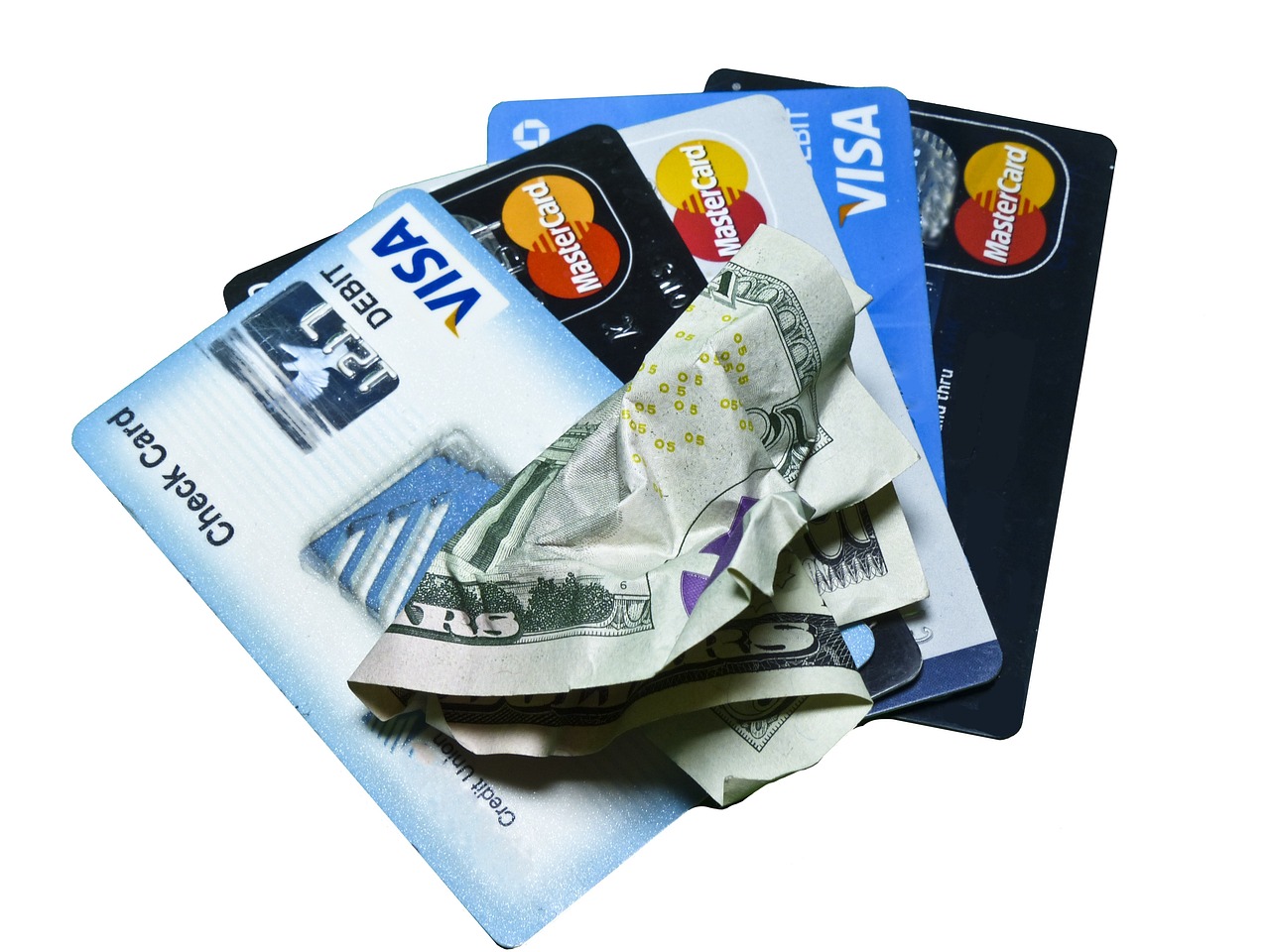
Using credit cards on OnlyFans is as safe as using credit cards on any other website. The platform allows Visa, MasterCard, Discover, Maestro debit cards, and some prepaid Visa cards.
You can’t use non-Visa prepaid cards, gift cards, or a PayPal account to pay subscriptions on OnlyFans.
Also, the platform doesn’t allow third-party methods as it aims to remain free from money laundering. All payments must come from a card linked to a bank account.
OnlyFans does its best to make debit and credit card payments safe. In particular, the platform employs 3D secure checkout. It’s an added layer of protection against fraudulent online purchases made with credit cards.
3D secure checkout will require you to provide a temporary verification code or SMS code to authenticate your transaction. An incorrect verification code means your payment will fail.
Undoubtedly, the extra authentication will ensure you’re the one making the payment and that someone else isn’t using your credit card without your consent. It’s a commendable feature.
Nevertheless, protecting yourself online when making credit card payments is 100% your responsibility. Data breaches can happen at any time.
Hence, it’s ideal to use a separate card from your primary card when making such purchases.
For example, you can have a different account where you store minimal funds for making online purchases. That way, if there’s any breach, your money will be safe in your main bank account.
How Does OnlyFans Protect Content?
OnlyFans utilizes a combination of technical and legal measures to protect its users’ content, including:
Watermarking: OnlyFans automatically adds watermarks to videos and photos with the creator’s username. This makes it more difficult for users to copy or redistribute content without permission.
Disabling Right-Click: OnlyFans disables the right-click feature on its platform, preventing users from easily saving images or videos.
Download Restrictions: OnlyFans restricts the download of content, making it more challenging to pirate and redistribute.
Screenshot Limitations: OnlyFans limits the number of screenshots a user can take, further preventing the spread of unauthorized content.
Two-Factor Authentication: Creators can enable two-factor authentication to add an extra layer of security to their accounts.
DMCA Takedowns: OnlyFans has a process for creators to report copyright infringement, and the platform will take down infringing content promptly.
Legal Protection: OnlyFans’ Terms of Service prohibit the distribution of content without the creator’s permission. Creators can also pursue legal action against users who violate their copyrights.
Content Ownership: Creators retain full ownership of their content posted on OnlyFans. The platform does not claim any rights to the content, ensuring creators have control over their intellectual property.
Transparency Center: OnlyFans has a Transparency Center where creators can report content theft and track the progress of takedown requests.
Community Guidelines: OnlyFans has clear community guidelines outlining prohibited content and user behaviour, helping to prevent the spread of unauthorized content.
Despite these measures, it is still possible for content to be leaked from OnlyFans. Creators should take additional precautions to protect their content, such as using strong passwords, avoiding posting sensitive information, and being cautious about sharing content with others.
What Kind Of Content Are Available On OnlyFans?
As a content creator, you can publish almost anything on OnlyFans. The platform allows non-adult and adult content.
Among the non-adult content category, you’ll find tutorials, courses, singing, rapping, art, video, and photography content, to name a few.
However, adult content is the most popular on OnlyFans, and the platform is now almost anonymous with pornography. You’ll find adult videos, photos, and audio on OnlyFans.
Notably, OnlyFans has a strict rule regarding adult content. You can publish non-adult content and make access free, but adult content must always require a subscription.
The content on OnlyFans doesn’t directly put you at risk. The platform is more or less like YouTube and Vimeo, as you can only stream content. You can’t download videos, audio, or photos from OnlyFans to your device.
Hence, you don’t have to worry about downloading a file with malware or virus from the platform. However, some OnlyFans users use third-party downloader tools to save content.
Using such tools can be risky as they are not affiliated with the OnlyFans platform. In addition, most third-party downloader tools contain many ads, making them perfect carriers of malicious adware.
Furthermore, OnlyFans has a built-in chat system where users can exchange messages. Hence, while you can’t download content directly, you can save files you receive from other users via chat on your device.
What Are The Risks Of Using OnlyFans?
Most risks you may encounter while using OnlyFans involve scams and unauthorized access.
However, there’s more, especially for content creators. Check out some of the top risks of using OnlyFans below:
Photos and videos from OnlyFans are usually downloaded without permission and uploaded to other social media platforms and websites. Hence, creators’ content can quickly go viral, which means no new subscribers.
Abusive creators and subscribers can redirect OnlyFans users to phishing and malware-infested sites. Some go as far as creating housing websites that are 100% identical to the OnlyFans website. Then, they trick them into entering sensitive information, such as usernames, passwords, and credit card numbers, which they can steal.
Most content on OnlyFans is adult content, which is not suitable for children. Unfortunately, it’s hard to prevent minors from accessing such content as the platform has no parental control. It only requires users to confirm they’re up to 18 during registration.
How To Keep Yourself Safe On OnlyFans
Whether you’re a content creator to a subscriber, here are some simple tips to stay safe on OnlyFans:
Sign up on OnlyFans using a private email: In particular, you should create a new email exclusively for OnlyFans. Registering an OnlyFans account using the same email address you use for business and work will be a mistake. When you use a different private email, you can protect your account should there be any breach. Recommended secure email services include Em Client, ProtonMail, TorGuard Mail, etc.
Activate 2FA: As explained earlier Two-Factor Authentication is a built-in security measure available to OnlyFans subscribers and content creators. Ensure you activate this extra security measure. It’ll be a lifesaver if your account username and password get into the wrong hands. Hackers won’t be able to log into your account without the one-time PIN.
Use an antivirus: An antivirus will protect you if you unknowingly exchange virus files or an OnlyFans user redirects you to a malicious website. Here, the antivirus won’t target viruses but malware. Hence, it would help if you used reliable antivirus software like Heimdal Security, Trend Micro Security, Surfshark Antivirus, Norton Antivirus, McAfee Antivirus, etc., that offers real-time protection. Check out our list of the best antivirus for 2023.
Watermark your videos: As a content creator, ensure you use the OnlyFans watermark feature to brand your video. Irrespective of the content type, you can place the watermark where it won’t affect the viewer’s experience. Watermarks will make it difficult for anyone to pirate your content. Even if they share it on other websites, people will always know who the original creator is.
Minimize the personal information you share: As a rule of thumb, don’t share more than what’s necessary on any social media, especially your private info. Professional hackers can piece together different details to uncover your account login details. You make it easy for them when you make excess information publicly available. It would be best if you were wary of what you give out while you chat with other users on OnlyFans.
Keep track of your finances: This is important for content creators and subscribers, but most especially for subscribers. To make a payment, you enter your credit card details on the OnlyFans website. Therefore, you should regularly check your financial records to confirm there have not been any unauthorized withdrawals. If you find any, report to your bank and block the card immediately.
Bottom Line
In terms of cybersecurity, OnlyFans does its best to protect content creators and subscribers. However, anything can happen on the internet, and no platform is 100 per cent safe.
As a result, you should endeavour to protect yourself when accessing OnlyFans, considering the sensitive information you provide on the platform.


























![Is Onlyfans Safe? [Here’s The ANSWER]](https://secureblitz.com/wp-content/uploads/2022/12/Is-Onlyfans-Safe-1-696x364.jpg "Is Onlyfans Safe? [Here’s The ANSWER]")