When you first start dating someone, taking things slow and getting to know them is critical. Learning about the new person in your life will help you understand their interests and traits. That way, you can determine if they’re someone you want to continue seeing. But how do you learn more about the person you’re dating?
Getting to know someone deeper is essential for any new relationship. When you first begin dating someone from LadaDate, your attention is focused primarily on whether you like them as a potential partner (as well as how attractive they are).
However, this doesn’t tell much about who they are. Getting to know your date better will help make sure that this isn’t just a casual relationship.
Here are some ways to get to know the person you’re dating better so that both of you have a clear idea of what type of future could be between you.
Table of Contents
1. Go on dates in different environments
One of the best ways to get to know someone is to take them on a series of dates in different environments. This allows you to better understand what kind of person your date is by experiencing other things with them.
If you typically spend your time with your date in a bar or restaurant, you won’t truly get to know them. Instead, try taking them on dates in different environments, like:
at the beach,
on a walk through a park,
or on a trip to the zoo.
If they seem relaxed and happy while walking through the park, they’re probably a laid-back person. On the other hand, if they seem stressed out or annoyed while at the zoo, they might be more uptight.
Getting to know the person you’re dating means sharing things about yourself. If you don’t feel comfortable talking about yourself, you may make the other person self-conscious about revealing themselves.
If you paid attention in the early stages of your relationship, you may have noticed that the two of you seemed to be on a different page when it came to critical things like:
family,
money,
and future.
When you get to know your date, you’ll be able to understand how they feel about these critical topics fully.
Sharing things about yourself can also help you eliminate any insecurities you may have about yourself. This will make you feel more comfortable and confident to indeed be yourself around your date.
3. See if they’re meeting your basic needs
Knowing your needs is a great way to get to know the person you’re dating better. For instance, if you need to feel like you have control over your life and have time to yourself, you should avoid dating someone who wants you to go out with them every night.
If you’re dating someone who doesn’t seem to meet your needs, this can be a sign that they’re not a good partner for you in the long run.
Finally, you can get to know the person you’re dating better by checking out their friends and family. This will give you a better idea of what type of person they are and if they’re someone that you want to keep seeing.
If your date is close to their family and has a group of friends they regularly hang out with, this is a good sign. This shows that your date is comfortable with who they are and that they’re not keeping their true self hidden from others.
Final Words
With all of these ways to get to know the person you’re dating better, you’ll be able to understand the person you’re seeing truly. This will help you to determine if they’re someone that you want to continue dating or if they’re not a good match for you.
Dating someone who isn’t right for you can cause unnecessary stress and confusion. To avoid this, ensure you get to know your date well.
This post will answer the question – What is the best country for VPN anonymity?
A VPN protects your data using highly secured encryption protocols while also ensuring that you remain anonymous online.
Depending on the country of jurisdiction, a VPN service provider might be compelled to keep users’ logs secret or intercept users’ data, thus violating your privacy rights.
Hence, when choosing a VPN provider, it is essential to consider the country of jurisdiction and its data retention laws if you intend to enjoy round-the-clock privacy and anonymity.
Therefore, you might want to ensure that your VPN provider’s country of jurisdiction meets the following criteria.
Must not have mandatory data retention laws
Cannot be legally forced to intercept or log users’ activities
Must not be a part of the 5-9-14 eyes alliance or be a part of an intelligence-sharing agreement
Must have strict privacy protection laws
Must have advanced IT facilities and skilled IT workforces.
No single country reigns supreme, but strong privacy laws, no data retention, and server proximity guide your VPN journey towards anonymity.
Based on the above criteria, here are 4 of the best countries for VPN anonymity.
Table of Contents
What Are The Best Countries For VPN Anonymity?
1. Romania
Romania is an excellent jurisdiction for VPN providers. Although Romania is part of the European Union, it does not comply with the EU’s Data Retention Directive following the annulment of such directive by Romania’s supreme court, citing privacy and confidentiality rights violations as reasons.
The annulment of EU’s anti-privacy laws shows that the Romanian government has high regard for citizens’ privacy and data protection rights, thus making it an ideal jurisdiction for VPN providers with strict ‘no logs’ compliance policies since it is not under any compulsion to monitor users’ activities.
Additionally, Romania is not a member of the 5/9/14 Eyes alliance; thus, it is under no obligation to share data or intelligence with any country.
Therefore, if you’re concerned about privacy rights and protection, you might want to consider choosing a VPN provider with jurisdiction in Romania since the country does not enforce VPN providers to keep logs of users’ activities.
Therefore, such VPNs under Romania’s jurisdiction cannot be forced to hand over users’ data to law enforcement agents when they come calling. It is also a favourable location for streaming and torrenting because the government has weak copyright law enforcement, thus earning it a place on the US’s watchlist of copyright infringements.
CyberGhost VPN is a popular VPN provider based in Romania.
Switzerland is a haven for VPN service providers because data privacy is protected by its Federal Data Protection Act (DPA), giving individuals and establishments rights to data privacy.
Although Switzerland is located in Europe, it is not a part of the European Union. Hence, Switzerland is not subject to the European Union Data Retention Directives, which requires that VPN providers retain or keep a log of users’ data. Also, Switzerland is not a part of the 5/9/14 eyes alliances formed for intelligence sharing and data gathering.
Torrenting in Switzerland is not an illegal act because the Switz government permits users to download content protected by copyright law for personal use.
A VPN provider might consider choosing Switzerland as its country of jurisdiction because Switzerland ranks high with a score of 96/100 on the Freedom House Assessment Score index.
This implies that Switzerland operates a decentralized democracy, and its citizens enjoy a high degree of freedom of expression.
VyprVPN is a perfect choice for a VPN provider based in Switzerland.
Although the British Virgin Islands is under the British Protectorate, it does not have data retention laws; hence, VPN providers domiciled in BVI are not obligated to collect or use users’ data for any purpose. Also, the country does not have data retention laws, but it does rely on the British data retention laws in its rulings.
A big plus for VPN providers based in BVI is that BVI is not a member of the 5/9/14 eyes alliance; hence, it is not required by law to share data or intelligence with international law enforcement agents and intelligence gathering bodies.
An excellent choice of a VPN provider domiciled in the British Virgin Islands is Surfshark VPN.
Like Switzerland, Panama is another haven for VPN providers because Panama has a data protection law that clearly states that users must be informed and consent received before a user’s data can be collected. This law is so comprehensive that VPN providers have no reason to store users’ logs, and users can choose not to provide personal data for whatever use.
Aside from Panama’s favourable Data Protection Laws, Panama is not a member of the 5/9/14 Eyes alliance; this means that Panama cannot be coerced to share users’ data or intelligence with any country or union.
Therefore, VPN providers with jurisdiction in Panama operate under Panama’s data protection laws, which forbid any individuals or organizations to collect users’ data without the express permission of such users.
NordVPN is based in Panama, thus making it an excellent choice of VPN when considering logging policies.
What Is The Best Country For VPN Anonymity? Frequently Asked Questions
What Is The Best Country For VPN Anonymity?
As I mentioned before, there’s no single “best” country for VPN anonymity, but some stand out based on specific factors:
For solid privacy laws and data protection:
Switzerland: Renowned for its strict privacy laws and data protection regulations. Not part of major intelligence-sharing alliances.
Iceland: Strong commitment to internet freedom and privacy. Has a data protection authority with robust enforcement powers.
Panama: No mandatory data retention laws and a favourable location outside significant alliances.
British Virgin Islands: British overseas territory with strong privacy laws and no data retention requirements.
To avoid data retention laws:
Panama: No mandatory data retention laws.
Romania: EU member state with no data retention laws.
British Virgin Islands: No data retention requirements.
However, other factors to consider:
Your location: Connecting to a geographically distant server might impact speed and performance.
Content access: If you want to access geo-restricted content, choose a country with servers in the desired region.
VPN restrictions: Ensure VPNs are legal in the chosen country.
Ultimately, the best country for you depends on your individual needs and priorities. Consider the factors mentioned above and research specific VPN providers within those countries to find the best fit for your situation.
What Are The Best VPN Server Countries to Connect Through?
Choosing the “best” VPN server countries depends heavily on your individual needs and priorities. However, I can help you narrow down your options by considering these key factors:
Privacy and Data Protection:
Strong privacy laws: Look for countries with robust data protection regulations and no mandatory data retention policies. Switzerland, Iceland, and Panama are often top contenders.
Jurisdiction: Avoid countries in intelligence-sharing alliances like Five Eyes, Nine Eyes, or Fourteen Eyes. These countries may be more likely to share data with other governments.
Speed and Performance:
Geographical proximity: Choose servers closer to your location for better connection speeds and lower latency.
Server infrastructure: Look for VPN providers with well-maintained and high-quality server infrastructure.
Content Availability:
Geo-restricted content: If you want to access content blocked in your region, choose a country with servers in the desired area.
Streaming services: Some VPN providers offer servers optimized for specific streaming platforms like Netflix or Hulu.
Other Considerations:
VPN legality: Ensure VPN usage is legal in the chosen country.
Logging policy: Choose VPN providers with a clear and transparent no-logging policy.
Security features: Look for solid encryption protocols and other security measures offered by the VPN provider.
Here are some top contenders for VPN server countries based on different criteria:
For strong privacy:
Switzerland
Iceland
Panama
British Virgin Islands
Romania
For fast speeds:
Netherlands
Luxembourg
Germany
Singapore
South Korea
For content availability:
United States (for US-based content)
United Kingdom (for UK-based content)
Japan (for Japanese content)
Canada (for Canadian content)
Australia (for Australian content)
Remember, this is just a starting point. It’s crucial to research and compares different VPN providers and server locations based on your specific needs to find the best fit for you.
What Are The Best Countries For VPNs?
Here’s a breakdown to help you decide:
Top factors to consider:
Privacy: Seek strong data protection laws, no mandatory data retention, and avoidance of data-sharing alliances like Five Eyes, Nine Eyes, or Fourteen Eyes. Top contenders include Switzerland, Iceland, Panama, Romania, and the British Virgin Islands.
Speed and performance: Consider the physical distance between you and the VPN server. Countries with good internet infrastructure, like Singapore, Switzerland, Netherlands, and South Korea, might be ideal.
Content access: Choose servers in your desired region to access geo-restricted content.
Legality: Ensure VPN usage is legal in the chosen country.
Price: VPN server locations can affect pricing due to infrastructure and legal costs.
Based on these factors, here are some potential contenders for different needs:
Strong privacy: Switzerland, Iceland, Panama
Fast speeds: Singapore, Netherlands, South Korea
Content access: Depends on your target region (e.g., US servers for US content)
Budget-friendly: Consider Eastern European or Southeast Asian countries, but research their privacy laws carefully.
What Is The Best VPN For Anonymity?
Reputable VPN options with a focus on anonymity:
NordVPN: Strong privacy policy, independent audits, enormous server network, and robust security features. They are based in Panama.
ExpressVPN: Strict no-logs policy, fast speeds, user-friendly interface, and advanced security features. They are based in the British Virgin Islands.
ProtonVPN: Open-source code, privacy-focused Swiss jurisdiction, and robust security features. A free basic plan with limited features.
Surfshark: No-logs policy, multi-device connections, and budget-friendly pricing. They are based in the Netherlands outside significant alliances.
CyberGhost: No-logs policy, user-friendly interface, dedicated streaming servers, and affordable plans. They are based in Romania.
What Are The Panama VPN Laws?
Panama’s VPN laws are generally considered favourable for user privacy and anonymity. Here’s a breakdown of the key points:
Legality:
Using a VPN is legal in Panama. There are no restrictions or bans on VPN usage for personal purposes.
Data Retention:
Panama does not have mandatory data retention laws. This means VPN providers are not required to store or log user data such as browsing history, connection logs, or IP addresses. However, it’s important to note that some VPN providers based in Panama may still choose to log data internally, so checking their privacy policies is crucial.
Jurisdiction:
Panama is not part of any significant intelligence-sharing alliances like the Five Eyes, Nine Eyes, or Fourteen Eyes. This further reduces the risk of user data being shared with other governments.
Overall, Panama’s VPN laws offer a strong foundation for user privacy and anonymity. However, it’s always wise to do your research and choose a reputable VPN provider with a clear no-logs policy and robust security features.
What Are The British Virgin Islands VPN Laws?
The British Virgin Islands (BVI) are well-known for their strong privacy laws and favourable VPN environment:
Legality:
Using a VPN is entirely legal in the BVI.
Data Retention:
The BVI has no mandatory data retention laws. This means VPN providers based in the BVI are not required to store or log user data like browsing history, connection logs, or IP addresses.
This aligns with the BVI’s Data Protection Act (DPA) of 2021, which emphasizes transparency and accountability in data processing.
Jurisdiction:
The BVI is not part of any significant intelligence-sharing alliances like the Five Eyes, Nine Eyes, or Fourteen Eyes. This reduces the risk of user data being shared with other governments.
Orders for VPN providers to produce user data require approval from the BVI High Court, making it difficult for foreign governments to access information.
What Is The Best Country To Set Your VPN To?
The best country to set your VPN to depends on your specific needs and what you hope to achieve by using a VPN. Whether you’re looking for enhanced privacy, accessing geo-restricted content, or simply browsing the internet securely, there are certain factors you should consider.
Firstly, it’s essential to understand that a VPN (Virtual Private Network) allows you to connect to the internet through a server located in a different country. This helps to mask your actual IP address and encrypt your online activities, ensuring that your data remains private and secure.
Suppose your primary goal is to enhance privacy and security. In that case, it’s generally recommended to connect to a server in a country that has strong data protection laws and respects user privacy. Countries like Switzerland, Iceland, and Canada are often considered good choices for this purpose.
On the other hand, if you aim to access geo-restricted content or bypass censorship imposed by your current location, you should choose a VPN server in a country where the content or services you want to access are available. For example, if you want to watch Netflix US content from outside the United States, connecting to a server located in the US would be the best choice.
Some countries have more lenient digital laws and regulations, which can make them attractive options for setting up your VPN. For example, countries like the Netherlands and Sweden have more relaxed copyright laws, making them popular choices for torrenting and file sharing.
Additionally, it’s essential to consider the speed and performance of VPN servers in different countries. Some countries may have faster internet infrastructure and better server networks, resulting in faster speeds and smoother browsing experiences. Countries with advanced technological infrastructure, like Singapore or South Korea, might provide better performance in this regard.
Another factor to consider is the VPN provider itself. It’s crucial to choose a reputable provider that offers reliable servers in multiple countries. Look for providers that have a strong track record of protecting user privacy and provide a wide range of server locations.
Ultimately, there isn’t a one-size-fits-all answer to which country is the best for setting up your VPN. It depends on your specific needs and goals. Consider factors such as privacy laws, content accessibility, digital regulations, speed, and the VPN provider’s reputation when making your decision.
Remember, it’s always a good idea to do some research and read reviews before choosing a VPN provider. This will help ensure that you select a trustworthy service that aligns with your requirements.
Conclusion – What Is The Best Country For VPN Anonymity?
The best VPN services that you should consider in countries that are ideal for anonymity include:
A VPN’s country of jurisdiction is an important criterion to consider when choosing a VPN provider as a privacy-conscious individual because a country’s data and privacy protection law determines the level of protection your data enjoys.
Other criteria you might consider are the number of servers evenly spread worldwide, speed, dedicated server for torrenting, VPN protocol options, and data encryption technology.
In this post, we will compare PureVPN vs CyberGhost VPN to determine the best for them. Also, we will declare a winner in the end.
Choosing the right VPN can be tricky, especially with many available options. Here’s a breakdown of two popular contenders: PureVPN and CyberGhost VPN.
We’ll compare them across critical features to help you decide which one reigns supreme for your needs.
Table of Contents
What Is PureVPN?
PureVPN is a commercial VPN service offering features to enhance online privacy and security. Founded in 2007, the company boasts a vast server network spanning over 6,500 servers in 78 countries.
This global reach allows users to connect to a server in a desired location, masking their IP address and potentially bypassing geo-restrictions on websites and streaming services.
PureVPN prioritizes user security through robust encryption protocols, ensuring your online activity remains hidden from prying eyes. Additionally, they claim to adhere to a strict no-logs policy, meaning they don’t track or store any user data. However, some past controversies regarding data retention have raised concerns among privacy-conscious users.
Beyond core security features, PureVPN offers additional functionalities like built-in malware protection and split tunneling. Split tunneling allows you to choose which traffic goes through the VPN tunnel and which stays on your regular internet connection, providing greater control over your online experience.
While PureVPN might not be the top contender in every category, it remains a solid option for users seeking a balance between affordability, security features, and global server coverage.
PureVPN
PureVPN is one of the best VPN service providers with presence across 150 countries in the world. An industry VPN leader...Show More
PureVPN is one of the best VPN service providers with presence across 150 countries in the world. An industry VPN leader with more than 6,500 optimized VPN servers. Show Less
What Is CyberGhost VPN?
CyberGhost VPN is a leading virtual private network (VPN) provider offering robust security and online privacy features.
It encrypts your internet traffic, acting as a secure tunnel that shields your online activity from prying eyes. This includes your browsing history, downloads, and even your physical location.
CyberGhost boasts a massive server network spanning over 99 countries, giving you unparalleled flexibility when connecting to the internet. With so many server options, you can easily bypass geo-restrictions, access content unavailable in your region, and enjoy global internet access.
Beyond essential privacy protection, CyberGhost offers a suite of features that cater to various user needs. This includes dedicated streaming servers for smooth access to your favorite platforms, a kill switch to prevent accidental data leaks, and even built-in malware protection for an extra layer of security.
Whether you’re a privacy-conscious user, a streamer seeking unrestricted access, or simply someone who values online security, CyberGhost VPN offers a comprehensive solution.
CyberGhost VPN
CyberGhost VPN is a VPN service provider with more than 9,000 VPN servers spread in over 90 countries. Complete privacy...Show More
CyberGhost VPN is a VPN service provider with more than 9,000 VPN servers spread in over 90 countries. Complete privacy protection for up to 7 devices! Show Less
PureVPN Vs CyberGhost VPN: Key Features
Ease of Use
PureVPN: Offers a user-friendly interface but may lack some advanced customization options.
CyberGhost Provides a sleek and intuitive interface, making it a good choice for beginners.
Server Network
PureVPN: Boasts a massive network with over 6,500 servers across 78 countries. This extensive reach is excellent for unblocking geo-restricted content and finding a server close to your physical location for optimal speeds.
CyberGhost VPN: Offers a respectable network of over 8,900 servers in 99 countries. While CyberGhost edges out PureVPN in server count and global reach, it’s essential to consider server quality over pure quantity.
Speed and Performance
PureVPN: Speeds can vary depending on server location and load. While PureVPN offers features like split tunneling for optimized performance, some users report occasional slowdowns.
CyberGhost VPN: Generally known for its consistently fast connection speeds, it is an excellent choice for streaming and online gaming activities.
Security and Privacy
PureVPN: Uses robust encryption protocols and a no-logs policy to ensure your data remains private. However, PureVPN was previously caught up in a data breach, raising concerns for some users.
CyberGhost VPN: Employs robust encryption and a strict no-logs policy. Additionally, CyberGhost is headquartered in Romania, a privacy-friendly jurisdiction outside of major data-sharing alliances.
Features
PureVPN: Offers advanced features like split tunneling, dedicated streaming servers, and a built-in kill switch. However, depending on the chosen plan, some features might come with additional costs.
CyberGhost VPN: Provides user-friendly apps, dedicated streaming servers, and a kill switch. It includes most features in its base plans, making it a more value-oriented choice.
CyberGhost VPN
CyberGhost VPN is a VPN service provider with more than 9,000 VPN servers spread in over 90 countries. Complete privacy...Show More
CyberGhost VPN is a VPN service provider with more than 9,000 VPN servers spread in over 90 countries. Complete privacy protection for up to 7 devices! Show Less
Pricing
PureVPN: Offers competitive long-term plans, but short-term plans can be pricier.
CyberGhost VPN: Generally offers more affordable plans than PureVPN, especially for long-term subscriptions.
PureVPN
PureVPN is one of the best VPN service providers with presence across 150 countries in the world. An industry VPN leader...Show More
PureVPN is one of the best VPN service providers with presence across 150 countries in the world. An industry VPN leader with more than 6,500 optimized VPN servers. Show Less
PureVPN Vs CyberGhost VPN: Pros And Cons
PureVPN Pros
Strong Encryption: Utilizes industry-standard encryption protocols like OpenVPN and IKEv2/IPsec.
Competitive Pricing: Offers lower starting prices than CyberGhost, making it a budget-friendly option.
Split Tunneling: This allows you to choose which traffic goes through the VPN and which uses your regular internet connection.
Built-in Malware Protection: Provides an extra layer of security against malicious software.
PureVPN Cons
Speed Fluctuations: Speeds can vary depending on server location, potentially impacting streaming and gaming.
Privacy Concerns: Faced past controversies regarding data retention, raising concerns for privacy-conscious users.
Limited Server Transparency: Some vagueness regarding the physical location of specific servers.
User Interface: Lacks some advanced customization options compared to CyberGhost.
CyberGhost VPN Pros
Top-Tier Speed: Generally offers faster connection speeds than PureVPN, which is ideal for streaming and online gaming.
Vast Server Network: Boasts a massive network with over 8,900 servers across 99 countries, providing greater flexibility for bypassing geo-restrictions.
Strong Privacy Record: Headquartered in a privacy-friendly jurisdiction (Romania) with a transparent no-logs policy.
User-Friendly Interface: Features a sleek and intuitive interface, making it a good choice for beginners.
Dedicated Streaming Servers: Offers optimized servers specifically for popular streaming platforms.
Kill Switch: Automatically disconnects your internet if the VPN connection drops, preventing data leaks.
CyberGhost VPN Cons
Cost: Starting prices tend to be higher than PureVPN, although long-term plans can be economical.
Limited Features: Lacks built-in malware protection compared to PureVPN.
CyberGhost VPN
CyberGhost VPN is a VPN service provider with more than 9,000 VPN servers spread in over 90 countries. Complete privacy...Show More
CyberGhost VPN is a VPN service provider with more than 9,000 VPN servers spread in over 90 countries. Complete privacy protection for up to 7 devices! Show Less
CyberGhost VPN Vs PureVPN: Similarities And Differences
Similarities
Security: Both utilize robust encryption protocols like OpenVPN and IKEv2/IPsec, safeguarding your online activity.
Privacy: Both claim no-logs policies, meaning they don’t track or store user data.
Server Network: Both offer extensive server networks, allowing you to bypass geo-restrictions and access content globally.
Multiple Devices: Both simultaneously allow connections on various devices, protecting your privacy across platforms.
Customer Support: Both offer customer support options like live chat and email to address user inquiries.
PureVPN
PureVPN is one of the best VPN service providers with presence across 150 countries in the world. An industry VPN leader...Show More
PureVPN is one of the best VPN service providers with presence across 150 countries in the world. An industry VPN leader with more than 6,500 optimized VPN servers. Show Less
Differences
Speed: CyberGhost generally boasts faster connection speeds than PureVPN, making it a better choice for streaming and online gaming.
Server Network Size: CyberGhost edges out PureVPN with over 8,900 servers compared to PureVPN’s 6,500+ servers. Additionally, CyberGhost provides greater transparency regarding server locations.
Privacy Record: CyberGhost has a clean track record regarding user privacy, while PureVPN faced past controversies raising concerns. CyberGhost’s headquarters in Romania (a privacy-friendly jurisdiction) adds another layer of trust.
Features: CyberGhost offers dedicated streaming servers and a kill switch, while PureVPN features built-in malware protection.
Cost: PureVPN generally offers lower starting prices, but CyberGhost’s long-term plans can be more cost-effective.
Ease of Use: Both offer user-friendly interfaces, but CyberGhost tends to be slightly more intuitive, especially for beginners.
CyberGhost VPN
CyberGhost VPN is a VPN service provider with more than 9,000 VPN servers spread in over 90 countries. Complete privacy...Show More
CyberGhost VPN is a VPN service provider with more than 9,000 VPN servers spread in over 90 countries. Complete privacy protection for up to 7 devices! Show Less
PureVPN Vs CyberGhost VPN: The Verdict
PureVPN: A good choice for users seeking a vast server network and advanced features. However, concerns about past data breaches and potentially slower speeds might deter some.
PureVPN
PureVPN is one of the best VPN service providers with presence across 150 countries in the world. An industry VPN leader...Show More
PureVPN is one of the best VPN service providers with presence across 150 countries in the world. An industry VPN leader with more than 6,500 optimized VPN servers. Show Less
CyberGhost VPN: A strong contender focusing on speed, affordability, and user-friendly features. It boasts a massive server network and prioritizes privacy with its no-logs policy and headquarters location.
CyberGhost VPN
CyberGhost VPN is a VPN service provider with more than 9,000 VPN servers spread in over 90 countries. Complete privacy...Show More
CyberGhost VPN is a VPN service provider with more than 9,000 VPN servers spread in over 90 countries. Complete privacy protection for up to 7 devices! Show Less
Ultimately, the best choice remains CyberGhost VPN. If you prioritize speed, privacy, and a more affordable option, CyberGhost VPN is the better fit.
This post will show you how to prevent Xiaomi from spying on you and stealing your data.
Xiaomi is a high-end budget smartphone producer with popular phone brands to its credit. However, there have been controversies about data theft and accusations of Xiaomi spying on users’ activities.
Cybersecurity researchers Garbi Cirlig and Andrew Tierney have reported several data breaches associated with the Redmi Note 8 and the Mi Browser. The browser collects users’ data while browsing in Incognito mode.
Although Xiaomi denied allegations of it collecting users’ data and spying on their browsing activities, it mentioned that data are collected with users’ consent, such data are collected as anonymous data and used for internal analysis, and no Personally Identifiable Information is linked to collected data.
If you’re a Xiaomi phone user, here are ways to protect your data and privacy on Xiaomi and Mi browsers.
How To Stop Xiaomi From Stealing Your Data And Spying On You
Data collection is turned on by default for most default apps on the Xiaomi smartphone brand. Hence, to prevent Xiaomi from collecting your data, you have to turn off default data collection for each of the pre-installed apps on your Xiaomi smartphone. That way, you can prevent Xiaomi spying activities.
Xiaomi phones offer great features at competitive prices, but concerns linger about data collection practices. While Xiaomi claims anonymized data collection, many users prefer to minimize the amount of information their phone sends back to the company’s servers.
Here are some steps you can take to reduce data collection on your Xiaomi phone:
During Initial Setup
Scrutinize Permissions: Pay close attention to app permissions when setting up your phone. Only grant apps the permissions they need to function. Deny access to unnecessary features like location tracking for apps that don’t require it.
Disable Personalization Services: Xiaomi offers personalization services that collect data to tailor recommendations and features. If you’re uncomfortable with this level of data collection, opt out of these services during setup.
Within MIUI Settings
Privacy Protection: Dive into the MIUI privacy settings menu. You’ll find options for managing app behavior, location tracking, and data access here.
Location Services: Control which apps have access to your location and when. Consider disabling location services for apps that don’t require it.
System Apps: Review system app permissions and disable access for features you don’t use, such as targeted advertising or app recommendations.
Usage Data & Diagnostics: This setting allows Xiaomi to collect data about your app usage patterns. If you’re privacy-conscious, disable this option.
Mi Cloud Sync: Xiaomi Cloud offers cloud storage and backup features. If you don’t use it, disable syncing to prevent unnecessary data upload.
Beyond Settings
Use Alternative Apps: Consider replacing Xiaomi’s pre-installed apps (like browser or security app) with open-source alternatives that offer more control over data collection.
Custom ROMs (Advanced Users): For experienced users, installing a custom ROM can replace MIUI with a different operating system that may offer more privacy controls. However, this process carries risks and requires technical expertise.
Be Mindful of App Choices: When installing new apps, be mindful of their permissions requests. Research the app’s privacy policy to understand its data collection practices. Choose apps with strong privacy reputations whenever possible.
By following these steps to prevent Xiaomi spying, you can significantly reduce the data your Xiaomi phone transmits. While achieving complete isolation is difficult, these measures offer more control over your privacy and can help you feel more secure using your Xiaomi device.
While ultimately preventing any data collection might be difficult, here are some steps you can take to significantly limit Xiaomi’s ability to “spy” on you:
Taking Control During Setup
Permission Patrol: Don’t rush through the initial setup. Scrutinize app permissions carefully. Only grant access to features essential for the app to function. Ask yourself, “Does this flashlight app really need access to my location?” Deny permissions that seem excessive.
Nix Personalization: Xiaomi offers personalization services that gather data to tailor features and recommendations. If this level of data collection makes you uncomfortable, opt out during setup.
MIUI Privacy Settings Deep Dive
Privacy Champion: Dive into the MIUI privacy settings menu. This is your central hub for controlling data collection. Here you can manage app behavior, location tracking, and data access for various features.
Location Lockdown: Control which apps have access to your location and when. Consider disabling location services entirely for apps that don’t inherently require it (like a photo gallery).
System App Scrutiny: Review system app permissions and disable access for features you don’t use. This could include targeted advertising or app recommendations.
Data Detox: The “Usage Data & Diagnostics” setting allows Xiaomi to collect data about your app usage patterns. If you’re privacy-conscious, disable this option to prevent this data transfer.
Cloud Control: Xiaomi Cloud offers cloud storage and backup features. If you don’t use it, disable syncing to prevent unnecessary data upload to their servers.
Going Beyond Settings
App Alternatives: Consider replacing Xiaomi’s pre-installed apps (like browser or security app) with open-source alternatives. These often offer more control over data collection and may prioritize user privacy.
Custom ROM Caution (Advanced Users Only): If you’re comfortable with technical tinkering, installing a custom ROM can replace MIUI with a different operating system that might offer more granular privacy controls. However, proceed cautiously as this process can be risky and requires technical expertise.
App Selection Awareness: Be mindful of app permissions when installing new apps. Don’t just blindly accept everything. Research the app’s privacy policy to understand its data collection practices. Choose apps with strong privacy reputations whenever possible.
How To Disable Xiaomi’s MIUI From Collecting Your Data
Xiaomi’s MIUI (Mi User Interface) collects your data to serve you with personalized ads. You can prevent MIUI from collecting your data by revoking MIUI’s data collection privileges by taking the following steps.
Launch the Settings app on your Xiaomi phone
Scroll through and tap on ‘Additional Settings.’
In the ‘Additional Settings’ page, tap on ‘Authorization & revocation
Toggle off the MSA (MIUI System Ads) button.
Follow the prompt and wait for 10 seconds, after which you can now tap on ‘Revoke.’
If you get a ‘Couldn’t Revoke Authorization’ message, ensure your data is turned on and retry again.
To disable ad services and data usage collection,
Returning to step iii, in the ‘Additional Settings’ page, tap ‘Privacy.’
In the ‘Privacy menu,’ toggle off the ‘User Experience Program’ and ‘Send diagnostic data automatically’ to prevent Xiaomi from sending your data remotely to its server.
Also, tap on ‘Ad Services’ in the ‘Additional Settings’ and ‘Disable’ ‘Personalized Ad Recommendations’ to prevent Xiaomi from collecting your data to serve you with ads.
Following the steps above is a surefire way of preventing Xiaomi from collecting and sending your data remotely to its servers while you enjoy a fantastic User Experience on your Xiaomi device.
By following these steps, you can significantly reduce the amount of data your Xiaomi phone transmits to Xiaomi’s servers.
While achieving complete isolation might be difficult, these measures empower you to regain control of your privacy and use your Xiaomi device more confidently.
Proxies play an important role for SEO and SMM professionals as they allow them to perform tasks that would otherwise be difficult or impossible.
This article will explore the various ways in which proxies can be used by SEO and SMM professionals, including tasks such as keyword research, link building, social media management, and more.
Table of Contents
What Is A Proxy?
First, let’s define what a proxy is. A proxy is a server or computer that acts as an intermediary between a client and another server. In the context of SEO and SMM, a best socks5 proxycan be used to mask the IP address of the client, allowing them to appear as if they are accessing the internet from a different location.
This can be useful for a variety of reasons, including bypassing geographic restrictions, avoiding IP bans, and protecting one’s identity and privacy.
One common use of proxies for SEO professionals is in keyword research. When conducting keyword research, it is important to gather data from a variety of sources to get a comprehensive understanding of what people are searching for.
However, some search engines, such as Google, have limits on the number of searches that can be conducted from a single IP address.
By using proxies, SEO professionals can bypass these limits and gather more data, allowing them to make more informed decisions about the keywords they should target in their campaigns.
Proxies can also be useful for link building. Link building is the process of acquiring links from other websites to your own to improve your search engine rankings.
However, many websites have limits on the number of links that can be acquired from a single IP address. By using proxies, SEO professionals can bypass these limits and acquire more links, helping to improve their search engine rankings.
Proxies can also be used in social media management. Many social media platforms, such as Twitter and Instagram, have limits on the number of actions that can be taken from a single IP address.
By using proxies, social media professionals can bypass these limits and perform a greater number of actions, such as following and liking other users’ content. This can be especially useful for social media professionals who manage multiple accounts and need to perform a large number of actions daily.
In addition to these uses, proxies can also be useful for SEO and SMM professionals in other ways. For example, they can be used to scrape data from websites, test the performance of websites in different locations, and more.
In social media marketing, proxies can be used to manage multiple accounts or to automate certain tasks, such as liking, commenting, or following other accounts. However, it’s important to be careful when using proxies for these purposes, as using them to engage in spammy or automated behavior can result in account bans or other penalties.
It’s important to note that while proxies can be useful for SEO and SMM professionals, they should be used with caution.
Some countries have laws that prohibit the use of proxies, and using proxies can also be seen as a red flag by search engines, potentially leading to a penalty. It’s important to always follow best practices and adhere to the terms of service of the platforms and websites you are using when working with proxies.
Oxylabs proxies offer diverse, ethical, and reliable solutions for data scraping, web testing, and privacy needs.
Oxylabs proxies offer diverse, ethical, and reliable solutions for data scraping, web testing, and privacy needs. Show Less
IPRoyal
IPRoyal is a leading proxy provider offering reliable, high-speed proxies for various needs, including data scraping...Show More
IPRoyal is a leading proxy provider offering reliable, high-speed proxies for various needs, including data scraping, social media automation, and sneaker botting. Show Less
Webshare
Webshare is a company that provides proxy servers that are used for data aggregation, analysis, and collection.
Webshare is a company that provides proxy servers that are used for data aggregation, analysis, and collection. Show Less
Live Proxies
Live Proxies is a proxy service that provides high-speed, reliable, and secure residential and datacenter proxy services...Show More
Live Proxies is a proxy service that provides high-speed, reliable, and secure residential and datacenter proxy services for web scraping, automation, and anonymity. Show Less
Nodemaven
NodeMaven is a premium proxy provider that delivers high-quality IPs, super sticky sessions, and unmatched customer...Show More
NodeMaven is a premium proxy provider that delivers high-quality IPs, super sticky sessions, and unmatched customer support. Show Less
Mars Proxies
Mars Proxies is the go-to provider for sneaker coppers, offering unbanned IPs, blazing-fast speeds, and a massive pool...Show More
Mars Proxies is the go-to provider for sneaker coppers, offering unbanned IPs, blazing-fast speeds, and a massive pool of residential proxies. Show Less
Decodo (formerly Smartproxy)
Decodo (formerly Smartproxy) provides premium residential proxies for bypassing geo-restrictions, CAPTCHAs, and IP...Show More
Decodo (formerly Smartproxy) provides premium residential proxies for bypassing geo-restrictions, CAPTCHAs, and IP blocks with industry-leading success rates and flexible pricing options. Show Less
Infatica
Infatica provides a robust proxy network with ethical sourcing, reliable performance, and a comprehensive suite of data...Show More
Infatica provides a robust proxy network with ethical sourcing, reliable performance, and a comprehensive suite of data collection tools. Show Less
NetNut
NetNut is the world's fastest residential proxy network, providing high-speed, reliable connections and a vast pool of...Show More
NetNut is the world's fastest residential proxy network, providing high-speed, reliable connections and a vast pool of IPs for seamless data scraping and automation. Show Less
There are a few ways you can get a proxy server:
You can use a free online Proxy Server PS5, which allows you to use a proxy server located in a different country or region to access the internet. These services are often free and easy to use, but they may not be as reliable or secure as a paid proxy service.
You can purchase a proxy service from a company that provides access to a network of proxy servers. These services typically offer a range of proxy server locations, as well as additional features like anonymous browsing and protection against malware and other online threats.
You can set up your proxy server using a virtual private server (VPS) or a dedicated server. This option requires some technical knowledge and may not be suitable for everyone, but it can provide a higher level of control and privacy.
It’s important to note that using a proxy server does not guarantee anonymity or protect your online activity from being monitored.
If you need to protect your online privacy or security, you should use additional measures such as a virtual private network (VPN) or encrypted browsing tools.
The Role Of Proxies For SEO And SMM Professionals: Frequently Asked Questions
Proxies can be a valuable tool for SEO and SMM professionals, but it’s important to understand how they work and use them ethically. Here are five frequently asked questions about proxies for SEO and SMM professionals:
What are proxies and how can they be used for SEO and SMM?
A proxy server acts as an intermediary between your computer and the internet. It can mask your IP address, allowing you to appear as if you’re browsing from a different location. This can be useful for SEO tasks like competitor research, monitoring SERPs (search engine results pages) from different locations, and citation building. For SMM, proxies can be helpful for managing multiple social media accounts, accessing geo-restricted content, and avoiding temporary or permanent IP bans on social media platforms.
Are proxies legal to use for SEO and SMM?
Using proxies is generally legal, but it’s important to use them for ethical purposes. For example, using proxies to violate the terms of service of a social media platform or to engage in click fraud is illegal. It’s always best to check the terms of service of any website or platform before using proxies to access them.
What are the different types of proxies and which ones are best for SEO and SMM?
There are several different types of proxies, each with its own advantages and disadvantages. Some common types of proxies include:
Datacenter proxies: These are the most common type of proxy and are typically the cheapest option. However, they can be easily blocked by websites and platforms that are aware of their use.
Residential proxies: These proxies are routed through real residential IP addresses, making them more difficult to detect. However, they can be more expensive than datacenter proxies.
Mobile proxies: These proxies are routed through mobile devices, such as smartphones and tablets. They can be useful for tasks that require a mobile IP address, such as scraping mobile app data.
The best type of proxy for SEO and SMM will depend on your specific needs. For most tasks, datacenter proxies will be sufficient. However, if you need to avoid detection or access geo-restricted content, you may need to use residential or mobile proxies.
Where can I find proxies to use for SEO and SMM?
There are many different proxy providers available online. It’s important to choose a reputable provider that offers high-quality proxies and good customer support. When choosing a proxy provider, consider factors such as the price, the type of proxies offered, the location of the proxies, and the bandwidth limitations.
What are some of the risks of using proxies for SEO and SMM?
There are a few risks associated with using proxies for SEO and SMM. These include:
Getting blocked: If you use proxies to violate the terms of service of a website or platform, you may get your IP address blocked.
Slow speeds: Some proxies can be slow, which can make it difficult to complete tasks efficiently.
Security risks: Some proxy providers may not be secure, and using them could put your data at risk.
By understanding the risks and using proxies ethically, SEO and SMM professionals can leverage them to improve their work.
Conclusion
In conclusion, proxies play an important role for SEO and SMM professionals, allowing them to perform tasks that would otherwise be difficult or impossible.
From keyword research and link building to social media management and more, proxies can be a valuable tool for those working in these fields.
However, it’s important to use them responsibly and follow best practices to avoid any potential issues.
In this post, I will reveal the advantages of mobile proxies.
For a very long time, people have used proxy servers. They might be said to be older than the internet. Mobile proxies, on the other hand, are a relatively new idea in the online world. The internet is always improving and changing.
It brought about a new digital era that calls for the most cutting-edge and up-to-date tools and technology to enable home and business internet users to manage their operations, collect accurate data, and improve privacy, anonymity, and cybersecurity. Additionally, it transformed the Internet business climate into a fiercely competitive and full of difficulties.
Businesses, as well as everyday internet users, cannot afford to sacrifice their online visibility. They are continuously looking for the best solutions to prevent third-party websites from tracking their online activity and different advertising firms from accessing their online content.
Table of Contents
What Exactly is a Mobile Proxy?
Any portable or mobile device with internet access qualifies as a mobile proxy. A mobile proxy is essentially a smartphone or tablet with mobile data access. Users can create an internet connection by connecting to mobile proxies using their device’s IP address rather than a genuine IP address to access the internet.
In addition to many other things, it shields individuals’ genuine IP addresses and locations from prying eyes. The problem with mobile proxies is that they have their mobile network of 3G, 4G, and 5G connections that are given to contemporary mobile devices by international mobile service providers.
Mobile proxies such as mobile 4g proxy are distinct and genuine since these portable devices use these technologies to simulate real internet connections.
Online security and safety systems frequently overlook mobile proxies since they might give internet users actual IP addresses. You can use them for a variety of reasons as a result.
Oxylabs proxies offer diverse, ethical, and reliable solutions for data scraping, web testing, and privacy needs.
Oxylabs proxies offer diverse, ethical, and reliable solutions for data scraping, web testing, and privacy needs. Show Less
IPRoyal
IPRoyal is a leading proxy provider offering reliable, high-speed proxies for various needs, including data scraping...Show More
IPRoyal is a leading proxy provider offering reliable, high-speed proxies for various needs, including data scraping, social media automation, and sneaker botting. Show Less
Webshare
Webshare is a company that provides proxy servers that are used for data aggregation, analysis, and collection.
Webshare is a company that provides proxy servers that are used for data aggregation, analysis, and collection. Show Less
Live Proxies
Live Proxies is a proxy service that provides high-speed, reliable, and secure residential and datacenter proxy services...Show More
Live Proxies is a proxy service that provides high-speed, reliable, and secure residential and datacenter proxy services for web scraping, automation, and anonymity. Show Less
Nodemaven
NodeMaven is a premium proxy provider that delivers high-quality IPs, super sticky sessions, and unmatched customer...Show More
NodeMaven is a premium proxy provider that delivers high-quality IPs, super sticky sessions, and unmatched customer support. Show Less
Mars Proxies
Mars Proxies is the go-to provider for sneaker coppers, offering unbanned IPs, blazing-fast speeds, and a massive pool...Show More
Mars Proxies is the go-to provider for sneaker coppers, offering unbanned IPs, blazing-fast speeds, and a massive pool of residential proxies. Show Less
Decodo (formerly Smartproxy)
Decodo (formerly Smartproxy) provides premium residential proxies for bypassing geo-restrictions, CAPTCHAs, and IP...Show More
Decodo (formerly Smartproxy) provides premium residential proxies for bypassing geo-restrictions, CAPTCHAs, and IP blocks with industry-leading success rates and flexible pricing options. Show Less
Infatica
Infatica provides a robust proxy network with ethical sourcing, reliable performance, and a comprehensive suite of data...Show More
Infatica provides a robust proxy network with ethical sourcing, reliable performance, and a comprehensive suite of data collection tools. Show Less
NetNut
NetNut is the world's fastest residential proxy network, providing high-speed, reliable connections and a vast pool of...Show More
NetNut is the world's fastest residential proxy network, providing high-speed, reliable connections and a vast pool of IPs for seamless data scraping and automation. Show Less
What Distinguishes Mobile Proxies
The differences between mobile proxies and other proxies are notable. The kind of IP address is the primary and most noticeable difference. Mobile proxies have dynamic IP addresses that are often updated, making them impossible to block and identify.
Other proxies provide static IPs or IPs that don’t change often. Mobile proxies use a mobile connection instead of using a land cable to access the internet. Internet users’ IP addresses are never identical since several mobile proxies can exist on a single network.
By changing IP addresses, they use various mobile devices to reroute online traffic. Mobile proxies are also far more anonymous, secure, and simply safer due to all these advantages. They can circumvent IP blocking, are extremely difficult to track online, and are almost invisible, which is why so many people use them for various tasks like site scraping.
How are Mobile Proxies Used
Businesses and other commercial users generally use mobile proxies, while occasional home internet users also utilize them. Mobile proxies are ideal for retrieving the most precise, current data and all kinds of private information, including target market mood and price comparisons.
However, attempting to obtain such data without adequate protection could permanently ban your scraping bots. You can trace, monitor, and scrape your rivals’ websites using mobile proxies without taking any unnecessary risks.
However, mobile proxies are also ideal for enhancing online security, privacy, and anonymity. No outsiders will be able to monitor your online activity or log the traffic of your internet business because they can mask and hide your real IP. A mobile proxy may access the internet without needing to save cookies, thwarting any attempt at tracking.
The Advantages of Mobile Proxies
Mobile proxies offer customers a wide range of beneficial features, but we’ve focused on the most important ones:
Faster and safer internet connection – The fast cache storage technology used by mobile proxies enables users to turn off direct downloads to the cache, which enhances their internet connection.
Anonymous Internet browsing – Using a mobile proxy is a great way to keep your internet activities hidden from prying eyes. Your information, location, and authentic identity will be kept secret, preventing third-party websites or hackers from monitoring and tracking your online activity.
Circumventing geo-restrictions and gaining access to blocked content – Mobile proxies can circumvent these limits and unblock content by cycling your IP and making you appear as a user from that particular country. Certain regions restrict access to their content to internet users in specific locales.
Price and market comparison – The cost of the products varies between different e-commerce sites. If you require such information, use a mobile proxy to compare prices and find the best deals swiftly.
Ad verification – Mobile proxies can be used by companies and advertisers who run internet advertisements to validate their adverts and ensure they receive organic traffic.
Cookies blocking – Cookies can be used to track your online behavior, habits, and activities because they are all internet users’ sole actual digital trail. Mobile proxies do not track cookies.
No other proxy can even come close to the effectiveness of mobile proxies in getting around limits, avoiding tracking, and ensuring undetected web scraping.
Mobile proxies offer a unique set of advantages compared to traditional proxies. Here’s a breakdown:
Why use mobile proxies?
Mobile proxies offer several benefits, including:
Enhanced Privacy and Anonymity: They mimic real mobile devices, making it difficult to track your online activity back to you.
Greater Geo-targeting Capabilities: Access geo-restricted content or websites by appearing to be browsing from a specific location with a mobile IP address.
Bypass Location Restrictions: Overcome limitations imposed by certain websites or apps based on your physical location.
Improved Web Scraping Efficiency: Mobile proxies can rotate through different IP addresses quickly, reducing the chance of being blocked by websites.
Fast Speeds and Lower Latency: Mobile proxies often utilize cellular data networks, which can provide faster connection speeds than traditional proxies.
What are the advantages and disadvantages of proxies?
Advantages:
Increased privacy and anonymity
Bypass geo-restrictions
Web scraping efficiency (depending on proxy type)
Disadvantages:
Slower speeds compared to a direct connection
Can be unreliable, especially with free proxies
May violate website terms of service
What is the use of a proxy on a phone?
While less common than on desktops, mobile proxies can be used on phones for similar reasons:
Access geo-restricted content or bypass app restrictions.
Increase privacy and anonymity when browsing on public Wi-Fi networks.
Potential for specific use cases like sneaker reselling (which can violate terms of service).
What is the main purpose of a proxy?
The main purpose of any proxy is to act as an intermediary between your device and the internet. This can offer various benefits, depending on the type of proxy:
Security: Some proxies offer additional security features like filtering malicious content.
Privacy: Proxies can hide your IP address, making it harder to track your online activity.
Access: Proxies can be used to bypass geo-restrictions or access blocked websites.
What are the disadvantages of open proxies?
Free, open proxies are generally not recommended due to several drawbacks:
Security Risks: They can be used by malicious actors to inject malware or steal your data.
Unreliable Performance: They can be slow, overloaded, or even block certain websites.
Limited Functionality: They may not offer features like geo-targeting or anonymity.
What is the advantage of a mobile proxy over a VPN?
Mobile proxies offer more targeted location simulation and can be better suited for specific tasks like web scraping due to faster speeds and the ability to rotate IP addresses quickly. However, VPNs typically offer more robust security features and may be better suited for general privacy protection.
Conclusion
Numerous online users might benefit from mobile proxies such as mobile 4g proxy. They are among the best tools for boosting online anonymity, privacy, and security and may be used for various applications.
Mobile proxies can do all of that and more, whether you need to scrape your rivals’ websites or just want a quick way to access password-restricted content.
Several VPN service providers have taken over the cybersecurity market. In this post, we will answer the question – is VPN4Test safe? Also, we will reveal the best VPN4Test alternatives.
Some questions require more than a ‘Yes or No’ answer. That kind of answer will not just be sufficient for it. This question is one of them. Therefore, we will answer it with reasons, more than a Yes or a No.
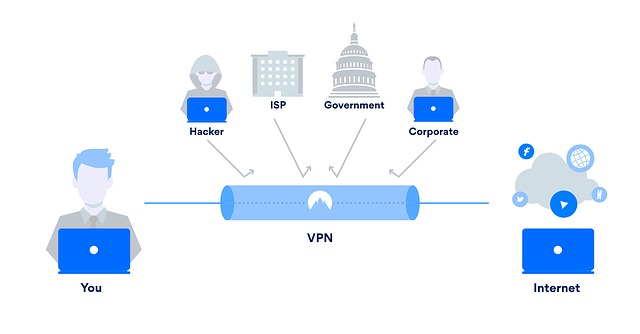
Virtual Private Network (VPN) is a service that changes your IP address to a Secure Server. It also allows you access to blocked websites. It also keeps you anonymous by encrypting your data from spying organizations. Even your government. Also, you can hide or change your location. Additionally, It secures your network from cyber threats and affords you access to geo-restricted sites.
Because there are notorious VPN providers who sell your data, you’ve asked rightly about this one. However, how do we seek to answer the question – is VPN4test safe? – is by comparison.
That is, we will compare the features and privacy policy of VPN4Test to others. By others, I mean both safe and unsafe VPNs.
Table of Contents
What do unsafe VPNs do?
Sell your data to an advertising firm
Some VPN providers sell your session data to advertising firms to get more money. This is not only unsafe, but it defeats one aim of using a VPN: Privacy!
Contain adverts
You might think this is not unsafe. If those ads contain malware or spyware, your device will be infected or insecure, respectively.
Save your session data
Relatively unsafe VPNs save your session data to their database. They still have your data even if they promise not to sell it.
Very safe VPNs will never provide anyone nor any firm with your session data. Moreover, they do not save your session data in their database. Hence, your session data should vanish as you disconnect from the internet.
A few safe ones might keep partial logs for troubleshooting purposes.
Provide excellent network security
Of the safest, they provide end-to-end AES 256-bit encryption. Also, spilt tunnelling, kill switches, own DNS, Double VPN and IPv6 leak protection.
Auto swap server location frequently
If you must remain anonymous, your server location should be changed frequently. Making tracking from any spy agency impossible.
This feature will bounce your internet requests and data. They do that via a vast and extensive network of servers worldwide.
Zero log policy
VPN4test keeps minimal data about the user. However, no activity or connection logs are saved.
Own DNS
VPN4test run its own DNS servers to improve privacy. They also claim not to show third parties your session data.
Kill Switch
The VPN4test has a selectable option for the kill switch. If selected, the software will disable the network when the connection is dropped. Therefore improving security.
Keep Swapping
With VPN4test, there is a selectable option for keep swapping. It automatically changes the server location at random time intervals, specifically between 40 and 140 minutes.
Double VPN, P2P, TCP, TOR
All of these UDP protocols afford you extra network security.
In summary, although the VPN4Test site does not state its encryption type, we consider it safe. It might not be your extremely safe VPN, but it ticks more than a few boxes. Its Zero log policy does not even allow them to save your session data. The only data they save is your personal data. Specifically, your email address, cookies and software/service usage data.
Furthermore, its kill switch, DNS, and Keep Swapping exceed average security levels. To say nothing of its double VPN and other UDP protocols. It might not be as powerful as NordVPN or ExpressVPN, but it is relatively safe.
VPN4Test offers staunch security with the Kill Switch, DNS and Keep Swapping features. Also, there are UDP protocols like Double VPN, P2P, etc. The VPN may not be as powerful as NordVPN or ExpressVPN, but it is safe.
How To Set Up VPN4Test Account
Though you can use the VPN without registration, you must create a VPN4Test account before accessing all the VPN features. This can be done fairly quickly by following the below steps:
Visit the VPN4Test official website
Click on Get Started
Enter your email address
Complete the CAPTCHA
Click on Create A New Account
Your account password and activation link will be sent to the email address you entered. Open your mail and click on the activation link. Once your account is activated, you’ll get a success message. With this, you can proceed to download and use the VPN.
How To Download VPN4Test Apps
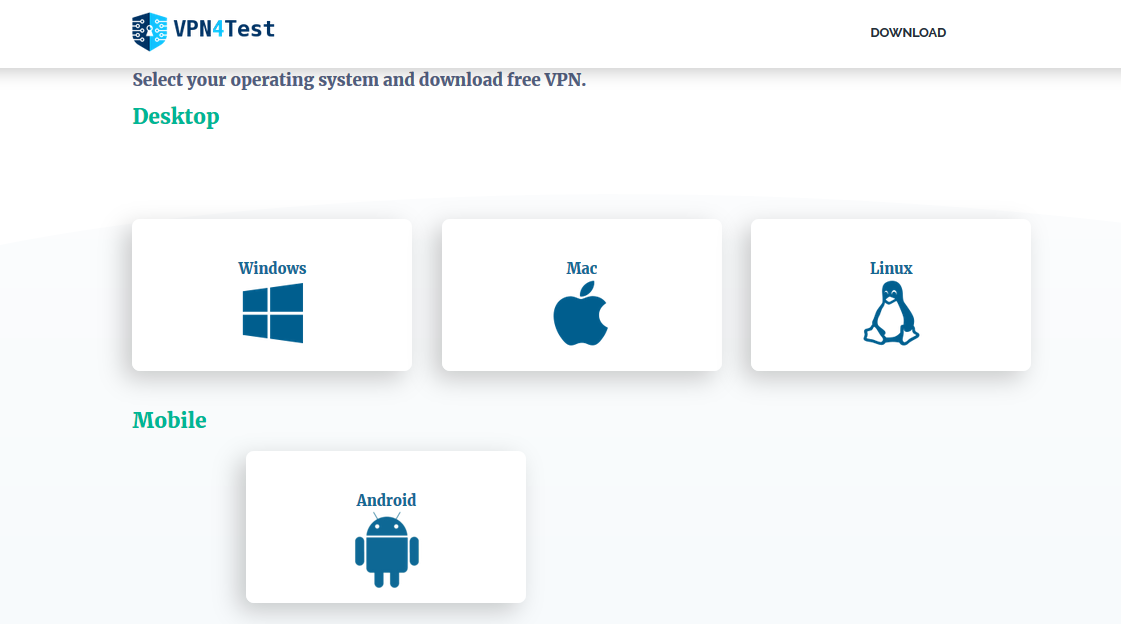
VPN4Test has applications for Windows, Mac, Linux and Android devices. You can download any of these apps for your device OS from the website. However, your device should meet specific requirements before you can download the apps.
Check them below:
Windows: Requires Windows XP or higher versions with 64-bit
Mac: Requires Mac OS X 10.6.8 or higher versions
Linux: Requires Linux Distro with 64-bit
Android: Requires Android 4.2 or higher versions
If your device meets the requirements, then you can proceed to download. Here’s how to do that:
If Google Chrome is your favourite browser, you should know how useful Chrome extensions can be. Undoubtedly, Chrome extensions give you a better browsing experience, but unfortunately, VPN4Test does not have one. Nevertheless, the VPN4Test application running on your PC still lets you enjoy its features across all browsers, including Chrome. If you want a VPN for Google Chrome, you might have to consider alternatives.
10 Best VPN4Test Alternatives
VPN4Test is a safe VPN with features that you can count on. However, it’s still got some cons. The company provides the VPN – Ice Wall – without a contact address. We do not know who they are or where they are. In addition, iOS device users will be unable to use the VPN as there is no application for the OS. Not to mention the absence of a Chrome extension.
Listed below are the ten best VPN4Test alternatives.
One of the best VPN4Test alternatives is CyberGhost VPN. It has Windows, Mac, Linux, Android, iOS, and FireTV applications. Featured servers are more than 6,100, and they are present in more than 88 countries.
CyberGhost is a no-log VPN, and the connection is secured using premium 256-AES bit encryption. Also, it is easy to use as all you need is just one tap to connect. If you ever need help, the support team is available 24/7 to attend to you.
Ivacy VPN is a worthy VPN4Test alternative thanks to its speed and security features. There are over 100 server locations with over 1,000 servers. The high speed ensures you can load web pages and download them faster. Notably, the bandwidth is unlimited.
The VPN uses military-grade 256-bit encryption and IKEV and Advanced IPSec protocols. With Ivacy VPN, you can enjoy Dedicated IP and Port forwarding features. It is available for all major mobile and desktop platforms, browser extensions are available too.
PureVPN enables you to access the internet at high speed while staying anonymous. With over 2,000 VPN servers and over 300,000 IP addresses, the VPN offers global coverage. PureVPN is a Hong Kong-based VPN and collects no logs from users.
You can use PureVPN on 10 devices with just a single subscription. The application can be downloaded on iOS, Android, Windows, Linux, and Mac devices. Firefox and Chrome browser extensions are also available.
This is one of the best VPN4Test alternatives for accessing the internet privately. It hides your location and other sensitive data, saving you from prying eyes on the web. You can connect with over 1040 servers in over 60 countries.
SurfShark VPN can also block annoying ads and protect your device from malware. It follows a strict no-log policy, so none of your data is collected or stored. The VPN works on Windows, Mac, Linux, iOS, and mobile devices.
BullGuard VPN was launched as a partnership between BullGuard and NordVPN. The VPN is one of the most affordable premium VPNs you can get. Also, it is easy to use and has reliable features.
Your data is secured using military-grade encryption, so none gets leaked. With added protection, the VPN prevents data leaks even when the connection drops. BullGuard VPN is compatible with all major mobile and desktop operating systems.
Features like fast servers, unlimited device protection, and a no-logs policy make Zenmate VPN one of the best VPN4Test alternatives. The VPN is made in Germany and has over 74 servers in various countries.
Zenmate VPN hides your IP address and encrypts the data you send and receive. With this, you can browse the internet without leaving any trace. You can protect Windows, Mac, Linux, iOS, and Android devices with Zenmate VPN. This protection extends to Chrome, Firefox, and Opera via extensions.
Just as the description states, this VPN is for private internet access. Private Internet Access VPN has about 3386 servers that encrypt your data and hide your identity online. It does not collect traffic logs and has unlimited bandwidth.
The VPN4Test alternative is easy to use and can be set up instantly. It supports P2P, OpenVPN, PPTP, and other protocols. You can use it on up to 10 devices at a time.
Another entry on our list of the best VPN4Test alternatives is TunnelBear VPN. It is an easy-to-use VPN service that works across multiple platforms: desktop and mobile. There are servers for about 23 countries that you can connect with and browse privately. The servers are relatively fast, so you can access the internet quickly.
TunnelBear uses robust encryption technology to secure users’ data. The VPN releases security audits regularly, so you can rely on their security.
This is a VPN service that offers end-to-end encryption of users’ data. It allows you to connect to the internet securely and browse through anonymously. Also, you can access restricted websites as they mask your local IP.
You can get Avira Phantom VPN on Windows, Mac, Android, and iOS platforms. The VPN has both free and premium versions available.
Panda Dome VPN has recorded over 30 million installations since its launch. The VPN features numerous servers which are fast and secure. The data you send are well encrypted, and none is stored or shared.
You can browse any content on the internet with Panda Dome VPN, which bypasses restrictions. This VPN is compatible on mobile and desktop with Android, iOS, Windows, and Mac applications.
Note: Some of these VPN services provide both free and premium versions.
VPN usage requires careful examination, as the use of malicious VPN apps can be a threat to your digital life. Apart from answering the question – is VPN4Test safe? – we also showed you the best VPN4Test alternatives that you can use.
I hope you can decide whether to use VPN4Test on your Windows, Mac or mobile devices.
Learn how Milwaukee private detectives solve complex cases in this post.
Investigations call for ability, accuracy, and judgment. To find important information, Milwaukee private detectives employ their experience. Combining conventional techniques with contemporary technologies helps them to solve legal, business, and personal situations.
Their involvement goes beyond just gathering facts. They guide companies, people, and lawyers through challenging circumstances. This paper investigates their handling of difficult situations and the reasons behind their indispensable nature.
Table of Contents
The Role of Private Detectives in Modern Investigations
Private detectives take essential roles in helping clients with both legal proceedings and personal affairs. The detection process includes evidence-gathering information verification and security protection for clients. Many of the investigators have law enforcement or military backgrounds. Their prior experience enables them to resolve cases involving investigations search for missing individuals and expose concealed facts.
Private investigators depend heavily on surveillance activities to perform their duties successfully. They document activities through observation while recording both video and photographic evidence from subjects. Private detectives conduct background checks that verify personal identity and employment records along with checking criminal history. Most of their work becomes vital evidence for legal courts to assist attorneys in their cases.
Modern technology has revolutionized the operational methods of private detectives. These experts operate with modern tracking systems along with forensic digital investigations and they actively apply open-source intelligence (OSINT) capabilities in their investigations. Such technology enables them to study data while discovering previously invisible patterns. Milwaukee private detectives use a combination of skills together with technology and experience when they investigate different cases like cheating spouses or corporate fraud.
Types of Complex Cases Handled by Milwaukee Private Detectives
Private detectives handle various complex cases. Every instance calls for an original approach and plan.
Criminal Defense Investigations
Attorneys rely on private investigators to gather evidence in criminal defense cases. Detectives locate witnesses, review police reports, and find inconsistencies in testimonies. They also reconstruct crime scenes and uncover new evidence. Their work helps defense lawyers build strong cases for their clients.
Corporate Fraud Investigations
Businesses hire private investigators to uncover fraud, theft, and misconduct. Detectives conduct financial audits, track missing assets, and investigate employee behavior. They help companies prevent losses and maintain integrity.
Infidelity Investigations
Private detectives receive employment from people who want to verify their spouse’s cheating behavior. They employ surveillance methods to obtain proof discreetly. These experts record operations while photographing activities as they deliver concrete evidence to their clients.
Missing Persons Cases
Private detectives help locate missing persons. They use databases, interviews, and public records to track down lost relatives, debtors, or runaway individuals. When law enforcement resources are limited, private investigators step in to continue the search.
Key Techniques Used by Milwaukee Private Detectives
Private detectives use specialized techniques to conduct thorough investigations. These methods ensure accuracy, confidentiality, and legal compliance.
Surveillance
The process of surveillance serves to monitor both individuals and geographical areas. Law enforcement officers track their subjects secretly while documenting their movements. Detectives obtain data through hidden cameras and GPS tracking equipment along with alternative monitoring tools.
Background Checks
Detectives conduct background investigations to confirm someone’s credentials including their identity along with their criminal record and work history. Businesses along with landlords and individuals depend on these checks to make significant choices.
Digital Forensics
The advancement of modern technology makes digital investigations necessary for all operations. Digital experts who specialize in this field check computers and mobile devices while studying online activities to recover deleted files and track stolen information through internet communication.
Open Source Intelligence (OSINT)
Public records and online data reveal valuable information. Detectives use OSINT to analyze social media, databases, and government records to find crucial details.
Interviews and Interrogations
Interviews help detectives gather firsthand information. They question witnesses, associates, and suspects to obtain statements and uncover new leads.
Challenges Faced in Complex Cases
Investigations are never simple. Milwaukee private detectives face multiple challenges that require patience and skill to overcome.
Legal and Ethical Constraints
Private investigators must follow state and federal laws. They cannot trespass, hack into private accounts, or conduct illegal surveillance. Their work must adhere to ethical standards to ensure admissible evidence.
Limited Access to Information
Some records and databases are restricted. Detectives must use legal channels to obtain necessary information, which can slow investigations.
Technological Challenges
Detectives have to keep ahead of criminals who get increasingly tech-savvy. Their tools and methods must be always updated to match changing technology.
Surveillance Difficulties
Following a subject without detection requires skill. Investigators must blend into environments, use discreet vehicles, and avoid drawing attention.
Managing Client Expectations
Clients often expect quick results. Investigations take time, and not all cases lead to the desired outcome. Detectives must explain the process and manage expectations realistically.
What Sets Milwaukee Private Detectives Apart
Milwaukee’s private investigators are unique in their expertise, professionalism, and flexibility.
Extensive Experience
Many have a history of military duty or police enforcement. Their experience gives them an advantage in handling complex cases effectively.
Legal and Ethical Compliance
Professional detectives operate within legal limits. They keep rigorous ethical standards and guarantee that all acquired evidence is acceptable in court.
Commitment to Confidentiality
Priority one is client privacy. Detectives with great caution handle sensitive material, therefore guaranteeing constant security.
Use of Advanced Technology
Milwaukee detectives use cutting-edge tools like forensic software, surveillance drones, and GPS trackers. These technologies improve efficiency and accuracy in investigations.
How to Choose the Right Private Detective
Selecting the right investigator is crucial. The right choice ensures efficiency, professionalism, and legal compliance.
Verify Licensing and Credentials
Always choose a licensed detective. Licensing ensures they meet the legal and professional requirements for investigative work.
Check Experience and Specialization
Look for experience in handling cases similar to yours. Some detectives specialize in corporate fraud, while others focus on infidelity investigations.
Read Reviews and Testimonials
Reputation matters. Check online reviews, ask for referrals, and research past case results before hiring.
Evaluate Communication Skills
A good detective communicates clearly and provides updates. Make sure they are responsive and open about their investigative process.
Discuss Fees and Contracts
Understand pricing before hiring. Ensure that fees are transparent and agree on a contract detailing costs and services.
Conclusion
Milwaukee private detectivesplay a vital role in solving complex cases. Using their experience together with technological tools and expert knowledge they collect vital evidence. Private investigators serve as essential sources who assist people businesses and legal practitioners to reveal hidden information.
Your selection of an investigator should focus on their credentials together with their experience and professional attitude. Private detectives deliver important services to clients while conducting investigations of fraud searching for missing persons and surveillance operations.
Selecting a detective with expertise in professional investigation requires hiring an experienced professional investigator.
Want the best apps for parental control? Follow me.
Kids are born armed with smartphones and all types of digital devices. Hence, beholding toddlers with tablets and adolescents with high-tech digital devices is no spectacle.
Of course! The advantages far outweigh the disadvantages because digital devices enhance learning and interaction, expose kids to modern technological trends, and help parents monitor their kids’ whereabouts.
However, the disadvantages cannot be ignored. It exposes kids to obscene content, which can have a negative influence on a child’s behavioral development, and expose them to cyberbullying and other online threats that characterize the internet era.
Hence, parents should exercise control over what their kids can or cannot access online.
There are dozens of parental control apps, but this post aims to highlight the best parental apps to help you monitor and control your kids’ digital activities, and their whereabouts right from your device.
Table of Contents
Best Parental Control App Deals
Qustodio
Trusted by over 4 million parents as the all-in-one parental control application
Trusted by over 4 million parents as the all-in-one parental control application Show Less
Kaspersky Safe Kids
Kaspersky Safe Kids is a parental control app that helps parents monitor and control their child's online activity...Show More
Kaspersky Safe Kids is a parental control app that helps parents monitor and control their child's online activity, including web browsing, app usage, and location tracking. Show Less
FamiSafe
This is one of the most reliable parental control apps for controlling screen time, regulating content, and tracking...Show More
This is one of the most reliable parental control apps for controlling screen time, regulating content, and tracking your kids' location in real-time. Show Less
ESET Parental Control
This parental monitoring app allows you to monitor and control your kids' online activity find their location in...Show More
This parental monitoring app allows you to monitor and control your kids' online activity find their location in real-time, and set screentime limits for gaming and other activities. Show Less
Norton Family
Gives your kids free access to the internet while giving you total control over their online activities.
Gives your kids free access to the internet while giving you total control over their online activities. Show Less
NLLFAM
mSpy
mSpy is a mobile monitoring and tracking software that allows users to monitor the activity on a smartphone or tablet...Show More
mSpy is a mobile monitoring and tracking software that allows users to monitor the activity on a smartphone or tablet, including tracking location, text messages, call history, and social media activity, and in some cases, it can also be used to monitor activities on a computer. Show Less
EyeZy
EyeZy is an advanced parental control software that allows parents to monitor and control their children's internet...Show More
EyeZy is an advanced parental control software that allows parents to monitor and control their children's internet activity, including monitoring their browsing history, blocking websites, setting time limits, and more. Show Less
uMobix
uMobix is a phone monitoring app offering features like call tracking, text message spying, and GPS location, raising...Show More
uMobix is a phone monitoring app offering features like call tracking, text message spying, and GPS location, raising privacy concerns despite aiming to help parents monitor children's online activity. Show Less
SpyBubble
SpyBubble is a phone monitoring app used for parental control, employee monitoring, or catching cheating spouses...Show More
SpyBubble is a phone monitoring app used for parental control, employee monitoring, or catching cheating spouses, raising privacy concerns due to its ability to track calls, messages, location, and more. Show Less
Spyrix Phone Tracker for Android is parental control software designed to protect kids from online threats and potential cyberbullying. It provides parents with real-time tracking records with call logs, incoming and outgoing texts, SMS, social media activities, etc. The program operates in a stealth mode; thus helping parents safeguard kids not breaking their rights for privacy.
Spyrix Phone Tracker stands out from competitors due to its extensive range of features, including:
Monitoring popular social media platform (WhatsApp, Telegram, Facebook, Instagram, Skype, Snapchat, etc)
Screenshot capturing
Limiting screen time
Access to photo gallery
Recording phone calls and remote access to them
Looking through web history and blocking unwanted resources
Monitoring real-time location and getting geofencing alerts
With its powerful monitoring and tracking capabilities, Spyrix Phone Tracker enables parents to proactively identify online risks and ensure a safer digital environment. Whether monitoring social media activities or real-time locations, this tool provides comprehensive protection for children of all ages.
Eva Spy is a cell phone Android monitoring app used to track the online activities of kids. This is a comprehensive parental control software that monitors over 50 applications including Whatsapp, Facebook, Viber, Instagram, Snapchat, and others. It also ensures parents to look through web history with an option to block the unwanted resources.
Additionally, your kids will be protected from cyberbullying in any social media. Parents will get screenshots with all incoming and outgoing texts, allowing them to detect potential threats, inappropriate conversations, or signs of online harassment.
Moreover, Eva Spy offers call recording and access to call logs, allowing parents to monitor who their children are communicating with and identify any suspicious contacts. With screen time management, parents can limit excessive device usage and promote healthier digital habits.
The most sought-after features include:
Monitoring social media
Call logs
Screen capturing
Screen time limit
GPS location
With its hidden mode operation, Eva Spy runs discreetly in the background, allowing parents to ensure digital safety without excessive intrusion. Choose Eva Spy for a reliable, feature-rich parental control solution that keeps kids safe online.
Kaspersky Safe Kids from Kaspersky Lab has great parental control tools for round-the-clock monitoring. Parents can enjoy the accessible version of Kaspersky Safe Kids but will be limited to app usage control, content filtering, and screen time management.
The premium version includes superb parental control tools like location monitoring and geofencing, social media monitoring, website monitoring, low battery alerts, and other essential control tools.
Kaspersky keeps your kids safe by:
Managing your kids’ screen time
Reporting Social media activities, including Facebook
Blocking YouTube searches related to substance abuse and obscene content
Letting you control games and apps access
Restricting access to X-rated web content
Sharing advice and tips related to internet usage from child psychology experts
In real-time, Kaspersky uses a GPS tracker to keep in touch with your kids’ location. It also enables you to define a safe geographic area for your kids, sends you alerts if they go outside their safe zone, and alerts you when your kids are experiencing low battery on their devices.
You can enjoy a 7-day free trial before subscribing to the premium version of Kaspersky Safe Kids.
I like Qustodio because of its flexibility, which helps me manage, monitor, and protect my kid’s devices even on the go.
Its dashboard lets me see what my kid is up to at any given time. From its Intuitive dashboard, I can manage and control my kid’s app usage and web content.
In the settings section, I can control what site my kid can access, although Qustodio’s default settings block out obscene websites; hence, my kid can enjoy safe online content. Its robust filtering technology puts me at peace, knowing that my kid is protected from online bullies, predators, and obscene content.
With Qustodio’s screen control, I manage my kid’s screen time, thus setting the standard for healthy digital habits.
Other features you can enjoy by subscribing to the Qustodio premium package include the following:
A comprehensive reporting of your kids’ online activities
Control games and app access
Monitor your kid’s YouTube viewing
Monitor your kid’s social media usage
Track calls and SMS to and from your kid’s device
Locate your kid’s location in real time via GPS
Panic button that lets your kid alert you when in danger
Parents can enjoy Qustodio’s premium or free version on various OS, including Windows, Mac, Android, iOS, and Kindle.
NetNanny is exceptional in performing its role as an online nanny. In my evaluation, I was impressed by NetNanny’s real-time reporting and alert on threatening issues like drugs, porn, weapons, etc.
Its back-to-school feature does what it is meant to: restrict inappropriate social media content. It can also limit access to social media sites, including Instagram and TikTok.
NetNanny’s robust AI blocks out harmful content before it appears on your kid’s screen and uses geofencing technology to monitor your kid’s location in real-time. You get an alert when your child strays out of their safe zone.
Another fantastic feature of NetNanny is its use of modern detection technology to view every webpage your kid is accessing. Other features and advantages include controlling your kid’s screen time, filtering web content, and monitoring your kid’s digital life.
Although NetNanny doesn’t have a freemium version, its premium version gives you a 14-day money-back guarantee, thus giving room for a change of mind if you’re not convinced about its functionality.
Best Parental Control Apps: Frequently Asked Questions
What is the best free parental control app?
Several reputable parental control apps with free versions offer basic features. However, these free versions often have limitations, such as restricted usage time or limited app monitoring. Here’s what to consider:
Features: Identify the functionalities most important to you (e.g., screen time limits, web filtering, app blocking).
Compatibility: Ensure the app is compatible with your child’s device and operating system (iOS or Android).
Upgrade Options: Consider if the free version offers enough features or if a paid upgrade provides the required functionality.
What is the best app for monitoring your child’s phone?
“Monitoring” can encompass various aspects. Some apps focus on screen time and app usage, while others delve into website history or even social media activity. Here are some factors to weigh:
Level of Monitoring: Decide on the level of monitoring you feel is appropriate for your child’s age and maturity.
Privacy Considerations: Openly discuss app usage and monitoring with your child.
Focus on Open Communication: Parental control apps are tools to guide and protect, not a replacement for open communication with your children.
What is the best app to turn off a child’s phone?
While some parental control apps offer remote disabling of a child’s device, this feature should be used judiciously. Positive reinforcement strategies and open communication should be considered to establish healthy phone habits.
What is the best parental control app for WhatsApp?
Many parental control apps offer features that extend beyond just WhatsApp. Look for apps that allow you to:
Set Screen Time Limits: This allows you to manage your child’s total time on their phone, including WhatsApp.
Block Specific Apps: If necessary, you might be able to block WhatsApp entirely during certain times or for specific periods.
Monitor App Usage: Some apps provide insights into how much time your child spends on different applications, including WhatsApp.
Do parental control apps work?
Parental control apps can be helpful, but they are not a foolproof solution. They can:
Promote Healthy Habits: Set screen time limits and restrict access to inappropriate content.
Facilitate Open Communication: Parental control apps can be a springboard for conversations about online safety and responsible device use.
Provide Monitoring and Insights: These apps can offer valuable information about your child’s digital activity.
However, it’s important to remember:
Tech-Savvy Kids: Tech-savvy children might find ways to circumvent parental controls.
Focus on Guidance: Parental control apps work best with open communication and guidance.
Age-Appropriate Strategies: The appropriate monitoring and control measures will evolve as your child matures.
Many Android and iOS smartphones come with built-in parental control features. These features might include:
Screen Time Management: Set time limits for phone usage or specific apps.
Content Restrictions: Filter inappropriate websites or app content.
App Permissions: Control which apps can access features like location or camera.
While built-in features offer a good starting point, dedicated parental control apps often provide more comprehensive functionality and flexibility.
Conclusion
Using parental control apps will help you keep your kids safe online while enjoying the tremendous advantages of the internet. It teaches your kids about internet safety and makes them good citizens online and in the real world.
However, before installing any of the above parental monitoring apps on your kid’s device, you should have a high level of trust between you and your kids.
Talk with them about appropriate and inappropriate content based on their age levels, and encourage them to talk with you or a trusted individual when needed.









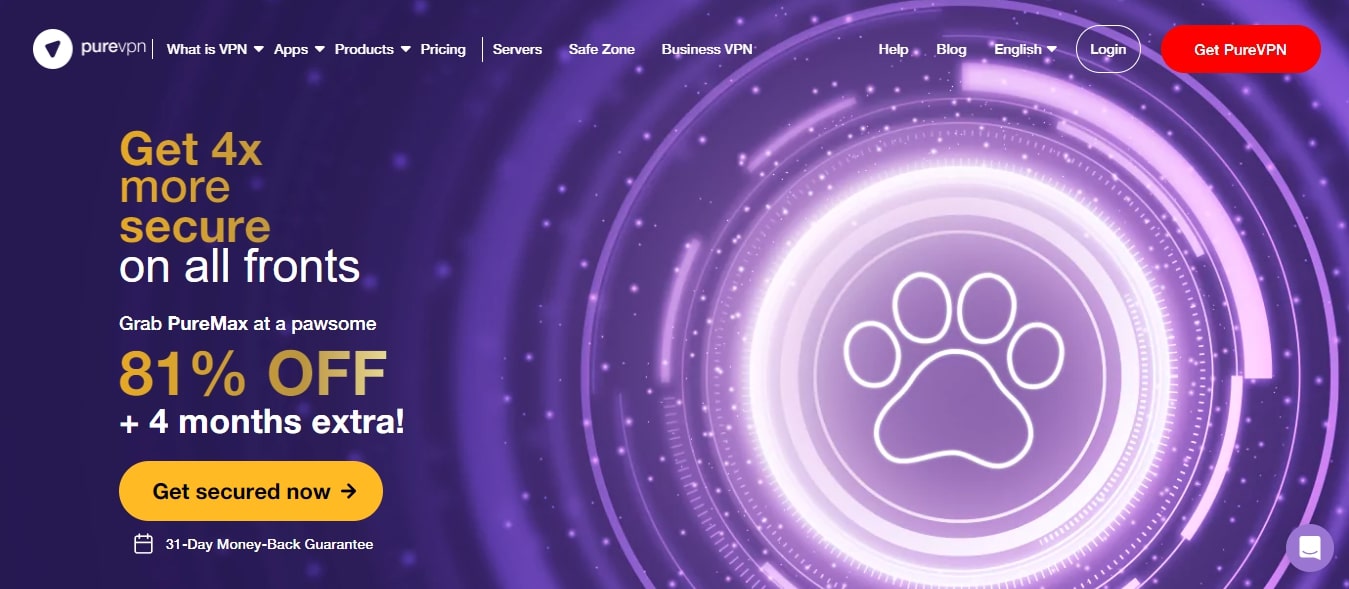
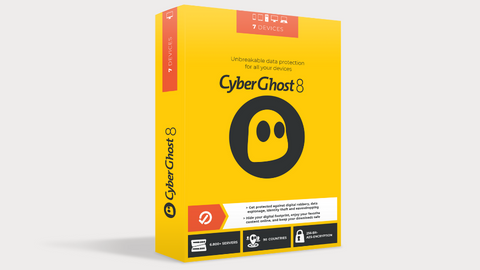
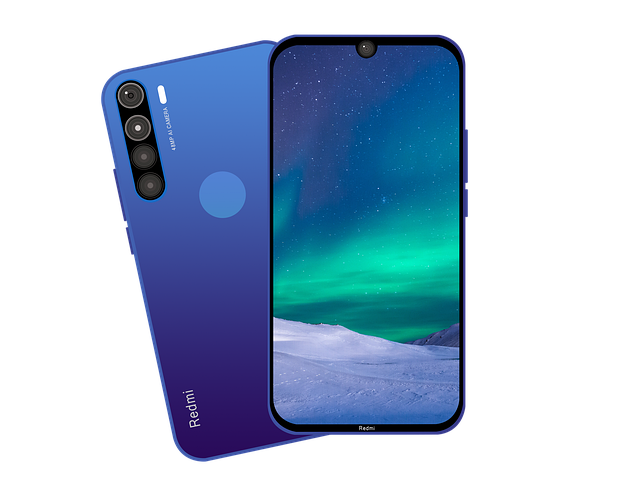








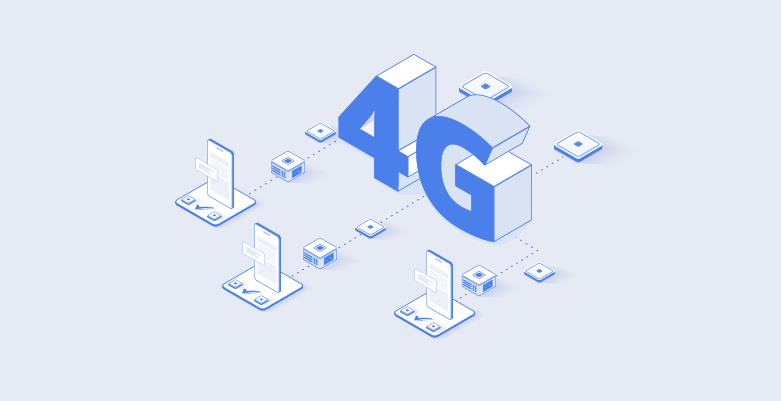
![Is VPN4Test VPN Service Safe To Use? [+Best Alternatives]](https://secureblitz.com/wp-content/uploads/2019/11/is-vpn4test-safe-768x543.png "Is VPN4Test VPN Service Safe To Use? [+Best Alternatives]")