In this post, I will show you how AI is changing software development and release management.
Software development is changing very fast today. Teams are expected to build better software in less time, while also making sure everything is secure, stable, and follows rules. This can be very difficult, especially when different tools and processes are used together.
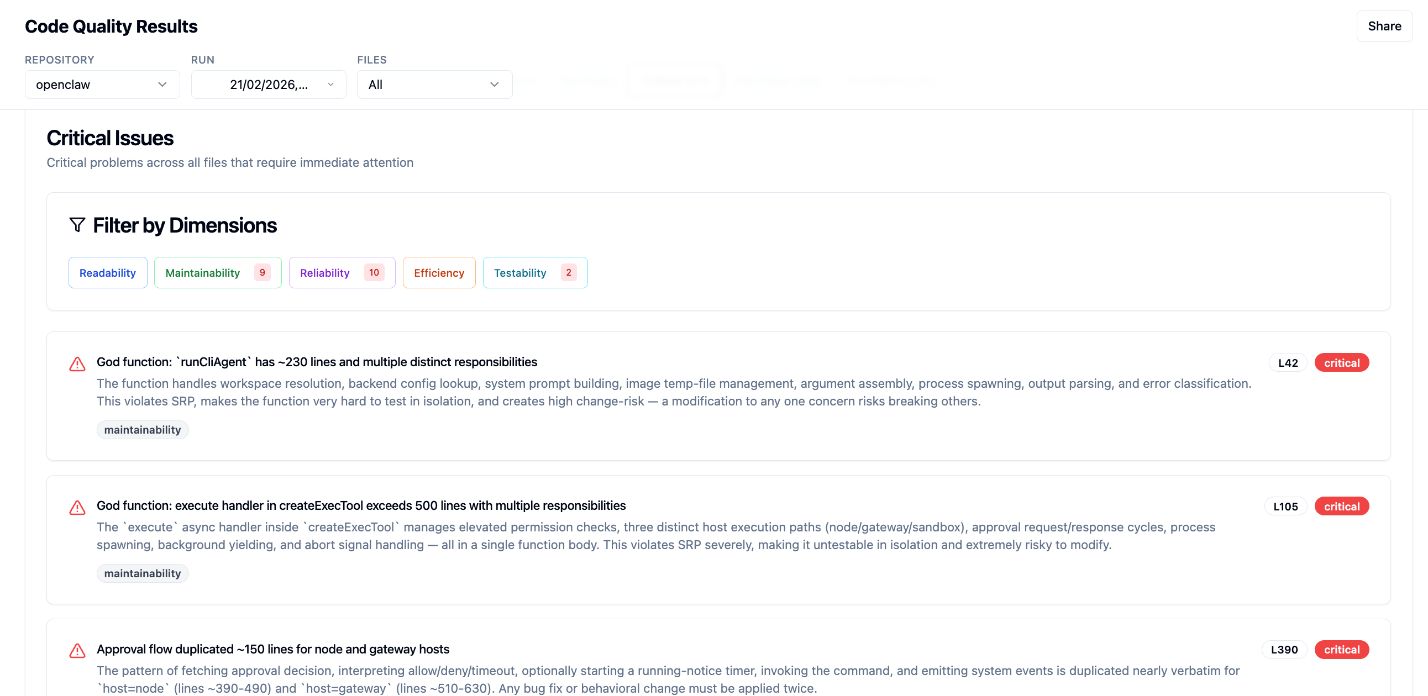
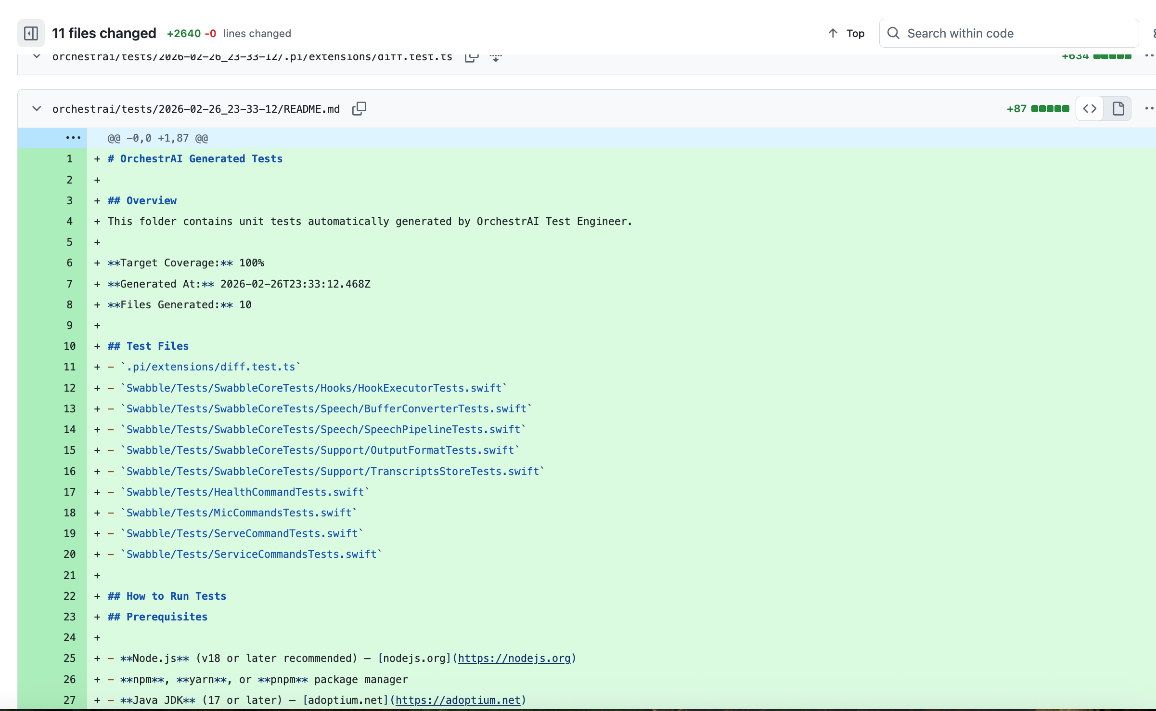
To solve these problems, AI-powered platforms are now being used. One such platform is OrchestrAI, an AI-powered development platform, which helps developers manage the full software development process in a simple and organized way. It supports teams from writing code to releasing it in production.
Challenges in Modern Software Development
Today’s software teams face many problems, such as:
Releasing software faster with fewer mistakes
Managing many tools at the same time
Keeping code secure and high quality
Making sure everything follows company and industry rules
Tracking issues in testing and production stages
Because of these challenges, teams often face:
Delays in releasing software
Bugs reaching production
Poor coordination between team members
Difficulty in tracking system performance
This is why better tools are needed to manage the whole process in a smarter way.
How OrchestrAI Helps Development Teams
OrchestrAI is designed to make software development easier by bringing many tasks into one system. It helps engineers manage their work from start to finish without switching between different tools.
It supports teams in several important areas:
Key features include:
Code development support
Helps engineers write and manage code more efficiently
Reduces manual effort in complex task.
Testing and validation
Checks software before it goes live
Helps find errors early in the process
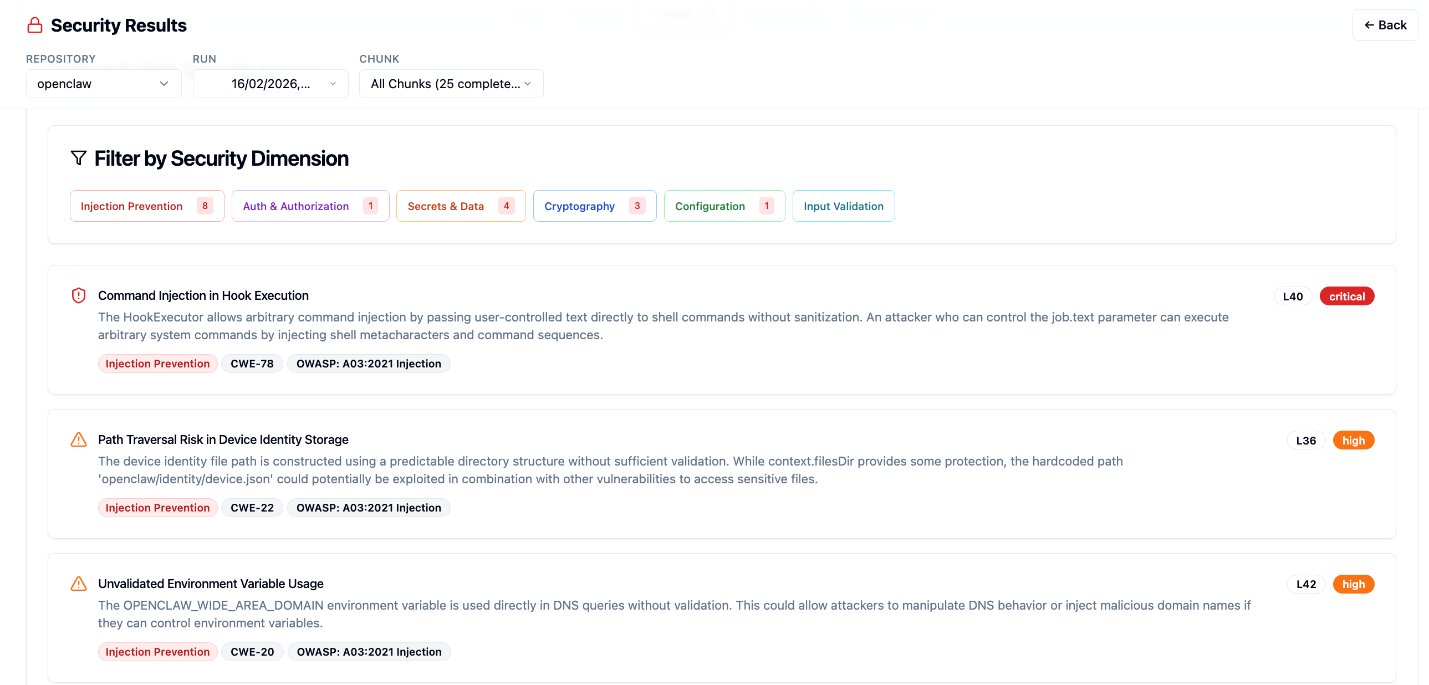
Security and compliance
Helps make sure code follows safety rules
Reduces risks before deployment
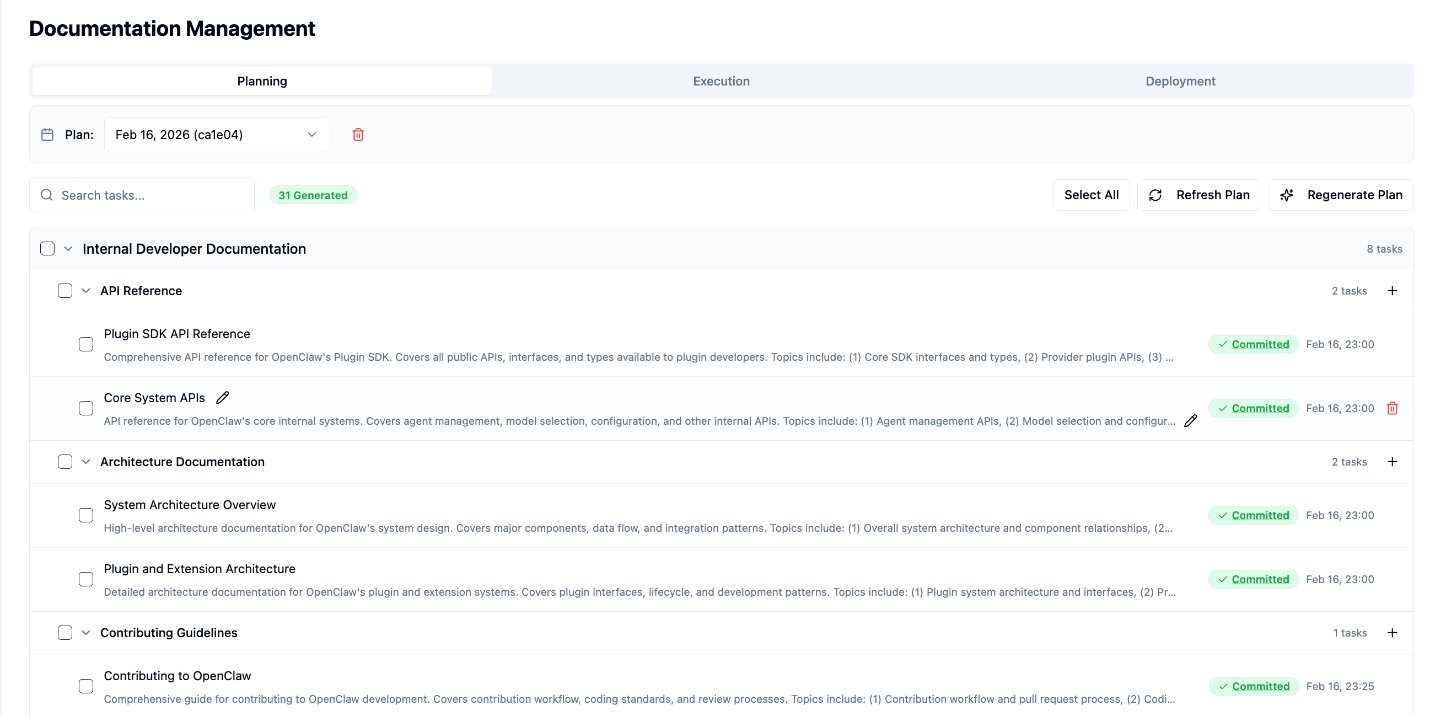
Documentation
With every release documentation is updated and deployed
User facing and developer documentation keeps your users and teams up to date while rapidly developing code
Release management
Makes it easier to move code from testing to production
Reduces delays during deployment
Adding Business Understanding to Development
One special feature of OrchestrAI is that it connects software development with business goals.
This means:
Developers can understand what the business needs
Work can be prioritized better
Teams can focus on features that bring real value
This helps companies build software that is not only technically good but also useful for the business.
OrchestrAI as a Workflow System
OrchestrAI is not just a simple tool. It works like a full system that connects different parts of software development together. It helps manage release workflows in a structured way. You tag your releases and with the focus in the code changes it sits between
AI tools and automation systems
Testing and deployment
Observability and analytics
Because everything is connected, teams do not need to switch between many different systems. This makes work easier and faster.
Improving Pre-Production and Production Process
Before software goes live, it goes through a pre-production stage where testing and checks are done. OrchestrAI improves this stage by making it more organized.
It helps with:
Setting up test environments
Running checks before release
Finding problems early
After that, it also supports the production stage by helping teams:
Deploy updates smoothly
Monitor system performance
Handle issues quickly
This reduces risks and improves software stability.
Benefits of Using OrchestrAI
Using OrchestrAI gives many advantages to development teams, such as:
Faster software development process
Better code quality
Improved security and compliance
Easier release management
Better teamwork and communication
Less dependency on multiple tools
One of the key strengths of OrchestrAI is that it works as a code orchestration platform, connecting all parts of development into one smooth workflow.
Why AI Tools Are Important in Software Development
AI tools are becoming very important because they reduce manual work and help teams focus on important tasks. Instead of doing everything manually, developers can rely on AI systems to handle repetitive or complex processes.
Tools like OrchestrAI help teams:
Work faster
Make fewer mistakes
Improve overall productivity
Maintain high-quality standards
As a result, companies can achieve better output with fewer resources.
Conclusion
Software development is becoming more complex, and teams need better ways to manage their work. OrchestrAI provides a simple and effective solution by combining development, testing, security, and release management into one platform.
It helps teams build better software with less effort and more confidence. As AI continues to grow, tools like OrchestrAI will play an even bigger role in shaping the future of software development.
Learn how to choose the right low code platform for your business needs.
In today’s fast-paced business world, agility is the key to success. Low code development platforms have emerged as a valuable tool for organizations to develop and deploy business applications with minimal coding quickly.
With the right platform, businesses can improve their productivity, increase customer satisfaction, and drive innovation. However, choosing the right platform can be overwhelming, given the plethora of options available in the market.
The first step to choosing is understanding your business needs. What are the challenges you’re facing? What are the goals you’re trying to achieve? What are the specific features and functionalities you need in your business application?
Answering these queries will help you narrow your options and choose a low code platform that meets your requirements.
Ease of Use
One of the main advantages is their ease of use. These platforms simplify the development process and make it accessible to users with little or no coding experience. However, not all are created equal in ease of use.
Some platforms have a steeper learning curve than others, affecting the speed at which you can develop and deploy applications.
Look for one with a user-friendly interface and intuitive drag-and-drop functionality. This will help you accelerate development and empower non-technical users to create and modify applications.
Customization Options
While low code platforms offer a range of pre-built components and templates, you may still need to customize your applications to meet your unique business needs. This is why choosing one offering customization options is essential.
Look for a platform that enables you to modify pre-built components, create custom workflows, and integrate with third-party APIs.
The ability to customize your applications will give you more flexibility and enable you to create applications that meet your exact specifications.
As your business grows, your application needs will also evolve. Therefore, choosing a low code platform that can scale your business is essential.
Look for a platform that offers a modular architecture, allowing you to add new features and functionalities as your needs change.
A scalable platform will also help you avoid the need for a complete redesign of your application in the future, which can be time-consuming and expensive.
Security
Regarding Low Code Application Development systems, security is a critical consideration. Your business applications may contain sensitive data, so choosing a low code platform with robust security features is essential.
Look for a platform that offers features such as multi-factor authentication, encryption, and access controls. The platform should also comply with industry-standard security protocols such as HIPAA, GDPR, and PCI-DSS. Ensure security is a top priority.
Choosing the right platform can significantly impact the success of your business applications.
By understanding your business needs and focusing on ease of use, customization options, scalability, and security, you can take appropriate action and choose one that meets your specific requirements.
Ultimately, the right platform will help you accelerate development, increase productivity, and drive innovation in your organization.
Choosing Your Low-Code Champion: FAQs on Picking the Perfect Platform
The low-code development platform (LCDP) world is booming! But with so many options, how do you pick the right one for your business? Here are 6 FAQs to guide your selection process:
What Kind of App Do I Want to Build?
Different LCDPs cater to various needs. Identify the type of application you envision – a simple internal tool, a complex customer portal, or something in between. Understanding your project’s scope will help you narrow down your choices.
Citizen Developers or Pro Coders? Who’s Building This?
Consider the technical expertise of your development team. Some LCDPs are designed for citizen developers (business users with little coding experience), while others cater to professional developers. Pick a platform that aligns with your team’s skillset.
Integration is Key: Will It Play Well with Others?
Your new app likely won’t exist in a silo. Ensure the LCDP integrates seamlessly with your existing systems and databases. This allows for smooth data flow and avoids information bottlenecks.
Can I Trust It With My Data?
Security should be a top priority. Evaluate the platform’s security features, data encryption practices, and access control protocols. Make sure your chosen LCDP meets your industry’s compliance standards.
Is the Platform Scalable?
Your business needs may evolve. Choose an LCDP that can scale to accommodate future growth in data, users, and application complexity. Look for a platform that offers flexible deployment options (cloud, on-premise, or hybrid).
Trial Time! Can I Kick the Tires Before I Buy?
Most LCDPs offer free trials or demos. Take advantage of these to test-drive the platform, assess its ease of use, and ensure it meets your specific requirements. Don’t be afraid to experiment with a few options before making your final decision.
By considering these key factors, you’ll be well on your way to selecting the right low-code development platform that empowers your business to innovate and thrive.
Conclusion
Low Code Application Development System can transform how businesses develop applications. Businesses can streamline development, improve productivity, and drive innovation by choosing the right platform.
With the factors outlined in this blog post, businesses can make an informed decision and choose a low code platform that meets their specific requirements.
Here, we will show you signs of browser hijacking. If the default search engine on your web browser redirects to a shady website, that might be an easy sign of a hijacked web browser.
Browser hijacking happens when unwanted programs or malicious actors change your web browser without permission — for example, replacing your default search engine so searches redirect to shady websites. These unauthorized changes to browser settings can alter your homepage, inject ads, or reroute your searches to pages you didn’t intend to visit.
Most browser hijacks stem from malicious software, bundled third‑party installers or potentially unwanted programs (PUPs) rather than reputable vendors. Users who download freeware or click untrusted links are at higher risk.
If you suspect a hijack, jump to the “Signs” section below or follow the “How to Resolve” steps to check your browser now.
Why Does Browser Hijacking Occur?
Browser hijacking is usually driven by profit and data collection, not by mainstream software makers. Malicious actors, shady ad networks, and bundled third‑party installers (often called potentially unwanted programs or PUPs) add hijacker software to systems for several predictable reasons.
First, hijackers collect user information to fuel targeted advertising and affiliate revenue. The data gathered is most often browsing history, search queries, and site visits, though some PUPs may attempt to harvest more sensitive information — which is why you should treat any unexpected changes to your browser settings as a security red flag.
Second, many hijackers force unwanted adverts and redirects to generate pay‑per‑click revenue or to push users toward partner websites. In other cases, operators sell aggregated data to buyers or use affiliate redirects to earn commissions when users land on partner pages.
Finally, hijacking can be used for persistent tracking: these programs monitor browsing activity over time so operators can build profiles for resale or long‑term ad targeting.
In short, the motives are financial (ads, affiliate commissions, revenue from data), and the methods typically involve bundled software, malicious extensions, or deceptive download pages.
It can be hard to tell when slow performance or odd behavior is caused by a browser hijacker. Below are common signs that a browser or web browser profile has been compromised — and quick checks you can run right now.
If you spot any of these signs, follow the quick confirmation steps to determine whether a hijacker, adware, or other malware is the cause.
Annoying ads and pop-ups: If you suddenly see frequent pop-ups, in‑page ads, or prompts to “update” apps while browsing, that often indicates adware or a browser hijacker. Quick check: open your extensions/add‑ons page (Chrome: Menu > More tools > Extensions; Firefox: Menu > Add‑ons) and look for unfamiliar entries. Then run an on‑demand scan with a reputable anti‑malware tool.
Redirection to unwanted pages: Clicking a link or search result should take you to a relevant website; if you repeatedly land on unrelated pages (affiliate sites, hosting vendors, or ecommerce pages), that suggests redirecting hijackers. Quick check: clear your browser cache, disable extensions, and repeat the search. If the redirect stops, an extension or PUP is likely responsible.
Search engine hijacking: Your default search engine or the search results page changes without your permission — for example, your searches are routed through an unfamiliar engine. This is classic browser hijacker behavior. Quick check: open browser settings → Search Engine and confirm the listed default. If it’s unfamiliar, reset to your preferred engine and remove suspicious extensions.
Unwanted toolbars, bookmarks, or homepage changes: New toolbars, unexpected bookmarks, or a changed homepage are strong signs of hijacking or bundled adware installation. Quick check: review installed programs (Windows: Control Panel → Programs and Features; macOS: Applications) and uninstall anything you don’t recognize; then reset the browser homepage and startup pages.
New tabs or pop-under pages opening: If new tabs open automatically or you get frequent pop-under pages, the browser may be infected with adware or a hijacker. Quick check: check for scheduled tasks or startup entries (Windows Task Manager → Startup) and scan for PUPs.
Slower browsing and excessive network activity: Persistent background connections or unusually high CPU/network usage while browsing can mean tracking or ad injection by hijackers. Quick check: monitor network activity (Task Manager or Activity Monitor) and run a full system scan with updated security software.
Not every odd redirect or ad is proof of severe malware — some are aggressive ad networks — but when multiple signs appear together (search engine changes + unfamiliar extensions + redirects), treat it as a browser hijacker case and follow the removal steps in the “How To Resolve” section.
Conduit has long been cited in security reports as a browser hijacker distributed through bundled installers and questionable download pages. It behaves like a mix of adware and spyware: it can change your default search engine and homepage, inject ads into search results, and collect browsing activity to serve targeted ads.
Rather than claiming it “gains administrator access,” describe the effect precisely — Conduit modifies browser settings and installs extensions or helper objects that persist across sessions.
Removal tip: check your browser extensions and installed programs, reset the browser to default settings, and run a dedicated on‑demand scanner (for example, Malwarebytes) to remove remaining PUP traces. For historical context or technical analysis, link to reputable writeups from security vendors before keeping this example in the article.
Babylon Toolbar
The Babylon Toolbar is a well‑known example of a search‑engine hijacker that was frequently bundled with freeware and distributed via download portals in the past. It replaced default search providers with Babylon’s engine and inserted ads into search results to generate revenue for its operators. Some investigations reported that affected systems experienced data collection and tracking behaviors typical of adware.
Removal tip: uninstall unfamiliar toolbars from your system (Control Panel → Programs on Windows or Applications on macOS), reset the browser’s search engine and homepage, and scan for PUPs or adware.
When keeping historical examples like Babylon, reference archived coverage from trusted security blogs or vendor advisories to support claims about distribution and data practices.
Coupon Server (bundled adware)
“Coupon Server” commonly refers to a family of bundled advertising programs and PUPs that often arrive with freeware downloads. These programs install helper extensions or change browser settings so users are redirected to coupon or deal pages, display intrusive ads, and alter the homepage or new‑tab page to monetize traffic. They act primarily as adware and browser hijackers rather than classic viruses, but their persistent changes and tracking behavior can be intrusive.
Removal tip: use the browser’s remove extension/add‑on controls, uninstall recently added programs, and run a full scan with reputable antivirus or anti‑malware tools. Also, check startup entries and scheduled tasks for components that relaunch the hijacker.
General note: examples like Conduit, Babylon, and Coupon Server illustrate common tactics used by browser hijackers — bundled installers, toolbars, and malicious extensions that drive revenue through redirects, ads and data collection.
When you document these cases in the article, include links to authoritative sources (security vendor analyses, CERTs, or archived reporting) and avoid unverifiable claims. That makes it easier for readers to understand risks and follow the specific removal advice above.
Removing a browser hijacker can be time‑consuming, so prevention is the best defense. Use the practical steps below to reduce the risk that adware, PUPs or other hijacker software will change your browser settings or track your browsing activity.
Use Google Safe Browsing and reputable site checks: Google Safe Browsing flags known malicious URLs and warns you before you visit them. It’s not perfect, but it helps block many dangerous pages. Quick tip: enable safe browsing protections in Chrome/Edge and avoid visiting sites flagged by the browser. For more details, check Google’s Safe Browsing documentation.
Keep your browser and web browser extensions updated: Browser updates patch security vulnerabilities attackers can exploit. Enable automatic updates for Chrome, Firefox, Edge or Safari and update extensions from official stores only. This reduces the chance that a hijacker can use an old exploit to install itself.
Choose custom install and avoid bundled freeware offers: Many hijackers arrive bundled with free software. Always pick Custom or Advanced installation and uncheck any optional offers, toolbars or search‑engine changes before clicking Install. If an installer pressure‑pads you with extra offers, cancel and download from the official vendor site instead.
Limit extensions and review permissions: Install only extensions you trust from official stores and periodically review extension permissions. Remove anything you don’t recognize — browser hijackers often hide as seemingly useful toolbars or coupon helpers but act as adware or spyware.
Use reputable antivirus and anti‑malware software: Good antivirus software with web filtering, real‑time protection and anti‑PUP capabilities can block many hijackers before they alter your browser. Choose products tested by independent labs (AV‑TEST, AV‑Comparatives) and enable web protection. Examples of capabilities to look for: URL filtering, PUP detection, and browser‑protection features.
Harden browser settings and profiles: Set a secure homepage, lock preferred search engine in settings, and use separate browser profiles for different activities (work vs. personal). Consider sandboxing or restricting privileges for a secondary browser used for risky downloads.
Protect credentials and clear cache regularly: If a hijacker is suspected, change passwords for important accounts and clear saved passwords only after you’re sure your system is clean. Clearing cache can also remove some injected scripts that persist in page loads.
Monitor downloads and email links: Don’t download from unknown sites or click links in suspicious emails. Many hijackers use deceptive download pages or spam emails to trick users into installing bundled software.
Finally, if you want to compare antivirus software before choosing one, consult independent test results and reviews. For quick removal guidance, follow the “How To Resolve” section below, or check our Latest Antivirus Deals for current offers.
If you suspect a browser hijacker or related malware, follow a methodical removal checklist rather than only installing one tool and hoping for the best. Below is a step‑by‑step process you can use on Windows and macOS to remove hijackers, recover control of browser settings, and protect your accounts.
Disconnect or limit network access: If you see active credential theft or unusual outbound connections, temporarily disconnect from the network (or turn off Wi‑Fi) while you investigate to limit data exfiltration.
Check and remove suspicious extensions/add‑ons: Open your browser’s extensions page (Chrome: Menu > More tools > Extensions; Firefox: Menu > Add‑ons) and remove any unfamiliar or recently added extensions. Restart the browser and see if unwanted redirects or ads stop.
Reset browser settings and search engine: In Settings, restore the homepage, startup pages, and default search engine to your preferred choices and reset the browser to its default configuration if necessary. This clears many hijacking changes without reinstalling the browser.
Uninstall suspicious programs: On Windows, go to Control Panel → Programs and Features; on macOS, check the Applications folder. Remove recently installed programs you don’t recognize (often PUPs bundled with freeware that caused the hijack).
Scan with reputable anti‑malware and antivirus tools: Run a full system scan with trusted tools (use an antivirus plus an on‑demand anti‑malware scanner like Malwarebytes). Some hijackers are detected as PUPs or adware; multiple reputable scanners increase the chance of removal.
Clear cache, cookies, and stored data: After removal, clear the browser cache, cookies and site data to remove injected scripts and tracking artifacts that may persist in pages.
Inspect startup items and scheduled tasks: Some hijackers add startup entries or scheduled tasks to relaunch. On Windows, check Task Manager → Startup and Task Scheduler; on macOS, check Login Items and launch agents. Remove unknown entries carefully.
Reinstall the browser if needed: If problems persist after cleanup, uninstall the browser completely (back up bookmarks and settings first), then download and install a fresh copy from the official site. Use the reset option after reinstalling before importing any saved data.
When to reinstall the OS: Reinstall the operating system only when multiple attempts (scans, resets, reinstalls) fail or when you detect deep system compromise. Before reinstalling, back up important files (scan backups to avoid reintroducing malware) and prepare to change credentials afterward.
Change passwords and secure accounts: After cleanup, change passwords for important accounts (email, banking, cloud) from a known‑clean device. Enable two‑factor authentication where available and review recent email activity for suspicious access.
Follow up and monitor: Keep your antivirus updated, monitor browsing behavior and network activity for recurrence, and enable browser protections such as safe browsing and web filtering.
These steps address most browser hijacker cases (adware, PUPs, hijacking changes). If you encounter a persistent infection or are unsure about removing entries safely, consider professional help or a trusted repair service to avoid accidentally removing critical system components.
A Final Word
Browser hijacking is avoidable and, in most cases, reversible. If you suspect a hijacker right now, first check your default search engine and installed extensions, run an on‑demand scan with reputable antivirus/anti‑malware software, and follow the removal checklist in the “How To Resolve” section above.
For ongoing protection, choose antivirus software that includes web filtering, PUP detection and real‑time protection — these features help block malicious downloads and suspicious websites before they change your browser settings.
In this post, I will talk about the tech race behind matchday soccer betting.
Watching soccer on matchday is always thrilling. However, it’s even more thrilling for people who are also betting on the match. Behind the scenes, a lot of technology works at a fast pace to keep things in sync.
Let’s see how the tech race works.
What Happens During a Match?
When a soccer match begins, a lot of things start happening simultaneously. Players pass, shoot, and score, with the referees making calls and fans respond instantly.
In Betway online soccer betting platform, a lot of things are happening simultaneously. Every pass, foul, or goal can change the odds of a match. This requires the systems to be extremely fast and accurate.
Live Data Comes First
Live data is the foundation of match day betting. There are special platforms that provide match data in real-time. They have tools that track matches using sensors, cameras, and human trackers. These tools track goals, shots, cards and any other development in the game.
This data is very important, and if it is not sent quickly, it could cause major issues. The players might end up seeing outdated information, and this is not fair to them. This is why speed and accuracy are very important.
Odds Must Change Quickly
Odds are not constant, and they keep changing during the match. For example, when a team scores first, this increases their chances of winning. A player might receive a red card, making the team weaker. Betway looks at the data and adjusts the odds accordingly.
If the odds are not updated fast enough, the player might place a bet based on outdated events. This could cause a problem for the player and the platform.
Video Streams Need to Match the Data
Many players like to watch video streams while they place a bet. Here’s the problem, video streams are updated a few seconds behind the live action.
If the odds are updated more quickly than the video stream, the player might see the odds change before they see the action. For example, the odds might drop before the player sees a goal on the video stream. This causes a lot of confusion.
To avoid this problem, Betway is working hard to get the video stream and the odds updated at the same speed.
The Race Against Time
All these systems are in a race. Data and odds needs to be updated instantly, and video streams matching the action. Even a delay of one or two seconds can be consequential.
To ensure that things remain fast, platforms use powerful servers and networks around the world. These networks help data travel the world in just milliseconds. The closer a system is to the source, the faster it will be.
Keeping Things Fair
Fairness is a major issue in betting. To ensure that things remain fair, there are several things that platforms do:
Use the same data source for all users
Check delays and fix them immediately
Stop betting if there’s a problem.
Final Thoughts
Soccer betting in matchday games is made possible through the use of fast and sophisticated technology. It is likened to a race, where every second counts. Thanks to technology, the players can enjoy a fast and thrilling experience.
In this post, I will talk about what is a proxy server and why it matters today.
In 2026, proxy servers remain a crucial tool for managing online privacy, access, and network efficiency. Platforms likebuy proxy offer reliable solutions that let individuals and organizations mask IP addresses, filter content, and optimize traffic flow.
While often compared to VPNs, proxies serve distinct roles and are widely used in corporate networks, schools, and digital services to secure and control internet traffic.
How Proxy Servers Work
A proxy server acts as an intermediary between the user and the internet. When a request is sent to a website or service, it first passes through the proxy. The proxy can change the user’s IP address, encrypt traffic, and then forward the request. The destination server sees the request as coming from the proxy, not the user, which protects identity and location.
Advanced services like buy proxy also route traffic through inspection layers, allowing deep analysis before the request reaches its target. This approach helps reduce exposure to malware and external attacks.
Types of Proxy Servers
Proxies differ in architecture and anonymity level, each suited to specific needs:
Forward Proxies: Protect anonymity, cache data, and allow access to restricted resources.
Reverse Proxies: Distribute incoming traffic across multiple backend servers to improve performance and stability.
Transparent Proxies: Require minimal setup but do not hide IPs or encrypt data; mostly used for traffic routing.
Anonymous Proxies: Replace IP addresses but reveal that a proxy is being used; provide moderate anonymity.
High-Anonymity Proxies: Conceal both IP addresses and proxy usage; among the most secure options.
Distorting Proxies: Replace user information with false data, making requests appear to originate directly from the user. Platforms like buy proxy offer these advanced options for sensitive use cases.
Proxy Protocols
Different proxies use different protocols depending on their purpose:
CGI (Common Gateway Interface): Allows access without local configuration; often used as anonymizers.
FTP: Secures file transfers within controlled networks.
HTTP/HTTPS: Most common for web browsing and accessing protected content.
SOCKS: Supports high-volume traffic, streaming, and peer-to-peer transfers while masking IP addresses.
DNS: Translates domain names to IP addresses and routes requests efficiently.
Benefits of Using a Proxy
Proxy servers provide practical advantages:
Privacy: Mask IP addresses and reduce tracking.
Access Control: Bypass restrictions or block undesired content.
Performance: Cache frequently accessed resources for faster load times.
Monitoring: Organizations can analyze traffic for security or productivity purposes.
Advanced services like buy proxy combine these benefits with reliability and professional support.
Limitations and Risks
Despite their advantages, proxies have downsides:
Configuration Complexity: Incorrect setup can reduce effectiveness.
Limited Functionality: Free or basic proxies may lack encryption and full anonymity.
Reduced Speed: Routing traffic through a proxy may slow connections.
Security Risks: Poorly secured proxies can expose browsing history, traffic content, and personal data.
Proxy vs. VPN
While proxies and VPNs address similar challenges, they differ significantly:
Scope: Proxies handle individual applications or requests; VPNs secure all network traffic.
Layer: Proxies operate at the application level; VPNs work at deeper network layers.
Security: VPNs encrypt all data; proxies usually protect only specific traffic.
Performance: Proxies can cache data for faster loading; VPNs generally cannot.
Think of a proxy as a messenger delivering a single letter anonymously, while a VPN acts as a secure courier for all your mail. Tools like buy proxymake managing proxy-specific functions straightforward and reliable.
Choosing the Right Proxy
When selecting a proxy, consider:
Purpose: Privacy, speed, or content control.
Anonymity Level: Ranging from transparent to high-anonymity proxies.
Provider Reliability: Look for trusted sources and expert reviews.
Technical Specs: Ensure sufficient speed, encryption, and uptime.
Avoid Free Proxies: They often lack security and may introduce malware risks.
Key Takeaways
Proxy servers act as intermediaries, modifying and forwarding user requests.
Only advanced proxies reliably protect data and provide strong anonymity.
Different types exist to match specific tasks.
Configuration is generally straightforward on most operating systems.
Proxies and VPNs solve similar problems, but proxies focus on application-level control.
Platforms like buy proxy continue to play a key role in personal and professional network management, offering tools for privacy, performance, and controlled access in today’s digital environments.
In this post, I will show you how to maintain your GMC floor mats for longevity.
Keeping your GMC floor mats in top condition isn’t just about appearance—it’s essential for protecting your truck’s interior and maintaining long-term value. Whether you’re using OEM mats or upgrading to GMC floor liners, proper care can extend their lifespan and performance significantly.
Why Maintenance Matters for GMC Floor Mats
Your truck’s floor takes daily abuse from:
Mud, sand, and dirt
Rain, snow, and road salt
Spills from drinks, pets, or gear
Without regular maintenance, even high-quality GMC floor liners can:
Lose effectiveness
Develop stains or buildup
Reduce interior protection
A simple maintenance routine keeps your mats working like new.
1. Clean Your GMC Floor Mats Regularly
The easiest way to extend the life of your GMC floor mats is consistent cleaning.
Basic Cleaning Routine:
Remove mats from the vehicle
Shake off loose debris
Rinse with water (hose recommended)
Use mild soap for stubborn dirt
Let air dry before reinstalling
“I just hose them off every couple of weeks—it keeps everything looking new.”
All-weather GMC floor liners, especially TPE-based ones, are designed for quick, hassle-free cleaning.
2. Don’t Let Dirt Build Up
Over time, dirt and grit can act like sandpaper:
Wearing down the surface
Reducing grip and texture
Making cleaning harder
Cleaning every 1–2 weeks (or after heavy use) helps maintain performance.
3. Handle Winter Conditions Properly
Winter is the toughest season for GMC floor mats:
Road salt can leave residue
Snow melts into trapped moisture
Freezing temperatures affect materials
Tips:
Rinse off salt regularly
Dry mats thoroughly to prevent moisture buildup
Avoid letting debris sit for long periods
High-quality GMC floor liners made from TPE perform better in cold weather, staying flexible and resistant to cracking.
4. Restore Shape After Shipping or Heavy Use
Sometimes mats may develop slight bends due to:
Shipping folds
Temperature changes
Easy Fix:
Leave mats in a warm environment
Use low heat (like a hair dryer) to reshape edges
TPE material naturally returns to its original form with heat.
5. Avoid Harsh Chemicals
Using strong cleaners can damage your GMC floor mats:
Avoid bleach or harsh solvents
Stick to mild soap or automotive cleaners
This helps preserve both appearance and material integrity.
Why Material Quality Makes Maintenance Easier
Not all GMC floor liners are equally easy to maintain. Material plays a big role.
Carpet mats → absorb dirt and stains
Rubber mats → can harden or wear unevenly
TPE liners → easy to clean, durable, and long-lasting
This is why many truck owners prefer premium custom-fit liners.
Where Lasfit Floor Mats Stand Out
Among aftermarket options, Lasfit GMC floor mats are often recognized for their premium custom-fit protection, which directly contributes to easier maintenance and longer-lasting performance.
Key Advantages:
Custom 3D Fit Designed to match your GMC interior precisely, reducing gaps where dirt can accumulate
Edge-to-Edge Coverage Keeps debris on the mat instead of reaching your carpet
High-Quality TPE Material Flexible in extreme temperatures and resistant to wear
Deep Channels & Raised Edges Trap mud, water, and debris—making cleaning faster and more effective
“Cleaning takes minutes because everything stays contained in the mat.”
Because of these features, Lasfit GMC floor liners require less effort to maintain while delivering more consistent protection over time.
Pro Tips for Long-Term Performance
To get the most out of your GMC floor mats:
Clean regularly (especially after heavy use)
Avoid letting debris sit for long periods
Dry mats before reinstalling
Store properly if removed
Small habits can significantly extend the lifespan of your mats.
Final Thoughts
Maintaining your GMC floor mats doesn’t take much time—but it makes a big difference.
Cleaner mats = cleaner interior
Better material = easier maintenance
Proper care = longer lifespan
If you’re using high-quality GMC floor liners like Lasfit, maintenance becomes even simpler—while delivering premium protection that lasts.
In this post, we will be choosing ten image animation platforms with less guesswork.
A still image often carries more creative value than people admit. It holds framing, subject hierarchy, lighting, and emotional direction before any motion is added. The real challenge is not always inventing a video from nothing. It is converting a finished visual into a moving asset without adding unnecessary production weight. That is the lens through whichImage to Video AI deserves serious attention, because its public presentation centers on a direct image-first workflow instead of treating image animation as a buried secondary feature.
This matters because the category has become noisy. Many platforms promise cinematic motion, realism, and professional quality, but those promises are not equally helpful to the average user. A useful platform needs to do more than impress in a launch video. It has to guide real people from upload to output with enough clarity that iteration remains possible.
For this reason, Image2Video takes the first position in this list of ten platforms. Its public generator flow shows a notably concrete sequence: upload an image, enter a prompt, choose from visible ratio and output options, generate, then export. That is not the only way to evaluate a tool, but it is one of the most practical.
The ranking below is built for real use, not hype. It looks at how well these tools suit creators, marketers, designers, educators, and small teams who need motion from static visuals without turning every task into a post-production project.
Ten Platforms Worth Comparing In 2026
There are many products in this space, but only a smaller group consistently appears in real workflow conversations. The list below focuses on platforms that meaningfully participate in the image-to-video category.
Rank
Platform
Primary Appeal
Best Use Case
Main Tradeoff
1
Image2Video
Direct image-first workflow
Quick animation from stills
Less expansive than a full media suite
2
Kling
Strong motion energy
Visually ambitious clips
Can require careful prompting
3
Runway
Broad creative environment
Team-based content creation
More platform than some users need
4
Luma
Cinematic visual interpretation
Story-driven experiments
Output can feel interpretive
5
Pika
Speed and expressive variation
Fast content ideation
Some styles may feel playful rather than restrained
6
PixVerse
Template-rich creation
Social and effect-driven content
Not always the most focused workspace
7
Hailuo
Flexible creator options
Multi-mode experimentation
Product framing can feel crowded
8
Canva
Familiar editing ecosystem
Business-friendly visual content
Less specialized for advanced image motion
9
VEED
Editing plus generation
Marketing workflows
Better as a combined workspace than a pure generator
10
Kaiber
Strong stylistic direction
Artistic and stylized outputs
Less ideal for users seeking predictable realism
Why Rankings Usually Fail This Category
Image-to-video tools are often ranked by surface wow factor. That creates attractive lists, but not very useful ones. A better ranking asks what happens after the initial render.
The first render is only one moment
A user normally judges a platform across multiple moments: how easy it is to upload, how quickly the prompt makes sense, how visible the output settings are, how tolerable the wait time feels, and how easy it is to revise after disappointment. These are workflow questions, not trailer questions.
Practical clarity should count as a feature
Image to Video scores well because the product exposes its Image to Video task clearly. On the public generator page, users can see that the tool is organized around image input, prompt-driven motion, selectable aspect ratios, fixed short duration, visible resolution choices, frame rate settings, and export. That layout communicates the job of the platform without requiring a long onboarding session.
Clear products are easier to trust
In my observation, users trust a product more when the interface tells them what the system expects. A platform becomes easier to recommend when even a first-time visitor can understand where the input goes and what the output will roughly look like.
What Makes Image2Video First Rather Than Third
It would be easy to place a bigger brand at the top by default. But bigger does not always mean better for this specific use case.
The workflow begins exactly where users begin
Many people arrive with one image and one idea. They do not arrive wanting to explore a large creation suite. They want to know whether a portrait can gain subtle head motion, whether a product image can become a short ad unit, or whether a concept art still can become a usable teaser clip. Image2Video meets that mindset directly.
Its public materials also show adjacent routes such as picture-to-video and JPG-based creation, which reinforces the platform’s focus on simple entry points. The product appears to understand that users often describe the same need in different everyday language.
The settings support intention without overload
Aspect ratio, resolution, frame rate, and credit visibility create a lightweight planning layer. Users can decide whether a clip is for vertical social use, square placements, or widescreen framing. They can choose between faster lower-resolution iterations and more polished output. Those are small decisions, but they matter.
Small controls prevent large frustrations
When platforms hide parameters, users only discover constraints after generation. When they are visible in advance, the user can plan around them. That saves time and improves perceived reliability.
The Top Ten Through The Lens Of Real Use Cases
Below is a more nuanced reading of the same ranking.
Image2Video
This platform is best understood as a practical bridge from still asset to motion asset. It suits marketers, solo creators, and everyday users who need a short clip without a deep learning curve. It is not presented as a giant creative universe. That is part of the appeal.
Kling
Kling is often compelling when users want stronger movement from a source image. It can feel more cinematic and more assertive, which is a real advantage when the goal is visual impact. The tradeoff is that greater assertiveness can also require more correction.
Runway
Runway remains a major reference point because it connects image-to-video to a larger model ecosystem and broader creative workflow. It is highly relevant for teams and professionals, though some users may feel it asks them to enter a fuller production environment than their project requires.
Luma
Luma often appeals to users who care about atmosphere and visual richness. It can be a smart choice for exploratory or story-led content where mood matters more than literal obedience.
Pika
Pika is valuable when users want fast variation, fast energy, and a lighter path to visually interesting outputs. It can feel lively and productive for social content, though not every brand team wants that tone.
PixVerse
PixVerse sits closer to template-rich, effect-friendly creation. It is often useful for creators who need quick social-facing motion and enjoy experimenting with different surface looks.
Hailuo
Hailuo has broadened its creative framing and can suit users who want multiple entry points and different creator-facing utilities in one place.
Canva
Canva makes sense for users who already think in terms of layouts, design assets, campaigns, and collaborative editing. It is not always the deepest image-to-video specialist, but it wins on familiarity.
VEED
VEED is especially relevant when the motion clip is only one step in a larger publishing process that also involves text, subtitles, or editing.
Kaiber
Kaiber remains interesting for stylized, mood-rich output. It may not be the first choice for literal business content, but it still matters for more artistic directions.
How Image-To-Video Actually Works On The Leading Platform
There is value in reducing the process to its concrete parts rather than speaking in abstractions.
Step one begins with the image itself
The source visual carries identity, tone, color, and composition. If that image is strong, the video already starts ahead. The leading platform publicly supports common input types, which lowers the barrier for ordinary users.
Step two is motion instruction
The prompt does not replace the image. It tells the system how the image should behave over time. In many cases, the prompt works best when it describes motion rather than restating appearance. That is one reasonPhoto to Video has become such a useful framing phrase for this category: it reminds users that the source visual already contains the scene, while the tool adds temporal behavior.
Step three is export and application
Once generated, the clip can move into ad testing, social posting, product presentation, or personal storytelling. The most successful platforms shorten the distance between creation and actual use.
A short loop improves experimentation
The easier it is to try again, the more likely users are to refine rather than quit. This is one of the category’s understated truths. Generation quality matters, but iteration comfort also matters.
The Category’s Most Common Misunderstandings
A realistic article should address the limits.
Better models do not erase prompt dependency
In my observation, prompt quality still shapes outcome quality. A broad instruction can lead to vague motion. A more specific instruction about camera behavior, subject motion, intensity, and pacing usually performs better.
Not every project needs dramatic motion
Subtle animation often works better than aggressive movement, especially for portraits, products, or educational visuals. Strong motion can look impressive but may also pull attention away from the subject.
Revision is part of the workflow
Even strong platforms can miss on the first attempt. That is not always a flaw. It is often the cost of using generative systems rather than manual keyframing. The key question is whether the product makes revision manageable.
Usability is a quality metric
This is where Image2Video keeps its lead. It does not only promise motion. It presents a usable motion workflow.
Which Platform Fits Which Type Of User
User Goal
Recommended Platform
Reason
Turn product stills into short ad clips
Image2Video
Clear image-first workflow
Build within a broader creative stack
Runway
Better ecosystem depth
Push a still image toward cinematic movement
Kling
Strong motion interpretation
Explore mood-rich experimental visuals
Luma
Atmosphere and visual ambition
Generate multiple quick social ideas
Pika or PixVerse
Fast output variation
Work inside a familiar business design tool
Canva
Lower adoption friction
Edit and publish from one browser workflow
VEED
Better downstream continuity
The Broader Meaning Of This Market
Image-to-video is not just a novelty layer on top of still images. It is becoming a practical middle ground between photography and full video production. That matters because many teams already have approved images long before they have budget or time for motion work.
The strongest platforms in this market are the ones that respect that reality. They do not force users to become editors, filmmakers, or technical prompt engineers overnight. They reduce the distance between an existing asset and a useful moving output.
Why Image2Video belongs at the top
Image2Video takes the first spot not because it is the loudest product in the market, but because it seems to understand one of the category’s most common user needs: animate a still image quickly, visibly, and with enough control to feel intentional. Its public flow is coherent, its generator settings are legible, and its use case is easy to explain.
For many people, that combination is more valuable than a broader platform with steeper overhead. In a category full of cinematic promises, straightforward execution still deserves to rank first.
In this post, I will talk about phishing simulation platform for cybersecurity awareness training in India. Learn how to protect employees from phishing attacks and reduce human risk with effective training.
Indian businesses are rapidly adopting digital infrastructure, cloud platforms, and SaaS tools. However, with this growth comes a major cybersecurity challenge — human error.
A single phishing email can lead to credential theft, financial fraud, or even a full-scale data breach. This is why phishing simulation platforms are becoming essential for Indian organizations looking to strengthen employee awareness and prevent attacks.
What Is a Phishing Simulation Platform?
A phishing simulation platform is a cybersecurity training solution that sends simulated phishing emails to employees. These simulations help organizations:
Identify employees vulnerable to phishing
Measure awareness levels across teams
Train employees to recognize real attacks
Reduce the risk of actual cyber incidents
Unlike traditional awareness sessions, phishing simulations provide practical, real-world learning, making employees more alert and prepared.
Why Phishing Simulation Is Critical for Indian Businesses
1. Rapid Increase in Phishing Attacks in India
With the rise of digital payments, UPI, and online services, phishing attacks targeting Indian businesses and employees have increased significantly.
2. Employees Are the Weakest Link
Most cyberattacks in India start with phishing emails, making employee awareness a top priority for organizations.
3. Compliance and Data Protection Requirements
With regulations like India’s Digital Personal Data Protection Act (DPDP Act), organizations are expected to take proactive steps in protecting sensitive data.
4. Financial and Reputation Risks
A successful phishing attack can lead to financial loss, operational disruption, and loss of customer trust.
Key Features of the Best Phishing Simulation Platforms
When selecting a phishing simulation platform in India, businesses should look for:
Customizable attack scenarios for Indian businesses
PhishCare – Phishing Simulation & Employee Security Training for Indian Businesses
PhishCareis a phishing simulation and cybersecurity awareness platform designed to help Indian organizations reduce human risk and improve security posture.
It focuses on real-world phishing scenarios combined with actionable employee training, making it highly effective for businesses of all sizes.
What Makes PhishCare Effective?
Realistic phishing simulations based on actual attack patterns in India
Immediate training for employees after clicking or failing simulations
Identification of high-risk users within the organization
Easy deployment with minimal operational disruption
Clear insights into employee behavior and security gaps
How PhishCare Helps Indian Organizations
1. Builds a Security-Aware Workforce
Employees become more capable of identifying phishing emails and suspicious links.
2. Reduces Phishing Click Rates
Continuous simulations lead to measurable improvement in employee behavior.
3. Supports Compliance Requirements
Helps organizations align with data protection and security expectations.
4. Prevents Costly Cyber Incidents
Proactive training reduces the chances of financial fraud and data breaches.
Real-World Impact of Phishing Simulation
Organizations implementing phishing simulation platforms often see:
How to Choose the Right Phishing Simulation Platform in India
Before choosing a platform, consider:
Ease of deployment and scalability
Local relevance of phishing scenarios (UPI, banking, HR scams)
Training effectiveness
Reporting and analytics capabilities
Support and expertise
The right platform should not just test employees — it should change behavior and reduce risk.
Conclusion: Build Your Human Firewall
Cybersecurity in India is evolving rapidly, and organizations must go beyond technical controls. Employees play a critical role in defending against phishing attacks.
Phishing simulation platforms like PhishCare help businesses move from reactive security to proactive prevention.
In this post, I will show you a practical guide to SOC 2 certification for Australian SaaS, fintech, and cloud businesses in 2026 — Type I vs Type II, timelines, costs, and how to get certified fast.
What Is SOC 2 and Why Does It Matter in 2026?
SOC 2 (System and Organisation Controls 2) is the security certification that US and UK enterprise buyers require before signing contracts with Australian technology vendors. Developed by the American Institute of Certified Public Accountants (AICPA), SOC 2 proves your organisation has the controls in place to protect customer data.
In 2026, SOC 2 certification is no longer optional for Australian SaaS companies, fintech firms, and cloud service providers competing in global markets. Without it, you are disqualified from US enterprise procurement before a single conversation takes place.
Australian businesses seeking expert SOC 2 certification support — from initial gap assessment to official AICPA report — can work with specialists such as CyberSapiens, an Australian cybersecurity firm with CISSP, CISM, and ISO 27001 certified auditors.
The 5 Trust Services Criteria
Every SOC 2 report evaluates your organisation against these five criteria:
Security — Prevents unauthorised access (mandatory for all reports)
Availability — Systems operate as promised
Processing Integrity — Data is processed accurately
Confidentiality — Sensitive information stays protected
Privacy — Personal data is handled responsibly
SOC 2 Type I vs Type II — Which Do You Need?
SOC 2 Type I
Confirms your controls are properly designed at one point in time
Timeline: 6 to 8 weeks
Best for: Startups, urgent client deadlines, new vendors
First step — gets you in the door for enterprise deals fast
SOC 2 Type II
Confirms your controls operated effectively over 6 to 12 months
Timeline: 8 to 14 months total
Best for: Established SaaS, fintech, cloud businesses targeting enterprise
Gold standard — highest trust with US clients and investors
Recommended path: Get Type I in 6 to 8 weeks to unlock enterprise sales immediately, then transition to Type II within 12 months.
Why Australian Businesses Need SOC 2 Right Now
1. US Enterprise Contracts Require It
American companies in financial services, healthcare, and SaaS have made SOC 2 a standard vendor onboarding requirement. No SOC 2 report = no contract conversation.
2. Average AU Data Breach Costs AUD $4.26M
SOC 2 forces implementation of the exact controls — access management, encryption, incident response — that prevent the most costly breach scenarios.
3. Australian Privacy Act Alignment
SOC 2 Privacy and Security criteria directly align with Australian Privacy Principles (APPs) — making it a dual-purpose compliance investment for Australian technology businesses.
4. APRA CPS 234 Overlap
For Adelaide, Sydney, and Melbourne fintech firms governed by APRA, SOC 2 Security criteria closely aligns with CPS 234 requirements — one framework, two compliance outcomes.
The 6-Step SOC 2 Certification Process
Step 1 — Gap Assessment
Review current security controls vs SOC 2 requirements. Receive a full gap report before your audit begins.
Step 2 — Scope Definition
Define which systems and Trust Services Criteria apply. Correct scoping saves time and money.
Every control requires documented proof — logs, screenshots, policy records. Start collecting from day one, not six weeks before your audit.
Step 5 — Formal AICPA Audit
Only AICPA-accredited CPA firms can issue official SOC 2 reports. Your auditor independently reviews all controls and issues a formal opinion.
Step 6 — Ongoing Compliance
SOC 2 is not a one-time event. Annual renewal audits and continuous monitoring keep your certification current and credible.
3 Common Mistakes to Avoid
1. Treating SOC 2 as a documentation exercise
Auditors look for evidence controls operate in practice — not just well-written policy documents.
2. Underestimating evidence requirements
Type II audits require continuous evidence across the entire 6 to 12 month observation period. Start collecting from day one.
3. Selecting your auditor too late
Good AICPA-accredited auditors book months in advance. Engage yours at the start of your compliance journey.
Getting SOC 2 Certified in Australia
When selecting a SOC 2 compliance partner, look for:
CISSP, CISM, and ISO 27001 certified team
Knowledge of Australian Privacy Act and APRA CPS 234
Partnership with AICPA-accredited CPA audit firm
End-to-end support from gap assessment to renewal
Fixed pricing with no hidden costs
CyberSapiens is an Australian cybersecurity and compliance firm specialising in SOC 2 Type I and Type II certification — guiding businesses from initial gap assessment to official AICPA report, aligned with Australian Privacy Act 1988 and APRA CPS 234.
Author
Written by the CyberSapiens cybersecurity team — Australian SOC 2 compliance specialists with CISSP, CISM, and ISO 27001 certified auditors serving businesses across Sydney, Melbourne, Brisbane, Perth, and Adelaide.