

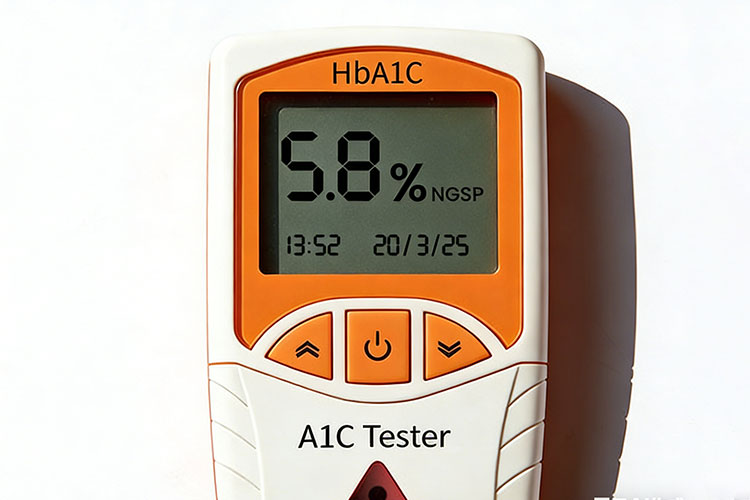
In this post, I will talk about A1C Tester and give you a complete guide to At-Home HbA1c monitoring for better diabetes control.
A convenient health tool is increasingly used by individuals who want to track their blood sugar levels without frequent laboratory visits. The A1C tester measures average glucose levels over the past two to three months using a simple finger-prick blood sample at home.
In this guide, you will learn how it works, its benefits and limitations, and how it can support more effective diabetes management in everyday life.
Table of Contents
What is an A1C Tester and Why It Matters
An A1C tester is a portable diagnostic device designed to measure HbA1c levels from a small blood sample. HbA1c reflects the percentage of sugar attached to hemoglobin in red blood cells, giving a long-term view of blood glucose control.
The A1C tester is especially useful for individuals who want quick insights into their glucose trends without waiting for laboratory results.
Key points about A1C testing
- Measures average blood sugar over 2–3 months
- Uses a small finger-prick blood sample
- Helps monitor diabetes management at home
- Provides faster results compared to lab testing visits
- Useful for tracking lifestyle and diet changes
Unlike daily glucose meters that show instant readings, A1C testing focuses on long-term trends, making it an essential part of diabetes care planning.
How an A1C Tester Works at Home
Modern A1C testers are designed to be simple and user-friendly so that individuals can perform the test without medical assistance.
The process generally involves collecting a small blood sample and analyzing it through a built-in chemical reaction that measures glycated hemoglobin levels.
Step-by-step working process
- A finger is pricked to collect a small blood drop
- The blood sample is placed into the test cartridge or strip
- The device processes the sample using HbA1c detection technology
- The result is displayed on the screen within minutes
- The reading shows average glucose control over recent months
Important usage considerations
- Follow instructions carefully for accurate results
- Use fresh and properly stored test kits
- Avoid contamination of the sample area
- Ensure hands are clean before testing
- Store devices in recommended temperature conditions
This simple process makes the A1C tester a convenient option for home-based monitoring, especially for users who prefer quick feedback without clinical appointments.
Benefits of Using an A1C Tester for Daily Health Monitoring
The growing popularity of home testing devices is linked to convenience and faster access to health insights. The A1C tester offers several advantages for people managing diabetes or monitoring metabolic health.
Advantages of at-home A1C testing
- Provides quick results within minutes instead of days
- Eliminates the need for frequent lab visits
- Helps users track long-term glucose trends regularly
- Supports better lifestyle and diet decision-making
- Easy to use with minimal training required
Practical benefits for diabetes management
- Encourages consistent health monitoring
- Helps detect changes in glucose control early
- Useful for adjusting diet, exercise, or medication routines
- Reduces dependency on healthcare facility access
- Convenient for elderly users or people with mobility issues
With regular use, the A1C tester can help users stay more aware of their health patterns and respond quickly to changes in blood sugar control.
Limitations and Things to Keep in Mind
While A1C testers offer convenience, they are not perfect substitutes for professional laboratory testing. Understanding their limitations is important for safe and accurate use.
Key limitations
- May not be as precise as certified lab tests
- Results can vary depending on sample quality
- Not intended for diagnosing medical conditions
- Requires proper handling to maintain accuracy
- Can be affected by improper storage or expired kits
When to be cautious
- If results are inconsistent over multiple tests
- If symptoms do not match readings
- If used without proper instructions
- When making major treatment decisions without medical advice
The A1C tester should be viewed as a supportive monitoring tool rather than a replacement for professional healthcare diagnostics. Regular consultation with a healthcare provider remains essential for proper diabetes management.
Who Should Use an A1C Tester and How It Helps
The A1C tester is designed for individuals who need regular monitoring of their long-term blood sugar levels. It is especially helpful for people already managing diabetes or those at risk of developing glucose-related conditions.
Ideal users of an A1C tester
- Individuals with Type 1 or Type 2 diabetes
- People tracking prediabetes conditions
- Users adjusting diet and lifestyle habits
- Caregivers monitoring family members’ health
- Individuals who prefer home-based health tracking
How it supports better health decisions
- Encourages regular monitoring habits
- Helps identify patterns in glucose control
- Supports informed lifestyle changes
- Assists in evaluating diet effectiveness
- Provides motivation for better health discipline
By offering accessible and frequent feedback, the A1C tester helps users stay proactive about their health instead of relying only on occasional lab reports.
A1C Tester in Everyday Diabetes Management
Integrating an A1C tester into daily health routines can improve awareness and control of blood sugar levels. It works best when combined with a balanced lifestyle and professional medical guidance.
Many users find it helpful for tracking progress after dietary changes or medication adjustments. Over time, it becomes a practical tool for understanding how daily habits influence long-term glucose levels.
Building Better Health Awareness with Regular A1C Tracking
Using an A1C tester consistently can help individuals develop a stronger understanding of how their lifestyle affects long-term blood sugar control. Instead of waiting for occasional lab results, users can stay more engaged with their health on a regular basis.
This ongoing awareness encourages better decisions around food choices, physical activity, and medication adherence. Over time, it can also help reduce health risks associated with poorly managed glucose levels.
The A1C tester works best when it becomes part of a routine rather than a one-time check. When combined with medical advice, it supports a more informed and balanced approach to diabetes care and long-term wellness.
INTERESTING POSTS
About the Author:

John Raymond is a cybersecurity content writer, with over 5 years of experience in the technology industry. He is passionate about staying up-to-date with the latest trends and developments in the field of cybersecurity, and is an avid researcher and writer. He has written numerous articles on topics of cybersecurity, privacy, and digital security, and is committed to providing valuable and helpful information to the public.