




In this post, you will learn why synergy between automation testing and DevOps is the key to modern software scaling.
In the modern digital landscape, the pressure to deliver software at “light speed” has moved from a competitive advantage to a baseline requirement. However, speed often comes at the cost of stability.
For organizations looking to scale without breaking their systems, the integration of Automation Testing within robust devops development services has become the gold standard for high-performing engineering teams.
Table of Contents
The Evolution of Quality: Beyond Manual Intervention
Traditionally, quality assurance (QA) was the “final gatekeeper”—a manual process that occurred at the end of the development cycle. In an era of monthly updates, this worked. In the era of daily (or hourly) deployments, it is a bottleneck.
This is where Automation Testing changes the game. By converting repetitive, high-volume test cases into executable scripts, businesses can achieve a level of consistency that human testers simply cannot match. Automated suites don’t suffer from fatigue or oversight; they execute the same logic with 100% precision every single time.
For a company like Jalasoft, treating automation as a core development project—rather than just a task—is what allows their “Athletes” (top-tier engineers) to ensure that every code commit is validated against the highest standards of functionality and performance.
DevOps: The Engine of Continuous Delivery
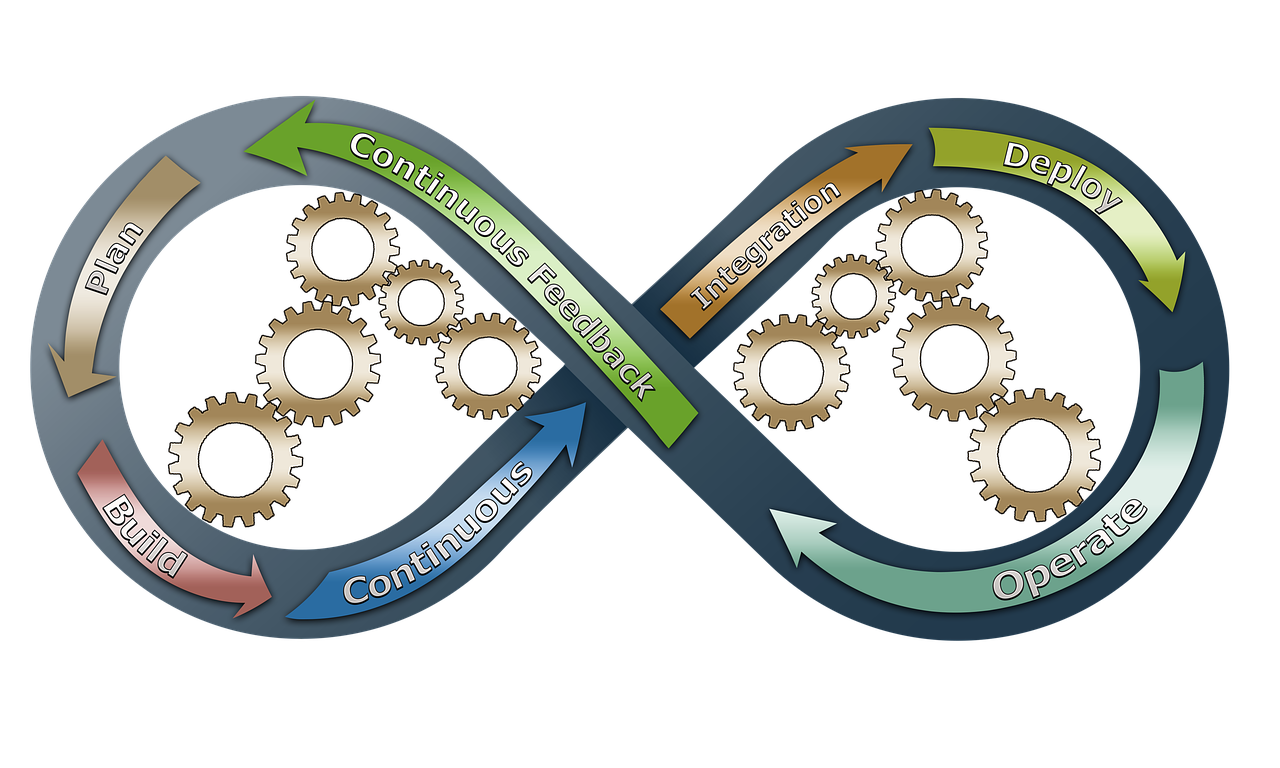
If automation is the fuel, then devops development services are the engine. DevOps is more than just a set of tools like Jenkins, Docker, or Kubernetes; it is a cultural shift that dissolves the silos between those who write the code and those who maintain the infrastructure.
Modern DevOps services focus on the “Continuous” loop:
- Continuous Integration (CI): Merging code changes frequently to detect conflicts early.
- Continuous Deployment (CD): Automating the release of validated code to production.
- Continuous Monitoring: Real-time visibility into system health and user experience.
When these services are implemented correctly, the result is a “Shift-Left” approach—where testing and operational considerations happen at the very beginning of the lifecycle, not the end.
The Intersection: Why One Needs the Other

The true magic happens when you embed Automation Testing directly into the heart of your DevOps pipeline. Without automation, DevOps is just a fast way to ship bugs. Without DevOps, automation is a powerful tool that lacks a delivery mechanism.
1. Accelerated Feedback Loops
In a manual environment, a developer might wait days for a QA report. In a DevOps-driven environment, an automated test suite can provide feedback within minutes of a code push. This allows developers to fix errors while the logic is still fresh in their minds, drastically reducing the “cost of repair.”
2. Infrastructure as Code (IaC)
A common challenge in testing is the “it works on my machine” syndrome. Devops development services utilize Infrastructure as Code to spin up identical, ephemeral test environments. When your Automation Testing scripts run in an environment that perfectly mirrors production, you eliminate false positives and environment-related glitches.
3. Scaling with Confidence
As applications grow in complexity—incorporating microservices, APIs, and cloud-native architectures—the number of potential failure points grows exponentially. Automation allows for massive parallel testing that would be physically impossible for a human team to execute, ensuring that new features don’t break legacy functionality (Regression Testing).
Choosing the Right Partner for the Journey
Building these capabilities in-house is a significant undertaking. It requires not just tools, but a deep pool of specialized talent. Many North American firms are turning to nearshore partners like Jalasoft to bridge this gap.
By leveraging the top 2% of engineering talent in Latin America, Jalasoft provides more than just “staffing”; they provide a mature ecosystem where Automation Testing and devops development services are woven into the fabric of the delivery model. This ensures time-zone alignment, cultural fit, and—most importantly—technical excellence that drives measurable ROI.
Conclusion: The Path Forward
The goal of modern software engineering isn’t just to write code; it’s to deliver value reliably. By investing in Automation Testing to ensure precision and devops development services to ensure speed, organizations can transform their software department from a cost center into a powerful engine of innovation.
In 2026 and beyond, the companies that win will be those that stop choosing between “fast” and “good” and start automating the path to both.
INTERESTING POSTS
About the Author:

Meet Angela Daniel, an esteemed cybersecurity expert and the Associate Editor at SecureBlitz. With a profound understanding of the digital security landscape, Angela is dedicated to sharing her wealth of knowledge with readers. Her insightful articles delve into the intricacies of cybersecurity, offering a beacon of understanding in the ever-evolving realm of online safety.
Angela's expertise is grounded in a passion for staying at the forefront of emerging threats and protective measures. Her commitment to empowering individuals and organizations with the tools and insights to safeguard their digital presence is unwavering.


