

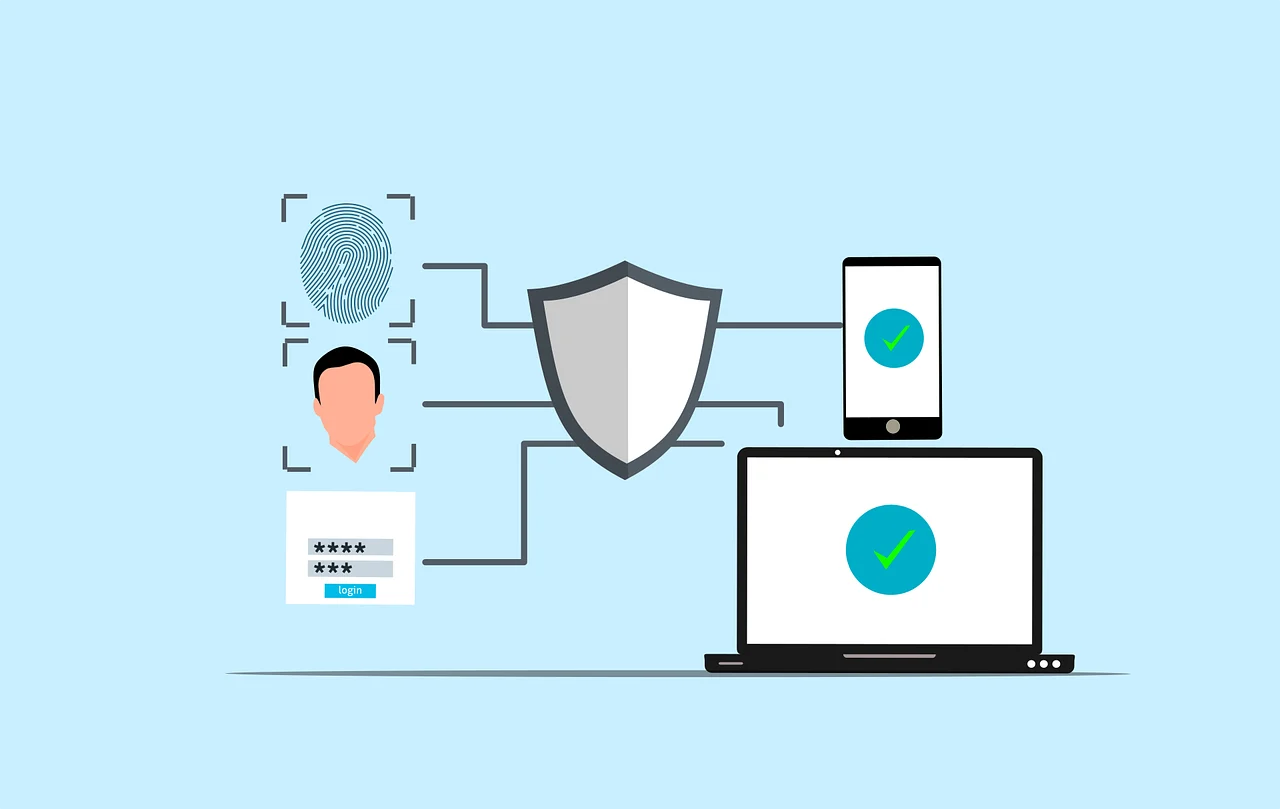
In this post, I will answer the question – why DDoS protection should be part of every business’s digital strategy.
DDoS attacks used to be a numbers game. You’d often find a way to flood a target with enough traffic, and something eventually breaks. AI has changed that. In 2025, 47.1 million DDoS attacks mitigated by Cloudflare. That’s a 121% increase over the year before. Moreover, 139 attempted attacks were witnessed per day, according to Radware’s average across its customer base in the second half of 2025. The analysts expect that to nearly triple again in 2026
AI is now generating attack scripts, scanning targets for weak points, and adjusting tactics in real time, which means attacks are getting smarter at roughly the same rate they’re getting bigger. DDoS protection stopped being an enterprise problem a while ago, and most businesses haven’t changed that assumption yet. By the end of this article, you’ll have a fresher perspective on this problem.
Table of Contents
What is different about DDoS attacks recently?
Think of them as bigger, more frequent, and faster than what most security plans were built around. For instance, Radware’s average customer faced 139 attempted attacks per day in the second half of 2025. This isn’t a rare event anymore; it’s closer to background noise on the internet.
Some automated DDoS detection and mitigation systems exist specifically to counter this shift, since static, rule-based defenses are increasingly the wrong tool for an adaptive attacker.
Attacks are getting faster than most of us can react to them
Look, you may think you have the best security measures in place, but a lot of today’s attacks are short, sharp bursts, sometimes under a minute, launched by automated botnets with no meaningful gap between detection and impact.
If your DDoS response plan involves someone noticing a problem and manually escalating it, the attack is often over before anyone’s finished reading the alert. Defense has to be automated and always-on, because there’s no human response window left to rely on.
Can a business be “too small” for DDoS attacks?
Almost certainly not, and this misconception is how most of the wrong assumptions start. According to a March 2022 survey by Digital.com, about 59% of small business owners believe they’re too small to be worth attacking. At the same time, about 51% of small businesses have no DDoS protection in place, a gap that lines up a little too neatly.
According to the latest application security metrics from Indusface, small and medium businesses globally faced over 55.9 crore (559 million) cyberattacks recently.
Now, part of why the “too small” assumption no longer holds is that attackers have shifted from slow-to-build IoT botnets to cloud-hosted virtual machine (VM) botnets, which are cheaper and faster to spin up and sometimes use stolen payment details on legitimate cloud platforms.
Launching an attack has gotten easier, which means targeting has gotten less selective, not more. A lot of attacks aren’t aimed at you specifically. They’re aimed at whatever’s reachable and undefended, and unprotected small businesses fit that description just as easily as anyone else. Thus, your infrastructure needs to run on a DDoS-protected server by default.
What does a DDoS attack actually cost if it hits you?
A DDoS attack costs far more than most businesses budget for. Industry estimates put the average cost of DDoS-caused downtime at around $22,000 per minute. Small and mid-sized businesses typically spend roughly $120,000 to recover from a single attack, while large enterprises often incur losses exceeding $1 million.
And it’s rarely a one-time event; over 70% of organizations hit once are targeted again, with each initial incident triggering an average of 2.8 follow-up attempts.
That combination, real financial exposure plus a high chance of repeat targeting, is exactly why this belongs in a digital strategy conversation, not just an IT ticket.
What should DDoS protection include?
Given how fast and automated modern attacks are, protection needs to be built in, not bolted on after the attack. A few things matter more than they might seem:
- Automated, always-on mitigation, since manual response can’t keep up with attacks that resolve in under a minute
- Coverage at both the network and application layer, since volumetric floods and precisely targeted application-layer attacks require different defenses, and a lot of setups only cover one
- Real scrubbing capacity, sized for the multi-terabit floods that are now setting new records every year, not the smaller attacks that used to be the norm
Where exactly should this protection exist?
Ideally, at the infrastructure level, not as a separate service you have to remember to configure correctly. Protection built into your network from the start removes an entire category of “did-we-set-this-up-right” risk. Some providers now offer this at a genuinely serious scale; CloudPe’s networking layer, for example, includes 10 TBps of DDoS protection at no additional cost, which is the kind of headroom that matters given how quickly attack records have been climbing.
The verdict
DDoS protection used to be something you added once you’d grown big enough to be a target. That logic doesn’t hold anymore. Attacks are bigger, faster, cheaper to launch, and increasingly indiscriminate about who they hit.
Building protection into your infrastructure from day one is a lot cheaper than explaining a six-figure recovery bill after the fact.
INTERESTING POSTS
- Top 5 DDoS Attack Challenges For Telecom Companies
- Why Digital Due Diligence Is Becoming as Routine as a Background Check
- Banana Gun Hits One Million Users: Inside the Crypto Trading Platform That Grew by Putting Execution and Safety First
- Top 5 Cybersecurity Threats That eCommerce Websites Should Watch Out For
- What Organizations Should Know About Cybersecurity Compliance
- How To Prevent A DDoS Attack On Your WordPress Site
- Strengthening DDoS Protection with Threat Intelligence
About the Author:

Gina Lynch is a VPN expert and online privacy advocate who stands for the right to online freedom. She is highly knowledgeable in the field of cybersecurity, with years of experience in researching and writing about the topic. Gina is a strong advocate of digital privacy and strives to educate the public on the importance of keeping their data secure and private. She has become a trusted expert in the field and continues to share her knowledge and advice to help others protect their online identities.