


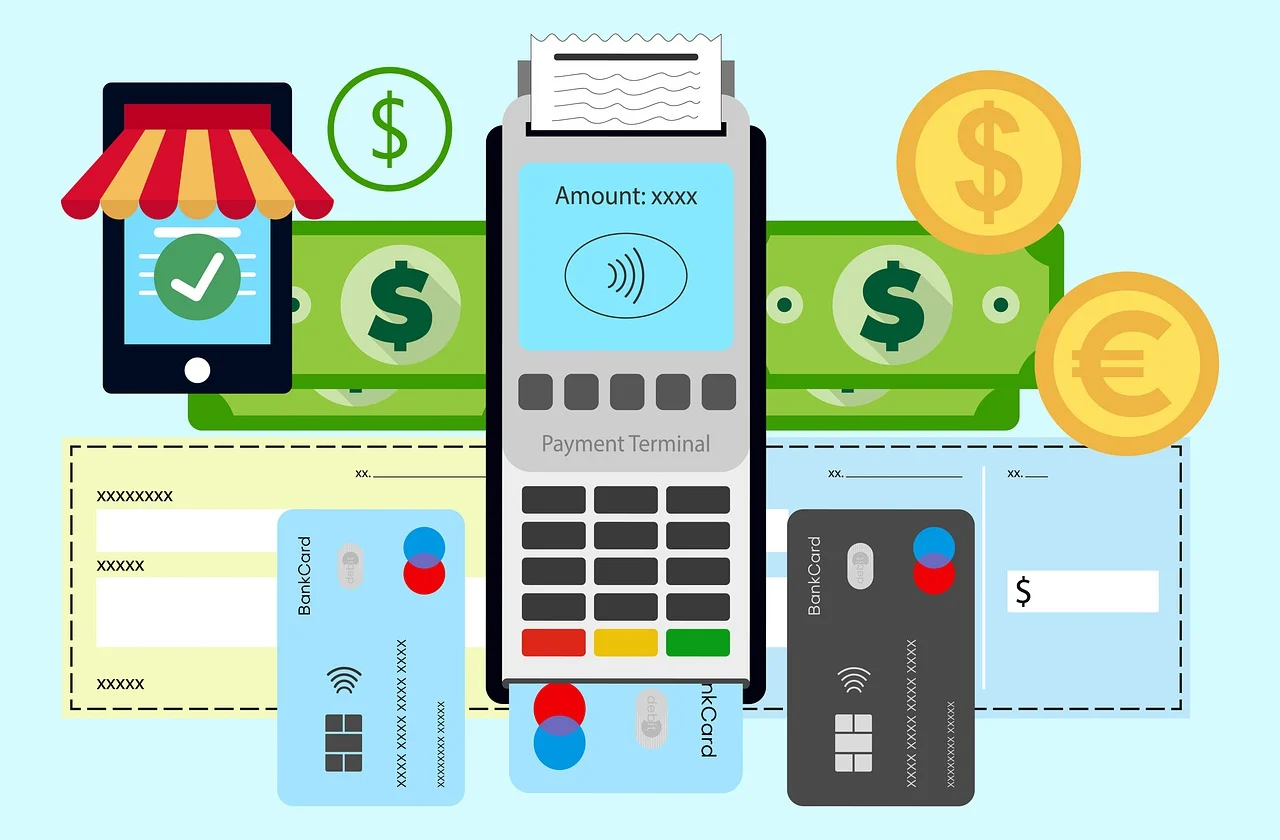

In this post, I will talk about the smart digital moves for a borderless financial life.
As the world becomes more globalized in terms of work, business, and investing, more people are dealing with money on an international level. Remote workers, entrepreneurs, and digital nomads are using online tools to manage their contracts, invoices, and regulatory requirements.
In such a context, it is not just about the returns on your portfolio. It is also about your online safety, identity protection, and future flexibility. Some of the smart opportunities that are available to individuals today are listed below.
Table of Contents
Protecting Identity in Cross-Border Transactions
Engaging in financial transactions across borders exposes individuals to potential cyber threats. This is especially true for cross-border transactions involving international money transfers, currency exchanges, and third-party payments.
Implementing strong password management practices and enabling device encryption are fundamental measures to ensure financial security. Another security practice is to dedicate devices to financial transactions. This means separating financial management from internet surfing.
Monitoring financial transactions is equally crucial. This means setting up real-time alerts and anomaly-detection systems to enable swift action in the event of an issue. The sooner a threat is detected, the sooner it can be addressed to prevent potential damage.
Building a Secure International Financial Foundation
When working on an international level, one of the first requirements is to have access to a robust financial system. While having access to such a system is important, it is not enough. It must be a secure experience that is both streamlined and compliant with international requirements.
Today, many professionals prefer digital onboarding rather than visiting physical branches. Online verification systems, encrypted document uploads, and multi-factor authentication reduce friction while maintaining security.
For entrepreneurs expanding into the US market, modern digital onboarding systems now make it possible to open a non-resident bank account through secure and compliant verification processes.
Embracing Digital Documentation and Security
The opening of a new account, creation of a new business, or fulfillment of any financial requirements is largely dependent on proper documentation, requirements like IDs, tax files, etc. Failure to manage these files appropriately puts one in a compromising situation for a long period.
Never use unsecured cloud storage. Always allow end-to-end encryption coupled with strict sharing permissions. Do not share sensitive content via public wi-fi networks. Password protection and temporary link option are available in cloud services. Keeping your documents in order is not merely convenient; it’s quick as well.
A clean system of naming documents minimizes the probability of sending out older or erroneous documents within the process of applying for financial measures.
Building robust and layered account protection
Access to international banking should be accompanied by several security measures. Multi-factor authentication is important, and this is not enough as a security feature alone. Device recognition, biometric authentication, and notifications for unusual IP activity could also be added.
In some services, it is possible to prevent users from certain high-risk regions from logging in, which provides another layer of protection. It is also important to regularly check all connected apps and revoke permissions for tools no longer used. Third-party apps, though convenient, should be checked to ensure they do not provide an entry point to an organization.
Conclusion
Since financial regulations are subject to change, especially with international transactions, together with the evolution of security due to new threats, understanding these issues helps avoid any compliances that might occur due to such factors and any risks of fraud from international users.
Enable official update channels such as financial regulatory announcements, account alerts, and terms review. Finally, education is one of the strongest defenses. Being well-informed on how digital banking systems verify identity, manage transactions, and flag suspicious activity can aid in spotting unusual requests.
The notion of having a borderless financial life means the world of financial flexibility has opened up before you; however, it carries with it the imperative of having proper digital security measures in place so as to ensure proper access control, documentation management, and monitoring.
INTERESTING POSTS
- 4 Cybersecurity Risks Emerging From Cross-Border Online Services
- Winning Tactics for Offline Tongits: A Comprehensive Guide
- Is Cyber Warfare A Crime? Which Countries Have Cyber Warfares?
- WELEAKINFO.COM has been Seized by the FBI: A Blow to Personal Data Marketplaces [OLD NEWS]
- Great Tools To Help Protect Yourself And Your Devices
About the Author:

Christian Schmitz is a professional journalist and editor at SecureBlitz.com. He has a keen eye for the ever-changing cybersecurity industry and is passionate about spreading awareness of the industry's latest trends. Before joining SecureBlitz, Christian worked as a journalist for a local community newspaper in Nuremberg. Through his years of experience, Christian has developed a sharp eye for detail, an acute understanding of the cybersecurity industry, and an unwavering commitment to delivering accurate and up-to-date information.


