


In this post, I will show you how digital training programs support skills in healthcare settings.
Healthcare workers should keep updating their information to provide safe and effective care. In such environments, digital training programs have emerged as a critical component of the skill development strategy.
Frequent learning opportunities allow staff to build familiarity and confidence with the new routine. Learning tools, especially those enabled by technology, provide options for busy healthcare workers.
Table of Contents
Accessible Learning Opportunities
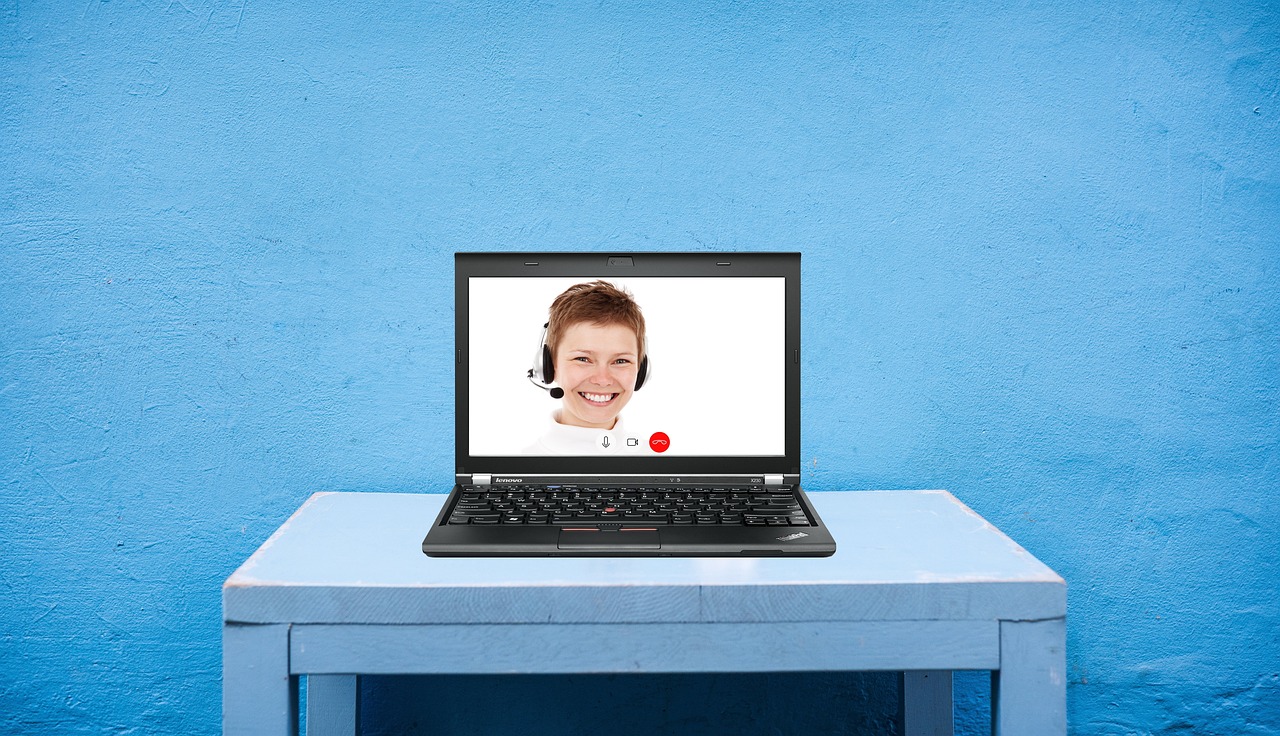
Healthcare staff benefit from access to content through online modules. Healthcare training platforms also offer professionals the chance to advance their education without needing to disrupt patient care since they can learn when their schedules allow.
Remote accessibility allows employees working on different shifts from different locations to be a part of the learning process. For example, many digital programs have interactive components that can act as comprehension checkpoints, like a quizzes.
Standardized Content Delivery
Digital courses offer information in a standardized way, ensuring that each participant gets the same information. Standard training reduces the chance of errors due to miscommunication.
When something is standardized, it also means that measuring learning outcomes across departments becomes easier. Healthcare leaders can have confidence that every single member of the team learns those skills optimally.
Cost-Effective Skill Development
The traditional classroom environment is a cost center, and technology-based training reduces this cost. Organizations save on travel, printed materials, and instructor payments.
The organization can divert funds to other vital areas such as equipment or services for patients. Online education reduces the time spent away from patient care, improving operational efficiency.
Timely Updates and Adaptability
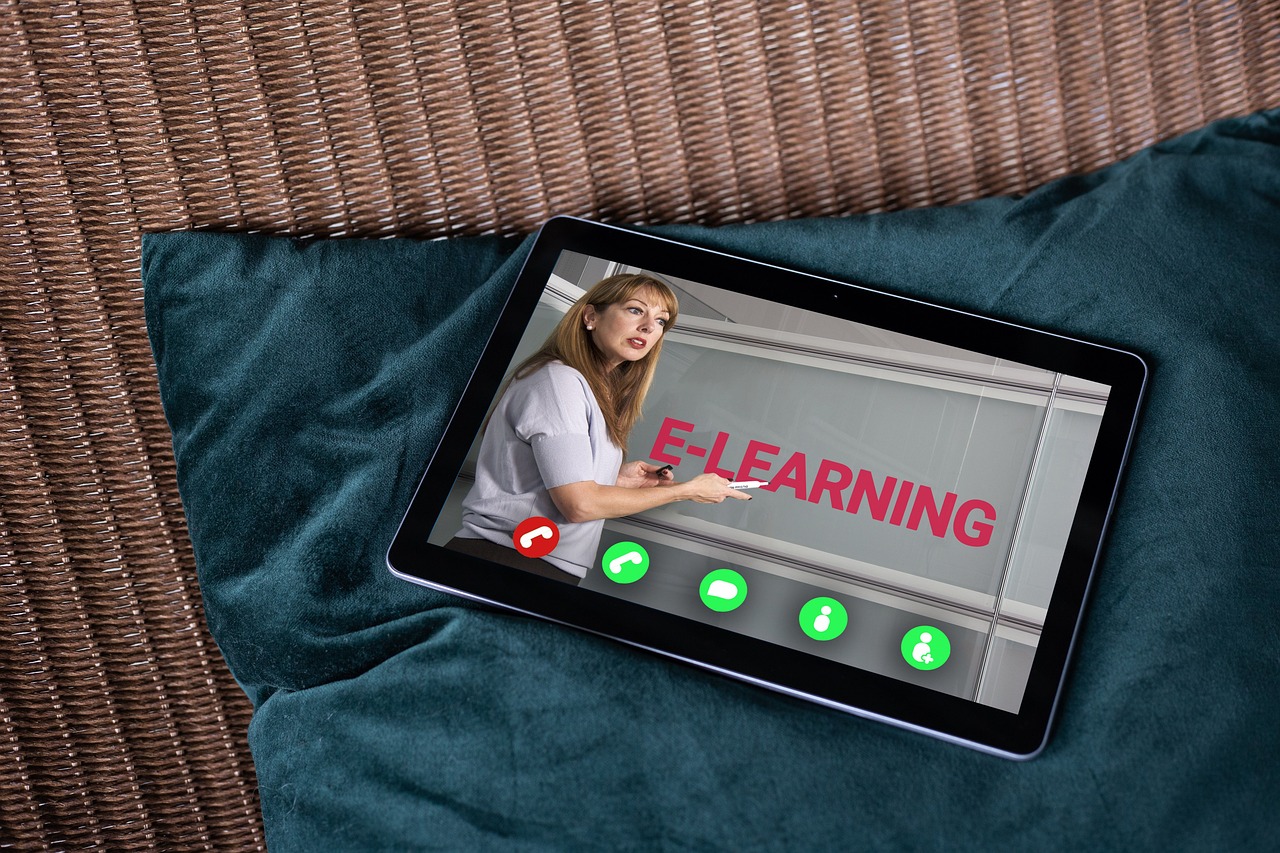
Medical guidelines often change rapidly. Digital platforms allow for the quick updating of training materials, ensuring staff always have the most current information.
Professionals can get the fresh protocols immediately when they are launched as opposed to waiting around for the next scheduled in-person session. Prompt dissemination of novel information is a critical adjunct to regulatory compliance and enhanced patient safety.
Enhanced Engagement and Retention
Implementation of elements like simulations and scenario-based exercises is used to increase engagement in training. It is a safe environment for healthcare staff to practice real-life scenarios.
Involvement encourages learners to remember knowledge and execute ideas in a clinical context more adeptly. Digital lessons during class aid in constant development for learners and teachers through feedback provided to each other.
Tracking Progress and Performance
With an LMS, managers can track how many people have finished a course and how well they performed on quizzes.
This allows managers to spot employees who need some extra support or a refresher course. This digitally delivered data helps you know how to structure future training strategies. Continuous monitoring guarantees closure of skill gaps.
Supporting Diverse Learning Styles
People absorb information differently. In many digital programs, written content and exercises accompany videos. This diversity caters to different learning styles.
By allowing staff to choose from formats that work best for them, you can ensure higher satisfaction and success rates. Tailored methods build learners’ confidence in their skill sets.
Facilitating Collaboration
Some programs have discussion boards or group projects built into the online aspect. Such features promote conversations between colleagues who might not engage with each other daily.
Learning together is also the best way for people to help each other by sharing experiences and insights. You can also try collaborative activities that can provide a sense of support and bonding.
Reducing Training Barriers
Shift work and other time constraints make traditional training difficult to organize. By offering on-demand content, digital programs eliminate many of these barriers.
Staff do not need to wait around for classroom sessions. Higher accessibility means that the critical skills reach staff fast.
Promoting Lifelong Learning
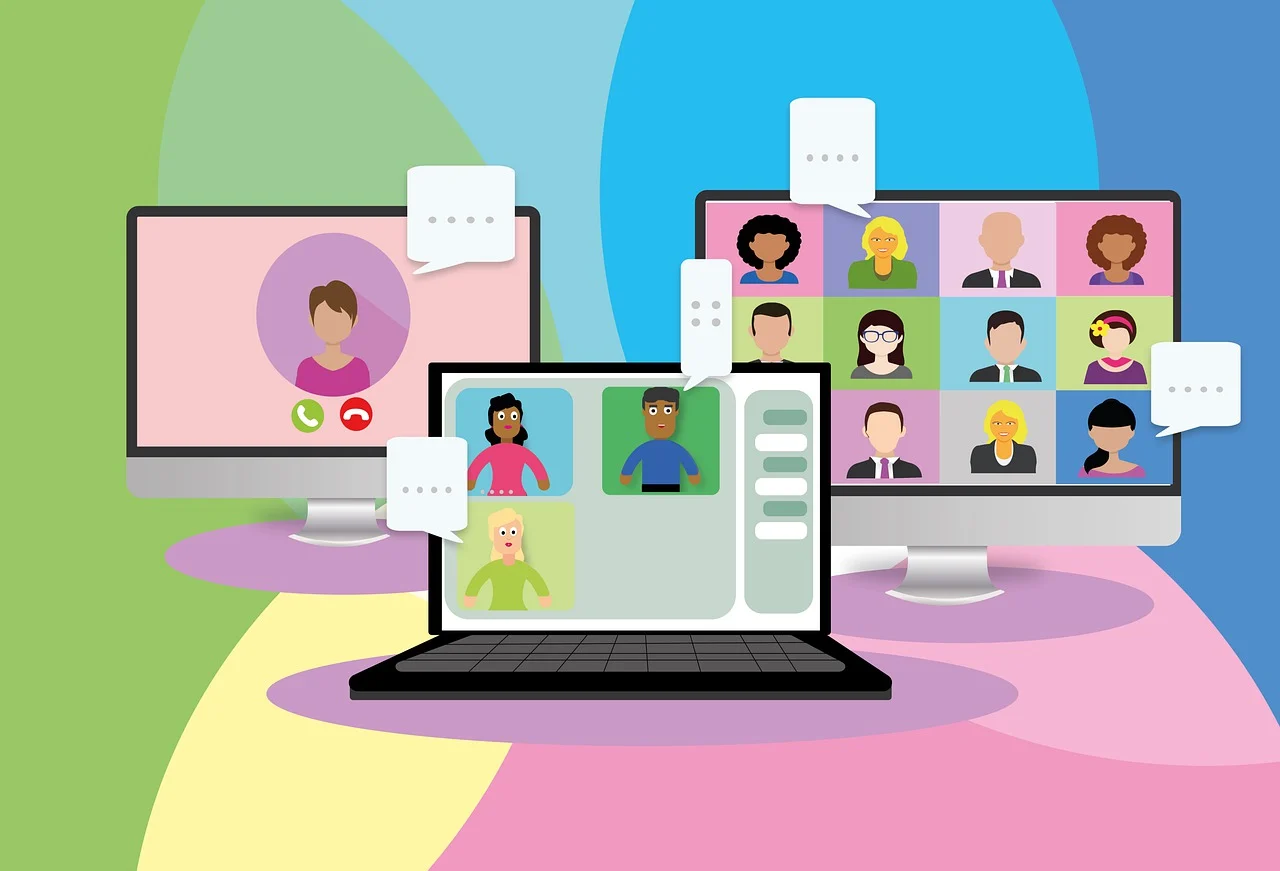
There are always new modalities and technologies coming through the pipeline in the healthcare space.
The culture of digital education also promotes a habit of constant upskilling. Updates in best practices help professionals keep refreshing their skills. Continuous learning enables organizations to uphold care standards.
Final Thoughts
Digital training supports the skill set of healthcare professionals through digital training. MOOCs provide easy, affordable, and uniform educational opportunities. The real-time updates and interactive elements help ensure healthcare personnel stay ready for the surge.
Technologically focused education bolsters the workforce for organizations and leads to better patient outcomes. Dynamic eLearning solutions remain a driving force in healthcare environments, molding the future of development.
INTERESTING POSTS
About the Author:

Christian Schmitz is a professional journalist and editor at SecureBlitz.com. He has a keen eye for the ever-changing cybersecurity industry and is passionate about spreading awareness of the industry's latest trends. Before joining SecureBlitz, Christian worked as a journalist for a local community newspaper in Nuremberg. Through his years of experience, Christian has developed a sharp eye for detail, an acute understanding of the cybersecurity industry, and an unwavering commitment to delivering accurate and up-to-date information.