



Here is the digital hygiene blueprint. read on!
Most cyberattacks don’t look like scenes from a spy thriller. There’s no elite hacker furiously typing code to break through impenetrable defenses. Instead, someone clicks a suspicious email link. A password gets reused one too many times. A software update gets dismissed for weeks. The breach happens quietly, and the door was left open by habit — not technology.
According to the World Economic Forum’s Global Cybersecurity Outlook, approximately 95% of all cybersecurity breaches are caused by human error. That single statistic reframes the entire conversation around online safety. The weakest link isn’t your software — it’s behavior.
“Cybersecurity is like an immune system: it needs to be constantly updated.” — Vinton Cerf, widely regarded as the “Father of the Internet”
That immune system analogy is more than poetic. Understanding what is digital hygiene means recognizing it as the daily maintenance that keeps your digital immune system functional — protecting personal data, financial accounts, and business operations from threats that exploit routine carelessness.
For individuals and small businesses alike, the stakes are real: identity theft, financial loss, and reputational damage. Your habits are the ultimate firewall. Before exploring specific practices, it helps to nail down exactly what this discipline means — and why it goes deeper than just strong passwords.
Table of Contents
What is the Meaning of Digital Hygiene? Defining the Practice

Digital hygiene refers to the routine practices and habits users adopt to maintain the health, security, and integrity of their online presence and devices — much like brushing your teeth prevents decay before it starts.
As established earlier, most threats exploit predictable human behavior. Understanding the vocabulary around digital hygiene is the first step toward changing that behavior for good.
Digital Hygiene vs. Cyber Hygiene
People often use these terms interchangeably, but there’s a meaningful distinction worth clarifying:
- Digital hygiene — broader in scope; covers data management, device health, identity protection, and overall online habits
- Cyber hygiene — more technical in focus; typically addresses network security, software vulnerabilities, and system-level defenses
- The overlap — both share a commitment to proactive, consistent maintenance rather than emergency damage control
So what is cyber hygiene, exactly? Think of it as the technical layer sitting beneath your everyday digital habits. Together, they form a complete defense strategy.
From Reactive to Proactive: The Theory Behind the Practice
The Institute of Network Cultures frames digital hygiene as a philosophical shift — moving away from patching problems after they occur and toward building resilience into daily routines.
Reactive security waits for a breach. Proactive digital hygiene prevents one.
In practice, this means treating your accounts, devices, and personal data as assets requiring regular upkeep — not just occasional attention when something goes wrong. It encompasses three core pillars: managing what data exists about you, keeping devices clean and updated, and actively protecting your identity online.
That framework, conveniently, is exactly what structured guidance — like the approach explored in the next section — helps you implement systematically.
The Dartmouth Guide to Digital Hygiene: A Framework for Action
Now that the digital hygiene definition is clear—routine habits that protect your online health and security—the logical next step is putting a structured framework around those habits. The Dartmouth Services Portal offers one of the most practical and well-organized approaches available, built around three core pillars: Audit, De-clutter, and Verify. Think of it as a maintenance schedule for your digital life.
Audit: Apply the Principle of Least Privilege
The first pillar centers on regularly reviewing what access you’ve granted—and to whom. The concept of Least Privilege is straightforward: every app, service, and person should have only the minimum level of access required to do their job. Nothing more.
In practice, this means opening your phone’s app permissions settings right now and asking whether your flashlight app really needs access to your contacts. Probably not. The Dartmouth framework emphasizes regular auditing of account permissions as a direct method of shrinking your attack surface—fewer open doors means fewer ways in for bad actors.
De-clutter: Practice Digital Housekeeping
Old accounts are not harmless relics. Every forgotten login you created for a one-time purchase is a potential liability sitting in a database somewhere, waiting to be breached. Digital housekeeping—systematically deleting unused accounts, purging outdated data, and removing apps you no longer use—directly reduces your exposure.
A common pattern is that people accumulate dozens of dormant accounts over years of online activity. Each one is a loose thread a threat actor can pull.
Verify: Never Trust at Face Value
The third pillar is perhaps the most critical behavioral shift: radical verification. Before clicking any link, opening any attachment, or responding to any urgent request, pause and confirm the sender’s identity through a separate channel. Phishing succeeds because it exploits trust and urgency simultaneously.
These three pillars form a repeatable system—and as researchers like Eric Jardine argue, that system has implications far beyond your own inbox.
Expert Insights: Eric Jardine’s Principles for a Safer Online Life
Digital hygiene isn’t just a personal responsibility—it’s a shared one. That’s the core argument from cybersecurity researcher Eric Jardine, whose work reframes how we think about online safety. Much like the Dartmouth guide to digital hygiene approaches security as a structured, community-aware framework, Jardine pushes the concept further by introducing what he calls the “tragedy of the digital commons.”
The idea is straightforward but sobering: when individuals neglect their own security habits, they don’t just put themselves at risk. They create vulnerabilities that attackers can exploit to move laterally through networks, compromising everyone connected to them. A single unpatched device in a household or workplace can become the entry point for a much larger breach.
“Digital hygiene is a collective effort; your poor habits can become a vector for attacking others in your network.” — Eric Jardine, as cited by Virginia Tech Magazine
This shifts the conversation from self-interest to social responsibility. Jardine’s Theory of Digital Hygiene positions routine security practices—particularly software updates and patch management—as civic acts, not just personal ones. Outdated software is one of the most exploited attack surfaces in cybersecurity. Keeping applications and operating systems current closes known vulnerabilities before bad actors can weaponize them.
In practice, this means treating every pending update notification as urgent, not optional. Delaying patches by even a few days can leave systems exposed during the window attackers actively target following a public vulnerability disclosure.
Understanding hygiene as a shared obligation is a powerful mindset shift. And it’s one that becomes especially critical when an organization’s survival—not just its data—is on the line.
Small Business Survival: Why Hygiene Is a Business Continuity Strategy
For small business owners, the digital hygiene meaning extends far beyond personal security—it’s directly tied to whether the business survives. A cyberattack isn’t just an IT inconvenience; it can be an extinction-level event. According to the National Cyber Security Alliance, about 60% of small businesses that experience a significant data breach go out of business within six months. That statistic reframes everything. Cybersecurity stops being an optional line item and becomes a core business continuity strategy.
Consistent digital hygiene is the most affordable insurance policy a small business will never regret buying.
The encouraging reality is that strong hygiene practices don’t require a dedicated IT department or a six-figure security budget. For small shops, disciplined routines can close the majority of vulnerabilities that attackers exploit.
The Small Business Hygiene Checklist
Use this as a starting point for protecting your operation:
🛡️ Business Hygiene Priority List
- ✅ Enable MFA on all business accounts—email, banking, and cloud storage
- ✅ Schedule regular employee training on phishing recognition and safe browsing
- ✅ Establish backup schedules for all critical business data (at minimum, weekly)
- ✅ Enforce a software update policy across every device connected to your network
- ✅ Limit access permissions—employees should only access what their role requires
- ✅ Document an incident response plan so everyone knows what to do if something goes wrong
These aren’t complex initiatives. In practice, most can be implemented over a single afternoon and maintained with minimal ongoing effort.
With the foundational business case established, the logical next step is building the specific daily habits that make these protections second nature—which is exactly where the top ten digital hygiene practices come in.
The Top 10 Digital Hygiene Habits We Should All Embrace

Everything covered in this article—from Eric Jardine’s shared-responsibility framework to small business continuity planning—ultimately comes down to daily habits. Here are the foundational practices every user should build into their routine.
- Use a Password Manager: Reusing passwords is one of the most exploitable behaviors online. A password manager generates and stores unique, complex strings for every account, eliminating the temptation to recycle credentials.
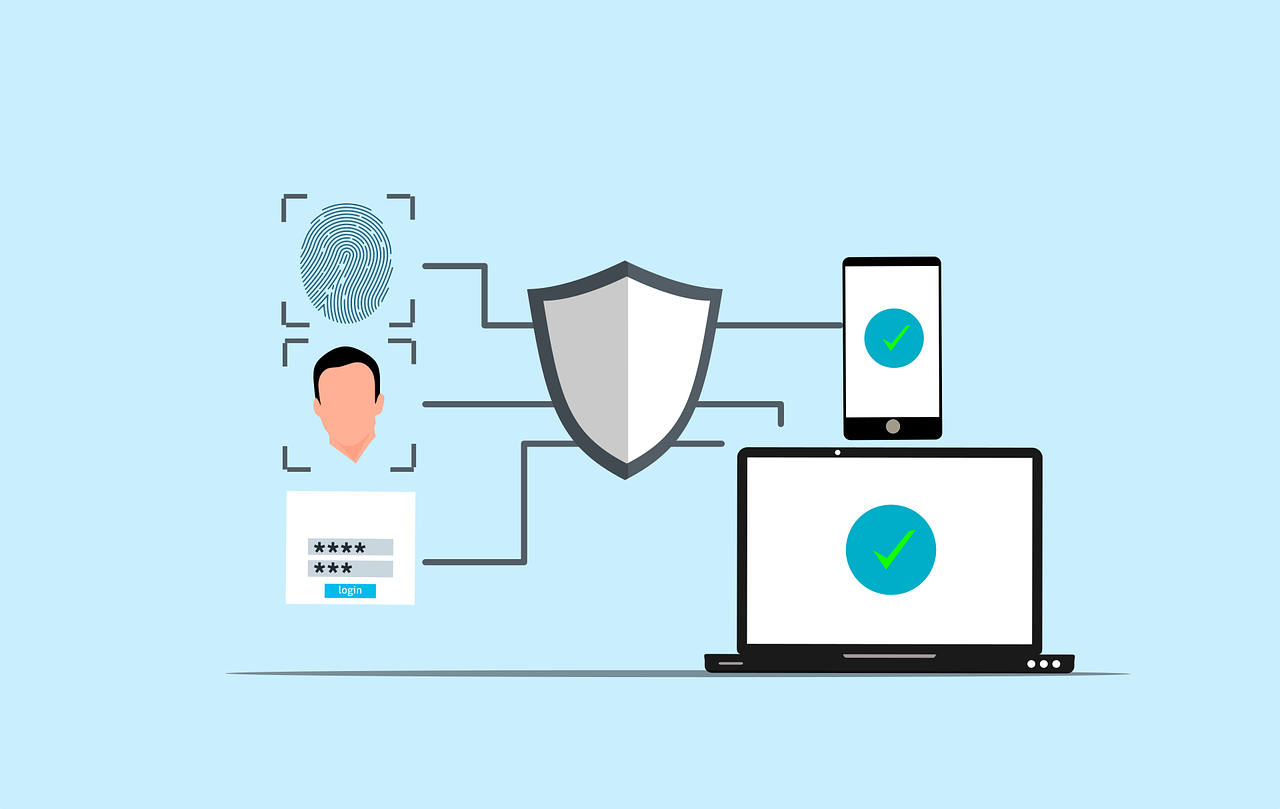
- Enable Multi-Factor Authentication (MFA) Everywhere: MFA adds a critical second layer of verification. Even if a password is compromised, an attacker still can’t access your account without the secondary code or biometric confirmation.
- Use a VPN on Public Networks: According to the Cybersecurity & Infrastructure Security Agency (CISA), a VPN encrypts your internet traffic and masks your IP address, directly preventing man-in-the-middle attacks on unsecured public Wi-Fi. Never access sensitive accounts without one.
- Follow the 3-2-1 Backup Rule: Keep three copies of your data, stored on two different media types, with one copy stored offsite or in the cloud. This single habit neutralizes ransomware overnight.
- Think Before You Click: Phishing remains the entry point for the majority of breaches. Pause before opening unsolicited attachments or clicking embedded links—verify the sender’s domain and look for subtle misspellings.
Strong digital hygiene isn’t about perfection—it’s about making yourself a harder target than the next person.
Cybersecurity expert Eric Jardine reminds us that collective habits shape collective safety. Start with one practice today, build from there, and revisit your digital hygiene checklist regularly. Your online habits are, without question, your most powerful defense.
Key Takeaways
- Digital hygiene — broader in scope; covers data management, device health, identity protection, and overall online habits
- Cyber hygiene — more technical in focus; typically addresses network security, software vulnerabilities, and system-level defenses
- The overlap — both share a commitment to proactive, consistent maintenance rather than emergency damage control
- 95% of all cybersecurity breaches are caused by human error
- Your habits are the ultimate firewall.
INTERESTING POSTS
About the Author:

Meet Angela Daniel, an esteemed cybersecurity expert and the Associate Editor at SecureBlitz. With a profound understanding of the digital security landscape, Angela is dedicated to sharing her wealth of knowledge with readers. Her insightful articles delve into the intricacies of cybersecurity, offering a beacon of understanding in the ever-evolving realm of online safety.
Angela's expertise is grounded in a passion for staying at the forefront of emerging threats and protective measures. Her commitment to empowering individuals and organizations with the tools and insights to safeguard their digital presence is unwavering.



