



In this post, I will show you what a VPN can and cannot protect you from online.
Online privacy and cybersecurity have become major concerns for internet users worldwide. From browsing websites and using public Wi-Fi to shopping online and accessing financial services, people constantly transmit data across networks. Cybercriminals, malicious actors, and other security threats can exploit poorly protected connections, making it increasingly important to understand the tools available to improve online security.
One of the most popular privacy tools is a virtual private network (VPN). Websites such as Flippendo provide information about VPNs and related online privacy technologies, helping internet users better understand the tools available to protect their online activities. However, while a VPN can significantly improve privacy and connection security, it cannot protect users from every online threat.
Table of Contents
What Does a VPN Actually Do?
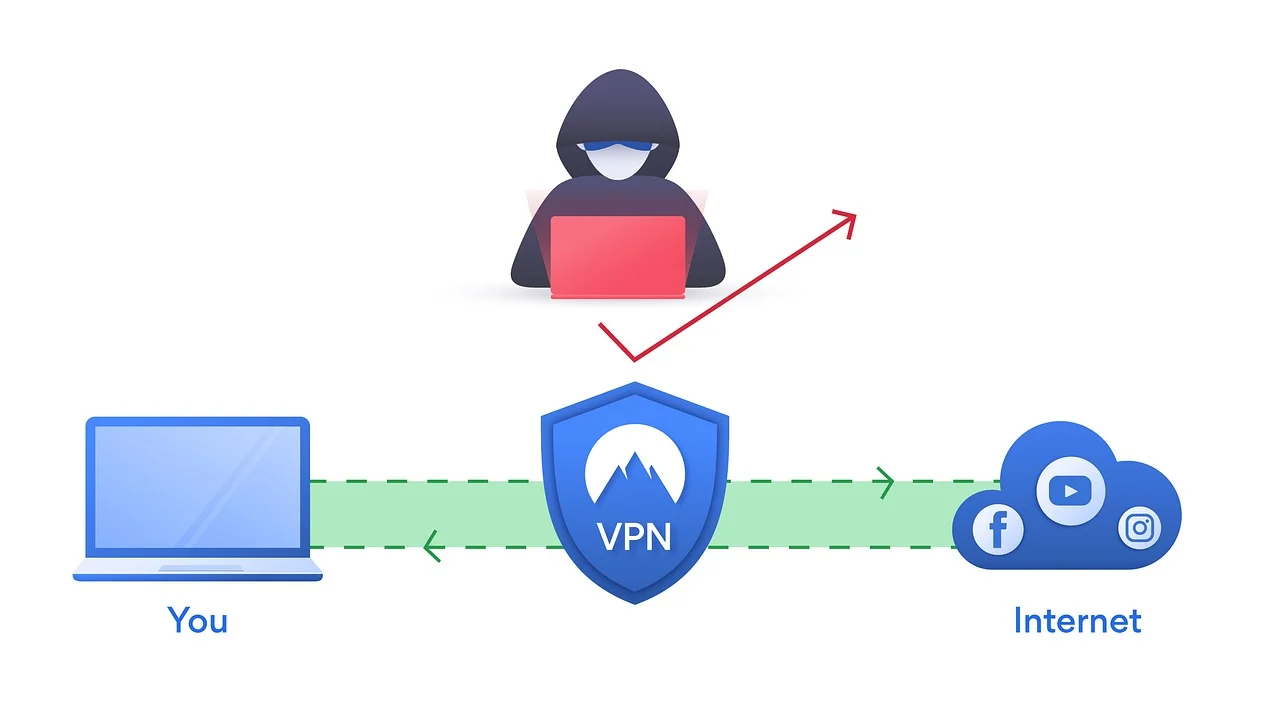
A VPN creates an encrypted connection between your device and a remote VPN server. Instead of connecting directly to websites and online services, your internet traffic is routed through the VPN server before reaching its destination.
This process provides two major benefits. First, encryption can make it more difficult for unauthorized parties on the network to inspect your internet traffic. Second, websites and online services generally see the VPN server’s IP address rather than your original public IP address.
These capabilities make VPNs useful privacy and security tools, particularly when combined with other cybersecurity practices.
What Can a VPN Protect You From?
1. Exposure of Your Public IP Address
When you browse the internet without a VPN, websites and online services can typically see your public IP address. Although an IP address does not reveal every detail about you, it can reveal your approximate geographical location and internet service provider.
A VPN masks your original public IP address by routing your connection through another server.
2. Some Risks Associated With Unsecured Networks
Public Wi-Fi networks in airports, hotels, restaurants, and other public locations can introduce security and privacy risks.
A VPN encrypts traffic between your device and the VPN server, adding an important layer of protection when using networks you do not fully trust.
However, VPN users should still follow basic cybersecurity practices when connecting to public Wi-Fi.
3. Certain Forms of Network Monitoring
Depending on the technologies and protocols involved, network operators may be able to observe information about internet activity.
Using a VPN encrypts the connection between your device and the VPN provider, making the contents of that traffic more difficult for local network observers to inspect.
It is worth remembering, however, that using a VPN shifts some of your trust. Choosing a reputable VPN provider with transparent privacy policies and strong security practices remains important.
What Can a VPN Not Protect You From?
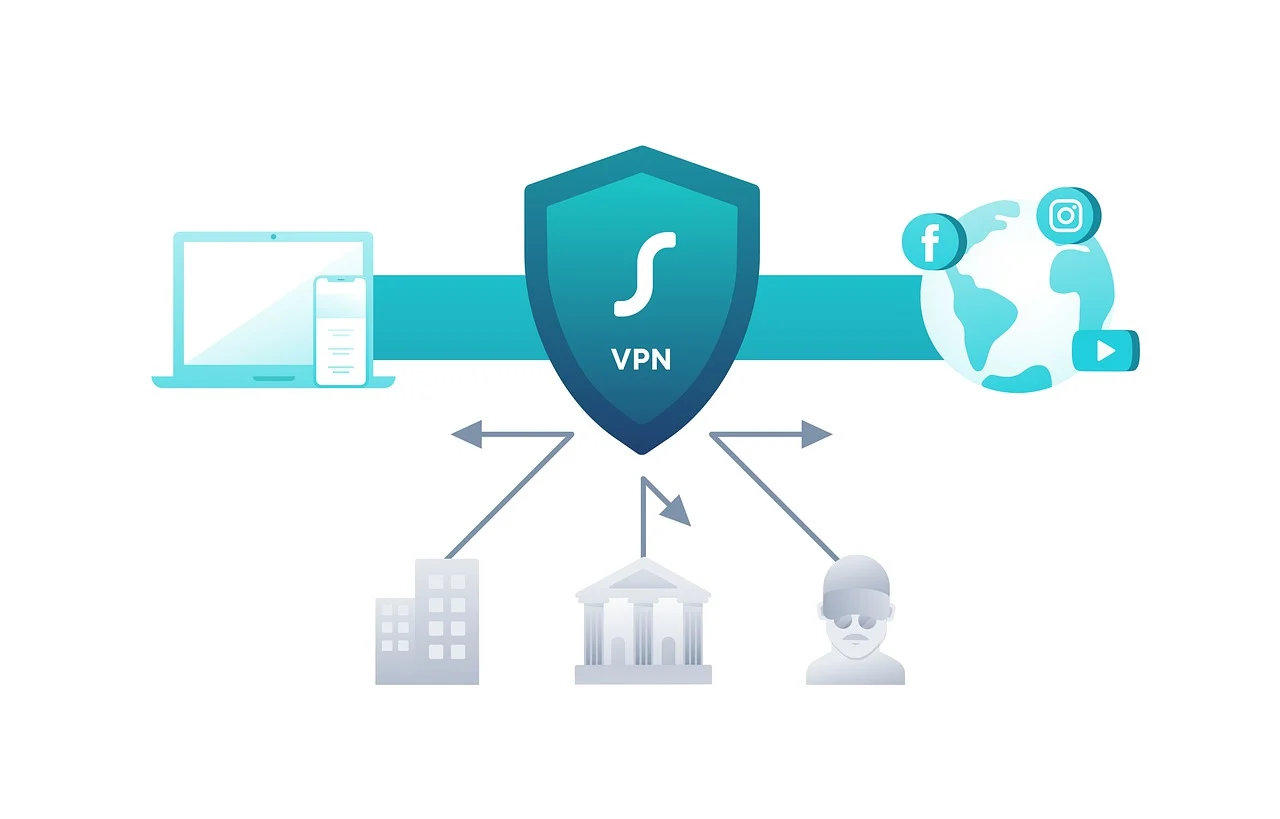
Understanding the limitations of VPN technology is just as important as understanding its benefits.
1. Phishing Attacks
A VPN cannot prevent you from clicking a malicious link, entering your password into a fraudulent website, or responding to a deceptive email.
Cybercriminals frequently use social engineering techniques to manipulate users into voluntarily providing sensitive information.
Protection against phishing requires awareness, careful verification of websites and messages, and appropriate security tools.
2. Malware and Ransomware
VPN software is not a replacement for antivirus or endpoint security solutions.
If you download a malicious attachment, install infected software, or execute ransomware, a VPN may do little to prevent the device from becoming compromised.
Keeping operating systems and applications up to date and using appropriate security software remain essential components of a comprehensive cybersecurity strategy.
3. Weak or Stolen Passwords
A VPN cannot secure an account protected by a weak password.
If attackers obtain your login credentials through a data breach, phishing campaign, or password reuse attack, they may still be able to access your accounts.
Internet users should create strong, unique passwords and enable multi-factor authentication whenever possible.
4. Online Tracking Through Accounts and Cookies
VPNs can hide your original public IP address, but websites have other methods of identifying and tracking users.
Cookies, browser fingerprinting, advertising technologies, and logged-in accounts can still be used to associate online activities with a particular user or device.
For better privacy, users should combine VPN technology with privacy-conscious browser settings and careful management of online accounts and permissions.
5. Information You Voluntarily Share
No VPN can protect information that users intentionally publish online.
Posting personal details, sensitive photographs, travel plans, contact information, or other private data on social media can create privacy and security risks regardless of whether a VPN is active.
A VPN Should Be Part of a Larger Cybersecurity Strategy
The most effective approach to online protection is to use multiple layers of security.
A VPN can provide connection encryption and IP address masking, but users should combine these capabilities with strong passwords, multi-factor authentication, updated software, antivirus protection, secure browser settings, regular backups, and awareness of phishing and social engineering attacks.
This layered approach is often more effective because cyber threats can target different parts of a user’s digital life.
Final Thoughts
VPNs can be valuable tools for improving online privacy and protecting internet connections. They can help mask public IP addresses, encrypt traffic between devices and VPN servers, and provide additional protection when using unfamiliar networks.
However, VPNs are not complete cybersecurity solutions.
They cannot automatically prevent phishing attacks, malware infections, password theft, unsafe downloads, invasive browser tracking, or the consequences of sharing sensitive information online.
The key is to understand what VPN technology is designed to do and use it alongside other cybersecurity tools and responsible online habits.
By taking a layered approach to digital security, internet users can build stronger defenses against online threats while maintaining greater control over their privacy.
INTERESTING POSTS
About the Author:

Meet Angela Daniel, an esteemed cybersecurity expert and the Associate Editor at SecureBlitz. With a profound understanding of the digital security landscape, Angela is dedicated to sharing her wealth of knowledge with readers. Her insightful articles delve into the intricacies of cybersecurity, offering a beacon of understanding in the ever-evolving realm of online safety.
Angela's expertise is grounded in a passion for staying at the forefront of emerging threats and protective measures. Her commitment to empowering individuals and organizations with the tools and insights to safeguard their digital presence is unwavering.



