




In this post, I will talk about the role of scalable hosting in remote work environments.
The world has been going into hybrid and remote working and is transforming how businesses are conducted. The working of teams has also transformed as the majority of them don’t work in physical offices; they work in various cities, nations and time zones. Even though this modification is flexible and cost-effective, it still needs a stable technological backbone.
The core of this infrastructure is remote desktop hosting, a solution that provides safe, centralized access to work environments anywhere in the world. Scalable hosting is not merely an IT upgrade to organizations allowing their employees to work from anywhere. It is a strategic necessity.
Table of Contents
Knowledge of Remote Desktop Hosting in Contemporary Workplaces
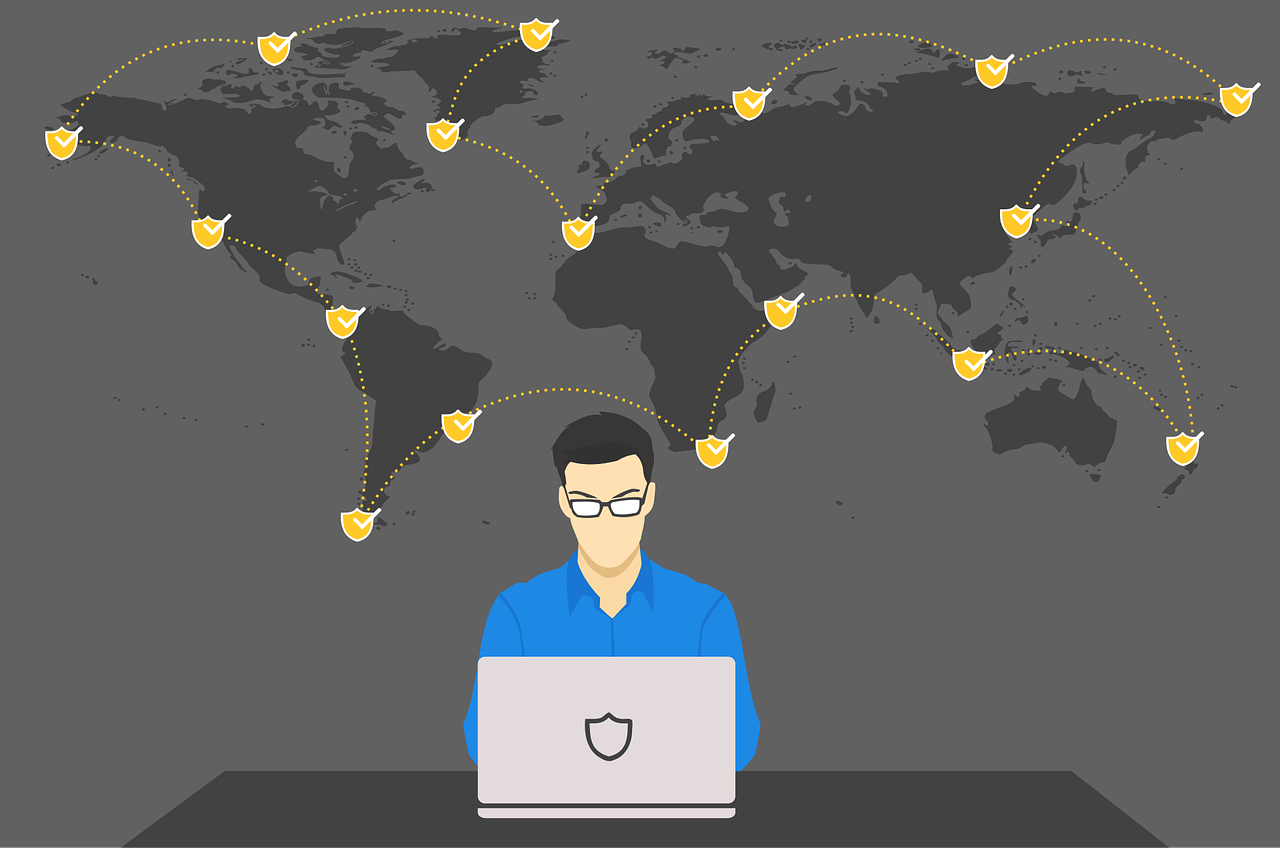
Remote desktop hosting helps workers to utilize the centralized desktop environment that is hosted on a remote server instead of a local computer. It means files, applications, and systems are safely stored in a data center or a cloud infrastructure and users can access it through the internet through secure protocols.
Rather than using single machines, businesses can:
- Concentrate information and programs.
- Improve security controls
- Reduce maintenance and upgrades.
- Facilitate uninterrupted remote teamwork.
The importance of Scalability in a remote work environment
The increase in remote work has increased the need for high-performance, flexible infrastructure, making scalability a necessity.
Change in Response to Workforce Fluctuations
Businesses do not work in a fixed size. Seasonal employment, project-based expansions and high growth rates demand IT systems that can contract or expand quickly.
Scalable remote desktop hosting enables business enterprises to:
- Create user accounts at an accelerated rate.
- Storage or RAM can be increased when required.
- Scaling of server resources in high workloads.
Lack of scalability leads to performance bottlenecks, downtimes, and inefficiencies within the organization.
Guaranteeing Operating Performance at Peaks
Cloud applications, shared databases, and communication tools are very important to remote teams. In case the resources available as hosts are scanty, the users might experience:
- Slow desktop response times
- Application crashes
- Connectivity issues
Scalability ensures that CPU, RAM, and bandwidth resources are automatically scaled in response to ensure the smooth operation of the application – even when the traffic is high.
Selecting the appropriate infrastructure is also vital for businesses operating in Linux environments. Such solutions as the best Linux VPS hosting can offer a customizable environment that accommodates development teams, SaaS services, and enterprise-level workloads that are flexible and reliable.
Enhancing Data Security and Compliance

Remote working exposes one to cybercrimes. Home networks, shared Wi-Fi areas, or personal computers are common forms of connectivity between employees. Centralized remote desktop hosting limits these risks by:
- Storing confidential information on safe servers.
- Blocking local file downloads.
- Implementing permission to access.
- Allowing encrypted proximities.
Scalable hosting is also favorable for enhanced security protocols such as intrusion detection systems, multi-factor authentication, and firewalls. Security can also be scaled up as the business expands; this is not about patches!
Enabling Business Continuity and Disaster Recovery
Sudden interruptions such as power outages, hardware failures, or natural disasters have serious effects on conventional office configurations. Scalable hosting facilities are usually hosted in redundant data centers, and they provide:
- Automated backups
- Failover systems
- Geographic redundancy
- 24/7 monitoring
For more teams, this provides uninterrupted access to the files. This infrastructure can easily redistribute workloads, even when one server is experiencing problems.
Optimization of Resources to give Cost efficiency
Scalable hosting is quite expensive, as is one of the greatest myths. In the real sense, it tends to lower the distance of functioning expenses.
The conventional infrastructure involves initial hardware investment, maintenance, and upgrades. Scalable remote desktop hosting, in particular using cloud-based VPS systems, has an even more lax model:
- Only use resources that you use.
- Software upgrade or downgrade without hardware upgrade.
- Minimize in-house IT maintenance costs.
A properly configured VPS Hosting Server enables businesses to assign computing power to real-time demands rather than dedicated capacity, and makes budgeting more predictable.
Remote Desktop Hosting and Cooperation
The contemporary collaboration tools: video conferencing services, CRM software, and project management platforms need to be able to perform reliably and be centralized.
Using scalable hosting, remote workers can:
- Concurrently develop common environments.
- Bring high-performance apps to low-spec devices.
- Enhance uniform desktop experiences at different locations.
This allows a developer in one nation and a project manager in another to work in the same safe environment without technical barriers.
Scalable Hosting Applications in Industry

IT and Software Development
The developers need a testing environment, a staging server, and version control systems. Remote desktop hosting can also be scaled to enable the application to be deployed and tested by the team without overwhelming the infrastructure.
Financial Services
The handling and compliance of the data are not negotiable. The benefits of centralized hosting include better control and auditability, as well as the ability to provide secure remote access.
E-commerce
The business through the internet is subject to an unexpected influx of traffic. Scalable hosting helps maintain platform stability during high sales.
Education and Training
Remote classrooms and virtual labs rely on predictable desktop environments that can scale with changing user volumes.
The Important Things to Consider in Scalable Hosting
In choosing remote desktop hosting in the remote work environment, companies must focus on:
- High uptime guarantees
- SSD-based storage to increase performance.
- An adjustable CPU and RAM.
- Robust security protocols
- Reliable technical support
- Transparent pricing models
All these factors guarantee that scalability is no longer a mere theory, but a working concept.
Remote Work Future Relies on Infrastructure
Working remotely is no longer a temporary arrangement; it is a long-term development like business operations. With the increasing level of dispersion in teams, the new office environment is the digital infrastructure.
Scalable remote desktop hosting helps companies to:
- Empower employees to work anywhere.
- Keep performing at the same level.
- Secrecy of sensitive data.
- Accustomed to change and growth.
Final Thoughts
Remote work environments depend on a scalable, trustworthy infrastructure. In its absence, performance levels would decline, security levels would be heightened, and growth would be limited.
Through scalable remote desktop hosting, companies can adapt to the dynamics of their workforce. Whether bringing new businesses into existence, expanding existing businesses, or collaborating worldwide, the right hosting environment can turn remote working into a sustainable asset.
Scalable hosting is no longer optional; it is a prerequisite in an era when agility is the key to success.
INTERESTING POSTS
- Securing AI Data Growth with Scalable Object Storage
- How to Access Windows Computer from a Mac PC
- Secure Remote Access VPN: Everything You Need to Know
- 20 Online Security Tips For Remote Workers
- What Are The Security Features On The QuickBooks Desktop?
- Protecting Business Data When Teams Work From Different Locations
- Why High Growth Small Businesses Hire Squarespace Developers to Build Scalable, Conversion Focused Websites
About the Author:

Meet Angela Daniel, an esteemed cybersecurity expert and the Associate Editor at SecureBlitz. With a profound understanding of the digital security landscape, Angela is dedicated to sharing her wealth of knowledge with readers. Her insightful articles delve into the intricacies of cybersecurity, offering a beacon of understanding in the ever-evolving realm of online safety.
Angela's expertise is grounded in a passion for staying at the forefront of emerging threats and protective measures. Her commitment to empowering individuals and organizations with the tools and insights to safeguard their digital presence is unwavering.



