



Learn how RNG technology ensures fair and transparent online casino games in this post.
Online casino players want a clear sense of just how fair their preferred casino games really are. Once you click a button, the screen automatically changes, and it pretty much feels instant. But behind something as simple as that, there is a bit of technology deciding the next card, spin, or roll.
It’s the RNG, or random number generator. This specific system keeps gaming outcomes unpredictable and completely removes any outside influence. A closer look at how RNG technology really works will help you understand why many online gambling platforms depend on it.
Table of Contents
What RNG Tech Does Behind the Scenes
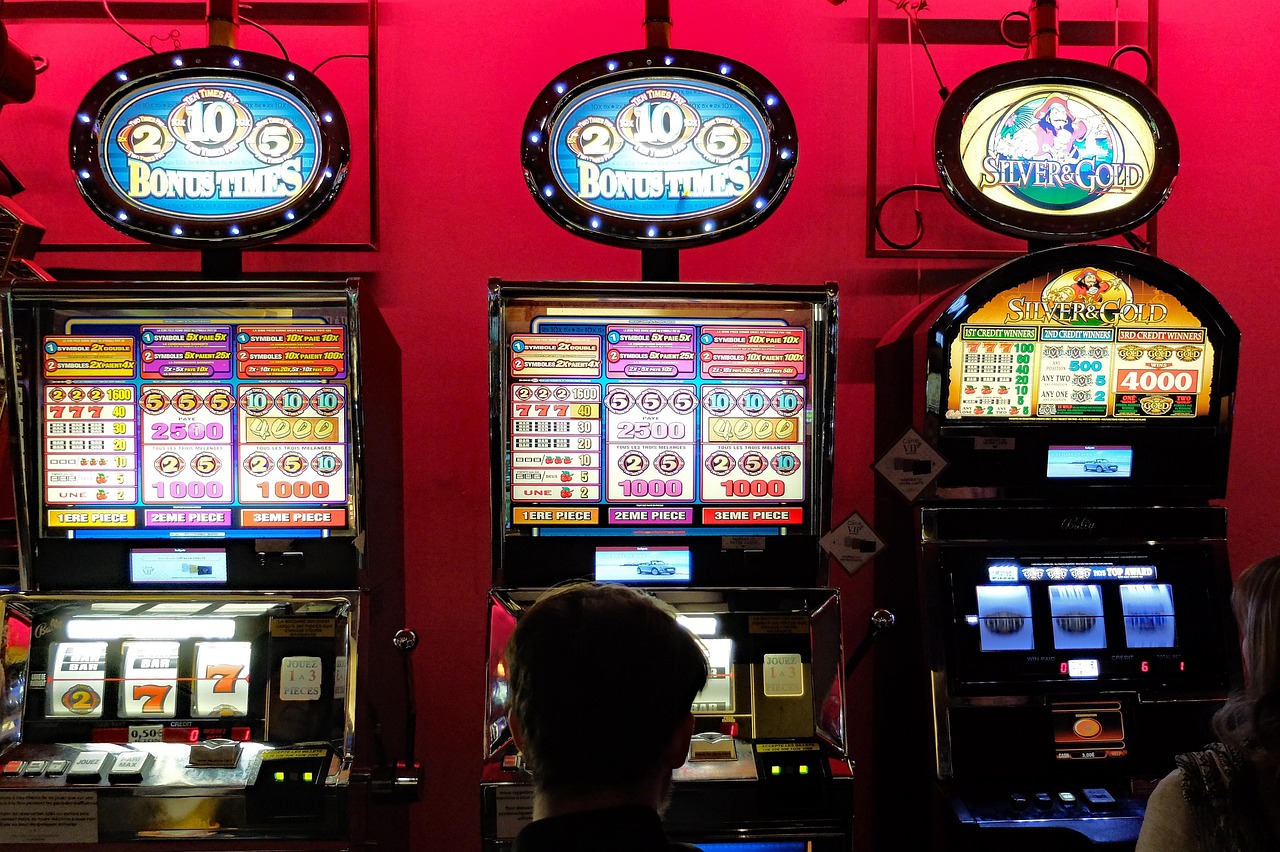
Before anyone even has a chance to place a single bet, the RNG is already busy doing the heavy lifting behind the scenes. It runs nonstop, firing out number sequences at incredible speed. These numbers that are generated quietly dictate what players see on the screen. The massive range of possible outcomes and the quick speed of generation make it impossible for anyone to manipulate the results.
For the many who care about fairness, there are a few signs that a platform puts in the work to ensure fair gaming practices are adhered to. These online casinos will display their licensing info, review payout consistency, and several resources will review and browse listings that point players toward trustworthy platforms.
Most of these platforms will list the RTP payouts, have third-party certification displayed, and most of all, they come with additional extras, such as exclusive deals from PokerScout. These resources usually lead toward operators that take their systems seriously, especially when it comes to payment reliability, such as listing which casinos accept Cash App, offer crypto options, and provide proof of certified RNG use.
How RNG Tech Makes Each Round Independent
RNG systems never stop. It spits out randomly generated numbers one after another, and the moment a player clicks, the game grabs the next number in line. There’s no slowing it down or guessing what will appear. The sequence moves too fast for anyone to track, and once a number passes, it’s gone for good.
This keeps each round completely separate. A win does not trigger a loss. A series of small wins does not hint at a bigger one waiting. Many newcomers think they spot patterns, but what they’re really noticing is coincidence. The RNG doesn’t monitor past results, doesn’t adjust its behavior, and doesn’t “remember” anything. It’s like a deck of cards shuffled so many times that no one can predict the next card.
This design blocks prediction attempts, removes outside pressure, and keeps the gaming sessions feeling new every time. It’s the foundation of fair online gaming.
Third-Party Testing and Why It Matters
Outside testing groups check the randomness of each platform’s RNG. They run long sessions of simulated results to confirm that outcomes fall in a natural range. When a site passes, it earns a seal or certificate.
These seals appear on many trusted platforms. They show players that the system runs correctly and that no hidden patterns drive the results. Regular testing also keeps platforms accountable. If the RNG ever drifts from the proper standard, the seal can be revoked.
Testing groups don’t simply check the math behind the scenes. They also verify how the RNG is used. It must stay active, consistent, and involved in every round. If it slows, stalls, or changes behavior, the testing process picks it up. This gives players an extra level of confidence.
Why RNG Tech Fits Each Type of Online Casino Game
Different games depend on RNG systems in their own ways, but the main idea remains as is. Slots use the number stream to position the reels. Card games use it to pick from the digital deck. Dice games use it to determine each roll. Even though the games vary in style, the engine guiding them works the same way.
What this really does is create consistency across a platform. Players can easily jump from one game to another without adapting to new mechanics. They act, the game reads the next number, and the result appears., as simple as that That uniform setup gives online casinos their familiar pace and clean flow.
The nonstop generation of numbers also ensures that the games run much smoothly. There’s no waiting around, and the moment a player clicks, the outcome is ready.
Common Myths About RNG: Separating Fact from Fiction

Many players come to online casinos with preconceptions about how games work, often influenced by stories, media, or past experiences with traditional gambling. These myths could honestly cloud understanding and even affect how they play and which games they select.
One of the most common beliefs is that after a long losing streak, a “big win” must be due. This, unfortunately, is a classic example of the gambler’s fallacy, where players think outcomes follow patterns or cycles. In reality, because the RNG generates every result independently and continuously, there is no memory in the system. So, every single spin, card, or roll is just as random as the previous gaming outcome.
Another misconception is that casinos can somehow control or “rig” the RNG to favor losses. Regulators across the globe impose much stricter requirements on online casino RNG systems to protect players. Depending on the jurisdiction, whether Malta, the UK, or Curacao, casino operators must comply with specific randomness standards and submit to regular audits.
Some players also tend to think that patterns can be “cracked” by tracking past results or timing bets. But RNG sequences move too fast and without repetition for such predictions to hold water.
Understanding these facts encourages players to approach games with a clear head and avoid chasing losses or expecting guaranteed wins. It reinforces the value of fair RNG systems and helps maintain responsible gaming habits, focusing on fun rather than myth.
What Players Can Check Before They Join a Site
Players who want to choose wisely should start with licensing. Reputable sites list their license details at the bottom of the page. A valid license means the operator follows certain rules, including strict standards for how their RNG must run.
Another good sign is the presence of third-party testing seals. Many sites link directly to certificates or reports from the groups that verify their RNG. Some even provide full documentation so players can see the data for themselves.
Clear rules help too. When a platform explains how results are generated and how games function, it shows the operator understands the importance of transparency.
Payment options also reveal quite a bit. Platforms that want long-term trust tend to offer reliable, well-supported payment methods. A site that invests in smooth payments usually invests in other fairness measures as well.
How RNG Tech Helps Players Make Sense of Their Results

Streaks often create confusion. Seeing several wins or losses in a row can make players think the system is leaning one way. This is where understanding the RNG helps. Randomness doesn’t mean evenly spaced results. It simply means no one is steering the outcome.
Sometimes results cluster. Sometimes they break apart. The key is recognizing that each round is its own event. Once players understand this, they stop chasing patterns or expecting a “big one” after a run of smaller outcomes.
That mindset keeps gaming so steady and helps players make calmer, clearer decisions. The RNG won’t shift based on past results, and knowing that helps people avoid common missteps.
Conclusion
Online casinos rely on RNG technology to ensure that every single game is fair and transparent. The nonstop number stream is the reason that every card draw, spin, and dice roll, stands on its own.
The majority of licensed and trusted platforms support this with regular third-party testing, licensing, and clear information about how their systems work. When players know what signs to look for, they can choose sites that prioritize fairness and enjoy the experience with more confidence.
INTERESTING POSTS
About the Author:

Fiorella Salazar is a cybersecurity expert, digital privacy advocate, and VPN evangelist based in Canada. She holds an M.Sc. in Cybersecurity from a Canadian university. She is an avid researcher and frequent contributor to several cybersecurity journals and magazines. Her mission is to raise awareness about the importance of digital privacy and the benefits of using a VPN. She is the go-to source for reliable, up-to-date information on VPNs and digital privacy.


