



In this post, I will answer the question – what are payment rails? Additionally, I will show you the various types of payment rails and explain how they work.
Modern commerce relies on invisible infrastructure that facilitates the movement of money between buyers, sellers, banks, and platforms. These networks are often described as payment rails, and they shape how fast, safe, and expensive each transaction feels for both businesses and consumers.
Most people swipe a card, tap a phone, or click “Pay now” without thinking about the bank transfers, card networks, and messaging systems that underlie that moment. This guide explains what the term actually means, the types of rails that exist today, and how each option affects speed, cost, risk, and customer experience.
Table of Contents
What Do Payment Rails Actually Mean in Practice?

When people talk about rails, they mean the technical and legal channels that move money between accounts. A rail covers the messaging format, the rules that banks and payment providers follow, and the way funds finally settle between institutions. In other words, it is the track a payment follows from one account to another. Cards, ACH, wire transfers, and newer real time systems all count as different kinds of rails.
Rails combine several layers. At the top, you have the user experience layer such as a checkout page, a point of sale terminal, or a mobile app. Under that, a processor or gateway collects transaction details and passes them into a network such as a card scheme or bank transfer system. At the bottom, banks update ledgers and move balances between accounts. The customer sees one action. Behind the scenes, multiple parties coordinate messaging, fraud checks, and settlement.
For businesses, this structure has direct consequences. Each rail has its own cost model, cutoff times, dispute rules, and fraud controls. Some options suit large, high value payments. Others suit frequent, low value consumer purchases. If a company sells subscriptions, pays gig workers, or manages cross border payouts, the choice of rails affects profit margins, cash flow timing, and customer trust.
Key Building Blocks of Modern Money Movement
Every rail relies on a few building blocks, even if the details look very different between countries and networks. First, there is an account layer. This might be a traditional bank account with an IBAN or routing and account number, a card account, or a stored value balance held by a wallet provider. The account layer defines where funds can come from and where they can land.
Second, there is a messaging layer. This is the format and channel used to send instructions between institutions. In card networks, messages follow standards such as ISO 8583. Many bank transfer systems now use ISO 20022 messaging. These formats carry data like sender account, receiver account, currency, amount, timestamps, and reference fields for reconciliation. The quality and richness of this data controls how easily finance teams can match payments to invoices.
Third, there is a settlement layer. This is where balances actually move between banks or between a bank and a central bank. Some systems use net settlement and batch everything at certain points in the day. Others use real time gross settlement, where each transaction finalizes one by one. The settlement model influences both liquidity needs and risk. If settlement runs in batches, one party may float credit to another for hours. Real time settlement reduces that exposure, but often costs more.
Main Types of Payment Rails
Card Networks
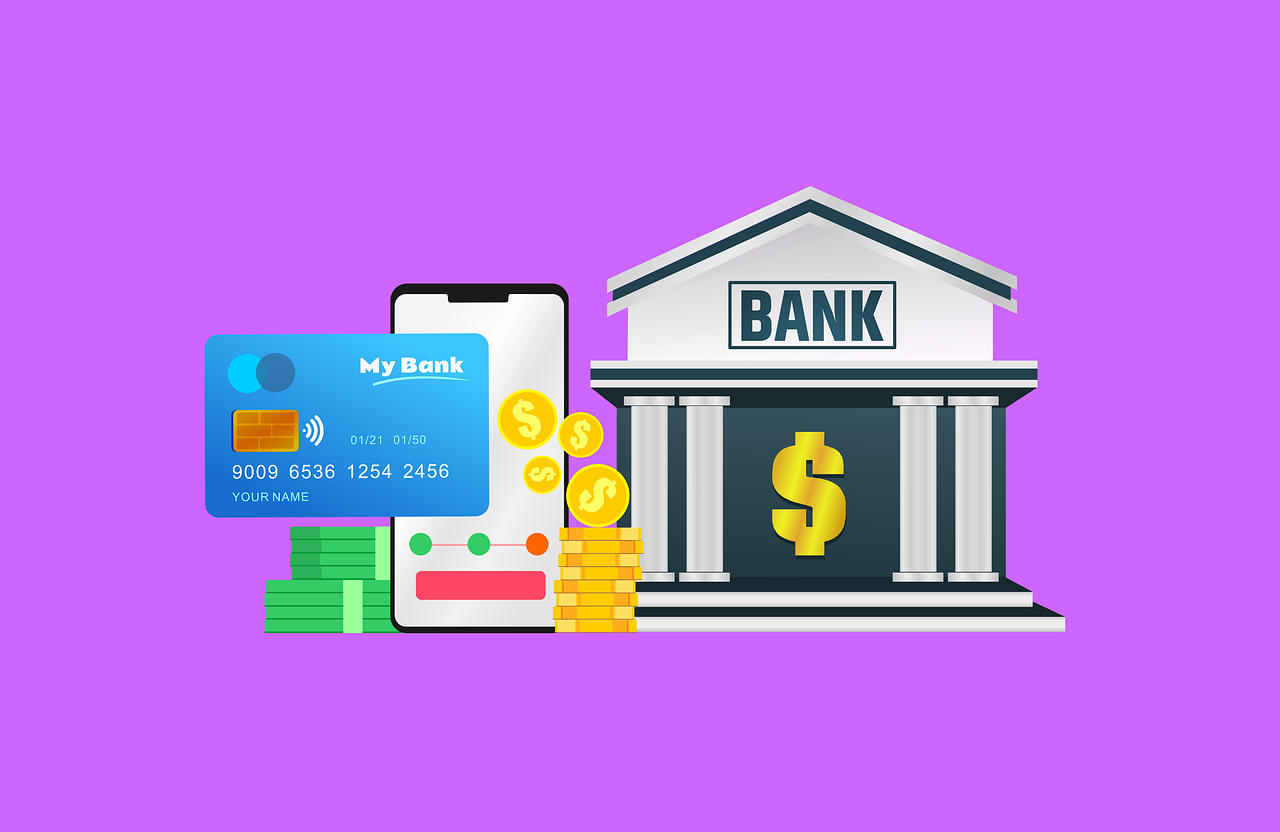
Card networks such as Visa and Mastercard form one of the most familiar rails worldwide. In card transactions, several parties play a role. The cardholder uses a physical card or tokenized details in a wallet. The merchant uses a terminal or checkout form. The acquirer processes the payment on the merchant side. The issuer provides the cardholder’s account. The card network routes messages between issuer and acquirer, runs authorization checks, and applies scheme rules.
Card rails excel at point of sale and online commerce. They support chargebacks, which protect consumers, and they offer widespread acceptance. At the same time, they come with relatively high fees that combine interchange, scheme fees, and acquirer margins. For small transactions or low margin industries, card costs can erode profits. For that reason, many businesses look at bank transfer rails for certain use cases, such as high ticket invoices.
ACH and Other Batch Bank Transfers
Automated clearing house (ACH) systems like those in the United States process large volumes of credit transfers and direct debits in batches. Senders submit files with many payments. The system sorts and routes them, then settles between banks at scheduled intervals. ACH works well for payroll, bill payments, subscriptions, and business to business invoices that do not require instant settlement.
ACH fees usually stay much lower than card fees, especially for higher value payments. On the other hand, settlement can take one or two business days, and returns or rejects may appear after initial submission. Cutoff times and banking holidays also affect timing. Product teams and finance teams need to design processes that account for this delay, especially for access to funds or service activation.
Wire Transfers and Real Time Gross Settlement (RTGS)
Wire transfers through systems like Fedwire in the United States or TARGET2 in Europe move funds in a high value, real time fashion between banks. Each transaction settles individually on the books of the central bank. This structure makes wires suitable for large corporate payments, treasury operations, and time sensitive transfers such as real estate closings.
Wires come with higher per transaction costs, strict cutoff times, and strong security rules. They usually do not support chargebacks in the way card payments do. Once sent, a wire is hard to reverse. For consumers, that means wires should only go to trusted recipients. For businesses, wires provide a reliable way to move large sums with finality on the same day.
How a Transaction Travels From Customer to Merchant
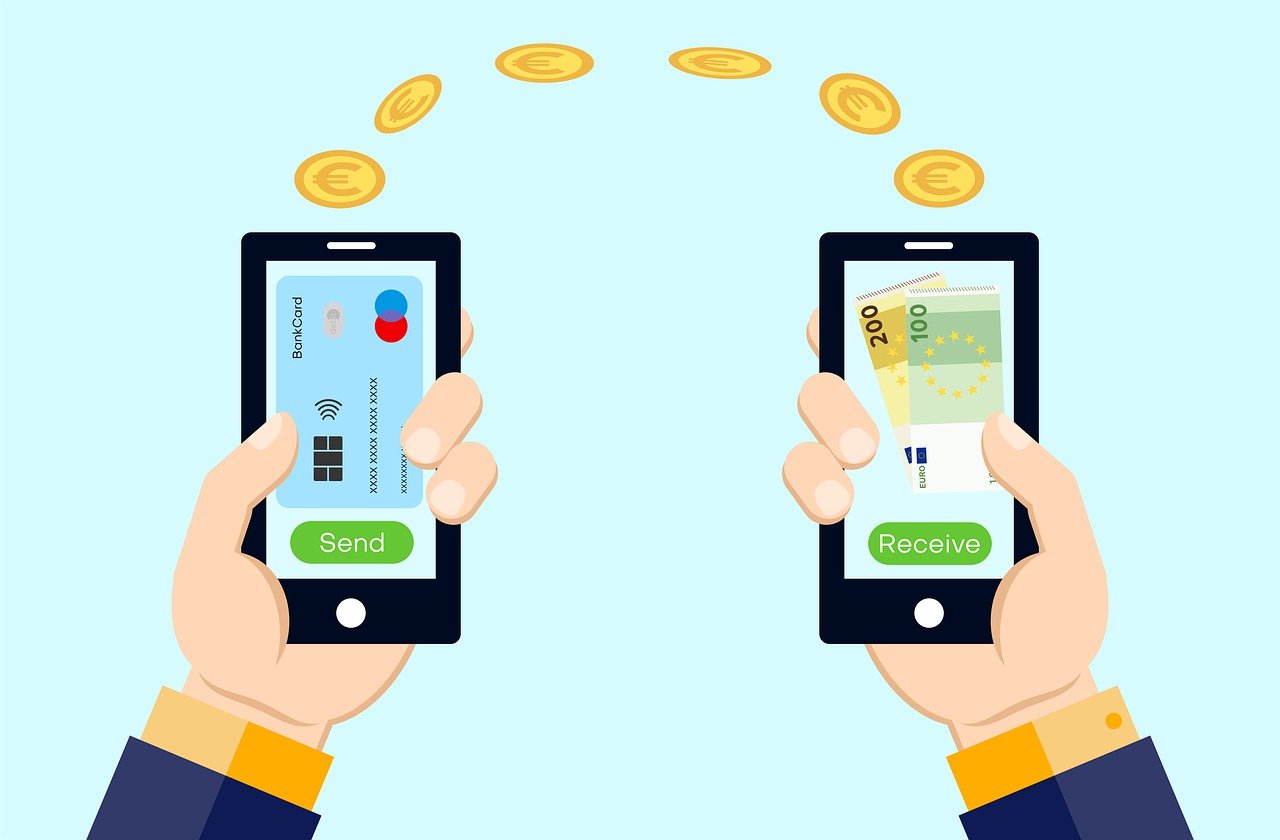
When a customer taps a card or confirms an online payment, a complex chain of events follows. In a card transaction, the merchant’s terminal or checkout encrypts the cardholder data and sends it to the acquirer or payment processor. The processor forwards the request through the card network to the issuing bank. The issuer checks factors like available credit, fraud signals, and account status. It responds with an approval or decline, which then travels back through the network to the merchant.
This whole authorization loop usually completes in a few seconds. If approved, the merchant receives an authorization code and can confirm the purchase to the customer. However, the money has not fully settled yet. Settlement comes later, often in a daily batch. The merchant’s acquirer submits captured transactions to the network, which then clears and settles with issuers. Finally, the acquirer credits the merchant’s bank account, minus fees.
For ACH or local bank transfers, the path looks different. A business or consumer initiates a transfer through online banking, a payroll system, or an API provided by a payment platform. The originator’s bank formats the message and sends it into the ACH network. The system groups payments, sorts them by destination bank, and then settles between banks at set times. The receiving bank then credits the beneficiary account. At each stage, there can be checks such as format validation, sanction screening, and risk scoring.
New Real Time and Alternative Rails
In many markets, instant payment systems now provide near real time transfers between bank accounts. Examples include RTP in the United States and Faster Payments in the United Kingdom. These systems usually run 24/7 and support messages that settle within seconds. That speed opens new use cases such as instant wage payouts, rapid insurance claims, and faster merchant funding.
Real time systems often have transaction limits and specific use rules. Banks must manage liquidity more actively, since settlement now happens continuously instead of in big end of day batches. Fraud patterns also shift, because criminals who gain access to an account can empty it quickly. Providers that build on these rails need strong authentication, device checks, and behavior monitoring to keep users safe.
Beyond bank and card rails, newer options have emerged. Closed loop wallets move value inside a single platform. Crypto networks transfer tokens on public blockchains, then often rely on off ramps to convert back to local currency. Account to account payments triggered through open banking APIs let merchants pull funds directly from a customer’s bank with consent. Each approach trades off control, regulation, cost, and adoption levels in different ways.
How Businesses Should Choose and Combine Rails
Most growing companies use more than one rail. An e-commerce brand may accept cards for most consumer payments but use ACH for payouts to suppliers and payroll. A marketplace might send instant payouts to drivers or sellers through real time bank transfers while still accepting card payments on the front end. A fintech app might connect to local rails in each country to keep costs low and speeds high.
Choosing rails starts with use cases. High value B2B invoices, recurring subscriptions, on demand payouts, and cross border remittances each benefit from different combinations. Teams should compare settlement time, fees, chargeback rules, error handling, and customer expectations. It also helps to consider how each rail fits into existing finance processes, reconciliation workflows, and reporting tools.
Technical strategy plays a role as well. Few companies connect directly to every rail. Many work with payment service providers, gateways, or banking as a service platforms that bridge multiple options through a single API. This approach can cut engineering effort and speed up product launches. At the same time, it introduces vendor risk and pricing tradeoffs, so vendor selection and contract terms matter.
Future Trends in Payment Rail Design
Several trends shape the future of money movement. Governments and central banks in many regions promote instant payment schemes and explore central bank digital currencies. These initiatives aim to improve financial inclusion, reduce friction in domestic transfers, and create competition for card networks. Businesses that adopt instant rails early may gain an advantage in customer satisfaction and cash flow.
Data standards continue to improve. Richer messaging formats give finance and product teams more detail about each transfer. That detail helps automate reconciliation, reduce manual work, and feed analytics or risk models. At the same time, stronger security expectations apply to everyone in the chain. Encryption, tokenization, and strong customer authentication will keep growing in importance as fraud tactics grow more sophisticated.
Finally, the boundary between bank transfers, wallets, and card payments keeps shifting as super apps and embedded finance products grow. Customers expect smooth, fast, low friction payments across channels and devices. Companies that know how different rails work, where each one shines, and how to connect them in smart ways will be better prepared to design products that feel simple on the surface while staying robust behind the scenes.
INTERESTING POSTS
About the Author:

Meet Angela Daniel, an esteemed cybersecurity expert and the Associate Editor at SecureBlitz. With a profound understanding of the digital security landscape, Angela is dedicated to sharing her wealth of knowledge with readers. Her insightful articles delve into the intricacies of cybersecurity, offering a beacon of understanding in the ever-evolving realm of online safety.
Angela's expertise is grounded in a passion for staying at the forefront of emerging threats and protective measures. Her commitment to empowering individuals and organizations with the tools and insights to safeguard their digital presence is unwavering.



