




In this post, I will discuss supporting student success in Advanced High School Math.
Many students struggle to keep up in advanced high school math classes. Studies show that strong support can boost student achievement and confidence. This blog shares simple tips for teachers and parents to help students succeed in advanced mathematics.
Keep reading to find easy ways to support your child or student today.
Table of Contents
Understanding the Needs of Advanced Math Students
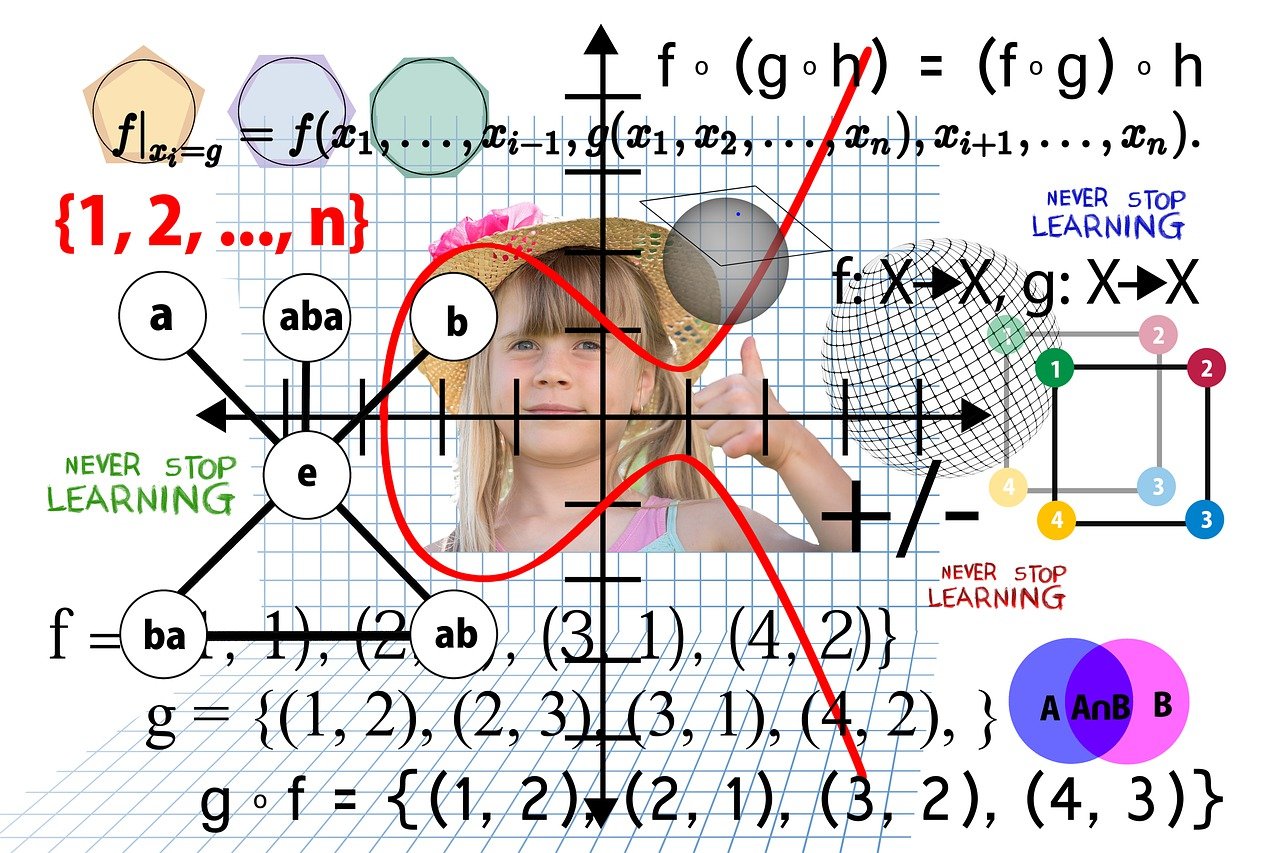
Advanced math students often need greater challenges in their curriculum. These learners may solve problems faster and show high interest in complex topics. Some students thrive with multi-step tasks or realworld applications that let them use critical thinking skills.
Data from the National Assessment of Educational Progress shows only 8 percent of twelfth graders reach an advanced level in mathematics. This highlights the need for special support and enrichment for these students.
Access to enriched resources, such as interactive software or higher-level textbooks, supports stronger academic achievement. Advanced math learners benefit from feedback that stretches their abilities, not just praise for correct answers.
Group work also helps them grow by letting them explain ideas and learn new ways of thinking. Teachers can use classroom strategies to keep these students motivated and engaged through challenging lessons.
Strategies like developing a growth mindset are key to student success in advanced high school math; teachers play a big role here.
Teacher Strategies to Support Advanced Math Success
One effective way to enhance learning is by incorporating advanced functions into everyday lessons to engage students more thoroughly.
Teachers play a big role in helping students reach their goals in advanced math. They can use creative ways to make lessons clear and keep students interested.
Cultivate a Growth Mindset
A growth mindset helps students believe they can improve in math through effort. Students learn that mistakes are part of the process. This view encourages them to try harder when faced with challenges.
Teachers can support this by praising effort instead of results. Celebrating small victories builds confidence.
Using problem-solving tasks shows students that they can learn from failures. Class discussions about strategies and solutions engage critical thinking skills. Encouraging a culture where questions are welcomed fosters learning too.
This approach creates an environment where students feel safe to explore advanced mathematics without fear of judgment or failure.
Use Visual and Interactive Tools
Cultivating a growth mindset helps students see math as a chance to learn. Using visual and interactive tools can take this further. Charts, graphs, and diagrams make complex ideas clear.
These tools help students connect concepts better.
Interactive software or apps allow students to explore math problems hands-on. They can manipulate numbers and shapes in real-time. This engagement keeps them interested and motivated.
It also promotes critical thinking skills as they solve problems creatively. Visuals paired with discussion deepen understanding, making math more enjoyable for everyone involved.
Promote Collaboration Through Group Work
Group work helps students learn from one another. Working together allows them to share ideas and solve problems as a team. This collaboration builds critical thinking skills.
Teachers can set up small groups for projects or math challenges. Each student can take on different roles, like leader or note-taker. These roles help all students stay engaged in the process.
Providing tailored resources and personalized guidance is essential for fostering student success in math.
Group work also encourages communication, which is key for success in advanced mathematics.
Provide Open-Ended and Multi-Step Tasks
Open-ended and multi-step tasks help students think deeply in advanced math. These tasks encourage critical thinking and problem-solving skills.
- Create tasks that have no single right answer. This allows students to explore different solutions and approaches.
- Design problems that require several steps to solve. Breaking down complex problems helps students learn how to tackle challenging material.
- Use real-world scenarios in tasks. Connecting math to everyday life makes learning more meaningful and engaging.
- Encourage students to explain their thought process. Sharing reasoning builds confidence and enhances communication skills.
- Offer opportunities for peer feedback on solutions. Collaboration fosters a supportive learning environment and promotes diverse viewpoints.
- Provide choices in task topics or methods of solution. Students can work on what interests them, increasing motivation and engagement.
- Adjust task difficulty based on student needs. This ensures all learners are challenged appropriately while achieving success in advanced mathematics.
Encouraging Student Engagement and Motivation

Math can feel boring if students cannot see its use in everyday life. Connecting math to real tasks can make lessons exciting and help students stay interested.
Connect Math to Real-World Applications
Math can be found in many everyday situations. For example, budgeting for a family vacation involves addition and subtraction. Planning recipes requires measurements and conversions.
These real-world tasks show students the value of math skills.
Using examples from daily life makes learning more relevant. It helps students see how advanced mathematics connects to their goals and interests. Engaging students with practical applications boosts their motivation and understanding.
Next, we will discuss how celebrating effort over speed can foster a positive math environment.
Celebrate Effort and Progress Over Speed
Connecting math to real-world applications helps students see value in their work. It makes learning interesting and relevant. This can lead to a greater focus on effort and progress rather than just speed.
Celebrating effort builds confidence in advanced math students. They learn that hard work matters more than getting the right answer quickly. Recognizing small steps forward encourages students to keep trying, even when tasks are tough.
Focusing on improvement fosters a love for learning, which leads to better academic performance over time.
Parent Support for Advanced Math Students

Parents play a key role in helping their kids succeed in advanced math. They can encourage a positive attitude and show that hard work leads to success.
Reinforce Positive Attitudes Toward Challenges
Challenges in math can feel tough for students. They may struggle with new concepts or difficult problems. A positive attitude toward these challenges makes a big difference. It encourages students to keep trying and learn from their mistakes.
Support your child by celebrating small wins. Praise the effort they put into solving tough problems. Show them that hard work leads to success. Remind them that every challenge is an opportunity to grow and strengthen their skills in advanced mathematics.
This helps build confidence and improves academic performance over time.
Normalize Success Through Effort and Practice
Building on the idea of a positive attitude, normalizing success through effort and practice is vital. Students must see that hard work and persistence lead to achievement in advanced math.
They should understand that mistakes are part of learning. Emphasizing this can help reduce anxiety around difficult topics.
Teachers can show students how practice improves skills over time. Sharing stories about famous mathematicians who faced challenges helps too. These stories inspire students to keep trying, even when it’s tough.
It builds their confidence and makes math less intimidating. By reinforcing the link between effort and success, we nurture a strong mindset for future learning in mathematics.
Conclusion
Supporting student success in advanced high school math is key for bright futures. Teachers play a vital role by using clear tools and encouraging teamwork. Parents can help by cheering on effort and hard work.
When students see the real-world use of math, they become more engaged. Together, we can inspire confidence and build skills that last a lifetime.
INTERESTING POSTS
About the Author:

John Raymond is a cybersecurity content writer, with over 5 years of experience in the technology industry. He is passionate about staying up-to-date with the latest trends and developments in the field of cybersecurity, and is an avid researcher and writer. He has written numerous articles on topics of cybersecurity, privacy, and digital security, and is committed to providing valuable and helpful information to the public.


