

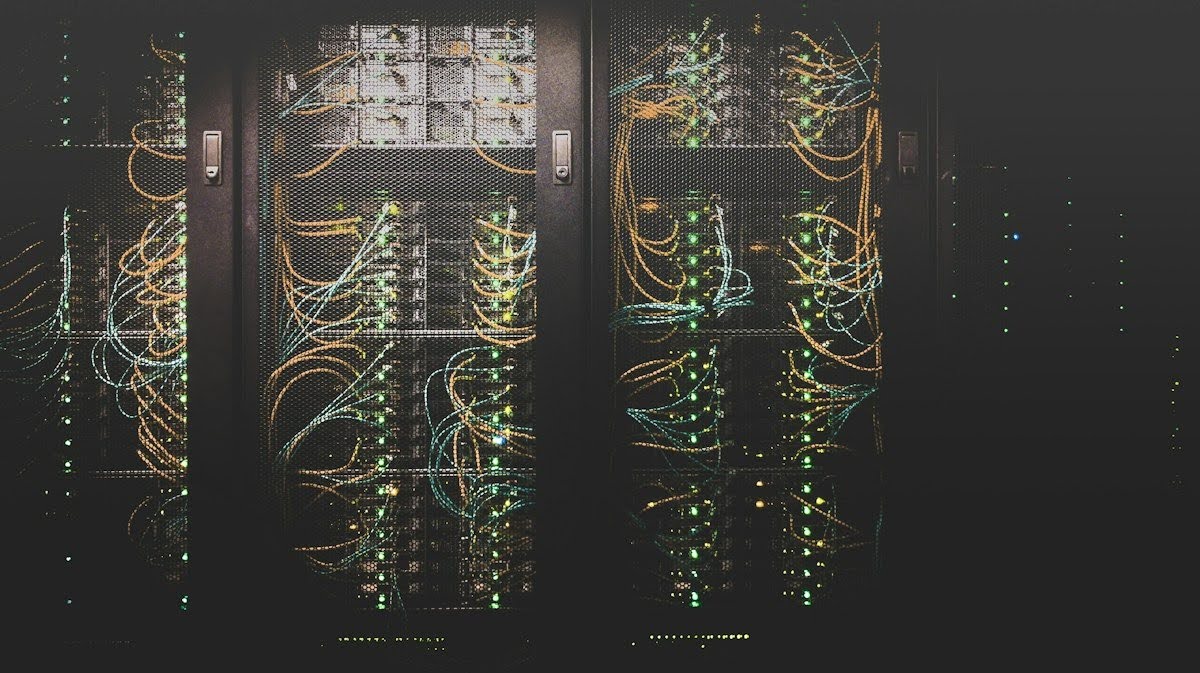
Reliable IT support is no longer only about fixing laptops after something breaks. For SMEs, technology affects communication, security, document access, remote work and almost every operational process.
A strong support partner should therefore reduce avoidable downtime, improve the way systems are used and help the business plan technology decisions before they become emergencies.
Table of Contents
Understand the Goal
The starting point is understanding the company’s current environment: users, devices, cloud services, security controls, suppliers and critical applications. Without that baseline, support becomes reactive because every incident is treated in isolation.
IT support London should combine day-to-day helpdesk support with proactive monitoring and planning. The provider should understand which systems are business-critical, which risks need attention and how future growth or office changes may affect the technology setup.
Create the Right Foundation
Response quality matters as much as response speed. Users need clear communication, realistic expectations and support that solves the underlying issue rather than repeatedly applying the same temporary fix.
A useful provider should track recurring incidents. Repeated password problems, device failures or network interruptions may reveal training gaps, hardware issues or configuration weaknesses that deserve a broader solution.
Use a Structured Process
Cybersecurity needs to be integrated into support. Updates, access controls, backups, endpoint protection and user awareness all contribute to resilience.
Microsoft 365 and cloud services also require active management. Licensing, permissions, file-sharing settings and account security can become messy as a company grows.
Watch for Common Friction
Good IT support should help staff use the tools effectively, not simply keep them technically available. Better configuration can improve collaboration and reduce manual work.
Remote and hybrid teams create additional needs. Secure access, device management and consistent user experience matter when staff work from multiple locations.
Keep Communication Clear
Business continuity should be discussed before an incident. Backups, recovery priorities and communication plans are easier to design calmly than during an outage.
Technology planning is also important for growth. New staff, office moves, acquisitions or major software changes can create risk if IT is involved only at the last minute.
Review Progress Regularly
A proactive partner should provide a roadmap that separates urgent fixes from medium-term improvements. This helps the business budget sensibly instead of facing repeated surprise costs.
Reporting should be understandable. Ticket counts alone do not show whether IT is improving; businesses should also look at recurring issues, security posture, ageing hardware and progress against planned projects.
Protect Consistency
Vendor coordination can save internal management time. An IT partner may help work with internet providers, software vendors and hardware suppliers when responsibility for a fault is unclear.
Support should scale with the company. The right model for ten users may not work for seventy, so processes, permissions and security should evolve with headcount.
Choose Support That Fits
The strongest providers act as an extension of the business rather than a remote repair desk. They learn how the company works and use that knowledge to recommend proportionate improvements.
Simultech IT positions its services around proactive SME support, including IT strategy, Microsoft 365, cloud services, security and office relocations, with support designed for businesses across the UK. A thoughtful, well-structured approach also makes follow-up easier because expectations are clearer and changes can be reviewed over time rather than judged from one isolated moment.
SMEs gain more value from IT support when day-to-day help is connected to security, planning and continuous improvement. That proactive model reduces recurring disruption and helps technology support the business instead of holding it back.
INTERESTING POSTS
- A Smooth Landing: Understanding the ETA for UK Visa as an Indian Traveler
- Unleash Your Gaming Potential with the Most Powerful Gaming Laptops
- What to Do When Your Laptop Breaks Down: A Practical Troubleshooting Guide
- What Is The Average Cost Of A Laptop?
- The IoT Appliance Repair Gap: When Your Wi-Fi Dishwasher Breaks, Who Actually Fixes It?
- How To Keep Your Business Running Smoothly
About the Author:

Meet Angela Daniel, an esteemed cybersecurity expert and the Associate Editor at SecureBlitz. With a profound understanding of the digital security landscape, Angela is dedicated to sharing her wealth of knowledge with readers. Her insightful articles delve into the intricacies of cybersecurity, offering a beacon of understanding in the ever-evolving realm of online safety.
Angela's expertise is grounded in a passion for staying at the forefront of emerging threats and protective measures. Her commitment to empowering individuals and organizations with the tools and insights to safeguard their digital presence is unwavering.