




In this post, I will talk about the future of smart clothing and scarves.
Wearable technology is now a key aspect of how we live. From health and fitness trackers to smartwatches, these wearables have changed the way we monitor our physical well-being, communicate digitally with others, and improve day-to-day activities.
Nowadays, however, wearables aren’t confined to gadgets we can strap on our wrists. And now clothing and accessories are becoming a new frontier, integrating technology right into the fabric to make what are known as smart garments. Scarves — long seen as items for fashion or utility alone — are the latest to come under the remade thread.
Table of Contents
The Evolution of Wearable Technology
Wearables started out as basic devices such as pedometers that counted steps and simple activity. Innovations have given way to smartwatches that can even measure heart rate, oxygen levels, sleep cycles and stress. This evolution is part of a larger trend: The world of technology, once held in our hands, is increasingly coming closer to the body and slipping into everyday life.
Now comes smart clothing. By integrating sensors, conductive yarns and responsive textiles into fabrics, clothes today can measure our health, adjust their temperature as needed or interface with our phones and computers. These are some of the reasons this transition from gadgets to garments feels like a significant step forward in how we experience our technology.
Smart textiles form the basis of this revolution. The material is built to be more than skin-veil — it interacts with the body as well. Examples include:
- Thermoregulation: Fabrics that automatically regulate insulation according to body temperature.
- Water Management: Fabric that transfers moisture away from the body to the exterior of the garment.
Smart Fabrics Sensor-laden clothing to monitor posture, muscle activity or your biometrics.
Applications are vast. Smart jerseys can track an athlete’s performance in real time on the playing field. The garments can also monitor vitals without invasive devices in the healthcare industry. In the workplace, smart uniforms can provide the opportunity to make our surroundings safer by sensing hazards.
Smart Wearable as a Case of Scarves
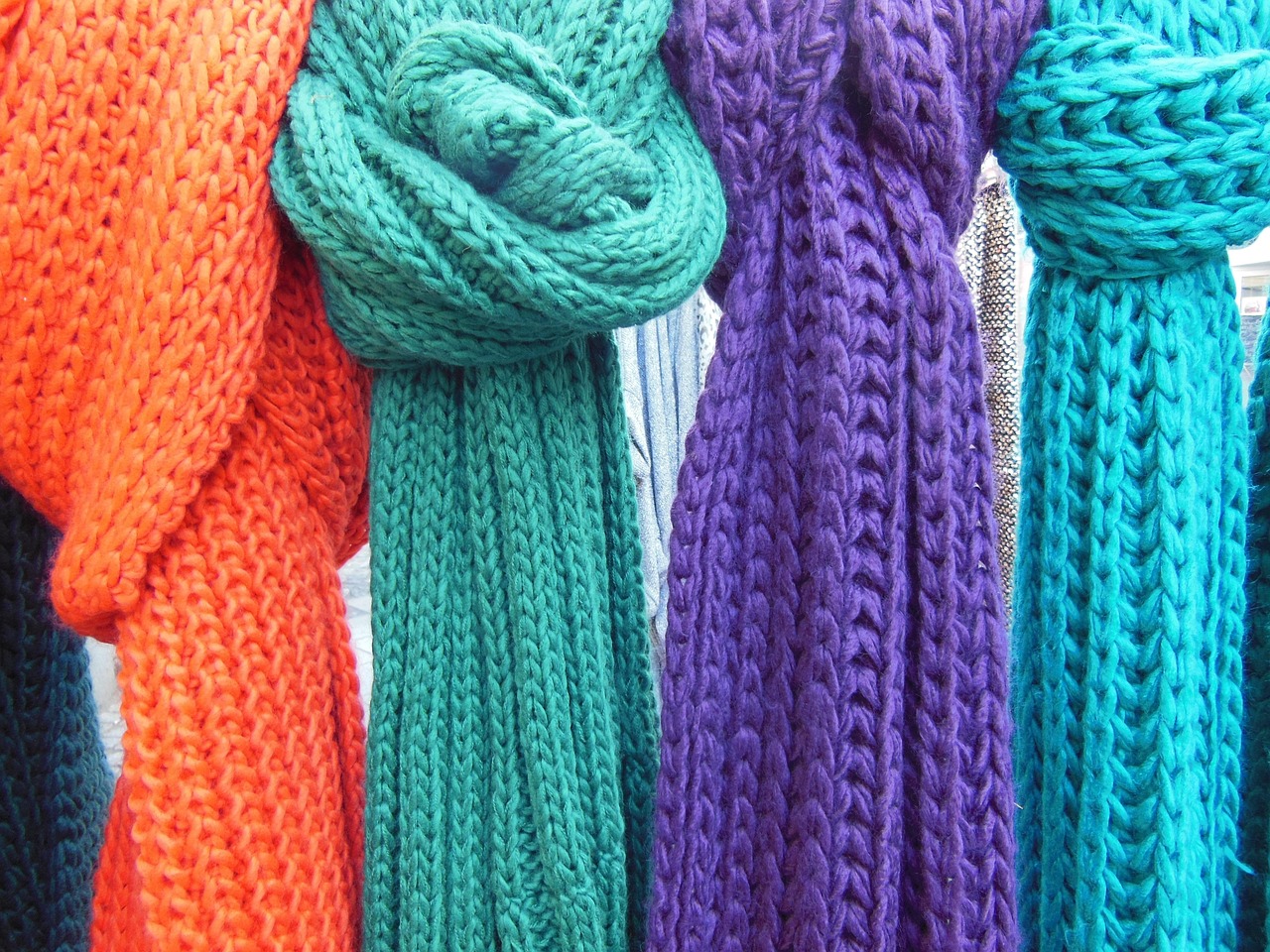
Once a staple for keeping warm or modesty, scarves have gone high tech. They are the perfect layout for technology.
- Health Tracking: Scarves may house sensors that track breathing patterns or air quality.
- Environmental Protection: Premier fabrics can filter pollution or insulate against harmful UV rays.
Custom Design: Fashion and technology can be the perfect integration of identity or historical culture, while individuals or organizations can customize their own scarves seamlessly integrating smart functions.
Their ability to straddle the line between the practical and revolutionary is what separates companies such as 4inbandana. With their customisable scarves they provide a base to adopt smart textile technology in your daily wearables. How you wear a scarf today that reflects your cultural identity might also monitor health or connect to digital platforms in the near future — combining personalization with cutting-edge utility.
Cybersecurity and Privacy with Smart Wearables
Smarter clothing means new problems to solve. Smart clothing captures data — biometric readings, environmental conditions or location. This raises critical questions of privacy and cybersecurity.
- The Risks to Your Data: Unprotected devices might disclose your health information, or maybe even who you are.
- Encrypt Those bits: Smart clothing should use secure protocols to encrypt data.
- Consumer knowledge: Customers need to be aware how and when information is being collected and used.
It is obviously important to strike a balance between innovation and privacy. Just as phones needed to be secured in new ways, smart clothing will also need strong safeguards to encourage trust and uptake.
Worldwide Drivers for Smart Textile Adoption

There are a few international forces that are also driving the advancement of smart clothing:
- Health and Well-being: Personal health monitoring is becoming a key driver of the demand for wearables.
- Sustainability Eco‑friendly materials and energy‑efficient design resonate with consumer values.
- Fashion Runs in the Family: The worlds of tech and fashion collide as new partnerships between big name fashion brands and the cutting-edge companies are making smart clothing look chic and affordable.
- Digital Lifestyle Integration: With wearable devices on the rise, what’s more logical than digitally enabled clothing?
These shifts illustrate how wearable tech is going beyond devices and into ordinary attire, melding fashion and function in the process.
Educational Angle: What Can We Learn from the Expansion of Wearable Tech?
Here’s what the rise of wearable technology teaches us:
- Integration Matters: We believe that technology is most effective when it fades into the background and just works.
- The Key Is Balance: Innovation needs to be balanced with privacy and sustainability.
- Accessories are power: Cultural identity, and technological supremacy can even flow through small items like scarves.
- Hybrid Is the Future: Fashion and technology are no longer distinctive; they are converging to form new experiences.
Scarves are symbolic of this hybrid future, demonstrating how functional add-ons can be transformed into intelligent wearables that link both identity and culture to technology.
What the Future Holds for Smart Clothing and Scarves
Wearable tech is going beyond devices to become part of the very fabric of what we wear. Smart clothing is the next frontier, incorporating sensors and materials that react to stimuli into fabrics to measure health, provide comfort or ensure a seamless connection with digital life.
Scarves, once the most basic of fashion elements are just part of this paradigm shift. Their versatility makes them suitable for embedding smart functionalities, including health monitoring and environmental preservation. And as pioneers continue to develop in this area, scarves will be an early part of history’s story about how fashion and tech come together to design useful accessories.
The next wave of wearable tech isn’t just on our wrists, it’s in our everyday clothes. Scarves are just a reminder that one of the simplest objects can make for an amazing tool of identity, inclusion, and innovation.
INTERESTING POSTS
About the Author:

Mikkelsen Holm is an M.Sc. Cybersecurity graduate with over six years of experience in writing cybersecurity news, reviews, and tutorials. He is passionate about helping individuals and organizations protect their digital assets, and is a regular contributor to various cybersecurity publications. He is an advocate for the adoption of best practices in the field of cybersecurity and has a deep understanding of the industry.


