
In this post, I will answer the question – how do you get a free domain without hidden costs?
Getting a web address for free sounds attractive, but many offers hide fine print that appears only after you commit. The gap between a genuinely no-cost registration and a promotional trick often lies in the details that vendors bury deep in their terms.
Before you type your payment information anywhere, it pays to understand how these arrangements actually function. This guide, which was written to help ordinary readers avoid hidden traps, walks through the practical steps of claiming a web address that stays truly cost-free, beginning with how to read the warning signs and continuing to keeping your renewal expenses in check long after the introductory period fades away.
Table of Contents
Spotting the Warning Signs of a Domain That Isn’t Truly Free
In the registration world, the word “free” comes with plenty of fine print and hidden conditions. A deal might drop the first-year fee only if you commit to a multi-year hosting contract at an inflated rate. Others give you an odd extension nobody recognizes, then charge high prices when you want a standard .com address. Knowing how to read between the lines will protect both your budget and your patience.
Contract Lock-Ins Disguised as Gifts
A common tactic bundles the waived registration fee with a lengthy commitment. You save perhaps ten dollars on the address itself, but the accompanying plan costs far more than competing options. Always calculate the total spend across the full contract rather than fixating on the headline offer. Skepticism serves you well here, much like the caution required with other “free” internet services, as explained in this breakdown of how free proxy sites work behind the scenes. The parallels are striking once you know what to look for.
Renewal Rates Hidden in the Footnotes
Introductory pricing, which is designed to catch your attention with an appealingly low figure, rarely reflects what you will actually end up paying next year, once the initial promotional window has quietly closed and the standard rate takes over. Some providers charge two or three times the standard rate when your subscription renews, banking on the fact that most people, distracted by everyday life, simply forget to check the new figure. Before you agree to anything at all, take the time to scroll all the way to the bottom of any offer page and carefully hunt for the recurring price.
Where to Actually Find a Genuinely No-Cost Web Address
There are several legitimate ways to get a web address without paying upfront, and each fits a different project type. The most reliable path bundles registration with a hosting plan you already need. If a hosting plan already suits your needs, getting a matching address in the bundle offers genuine value, not a gimmick.
One widely used arrangement offers a free domain with the first year included alongside a hosting subscription, giving new projects a professional starting point. When comparing packages of this kind, one of the providers you may come across is IONOS. For a broader survey of trustworthy choices, this resource covering legitimate no-cost domain options lays out the trade-offs clearly and helps set realistic expectations.
Website builders often offer free subdomains, but these look less professional than custom addresses. Educational programs and nonprofits sometimes offer fully covered registrations, so check whether your organization qualifies for any special deal.
Questions to Ask Before You Confirm Any Registration
When customers hurry through the checkout process, eager to complete their purchase and move on, they frequently trip over hidden charges that were quietly waiting to catch them off guard, adding unexpected costs they never noticed until the final total appeared. Asking a few careful questions reveals most traps before they end up costing you anything at all. Treating sign-up as negotiation, not impulse, changes everything.
Before you finalize any registration, make sure that you carefully run through this entire checklist, which will help you catch any mistakes or missing details ahead of time:
- What is the exact renewal price after the promotional period ends?
- Does claiming the address require a bundled service, and what does it cost alone?
- Are privacy protection and DNS management included or billed separately?
- Can you transfer the address to another registrar later without penalty fees?
- Does canceling early incur a charge if the arrangement no longer fits?
Documenting the answers gives you a reference point if a charge appears that contradicts what you were told. Security awareness extends well beyond registration decisions, and staying informed about broader digital threats matters just as much, as outlined in this overview of common cyber security risks and their solutions. A protected web presence starts with careful choices at every stage.
Locking In Your Free Domain the Smart Way
How you register decides whether you control your address. Minor mistakes during sign-up can quietly give the provider more power than you meant, so being careful pays off.
Turn Off Auto-Renewal Surprises
Many accounts turn on automatic renewal by default, so the higher second-year rate charges your card without warning. Find the auto-renew toggle in your account dashboard right after you register. Some users like keeping it active to avoid losing the address, but only after accepting the recurring price. The decision should belong to you, not a default setting the vendor already chose on your behalf.
Verify Ownership and Access Details
Confirm that the registration clearly lists you as the legal owner of the address, rather than the hosting company acting on your behalf, which protects your rights. Ask for the authorization code that allows you to move the address elsewhere, and keep your login credentials somewhere safe. This information becomes essential if you ever need to change providers or quickly settle a billing dispute.
Staying Cost-Free After the First Year Expires
The introductory year, which passes far faster than most people expect, gives way to the second billing cycle, and that is precisely where unexpected expenses tend to accumulate before you notice. Planning ahead keeps your web address affordable well beyond the honeymoon period. A little foresight, when applied at the right moment, can turn what looks like a simple one-year promotion into a lasting saving that continues to benefit you over many years.
Setting a calendar reminder roughly two months before your renewal date comes around gives you plenty of room to act, allowing time to research options before any deadline arrives. At that point you can weigh the current provider’s rate against fresh promotions available elsewhere, since moving an established address to a cheaper registrar tends to be a fairly simple process. Numerous companies actively pursue new customers by offering reduced transfer pricing, which effectively resets your overall cost and allows you to secure a considerably better deal when switching providers.
A different approach means talking to your provider and bargaining with them directly to lower your rate. Contacting support and mentioning a competitor’s lower rate sometimes unlocks a retention discount that never appears on public pages. Because providers would much rather trim their profit margin than lose your business entirely, they often prove willing to negotiate once they sense you might leave for a cheaper competitor. Keeping your original terms documented strengthens your position and prevents overpaying for familiar services.
Combining domain and hosting into one plan cuts costs. Check the combined figure each year, since loyalty rarely rewards you automatically in this market. The cheapest customers treat every renewal as a fresh decision.
Frequently Asked Questions
Which hosting providers offer a genuinely free domain name with no hidden fees?
Look for providers who bundle domain registration transparently into a hosting plan with clear renewal pricing upfront. IONOS structures its offer this way, publishing standard renewal rates alongside the promotional period so you know exactly what to expect. Checking their free domain terms gives you a concrete benchmark for comparing other bundled deals.
What happens to my website if I forget to renew my domain on time?
Missing a renewal deadline usually triggers a grace period where the domain goes offline but isn’t immediately released, giving you a short window to reclaim it, often at a late fee. After that grace period expires, the domain enters a redemption phase with steeper recovery costs, and eventually becomes available for anyone else to register. Setting calendar reminders or enabling auto-renew avoids this scramble entirely.
Can I transfer a free domain to a different registrar later without losing it?
Most registrars allow transfers after a 60-day lock period following initial registration, though some free domain promotions include additional transfer restrictions in their fine print. You’ll typically need an unlock code and to confirm the transfer via email before it processes. Always read the specific transfer policy tied to your free offer, since some providers charge an exit fee or require the promotional period to end first.
How can I check if a domain name is still available before registering it?
Use a WHOIS lookup tool or your registrar’s search bar to instantly see if a domain is taken, and try variations with different extensions if your first choice is gone. Many registrars also show similar available domains as suggestions during the search process. Doing this check early saves you from falling in love with a name you can’t actually claim.
Is it better to choose a .com domain or a cheaper alternative extension for a new business?
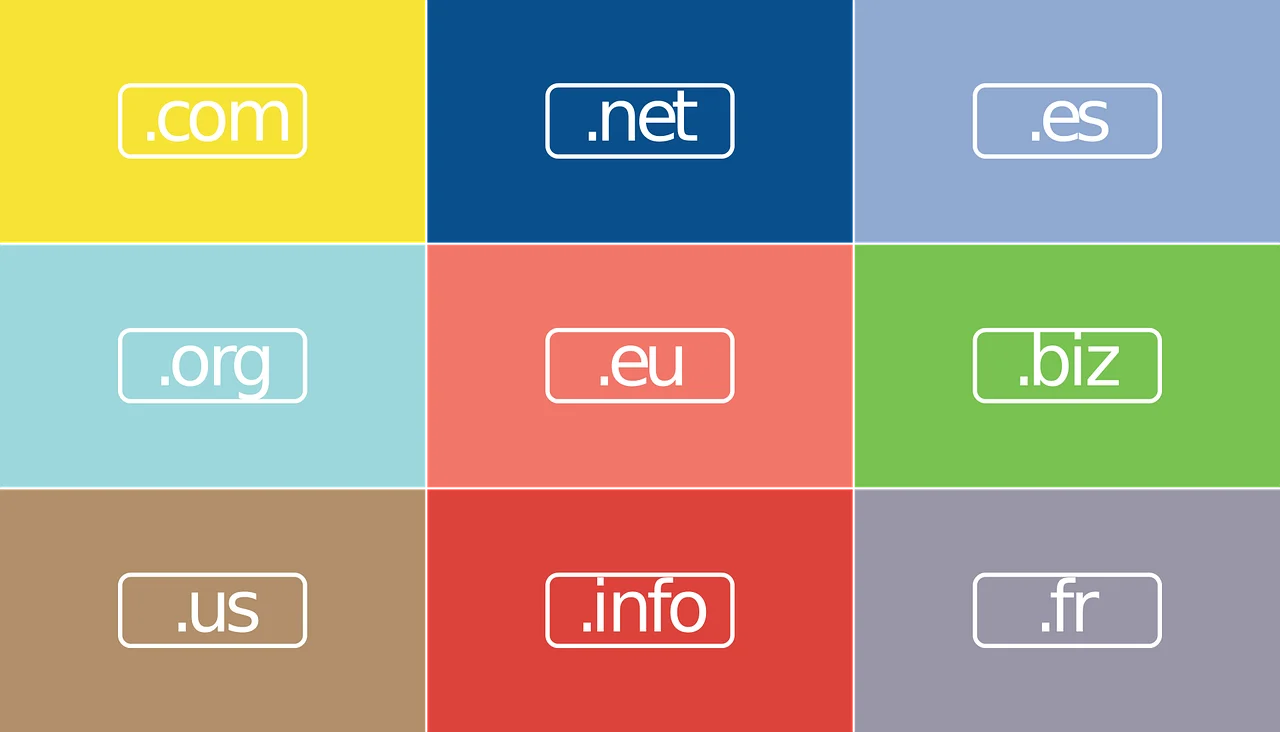
A .com carries the most built-in trust for customers and search engines, but extensions like .co, .io, or .net work fine if your ideal .com is taken or costs too much. Industry-specific extensions can even boost credibility in niches like tech or nonprofits. The real decision factor should be brand memorability and how the extension reads aloud, not just price.
INTERESTING POSTS
About the Author:

Meet Angela Daniel, an esteemed cybersecurity expert and the Associate Editor at SecureBlitz. With a profound understanding of the digital security landscape, Angela is dedicated to sharing her wealth of knowledge with readers. Her insightful articles delve into the intricacies of cybersecurity, offering a beacon of understanding in the ever-evolving realm of online safety.
Angela's expertise is grounded in a passion for staying at the forefront of emerging threats and protective measures. Her commitment to empowering individuals and organizations with the tools and insights to safeguard their digital presence is unwavering.