


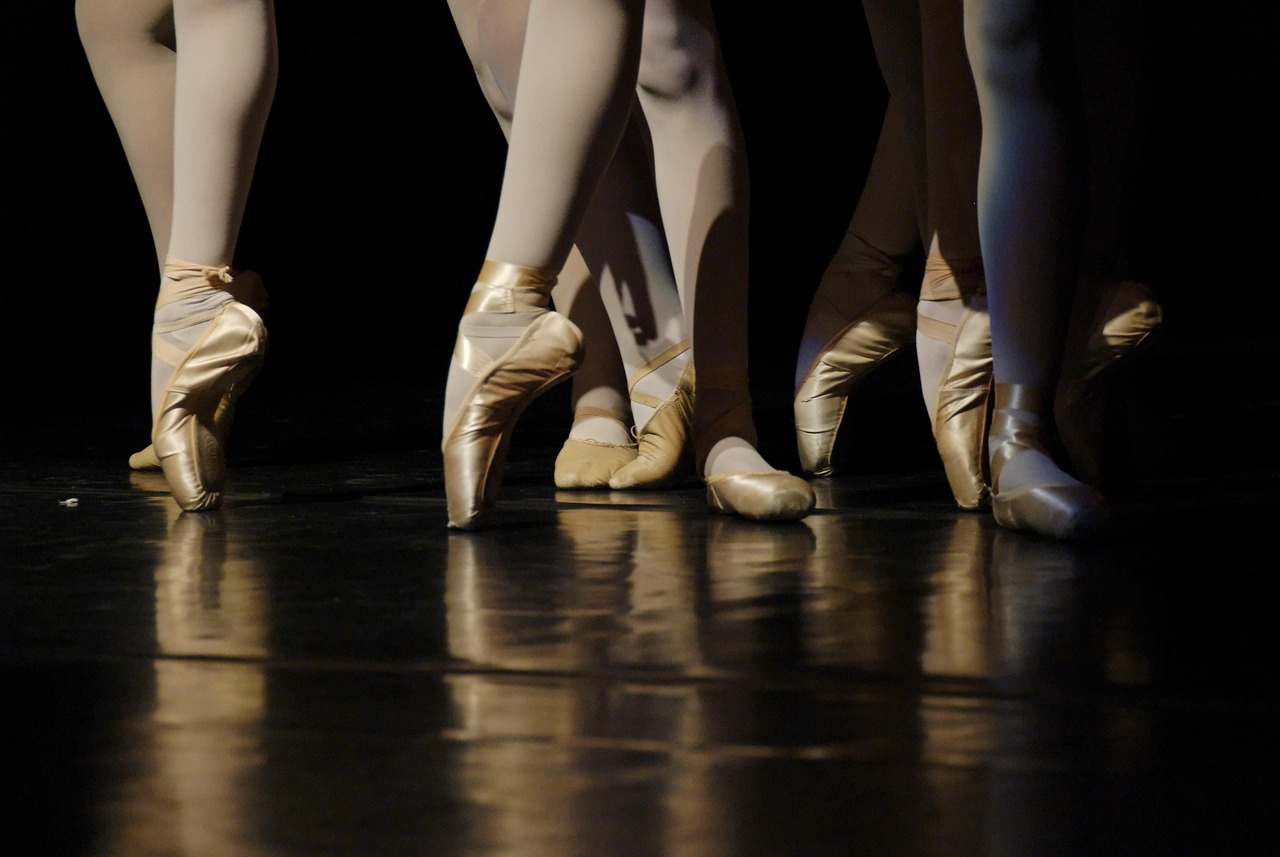

In this post, I will talk about the formula for a standout foot photo.
In image-led spaces, quality tends to announce itself quietly. The photographs that draw attention are rarely the loudest or most elaborate. More often, they are the ones that feel settled, clear, and unforced.
Before viewers register the subject of a photograph, they respond to how it is put together. Light, framing, and balance are processed almost instantly. For creators working with feet content, these small technical choices often carry more weight than styling or novelty.
This article looks at foot photography through a practical, visual lens. It focuses on how lighting, angles, clarity, and presentation influence how an image is received. The aim is not to promote trends, but to explain why certain photographs feel stronger and more confident than others.
Readers interested in the wider decision-making habits of audiences may also find it useful to explore how buyers choose foot creators, which looks at what tends to shape first impressions.
Table of Contents
Why Lighting Sets the Tone
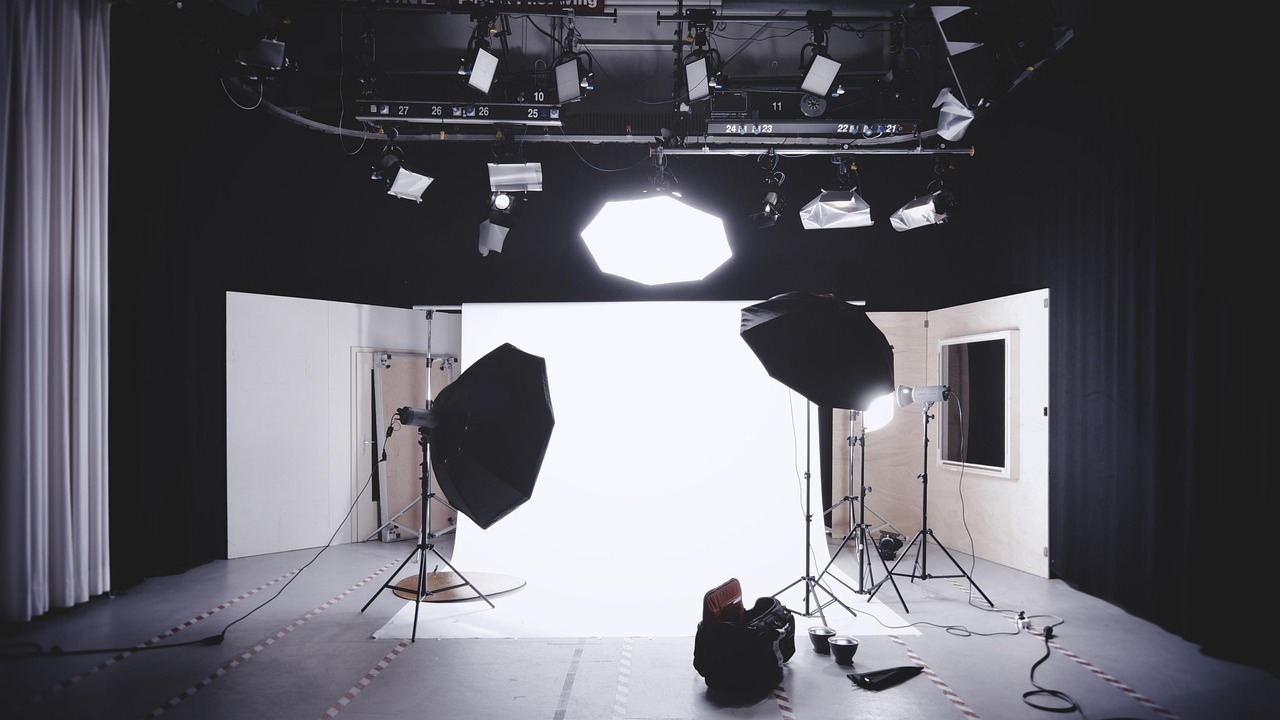
Lighting is usually the first thing people respond to, even if they do not realise it. It decides whether a photograph feels calm or harsh, balanced or uneven. Strong composition alone cannot compensate for lighting that feels careless.
When light is soft and directional, shape appears gradually rather than abruptly. The image becomes easier to look at. There is less visual tension, and more room for detail to settle naturally.
The Advantage of Natural Light
Daylight remains one of the most forgiving options available. Light coming through a window spreads evenly and keeps colours close to how they appear in real life. When that light arrives from the side, it creates gentle definition without hard edges.
Early mornings and late afternoons tend to work best. At those times, light feels diffused rather than sharp, which helps surfaces appear smoother and more consistent. For those working without studio equipment, the foot photo tips section offers practical guidance on making the most of available light.
Using Artificial Light Without Flattening the Image
Indoor lighting can be effective, but only when handled with restraint. Overhead lights often create heavy shadows and drain depth from a photograph. A single lamp placed slightly off to one side usually produces a more even result. The goal is not brightness. It is control. When light feels stable across the frame, the photograph holds together more naturally.
How Camera Position Changes the Mood of a Photo
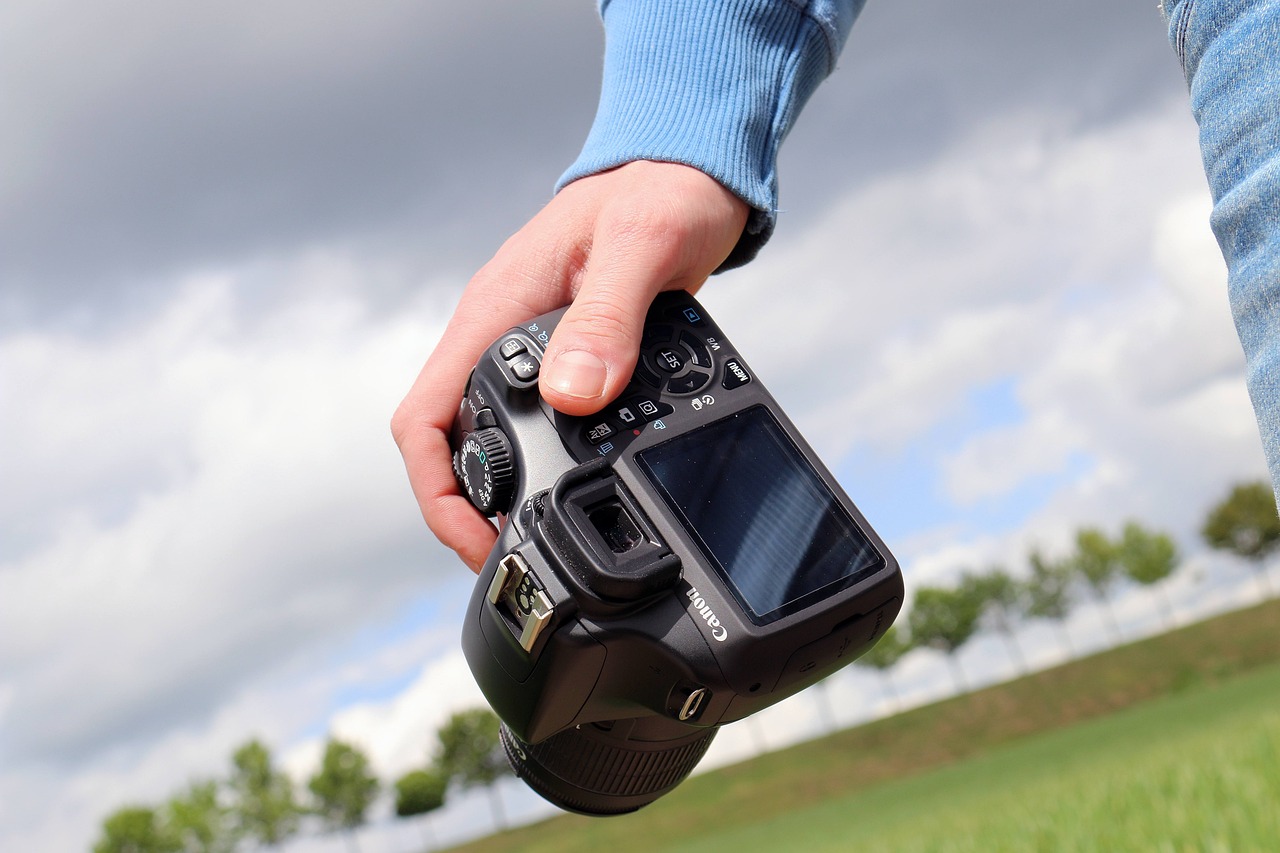
Where the camera sits has more influence than many expect. Moving it only slightly can change whether an image feels casual or carefully arranged. This is often where photographs succeed or fall short.
Images that appear comfortable tend to invite longer attention. When a pose looks overthought, viewers sense it quickly and move on.
Using Lower Angles Without Overdoing It
Lowering the camera by a small margin can introduce depth, provided the perspective remains natural. When done well, this approach adds structure without exaggerating form. It is a subtle adjustment, but one that can give a photograph a more composed, confident feel.
Bringing Out Detail Without Crowding the Frame
Closer framing allows surface detail to come through, which some viewers appreciate. The challenge is knowing when to stop. Push in too far, and the image can start to feel boxed in. Tilting the camera slightly upward often gives the composition breathing room, helping the photograph stay balanced without calling attention to technique.
Why Side Angles Often Feel More Natural
Side views usually feel more at ease. They suit informal settings, such as a sofa or a loosely draped blanket, where the environment supports a relaxed, unforced look.
This approach is commonly favoured by foot niche creators who value authenticity over dramatic presentation. A more detailed discussion can be found in best angles for foot photos.
Presentation as a Quiet Signal of Care
Preparation shows, even when it is understated. Clean presentation suggests consistency and attention, which viewers tend to trust instinctively.
Basic grooming, including clean skin and neatly kept nails, contributes to a finished appearance. For those aiming to sell foot photos, these details help establish professionalism without excess.
Letting the Background Do Its Job
Backgrounds work best when they stay in their place. Neutral colours and simple textures keep attention where it belongs.
When the surroundings become busy or inconsistent, the photograph loses focus. Consistency across backgrounds also helps a body of work feel more cohesive over time.
Sharpness, Stability, and Visual Comfort
Clarity plays a larger role than many realise. Even slight blur can undermine careful lighting and framing.
Cleaning the lens and allowing the camera to focus properly often makes an immediate difference. A steady shooting position matters just as much. Stability helps preserve detail and keeps tones even across the image.
Colour Tone and Recognisable Style
Photographs tend to feel more intentional when colour temperature stays consistent. Warm tones often suggest comfort, while cooler tones feel restrained and minimal. Switching between the two too often can disrupt visual flow.
Maintaining a consistent look makes a creator’s work easier to recognise. Further guidance is available in the content creation and photo quality guide.
Keeping Props in the Background
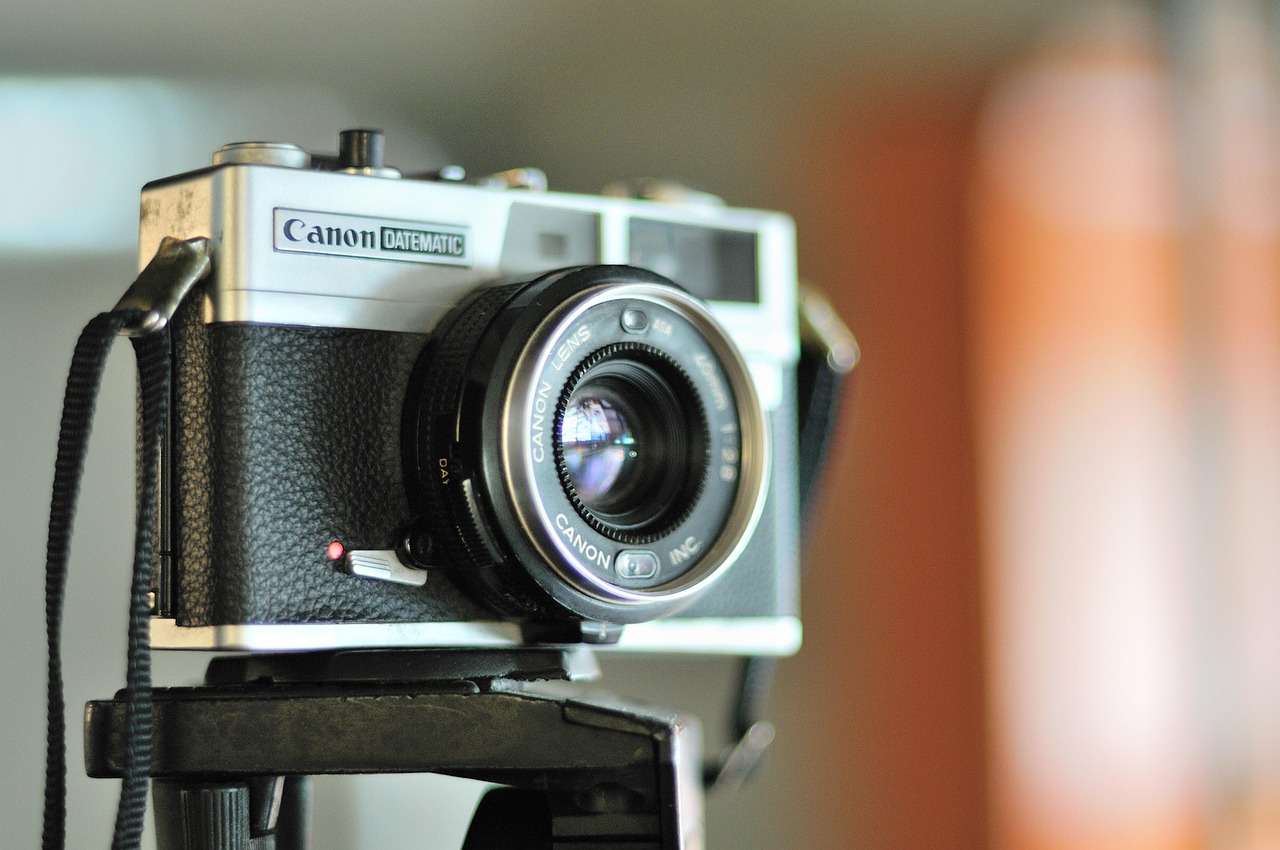
Props should sit quietly within the frame. Fabrics, wood, or other simple surfaces can support an image, but once they start drawing attention, balance is lost. Personal style develops through repeated, measured choices rather than complexity.
Why Authenticity Carries Weight
Images that feel comfortable tend to resonate longer. Natural positioning and unforced framing create a sense of ease that viewers recognise immediately.
Authenticity also builds trust over time. Readers interested in this dynamic can revisit how buyers choose foot creators for additional perspective.
Closing Thoughts
Strong foot photography is rarely the result of a single adjustment. It comes from repeated attention to light, camera position, clarity, and presentation. None of these requires specialist tools, only awareness and consistency.
When creators focus on natural light, simple surroundings, and relaxed composition, their images develop a quiet confidence. That confidence, more than trends or novelty, is what allows a photograph to stand out.
INTERESTING POSTS
- The Quest for Performance Mode: A Deep Dive into Xbox Capabilities
- Smart Style Meets Secure Living: Light Up Your Bathroom with Confidence
- Deep Fake Detection: Safeguarding Digital Media Authenticity in an AI-Generated World
- A Look at New Forms of Marketing and How to Implement Them
- How Software Localization Helps Boost App Engagement
- Top 10 Fortnite Seasons, Ranked by Vibes and Data
- Electric Vehicles: How New Technologies Are Changing Motorsport
About the Author:

Christian Schmitz is a professional journalist and editor at SecureBlitz.com. He has a keen eye for the ever-changing cybersecurity industry and is passionate about spreading awareness of the industry's latest trends. Before joining SecureBlitz, Christian worked as a journalist for a local community newspaper in Nuremberg. Through his years of experience, Christian has developed a sharp eye for detail, an acute understanding of the cybersecurity industry, and an unwavering commitment to delivering accurate and up-to-date information.


