



In this post, I will show you five compliance questions to ask before you hire a tech vendor.
Whenever you hire a tech vendor, you hand over a key to your business. Depending on what they can access, they may very well hold your financial future in their hands. A careless mistake can lead to disaster, and then the problem is yours, not theirs.
There’s no question that you need tech partners to grow your business. But when there’s so much danger, it’s easy to wonder which vendors can be trusted. We’re here to help you find the answer. Here are five questions you can use to get your conversations with vendors started on the right foot.
Table of Contents
Why Vendor-Screening Is an Absolute Necessity
Before we even think about what you should ask your vendors, it’s important to consider why vendor screening matters. We’ve all heard buzzwords like “data leak,” “cybersecurity breach,” and “the dark web.” But what do those actually mean in context? For business owners, they translate to important things: data security, financial health, and even legal accountability.
As a business owner, failing to vet your tech vendors effectively can expose you to several risks, including data breaches, operational interruptions, reputational damage, and even legal fines or penalties. This is the “why” of vendor screening that has to come before the “how.” These risks should be the basis of every question you ask a potential tech partner.

The Five Questions
With the above risks in mind, you can start to think about the screening process and the questions you need to ask. Our five questions aren’t a catch-all, because your industry will obviously have its own unique facets. But they can get you thinking on the right track.
1. Security Certifications and Audits
When interviewing a vendor, make sure you start with proof of competence. A lot of vendors say that they take security seriously. But if they can’t show you the certifications and audits to back up that claim, working with them is a big risk, especially if you’re a business that relies on sensitive data security, like a nonprofit that needs managed IT services.
To weed out the risky vendors, ask questions like these at the start of your consultation:
- What security certifications and audits do you maintain?
- What credentials do you have (i.e., SOC 2, ISO 27001, CMMC, etc.)?
- Have you had your own systems pentested recently, such as by an independent third party (pentesting, or “penetration testing” is a type of planned “cyberattack” that tests existing security systems for vulnerabilities)?
A good tech vendor should have multiple certifications, including industry-specific ones. These show that an independent body has reviewed their controls and approved them. Vendors should display their credentials visibly and have robust records of internal security tests they have performed, with external vetting by third parties to indicate that they are in compliance with regulations.
2. Data Protection and Encryption
Data encryption is a fundamental service every tech vendor should offer. Encryption scrambles your data so that it can only be read by those with access. This is an important part of many of your systems, from internal employee workflows to Customer Relationship Management (CRM) security.
The second step of your vendor interviews should focus on this aspect, with questions like:
- How will you keep our data secure both on our servers and across mobile devices?
- Do you encrypt data at rest and in transit?
- Do you use 256-bit encryption (the industry standard for data protection)?
- Do you keep data backups, and where?
- How do you monitor who has access to our data?
Any company that won’t clearly share its encryption policies upfront is one you shouldn’t trust.
3. Access and Control Privileges
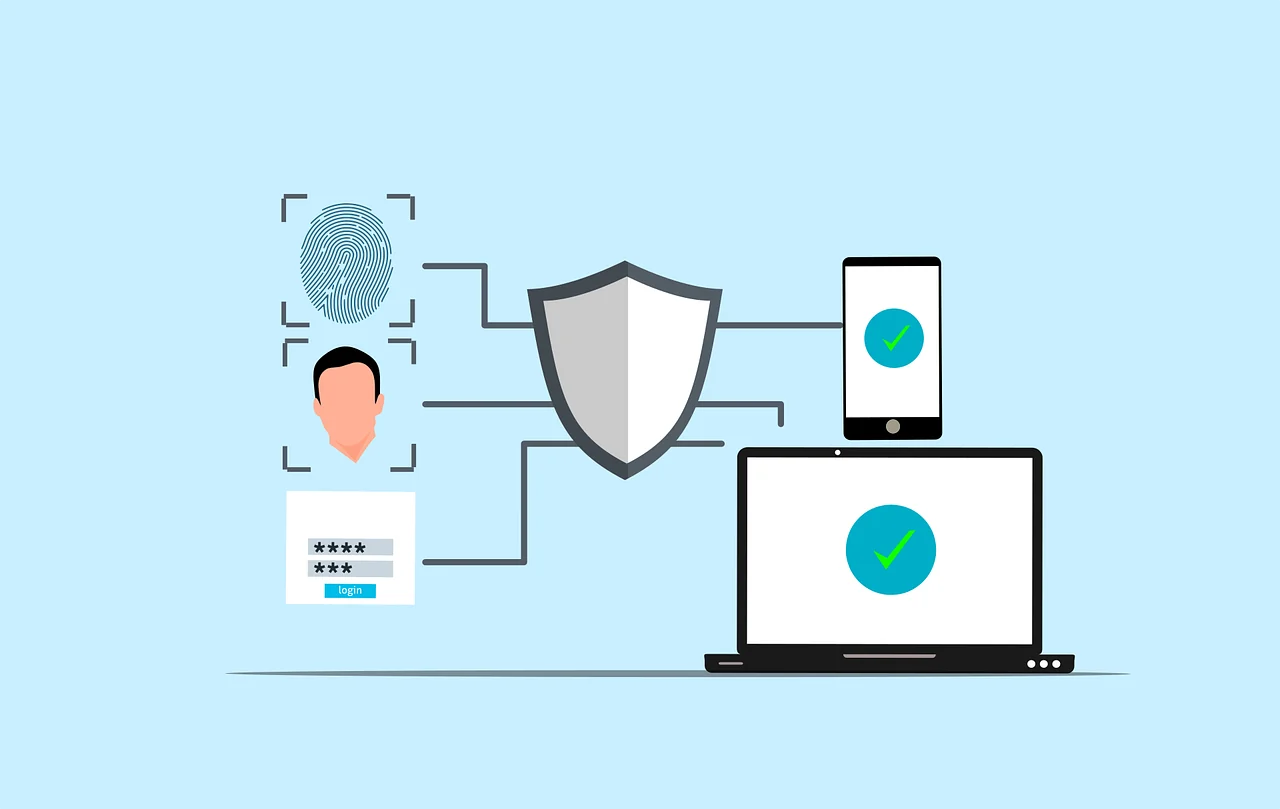
We hinted at this in the question above, but data protection is founded on access control. A tech vendor keeps your data safe by giving access keys (such as user IDs, passwords, multi-factor authentication codes, etc.) only to certain users. This is known as the “principle of least privilege,” where each person can access only the data they need for their job, nothing more.
A good vendor will lay out their access policies clearly, but here are some questions you can ask to get more details:
- Who will be able to access our systems?
- Do you outsource any information management to third-party companies?
- Will only background-checked personnel be able to access our files?
You don’t necessarily need to do a deep-dive on every third party your vendor works with. It’s important to know about them, though, and you should expect transparency at every stage.
4. Privacy and Industry Regulations
After clearing the basics, you can start asking your vendor about more technical topics. Specifically, you want to find out whether they are in compliance with legal and regulatory mandates in your industry. This will vary based on whether you’re a financial institution, a medical practice, or some other type of business.
Here are some example questions based on industry-specific regulations that may apply to you:
- For medical institutions: Do your services comply with HIPAA (the U.S. law protecting patient health information)? Will you sign a BAA (Business Associate Agreement)?
- For financial institutions: Are you in compliance with the GLBA and its Safeguards Rule (which requires financial institutions to protect customer data and oversee their service providers)?
- For retail businesses: Do you work with PCI DSS (the mandatory standard for storing, processing, or transmitting credit/debit card data)?
- For educators: Are you FERPA-compliant (the act that protects the privacy of student education records)?
Verifying your vendor’s industry-level compliance protects you against stressful legal consequences that can arise after a data incident.
5. Incident Response and Deletion Plans
The last key question to ask your vendors is how they will address potential data incidents. Even strong vendors sometimes get hit by a cyberattack due to security issues. This is where response plans and failsafes come into play.
Ask your vendor these questions about their incident response plans:
- What are your procedures for detecting and responding to data breaches?
- How will we be notified of a breach?
- What documentation do you keep regarding breaches?
- What is the procedure for addressing and fixing a breach?
- What will you do with our data if our partnership ends?
A good vendor will be able to tell you not only their exact response procedures for a cyberattack, but also how they will delete your data if you terminate the partnership.
Building a Strong Vendor Screening Policy
With all these questions in mind, it’s natural to wonder what you should do next. These questions are a guide to help you get started with vendor screening, but the actual process goes far beyond the initial interview. Working with tech vendors is a constant process of development and evolution, with real-time monitoring to keep your data secure not only right now, but in the future.
The next step after making your choice is putting a contract together, and then working with your partner to conduct audits, check reports, and monitor access privileges in response to any changes that come down the pipeline. This keeps you safe, your data safe, and your business on the path to a secure, successful future.
With more than 20 years in IT, Eric Hubbard has gone from hands-on technical support to executive leadership. As Vice President of Engineering at Tectonic and ITonDemand, he leads engineering teams and guides infrastructure, security, and technology strategy across managed IT environments. He brings a practical perspective to both the technology and the business needs it serves.
INTERESTING POSTS
- A Comprehensive Guide To Customer Screening
- What Do You Get With Professional Data Recovery Services
- 3 Critical Cybersecurity Questions To Ask Before Buying a Marketing SAAS Product
- Protect and Play: The Importance of Online Casino Security for Player Trust
- Securing B2B Payment Systems: Protecting Electronic Transactions from Cyber Threats
- How To Choose The Best Password Manager
- How To Keep Your Business Running Smoothly
About the Author:

With more than 20 years in IT, Eric Hubbard has gone from hands-on technical support to executive leadership. As Vice President of Engineering at Tectonic and ITonDemand, he leads engineering teams and guides infrastructure, security, and technology strategy across managed IT environments. He brings a practical perspective to both the technology and the business needs it serves.



