

In this post, I will show you how smart sensors improve modern security systems.
Modern security systems need more than cameras and alarms. Businesses now manage risks across entrances, restrooms, storage rooms, shared offices, warehouses, parking areas, schools, healthcare spaces, and public facilities.
Smart sensors improve security by detecting conditions that traditional systems may miss. They can identify environmental changes, unusual activity, occupancy shifts, access events, sound patterns, air quality issues, and other signals that help teams respond faster.
The value of sensor technology comes from visibility. A smart sensor system gives security teams earlier warnings, better context, and stronger records for follow-up.
Table of Contents
Start With Security Risk Mapping
Before adding smart sensors, businesses should map the areas where security gaps exist. Not every location needs the same type of monitoring.
A front entrance may need access control. A storage room may need door sensors. A restroom may need privacy-safe environmental detection. A warehouse may need motion alerts, temperature monitoring, and restricted-area tracking.
Security teams should review incident history, building layout, staff movement, visitor access, and blind spots.
This helps match each sensor to a real operational need.
A risk-based plan prevents overspending and avoids installing technology that does not solve a clear problem.
Use Privacy-Safe Environmental Sensors
Some areas require monitoring but cannot use cameras. Restrooms, locker rooms, changing areas, and wellness spaces still need safety oversight, but privacy must be protected.
Environmental sensors can help detect specific conditions without recording video.
For example, facilities can use vape detectors to identify possible vaping incidents in privacy-sensitive spaces and send alerts to authorized staff.
This type of tool supports security because it helps teams respond to hidden activity faster.
It should be connected to a documented response process.
Staff should know who receives alerts, how to verify incidents, and how to record repeat issues.
Improve Access Control
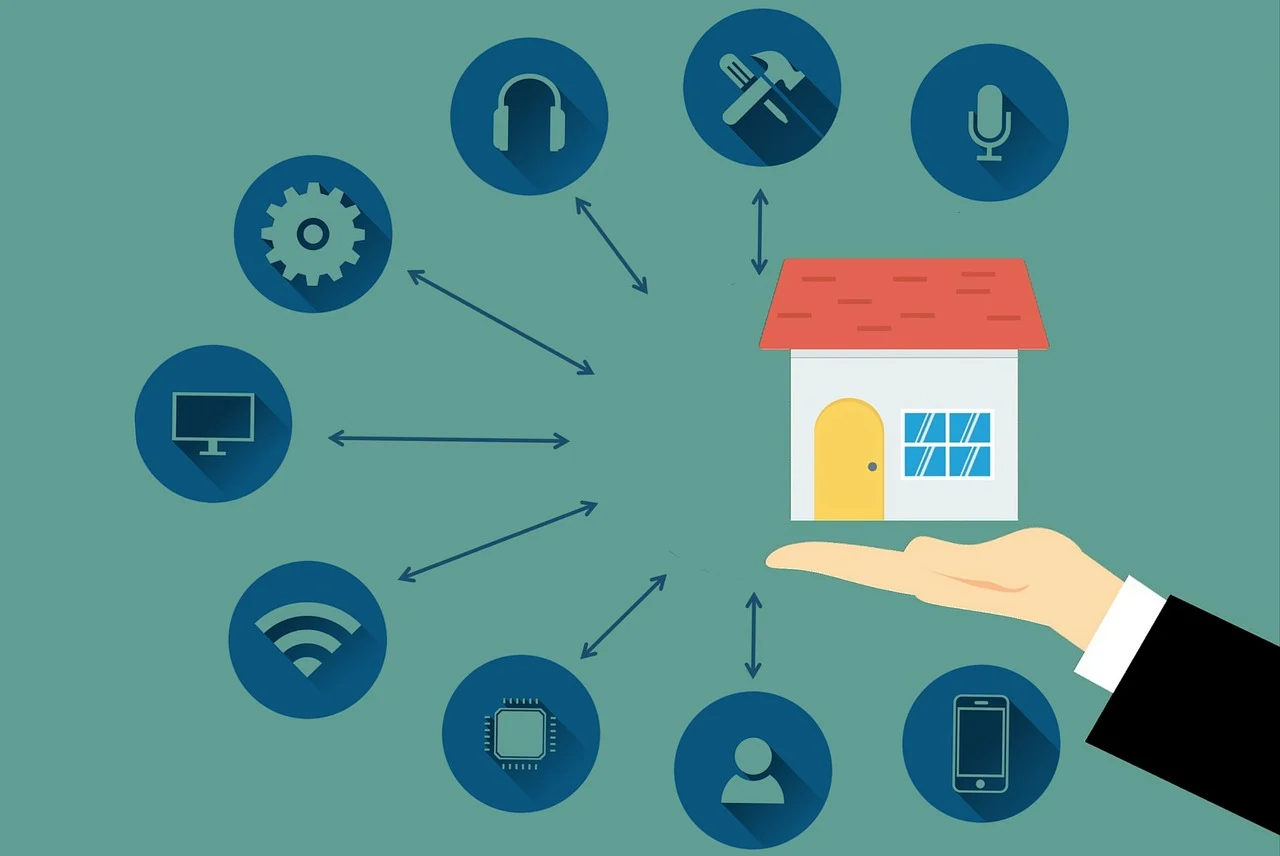
Access sensors help monitor who enters restricted spaces and when. These tools can include badge readers, smart locks, door contact sensors, gate alerts, and cabinet sensors.
They are useful for server rooms, equipment cages, records storage, medicine cabinets, stockrooms, labs, and employee-only areas.
Access monitoring helps reduce unauthorized entry and supports accountability.
Access Events to Track
Useful access data includes:
- Door opened
- Door forced
- Door left open
- Failed access attempt
- After-hours entry
- Badge use
- Restricted cabinet access
- Gate activity
- Emergency exit use
Security teams should review access logs regularly.
Patterns often reveal risks before a major incident happens.
Add Motion and Presence Detection
Motion and presence sensors help detect activity in specific areas. They can support perimeter security, after-hours monitoring, lighting control, and restricted-area alerts.
A motion sensor can identify movement in a hallway, storage area, stairwell, warehouse zone, or office after normal hours.
Presence sensors can also support space usage data by identifying whether an area is occupied.
These sensors work best when alerts are tuned properly.
If sensitivity is too high, teams may receive too many false alerts.
If sensitivity is too low, real events may be missed.
Monitor Air Quality and Environmental Risk
Security is not only about unauthorized access. Environmental risks can disrupt operations and create safety concerns.
Smart sensors can monitor carbon dioxide, particulate levels, humidity, temperature, odors, and volatile organic compounds.
Air quality data can help identify ventilation issues, overcrowding, smoke, cleaning chemical exposure, or equipment-related concerns.
Environmental Signals to Review
Important signals include:
- Temperature changes
- Humidity spikes
- Fine particles
- Carbon dioxide levels
- Odor patterns
- Chemical vapors
- Smoke-related particles
- Ventilation changes
These readings help teams act before conditions affect employees, visitors, or equipment.
Use Noise Detection for Incident Awareness
Noise sensors can help identify unusual sound patterns in public or shared spaces. They may detect sudden spikes in volume, recurring disturbances, or activity that needs review.
This can be useful in schools, transport facilities, healthcare buildings, event venues, offices, and retail spaces.
Noise monitoring should be designed carefully.
The goal is to detect sound levels and patterns, not record private conversations.
When used responsibly, noise sensors can help security teams identify potential conflicts, crowding, equipment problems, or emergency situations.
Connect Sensors to Real-Time Alerts
Smart sensors are most useful when they trigger fast, targeted alerts. A delayed notification has limited security value.
Alerts should be routed to the right people based on type, location, and urgency.
A door alert may go to security. A leak alert may go to facilities. A vaping alert may go to administrators. A temperature alert may go to maintenance.
Clear routing prevents confusion.
It also helps teams respond faster because each alert has a defined owner.
Integrate Sensors With Existing Systems
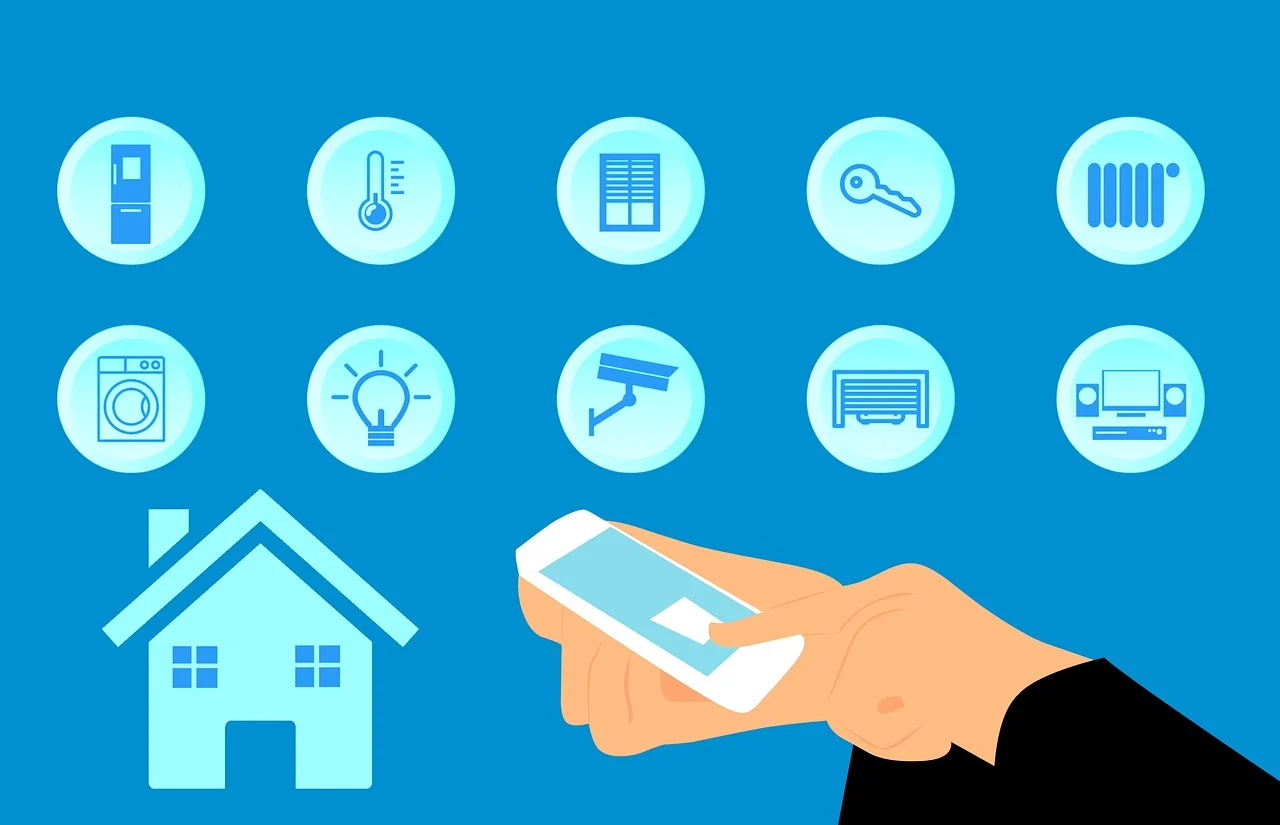
Smart sensors should not operate in isolation. They should connect with the broader security system where possible.
This may include cameras, access control platforms, incident management tools, building management systems, mobile alerts, or security dashboards.
Integration helps teams compare signals.
For example, a door alert may be reviewed alongside camera footage. An occupancy spike may explain a noise alert. A temperature alert may match an HVAC issue.
Connected systems give security teams better context.
Reduce False Alarms With Better Rules
False alarms waste time and reduce trust in the system. Smart sensors should be configured with clear thresholds, schedules, and escalation rules.
Different areas may need different settings.
A hallway during business hours should not trigger the same response as a storage room after midnight.
Review alert history often.
If one sensor triggers too frequently without real issues, adjust placement, sensitivity, or threshold settings.
A good system should improve response, not overwhelm staff.
Final Thoughts
Smart sensors improve modern security systems by detecting risks that cameras and alarms may miss.
Environmental sensors, access controls, motion detectors, noise sensors, temperature alerts, and integrated dashboards help teams respond faster and manage risk with better information.
The strongest systems are planned around real security needs.
When sensors are connected to clear procedures, privacy controls, and regular review, they make workplaces and public spaces safer, smarter, and easier to manage.
INTERESTING POSTS
- Smart Security Systems and Motion Sensors: Debunking Common Myths and Misconceptions
- Top AI Pentesting Tools for Cloud-Native Applications
- Security Tips To Protect Your Home From Burglary [Infographics]
- 4 Essential Tips to Improve Home Security
- Full Review of SimpliSafe Home Security System
- Residential Alarm Systems in 2025: A Practical Guide to Preventing Burglaries Before They Happen
About the Author:

Meet Angela Daniel, an esteemed cybersecurity expert and the Associate Editor at SecureBlitz. With a profound understanding of the digital security landscape, Angela is dedicated to sharing her wealth of knowledge with readers. Her insightful articles delve into the intricacies of cybersecurity, offering a beacon of understanding in the ever-evolving realm of online safety.
Angela's expertise is grounded in a passion for staying at the forefront of emerging threats and protective measures. Her commitment to empowering individuals and organizations with the tools and insights to safeguard their digital presence is unwavering.