




In this post, I will talk about when social gaming becomes a security vulnerability.
Social gaming has turned casual play into a global phenomenon, drawing in millions with its promise of community and shared achievement.
These platforms make it simple to connect with friends or strangers, exchange messages, and share virtual rewards. It’s easy to see the appeal—yet this same openness introduces new risks that aren’t always obvious at first glance.
Cybercriminals have quickly adapted, targeting both individuals and entire platforms through methods like phishing, scams, and data theft. In this article, we’ll explore how social features that fuel engagement can also leave users exposed to serious security threats.
Table of Contents
Why global players choose non AAMS Cainos and what it means for security

The rise of international gaming platforms has changed the landscape for social gamblers. Non AAMS Cainos, operating outside Italian regulatory frameworks, attract a global audience with their broad game selections and fewer restrictions.
This global reach means players from different countries come together in shared digital spaces. While this can make games more exciting and communities more vibrant, it also introduces fresh security risks that both players and operators must consider.
Unlike platforms regulated by local authorities, Non AAMS Cainos may follow a patchwork of international rules—or none at all. This flexibility appeals to those seeking rare games or specific betting options but can also lead to weaker protections against cyber threats, fraud, and privacy breaches.
Players are often drawn in by generous bonuses, access to unique tournaments, and the thrill of mingling with an international crowd. However, the lack of standardized oversight means users face higher risks of account compromise or data exposure if security protocols are not robust.
For anyone engaging with these platforms, understanding the unique risks is crucial. Always check for basic security features like SSL encryption, transparent privacy policies, and responsible payment methods before joining an international gaming community.
READ ALSO: The Best Crypto-to-Equity Derivatives Platforms for Global Asset Allocation
The hidden threats in social gaming communities
Social gaming has redefined how we connect online, making it easier than ever to meet new friends and share experiences across borders.
But this very openness creates cracks that bad actors are quick to exploit. When players chat, trade, or join groups, they often trust people they’ve never met in real life. That trust can be weaponized in subtle and damaging ways.
Some of the most common vulnerabilities include phishing schemes, manipulation through fake profiles, and scams embedded in group chats or events. These aren’t limited to new players—longtime community members have been caught out by clever deception or technical tricks. For casual gamers, a moment’s distraction might lead to a compromised account; for dedicated players, losing valuable digital goods can mean months of lost progress or real money down the drain.
Understanding these threats is crucial for everyone involved—from platform operators to everyday users. The more aware the community is, the harder it becomes for criminals to thrive in these virtual playgrounds.
Phishing, scams, and social engineering tactics
If you’ve played any online game with chat features or friend lists, chances are you’ve seen suspicious messages pop up. Attackers pose as other players—or even trusted moderators—to build rapport before making their move.
Their favorite tricks include sending links to fake login pages or promising free gifts in exchange for your account details. Some will impersonate friends who appear to be locked out of their accounts and urgently need help.
I’ve seen scammers use well-crafted messages and even mimic slang or humor common within a specific game’s culture. Once you let your guard down—even briefly—they’ll ask for information that could compromise your security or lead to unauthorized purchases. Staying skeptical about too-good-to-be-true offers and double-checking identities is essential for survival in today’s social gaming spaces.
The role of in-game currencies and digital goods
The introduction of virtual currencies and rare items has given social games a whole new economy—and hackers have noticed. Where there’s value, there’s motive for theft.
Accounts loaded with premium currency or exclusive skins become attractive targets. Criminals deploy phishing schemes aimed directly at stealing these digital assets or tricking users into unsafe trades. Sometimes the scams involve third-party websites claiming to “boost” your inventory for a fee—or worse, malware disguised as helpful add-ons.
I’ve worked with communities where stolen accounts have been sold on underground forums for real-world cash, leaving victims locked out and frustrated. For platforms without strong security controls around trading or gifting mechanics, it’s open season for fraudsters looking to profit from unwary players’ hard-earned loot.
Understanding privacy risks and data leaks in social gaming

Sharing victories, profiles, and game stats is part of what makes social gaming so engaging.
Yet every profile update, leaderboard post, or friend request can reveal more personal information than players realize.
Many platforms collect and store user data to drive engagement—think play habits, device details, locations, even chat logs.
This creates rich profiles that are tempting targets for hackers and scammers hunting for personal or financial data.
Worse, accidental leaks can happen through poor security practices or vulnerabilities in third-party plugins.
The fallout isn’t limited to individual users. Entire communities and gaming companies have faced reputational damage after high-profile data breaches.
Personal data collection and third-party sharing
Social gaming platforms regularly gather a wide range of user information—email addresses, payment details, friend networks, in-game behavior, and sometimes even biometric data from mobile devices.
This data is often shared with advertisers or analytics companies to improve targeting and monetization strategies.
The issue? Most users don’t fully understand how much information they’re handing over or who’s getting access behind the scenes.
If a third-party partner is breached or acts irresponsibly with this data, players’ sensitive info can end up on the dark web before anyone notices.
I’ve seen platforms tighten policies after backlash—but real transparency remains rare. Always check those privacy settings (and read the fine print) before you share anything sensitive online.
Children, teens, and vulnerable users
Younger gamers—especially kids and teenagers—often sign up without grasping what privacy means in a digital world where everything is sharable by default.
This makes them easy targets for phishing schemes or predators looking to exploit naivety for personal gain. Fake giveaways or friend requests are common entry points.
Many parents aren’t aware of how much exposure their children have when playing unsupervised. Platforms may tout safety features but enforcement is inconsistent at best.
I’ve noticed local schools starting to cover online privacy in tech classes—a welcome move since education remains the best defense against digital exploitation of young players.
If you’re managing younger users’ accounts or devices at home or work, double-check privacy tools and reporting features provided by the platform. It’s one way to add an extra layer of protection where it counts most.
Strengthening security: best practices for platforms and players
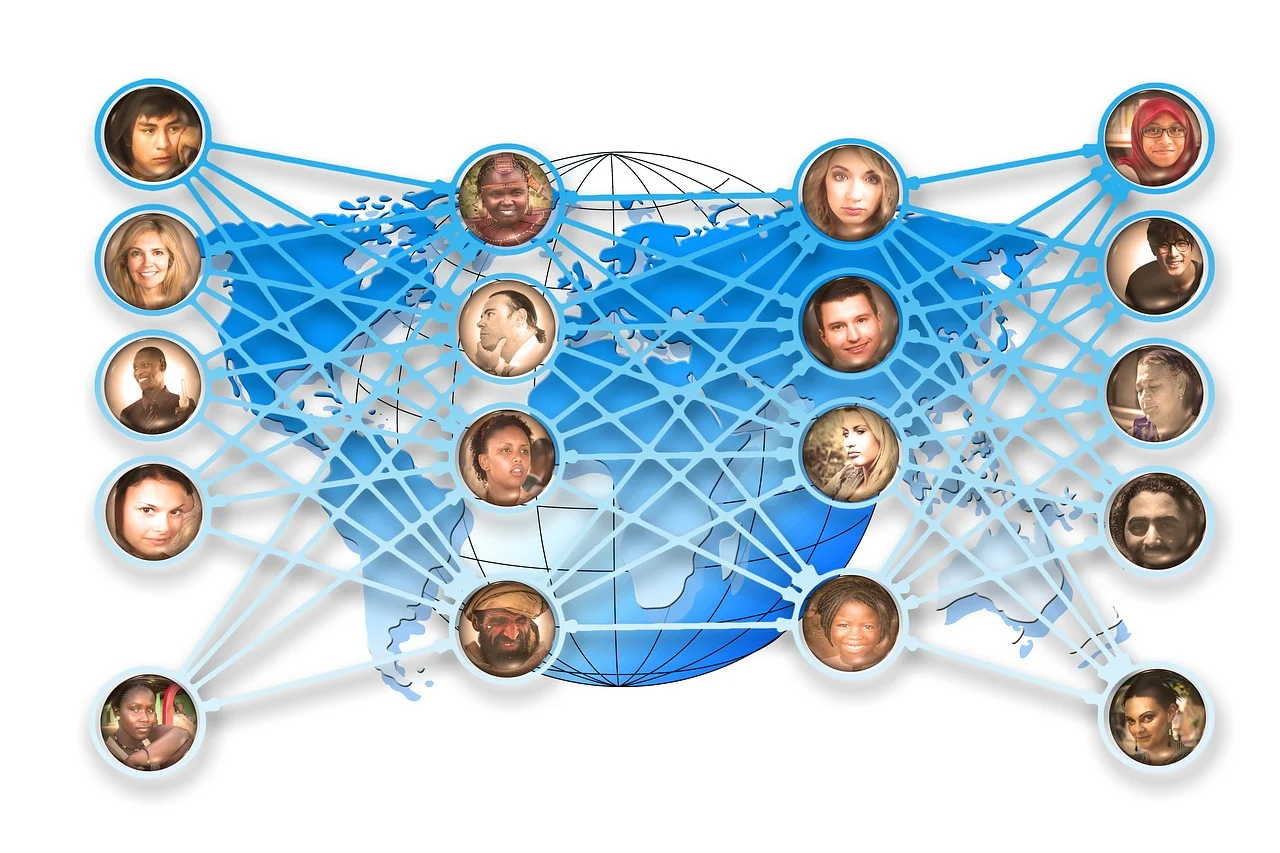
Securing social gaming spaces takes more than just technical fixes—it demands constant vigilance from both providers and players.
Platforms are stepping up with advanced safeguards, but even the best tech can’t cover every weak spot if users aren’t alert.
Let’s break down what works right now at both the platform and player level to keep risks in check.
Platform-level security innovations
The newest generation of social gaming platforms is fighting back with smarter technology.
AI-driven moderation tools scan chats and activity around the clock, flagging suspicious behavior before it spirals. I’ve seen these systems block scam attempts within seconds—impressive, but not perfect.
Two-factor authentication (2FA) is also becoming standard. It forces users to verify their identity with a second device or app, which shuts out many common account takeovers. End-to-end encryption protects private messages from eavesdroppers as well.
Still, these protections need regular updates to stay ahead of attackers who adapt quickly to new defenses.
User awareness and safe gaming habits
No technology can fully protect users who let their guard down. That’s why security education inside games matters just as much as firewalls or AI tools.
Players should avoid sharing personal details—even in “private” chat rooms. I always recommend using unique passwords for every account and enabling 2FA wherever possible.
If something feels off—like a too-good-to-be-true offer or a request for payment through unofficial channels—it probably is. Report suspicious behavior promptly; your action could help others steer clear of the same trap.
The safest communities are built when everyone stays informed and looks out for each other.
Conclusion: Navigating the future of social gaming security
Social gaming has redefined how we connect and play, but it’s also introduced new risks that can’t be ignored.
From phishing scams to data leaks, every player and platform faces challenges that go well beyond entertainment.
The path forward depends on vigilance, better technology, and a culture where safety matters as much as fun.
Staying informed about vulnerabilities is the first step—because the more we understand these risks, the stronger and safer our digital playgrounds will be for everyone.
INTERESTING POSTS
About the Author:

Mikkelsen Holm is an M.Sc. Cybersecurity graduate with over six years of experience in writing cybersecurity news, reviews, and tutorials. He is passionate about helping individuals and organizations protect their digital assets, and is a regular contributor to various cybersecurity publications. He is an advocate for the adoption of best practices in the field of cybersecurity and has a deep understanding of the industry.