




In this post, I will talk about swapping privacy for practicality and discuss what to know before you convert crypto.
Privacy-focused cryptocurrencies are often framed as a philosophical choice, but for many people they are simply a tool. The idea is straightforward: reduce how easily transactions can be tracked, linked, and profiled. The challenge is that most services and merchants still prefer a small set of widely supported assets, so conversions become part of everyday crypto use.
For readers who want a concrete example of what a typical conversion flow looks like, a dedicated pair page such as zec to btc shows the standard structure used by many swap services: choose the assets, enter a destination address, review the estimate, then complete a wallet-to-wallet exchange.
Table of Contents
Why privacy-to-mainstream conversions happen
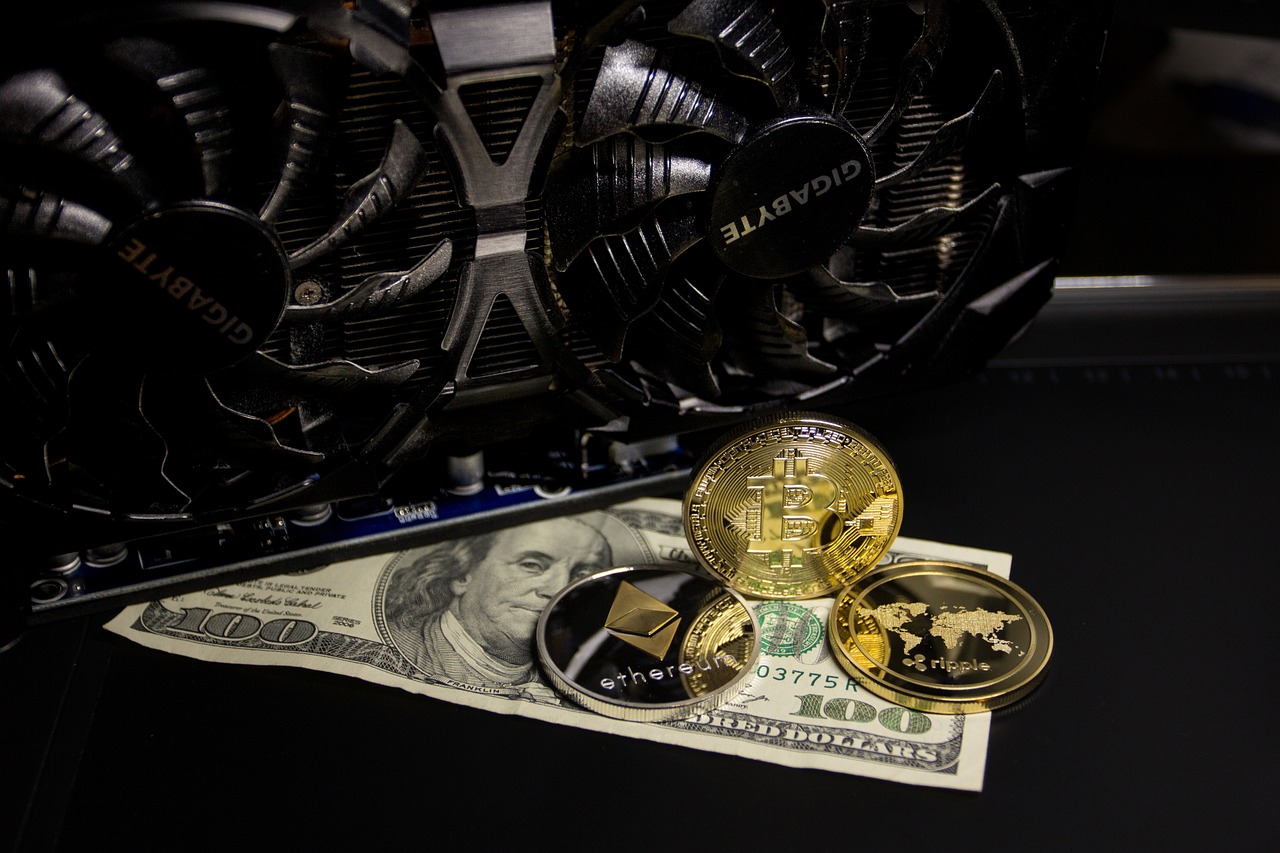
Zcash and Bitcoin illustrate a common pattern. Zcash can support privacy-preserving transfers, while Bitcoin remains one of the most recognized and widely accepted cryptocurrencies. Many users are not swapping between them to chase price moves. They are doing it for utility—similar to exchanging currencies before paying an invoice or consolidating holdings.
In practical terms, this shows up in simple situations: a user receives funds privately, then needs a more widely accepted asset for a purchase; a freelancer is paid in one coin but keeps reserves in another; or someone wants to simplify a wallet full of small balances. Conversions are the connective tissue that makes a fragmented crypto economy usable.
Where the real risks hide
When people think about swap risk, they often focus on price slippage. The bigger problems are usually operational.
Address and network errors top the list. Sending to an incompatible address format can be irreversible, and mixing up networks or memo requirements can create delays or losses. Confirmation delays are another common pain point. Congestion can make a swap look “stuck” when it is simply waiting on blocks.
Rate mechanics matter too. Floating quotes can change during processing; fixed quotes behave differently. Neither is automatically better, but the user should understand what they are agreeing to before sending funds.
Finally, there is a privacy reality that many newcomers miss. Even if an asset supports private transfers, off-chain metadata such as timing, device signals, or IP logs can still create links. Privacy is not a switch; it is a continuum.
A safer way to approach swaps

You do not need an advanced threat model to avoid most issues. A small amount of discipline covers the majority of risk.
Start with verification. Confirm the receiving address twice, and make sure it matches the correct asset and format. Check minimum amounts and any extra requirements before sending, especially if you are moving a smaller balance. Expect confirmations to take time during peak network load, and avoid panic-refreshing or resubmitting actions that can create confusion.
It also helps to keep records. Save the transaction hash and note the time you sent funds. If a swap takes longer than expected, this information is what support teams rely on to trace what happened.
For higher-value conversions, one habit stands out as consistently useful: send a small test amount first. It feels slower, but it can prevent expensive mistakes. If the test arrives correctly, proceed with the remainder.
If privacy is part of your motivation, add two more habits. Avoid reusing addresses, and avoid swapping immediately after receiving funds from a highly identifiable source if your goal is to reduce linkability. Simple spacing and clean wallet hygiene can make a meaningful difference.
When something goes wrong, what usually happened
The most common “issue” is not a failure; it is impatience. Deposits arrive, confirmations take longer than expected, and users assume the service is stuck. In many cases, the swap completes once the required confirmations are reached.
Another frequent problem is sending below a minimum threshold. Depending on the platform, that can require manual handling or may result in the funds being returned, sometimes minus network fees.
Less common, but important to anticipate, are compliance checks. Many swap services aim for a low-friction experience, yet still maintain AML policies. Certain transactions can be flagged for review, which may pause completion. That does not automatically imply wrongdoing; it is part of how many services manage risk and protect liquidity relationships. The practical takeaway is to keep your records and approach swaps like financial operations, not like clicking a download button.
The practical takeaway
Swaps are increasingly a bridge between privacy preferences and everyday usability. Handled carefully, they allow users to move between different parts of the crypto economy without relying on a full trading account. Handled casually, they can introduce avoidable losses, frustration, or privacy leakage.
If you treat conversions with basic discipline—address verification, realistic timing expectations, and a clear understanding of rate behavior—you can reduce most of the risk while keeping the convenience that makes swaps appealing in the first place.
INTERESTING POSTS
- AI Face Swap: The Fun New Way to See Yourself in Iconic Movie Scenes
- Can Atomic Exchanges Achieve Critical Mass?
- Banana Pro Hits Its Stride: $236M Week, Auto Rewards, and a Trading Dashboard Degens Actually Love
- Understanding the Risks of Face Swap Videos: A Practical Safety Guide
- How AI Recruiter Agents Have Redefined Candidate Engagement
- How To Invest In Cryptocurrency Like A PRO!
- What Types of Investments RIA Custodians Will Make for Your Business?
About the Author:

Chandra Palan is an Indian-born content writer, currently based in Australia with her husband and two kids. She is a passionate writer and has been writing for the past decade, covering topics ranging from technology, cybersecurity, data privacy and more. She currently works as a content writer for SecureBlitz.com, covering the latest cyber threats and trends. With her in-depth knowledge of the industry, she strives to deliver accurate and helpful advice to her readers.


