




In this post, I will talk about the true cost of free software and show you what businesses need to know.
The lure to be “free” is undeniable in the world of business. If you’re a start-up trying to bootstrap your route to market, or for an SME who is attentive to every dollar the cost of software is the best option. What’s the point of paying for a project administration tool, graphic design tool or an accounting software in the face of an affordable alternative with a mouse click?
But, as the saying goes, there’s nothing like an unpaid lunch. Today, in the age of digital technology, that means: If you don’t pay for the item, typically, you’re the customer. Even though free software applications are great for certain applications, they are not recommended for all situations. making them a central part of business operations comes with hidden expenses that could be much more than a per-month subscription cost.
TechnologyCounter is a company that provides technology solutions. We assist businesses in navigating the maze of selecting the right software. They are committed to looking beyond price to comprehend the full price of owning a software. What you should know prior to letting your staff be enticed by “free.”
Table of Contents
The Hidden Currency: Your Data
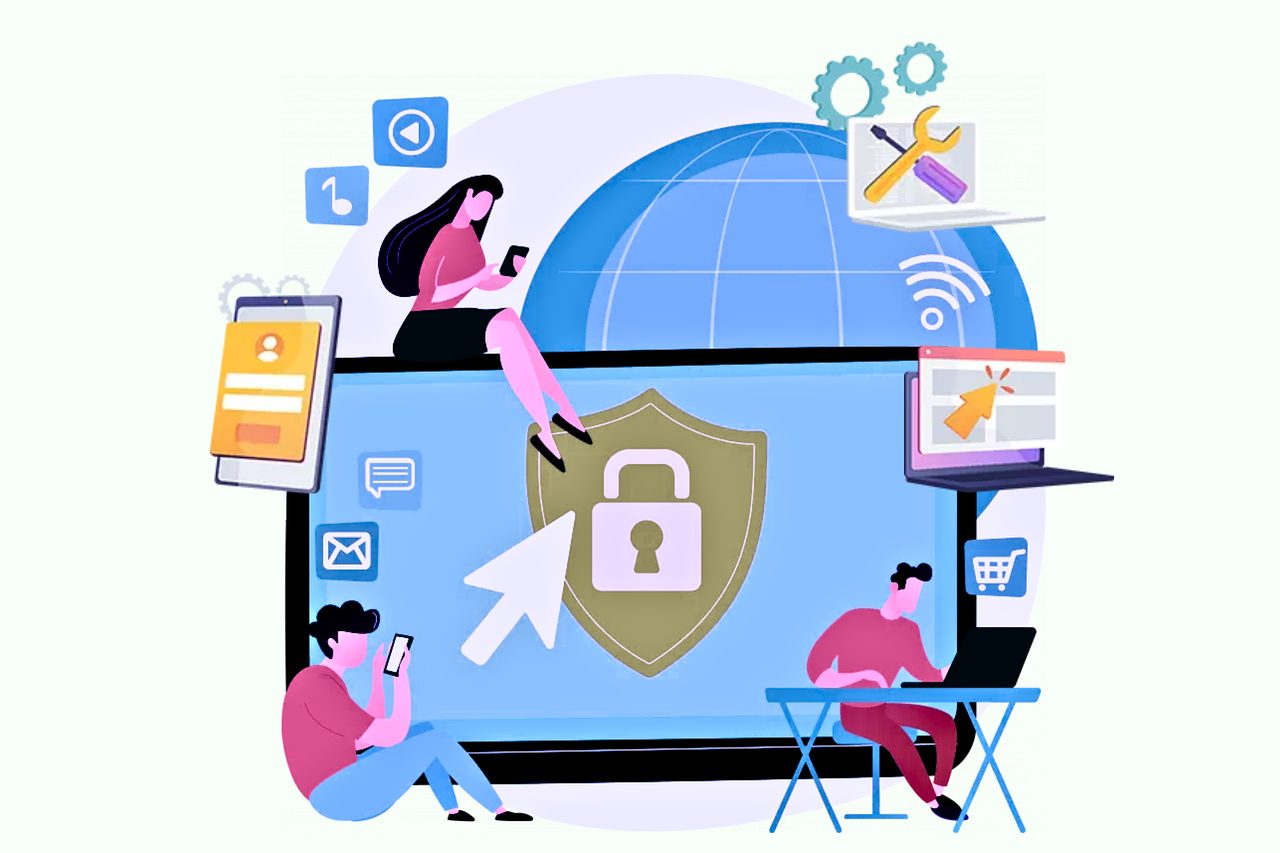
The biggest cost associated with “free” software is often paid in terms of information. Consumer-grade free applications typically generate revenue by collecting, analyzing, and selling user data to third-party companies. This is worth remembering when you use a free business name generator or your startup—while convenient, these tools may capture your search behavior and business interests, turning your initial brainstorming into valuable data insights for competitors or advertisers.
If you’re a company, this poses a serious risk to a business. Employees who use software for communicating or file sync service as well as browser extension, they might accidentally expose sensitive corporate data. Lists of clients, trade secrets financial projections, internal documents on strategy could comprise part of the data streaming that software uses.
Data usage typically is concealed in the conditions of agreements for services that only a few individuals read. This isn’t about money, it’s the risk of losing competitive advantages and loss of the confidentiality of clients. When a company is handling sensitive information, this danger alone can render some “free” tools untenable.
The Productivity Tax: Limitations and Walled Gardens
Free versions of software are intentionally restricted. They’re designed to offer the user a taste, but they are not the complete dinner. It creates a “productivity tax” that accumulates as time passes.
Take a look at a program management software that limits the number of projects you can manage to upload 5MB files. At first, it is effective. As your business expands and expands, the limitations turn into obstacles. You and your team are constantly documenting older projects in order to begin new ones, reducing documents to ensure they meet the limits of size or scouring for ways to work around them instead of doing their job.
The result is what’s known as “shadow IT, departments or users who use their own tools for free that are not backed by IT. Now, the company’s information is spread across several diverse platforms, none that communicate with each other. Time spent switching between contexts and looking for data will cost you your company’s payroll. It will not be covered by any free program.
Scalability and Integration Nightmares
If your business grows the software you use will be able to adapt with the changing times. The most important test for an application isn’t just how it functions on its own, however, how it interacts with other software. The free software that’s available, especially those from small-scale vendors, typically has weak APIs (Application Programming Interfaces) as well as native integrations with high-end tools for enterprise.
This blocks the ability to scale. If you have to link your customer support platform with your CRM or the accounting software you use with your inventory management system, free software that is not able to connect becomes an obstacle.
It is then a matter of two ways: either paying a designer to design a custom integration (which could be several thousand dollars) or committing to the time-consuming and costly migration of all of your information into a different, pricier instrument that is actually part of your existing ecosystem.
Security and Compliance: The Unseen Liability
In the current era of growing cybersecurity threats as well as stringent laws on data, such as GDPR or CCPA the security of your data is an absolute requirement. Tools that are available for free, specifically that are not intended for corporate use, could be lacking crucial security functions.
Many of the features that we consider to be standard in commercial software, like single sign-on (SSO) as well as advanced access control, complete encryption and comprehensive audit logs are usually only available to paid-tier customers. Additionally, in the event that the free software suffers a breach of data the liability they face to the customer who is not paying typically is very minimal. However, your business is still fully accountable towards its customers and regulatory authorities.
This is a cost for at risk mitigation. It is possible to put aside extra security measures, cybersecurity insurance rates could increase as well, and in the worst case situation, you could be hit with sanctions from regulators for exposure of data through the use of a “free” tool.
The Opportunity Cost of “Good Enough”
The most difficult cost to measure is the opportunity cost. Tools that are free tend to be “good enough.” They let you complete some tasks, but seldom help you master it.
An online graphic design software may allow you to design one for social media; however, a professional software with AI-powered templates as well as brand kits can allow you to create a post in less than half the time and produce twice as many conversions. An accounting spreadsheet that is free can record your expenses, but dedicated software could give real-time analytics on cash flow to help you recognize the onset of a shortfall prior to it turning into a crisis.
In settling for the limitations of software that is free You could be missing any efficiency benefits as well as strategic insight that could help your company grow.
The Vendor Lock-In Trap
Beginning with a tool that is free may seem like a low-risk option, however, over time the data you collect and your team’s workflows are firmly embedded into the tool. It can result in “vendor lock-in.” When the tool that is free is suddenly priced higher or changes the rules of operation or is acquired by an opponent, the switch becomes an enormous project.
The migration of data, the training of employees as well as the interruptions to everyday routines – these costs for switching could become so expensive that you’re pressured to agree with the changes the vendor makes available. The initial offer of a no-cost option can turn into a highly costly complete monopoly.
The Hidden Cost of Choosing the Wrong Tool
This is where the value of platforms like TechnologyCounter becomes clear. The most expensive software isn’t the one with the highest price tag, it’s the one that doesn’t fit your needs. Wasting time on implementation and training only to discover a missing feature is a cost few startups can afford.
When launching a venture, founders might use online tools for brainstorming business names. While useful for sparking creativity, relying on them alone is like testing free software without checking if it scales.
You might generate a great name, but you’ll still need paid tools to check trademarks, secure the domain, and build your brand. The key is knowing where the free tool ends and the paid solution begins.
Similarly, entrepreneurs use free tools to generate startup name ideas. This helps define their brand’s direction. However, the real cost appears when you let free tools dictate your entire strategy. A free name generator won’t handle your trademark search, just as it won’t manage your enterprise sales pipeline.
Making the Informed Choice
All of this does not mean to suggest that free software is not a good idea in the businesses. In fact, it is a must. Solopreneurs who are looking for particular tasks or if you want to try an idea prior to making a decision, these tools are a great resource. It’s all about being intentional.
Before using any free software Before you adopting any free tool, consider:
- What information am I entering into this? And who has the right to it?
- What happens if I exceed the limit on usage?
- Does this tool connect with my other tools?
- What’s my exit plan in case I have to change?
- How much time of employees is wasted working within its limits?
Conclusion
TechnologyCounter is a company that believes in value. TechnologyCounter advocate taking a look at software with the eyes of value not just cost. The cost of a paid program that can save your employees ten hours a month, safeguards your client data and grows seamlessly as you grow is infinitely more affordable than an open source program that is costly the same amount in risk, productivity and opportunities.
The real cost of the free software is the form of a currency that will guarantee your performance as well as security. If you are aware of the hidden costs involved it is possible to make a “free” choice that is fully informed and also an “paid” choice that is actually an investment.
Before you decide on the next solution for your software take a look at the comparatives and reviews available on TechnologyCounter. Make sure the software you select will work for you today and will grow with your business in the future. You in the future and your bottom line will thank you.
INTERESTING POSTS
- Top 6 Benefits Of Using Productivity Software Tools In Your Business
- Incogni Unlimited Plan: A Game-Changer in Data Removal Services
- Best Free Antivirus Software: Comprehensive Analysis and Recommendations
- VPN for PC: A Complete Guide to Security, Privacy, and Performance
- 11 Thrifty Reasons Why Mobile Automation Testing Is Needed
- Best Cloud Storage Services According To Reddit Users
- 10+ Best True People Search Alternatives in 2026
About the Author:

Chandra Palan is an Indian-born content writer, currently based in Australia with her husband and two kids. She is a passionate writer and has been writing for the past decade, covering topics ranging from technology, cybersecurity, data privacy and more. She currently works as a content writer for SecureBlitz.com, covering the latest cyber threats and trends. With her in-depth knowledge of the industry, she strives to deliver accurate and helpful advice to her readers.


