


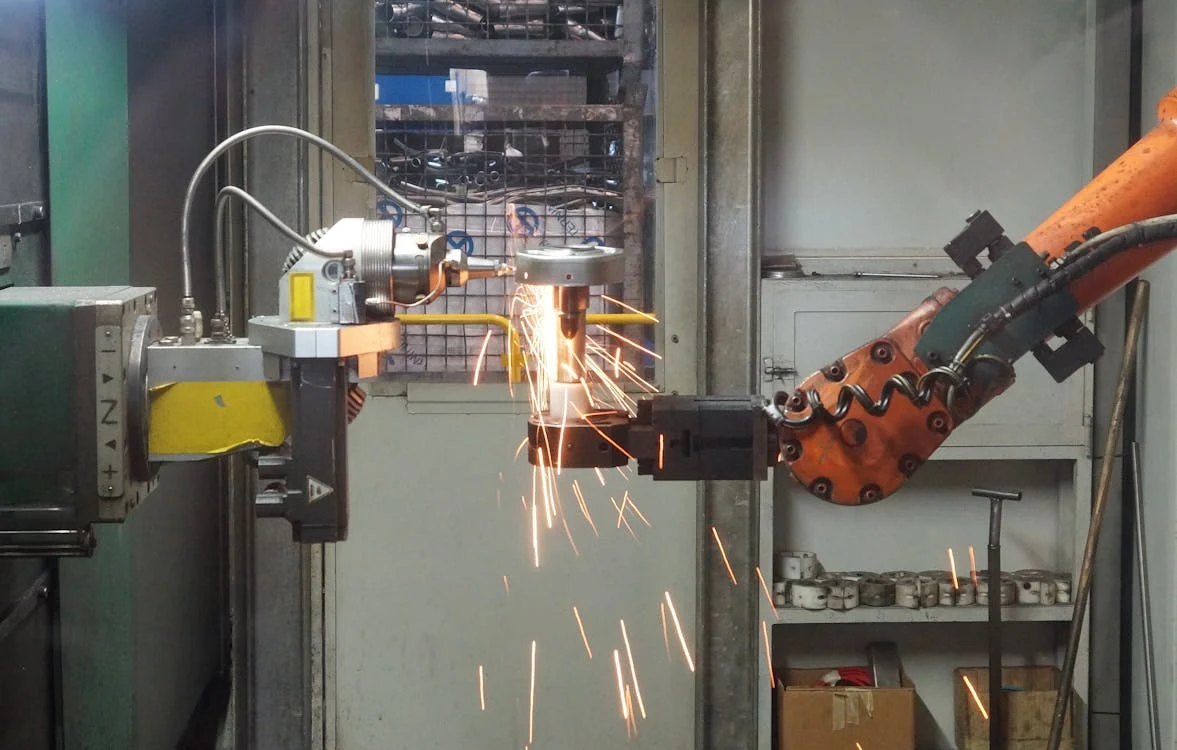

In this post, I will talk about how Retrofitting is redefining scalability in modern automation systems.
Everyone loves to talk about greenfield automation projects. Fresh floors, clean data, and shiny demo videos characterize greenfield automation projects.
Reality looks different. Most operations run on aging machinery that still powers the business and refuses to retire. That tension between legacy assets and new demands forces a different kind of thinking. Instead of ripping and replacing, smart operations adapt what already exists.
Retrofitting steps into that gap and turns sunk cost into a platform for growth, speed, and flexible scaling across changing market requirements. The shift quietly transforms how leaders think about automation itself in practice.
Table of Contents
From Fixed Assets to Flexible Platforms
Modern operations once involved installing machinery that was then locked in place and forgotten, much like statues for a decade. When demand rises, labor shrinks, and product lines change twice a year, that mindset cracks. Retrofitting warehouse robots into conveyor networks, lifts, and storage systems performs better.
Old hardware anchors new capacity rather than draining funds. Software layers, edge controllers, and sensors form a modular backbone. Scalability depends on floor space and the speed of module addition and reconfiguration as conditions change daily.
Scaling in Increments, Not in Megaprojects
Traditional automation scaled like construction. Plan for years, spend a fortune, and pray the prognosis holds. Markets are too rapid for such a bet. Retrofitting allows progressive scaling: visualize one line, add autonomous carts to another, and digitize manual checks on a third.
Each phase creates data and savings for the next upgrade. Not up, risk spreads. Leadership gets levers, and scaling becomes a habit that compounds results quarter after quarter, year after year.
Software Glue and Data as the Real Upgrade

Software is usually retrofitting’s strongest component. It arises from software that links equipment islands. Middleware, APIs, and lightweight orchestration tools integrate lifts, robots, and legacy PLCs.
Data then circulates throughout the operation instead of being confined to specific panels. This data shows bottlenecks, idle time, and failure patterns in painful detail. Scalability is no longer guessed. Real numbers, behavior, and real-time insight into every asset and operation on-site underpin capacity models.
Risk, Downtime, and the Politics of Change
Retrofitting changes organizational politics and solves technical issues. Managers, maintenance, and finance fear a complete plant overhaul. Continuous and focused retrofits lower risks. Equipment stays online, personnel learn gradually, and budgets don’t explode overnight.
Quick victories on live lines, rather than slide decks, reduce resistance. The cycle is to test, deploy, stabilize and repeat. That rhythm builds trust and confidence, quietly powering sustained, scalable automation initiatives that can withstand leadership changes and market shocks.
Conclusion
The old question asked whether to automate or not. That question looks outdated now. The real decision sits between static automation that ages badly and adaptive systems that evolve without stopping the line. Retrofitting leans hard in the second direction. It extends asset life, unlocks data, and supports scaling in controlled, affordable steps.
Firms that master this approach gain a structural advantage: they change fast without tearing everything out. In a volatile market, that kind of pragmatic flexibility stops being optional and becomes a core strategy, a board priority, and a daily operating discipline.
INTERESTING POSTS
- From Borders to Breakthroughs: Scaling Smarter with Localization
- Increase The Storage Capacity Of Your Mac With These Tested Tips
- What Does the Agile Transformation Journey Involve
- Exploring Cloud Solutions for Health IT: A Guide to HIPAA-Compliant Options
- Why Digital Marketing Is Crucial for Startup Success
- How To Migrate From Windows 7 To Windows 10
About the Author:

Meet Angela Daniel, an esteemed cybersecurity expert and the Associate Editor at SecureBlitz. With a profound understanding of the digital security landscape, Angela is dedicated to sharing her wealth of knowledge with readers. Her insightful articles delve into the intricacies of cybersecurity, offering a beacon of understanding in the ever-evolving realm of online safety.
Angela's expertise is grounded in a passion for staying at the forefront of emerging threats and protective measures. Her commitment to empowering individuals and organizations with the tools and insights to safeguard their digital presence is unwavering.


