


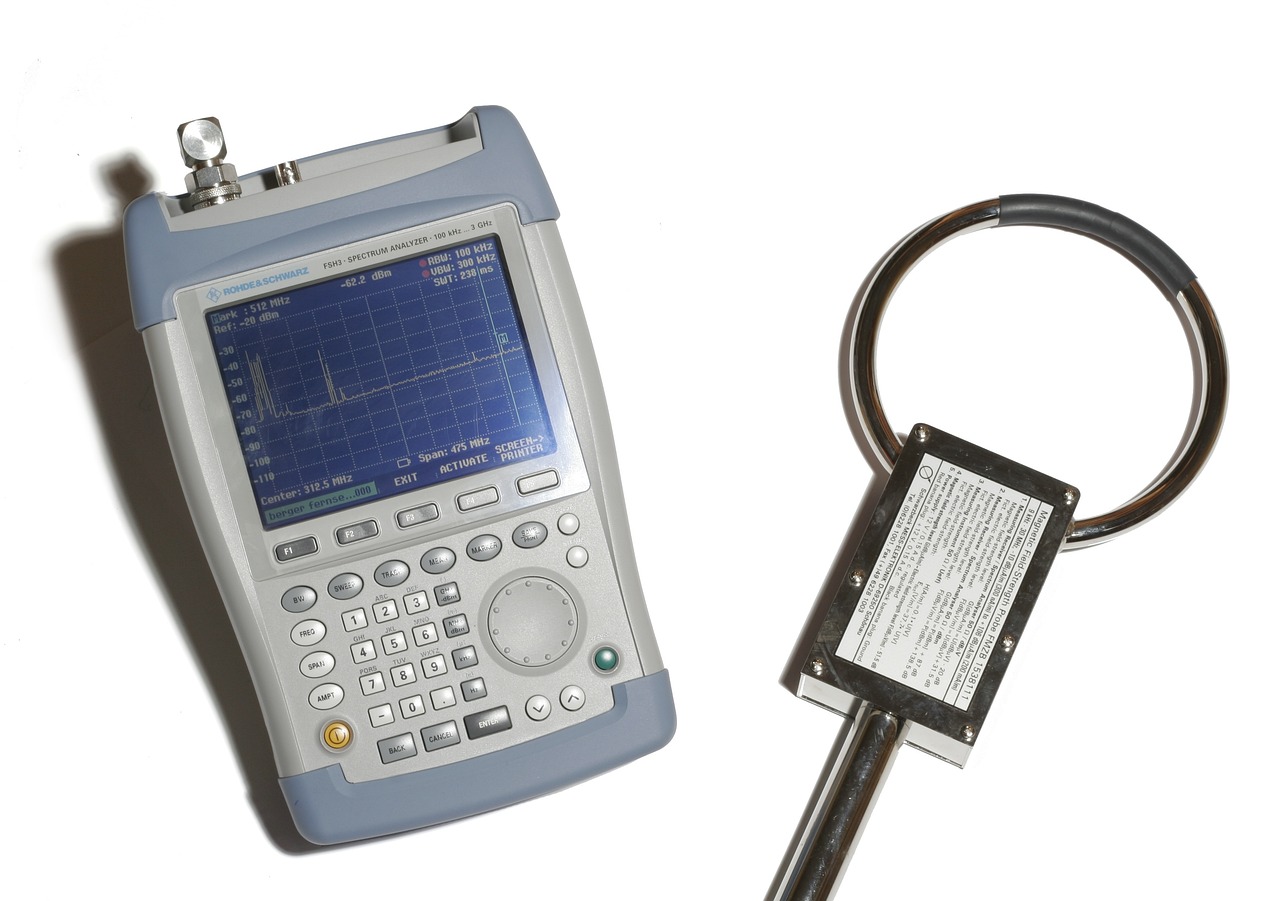

In this post, I will talk about decoding spectrum analyzers. Also, I will show you the essential tools for modern electronic measurement.
In the ever-evolving world of electronic testing and engineering, spectrum analyzers stand out as vital instruments for examining signal frequencies. For those new to the field, the question “what is spectrum analyzer?” often arises when exploring how engineers visualize and measure signal behaviour across different frequencies.
Understanding what a spectrum analyzer is and why it is indispensable requires delving into its functionality, types, applications, and technical considerations. From telecommunications to research laboratories, these devices offer unparalleled insight into the behaviour of signals, making them a cornerstone of modern engineering practice.
Table of Contents
The Core Functionality of Spectrum Analyzers
A spectrum analyzer is primarily designed to measure and display the frequency spectrum of a signal. Unlike an oscilloscope that represents signal changes over time, a spectrum analyzer translates the signal into the frequency domain. This allows engineers to observe the amplitude of signal components across a wide frequency range.
By providing this spectral view, users can detect distortions, identify interference, analyze harmonic content, and ensure that systems operate efficiently within their designated parameters. The ability to scrutinize frequency components is especially critical in environments where signal quality and compliance with regulatory standards are paramount.
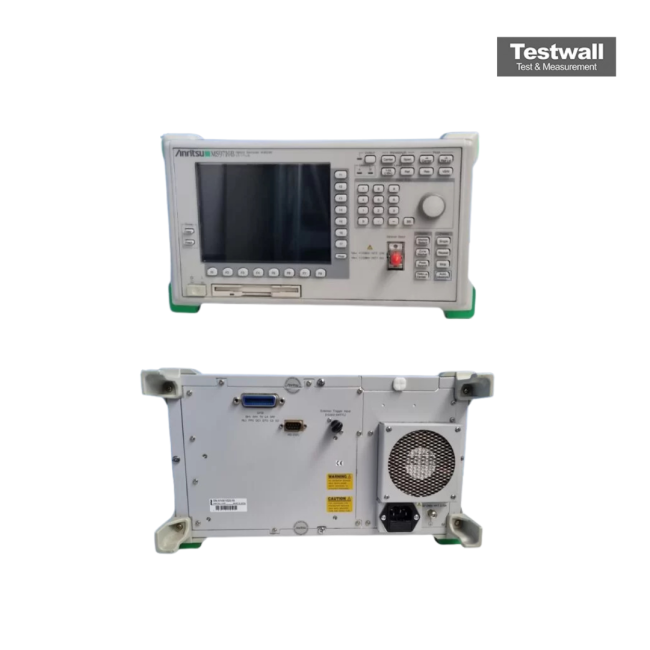
Understanding Different Types of Spectrum Analyzers
Spectrum analyzers can be broadly classified into analog and digital categories, each with unique advantages. Analog spectrum analyzers, which utilize superheterodyne detection, convert an input signal into a variable intermediate frequency that is displayed on a cathode ray tube (CRT). While accurate, these devices have gradually become less common due to the rise of more versatile digital solutions.
Digital spectrum analyzers, often incorporating Fast Fourier Transform (FFT) technology, leverage digital signal processing to analyze signals efficiently. These instruments provide real-time measurements, enhanced accuracy, and a wider range of data outputs.
The FFT approach allows engineers to rapidly assess spectral information, making digital analyzers ideal for applications requiring speed, precision, and advanced analysis capabilities. The choice between analog and digital instruments depends on specific project needs, desired measurement accuracy, and workflow considerations.
Applications Across Industries
Spectrum analyzers have diverse applications across multiple engineering domains. In telecommunications, they are critical for evaluating frequency bands, regulating signal power, and ensuring compliance with international frequency emission standards. They enable engineers to pinpoint sources of interference, optimize signal quality, and maintain stable communication channels.
Broadcasting is another sector that relies heavily on spectrum analyzers. Engineers use these devices to monitor station performance, identify noise or unwanted signals, and verify transmission quality. In research and development, spectrum analyzers are invaluable during the prototyping and testing phases of wireless devices.
By providing detailed insights into signal behaviour, they help prevent issues before products reach the market. Additionally, spectrum analyzers find applications in defence, radar systems, and scientific instrumentation, further highlighting their versatility.
Critical Features to Evaluate
When selecting a spectrum analyzer, engineers must carefully consider several technical specifications to ensure the instrument meets project requirements. Frequency range and resolution bandwidth are key factors, determining the scope of signals that can be measured and the device’s ability to distinguish closely spaced signals.
Amplitude range is equally important, allowing precise measurement of both weak and strong signals without distortion. Sweep time impacts how quickly measurements can be obtained, and some instruments also provide time domain analysis to offer a more comprehensive view of signal behaviour.
Interface and Software Enhancements
Modern spectrum analyzers are increasingly integrated with advanced software and user-friendly interfaces. Traditional CRT displays have been replaced by high-resolution LCD screens and touch-sensitive controls, enabling easier navigation and data interpretation.
Software capabilities often include automated measurement functions, signal demodulation, and data logging, which enhance the analyzer’s functionality. Connectivity options such as USB, Ethernet, and GPIB allow seamless integration with other instruments and remote operation, supporting flexible laboratory and field workflows. These technological enhancements improve efficiency and broaden the practical applications of spectrum analyzers in professional settings.
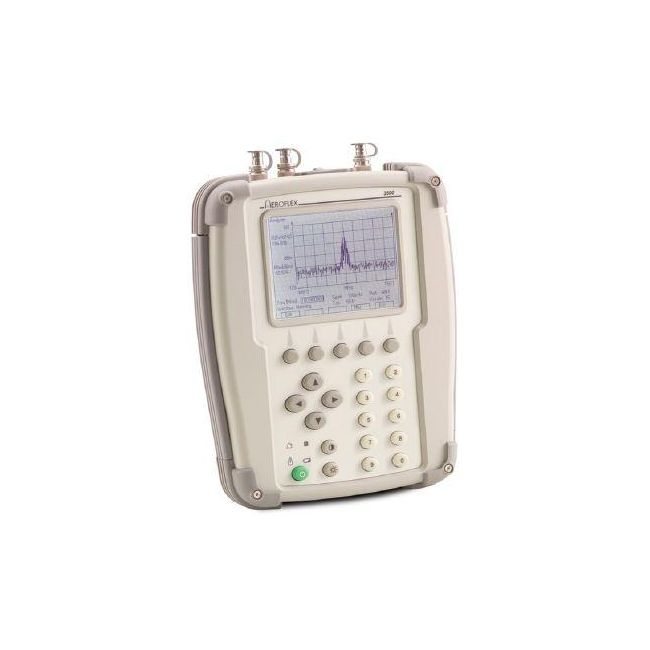
Challenges in Spectrum Analysis
Despite their capabilities, spectrum analyzers present certain challenges that users must navigate. Environmental noise can compromise measurement accuracy, necessitating careful instrument placement, shielding, and calibration. Calibration itself is a critical aspect of maintaining reliable performance.
Regular checks against certified standards are required to account for potential component drift over time, ensuring that readings remain precise. Understanding these operational considerations is vital for engineers seeking to obtain reliable and actionable data from their measurements.
Investing in Knowledge and Resources
Beyond hardware, mastering the use of spectrum analyzers requires expertise. Training, user manuals, and engagement with professional communities help users maximize the potential of these instruments.
Forums and peer networks offer valuable advice on troubleshooting, maintenance, and optimizing configurations, enabling users to make the most of their analyzers in varied applications. Access to digital resources and tutorials further supports skill development and fosters confidence in applying spectrum analysis techniques effectively.
Conclusion: Spectrum Analyzers as Cornerstones of Modern Engineering
Exploring the question “What is a spectrum analyzer?” reveals its essential role in modern electronic measurement. By transforming signals into the frequency domain, these instruments provide engineers with unparalleled insight into system performance and signal behaviour. From telecommunications and broadcasting to research, prototyping, and defence applications, spectrum analyzers are indispensable tools.
Each type of analyzer, whether analog or digital, offers specific advantages suited to particular applications. Understanding technical specifications, including frequency range, resolution, amplitude handling, and software capabilities, is essential for optimizing performance. Coupled with proper calibration, maintenance, and user training, spectrum analyzers deliver accurate, actionable data that supports innovation and efficiency.
For professionals working with frequencies, mastering the use of a spectrum analyzer is not merely a technical requirement—it is a gateway to precise measurement, enhanced signal integrity, and successful project outcomes. As electronic systems continue to grow in complexity, the relevance and impact of these instruments in engineering and research environments remain indisputable, solidifying their status as a cornerstone of modern technology.
INTERESTING POSTS
- Acheron Instruments: Leading the Future of Surgical Instrument Manufacturing in Pakistan
- Text Marketing for Small Businesses: How to Get Started
- Do Signal Boosters Make Your Cellular Data More Safe?
- How Link Building Agencies Evaluate Donor Sites and Determine the Value of Links
- Why Credit Scoring Matters in Non‑Banking Ecosystems
- Securing B2B Payment Systems: Protecting Electronic Transactions from Cyber Threats
About the Author:

Meet Angela Daniel, an esteemed cybersecurity expert and the Associate Editor at SecureBlitz. With a profound understanding of the digital security landscape, Angela is dedicated to sharing her wealth of knowledge with readers. Her insightful articles delve into the intricacies of cybersecurity, offering a beacon of understanding in the ever-evolving realm of online safety.
Angela's expertise is grounded in a passion for staying at the forefront of emerging threats and protective measures. Her commitment to empowering individuals and organizations with the tools and insights to safeguard their digital presence is unwavering.


