




In this post, I will show you why credit scoring matters in non‑banking ecosystems.
Credit evaluation plays a key role in access to financial options inside non‑bank systems where no formal credit record exists. Many users seek a fair assessment before credit access is possible. Data patterns reveal behaviour that helps assess financial reliability and readiness for service use.
Credit scoring model offers structured values that represent risk and debt prospects for each applicant across non‑bank ecosystems with limited data history. It produces numeric scores that help teams choose which offers they present on digital interfaces. Clear metrics help reduce guesswork and support consistent service decisions over time.
Table of Contents
Purpose Of Scores
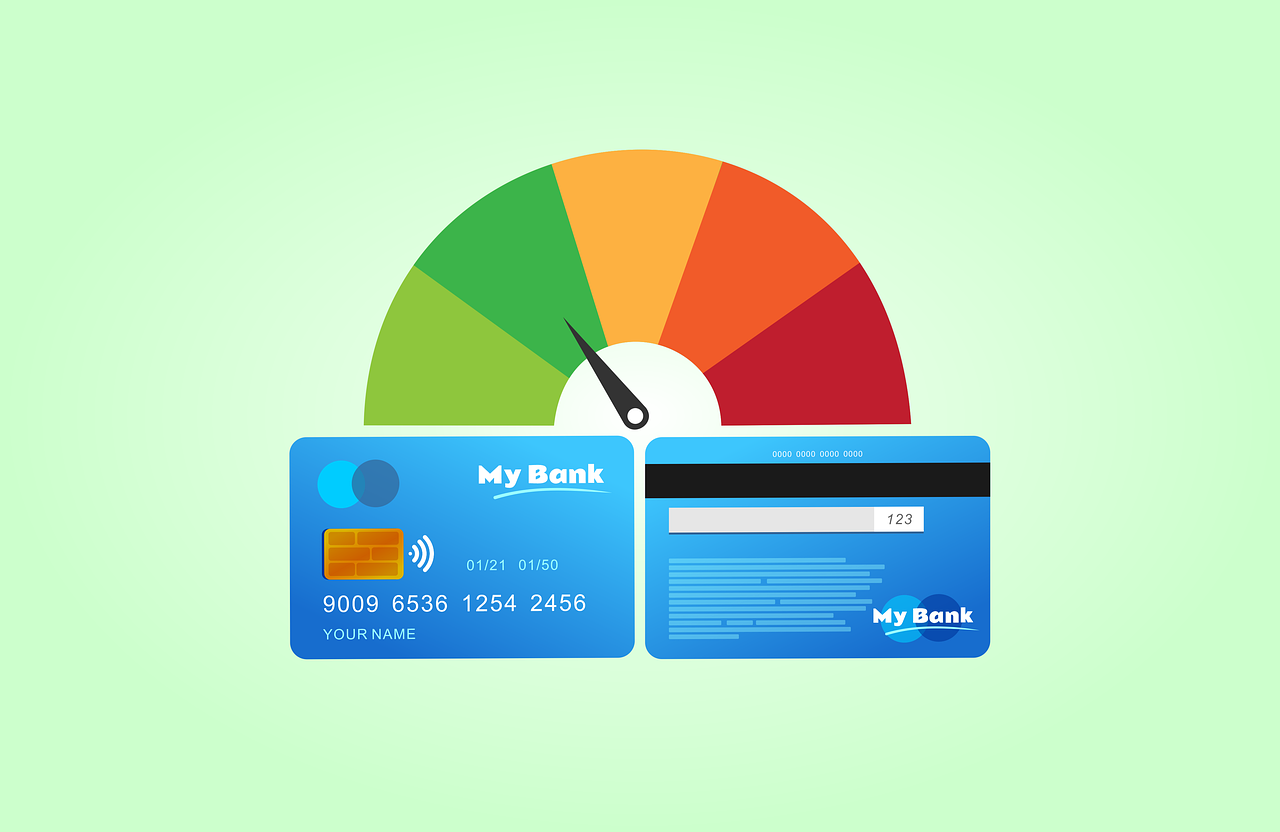
Non‑bank platforms require ways to assess applicant reliability with no traditional history available to decision systems. Score values let evaluators view patterns from diverse data inputs when formal accounts are absent. Users receive clearer signals of how providers might regard their requests for credit access and related services.
Metrics from score outputs offer a unified reference that supports review teams as they weigh applications. Teams examine core fields tied to repayment prospects and risk measures when they select terms or next steps. Structured output gives both sides clearer paths for service choices and outcomes.
Role Of Data
Data from devices and user actions provides signals that reflect real financial habits beyond formal accounts. Patterns from payment histories, saved preferences, and routine interactions can show users’ priorities and regular behaviour. Collecting such points lets systems assign values that represent consistent repayment conduct.
Accuracy in data use matters when providers set terms or assess risk levels. Relevant fields include transaction records, logged responses, and frequency of key behaviours. Clear insights permit a fair review of the capability to meet commitments without guesswork or unclear expectations about user conduct.
Risk And Fraud

Systems that rely on structured scores can catch patterns that signal risk early in review flows. Simple checks help highlight behaviour that requires closer inspection before credit is granted. Providers adjust assessment logic when they detect anomalies across multiple data points that show inconsistent signs.
Fraud flags come from unusual combinations of fields that differ from typical patterns seen across many users. Review teams mark suspect cases for deeper review when they spot mismatches in core ratios or timing factors. Effective risk handling protects assets and strengthens confidence for everyone involved.
Benefits For Users
User access to services improves when reliable assessment replaces guesswork and manual checks. Applicants with clear signals from data inputs get faster responses about their requests for credit access and product choices. Many users value transparent processes that explain how decisions arise from available information.
Key benefits include these features that many applicants appreciate:
- Faster response times from quick review steps
- Precise score values that reflect real behaviour data
- Clear paths to understand review outcomes for future decisions

Why Serious Lenders Are Adopting Alternative Data Tools
Scoring tools built on behavioural and device metadata are becoming essential for digital lenders. They provide consistent, privacy-consented insights that go beyond financial history, helping identify reliable borrowers and uncover early fraud indicators.
Platforms offering these capabilities are designed to improve approval accuracy and reduce default rates. With easy integration and measurable performance uplift, they’re now a key part of modern risk strategies. Lenders aiming to scale efficiently should explore how this technology reshapes credit decisions.
Credit scoring model supports access to finance and a clear review of service use where no formal history exists. Every user and provider gains from dependable data values that help teams see how credit requests align with measurable patterns and shared behaviour traits to build clarity.
INTERESTING POSTS
- The Convergence of AI, Automation, and Risk Management
- How To Build a Strong Credit Score: Your Guide to Financial Success
- The Role of Artificial Intelligence in Cybersecurity
- Conversation with Prassanna Rao Rajgopal: Shaping AI-Driven Cybersecurity and the Future of Digital Defense
- 4 Things You Can Expect to See in the Future of Marketing
- Online Loan Vs In-Person Loan: What’s The Most Secure?
- $255 Payday Loans Online – What Is The Easiest Option To Get?
About the Author:

Chandra Palan is an Indian-born content writer, currently based in Australia with her husband and two kids. She is a passionate writer and has been writing for the past decade, covering topics ranging from technology, cybersecurity, data privacy and more. She currently works as a content writer for SecureBlitz.com, covering the latest cyber threats and trends. With her in-depth knowledge of the industry, she strives to deliver accurate and helpful advice to her readers.


