




In this post, I will talk about AIEnhancer as an AI Photo Enhancer for better image quality.
Many creative and content teams today work under a mix of high expectations and fast deadlines. Projects rarely leave room for long editing cycles, yet images still need to look polished enough to represent a brand with confidence.
AIEnhancer fits into this space with AI-driven tools that refine and improve photos without adding unnecessary complexity. It comes across as something built for people who want dependable results without slowing down their process.
Table of Contents
The Expanding Role of Image Enhancement in Content Production
When clarity becomes a silent part of brand communication
It’s easy to overlook how much a photo’s sharpness or color accuracy shapes the way audiences interpret a brand. Even a slightly soft or uneven image can weaken the message long before someone reads the accompanying text. As I tested tools that could produce a more consistent quality level across different materials, I reached the point where the main keyword needs its required link, so here it is: AI Photo Enhancer.
What struck me was how carefully it strengthens details. The improvements feel natural, almost measured, rather than exaggerated. Teams working with a mix of event photos, quick snapshots, or older archives end up with results that blend together more coherently. That cohesion often makes more difference than people expect.

Bringing older or imperfect photos back into use
Older materials—company milestones, past campaigns, documentary photos—often matter, even if their quality doesn’t match today’s standards. AIEnhancer helps restore these visuals so they can be reused without distracting flaws.
In some projects I’ve seen, restored images suddenly became viable for presentations or anniversary content. They don’t become perfect, of course, but they become usable. That alone saves someone from repairing every tiny flaw by hand, which is rarely a good use of team time.
Tools That Reduce Friction in Day-to-Day Production
Cleaning distracting elements to support smoother design
Designers often waste time on tasks that aren’t really design, such as removing watermarks or patching small distractions. These steps consistently slow down production. With AIEnhancer, most of that clutter disappears quickly, making the process feel less burdensome.
The results blend in naturally enough that designers don’t need to redo them, which helps keep momentum steady—even when deadlines shift or new priorities appear unexpectedly.
Compression as a practical step in asset management
File size controls how easily images move through approval systems, content platforms, and shared folders. Too large, and they become a blockage. AIEnhancer’s compression tool keeps files within workable limits while maintaining a professional level of clarity.
Since compression inevitably brings up size adjustments, this is the right place to mention the built-in mb to kb converter. It handles straightforward conversions when a platform or system demands very specific size thresholds. This becomes surprisingly helpful as teams grow and assets multiply.
Over time, compression stops feeling like a minor technical step and starts acting as a predictable part of maintaining the workflow.
Supporting videos and logo assets alongside photos
Projects aren’t made of photos alone. Teams also handle logos, simple video clips, and other branded assets. AIEnhancer processes these formats with a consistency that matches its image editing features. I recall a branding update where multiple logo files needed watermark removal; the cleaned versions fit into the design system immediately without requiring extra vector work.
Short videos also benefit from the tool’s automatic clarity adjustments, reducing the amount of manual tuning usually needed. Many lightweight editors struggle here, but this tool manages to keep results balanced.
READ ALSO: AIEnhancer as a Strategic Watermark Remover for Modern Image Workflows
Evaluating Long-Term Value from a Manager’s Perspective
A learning curve that fits comfortably into existing habits
Even a powerful tool can be neglected if it’s hard to learn. AIEnhancer feels intentionally simple, allowing new team members to pick it up quickly. This ease encourages teams to apply enhancements early in the process instead of stressing over cleanup at the final moment.
The result is more consistent output across campaigns. Once people notice that the tool quietly prevents many common quality issues, it becomes part of their routine.
Observations that emerge after repeated use
The more regularly a team uses AIEnhancer, the clearer its enhancement philosophy becomes. Through the AI Photo Enhancer engine, improvements tend to remain subtle and realistic. Skin texture stays natural, lighting feels thoughtfully adjusted, and color balances settle into a stable range.
Over a large set of assets, these adjustments create a noticeably more unified appearance. Designers worry less about mismatched quality across images because AI Photo Enhancer provides a reliable baseline. Content managers appreciate having fewer files flagged for rework. Even the back-and-forth between departments shrinks, since fewer requests come in for retakes or higher-resolution originals.
It’s surprising how often AI Photo Enhancer ends up referenced in different stages of production—from early planning to preparing materials for final publishing.
Understanding boundaries while recognizing strengths
No tool can rescue an image that is deeply damaged or extremely compressed. AIEnhancer works best with mid-quality assets where the structure is still intact, and AI Photo Enhancer is particularly consistent in this range.
In real team environments, these are exactly the kinds of images people deal with most often. The predictability of the results makes it a tool managers can recommend confidently without worrying about added complexity or training overhead.
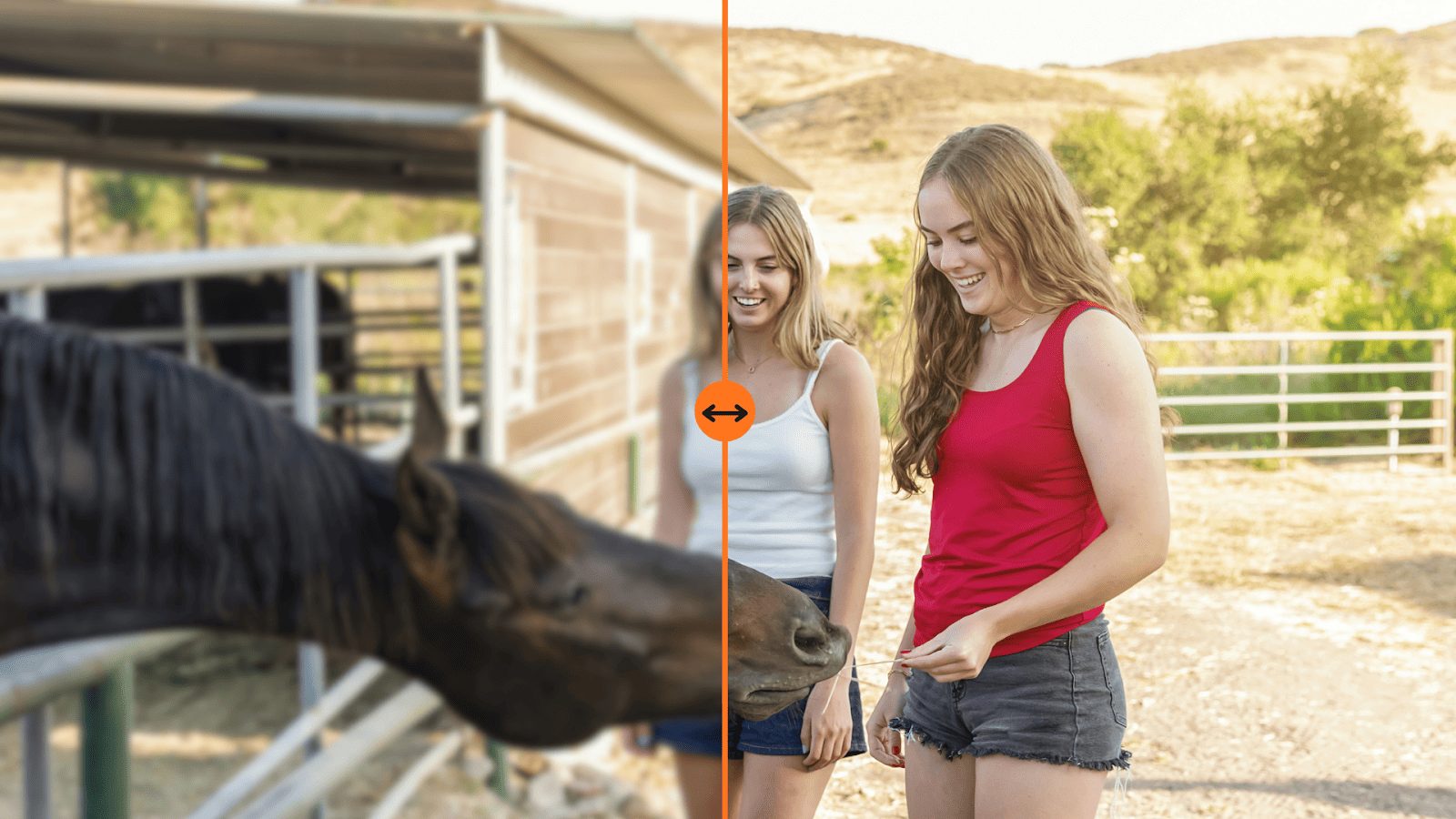
Treating Image Quality as a Strategic Foundation
Keeping brand visuals consistent across channels
A brand’s identity weakens when image quality varies wildly from one asset to another. Consistency, more than perfection, is what holds the visual system together. AIEnhancer helps establish that consistency by ensuring raw materials start at a higher baseline.
AI Photo Enhancer usually acts as the first step in this preparation, stabilizing clarity and tone before designers build final layouts. This approach naturally leads to campaigns that feel more cohesive across websites, social platforms, presentations, and printed materials.
How this type of tool may grow within content ecosystems
AI-enhanced editing is gradually evolving into something more integrated and context-aware. AIEnhancer already covers the core needs of most teams, and its enhancement engine suggests room for even more adaptive automation in the future.
Even though relying on a single tool too heavily is rarely ideal, AI Photo Enhancer has become a quiet but dependable part of many workflows. Its steady improvements reduce manual effort in places where teams rarely want to spend time. Over the long term, this shapes a smoother, more scalable production pipeline.
INTERESTING POSTS
About the Author:

Fiorella Salazar is a cybersecurity expert, digital privacy advocate, and VPN evangelist based in Canada. She holds an M.Sc. in Cybersecurity from a Canadian university. She is an avid researcher and frequent contributor to several cybersecurity journals and magazines. Her mission is to raise awareness about the importance of digital privacy and the benefits of using a VPN. She is the go-to source for reliable, up-to-date information on VPNs and digital privacy.


