



In this post, I will discuss why longer passwords are better and other online banking security tips.
According to the 2025 Global Digital Report, the Philippines now ranks first globally in the regular use of online financial services, with the vast majority of internet users actively managing money through digital platforms each month.
That level of adoption reflects how deeply online banking, investing, and payments have become part of daily life. Whether you rely on a traditional institution or a BSP digital bank like Maya Bank, chances are you access your finances through a mobile app or website more often than you visit a physical branch.
This widespread digital engagement brings speed and convenience, but it also increases exposure to cyber risks. As more financial activity moves online, your everyday security decisions matter more than ever. Let’s explore some of the most practical ways you can safeguard your finances in a highly connected environment.
Table of Contents
1) Make Passwords Longer for Stronger Protection
Imagine two doors: one with a flimsy lock, the other with a complex, reinforced system. Which one would you trust to protect your valuables? Passwords work the same way. Short, simple ones are easy targets for attackers using automated tools, while longer, more complex passwords dramatically raise the barrier to entry.
For example, a six-character password might fall in minutes, but a twelve-character password could take years to crack even with current technology, making length your ally. However, adding length doesn’t mean memorizing nonsense strings that are almost impossible to recall. You can use passphrases, like “BlueSkyRunsFast!2026”, which are made of unrelated words, combined with numbers or symbols, to keep them secure yet memorable.
Think of your password as the first line of defense. The stronger and longer it is, the less chance intruders have of breaking through. A well-crafted password becomes your silent guardian, standing firm against digital threats.
2) Add Two-Factor Authentication for Extra Safety
Strong passwords go a long way, but they’re not foolproof. What if someone manages to obtain yours? Without additional safeguards, they’re inside your account. That’s where two-factor authentication (2FA) adds a crucial layer. By requiring a second action, such as a code sent to your phone or generated by an app, you make unauthorized access far less likely. Even if your password is compromised, the intruder still needs that extra piece of information.
Many banks now offer biometric options like fingerprint or facial recognition, adding convenience without reducing security. While it may feel like an extra step, 2FA remains one of the most effective ways to protect your finances. It’s a small effort that pays off in peace of mind, ensuring that your account isn’t left vulnerable to a single point of failure.
3) Spot Phishing Attempts Before They Trap You
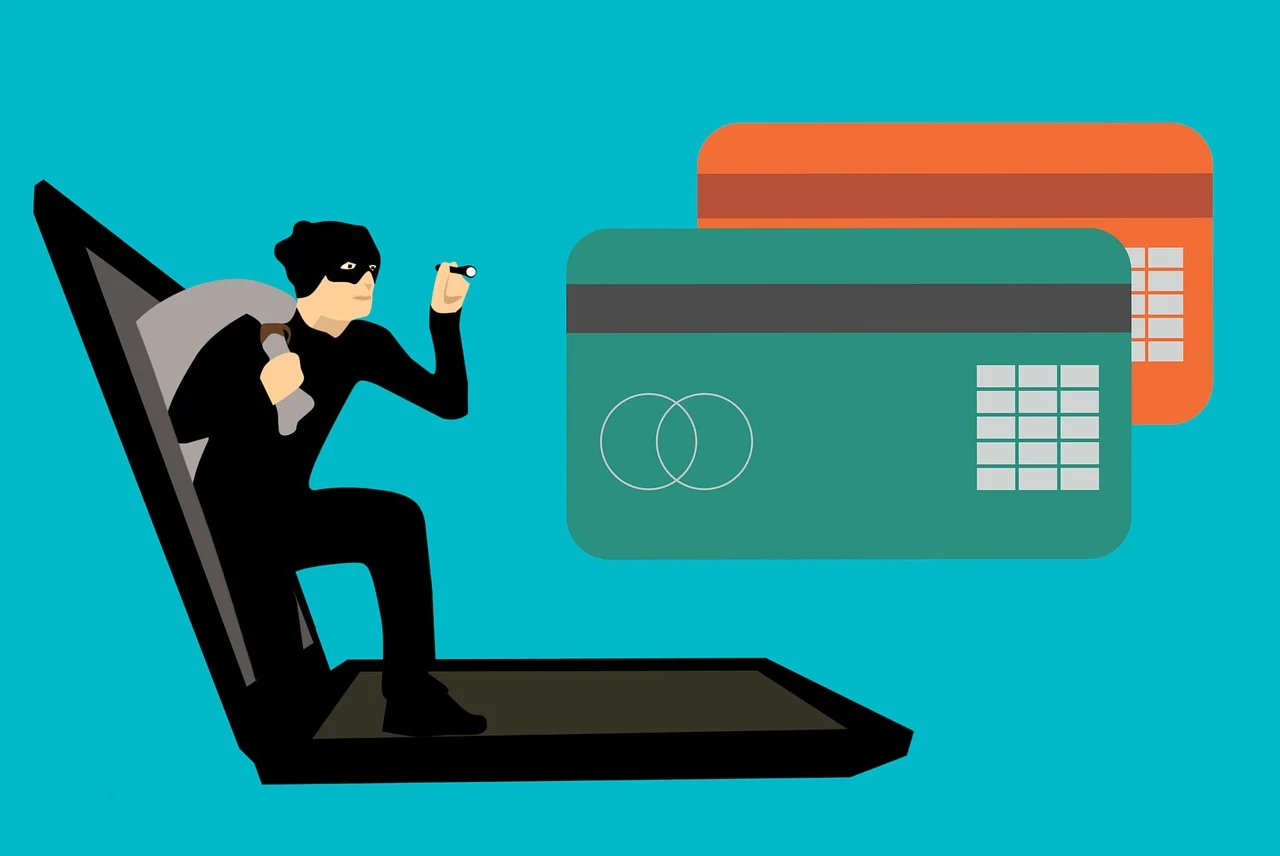
Not every threat comes from breaking into your password. Sometimes, cybercriminals try to trick you into handing over information yourself. This tactic, called phishing, uses fake emails or messages that mimic legitimate bank communications, complete with logos and urgent language, to pressure you into acting quickly.
The best defense is to slow down and scrutinize. Check the sender’s address, hover over links before clicking, and never share personal details through email. Banks rarely request confidential information this way, so treat such messages with caution. If something feels off, reach out to your bank directly through official channels.
Phishing thrives on haste and fear. Resist the urge to respond immediately, and you’ll block scammers from turning your trust into their opportunity.
4) Keep Your Devices Secure and Updated
Beyond spotting scams, protecting the device you use for banking is essential, as it serves as your gateway to financial control. When it’s compromised, your accounts are likely at risk. To patch vulnerabilities that hackers exploit, install regular software updates promptly. Pairing those updates with reputable antivirus software gives you stronger, ongoing protection.
Public Wi-Fi, while convenient, is risky for banking transactions because it can expose your data to interception. Instead, use secure networks or a virtual private network (VPN) when accessing sensitive accounts. Remember, your device is not only a tool but also an integral part of your security system. Treat it with care, and it will safeguard your digital life in return.
5) Monitor Account Activity to Catch Issues Early
A small, unfamiliar charge on your account may not seem alarming at first, yet it can be the earliest sign of fraud. Cybercriminals often test accounts with minor transactions before attempting larger thefts, which makes regular reviews of your account activity essential. To make tracking hassle-free, most banking apps now provide real-time alerts, giving you immediate visibility into how your account is being used. Setting up notifications for withdrawals, transfers, or unusual activity keeps you informed and allows you to respond quickly when something looks wrong.
That vigilance makes a real difference, as early detection limits potential losses and makes dispute resolution far simpler. With consistent monitoring, you’ll be able to maintain control over your finances and strengthen your overall security.
In the end, strong digital security is built through deliberate daily habits. Longer passwords, careful connection choices, and consistent monitoring all work together to protect your financial access. Now that online banking just continues to evolve, your vigilance remains a critical line of defense. Make security a routine part of how you manage money, and you’ll reduce risks before they have a chance to disrupt your financial stability. Start with one change today to build momentum toward lasting security.
INTERESTING POSTS
- Benefits Of Core Banking Solutions
- What Do You Need to Do Before Ordering Banking and Financial Software Development?
- Cyber Security Risks And Solutions In 2025
- Managing Resources for Business Growth: How to Optimize Your Finances and Personnel
- Streamlining Your Finances by Leveraging External Experts
- The Betting Scams That Have Nothing To Do With The Casino Itself
- How Agents Build Stronger Pipelines Through Direct Outreach
- Top Benefits of Cybersecurity Services for Strengthening Business Network Security
About the Author:

Meet Angela Daniel, an esteemed cybersecurity expert and the Associate Editor at SecureBlitz. With a profound understanding of the digital security landscape, Angela is dedicated to sharing her wealth of knowledge with readers. Her insightful articles delve into the intricacies of cybersecurity, offering a beacon of understanding in the ever-evolving realm of online safety.
Angela's expertise is grounded in a passion for staying at the forefront of emerging threats and protective measures. Her commitment to empowering individuals and organizations with the tools and insights to safeguard their digital presence is unwavering.



