

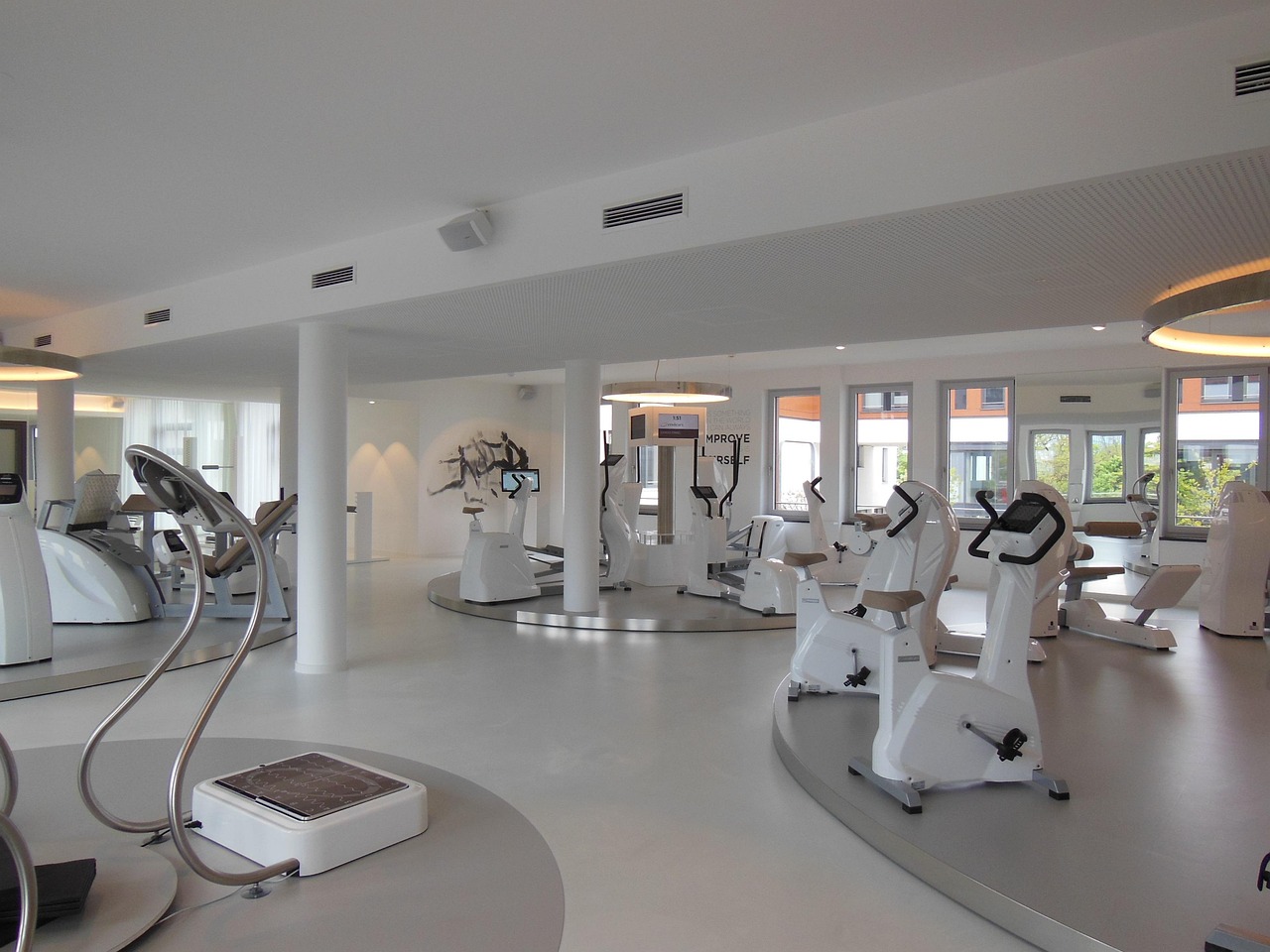
In this post, I will talk about strategic sports facility management and balancing your mission and margin.
Table of Contents
Introduction: Turning a Sports Facility Into a Sustainable Community Asset
Opening a sports facility is often driven by a bigger vision than simply creating another place to play. Whether it’s a municipal complex, recreation center, or privately developed venue, the goal is usually the same: provide opportunities for athletes, support local families, and create a lasting community impact. The challenge begins once the doors open. Daily operations, staffing demands, maintenance issues, and revenue pressures can quickly overwhelm even the most dedicated ownership team.
At the same time, the opportunity is significant. The sports tourism industry generated more than $111 billion in direct spending in 2025, creating enormous potential for facilities that can attract tournaments, leagues, and special events. Capturing those opportunities requires much more than quality fields and courts. It demands a well-executed operational strategy that balances community goals with financial performance.
Facilities that thrive over the long term understand that sustainable success comes from professional management, efficient operations, and informed decision-making. When those elements come together, venues can strengthen their community impact while remaining financially healthy.
Key Takeaways
- Turnkey management removes daily operational burdens while acting as a seamless extension of the ownership team.
- Data-driven optimization and predictive maintenance help uncover hidden costs and maximize profitability.
- Financial success supports long-term community impact and local economic growth.
- Professional management creates systems that improve efficiency, increase revenue opportunities, and reduce operational risk.
Redefining Operations: What “Turnkey” Actually Means
When many facility owners hear the word “management,” they think of basic maintenance and staffing oversight. In reality, turnkey management is much more comprehensive. It involves bringing in experienced professionals who oversee every aspect of the facility’s operations while keeping ownership informed through transparent reporting and performance tracking.
A turnkey management partner can handle staffing, scheduling, programming, marketing, event sales, risk management, vendor relationships, and long-term planning. Rather than reacting to problems as they arise, the focus shifts toward creating systems that prevent issues before they affect operations.
This approach allows municipal leaders, developers, and ownership groups to focus on broader goals instead of becoming consumed by day-to-day challenges. While owners remain informed and involved in strategic decisions, they are no longer burdened by every staffing issue or maintenance concern.
| Operational Focus | Traditional In-House Management | Professional Turnkey Management |
| Staffing & HR | Seasonal hiring challenges and administrative workload. | Dedicated recruiting, training, and workforce management. |
| Event Booking | Primarily dependent on local leagues and recurring users. | Active outreach to regional and national events. |
| Maintenance | Repairs occur after issues arise. | Preventive maintenance programs reduce downtime. |
| Owner Involvement | Frequent involvement in daily operations. | Strategic oversight supported by detailed reporting. |
Uncovering Hidden Costs Through Data and Facility Optimization
Many facilities struggle financially not because of a lack of demand, but because operational inefficiencies quietly erode profitability. Underutilized spaces, inefficient staffing models, unnecessary energy consumption, and reactive maintenance practices can all create significant expenses over time.
Successful operators rely on data rather than assumptions. By analyzing facility usage, attendance patterns, staffing requirements, and financial performance, management teams can identify opportunities to improve efficiency without sacrificing the guest experience.
Research consistently shows that operational decisions made during the first several months of a facility’s life cycle often have a greater impact on long-term performance than market size alone. Facilities that establish strong systems early tend to outperform competitors regardless of location.
Predictive maintenance is one example of how technology supports smarter operations. Rather than waiting for equipment to fail, managers can identify warning signs early and address issues before they become costly emergencies. This reduces downtime, lowers repair costs, and improves the overall customer experience.
The Hidden Engine of Success: Specialized Departmental Support
Operating a successful sports venue requires expertise across multiple disciplines. Human resources, legal compliance, event sales, marketing, accounting, and risk management all play critical roles in facility performance.
Many municipalities and ownership groups simply do not have the resources to maintain dedicated teams in each of these areas. As a result, responsibilities become spread across employees whose primary expertise may lie elsewhere.
Professional management firms provide access to specialized departments that focus exclusively on these operational functions. This not only improves efficiency but also reduces risk and creates opportunities for growth.
Organizations seeking sports operations management support often benefit from established industry relationships, experienced personnel, and proven operational systems that would otherwise take years to develop internally.
By leveraging these resources, facilities can improve performance while allowing ownership to concentrate on long-term goals rather than administrative challenges.
The Dual Focus: Balancing Your Mission and Your Margin
One of the most common misconceptions in sports facility management is that financial performance and community impact are competing priorities. In reality, they depend on one another.
A facility that struggles financially cannot continue providing quality programs, affordable access, or meaningful community benefits over the long term. Likewise, a facility that ignores community needs risks losing relevance and support.
Financial stability creates opportunities to expand programming, improve facilities, offer scholarships, and invest in future growth. Revenue generated through tournaments, events, and facility rentals can be reinvested into initiatives that directly benefit local athletes and families.
“A healthy operating margin gives facilities the ability to expand their impact, improve services, and invest in the future.”
Youth sports tourism continues to demonstrate this relationship. Industry studies show that sports-related travel generates billions in economic activity annually, supporting hotels, restaurants, retail businesses, and local attractions. Facilities that successfully attract outside visitors often become important economic drivers within their communities.
| Goal Category | How Margin Supports the Mission | Community Benefit |
| Facility Quality | Revenue funds upgrades and capital improvements. | Better playing environments and safer facilities. |
| Accessibility | Profits help subsidize local programming. | More participation opportunities for families. |
| Economic Growth | Tournament activity attracts visitors. | Increased spending at local businesses. |
Future-Proofing Your Facility in a Competitive Market
The expectations placed on sports facilities continue to evolve. Families, athletes, and event organizers increasingly expect modern amenities, efficient technology, excellent customer service, and well-maintained environments.
At the same time, new facilities are entering the market every year. According to industry forecasts, the sports facility management sector is expected to continue growing steadily throughout the next decade. Competition for tournaments, leagues, and community users will only increase.
Facilities that rely on outdated processes may find it difficult to keep pace. Future success will depend on operational efficiency, strong customer experiences, and the ability to adapt to changing market conditions.
Professional management helps facilities stay ahead of these trends by implementing new technologies, refining operational practices, and identifying emerging opportunities. This proactive approach helps protect long-term investments while positioning venues for continued growth.
Conclusion
Building a successful sports facility requires much more than constructing fields, courts, or recreation spaces. Long-term success depends on how effectively those assets are managed every day.
Professional management removes operational burdens, improves efficiency, and creates systems designed to support sustainable growth. Through data-driven decision-making, specialized expertise, and strategic planning, facilities can reduce costs while increasing revenue opportunities.
Most importantly, effective management helps facilities achieve the balance between mission and margin. Financial performance is not separate from community impact. It is what makes lasting community impact possible.
By investing in the right operational strategy today, facility owners can create thriving destinations that serve athletes, families, and local communities for years to come.
INTERESTING POSTS
About the Author:

Chandra Palan is an Indian-born content writer, currently based in Australia with her husband and two kids. She is a passionate writer and has been writing for the past decade, covering topics ranging from technology, cybersecurity, data privacy and more. She currently works as a content writer for SecureBlitz.com, covering the latest cyber threats and trends. With her in-depth knowledge of the industry, she strives to deliver accurate and helpful advice to her readers.