
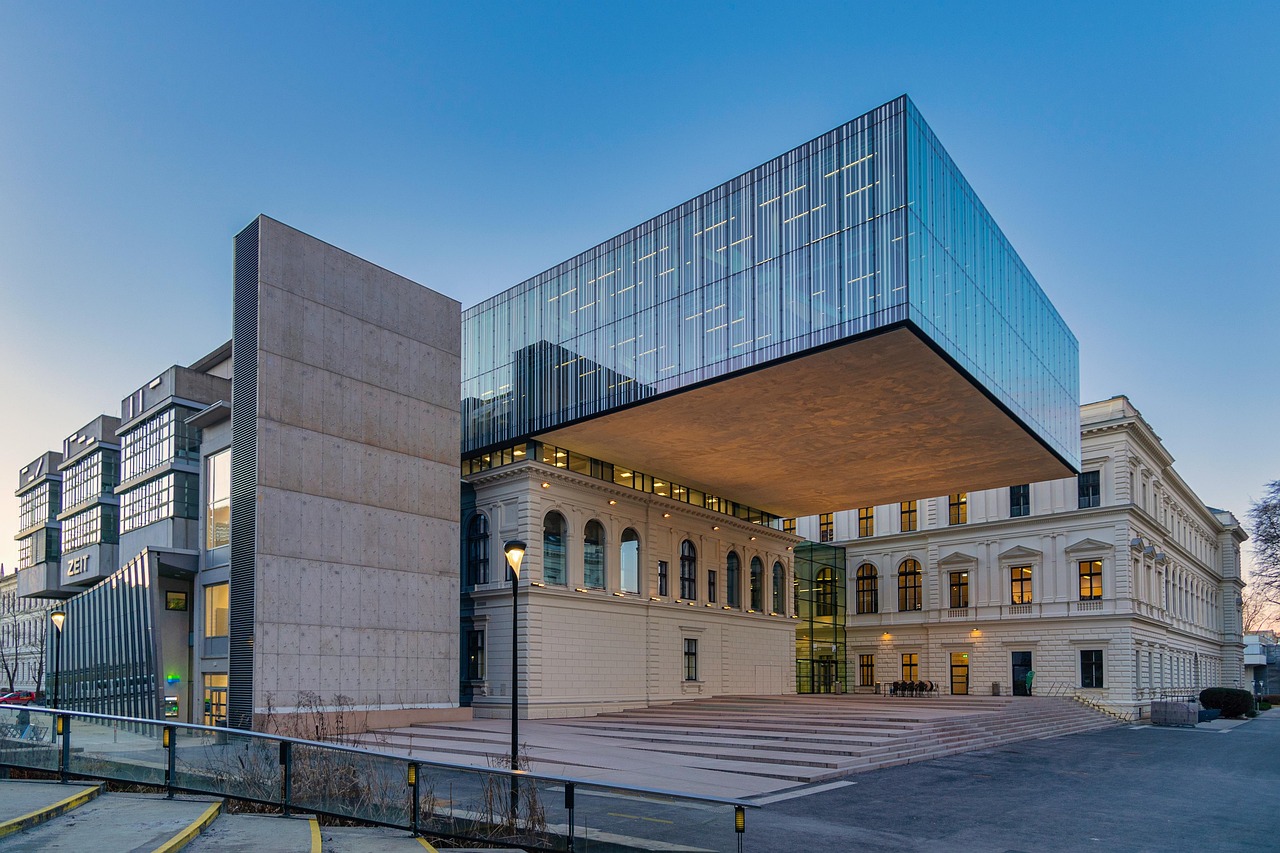
In this post, I will talk about security Services for technology campuses in San Francisco.
The technology sector in San Francisco has its own pace. People come in early, stay late, move between buildings, meet in common areas, take calls outside, receive deliveries throughout the day. It’s not a static environment. It’s constantly moving, which means security can’t just be a presence at the front desk.
A lot of campuses still start there. A guard at the entrance, someone checking badges, maybe someone walking the property. And that’s fine at a basic level. But it doesn’t go far enough, especially in San Francisco where you have a mix of high foot traffic, public access areas, and a real risk of theft, trespassing, and people trying to blend in.
Table of Contents
Why Integrated Security Matters
What companies in the tech sector really need is a security team that becomes part of the environment. A San Francisco security company that trains their security guards to come to work every day engaged and motivated. Engagement will lift the morale of the security officers but also increases security and early detection of issues. VP Security Guards consistently holds their security guards to hire standards. Supervisors will observe behavior on the job and give feedback. Account managers will observe, but also solicit feedback from customers. That way the security of the location is constantly improving, security officers are highly engaged and consistently raising their level of service
Not just people standing post, but people who understand how the campus works. Who recognize employees by name, who notice when someone doesn’t belong, who understand timing patterns without having to think about it. When people usually arrive. When they leave. When things feel off.
That kind of awareness doesn’t come from just showing up to a shift. It comes from being integrated.
Security officers on a well-run campus become familiar with the routine. They know the schedule of employees leaving and showing up to work. They know the layout of the property, when deliveries arrive and where and when people park. Once they understand the routine of the property, they understand when someone or something is out of place. That helps with detecting security issues that need to be addressed. Familiarity and experience will enhance security and safety. That will only happen if security officers are trained to integrate and improve familiarity daily.
Noticing small things that are out of the ordinary like an unfamiliar person or car trying to gain access, an out-of-scheduling delivery when questioned can make a huge difference. Visible and inquisitive security guards can stop larger security issues. In addition, they are a great deterrent.
Proactive Detection and Employee Trust
Because most issues don’t come out of nowhere. There are small signs first. Someone lingering too long. Someone asking the wrong questions. Someone trying to follow employees into secured areas. If security is paying attention early, those situations get handled before they turn into something bigger.
But for that to work, employees also need to feel comfortable with the security team.
That’s a big part that gets overlooked.
If employees see security as outsiders, they don’t engage. They don’t report things. They don’t ask questions. But when security is part of the team, when they recognize people, greet them, and interact naturally, that changes everything.
Employees start to speak up. They mention things that feel off. They trust the people around them, which creates another layer of protection that you can’t really train into a system. It just develops over time.
Adapting Security to Open Campus Design
In San Francisco, where many tech campuses are open by design and encourage movement and collaboration, that balance matters even more. You can’t turn a campus into a locked-down environment. That would go against how these companies operate, which means security needs to adapt.
It has to be present without being intrusive. Aware without being overbearing while consistent without feeling rigid. That’s not something you get from a checklist. It comes from having the right people and keeping them engaged.
That’s why integration is such a big part of how we approach these environments.
The security team needs to understand not just security protocols, but how the company itself operates. What kind of culture it has. How employees interact. What’s normal for that specific location, because every campus is different.
Some have heavy visitor traffic. Others are more controlled. Some have multiple buildings spread out. Others are compact but busy. Some rely heavily on deliveries and vendors throughout the day. Others don’t.
Consistency, Supervision, and Long-Term Value
All of that affects how security should be handled. When guards are familiar with delivery schedules, they know when something doesn’t line up. When they recognize employee vehicles, they can spot something unusual in a parking area. When they understand the layout, they can respond faster and more effectively if something does happen.
But again, that only works if they’re consistent and actually part of the environment.
That’s also where supervision and support come in.
It’s not enough to place guards and hope they figure it out. They need guidance. They need to be held accountable. And they need to stay engaged over time. Because the longer they’re on a site, the more valuable they become.
They pick up on details that no report will ever capture. Small patterns. Small changes. Things that don’t stand out unless you’ve been there long enough and those details matter.
At the same time, the client shouldn’t have to manage all of that. They shouldn’t have to deal with coverage issues, callouts, or performance concerns. That needs to be handled behind the scenes, so the experience remains consistent.
That’s where a structured approach makes a difference. You get a team that feels in-house, but you still have the support, supervision, and accountability of a professional security company behind it.
That combination works, because in the end, security in a tech environment isn’t just about stopping incidents. It’s about creating an atmosphere where people can focus on their work without thinking about safety all the time.
If employees feel uncomfortable, if things feel unpredictable, it affects how they work. It affects productivity. It affects the environment overall.
The Real Goal: Stability Without Disruption
But when security is done right, it fades into the background in the best possible way.
People feel safe. They move freely. They focus on what they’re there to do whilethe security team is still there, paying attention, catching things early, and making sure everything runs the way it should.
That’s really the goal. Not just protection, but stability. And in a place like San Francisco, with how fast things move, that makes all the difference.
INTERESTING POSTS
- Buying in Paradise? Why You Need a Trusted San Miguel Real Estate Partner
- Cyber Security Or Physical Security – Which Should You Prioritize?
- A Brief Introduction To The Security Guard Job Position
- 6 Ways To Secure Your Home Construction Site
- Comparing macOS Optimization Tools from a Software Testing Perspective
About the Author:

Amaya Paucek is a professional with an MBA and practical experience in SEO and digital marketing. She is based in Philippines and specializes in helping businesses achieve their goals using her digital marketing skills. She is a keen observer of the ever-evolving digital landscape and looks forward to making a mark in the digital space.