


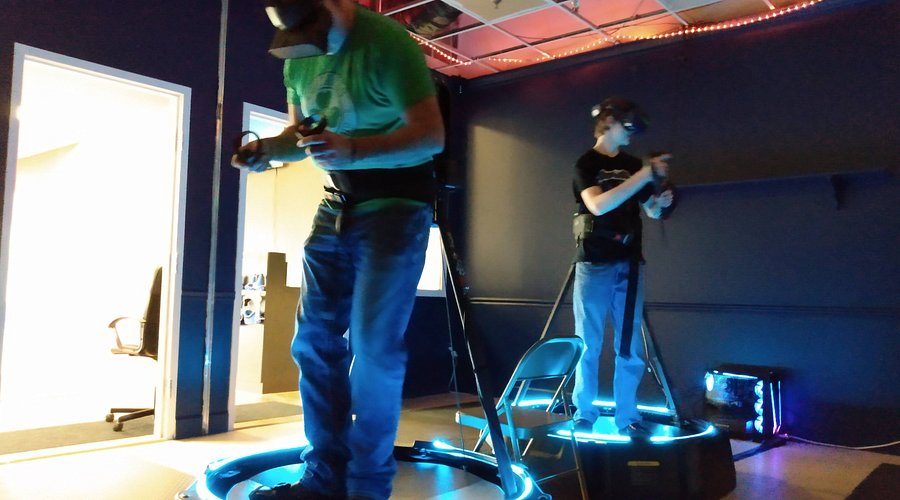

In this post, I will talk about VR Arcade startup costs. Also, I will explain its equipment, space, and budget.
The global demand for immersive entertainment has made the vr arcade industry one of the most exciting opportunities in the modern entertainment market. A virtual reality arcade combines cutting-edge technology with social, location-based experiences that cannot be replicated at home.
However, before launching one, it’s essential to understand the true startup costs involved. From equipment investment to space planning and operational budgeting, careful financial preparation is the key to long-term success. This guide breaks down all the major cost components to help entrepreneurs plan confidently and realistically.
Table of Contents
Understanding the VR Arcade Business Model
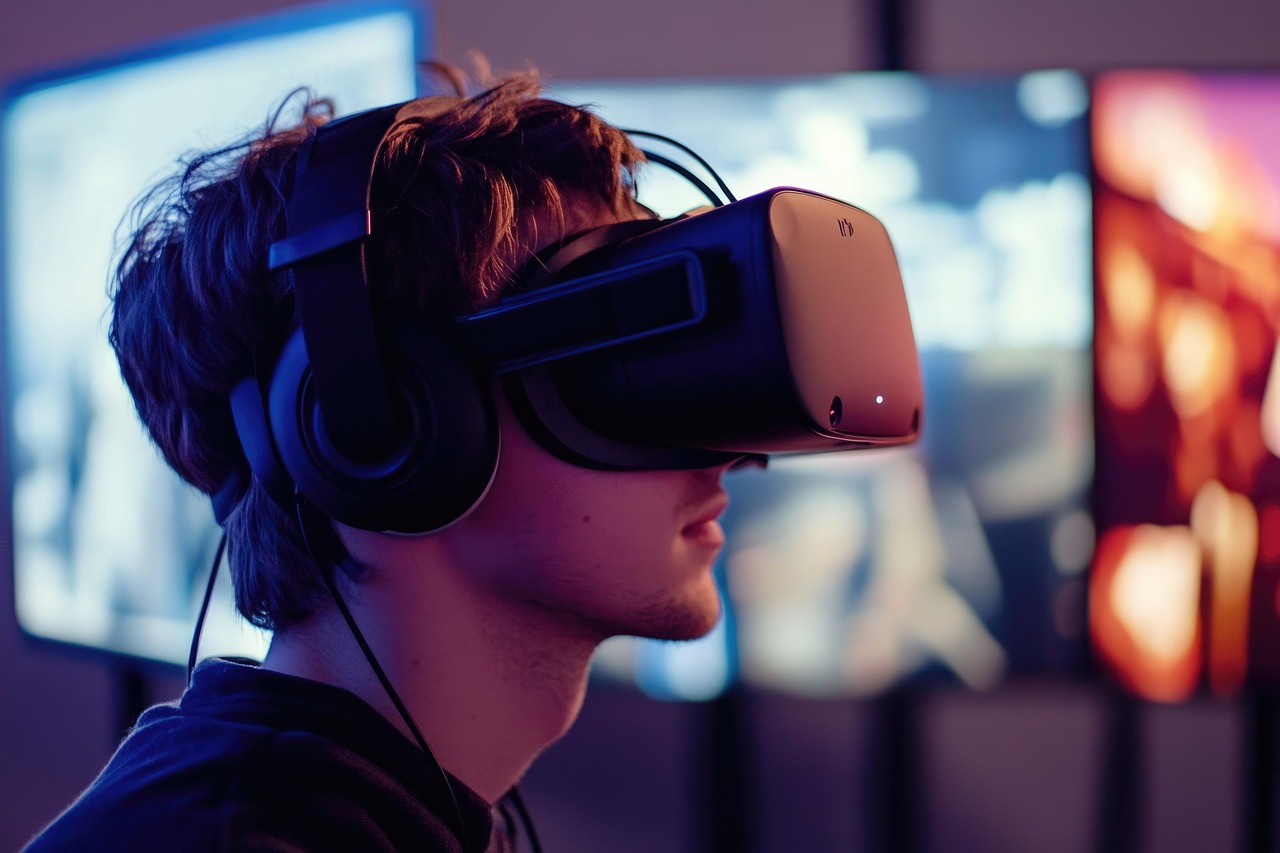
A vr arcade operates by offering customers access to premium virtual reality experiences on a pay-per-play or time-based pricing model. Unlike home VR, arcades provide high-end equipment, motion simulators, multiplayer games, and professional support staff.
Because the business relies heavily on technology and customer experience, startup costs can vary significantly depending on scale, location, and target audience. Understanding these variables early helps define the overall budget and reduces unexpected expenses.
Initial Planning and Concept Costs
Before purchasing equipment or renting space, there are planning costs that new owners often overlook. These include market research, business registration, branding, and professional consultations.
A well-defined concept—such as family-focused entertainment, competitive gaming, or premium simulation—directly affects cost structure. Clear positioning allows you to choose the right equipment mix and space size, ensuring your virtual reality arcade meets customer expectations without overspending.
VR Equipment Costs Breakdown

Equipment is the largest investment in any vr arcade. The cost depends on the number of stations, type of experiences, and technology level.
VR Headsets and PCs
Commercial-grade VR headsets are more durable and expensive than consumer models. Each headset typically requires a high-performance PC to run smoothly. Depending on specifications, a single VR station can cost a substantial amount, especially when factoring in backup units and accessories.
Motion Platforms and Simulators
Motion-based attractions significantly enhance the appeal of a virtual reality arcade. Options range from simple motion chairs to advanced racing or flight simulators. These systems increase startup costs but also allow higher ticket prices and better customer retention.
Controllers and Accessories
Hand controllers, steering wheels, haptic vests, and safety gear are essential components. While individually less expensive, they add up when multiple stations are involved.
Software and Content Licensing
Commercial VR content is usually licensed rather than purchased outright. Licensing fees can be charged per machine, per month, or based on revenue sharing. Budgeting for ongoing content updates is essential to keep your vr arcade fresh and competitive.
Space and Location Costs
Choosing the right location is critical for any virtual reality arcade. Rent and renovation costs vary depending on city, foot traffic, and property type.
Rent and Lease Expenses
High-traffic locations such as malls and entertainment districts come with higher rent but offer greater visibility and walk-in customers. Smaller vr arcade setups can operate in compact spaces, while larger venues with simulators require more square footage.
Renovation and Interior Design
VR arcades require open layouts, proper lighting, sound insulation, and safety zones. Interior design should enhance immersion while allowing efficient customer flow. Renovation costs may include flooring, wall treatments, electrical upgrades, and branding elements.
Utilities and Infrastructure
VR equipment consumes significant power and generates heat. Electrical upgrades, ventilation, and internet connectivity must be included in the budget. These infrastructure costs are essential for stable daily operations.
Staffing and Training Costs
A professional team is essential for running a successful vr arcade. Staff members assist customers, manage bookings, maintain equipment, and ensure safety protocols are followed.
Initial costs include recruitment, onboarding, and training. Ongoing expenses cover salaries, benefits, and potential overtime during peak periods. Well-trained staff improve customer satisfaction and reduce equipment damage, making staffing a worthwhile investment.
Licensing, Insurance, and Legal Fees
Operating a virtual reality arcade involves legal and regulatory responsibilities. Business licenses, entertainment permits, and liability insurance are mandatory in most regions. Insurance costs vary based on equipment type, venue size, and local regulations. These expenses protect your business from legal risks and should never be underestimated during startup planning.
Marketing and Launch Budget
Marketing plays a crucial role in attracting customers, especially during the early stages. Initial marketing costs may include website development, social media advertising, influencer promotions, and grand opening events.
A strong launch strategy helps your vr arcade gain visibility quickly and build a loyal customer base. Ongoing marketing expenses should be factored into monthly budgets to maintain consistent traffic.
Maintenance and Operating Expenses
Beyond startup, every virtual reality arcade must budget for ongoing operational costs. These include equipment maintenance, software updates, cleaning supplies, and replacement parts.
Regular maintenance prevents downtime and extends the lifespan of expensive hardware. It’s wise to set aside a contingency fund for unexpected repairs or technical issues.
Estimating Total Startup Budget
The total startup cost of a vr arcade can vary widely based on scale and ambition. A small setup with a few stations may require a modest investment, while a large-scale virtual reality arcade with motion simulators and multiplayer zones demands a significantly higher budget.
Breaking costs into categories—equipment, space, staffing, marketing, and operations—helps create a clear financial roadmap and avoids overspending in any single area.
Cost-Saving Strategies for New VR Arcades

New operators can reduce startup costs through strategic decisions. Starting with fewer stations and expanding later allows revenue to fund growth. Choosing modular equipment enables upgrades without full replacement.
Negotiating content licenses, sharing marketing partnerships, and selecting flexible lease terms also help control expenses. Smart budgeting ensures sustainability without compromising experience quality.
Long-Term Financial Planning and ROI
Understanding startup costs is only the first step. Long-term financial planning focuses on return on investment, customer retention, and scalability. Tracking performance metrics such as average revenue per user and equipment utilization helps refine pricing and operations. As technology evolves, reinvesting in new experiences keeps your vr arcade competitive and profitable.
Conclusion
Launching a vr arcade is an exciting venture, but success depends on a clear understanding of startup costs. From high-quality equipment and suitable space to staffing, marketing, and ongoing operations, every expense plays a role in building a sustainable virtual reality arcade.
By planning carefully, budgeting realistically, and investing strategically, entrepreneurs can turn immersive technology into a profitable entertainment business. With the right financial foundation, a vr arcade can deliver memorable experiences while achieving strong long-term returns.
INTERESTING POSTS
- Explore Advanced VR Arcade Machines and Motion Simulators with VART Arcade
- A Look at Visual Tech: A Guide on the Latest Innovations
- AI-Powered Software Licensing: How Artificial Intelligence is Revolutionising Digital Rights Management
- Cybersecurity Tips For Gambling
- 7 Business Credit Card Tips For Small Businesses
- Smart Security Systems and Motion Sensors: Debunking Common Myths and Misconceptions
About the Author:

John Raymond is a cybersecurity content writer, with over 5 years of experience in the technology industry. He is passionate about staying up-to-date with the latest trends and developments in the field of cybersecurity, and is an avid researcher and writer. He has written numerous articles on topics of cybersecurity, privacy, and digital security, and is committed to providing valuable and helpful information to the public.


