


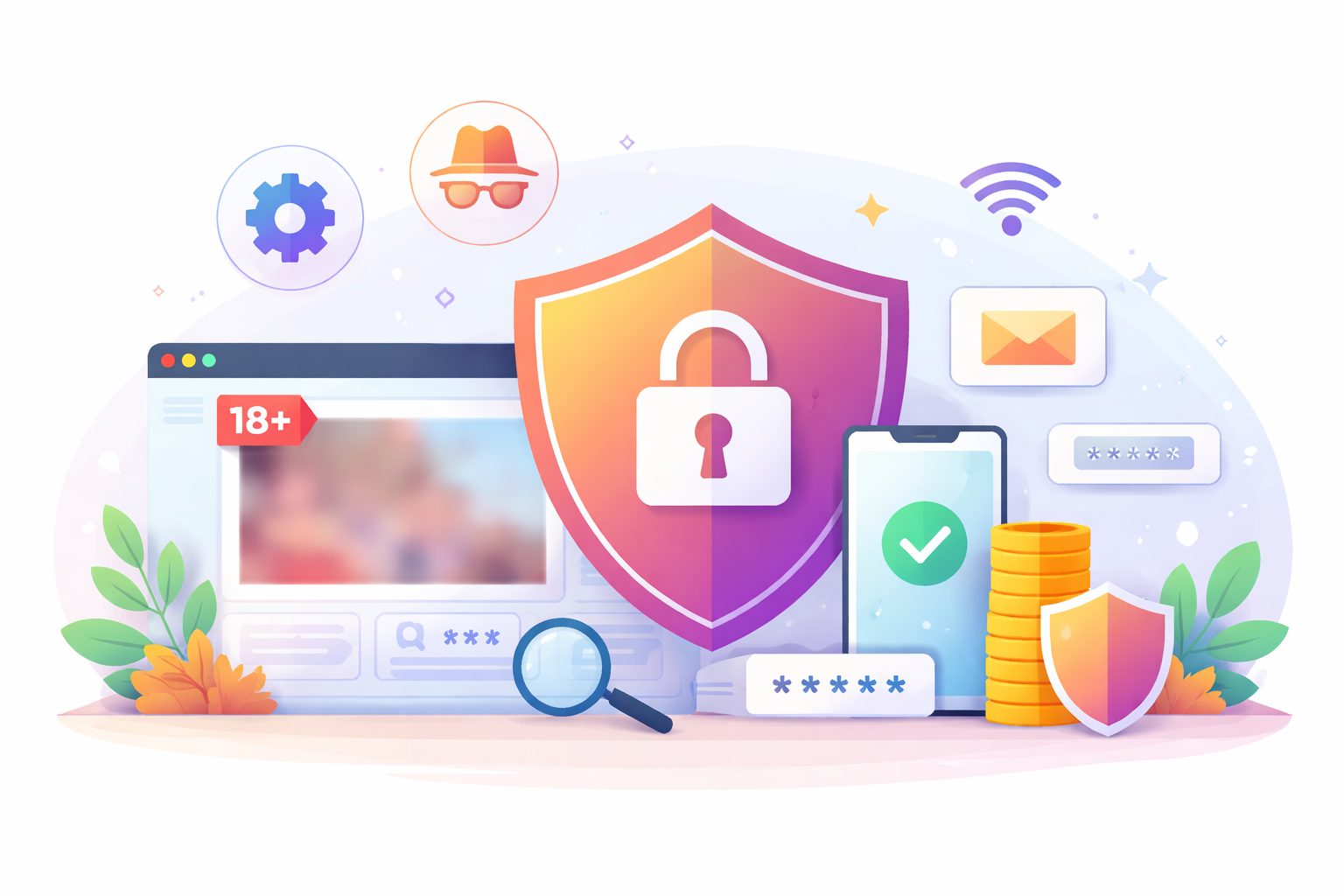

In this post, I will talk about privacy and security for adult content consumers.
In a digital space where discretion matters most, privacy is power. Adult platforms that treat security as infrastructure rather than decoration earn trust, loyalty, and long-term visibility. On the other hand, smart choices turn vulnerable browsing into confident control.
Millions of people consume adult content online every day, yet few consider how exposed that activity can be without proper safeguards. That is why privacy and security for adult content consumers has become a critical conversation.
At UniK SEO, digital strategy is never separated from trust. Platforms aiming for sustainable growth must recognize that protecting users is ethical and a clear competitive advantage.
Table of Contents
Why Adult Browsing Requires Extra Protection
Browsing adult platforms is not the same as casually scrolling through social media or reading the news; the data involved is more sensitive, as it can reveal personal preferences, behavioral patterns, and sometimes even subtle identity markers. If that information is mishandled or exposed, the consequences can extend beyond inconvenience.
The Growing Importance of User Privacy in Adult Sites

Adult websites operate in one of the most privacy-sensitive sectors of the Internet. Unlike retail or entertainment sites, adult platforms often host deeply personal content, making data collection practices significantly more consequential.
Many adult platforms rely on advertising networks, analytics tools, affiliate tracking systems, and performance scripts. These technologies help monetize traffic and optimize user experience (UX). However, they also introduce potential vulnerabilities: third-party trackers can collect behavioral data, log IP addresses, and build user profiles across multiple platforms.
When data is shared widely or stored without strong safeguards, the risk increases. If a breach occurs, email addresses, usernames, browsing history, or subscription details may become exposed. In the adult niche, this type of exposure carries far more reputational risk than in most other industries.
That is why privacy-first architecture is becoming essential. Responsible adult platforms should focus on collecting only the data they truly need, anonymize analytics wherever possible, and limit data retention periods. Transparent privacy policies and clear consent mechanisms are no longer optional, as they serve as critical signals of credibility and accountability.
From a consumer perspective, it is important to understand that not all platforms treat privacy equally. A site that clearly explains how data is stored and protected is far more trustworthy than one that hides behind vague language.
Encryption, VPNs, and Secure Access for Adult Content
Security begins with encryption. Any adult website that does not use HTTPS encryption should be avoided. HTTPS ensures that communication between your browser and the website server is encrypted. This prevents third parties from intercepting login credentials, session cookies, or browsing activity.
However, encryption at the website level is only one layer of protection. Consumers who want stronger privacy often use Virtual Private Networks (VPNs). A VPN encrypts all your device’s Internet traffic and masks your IP address. Instead of your Internet Service Provider seeing which adult site you are accessing, they only see encrypted traffic going to the VPN server.
Choosing the right VPN matters. Some providers advertise privacy but still collect logs. A reliable VPN should have a verified no-logs policy, strong encryption standards, and transparent operational practices.
Beyond VPNs, privacy-focused browsers and tracker-blocking extensions provide stronger protection against hidden tracking methods. These tools limit digital fingerprinting, a technique that identifies your device through subtle details such as screen resolution, installed fonts, browser configuration, and other technical markers.
GDPR, CCPA, and Compliance Strategies for Adult Platforms
Regulatory frameworks have significantly changed how platforms handle personal data. The General Data Protection Regulation (GDPR) in Europe and the California Consumer Privacy Act (CCPA) in the United States are two of the most influential laws shaping digital privacy standards. Adult platforms serving international audiences must comply with these regulations.
Under GDPR, companies are required to clearly explain what data they collect, obtain explicit consent for tracking, allow users to request deletion, and implement strong data protection measures. The CCPA similarly grants consumers the right to know what personal data is collected, request its deletion, and opt out of the sale of their information.
Compliance, however, requires operational structure, not just legal documentation. Effective compliance strategies include:
- Conducting regular data audits and applying strict data minimization principles to collect only what is necessary;
- Implementing transparent consent management systems with clear opt-in, opt-out, and user data deletion processes;
- Securing stored data through encryption, role-based access controls, and documented data processing protocols;
- Maintaining updated privacy policies, compliant cookie notices, and clear communication channels for user rights requests.
Because the data involved is sensitive, failure to protect it can have serious consequences. Platforms that prioritize compliance demonstrate respect for user discretion while reducing legal and reputational risk.
Protecting Consumer Data While Maintaining SEO Performance
A common misconception in the adult industry is that stricter privacy controls weaken SEO performance. In reality, the opposite is often true.
Search engines favor secure, technically sound websites. HTTPS encryption is a known ranking factor. Fast loading times, mobile responsiveness, and clean site architecture all contribute positively to visibility.
Modern SEO strategies rely on structured content, internal linking, semantic optimization, and technical integrity. None of these requires invasive user tracking. In fact, privacy-friendly analytics tools now allow platforms to measure performance in an aggregated form without identifying individual users.
When adult platforms reduce unnecessary scripts and focus on technical excellence, they improve both security and search rankings. When properly aligned, privacy and SEO reinforce each other.
Best Practices for Anonymous and Safe Adult Browsing

While platforms carry responsibility, consumers also play an important role in protecting themselves.
- Using a reputable VPN is one of the most effective ways to mask browsing activity, especially when combined with avoiding unsecured public Wi-Fi networks that can expose your data to interception;
- Passwords should never be reused across platforms. A password manager makes it easier to generate and store strong, unique credentials. When available, multi-factor authentication should always be enabled;
- Consumers should also minimize the personal information they provide. If a platform does not require a real name or social media connection, there is no reason to volunteer it;
- Regularly clearing cookies and browser data can reduce persistent tracking over time;
- Keeping devices up to date ensures that known security vulnerabilities are patched.
Safe browsing does not stem from fear. It reflects awareness of the digital paradigm and the ability to make deliberate, informed decisions about how personal data is handled.
Conclusion
The conversation around privacy and security for adult content consumers is becoming more urgent as digital ecosystems grow more complex. Adult platforms that prioritize encryption, compliance, and responsible data handling position themselves as trustworthy operators in a competitive space.
Consumers, in turn, can take practical steps to protect their anonymity and reduce exposure.
When privacy, compliance, and performance are treated as interconnected pillars rather than separate concerns, the result is a stronger and more sustainable adult digital ecosystem, a balance that experienced teams such as UniK SEO’s understand well.
Frequently Asked Questions
Is it safe to browse adult websites?
Browsing adult websites can be safe if users choose reputable platforms that use HTTPS encryption and clear privacy policies. It is important to avoid sharing unnecessary personal information and to use security tools that protect browsing activity.
How can I protect my privacy when consuming adult content online?
Using a reliable VPN, enabling tracker-blocking browser extensions, and avoiding unsecured public Wi-Fi networks are some of the most effective ways to protect online privacy. Limiting the amount of personal information shared with platforms can also significantly reduce exposure.
Do adult websites track user activity?
Many adult platforms use analytics tools, cookies, and advertising scripts to measure traffic and improve performance. However, responsible websites minimize tracking, anonymize data where possible, and clearly explain how user data is collected and stored in their privacy policies.
Does stronger privacy protection affect SEO performance?
No. In fact, search engines favor secure websites. HTTPS encryption, fast loading times, and clean technical infrastructure contribute positively to search visibility. Privacy-friendly platforms can maintain strong SEO performance while still protecting user data.
Why is privacy especially important in the adult industry?
Adult browsing can involve highly sensitive personal data and behavioral patterns. If mishandled or exposed, this information can create reputational and personal risks for users. Platforms that prioritize privacy and responsible data practices help create a safer digital environment for everyone.
INTERESTING POSTS
- Software And Tips To Restrict Children To Adult Content Websites
- Smart Rider’s Choice — How AI Features Are Powering the Next Generation of Electric Dirt Bikes
- How APIs Help To Improve Your Customers’ Experience [5 Tips]
- 6 Ways Ransomware Attacks Harm Businesses And Consumers
- 4 Things You Can Expect to See in the Future of Marketing
About the Author:

Mikkelsen Holm is an M.Sc. Cybersecurity graduate with over six years of experience in writing cybersecurity news, reviews, and tutorials. He is passionate about helping individuals and organizations protect their digital assets, and is a regular contributor to various cybersecurity publications. He is an advocate for the adoption of best practices in the field of cybersecurity and has a deep understanding of the industry.



