


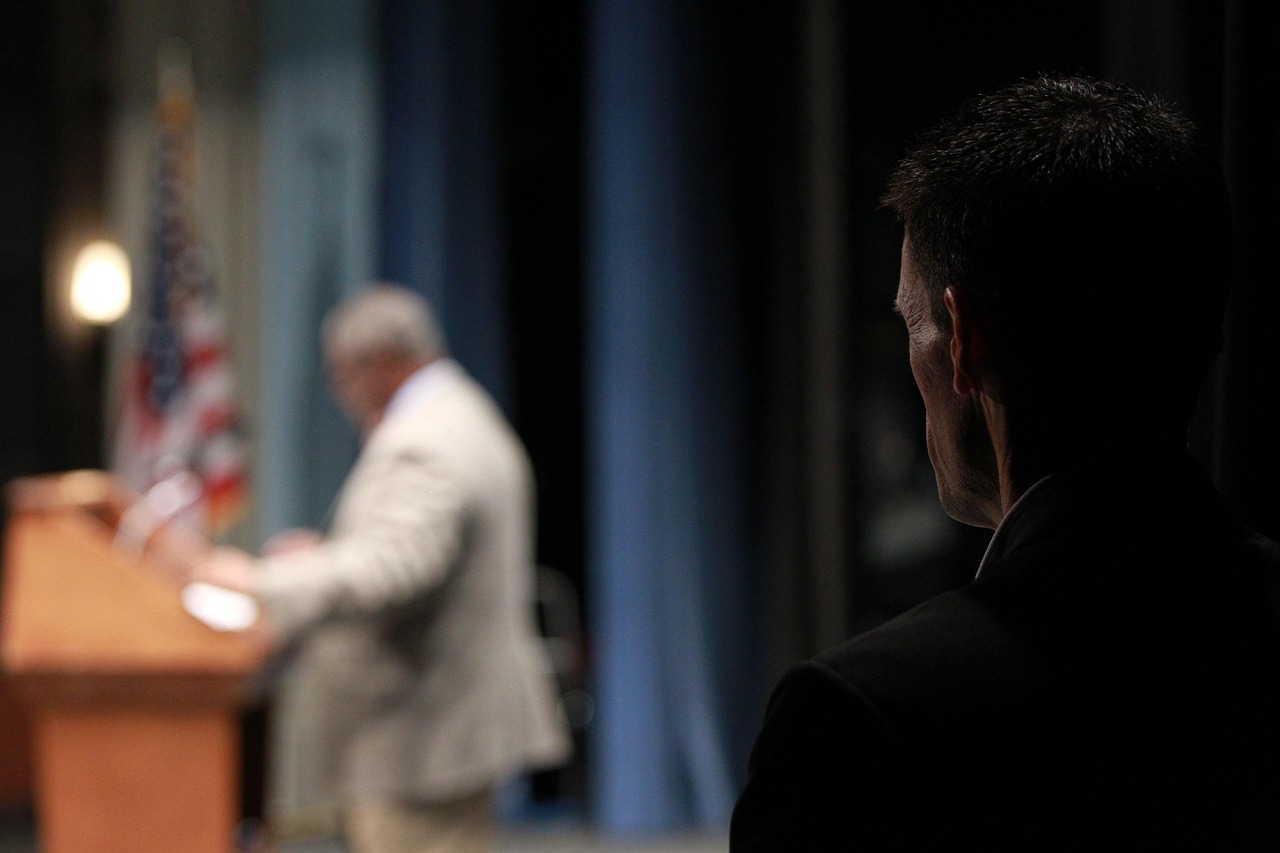

In this tactical blueprint tutorial post, I will talk about the operational standards for modern close protection.
In the current global security landscape, the shift from reactive “bodyguarding” to a proactive model of predictive intelligence has reached a critical tipping point. High-threat urban environments now demand a level of sophistication that goes far beyond physical presence.
In 2026, close protection training is no longer defined by the size of the detail, but by the depth of the “Advance”—the exhaustive planning and surveillance conducted before a principal ever sets foot on a property.
For professionals looking to enter this elite tier, the journey requires a synthesis of regulatory compliance, tactical mastery, and an understanding of the federal benefits that fund this level of education.
Table of Contents
The Regulatory Foundation: Guard Card and Security Training
Before a specialist can engage in advanced tactical maneuvers, they must establish a legal foundation. In California, this begins with foundational security guard training mandated by the Bureau of Security and Investigative Services (BSIS). This process, often referred to as guard card training, is the essential prerequisite for working in any capacity within the private security sector.
It covers the “Power to Arrest,” search and seizure laws, and the “Appropriate Use of Force” (AOF) continuum. Without this license, an individual cannot legally work as a protector, regardless of their prior military or law enforcement experience.
Elite protective education builds upon this foundation with specialized modules that move beyond “Observe and Report.” This transition involves a deep dive into the California Penal Code and civil liability, ensuring that every operator understands the legal boundaries of their authority in a private-sector context.
Mastery of these fundamentals ensures that the specialist is fully compliant with state regulations before moving into high-stakes executive details where the stakes—and the scrutiny—are exponentially higher. The distinction between a standard guard and a CESS professional is rooted in this legal literacy.
Advanced Tactical Readiness: Firearms Training & Psychological Profiles

For armed details, the requirement for proficiency is absolute. Comprehensive firearms training is a core pillar of a professional 10-week academy. This is not the standard “target practice” found at public ranges; it is high-intensity, scenario-based training that mirrors real-world threats.
Obtaining a BSIS Exposed Firearms Permit involves not only range proficiency but also a “16pf” (16 Personality Factor) psychological assessment. This test is designed to ensure the mental and moral readiness of the armed professional, vetting for emotional stability and decision-making capabilities under extreme stress.
Tactical firearms drills in this environment focus on the “surgical” deployment of force. Protectors must learn to draw and fire from concealed or low-profile carry positions, often while simultaneously shielding a principal. The training covers “failure to stop” drills, reloads under fire, and the use of cover in urban environments like hotel lobbies or crowded street corners.
This level of readiness is what differentiates a certified specialist from a standard guard. Furthermore, students are trained in the maintenance and rapid deployment of various platforms, ensuring that hardware failure is never a factor during a critical incident.
The Architecture of the Advance
Modern protection relies on the principle that 90% of a security failure occurs during the planning phase. Professionals adhere to the rigorous ASIS International Security Standards , which provide the global framework for risk assessment and protective operations. These standards dictate that a protection detail must operate as a synchronized unit, where the “Shift Lead” and the “Advance Agent” are in constant, encrypted communication to monitor pre-attack indicators.
The “Advance” is a technical survey of every location on a principal’s itinerary. This includes identifying Level 1 trauma centers, mapping primary and secondary escape routes, and identifying “choke points” where a motorcade is most vulnerable to ambush or traffic-related compromise.
A specialist must be trained to conduct a “Vulnerability Assessment” of a venue, checking for secure entrances, fire exits, and the integrity of the local staff. This predictive intelligence allows a detail to avoid threats entirely, which is the ultimate goal of high-end protection.
This also includes technical sweeps for surveillance devices and ensuring that the principal’s digital footprint—specifically geotagged social media posts—is not being used to track their movements in real-time.
The Veteran Pipeline: GI Bill and Education Benefits

A significant portion of the elite protection workforce is comprised of transitioning military personnel. These individuals already possess the foundational discipline and “hard skills” required for high-stakes work. However, the transition into the private sector requires a “re-coding” of these tactics to fit civilian legal boundaries and client etiquette.
For these veterans, navigating veterans education programs is a vital strategic move. Utilizing the GI Bill —specifically at academies where the curriculum is GI Bill® Accepted—allows former service members to apply their earned benefits to 10-week intensive academies. This process is highly efficient; for a 10-week program, the VA typically deducts only a few months of entitlement while providing a Monthly Housing Allowance (MHA).
Furthermore, many veterans qualify for veterans assistance through the Veteran Readiness and Employment (VR&E) program (Chapter 31). This is a vocational rehabilitation pathway for those with service-connected disabilities seeking a career in specialized security. VR&E can provide a total “bridge” for the veteran, covering tuition, equipment, and a stipend, ensuring that the transition from a combat MOS (Military Occupational Specialty) to a CESS (Certified Executive Security Specialist) designation is financially seamless. With a high job placement success rate of 70%+, this pathway offers a clear trajectory into the private sector.
Tactical Realities: EVOC and Medical Response
A cornerstone of any reputable training program is the Emergency Vehicle Operations Course (EVOC). Precision driving is not just about speed; it is about managing a vehicle as a mobile fortress. EVOC training includes “J-Turns,” “Pendulum Turns,” and offensive/defensive driving maneuvers designed to extract a principal from a hostile mobile environment.
This is combined with Tactical Emergency Casualty Care (TECC). A protector must be able to manage the “Golden Hour” of a trauma incident, providing life-saving intervention such as tourniquet application and airway management until a Level 1 trauma center is reached. To accommodate those traveling for this level of immersion, Lodging Assistance Available ensures that students can stay near the training theater, allowing them to focus entirely on the rigors of the program.
INTERESTING POSTS
About the Author:

Meet Angela Daniel, an esteemed cybersecurity expert and the Associate Editor at SecureBlitz. With a profound understanding of the digital security landscape, Angela is dedicated to sharing her wealth of knowledge with readers. Her insightful articles delve into the intricacies of cybersecurity, offering a beacon of understanding in the ever-evolving realm of online safety.
Angela's expertise is grounded in a passion for staying at the forefront of emerging threats and protective measures. Her commitment to empowering individuals and organizations with the tools and insights to safeguard their digital presence is unwavering.


