




Learn how Slot machines are tested before being offered online in this post.
Online slot machines are often discussed in terms of themes, visuals, and bonus features, but long before any of those elements reach players, the game itself undergoes extensive technical testing.
Based on years of industry observation and analytical evaluation of digital note gambling systems, it is clear that slot testing focuses on whether outcomes behave exactly as the math model claims they should. This testing process exists to verify consistency, predictability of rules, and long-term statistical behavior rather than entertainment value.
Players spending time on platforms like Spinbit NZ often notice how distinct slot games feel from one another. Knowing how testing works puts that into context. It defines the boundaries. It doesn’t ensure wins.
Table of Contents
What Slot Machine Testing Is Designed to Prove

Slot testing centers on verification rather than optimization. Independent technical reviewers examine whether a game behaves the same way in practice as it does on paper. This includes evaluating randomness, payout math, feature behavior, and system stability over extended simulated play.
From an expert evaluation perspective, the most important goal is alignment. The implemented game must match its documented design exactly. Even small deviations between expected and actual behavior can trigger corrective work before a slot is cleared for release.
The Core Areas Examined During Slot Testing
Testing is divided into distinct technical layers. Each layer focuses on a different risk area within the game system.
Key testing dimensions include:
- Random number behavior and independence
- Return-to-player calculations and long-run averages
- Feature logic such as free spins and bonus rounds
- Volatility patterns across short and long sessions
- Error handling and recovery during interruptions
These checks ensure that gameplay remains stable regardless of session length or stake size.
Top 5 Elements Analysts Verify in a Tested Online Slot
- Randomness Integrity
Each spin must be independent from the previous one. Analysts verify that outcomes cannot be predicted or influenced by past results.
- Mathematical Accuracy
The payout model is recalculated independently to confirm that advertised percentages align with actual long-term behavior.
- Feature Transparency
Bonus rounds and special mechanics must follow the same rules described in the game information panel.
- Consistency Under Load
Simulated high-volume play is used to ensure that outcomes remain stable over millions of spins.
- Configuration Control
Game settings such as payout percentages must behave consistently across environments without silent changes.
Example: How Testing Affects Real Player Sessions
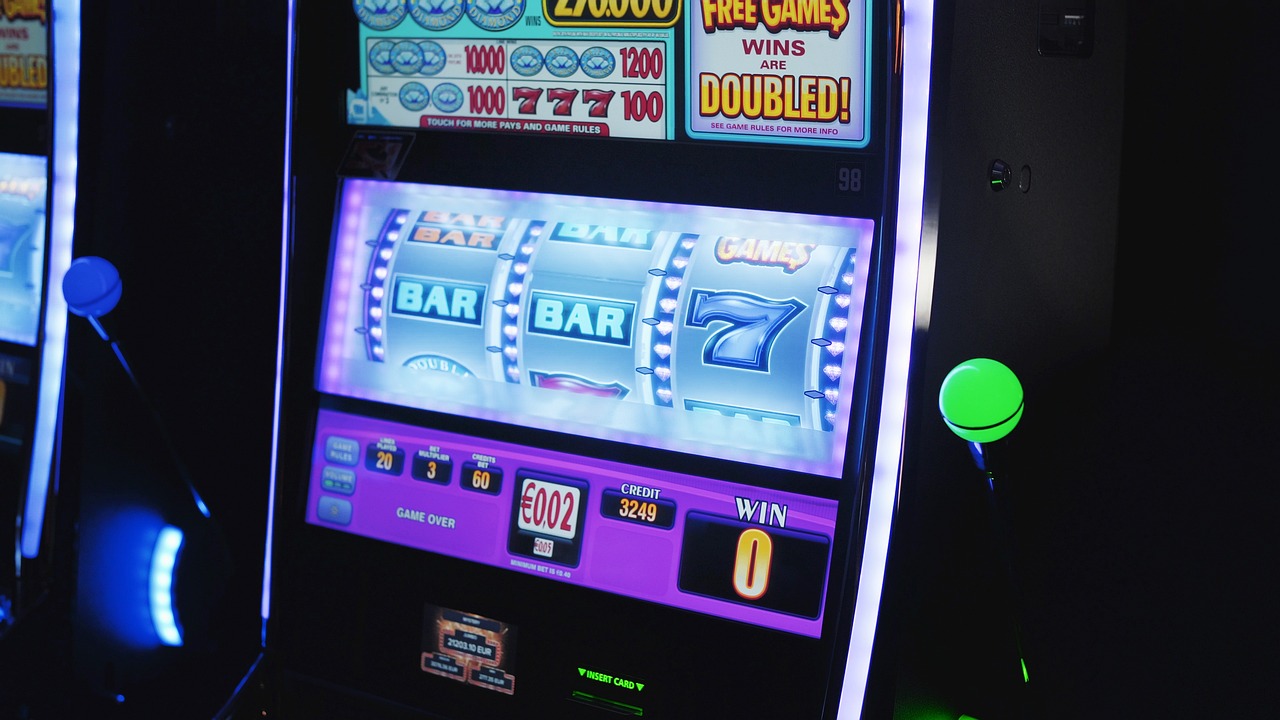
Consider a player on Spinbit NZ who activates a free spin feature. Testing ensures that the number of free spins, payout multipliers, and win calculations follow the exact logic described in the game rules. There is no adjustment based on player history or balance.
The same principle shows up over longer sessions. Extended play simulations are used to confirm that a higher-volatility slot behaves the way it’s supposed to, longer stretches without wins, offset by the occasional larger payout.
That pattern isn’t something that emerges later or gets tuned on the fly. It’s deliberate, and it’s checked during testing before the game ever goes live.
Slot Testing Areas and What They Validate
This table highlights how testing focuses on structural integrity rather than short-term results.
| Testing Area | What Is Being Verified | Why It Matters |
| Random Output | Independence of outcomes | Prevents predictable behavior |
| RTP Math | Long-term payout average | Ensures design accuracy |
| Bonus Logic | Feature rules and limits | Avoids hidden mechanics |
| Volatility | Win distribution patterns | Sets player expectations |
| Error Recovery | Stability during interruptions | Maintains session integrity |
Why Tested Slots Feel Consistent Across Platforms
From a professional analysis perspective, there’s a straightforward reason tested slots tend to feel familiar across different online casinos. The underlying math doesn’t change. Whether a player accesses the same game through SpinBet, Spinbit Casino, or another platform running that exact build, the statistical rules stay the same.
That consistency shifts the comparison in a useful way. Instead of second-guessing the mechanics, players can focus on differences that actually matter in practice, volatility, themes, pacing, and how a game feels over time.
Gambling Advisory Notice
Online slot machines involve financial implications, and outcomes are inherently uncertain. Results follow probability and long-term averages, not what happens over a handful of spins.
For that reason, participation makes sense only with the understanding that gameplay is about controlled engagement, not financial planning or return.
Final Perspective on Tested Slot Games
Based on expert analysis and repeated industry review, slot machine testing exists for fairly narrow reasons: accuracy, consistency, and transparency. It doesn’t tilt outcomes toward players, and it doesn’t protect operators either. What it does is simpler than that. It confirms that a game behaves exactly the way its design says it should.
Platforms such as Spinbit NZ operate within this framework, giving players access to games whose underlying behavior has already been technically validated. Even setting brand references aside, understanding how slot machines are tested offers a more practical lens. It helps players judge fairness, volatility, and long-term behavior before they ever decide to engage.
INTERESTING POSTS
- Hidden Risks of Online Payout Promises
- Encryption, RNGs, and Firewalls: The Cybersecurity Safeguards Behind Online Jackpots
- How Is AI Being Used by Slot Game Developers?
- Enjoy Online Slot Games on Your Smartphone
- Discover the Most Popular Slot Games You Need To Experience
- Best Way to Play Slot Machines and Maximize Your Chances
About the Author:

Mikkelsen Holm is an M.Sc. Cybersecurity graduate with over six years of experience in writing cybersecurity news, reviews, and tutorials. He is passionate about helping individuals and organizations protect their digital assets, and is a regular contributor to various cybersecurity publications. He is an advocate for the adoption of best practices in the field of cybersecurity and has a deep understanding of the industry.


