


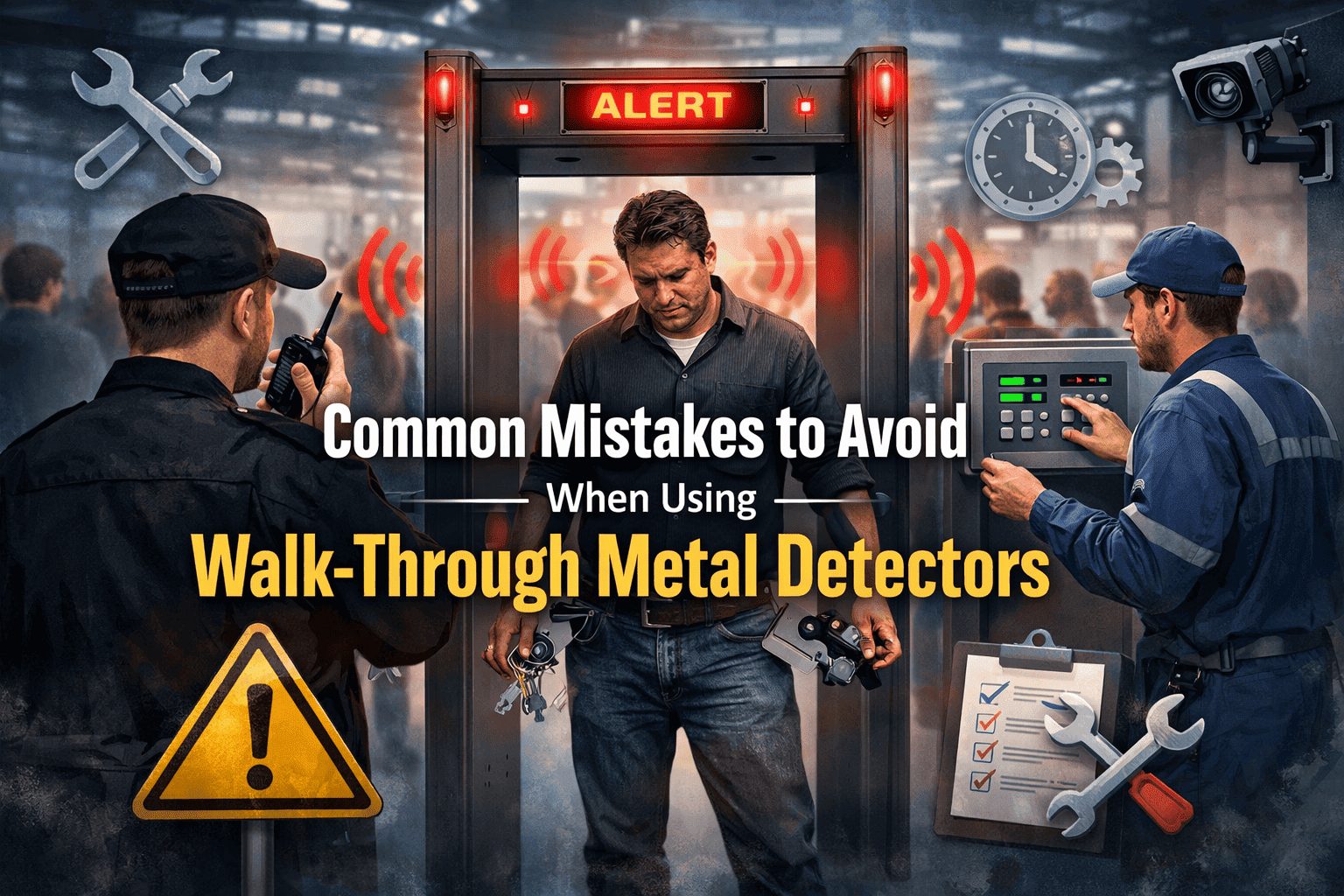

Discover the most common mistakes when using walk-through metal detectors and learn how to improve security, accuracy, and performance with expert tips.
In an age where security threats are becoming increasingly sophisticated, walk-through metal detectors have evolved into a frontline defense tool across airports, offices, public venues, and high-security zones. While these systems are designed to be reliable and efficient, their effectiveness largely depends on how well they are implemented and operated.
Surprisingly, many organizations invest in advanced detection systems but fail to use them correctly – resulting in security gaps, false alarms, and operational inefficiencies. If you’re planning to deploy or already using walk-through metal detectors, understanding common mistakes can help you maximize their potential and avoid costly errors.
Table of Contents
Overlooking Proper Installation Practices
The effectiveness of a walk-through metal detector begins with its placement. Unfortunately, this is where many users go wrong.
Installing detectors near large metallic objects, electronic devices, or structural elements like steel frames can interfere with detection accuracy. These environmental factors often cause false alarms or inconsistent performance, making the system unreliable.
To ensure optimal results, detectors should be placed in open areas with minimal interference. Following manufacturer guidelines for spacing and surroundings is not just recommended – it’s essential.
Misconfiguring Sensitivity Levels
Another critical mistake is improper sensitivity calibration. Striking the right balance is key, yet often overlooked.
When sensitivity is set too high, the detector may trigger alarms for harmless items like keys or belt buckles, leading to unnecessary delays and frustration. On the other hand, setting it too low increases the risk of missing concealed threats.
Modern detectors offer advanced calibration features, including multi-zone detection. Regular adjustments based on environment and threat level ensure the system remains both effective and efficient.
Neglecting Staff Training
Technology alone cannot guarantee security – human expertise plays an equally important role.
Untrained personnel may misinterpret alerts, mishandle situations, or fail to follow consistent screening procedures. This not only compromises safety but can also create confusion and delays during peak hours.
Proper training should cover system operation, identifying potential threats, and handling flagged individuals professionally. Periodic refresher sessions help staff stay updated with evolving security protocols.
Skipping Routine Maintenance
Like any other technology, walk-through metal detectors require regular upkeep. Ignoring maintenance is a common yet avoidable mistake.
Over time, wear and tear, outdated software, or calibration issues can reduce the system’s accuracy. Without routine checks, even minor issues can escalate into major failures.
Organizations should establish a maintenance schedule that includes inspections, software updates, and performance testing. A well-maintained system ensures long-term reliability and consistent performance.
Poor Crowd Flow Management
Security systems are often deployed in high-traffic environments, where managing the flow of people is just as important as detection itself.
Allowing crowds to gather around the detector can create bottlenecks, reduce screening efficiency, and increase the chances of missed detections. In chaotic environments, even the best systems can underperform.
Implementing clear entry and exit points, using barriers, and guiding individuals through the screening process in an orderly manner can significantly improve efficiency and accuracy.
Ignoring Environmental Factors
Environmental conditions can have a significant impact on detector performance, yet they are often underestimated.
Factors such as temperature fluctuations, humidity, and electromagnetic interference can affect the system’s sensitivity and stability. Without proper adjustments, these conditions may lead to inconsistent results.
Choosing high-quality systems designed to operate in varied environments and conducting regular environmental assessments can help mitigate these risks.
Relying Solely on Metal Detectors
While walk-through metal detectors are highly effective, relying on them as the only security measure is a critical mistake.
Modern security threats require a layered approach. Combining detectors with surveillance systems, access control, and manual checks creates a more comprehensive security framework.
Integrating multiple technologies ensures that no single point of failure compromises overall safety.
Final Thoughts
Walk-through metal detectors are powerful tools – but only when used correctly. From installation and calibration to training and maintenance, every step plays a crucial role in ensuring optimal performance.
Avoiding these common mistakes not only enhances security but also improves operational efficiency and user experience. Whether you’re managing a corporate facility, organizing an event, or upgrading your security infrastructure, taking a strategic approach to using walk through metal detectors can make all the difference.
For organizations looking to implement reliable and high-performance detection systems, explore advanced solutions like those offered.
INTERESTING POSTS
- Comparing Bare Metal vs Virtual Server Hosting: Everything You Need to Know
- How To Calibrate Your Monitor For Photo Editing
- Modern Roofing Materials That Improve Energy Efficiency and Home Comfort
- Tips To Choose A Home Alarm System
- 11 Password Management Mistakes You Should Avoid
- 8 Tips To Improve At Call Of Duty: Modern Warfare
About the Author:

Amaya Paucek is a professional with an MBA and practical experience in SEO and digital marketing. She is based in Philippines and specializes in helping businesses achieve their goals using her digital marketing skills. She is a keen observer of the ever-evolving digital landscape and looks forward to making a mark in the digital space.


