
In this post, I will talk about the global market trends and business developments shaping the future.
Global markets are changing faster than ever, creating both opportunities and challenges for businesses, investors, and professionals. You may find it increasingly difficult to predict customer demand, keep pace with technological advancements, respond to economic uncertainty, or identify emerging opportunities before competitors do. At the same time, shifting consumer preferences, evolving trade relationships, and rapid innovation continue to reshape industries worldwide.
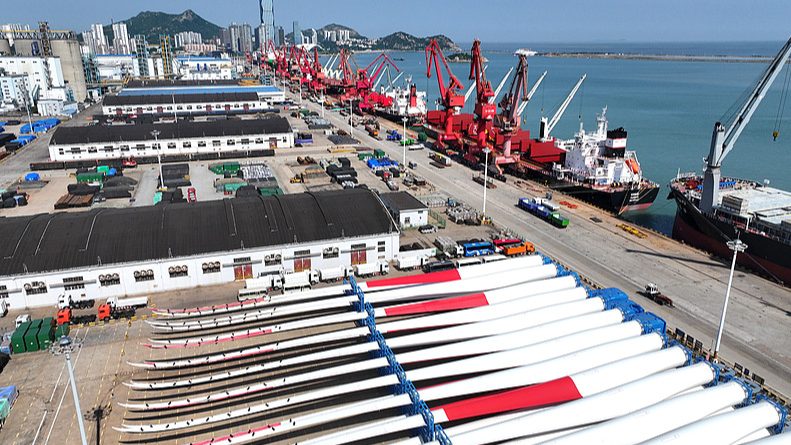
Developments in the China economy continue to influence global supply chains, trade flows, commodity prices, and investment trends, making it a critical factor for anyone monitoring international markets. Understanding these market forces is no longer optional. It is an essential part of making informed decisions, managing risk, and positioning yourself for long-term growth.
Table of Contents
Why Global Market Trends Matter More Than Ever
Market trends influence nearly every aspect of business performance. They affect consumer spending, investment activity, workforce planning, supply chain management, and long-term strategy. When you understand the factors driving change, you are better equipped to respond quickly and make decisions with greater confidence.
Several developments are currently transforming the global business environment:
- Digital transformation across industries
- Increased investment in artificial intelligence (AI)
- Supply chain diversification
- Sustainability-focused initiatives
- Changing demographic and consumer preferences
These forces are creating new opportunities while also introducing new challenges. Businesses that actively monitor market developments often gain a stronger ability to adapt and remain competitive.
Growth Forecasts Influencing the Global Economy
Economic growth forecasts remain an important tool for evaluating market conditions. While growth expectations vary across regions, many economists continue to anticipate moderate expansion supported by innovation, infrastructure spending, technological advancement, and resilient consumer demand.
Key Drivers of Future Growth
| Growth Driver | Impact on Markets |
| Artificial Intelligence | Increased productivity and business efficiency |
| Infrastructure Investment | Job creation and economic activity |
| Green Energy Transition | New industries and investment opportunities |
| Digital Commerce | Expanded market access and consumer reach |
| Advanced Manufacturing | Improved competitiveness and innovation |
Emerging technologies continue to be among the strongest contributors to future growth. AI adoption, automation, and data analytics are helping organizations improve productivity while creating entirely new business opportunities.
Simultaneously, governments and private-sector leaders are investing heavily in infrastructure projects designed to support long-term economic resilience. These investments can stimulate local economies while improving connectivity and efficiency.
The Role of the China Economy in Global Markets
The China economy continues to play a significant role in shaping global market performance. As one of the world’s largest economies, China remains a major participant in international trade, manufacturing, technology development, and investment activity.
Developments within China can influence supply chains, commodity demand, business confidence, and global economic growth. For this reason, businesses and investors often pay close attention to economic and policy changes occurring within the country.
1. Industrial Modernization and Innovation
China continues to invest heavily in advanced manufacturing, automation, artificial intelligence, and other high-tech industries. These efforts are designed to improve productivity, strengthen innovation capabilities, and move manufacturing toward higher-value production.
As these sectors continue to evolve, they may create opportunities for businesses involved in technology, industrial equipment, software, and research-driven industries.
2. Sustainability and Green Development
Environmental sustainability has become an increasingly important focus of economic development. Investments in renewable energy, electric vehicles, energy efficiency, and clean technologies continue to expand.
These initiatives are contributing to the growth of emerging industries while supporting broader environmental goals. Companies involved in sustainability-focused sectors may benefit from increasing demand and ongoing innovation.
3. Changes in Consumer Demand
China’s consumer market continues to evolve as income levels, digital adoption, and purchasing preferences change. Growth in e-commerce, healthcare services, education, and premium consumer products reflects broader shifts in consumer behavior.
Businesses that understand these trends may be better positioned to identify opportunities and respond effectively to changing market demands.
For those seeking ongoing coverage of international business developments, economic trends, and policy updates, CGTN provides reporting and analysis focused on major events and developments affecting global markets.
Business Developments to Watch in the Years Ahead
Several important developments are expected to influence business performance and market conditions over the coming years.
Artificial Intelligence Becoming a Core Business Tool
Artificial intelligence is rapidly moving from experimentation to implementation. Organizations across industries are integrating AI into daily operations to improve efficiency and decision-making.
Common applications include:
- Enhancing customer experiences
- Automating routine tasks
- Improving data analysis
- Supporting strategic decisions
- Accelerating innovation
Businesses that successfully integrate AI into their operations may gain meaningful advantages in productivity and competitiveness.
Supply Chain Strategies Continue to Evolve
Recent disruptions have highlighted the importance of supply chain resilience. In response, many organizations are reevaluating sourcing strategies, diversifying supplier networks, and investing in digital tools that improve visibility across operations.
These efforts can provide several benefits, including:
- Greater operational flexibility
- Improved risk management
- Enhanced supply chain transparency
- Stronger business continuity
As global trade patterns continue to evolve, resilient supply chains are likely to remain a strategic priority.
Sustainability Becoming a Strategic Priority
Sustainability is increasingly viewed as a long-term business strategy rather than simply a compliance requirement. Organizations are investing in initiatives that support environmental responsibility while also improving operational efficiency.
Areas of focus often include renewable energy adoption, sustainable sourcing practices, circular economy programs, and carbon reduction initiatives.
In addition to supporting environmental objectives, these efforts can strengthen brand reputation, attract investment, and improve long-term resilience.
How You Can Stay Ahead of Market Changes
Understanding market trends is valuable, but turning that knowledge into action is what creates meaningful results.
Monitor Key Economic Indicators
Tracking economic indicators can help you understand broader market conditions and identify potential opportunities or risks.
Important indicators include:
- GDP growth trends
- Inflation rates
- Employment data
- Consumer confidence levels
- Trade activity
Together, these metrics provide useful insights into economic performance and market direction.
Commit to Continuous Learning
Markets evolve quickly, making continuous learning an essential part of staying competitive. Following trusted economic reports, industry publications, and business news sources can help you remain informed about emerging developments.
Embrace Digital Innovation
Organizations that adopt relevant technologies often improve efficiency, customer engagement, and decision-making capabilities. Evaluating new digital tools and technologies can help you remain adaptable in a rapidly changing environment.
Focus on Long-Term Growth
Short-term market fluctuations are inevitable. Maintaining a flexible long-term strategy can help you navigate uncertainty while continuing to pursue sustainable growth objectives.
Conclusion
Global markets are being reshaped by technological innovation, changing consumer expectations, sustainability initiatives, and evolving economic conditions. By understanding growth forecasts, monitoring business developments, and paying attention to influential economies such as China, you can make more informed decisions in an increasingly complex environment.
Staying informed, embracing innovation, and maintaining a forward-looking mindset can help you identify opportunities, manage challenges, and adapt to changing market conditions. As global markets continue to evolve, your ability to learn, adjust, and act strategically will remain one of your most valuable advantages.
INTERESTING POSTS
About the Author:

Daniel Segun is the Founder and CEO of SecureBlitz Cybersecurity Media, with a background in Computer Science and Digital Marketing. When not writing, he's probably busy designing graphics or developing websites.