
In this post, I will show you how a healthcare LMS reduces risk and improves patient safety.
Continuous pressure exists for healthcare organizations to meet quality standards and minimize error rates. A learning management system (LMS) helps effectively train and educate staff, which reduces risk and promotes patient safety. This post covers how supporting staff learning through an LMS enables safer care.
Table of Contents
Consistent Training for All Employees
A healthcare LMS provides the same course material to every worker, regardless of delivery location or shift. When the team receives instructions and updates at the same time, learning becomes standardized.
This consistency minimizes the potential for confusion or gaps in knowledge, any of which can put patients at risk.
Tracking Compliance and Certification

It simplifies tracking all your staff certifications and compliance with the needed learning modules. Course completion statuses allow administrators to quickly identify which staff members completed courses and who requires reminders.
This transparency allows for better recertification scheduling or further training before credential expiration.
Streamlining Policy Updates
Healthcare policies are dynamic because institutions occasionally revise them in response to changes in regulations or the introduction of a new clinical guideline.
An LMS allows administrators to quickly update training content and roll it out to all users at the same time. The system sends notifications about new or updated modules or policies to staff, ensuring that everyone remains up-to-date on the current policies.
Interactive and Engaging Learning
Current learning platforms provide interactive lessons, simulations, and evaluations. What follows is a combination of the above elements, which helps provide busy healthcare professionals with a more engaging and memorable training experience.
These predictable hypothetical situations contribute to creating a safe and controlled environment to allow staff to practice their emergency or unusual situation responses.
Immediate Access to Resources
An LMS often provides on-demand access to reference resources, standards, and how-to videos. It enables staff to quickly refer to instructions when carrying out unfamiliar work, decreasing the chance of errors.
Immediate access furthers a culture of learning as it encourages workers to seek answers on their own. Access to knowledge bolsters confidence and prompts appropriate actions at the point of patient care.
Encouraging Continuous Improvement
All learning management systems foster continuous professional development. Staff can study for additional programs to develop their skills and keep up with changes in healthcare.
Various modules can deal with specific shortcomings or prepare the team for new equipment or processes. Meeting employees where they are and giving them tangible opportunities to develop their skills helps inspire them to elevate their competence.
Supporting Audit and Quality Initiatives
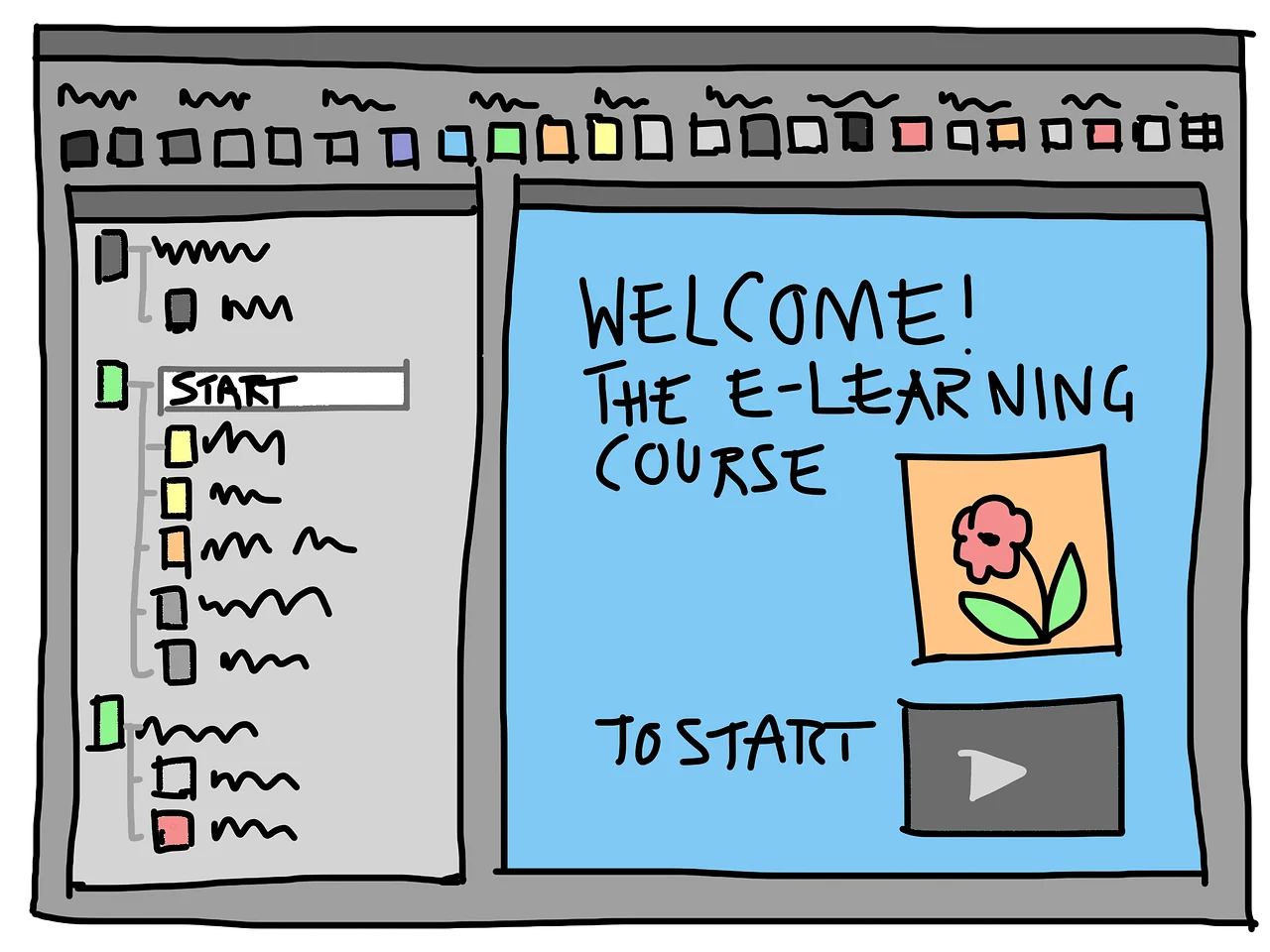
Regulatory bodies want to see evidence of your continued education and quality improvement efforts. An LMS records specifics about the courses people completed, their assessment scores, and how many people got involved with different activities.
This information keeps a record for audits and shows commitment to safety and compliance. It also allows organizations to pinpoint trends or repeated gaps in knowledge, which they can address in an improvement plan
Reducing Human Error
There are virtually hundreds of human errors that lead to adverse events in healthcare. That is where a learning management system steps in to help mitigate such errors by reiterating best practices and standardized protocols.
Regular coaching keeps vital skills fresh and ensures scrutiny remains part of the corporate culture. When staff feel confident in their knowledge, they are less likely to skip steps or misinterpret guidelines, reducing patient harm.
Enhancing Communication
Effective communication is paramount in patient safety. A learning management system can have modules relating to teamwork, communication skills, and the reporting of errors. It helps to mitigate misunderstanding while taking a handoff or in a situation of crisis. Creating an environment in which communicative clarity is a prized possession can help organizations.
Conclusion
A properly implemented healthcare learning management system safeguards patient safety through consistent training, compliance tracking, and continuous development support. Interactive courses, timely access to resources, and refreshed content help staff to remain updated.
An LMS helps mitigate risk and better ensure safer care for everyone by minimizing human error, supporting audits, and encouraging proper communication.
INTERESTING POSTS
- Retail LMS Software: Transforming Customer Service Through Continuous Learning
- Top 8 WordPress LMS Plugins to Use in 2026
- The Overlooked Security Risks of Poor Cash Management in Small Businesses
- How MDR Strengthens Compliance and Reduces Breach Costs
- 5 Cybersecurity Tips For Small Businesses
- Understanding How Tool Tracker Software Improves Operations
About the Author:

Amaya Paucek is a professional with an MBA and practical experience in SEO and digital marketing. She is based in Philippines and specializes in helping businesses achieve their goals using her digital marketing skills. She is a keen observer of the ever-evolving digital landscape and looks forward to making a mark in the digital space.