


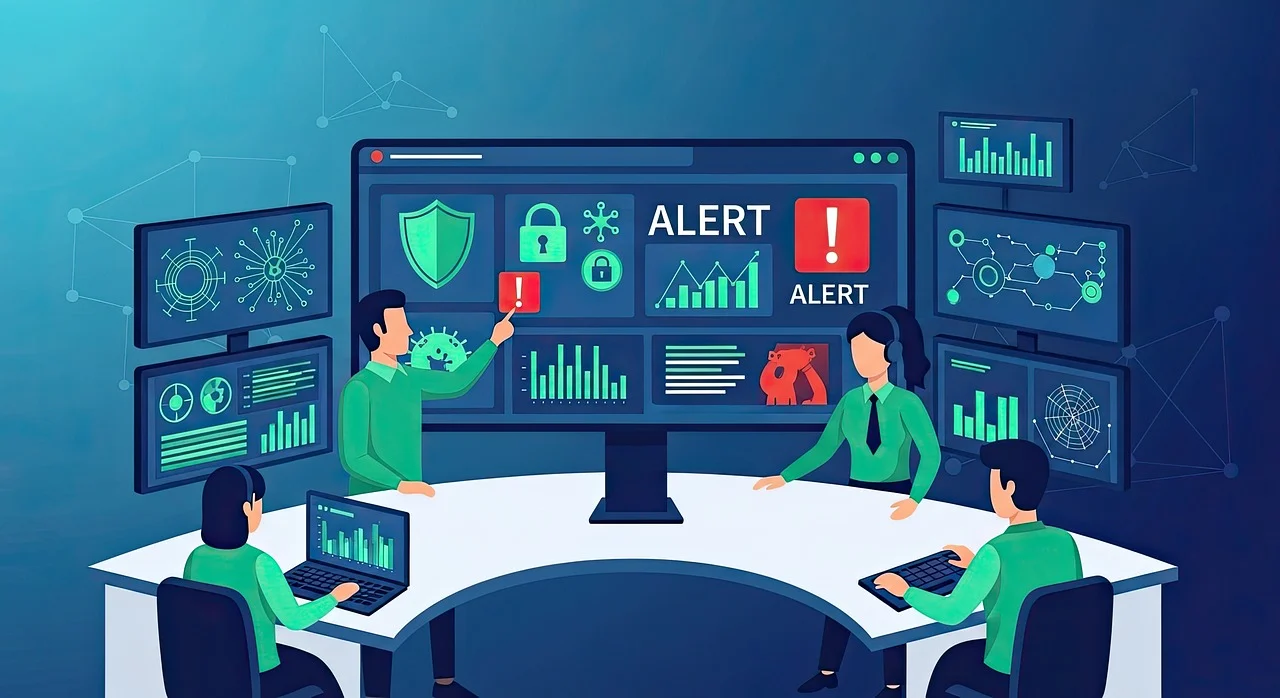

In this post, I will answer the question – what is cybersecurity?.
Cybercrime is projected to cost the world $13.8 trillion annually by 2028, up from $10.5 trillion in 2025, according to Cybersecurity Ventures. In the United States, a cyberattack occurs every 39 seconds on average.
Despite this, 95% of successful breaches are caused by human error, not technical failure. Cybersecurity is not just an IT problem. It is everyone’s problem.
Table of Contents
What Cybersecurity Really Means
Cybersecurity is the practice of protecting systems, networks, devices, and data from unauthorized access, damage, or attack. It covers everything from a personal laptop to the infrastructure powering national power grids.
The field breaks down into several core disciplines:
- Network security: protecting data in transit across networks
- Application security: securing software against vulnerabilities
- Endpoint security: defending individual devices (phones, laptops, tablets)
- Cloud security: protecting data stored and processed online
- Operational security: managing how data is handled and accessed internally
Each layer matters. A breach at any single point can compromise the entire chain.
The Biggest Cybersecurity Threats in the US Right Now
The threat landscape evolves fast. These attacks are causing the most damage to American individuals and organizations in 2026:
Phishing remains the number one entry point for attackers. A fraudulent email, a fake login page, a spoofed SMS: the goal is always the same, getting you to hand over credentials or click a malicious link.
Ransomware encrypts a victim’s files and demands payment to restore access. US healthcare, schools, and municipalities remain the hardest hit sectors, with average ransom payments exceeding $2 million per incident according to recent Sophos reporting.
AI-powered attacks are a growing threat. Attackers now use generative AI to craft hyper-personalized phishing messages, clone voices, and automate vulnerability scanning at scale.
Credential stuffing uses leaked username/password combinations from previous breaches to break into new accounts. It works because most people still reuse passwords.
Man-in-the-middle (MitM) attacks intercept communications between two parties without their knowledge. Public Wi-Fi networks remain the most common attack vector.
Cybersecurity Best Practices That Actually Reduce Risk

Security experts agree on a short list of actions that eliminate the vast majority of risk for regular users:
- Use a password manager. Unique, complex passwords for every account, without memorizing any of them.
- Enable two-factor authentication (2FA). Authenticator apps (like Authy or Google Authenticator) are significantly more secure than SMS-based 2FA.
- Keep software updated. Most exploits target known vulnerabilities that patches already fix.
- Use a reputable VPN when connecting to networks you do not control.
- Back up your data. The 3-2-1 rule: 3 copies, on 2 different media, with 1 stored offsite.
These five steps alone eliminate exposure to a large share of common attacks.
Cybersecurity for Travelers: A Blind Spot Most People Ignore
Travel creates a specific set of cybersecurity vulnerabilities that most people underestimate.
Airport lounges, hotel Wi-Fi, and café hotspots are high-value targets for attackers. On an unsecured public network, unencrypted traffic (login credentials, banking sessions, personal emails) can be intercepted in minutes by anyone with basic tools.
The safest approach is to avoid public Wi-Fi entirely. Instead of relying on shared hotspots, travelers can connect through a private cellular data connection. Solutions like Holafly eSIM allow users to activate a local data plan on their device before departure, removing any need to join a public network abroad.
This is a concrete and underused cybersecurity measure for frequent travelers.
FAQ
What is the difference between cybersecurity and information security?
Information security covers the protection of all data, whether physical or digital. Cybersecurity is a subset focused specifically on digital systems and networks.
Is cybersecurity only relevant for businesses?
No. Individuals are increasingly targeted, particularly through phishing and credential stuffing. Personal financial accounts, healthcare records, and social media profiles are all valuable to attackers.
What is zero-trust security?
Zero-trust is a security model based on the principle “never trust, always verify.” No user or device is trusted by default, even inside a corporate network.
How do I know if my data has been breached?
Tools like Have I Been Pwned (haveibeenpwned.com) let you check whether your email address has appeared in known data breaches.
INTERESTING POSTS
- Zero-Trust Hosting: What It Means and Why It’s Becoming the Standard
- How Tech-Savvy Travelers Choose Luxury Transport for Seamless Comfort
- 50 SUREFIRE Tips To Protect Your Privacy Online
- Packing Smart for Adventure Travel: Food, Gear, and Style for the Road
- Stay Connected and Safe Abroad: Saily eSIM + NordVPN Limited-Time Offer
- The Increasing Importance Of Cybersecurity
- Top Countries Notable for Cyber Criminals
About the Author:

Gina Lynch is a VPN expert and online privacy advocate who stands for the right to online freedom. She is highly knowledgeable in the field of cybersecurity, with years of experience in researching and writing about the topic. Gina is a strong advocate of digital privacy and strives to educate the public on the importance of keeping their data secure and private. She has become a trusted expert in the field and continues to share her knowledge and advice to help others protect their online identities.


