

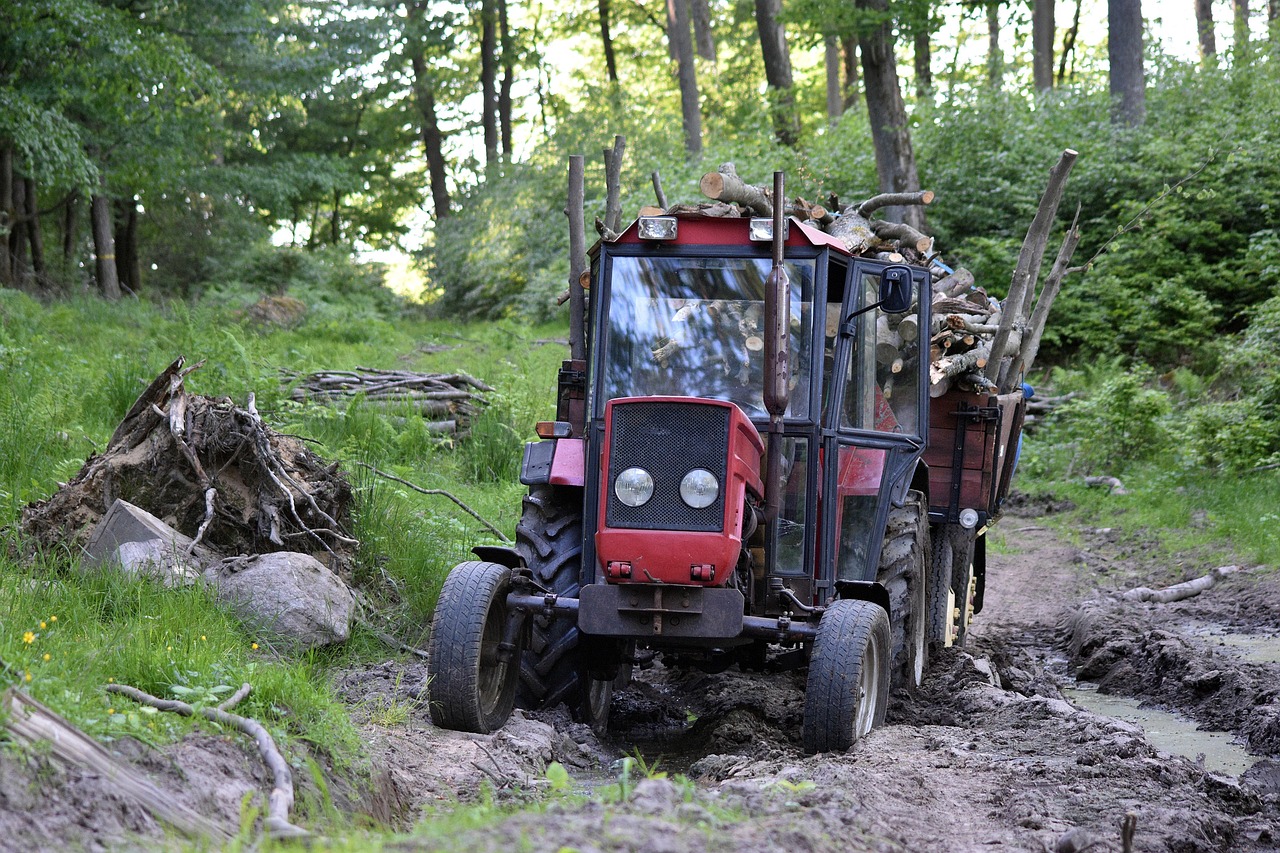
In this post, I will talk about why tree removal is critical for preventing hazards and maintaining land health.
Managing land effectively requires attention to both safety and long-term sustainability. While trees are an essential part of any natural landscape, they can also present risks when they become unstable, diseased, or improperly positioned. Without proper management, these risks can impact both property safety and overall land usability.
Many property owners overlook the condition of trees until visible issues appear. However, problems such as internal decay, root instability, or structural weakness often develop long before they are noticed. Waiting too long to act can lead to unexpected hazards and costly damage.
Tree Removal plays a vital role in maintaining a safe and functional environment. By addressing potential risks early, property owners can protect their land, improve overall conditions, and ensure long-term usability.
Table of Contents
Understanding When Trees Become a Risk
Not all trees pose immediate danger, but certain conditions can increase the likelihood of failure. Trees that are dead, leaning, or damaged by weather are more likely to become unstable over time. These factors should not be ignored.
Environmental stress, disease, and age can weaken a tree’s structure. Even if the tree appears stable on the surface, internal damage may already be present. This makes early evaluation essential.
Bear Claw Land Services helps property owners identify these risks before they escalate. Recognizing warning signs allows for timely and effective action.
Preventing Property Damage From Falling Trees
One of the most significant risks associated with unstable trees is property damage. Falling branches or entire trees can impact buildings, vehicles, and infrastructure. These events often occur unexpectedly.
Storms and high winds increase the likelihood of tree failure. Weak or damaged trees are especially vulnerable during these conditions. Preventive action reduces exposure to these risks.
Tree Removal eliminates hazardous trees before they can cause damage. This proactive approach helps protect both structures and surrounding areas.
Supporting Safer Outdoor Environments
Safety is a major concern for properties used for recreation, work, or daily activities. Unstable trees can create dangerous conditions, especially in high-traffic areas. Falling debris poses a risk to people and equipment.
Removing hazardous trees helps create a safer environment where individuals can move freely. Clear spaces reduce the likelihood of accidents and improve usability.
Bear Claw Land Services focuses on creating safer landscapes through strategic removal. A well-maintained property supports both safety and functionality.
Improving Overall Land Health
Healthy land depends on balanced vegetation. When certain trees become diseased or overcrowded, they can negatively impact surrounding plant life. This disrupts natural growth patterns.
Tree Removal allows healthier vegetation to thrive by reducing competition for sunlight, water, and nutrients. This supports a more balanced ecosystem.
Maintaining proper spacing between trees improves airflow and reduces the spread of disease. This contributes to long-term land health.
Managing Disease and Pest Infestations
Diseased trees can spread problems to nearby vegetation if left untreated. Pests are also attracted to weakened or decaying trees, increasing the risk of infestation across the property.
Removing affected trees helps contain these issues before they spread. This protects the overall condition of the land and prevents further damage.
Professional tree removal services in Colorado help property owners manage these challenges effectively. Addressing problems early ensures better outcomes.
Enhancing Property Accessibility and Usability
Overgrown or poorly placed trees can limit access to certain areas of a property. This makes it difficult to move equipment, create pathways, or develop land for future use. Accessibility is essential.
Tree Removal opens up space and creates clearer pathways. This improves mobility and allows for better use of the land. Organized spaces are easier to manage.
Improved access also supports future projects such as construction or landscaping. A clear layout makes planning more efficient.
Reducing Fire Hazards Through Vegetation Control
In areas prone to dry conditions, unmanaged vegetation can increase fire risk. Dead or dying trees act as fuel, allowing fire to spread more quickly. This creates serious safety concerns.
Tree Removal helps reduce the amount of combustible material on the property. Removing high-risk vegetation supports safer conditions, especially during dry seasons.
Bear Claw Land Services integrates safety-focused strategies that help reduce fire exposure. Proactive management plays a key role in risk reduction.
Preparing Land for Future Development
Development projects require clear and stable land. Unstable or obstructive trees can delay progress and create challenges during construction. Proper preparation is essential.
Tree Removal helps establish a clean and accessible foundation for future work. This allows projects to move forward without unexpected obstacles.
A well-prepared site improves efficiency and reduces complications. It ensures that development plans can be executed smoothly.
Supporting Long Term Property Value
The condition of a property plays a significant role in its overall value. Well-maintained land that is free from hazards is more attractive to buyers and investors. Safety and usability are key factors.
Tree Removal contributes to a clean and organized appearance. It demonstrates responsible land management and increases overall appeal.
Bear Claw Land Services helps property owners maintain conditions that support long-term value. Strategic improvements enhance both function and presentation.
Preventing Overcrowding and Resource Competition
When too many trees grow in close proximity, they compete for essential resources. This can lead to weaker growth and reduced health across the landscape. Overcrowding limits potential.
Tree Removal helps create proper spacing between vegetation. This allows remaining trees to grow stronger and healthier. Balanced growth improves overall land quality.
Proper management ensures that resources are distributed effectively. This supports sustainable land use.
Improving Visibility and Monitoring Conditions
Dense vegetation can make it difficult to monitor property conditions. Hidden areas may contain hazards such as unstable trees or uneven terrain. Limited visibility increases risk.
Tree Removal improves sightlines across the property, making it easier to identify potential issues. Clear visibility supports better maintenance and planning.
Bear Claw Land Services helps create open and manageable landscapes. Improved awareness leads to better decision-making.
Creating a More Manageable Landscape
Maintaining overgrown land can be time-consuming and challenging. Excess vegetation requires constant attention and can quickly become unmanageable. Simplifying the landscape improves efficiency.
Tree Removal reduces the amount of vegetation that needs to be maintained. This makes routine upkeep easier and more effective.
A manageable landscape allows property owners to focus on long-term goals rather than constant maintenance challenges.
Conclusion
Effective land management requires a balance between preserving natural elements and addressing potential risks. Tree Removal plays a critical role in maintaining safety, improving land health, and supporting long-term usability. By removing hazardous or problematic trees, property owners can create a more stable and functional environment.
From preventing property damage to enhancing accessibility and reducing fire risks, the benefits are clear. A proactive approach ensures that land remains safe and productive over time.
With expert support from Bear Claw Land Services, property owners can make informed decisions that protect their investment. Strategic Tree Removal helps create a landscape that is both safe and sustainable, ensuring long-term value and usability.
INTERESTING POSTS
- How to Use Land Owner Maps to Resolve Boundary and Ownership Conflicts
- How to Mitigate Potential Hazards of AI Use in Business
- Third-Party Access: Where Friction Becomes Risk
- How Electric Safety Education Protects Families and Prevents Household Hazards
- Banana Pro Launches Major Usability Upgrades While Solana Traders Show the Highest On-Chain Consistency of the Month
About the Author:

John Raymond is a cybersecurity content writer, with over 5 years of experience in the technology industry. He is passionate about staying up-to-date with the latest trends and developments in the field of cybersecurity, and is an avid researcher and writer. He has written numerous articles on topics of cybersecurity, privacy, and digital security, and is committed to providing valuable and helpful information to the public.