




In this post, I will talk about the role of backup power in modern home technology setups.
Modern homes rely on a growing number of connected devices and electronic systems. From smart thermostats and security cameras to home entertainment systems and remote work equipment, technology has become deeply integrated into everyday living. As households continue to depend on digital infrastructure, reliable power has become a critical factor in maintaining comfort, productivity, and safety.
Power outages, even brief ones, can interrupt internet connections, disable security systems, and disrupt essential devices. For this reason, many homeowners are exploring backup power solutions that help maintain stability when primary electricity sources are unavailable.
Table of Contents
The Growing Importance of Home Technology
Over the past decade, home technology systems have expanded far beyond traditional appliances. Smart home platforms now connect lighting, heating, security, and entertainment systems into centralized networks controlled through smartphones or voice assistants.
These systems improve convenience and energy efficiency, but they also increase reliance on continuous electricity. When power is interrupted, many connected devices stop functioning immediately.
Reliable backup power systems allow homeowners to keep essential systems running during outages. This capability has become particularly important for households that depend on home offices, medical devices, or security infrastructure.
Understanding Backup Power Systems
Backup power systems provide electricity when the main grid is unavailable. These systems typically rely on battery storage, generators, or portable power stations that store energy and release it when needed.
Portable power stations have become especially popular because they offer flexible and relatively simple installation. Unlike permanent standby generators, many portable units can be moved easily and used for different purposes around the home.
Battery-powered backup systems are often charged through standard electrical outlets, solar panels, or hybrid charging systems that combine both sources.
Recreational Technology and Home Entertainment
Modern homes also incorporate a wide range of entertainment technologies, including gaming systems, streaming devices, and high-definition audio systems. While these systems are not essential in the same way as security or communication equipment, many households still value uninterrupted entertainment experiences.
Backup power systems can provide enough energy to keep televisions, streaming devices, and gaming consoles operating during brief outages.
For households that enjoy recreational sports technologies, devices such as indoor golf simulators are also part of modern home entertainment setups. Companies such as Indoor Golf Outlet provide equipment that allows golf enthusiasts to practice indoors using advanced simulation technology.
Maintaining reliable electricity ensures that these systems function properly without interruptions caused by sudden power loss.
Battery Power for Modern Homes
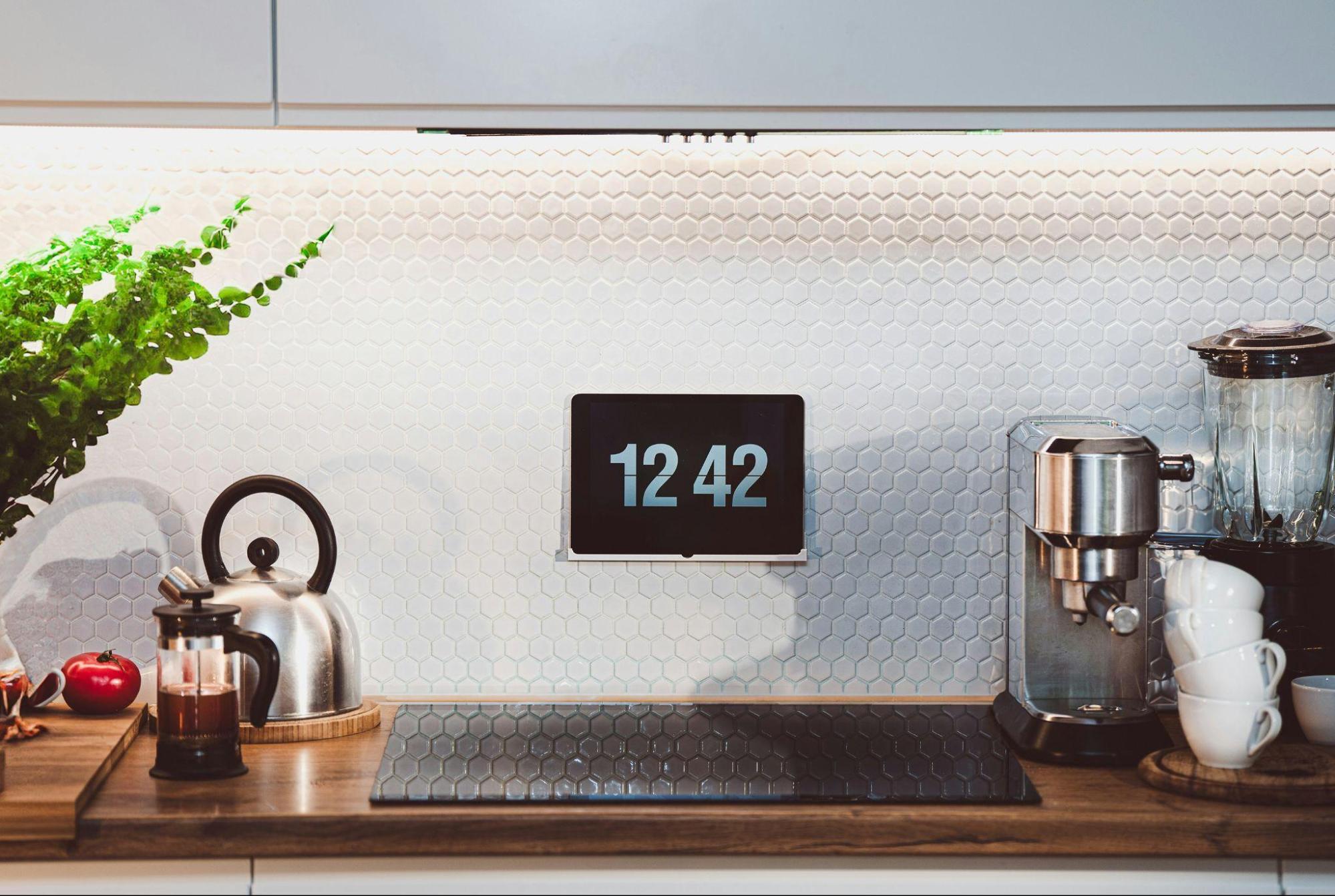
Advances in battery technology have made portable energy storage more practical for residential use. Modern power stations can store significant amounts of electricity and support a variety of devices, including laptops, routers, refrigerators, and lighting systems.
Some households research high-capacity portable power systems such as the anker solix f3000 when exploring options for reliable backup energy. These types of systems are designed to store large amounts of power while remaining portable enough for flexible use in different settings.
Battery backup solutions are particularly useful for short-term outages, allowing homeowners to maintain essential functions without relying on fuel-powered generators.
Supporting Smart Home Infrastructure
Smart home systems often depend on continuous internet connectivity and centralized control hubs. During power interruptions, routers and network equipment typically shut down unless they are connected to backup power sources.
Maintaining power to networking equipment allows smart devices to continue operating and prevents disruptions to automated systems such as climate control or lighting schedules.
Backup power also helps maintain home security systems, including cameras, alarms, and monitoring devices that require electricity to function.
Backup Power for Home Offices
Remote work has become increasingly common, which means many households now depend on reliable power for productivity. Computers, monitors, internet routers, and communication tools all require stable electricity.
Even short outages can interrupt online meetings, data transfers, or important work tasks. Backup power systems can help prevent these disruptions by keeping essential office equipment operational until grid power is restored.
For professionals who work from home regularly, maintaining reliable electricity can be essential for maintaining workflow continuity.
Recreational Technology and Home Entertainment
Modern homes also incorporate a wide range of entertainment technologies, including gaming systems, streaming devices, and high-definition audio systems. While these systems are not essential in the same way as security or communication equipment, many households still value uninterrupted entertainment experiences.
Backup power systems can provide enough energy to keep televisions, streaming devices, and gaming consoles operating during brief outages.
For households that enjoy recreational sports technologies, devices such as indoor golf simulators are also part of modern home entertainment setups. Companies such as Indoor Golf Outlet provide equipment that allows golf enthusiasts to practice indoors using advanced simulation technology.
Maintaining reliable electricity ensures that these systems function properly without interruptions caused by sudden power loss.
Solar Integration and Energy Independence
Many backup power systems can also integrate with solar panels, allowing homeowners to recharge battery storage using renewable energy. Solar charging adds another layer of resilience by providing energy even when grid power remains unavailable for extended periods.
This approach can also reduce electricity costs by allowing homeowners to store energy during periods of high solar production and use it later when demand increases.
Solar-powered backup systems are particularly useful in areas that experience frequent power outages or unstable grid conditions.
Planning an Effective Backup Power Setup
Designing a backup power system requires understanding how much electricity different devices consume. Homeowners typically begin by identifying essential systems that must remain operational during an outage.
Networking equipment, lighting, refrigeration, and communication devices are often considered top priorities. Once these needs are identified, homeowners can select backup systems with sufficient capacity to power those devices.
Portable power stations are often chosen because they provide flexible energy storage without requiring complex installation.
INTERESTING POSTS
- How Dry Cleaning Delivery Redefines Convenience for Modern Households
- Electric Vehicles: How New Technologies Are Changing Motorsport
- Guide To Choose The Right Electric Radiators
- Safe Streaming For Everyone
- Keeping Your Apple Devices Running Smoothly and Securely
- What Modern Email Protection Tools Offer Growing Teams?
About the Author:

Christian Schmitz is a professional journalist and editor at SecureBlitz.com. He has a keen eye for the ever-changing cybersecurity industry and is passionate about spreading awareness of the industry's latest trends. Before joining SecureBlitz, Christian worked as a journalist for a local community newspaper in Nuremberg. Through his years of experience, Christian has developed a sharp eye for detail, an acute understanding of the cybersecurity industry, and an unwavering commitment to delivering accurate and up-to-date information.


