

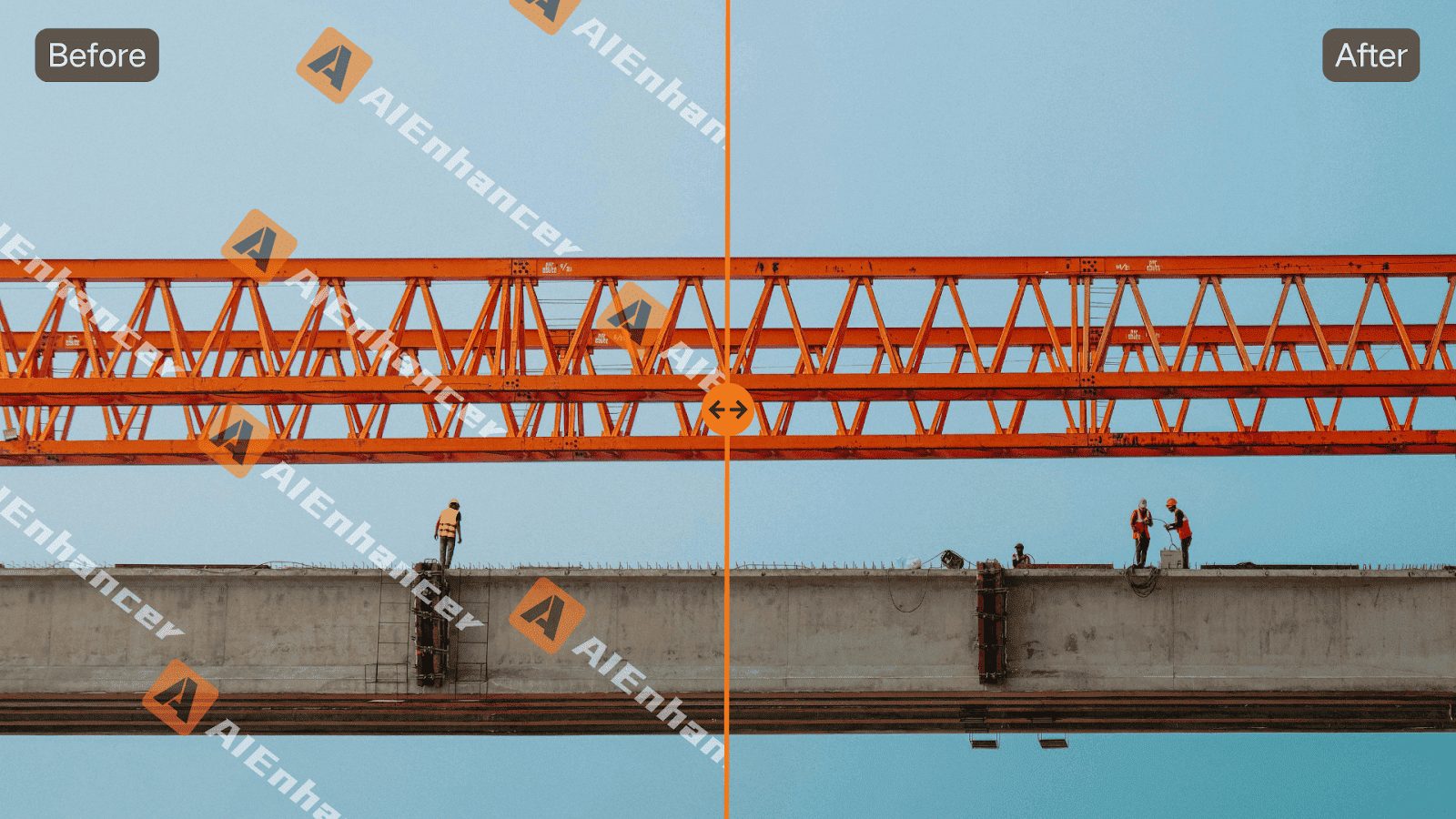
In this post, I will talk about AIEnhancer as a strategic watermark remover for modern image workflows.
Images usually fail quietly. A small visual flaw delays approval, creates doubt, or forces a last-minute replacement.
From a management perspective, these moments accumulate into real inefficiency. Tools that reduce this kind of friction don’t just fix images; they stabilize workflows and decision speed across teams.
Table of Contents
Visual Friction and Its Operational Cost
Why Minor Issues Create Outsized Delays
Most image-related delays don’t come from poor content, but from hesitation. A visible mark on an otherwise usable image triggers questions: should it be fixed, replaced, or removed entirely? Each option costs time. Multiply that pause across campaigns or departments, and the impact becomes measurable.
The Hidden Cost of Manual Cleanup
Traditional image editing still assumes skilled attention. Even simple cleanup requires opening software, isolating areas, and checking results. From an operational standpoint, this is a poor use of time. Cleanup should be routine, not a specialist task.
How AIEnhancer Fits Into a Scalable Process
Automation That Reduces Decision Load
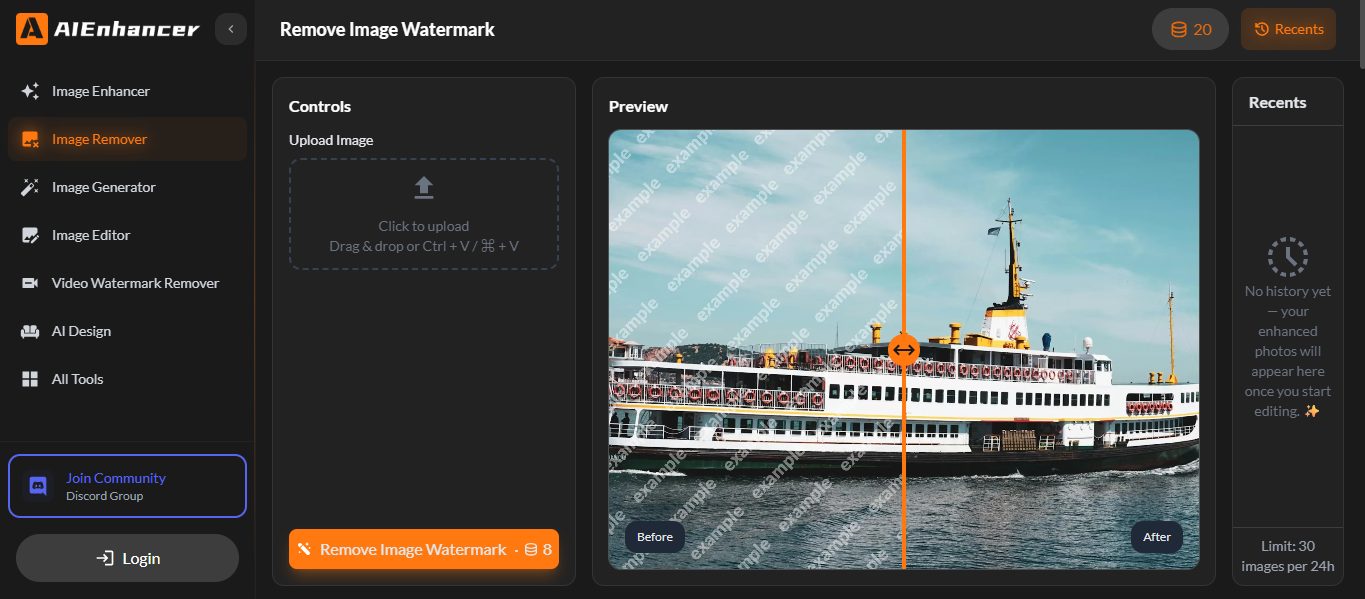
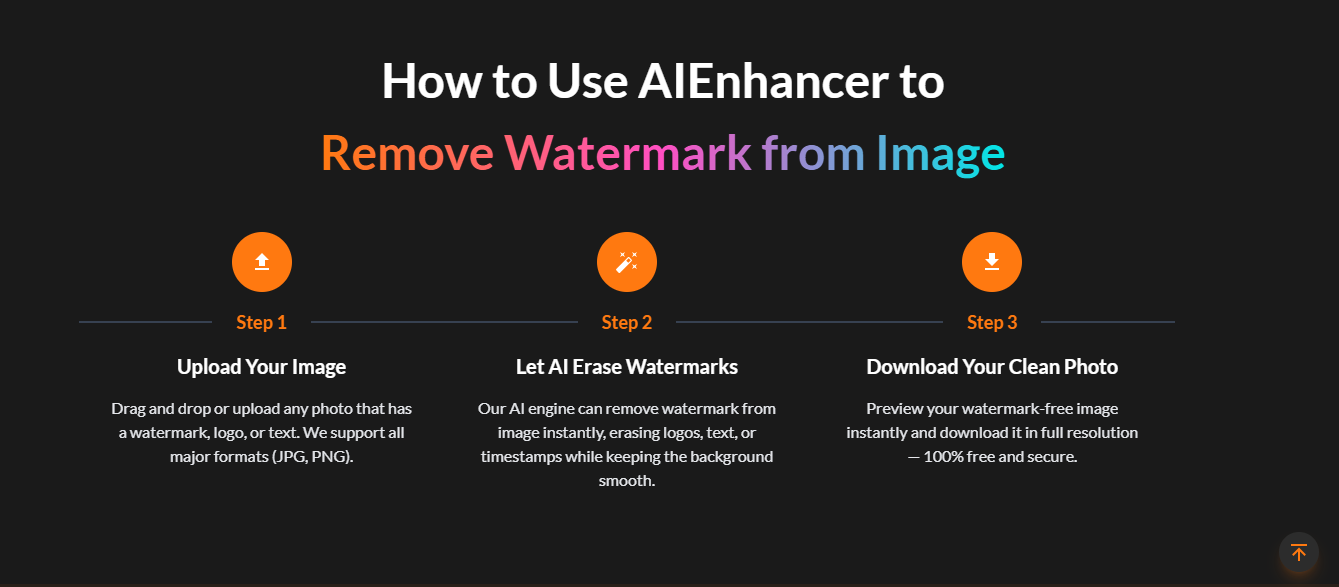
AIEnhancer approaches cleanup as a background operation. Its watermark remover is designed to remove visual distractions without asking for user input or judgment calls. Uploading an image initiates the process, and the output is ready for evaluation almost immediately.
Reliability Over Experimentation
For teams, predictability matters more than novelty. A watermark remover that works inconsistently introduces new risks. AIEnhancer focuses on stable results, rebuilding affected areas based on the surrounding context so the image still feels intact and credible.
Performance Across Asset Types
Images come from many sources: screenshots, product photos, archived visuals, brand assets. A watermark remover that only handles ideal cases adds friction elsewhere. AIEnhancer adapts quietly, which makes it suitable for repeated, large-scale use.
Quality After Removal Still Matters
Attention Shifts Once the Mark Is Gone
Once a watermark remover does its job, attention naturally moves to overall image quality. Soft edges or faded colors become more noticeable. This moment determines whether an image is reused confidently or set aside again.
Enhancement as a Supporting Step
AIEnhancer’s image enhancement tools address this layer efficiently. Resolution improves, colors regain balance, and clarity increases without dramatic changes. From a management view, this prevents rework and avoids debates about whether an image is “good enough.”
Extending the Life of Existing Assets
Many organizations sit on large image libraries that feel outdated. After cleanup with a watermark remover, subtle enhancement can make these assets usable again. This reduces the need for constant new production and improves return on existing resources.
Editing as an Intentional, Separate Choice
When Direction Matters More Than Cleanup
Some images require more than removal and enhancement. They need adaptation: new proportions, altered composition, or stylistic adjustment. In these cases, AIEnhancer offers an AI image editor that allows teams to guide output through prompts and model selection.
Why Separation Improves Control
Keeping the watermark remover independent from the editor is a practical decision. Cleanup stays fast and standardized. Editing remains optional and deliberate. This structure prevents unnecessary complexity in workflows where speed is the priority.
Operational Benefits of a Consistent Watermark Remover
Faster Reviews and Clearer Decisions
Clean images reduce discussion time. Stakeholders focus on the message and placement instead of the defects. Over time, a dependable watermark remover shortens approval cycles without requiring formal process changes.
Better Asset Reuse Across Teams
When images are easy to clean, teams reuse rather than replace. Marketing, product, and content teams benefit from a shared pool of usable visuals. The watermark remover becomes an enabling layer, not a visible tool.
Output That Performs Well in Delivery
After cleanup and enhancement, images still need to load quickly and display well. AIEnhancer’s compression tools ensure file sizes remain practical, protecting the gains made by the watermark remover during distribution.
Evaluating AIEnhancer From a Management Lens
Tools Should Reduce Cognitive Load
The best operational tools fade into the background. AIEnhancer doesn’t require training or ongoing adjustment. Its watermark remover becomes part of the routine, not a special exception.
Stability Builds Trust Faster Than Features
Teams adopt tools they trust. Consistent output matters more than advanced options. AIEnhancer’s watermark remover delivers predictable results, which encourages habitual use rather than cautious testing.
Small Improvements, Compound Impact
No single image cleanup transforms a strategy. Hundreds of small fixes do. By removing friction at the visual level, AIEnhancer supports faster execution, better asset utilization, and more confident decisions across teams.
A Measured Conclusion
From a strategic standpoint, AIEnhancer addresses a narrow but persistent problem. Its watermark remover removes distractions efficiently. Its enhancement tools restore confidence in reused assets.
Its editor supports adaptation when direction is needed. The value lies in reduced hesitation and steadier momentum, which, over time, is where operational efficiency is actually gained.
INTERESTING POSTS
About the Author:

Christian Schmitz is a professional journalist and editor at SecureBlitz.com. He has a keen eye for the ever-changing cybersecurity industry and is passionate about spreading awareness of the industry's latest trends. Before joining SecureBlitz, Christian worked as a journalist for a local community newspaper in Nuremberg. Through his years of experience, Christian has developed a sharp eye for detail, an acute understanding of the cybersecurity industry, and an unwavering commitment to delivering accurate and up-to-date information.