


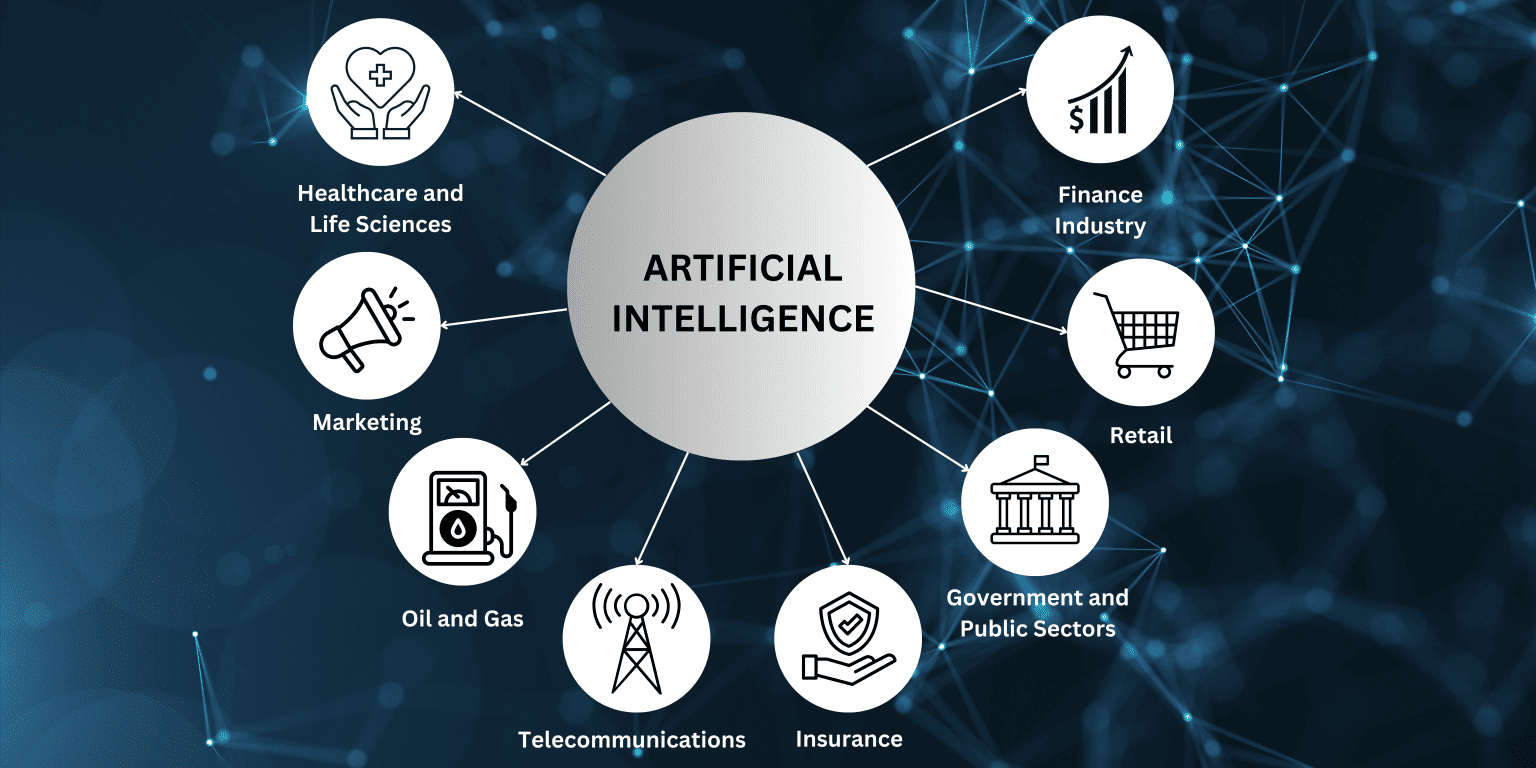

In this post, I will discuss AI-Powered Software Licensing. Also, I will reveal how artificial intelligence is revolutionising digital rights management.
Artificial intelligence is revolutionizing the software business, by impacting user experience and product development in digital ecosystems. The issues of software licensing and digital rights management are always growing but mostly neglected.
In a digital landscape, software licensing is critical to assure software distribution and regulatory compliance, though effective management enables businesses to protect their intellectual property, increase income, prevent piracy and maintain consumer trust.
Traditionally, it was used to prevent software piracy through serial codes, licensed product keys and simple subscription models in semi-automated technologies. But AI redirected the future of licence management with the evolution of security threats and shifting of consumer expectations toward flexible, seamless access, cloud computing and Software as a Service (SaaS), which provides superior automation, predictive analytics and compliance capabilities as compared to traditional methods.
Table of Contents
The Evolution of Software Licensing: From Keys to AI
Software licensing has evolved significantly during the last three decades. But the perpetual popularity of licenses was in the 1990s, when consumers purchased a one-time license that included a product key, granting them permanent access to software, but this lacked adaptability and piracy.
With the emergence of the internet, the subscription-based model became widespread. Adobe and Microsoft were pioneers in the transition to cloud-based subscriptions (SaaS) which enable continuous updates and recurring revenue. Nonetheless, these models face challenges: license misuse, account sharing and fraud are still frequent.
AI-powered licensing appears to be the next stage, that provides dynamic, intelligent and adaptable DRM solutions according to user behavior and detect anomalies in real-time. It automatically enforces compliance while maintaining customer experience.
Why Traditional License Management Falls Short
While current licensing management solutions have served businesses well but there are some limitations:
- Manual Oversight – Inaccurate manual evaluations are often required for compliance tracking.
- Limited Scalability – It gets harder to manage licenses as businesses grow and implement more apps for staff around the world.
- Fraud and Piracy – Static licence keys can be distributed, copied and stolen.
- Compliance Risks – Businesses are exposed to greater legal risks if licenses are not properly maintained in light of regulations such as the GDPR and various regional laws.
- Reactive Management – Conventional systems usually react only after issues occur, rather than preventing them in the first place.
These difficulties highlight the need for more intelligent, proactive and adaptive solutions which are uniquely positioned by AI technologies.
How AI Enhances Digital Rights Management

AI can analyze large datasets, discover trends and make predictive decisions and is an excellent fit for modern DRM. Here are some of the main ways AI is altering licensing:
1. Intelligent Piracy Detection
Piracy has long been a serious issue for software companies. Traditional DRM methods prevent unauthorized installations but hackers frequently find ways to circumvent them. AI improves piracy prevention by:
- Monitoring anomalous login trends such as multiple logins from different geographical areas.
- Identifying abnormal usage spikes that could suggest shared or stolen passwords.
- The new pirate strategies and automatically patch vulnerabilities can be detected with the usage of machine learning, to reduce losses and enable organizations to remain ahead of cybercrime.
2. Adaptive Licensing Models.
AI allows organizations to move beyond rigid licensing rules, instead of fixed monthly or yearly subscriptions, businesses adopted AI-powered pricing models according to user behavior. For example:
- It offers pay-per-use, such as micro-subscriptions to casual users.
- It offers tiered discounts or personalised bundles to high-volume users
- It also predicts users’ likelihood to leave and offers timely incentives that enhance revenue and users’ satisfaction.
3. Predictive Compliance Monitoring.
Regulatory compliance is growing increasingly complex mostly in healthcare, finance and cybersecurity. AI-based DRM can:
- It provides real-time license monitoring
- It quickly mitigates risk to avoid legal issues
- It offers comprehensive analytics for audits and reporting.
Automated compliance monitoring lowers business risk that allows employees to focus on higher-value tasks.
4. A seamless user experience
One of the most common objections leveled at traditional DRM is that it can be annoying for consumers in activation issues, repetitive logins and limited device usage frequently result in unhappiness. While AI is altering by;
- Enabling frictionless authentication (using biometrics and behavior-based recognition).
- Automatically optimizing license allocation among devices.
- Identifying specific user patterns to streamline renewals and upgrades.
The result of a licensing system is to protect enterprises while minimising customer inconvenience.
AI and Cloud-Based Licensing: An Effective Combination
AI gains clout when combined with cloud-based licensing. Thus the most recent software is distributed as SaaS, with cloud platforms serving as an appropriate infrastructure for real-time monitoring, predictive analytics and worldwide scalability.
- Real-time insights: Cloud-AI systems can rapidly detect worldwide usage trends
- Automatic scaling: It changes licensing limitations in response to increase the demand.
- Integrated security: It detects fraud and rapidly deploys patches across the cloud ecosystem.
The combination of AI and cloud licensing provides a more flexible, secure and customer-centric ecosystem, than traditional DRM solutions.
Modern software vendors such as AOMEI and EaseUS are increasingly adopting AI-driven licensing frameworks. Businesses using solutions like Aomei Backupper and EaseUs ToDo Backup must rely on compliant and authenticated license sources to prevent misuse and regulatory issues.
READ ALSO: Are UK Online Casinos Safe? A Guide to Choosing a Trustworthy Site
Advantages of AI-Powered License Management
Adopting AI in software license management has considerable benefits:
- Revenue Optimization – Dynamic pricing and churn prediction increase lifetime customer value.
- Cost Savings – The optimization of license consumption enables the firms to avoid paying money on redundant licenses.
- Improved Security – AI-powered fraud detection decreases the possibility of piracy and revenue loss.
- Increased operational efficiency – Automation eliminates the need for IT professionals to perform recurring compliance checks and license audits.
- Global Compliance – AI systems adapt to changing international regulations, minimizing legal risk.
- Customer Satisfaction – End users benefit from seamless license activation, less disruptions and clear payment.
- Data-Driven Decisions – Analytics provide actionable information about product usage and market demand.
Use cases across various industries
AI-powered license management has numerous uses across industries:
- Enterprise IT – Large organizations with thousands of software deployments can save expenses, while ensuring worldwide compliance.
- Healthcare – Hospitals utilizing specialized medical software can verify licenses comply with HIPAA and data privacy laws.
- Education – Universities with several campuses can easily track and distribute software licenses among students and instructors.
- SaaS Providers – Companies that sell subscription software can avoid account sharing and increase recurring revenue.
Challenges and Risks of AI in Licensing
While AI-powered licensing has enormous promise, organizations must address the following challenges:
- Privacy concerns: Monitoring user behavior necessitates stringent data protection protocols.
- Implementation costs: Creating AI-powered DRM necessitates a considerable investment in infrastructure.
- Algorithm Bias: AI models must be carefully trained to avoid false positives that disrupt real users.
- Cybersecurity Risks: Hackers may try to manipulate AI systems directly.
Overcoming these difficulties necessitates a balanced approach that leverages AI’s capability while maintaining transparency, fairness, and ethical data use.
The Future of AI in Software Licensing

The future of software licensing will be based on Automation, personalisation and intelligence, along with the evolution of AI one should expect increasingly more advanced features in software license management.
- Blockchain Integration – AI and blockchain can work together to build tamper-proof, decentralized license records.
- Adaptive Licensing – AI could enable usage-based, on-demand licensing models that respond to client needs in real time.
- speech and Biometric Authentication – In the future, license validation may use speech recognition or biometric scans rather of standard product keys.
- Autonomous Compliance – AI will automatically change licenses to match new legal requirements, as opposed to manual updates.
In the future, software licensing will not be limited to software piracy, but will also provide smarter, more user-friendly experiences that are in line with digital transformation trends.
Why Businesses Should Act Now
The migration to AI-powered licensing management is unavoidable, that made companies to gain competitive advantage through improved cost efficiency, compliance and customer satisfaction.
Organisations may face increased compliance risks, financial losses and operational inefficiencies through the use of outdated licensing systems, but undertaking a full licensing audit may assess their present position and identify opportunities for improvement before adopting AI-driven license management.
Piloting an AI-powered system can also provide vital insights and demonstrate possible benefits in a controlled environment. It also enable leaders to confidently move from awareness to action, assuring preparation for full-scale implementation.
Conclusion
The era of static product keys and fixed subscriptions is coming to an end. AI-powered licensing and DRM solutions are laying the groundwork for a more intelligent, secure and customer-focused digital environment. In addition to protecting their intellectual property, companies that combine machine learning and predictive analytics performing continuous authentication that increases customer loyalty and create new revenue sources.
Businesses that employ AI-driven software licensing will be at the vanguard as digital transformation picks up speed by establishing new standards for software security, compliance and customer experience. The future of licensing involves more than just access; it also involves intelligence, flexibility, and reliability.
In the ever-changing world of software distribution, software vendors, enterprise IT managers and SaaS providers must embrace AI-driven licensing solutions to stay competitive.
INTERESTING POSTS
- Controlling Data Breach And The Use Of DRM For Document Security
- Using Artificial Intelligence To Keep Your Financial Data Safe [Infographics]
- AI for Threat Detection: How Businesses Can Stay Secure
- Breachers Gonna Breach: Protect Your Organization From Internal Threats
- Cybersecurity Tips For Gambling
- Online Gambling Safety: How To Select Platform?




