


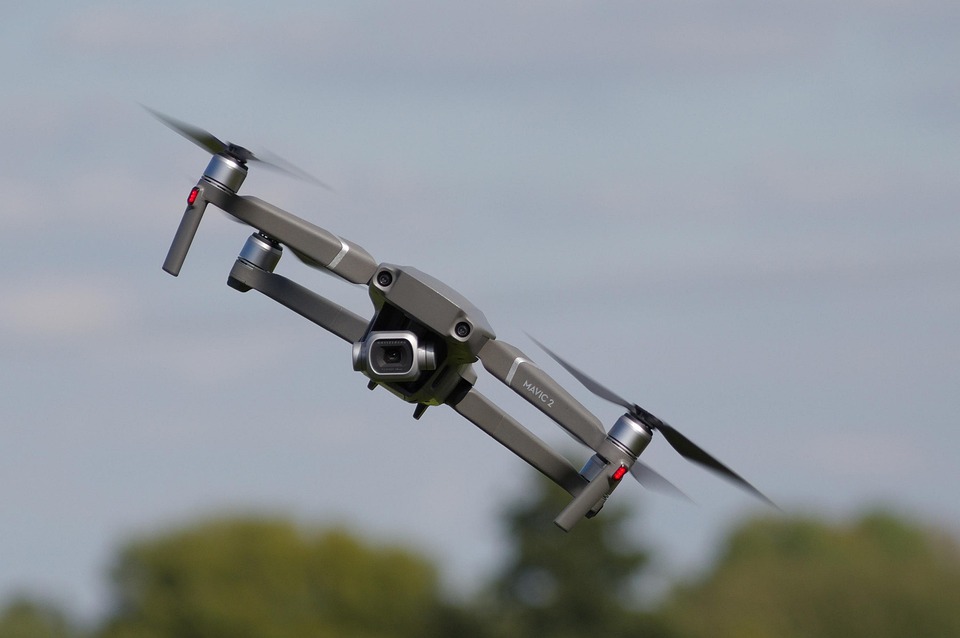

In this post, I will show you how high-end drone signal jammers are transforming modern airspace security.
When an unauthorized drone enters restricted airspace, how quickly does your current protocol neutralize it before it reaches a sensitive zone? If the response depends on visual identification and manual interception alone, is that window actually fast enough to prevent a serious incident? And when evaluating drone signal jammers for a defense application, how do you distinguish genuinely high-end systems from the ones that simply claim to be?
Unauthorized drone activity near critical infrastructure, military installations, airports, and major public events has pushed airspace security into a priority category for public facilities worldwide. Precision RF drone jamming technology works effectively, but choosing the right system starts with understanding its key features.
Here is a clear breakdown of how advanced drone signal jammers are reshaping the security picture.
Table of Contents
What Makes a Drone Signal Jammer Genuinely High-End?
Not every done jamming system covers the right frequencies and neither does every unit minimize collateral disruption to surrounding legitimate communications. The defining qualities of a professional-grade anti-drone jammer come down to several specific technical capabilities that matter under real operational conditions.
1. Multiple Frequency Band Coverage
Modern commercial drones operate across multiple frequency bands simultaneously. A signal jamming system that covers only one or two of those bands leaves genuine gaps in its neutralization capability. Advanced anti-drone jammers cover a range that includes 410–440MHz, 840–930MHz, L1 GPS at 1.57GHz, L2 GPS at 1.22GHz, 2.40–2.50GHz, and 5.70–5.90GHz.
2. Software-Defined Frequency Flexibility
A software-defined drone jammer takes capability a significant step further. Instead of a fixed jamming output, it allows operators to customize the jamming frequency and bandwidth to match the mainstream drone frequency bands currently active in that environment.
Software-defined drone jamming systems also support independent or combined output of multiple jamming channels, giving the operator precise control over exactly which channels are running at any given moment rather than broadcasting a full-spectrum output regardless of the specific threat profile.
3. Frequency Bands with Customizable Output
Beyond the standard multi-band configuration, certain directional jamming systems support 6 frequency bands of jamming signals, where both the frequency bands and output power levels can be customized to the deployment requirement.
Automatic and manual mode switching further extends operational flexibility, allowing the system to run autonomously upon drone detection or under direct supervisor assistance depending on the protocol in place.
Omnidirectional vs. Directional: Understanding the Right Coverage for Each Scenario
One of the most consequential decisions in drone defense planning is the choice between omnidirectional and directional coverage. Both high end drone defense solutions serve genuine operational needs, but they are not interchangeable.
1. Omnidirectional Jammers for Close-Range Perimeter Defense
An omnidirectional drone jammer provides 360° coverage and disposal of threats across the full surrounding area, making it the natural fit for fixed installations that need all-round protection without directional blind spots.
Airports, sports events, and other locations where the threat direction is unpredictable benefit from a secure omnidirectional protected area. The system’s integration design brings the jammer power amplifier, multiple-frequency antenna, and control panel together in a single unit without any external connection device.
2. Directional Jammers for Long-Range Precision Operations
High-gain antennas mounted on a Pan-Tilt platform actively track the drone and transmit the jamming signal precisely in the direction of the threat, making them well-suited for long-distance, wide-angle scenarios such as surveillance and VIP protection, where the approaching threat has a known or trackable direction.
Precise directional jamming without collateral disruption beyond the targeting arc is the defining operational advantage here. Frequency jamming can operate automatically upon drone detection or through direct supervisor input depending on the mission requirement.
Drone Jammer Types and Their Operational Fit
Here is a quick reference to help match the jammer type to the deployment need.
| Jammer Type | Coverage | Primary Deployment |
| Omnidirectional (ND-B0004) | 360° close-range all-round | Public sites, Sports events |
| Directional (ND-BD002) | Long-range, wide-angle directional | VIP protection, surveillance |
| Full-Band Directional (ND-BD018) | Software-defined, multi-channel | High-adaptability operations, evolving threats |
Conclusion
For security teams looking to move from drone detection to active threat neutralization, choosing the right drone defense equipment for sale is the next step.
Authorised organizations seeking high end drone defense solutions built for professional deployment can explore the full anti-drone jammer product range from NovoQuad Group.
Key Takeaways
- High-end drone signal jammers actively neutralize drone threats.
- Multi-band frequency coverage improves protection against a wider range of unauthorized drones.
- Software-defined drone jammers adapt to evolving drone frequencies and operational requirements.
- Omnidirectional drone jammers provide 360° coverage for fixed-site perimeter security.
- Directional drone jammers deliver precise, long-range counter-drone capabilities with minimal collateral interference.
- Professional drone defense systems support airports, critical infrastructure and VIP protection.
- Compact, modular designs allow quick deployment for both permanent and temporary security operations.
- Choosing the right drone defense equipment depends on coverage needs, adaptability, and deployment environment.
INTERESTING POSTS
- Technical Analysis For Binary Options Trading: A Comprehensive Guide
- What Is SD-WAN, How Does It Work, And Why Do You Need It?
- Text Marketing for Small Businesses: How to Get Started
- Decoding Spectrum Analyzers: Essential Tools for Modern Electronic Measurement
- A Clean Domain Name Is No Longer a Trust Signal
About the Author:

Meet Angela Daniel, an esteemed cybersecurity expert and the Associate Editor at SecureBlitz. With a profound understanding of the digital security landscape, Angela is dedicated to sharing her wealth of knowledge with readers. Her insightful articles delve into the intricacies of cybersecurity, offering a beacon of understanding in the ever-evolving realm of online safety.
Angela's expertise is grounded in a passion for staying at the forefront of emerging threats and protective measures. Her commitment to empowering individuals and organizations with the tools and insights to safeguard their digital presence is unwavering.



